In This Guide
- Best Namibia RV Itinerary for RV Rental — Overview
- 7-Day Classic Route in Namibia
- 14-Day Extended Journey in Namibia
- Recommended RVPlan Trip for Namibia
- Must-See Stops Along the Way (Avi Bandana Picks)
- Daily Driving Distances & Drive Times in Namibia
- Best RV Class for This Itinerary — Couple & Family Picks
- How Much Does an RV Rental Cost in Namibia
- How Much is a Campervan Per Day in Namibia
- Do You Need a 4x4 for Namibia
- Is it Safe to Drive to Namibia from South Africa
- What Should I Avoid in Namibia
- How Many Days Do You Need in Namibia RV
- What Do You Need for a Road Trip in Namibia
- What is the Best National Park in Namibia
Best Namibia RV Itinerary for RV Rental — Overview
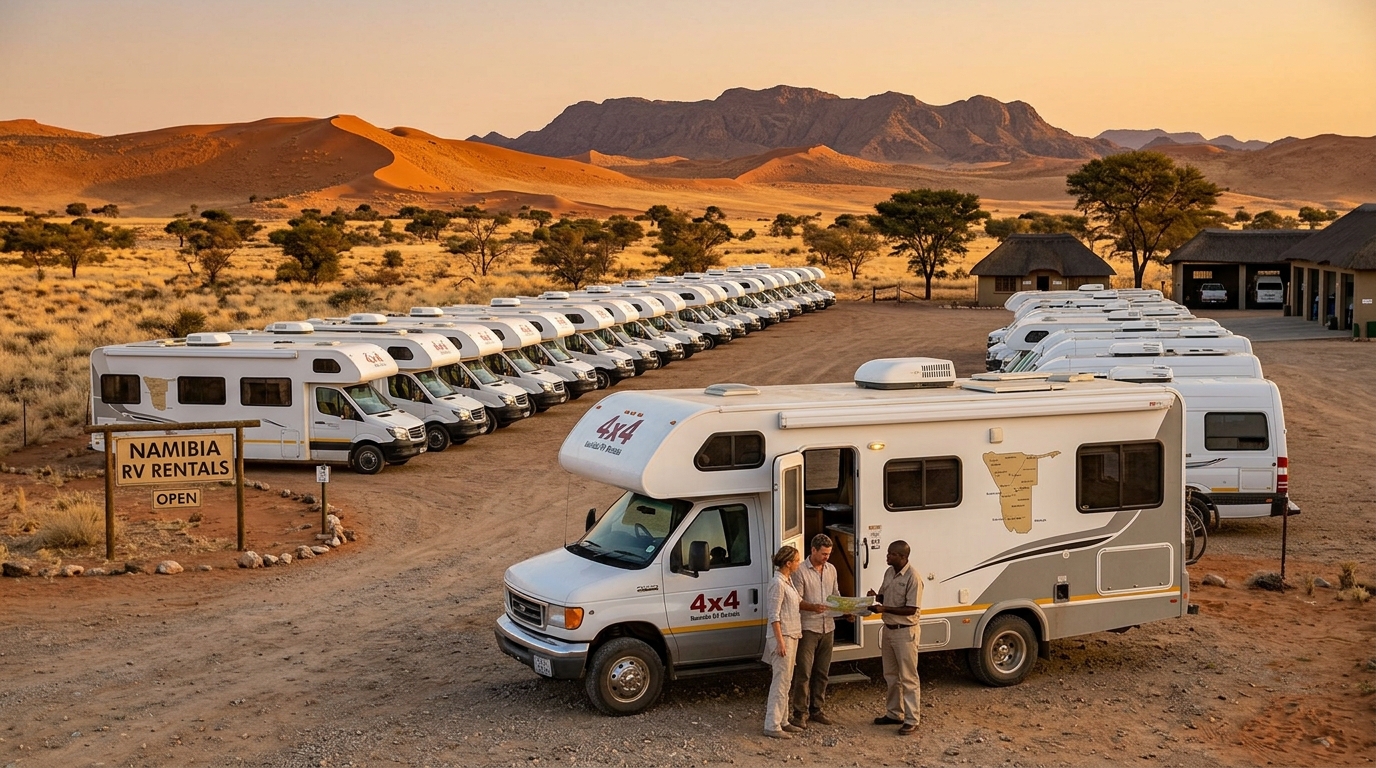
Quintessential Namibian RV itineraries typically involve a scenic loop starting and ending in Windhoek, the capital city. These popular routes are designed to showcase the country's dramatic landscapes, abundant wildlife, and unique geological formations. A well-planned RV journey in Namibia generally covers approximately 2,000 to 3,000 kilometers over a duration of 7 to 14 days. The dry season, spanning from May to October, is highly recommended for RV travel in Namibia, offering the best conditions for wildlife viewing in national parks and generally more comfortable temperatures for exploring the vast desert terrains.
7-Day Classic Route in Namibia
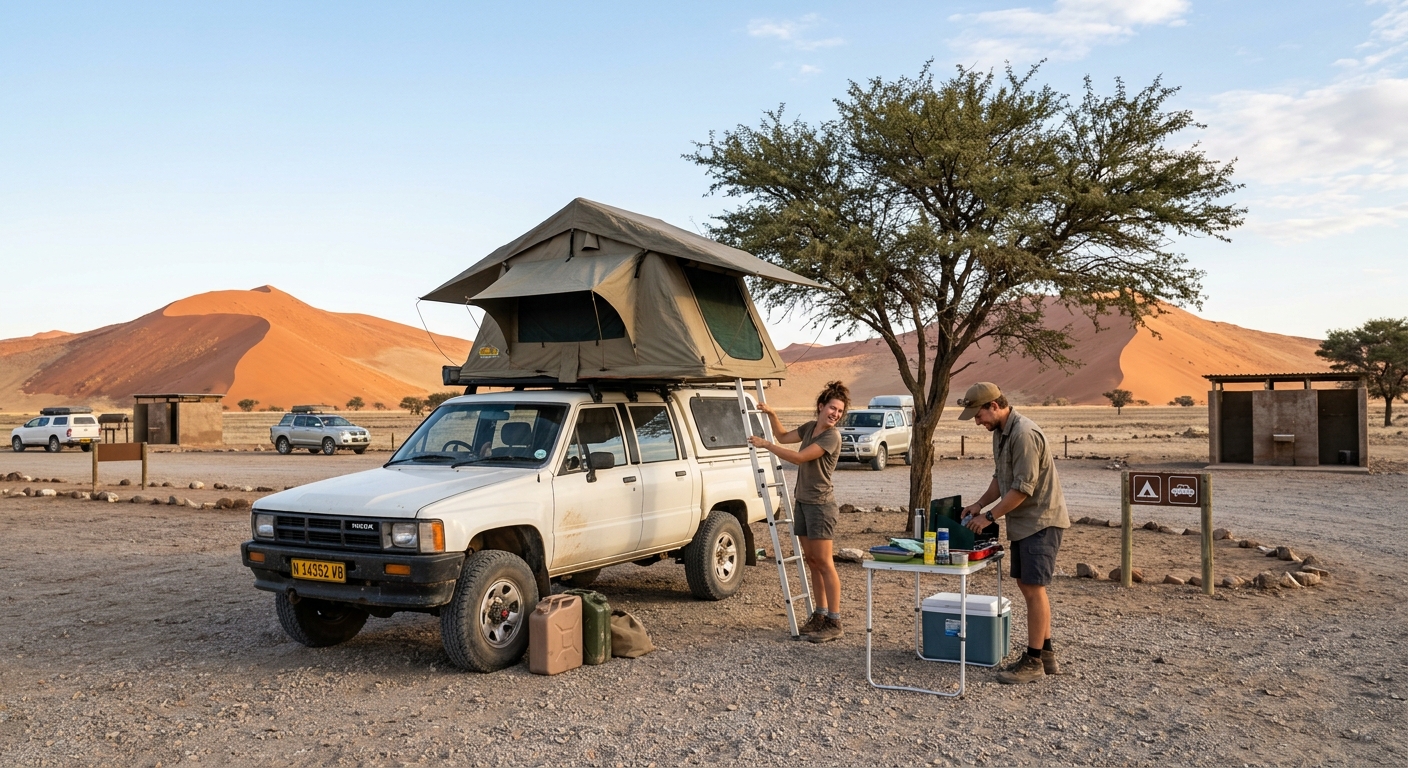
A classic 7-day RV itinerary in Namibia is perfect for first-time visitors, focusing on the country's most iconic southern and central landmarks. This route offers a compelling taste of Namibia's diverse landscapes, from the towering red dunes of Sossusvlei to the charming German colonial architecture of Swakopmund. With a rented RV, you can comfortably experience these highlights:
- Day 1: Windhoek to Sesriem (Sossusvlei area) (~350 km/217 miles) - After picking up your RV rental in Windhoek and stocking up on supplies, begin your journey south. The drive offers a mix of paved and gravel roads. Camp at Sesriem Campsite for proximity to the dunes.
- Day 2: Explore Sossusvlei & Deadvlei (~120 km/75 miles loop) - Wake early for sunrise at Dune 45, then explore the surreal, ancient trees of Deadvlei. Access to Deadvlei usually requires a 4x4 shuttle from the parking area, so consider your RV class when planning. Camp again at Sesriem Campsite.
- Day 3: Sesriem to Swakopmund (~350 km/217 miles) - Enjoy a scenic drive west, passing through the Gaub and Kuiseb passes. The landscape shifts dramatically as you approach the coast. Consider camping at Alte Brücke Resort, known for its proximity to Swakopmund.
- Day 4: Swakopmund & Walvis Bay Exploration (local drives) - Spend the day exploring the coastal towns. Activities abound, from quad biking and sandboarding on the dunes to a marine cruise in Walvis Bay for dolphin and seal spotting. Stay another night at Alte Brücke Resort.
- Day 5: Swakopmund to Spitzkoppe (~150 km/93 miles) - Head inland to Spitzkoppe, often referred to as the 'Matterhorn of Namibia' for its dramatic granite peaks. Enjoy hiking and exploring the ancient San rock art. Camp at the Spitzkoppe Community Camp for an authentic experience.
- Day 6: Spitzkoppe to Erongo Mountains (Omaruru area) (~150 km/93 miles) - Continue your journey through varied landscapes, exploring the Erongo Mountains, known for their geological formations and ancient rock art sites. Look for lodges or designated camping spots in the Omaruru area, like Erongo Wilderness Lodge.
- Day 7: Erongo to Windhoek (~200 km/124 miles) - Enjoy a final scenic drive back to Windhoek. Return your RV rental and perhaps pick up some last-minute souvenirs before your departure.
14-Day Extended Journey in Namibia
An extended 14-day RV journey in Namibia allows for a more in-depth exploration of the country's diverse attractions, including the world-renowned Etosha National Park and the rugged beauty of Damaraland. This itinerary offers a comprehensive self-drive safari experience and a deeper appreciation for Namibia's unique wilderness:
- Days 1-3: Windhoek & Sossusvlei exploration - Similar to the 7-day trip, spend time in Windhoek and explore the iconic desert landscapes around Sossusvlei.
- Day 4: Sossusvlei to Swakopmund (~350 km/217 miles) - Travel towards the coast.
- Day 5: Swakopmund activities and coastal exploration - Enjoy adventure activities and the coastal scenery.
- Day 6: Swakopmund to Spitzkoppe (~150 km/93 miles) - Experience the striking Spitzkoppe granite formations.
- Day 7: Spitzkoppe to Twyfelfontein/Damaraland (~200 km/124 miles) - Head north into Damaraland, a region rich in ancient rock engravings and desert-adapted wildlife. Camp at Twyfelfontein or a nearby designated site.
- Day 8: Twyfelfontein to Palmwag (~150 km/93 miles) - Continue exploring the rugged beauty of Damaraland, known for its stark desert scenery and unique desert-adapted elephants. Palmwag Lodge offers a comfortable camping base.
- Day 9: Palmwag to Etosha National Park (Anderson Gate) (~200 km/124 miles) - Enter Etosha National Park, one of Africa's premier wildlife sanctuaries. Enjoy your first game drive as you head to your campsite, perhaps Okaukuejo, famous for its floodlit waterhole.
- Days 10-11: Etosha National Park exploration - Dedicate these days to game drives within Etosha. Focus on different regions, like Halali and Namutoni, observing wildlife congregating at waterholes. The sheer scale of Etosha offers endless opportunities for unforgettable wildlife sightings.
- Day 11: Etosha National Park (eastern side) to Waterberg Plateau Park (~250 km/155 miles) - Exit Etosha from the east and drive south towards the Waterberg Plateau Park, a distinctive table-top mountain offering hiking and diverse flora and fauna. Camp within the park.
- Day 12: Waterberg Plateau Park to Otjiwarongo (~50 km/31 miles) - Explore Waterberg's natural beauty and visit the Cheetah Conservation Fund near Otjiwarongo to learn about cheetah conservation efforts and see these magnificent cats. Find accommodation or a campsite near Otjiwarongo.
- Day 13: Otjiwarongo to Windhoek (~250 km/155 miles) - Enjoy a final scenic drive back towards Windhoek, reflecting on your incredible Namibian adventure. Spend your last night in your RV near the city.
- Day 14: Depart Windhoek - Return your RV rental and prepare for your departure, filled with memories of Namibia's wild beauty.
Recommended RVPlan Trip for Namibia
While a specific pre-planned RVPlan trip for Namibia is not currently highlighted on our platform, we strongly recommend exploring Bandana's diverse selection of expertly curated RV itineraries available through our integrated planning tools. These customized itineraries are designed by seasoned travel experts to remove the guesswork and planning headaches often associated with complex road trips. By utilizing these resources, users gain full access to intuitive trip-planning software that helps map out routes, identify key attractions, and optimize your journey for a truly seamless Namibian adventure.
Must-See Stops Along the Way (Avi Bandana Picks)
Avi Bandana, our seasoned travel expert, highlights several authentic stops that provide a deeper cultural and natural immersion beyond the main tourist attractions, enriching your RV journey through Namibia:
- Sossusvlei (Namib-Naukluft National Park): Essential for iconic desert landscapes, monumental dunes like Dune 45, and the striking petrified trees of Deadvlei – a photographer's paradise. Plan your access and timing carefully, especially for reaching Deadvlei.
- Swakopmund: This charming coastal town, with its distinctive German colonial architecture, is a hub for adventure activities. Consider quad biking, sandboarding, and marine cruises, alongside fresh seafood dining for a true coastal experience.
- Spitzkoppe: Often called the 'Matterhorn of Namibia,' this dramatic granite inselberg offers unique rock formations, ancient San rock art, and exceptional wild camping opportunities for RVs. It's a photographer's and adventurer's dream.
- Etosha National Park: World-renowned for its vast salt pan and abundant wildlife, especially around its numerous waterholes, Etosha is a prime safari destination. The accessibility for RVs and the sheer volume of game make it a must-visit.
- Himba Village Visit (Damaraland/Kaokoveld): For a respectful cultural exchange, arrange a visit to a Himba village to learn about the semi-nomadic Himba people and their unique traditions. Ensure the visit is conducted ethically and respectfully.
- Cheetah Conservation Fund (near Otjiwarongo): A must-visit for wildlife enthusiasts, offering insights into crucial cheetah conservation efforts. Seeing these magnificent cats up close in a dedicated sanctuary provides a powerful and educational experience.
Daily Driving Distances & Drive Times in Namibia
Avi Bandana strongly recommends maintaining a relaxed pace when driving an RV in Namibia, advising a maximum average of 100 miles (150 km) per day. This slower pace is crucial for fully enjoying the journey and accounts for the often challenging nature of Namibia's road surfaces, which include long stretches of gravel. This approach allows for spontaneous stops, unexpected wildlife sightings, and safer navigation, especially on the corrugated gravel roads that are common between major destinations. When planning your distances, keep these typical drive times in mind:
- Windhoek to Sesriem (Sossusvlei): Expect approximately 5-6 hours of driving for about 350 km. This route is often a mix of well-maintained tar and good-quality gravel roads.
- Sesriem to Swakopmund: This leg takes around 5-6 hours for roughly 350 km, predominantly traversing gravel roads. Drive carefully to manage corrugations and potential dust.
- Swakopmund to Etosha (Anderson Gate): A longer drive of roughly 6-7 hours for approximately 500 km. You'll start on tar roads before transitioning to good-quality gravel leading into the park.
Remember to factor in additional time for rest stops, meal breaks, and any unforeseen delays, especially when dealing with gravel roads. Always check current road conditions before departing.
Best RV Class for This Itinerary — Couple & Family Picks
Choosing the right RV class for your Namibian adventure is key to a comfortable and enjoyable trip, with vehicle size and features aligning with your group's needs. For couples seeking agility and fuel efficiency, a compact camper van is an excellent choice. For families or larger groups, a more spacious motorhome ensures comfort and ample living space. Bandana offers a range of options to suit every traveler:
- For Couples: A Class B - Camper Van is an excellent choice, offering agility and fuel efficiency ideal for two travelers navigating Namibia's diverse terrains. Bandana's fleet typically features Class B vans with an average length of 5.8 meters and sleeping places for approximately 3 people, comfortably accommodating 2 adults. These camper vans are nimble and well-suited for diverse Namibian roads.
- For Families: A Class C - Alcove motorhome provides ample space and comfort for groups traveling with children. Bandana's Class C vehicles average 7.5 meters in length, offering approximately 5-6 sleeping places, ensuring everyone has room to relax and sleep comfortably after a day of exploration. These larger motorhomes often include essential amenities for family travel.
For a truly hassle-free trip, consider utilizing our 'Rent & Plan' service, which bundles your RV rental with a ready-made itinerary crafted by travel experts. This service provides full access to trip-planning software, removing the planning headache and allowing you to focus on the adventure.
How Much Does an RV Rental Cost in Namibia
The cost of an RV rental in Namibia typically ranges from $100 to $300 per day, depending significantly on factors like vehicle class, the rental season, duration, and included amenities. For instance, a compact camper van suitable for couples will generally be at the lower end of this spectrum, while a larger motorhome designed for families will be at the higher end. Beyond the daily rental rate, budget breakdowns should account for mandatory insurance, fuel consumption (Bandana's fleet averages 10-12 Liters/100 km), national park fees (approximately N$80-100 per person per day plus a vehicle entry fee), and campsite fees (which can range from N$200-N$600 per night). Don't forget to include groceries and a contingency fund for activities, as additional expenses can add up, potentially bringing your realistic daily budget closer to $200-$400 including all expenses. On the routes offered through RV PLANET routes, you can itemize and track every expense along the way for easy budgeting.
How Much is a Campervan Per Day in Namibia
A campervan in Namibia, typically a Class B model, generally costs between $80 and $200 per day. This makes it a more budget-friendly option compared to larger RVs, particularly for couples or small groups seeking flexibility and easier maneuverability. These daily rates for smaller campervans typically include basic mileage and insurance, but it's crucial to remember that they often exclude additional costs such as fuel, national park entry fees, and campsite bookings. Factors influencing the price include the age and model of the campervan, whether it's high or low season, and the rental duration, with longer rentals often qualifying for lower daily rates.
Do You Need a 4x4 for Namibia
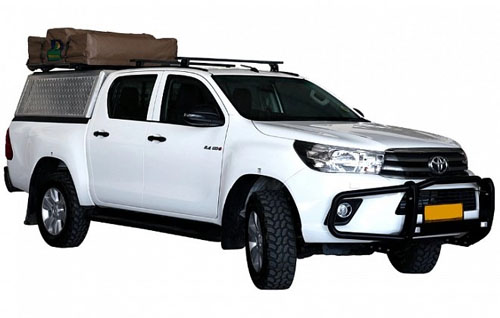
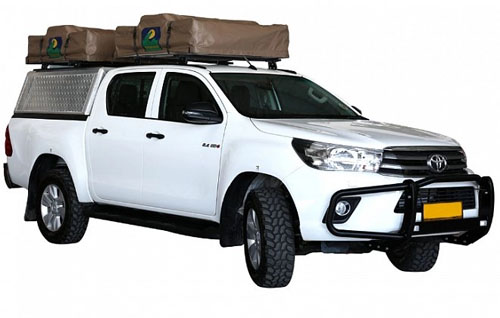
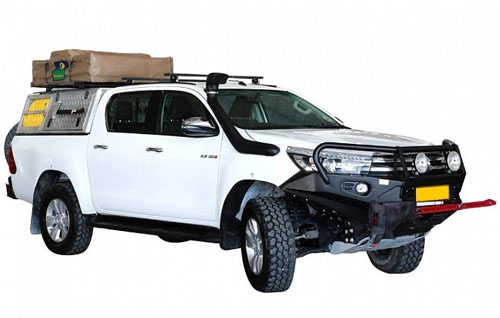
While many popular routes in Namibia can be navigated with a standard 2WD RV, a 4x4 RV is highly recommended for exploring more remote areas, navigating challenging gravel roads, and accessing certain national park sections. For instance, if your itinerary includes venturing into the Epupa Falls region or deep into the Kaokoveld, a 4x4 provides essential advantages. Standard 2WD RVs are generally suitable for well-maintained tar and major gravel roads connecting destinations like Windhoek, Sossusvlei (up to the 2WD parking), Swakopmund, and the main camps within Etosha National Park. However, a 4x4 vehicle offers significantly improved ground clearance for rocky terrain and better traction on sandy tracks, such as the final stretch to Deadvlei's parking area or some of Etosha's secondary roads. This enhanced capability provides greater safety and peace of mind in remote, less-traveled regions.
Is it Safe to Drive to Namibia from South Africa
Driving to Namibia from South Africa is generally considered safe, particularly when you plan your route carefully, adhere to border crossing protocols, and are aware of local driving conditions. The most common and efficient border crossing is Vioolsdrif/Noordoewer, which requires passports, vehicle registration documents, a letter of authorization from your RV rental company (if not the owner), and a valid cross-border permit for South African-registered vehicles. While road safety within South Africa itself requires vigilance, especially avoiding night driving and being aware of petty crime near larger towns, Namibia offers a generally safe driving environment. However, preparation is key for the vast distances between services, potential wildlife on roads (especially at dusk and dawn), and the remoteness of certain stretches.
What Should I Avoid in Namibia
To ensure a safe, respectful, and enjoyable RV trip in Namibia, there are several key practices to adhere to, primarily focusing on safety, environmental responsibility, cultural sensitivity, and preparedness for remote travel:
- Safety Protocols & Wildlife Encounters: Absolutely avoid driving after dark due to poor visibility and the heightened risk of colliding with nocturnal wildlife, which is a significant hazard. Always maintain a safe distance from animals and never feed them, respecting their natural behaviors and habitats.
- Environmental Responsibility: Do not litter or deviate from marked roads in fragile ecosystems. Stick to designated campsites, conserve water, and use proper waste disposal methods to support sustainable RV travel. Namibia's natural beauty is precious and requires careful stewardship.
- Cultural Etiquette: Exercise cultural sensitivity by asking for permission before photographing people, especially in traditional communities. Dressing respectfully and supporting local businesses through direct purchases can foster positive interactions and contribute to the local economy.
- Remote Area Preparedness: Never underestimate the vast distances and remoteness between towns and services in Namibia. Always carry ample extra water, fuel, and a well-stocked first-aid kit. For areas with no mobile signal, consider a satellite phone or personal locator beacon for emergency communication.
How Many Days Do You Need in Namibia RV
For a fulfilling RV experience in Namibia, a minimum of 7 days is recommended to cover the country's key highlights and experience its unique landscapes. However, extending your trip to 10 to 14 days allows for a more comprehensive exploration of Namibia's diverse natural wonders and wildlife. A 7-day itinerary typically focuses on a compact central and southern loop, encompassing iconic destinations like Windhoek, Sossusvlei, and Swakopmund, offering a concentrated yet rewarding taste of Namibia's beauty. Extending your trip to 10-14 days provides the flexibility to include Northern Namibia, allowing for deeper immersion into Etosha National Park for unparalleled wildlife viewing and exploring the rugged beauty of Damaraland, home to ancient rock art and desert-adapted elephants.
What Do You Need for a Road Trip in Namibia
For a successful RV road trip in Namibia, essential items include robust recovery gear, ample water and fuel reserves, a comprehensive first-aid kit, reliable communication devices, and clothing suited for extreme temperature variations. The country's vast distances and remote nature necessitate thorough preparation:
- Vehicle & Recovery Gear: Pack at least two spare tires, a tire repair kit, a compressor, basic tools, jump-start cables, a recovery strap, and a shovel. Carry jerry cans for extra fuel and at least 20 liters of water per person, as distances between services are substantial.
- Navigation & Communication: Utilize offline maps (e.g., Maps.me, downloaded Google Maps) and a reliable GPS device. A local SIM card is useful in towns, but for remote areas with no mobile signal, a satellite phone or personal locator beacon (PLB) is crucial for emergency communication.
- Health & Personal Items: A comprehensive first-aid kit, personal medications, high SPF sunscreen, insect repellent, a wide-brimmed hat, and sunglasses are essential. Pack layered clothing to adapt to hot days and surprisingly cool desert nights.
- Ethical Wildlife Viewing & Comfort: Binoculars and camera gear are vital for wildlife viewing in Etosha and other parks. Pack a good headlamp, a power bank for electronics, and basic camping supplies (if not provided with the RV) like chairs and cooking utensils for a comfortable and responsible journey.
What is the Best National Park in Namibia
Etosha National Park is widely considered the best national park in Namibia for its exceptional wildlife viewing opportunities. Its vast salt pan creates a unique backdrop for spotting the 'Big Four' (lion, leopard, elephant, rhino), along with giraffes, zebras, and various antelope species. The park's numerous waterholes are particularly effective magnets for wildlife, making it an unparalleled self-drive safari destination with excellent RV camping facilities inside the park. Beyond Etosha, the Namib-Naukluft National Park is remarkable for its iconic red dunes of Sossusvlei and the stark beauty of Deadvlei, offering spectacular photographic opportunities and a unique desert landscape experience. Other notable parks include Waterberg Plateau Park, known for its biodiversity and endangered species conservation, and the remote Skeleton Coast National Park, which offers a rugged, hauntingly beautiful landscape of shipwrecks and desert-adapted wildlife, though access often requires specialized tours.
What You Shouldn't Miss
- Witnessing the sunrise over Dune 45 in Sossusvlei, a truly iconic Namibian experience.
- Exploring the stark beauty of Deadvlei, with its ancient, petrified camel thorn trees against the red sand dunes.
- Taking a marine wildlife cruise from Walvis Bay to spot seals, dolphins, and potentially whales.
- Hiking among the granite formations and discovering ancient San rock art at Spitzkoppe.
- Experiencing unparalleled wildlife viewing at Etosha National Park's waterholes, especially during the dry season.
- Visiting a traditional Himba village for a respectful cultural immersion in Damaraland.
Final Thoughts
Embarking on an RV adventure in Namibia is an unparalleled way to experience its vast landscapes and incredible wildlife. The freedom of the open road, combined with the unique opportunities for exploration, makes for an unforgettable journey. Remember to plan meticulously, especially regarding distances, fuel, and water, and always prioritize safety by avoiding night driving.
With a well-chosen RV and a flexible itinerary, Namibia's stunning natural beauty and remote wilderness are within your reach. We encourage you to embrace the spirit of adventure and discover the magic of this captivating country at your own pace. Get inspired for your next trip, discover top destinations, and planning tips all in one place!
Start planning your dream Namibian RV expedition today and create memories that will last a lifetime!
For ideas you can prep on the road, watch our RV-friendly recipes playlist on YouTube.