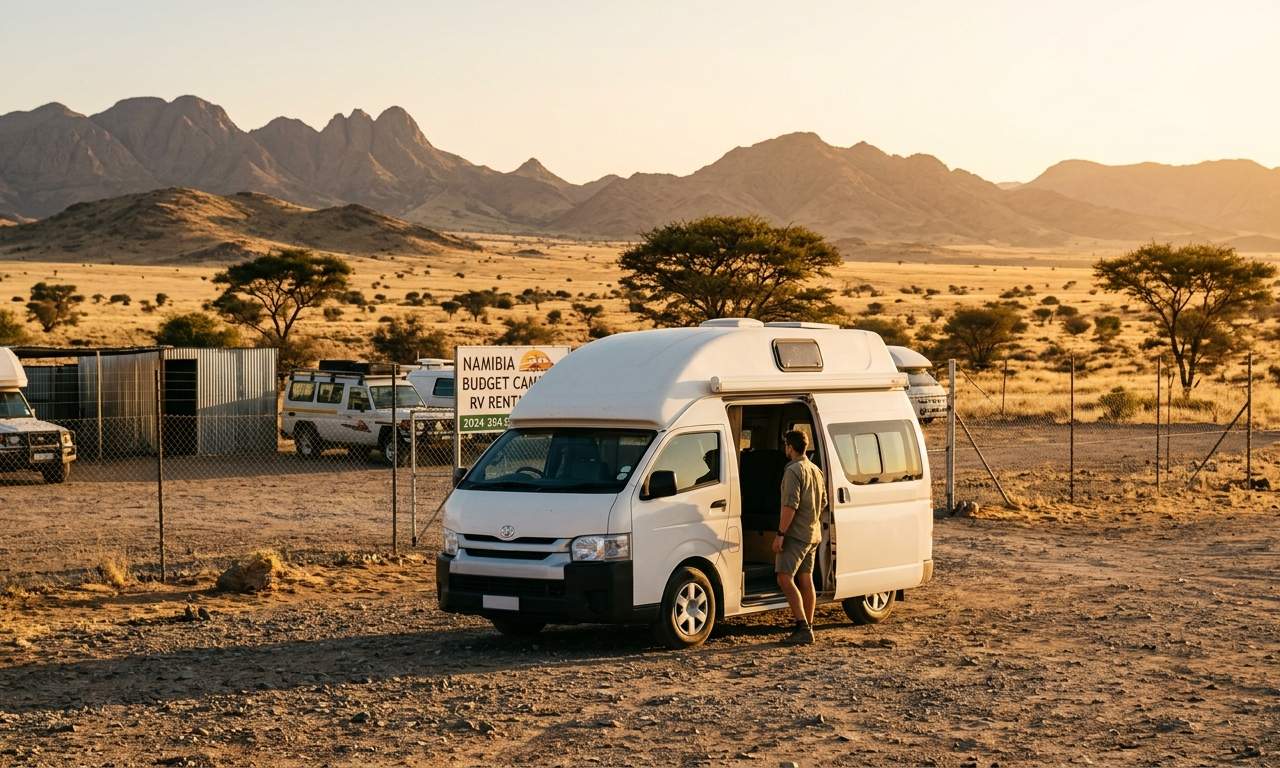
For live availability and current prices, start with our RV Rental Namibia - Complete Guide 2026 guide.
In This Guide
- Best Namibia RV Itinerary for rv rental for seniors - Overview
- 7-Day Classic Route in Namibia
- 14-Day Extended Journey in Namibia
- Recommended RVPlan Trip for Namibia
- Must-See Stops Along the Way (Avi Bandana Picks)
- Daily Driving Distances & Drive Times in Namibia
- Best RV Class for This Itinerary - Couple & Family Picks
- What specific safety protocols and driving hazards should seniors know for RVing in Namibia?
- What are Namibia's driving regulations and road conditions for senior RV travelers?
- How can seniors manage logistics, water, and fuel for self-sufficiency in remote Namibian RV trips?
- What are the unique challenges and advantages of RVing in Namibia for seniors?
- How can I customize a flexible RV itinerary for seniors in Namibia?
- What are the best RV campgrounds in Namibia and how do seniors book them?
- How can senior RV travelers respectfully interact with local Namibian communities?
- What is the total cost of an RV trip in Namibia for seniors, beyond just the rental fee?
Best Namibia RV Itinerary for rv rental for seniors - Overview
An RV trip through Namibia offers unparalleled freedom and immersion in stunning landscapes, making it an ideal choice for senior travelers seeking adventure at their own comfortable pace. For live availability and current prices, start with our RV Rental Namibia - Complete Guide 2024 guide. A classic Namibia RV itinerary for seniors typically covers approximately 1,500-2,500 km (930-1,550 miles) over a recommended minimum duration of 10-14 days to allow for leisurely travel and deep exploration. The best season for seniors to undertake an RV rental in Namibia is during the dry winter months, from May to October, when temperatures are milder, wildlife viewing is excellent, and roads are generally more navigable. This guide focuses on crafting a journey that balances iconic destinations with comfortable driving distances and ample time for relaxation, ensuring a memorable and manageable experience for seniors. Renting a motorhome or campervan provides the flexibility to adapt to your energy levels and interests each day, ensuring a truly personalized adventure through this captivating country.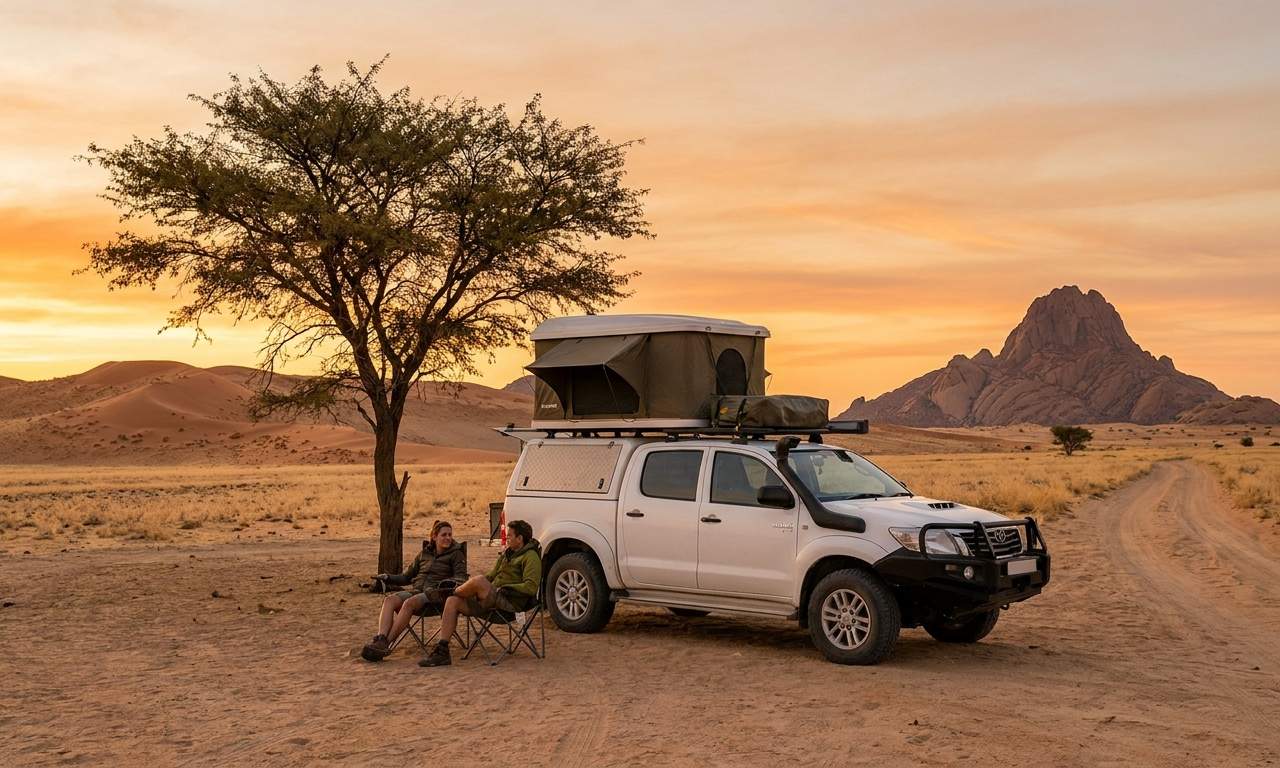
7-Day Classic Route in Namibia
A 7-day motorhome rental itinerary in Namibia provides a focused exploration of its southern highlights, ideal for seniors looking for a shorter, impactful trip. On Day 1, pick up your rented RV in Windhoek, provision your mobile home, and drive approximately 350 km (217 miles) to Sesriem, the gateway to Sossusvlei, overnighting at Sesriem Campsite. Day 2 is dedicated to exploring Sesriem, including an early morning visit to the iconic Sossusvlei dunes, Dune 45, and Deadvlei, returning to Sesriem Campsite. Day 3 involves a scenic drive of about 350 km (217 miles) through diverse landscapes to the coastal town of Swakopmund, with an overnight stay at Alte Brücke Resort. Day 4 in Swakopmund offers a day of relaxation or gentle activities like a boat cruise to see seals or simply enjoying the ocean, staying another night at Alte Brücke Resort. Day 5 transitions inland with a drive of approximately 150 km (93 miles) to the iconic Spitzkoppe mountains, known for their unique rock formations and ancient bushman paintings, where you can overnight at Spitzkoppe Community Campsite. Day 6 includes a leisurely 250 km (155 miles) drive towards Okahandja, famous for its craft markets, with an overnight stop at Ombo Rest Camp. Finally, Day 7 is a short 70 km (43 miles) drive back to Windhoek for your RV return. This route balances iconic sights with manageable daily driving, adhering to the principle of slow travel for maximum enjoyment.14-Day Extended Journey in Namibia
For a more comprehensive and relaxed exploration, a 14-day extended RV rental journey in Namibia is highly recommended for senior travelers, allowing for deeper immersion and shorter daily driving distances. Days 1-3 focus on the Southern Deserts: starting from Windhoek, you'll drive to Sesriem to explore Sossusvlei and Deadvlei, then continue to Solitaire, a classic desert stop, always respecting Avi Bandana's recommendation of a maximum of 100 miles or 150 km per day. Days 4-6 cover the Atlantic Coast: from Solitaire to Swakopmund, offering coastal activities and a seal colony at Walvis Bay, and then heading north to Cape Cross for its fur seal reserve, allowing ample time for leisurely drives and coastal breezes. Days 7-9 delve into Damaraland & Ancient Landscapes: journey from Cape Cross to Twyfelfontein, a UNESCO rock art site, and then to Palmwag, a wildlife conservancy, with a focus on slower travel and cultural immersion. Days 10-12 are dedicated to Etosha National Park: traveling from Palmwag to Etosha, experiencing various camps like Okaukuejo, Halali, and Namutoni for extensive game drives and waterhole viewing. Finally, Days 13-14 involve the return to Windhoek: from Etosha (Namutoni) to Otjiwarongo, with a possible stop at the Cheetah Conservation Fund, before completing the journey back to Windhoek, ensuring a relaxed pace for the final leg. This extended itinerary totals approximately 2,500 km (1,550 miles), offering a comprehensive Namibian experience with comfortable driving segments ideal for seniors, and plenty of opportunities to create delicious meals in your RV kitchen using our RV-friendly recipes playlist.Recommended RVPlan Trip for Namibia
While specific pre-designed RVPlan trips for Namibia are always being updated, Bandana RV is dedicated to helping you craft the perfect adventure using our sister company, RV PLANET. Avi Bandana recommends exploring the 'Rent&Plan' service on rvplan.net, which allows users to not only find ideal RV rentals but also craft custom itineraries with expert guidance. This ensures a perfectly tailored trip that considers all factors crucial for seniors, such as comfortable driving distances, senior-friendly activities, and comprehensive logistical planning for a worry-free Namibian adventure. When you choose to Rent&Plan your adventure through rvplan.net, you'll also enjoy a fantastic 25% planning discount, a great reward for using our specialized tools. This expert-driven approach helps eliminate the planning headache, leaving you free to anticipate the open road.🎬 Video coming soon
Must-See Stops Along the Way (Avi Bandana Picks)
Namibia offers a wealth of incredible experiences, and Avi Bandana, our founder and a seasoned RV traveler, has some personal recommendations for seniors to ensure a memorable journey. Sossusvlei & Deadvlei is a traditional visit, best experienced in the early morning for its stunning red dunes and ancient camel thorn trees, providing breathtaking photographic opportunities. The Swakopmund Waterfront is perfect for enjoying fresh seafood at traditional restaurants and browsing local craft markets for unique souvenirs. For a rich cultural and historical immersion, Twyfelfontein, a UNESCO World Heritage site, features ancient rock engravings that tell stories of bygone eras. Etosha National Park Waterholes are essential for wildlife viewing, with traditional visit spots like Okaukuejo and Halali providing excellent opportunities to see diverse wildlife up close. Engage with local communities and support traditional craftsmanship by visiting local craft markets, such as those found in Okahandja. Finally, Spitzkoppe offers a chance for local interaction and to appreciate unique geological formations and ancient bushman paintings in a tranquil setting. These stops are carefully selected to provide a balance of natural beauty, cultural insight, and comfortable accessibility for senior travelers.Daily Driving Distances & Drive Times in Namibia
Avi Bandana consistently recommends a maximum of 100 miles or 150 km per day on average when RVing in Namibia for seniors, emphasizing slow travel to truly enjoy the diverse landscape and avoid fatigue. Distances can be deceiving on Namibia's gravel roads; what appears to be a short distance on a map can take significantly longer to traverse due to varying road conditions, wildlife encounters, and the need for careful driving. For example, the journey from Windhoek to Sesriem, approximately 350 km (217 miles), can take 4-5 hours of active driving, not including stops for photos or breaks. Similarly, driving from Sesriem to Swakopmund, also around 350 km (217 miles), typically involves 5-6 hours of driving due to a mix of gravel and tar roads that require different speeds. A shorter leg, like Swakopmund to Spitzkoppe, which is approximately 150 km (93 miles), can still be a 2-3 hour drive, mainly on gravel surfaces. Prioritizing shorter driving days allows for more time to explore, relax at campsites, and respond to unexpected roadside attractions, greatly enhancing the overall senior RV travel experience in Namibia. Remember, the goal is the journey, not just the destination!Best RV Class for This Itinerary - Couple & Family Picks
Choosing the right RV class is crucial for comfort and ease of travel for seniors in Namibia. For senior couples renting an RV, Avi Bandana highly recommends a **Class B - Camper Van**. Bandana's global fleet Class B Camper Vans typically average 5.8 meters in length and comfortably accommodate 2.7 adults, making them nimble enough for Namibia's diverse roads while providing essential amenities for two. These vans offer good fuel efficiency, often around 8-10 Liters/100 km, and are generally easier to maneuver and park in various terrains, which is ideal for senior travelers seeking flexibility and ease of driving. Imagine navigating through a quaint town or finding a secluded spot with ease. For senior travelers accompanied by family, such as grandchildren, Avi Bandana suggests a **Class SI - Semi-integrated** RV. Bandana's global fleet Class SI Semi-integrated RVs average 6.9 meters in length and can sleep up to 3.8 people, comfortably accommodating 3.4 adults on average. This class provides a good balance of living space, comfort, and a slightly larger load capacity (averaging 72.2 kg) for luggage and provisions, without being overly large or cumbersome on Namibian roads, making it suitable for a small family group. Renting a motorhome like a Class SI offers a spacious living area and often a larger kitchen, perfect for preparing family meals. Opting for Bandana RV's 'Rent&Plan' service with either of these RV types can further enhance the trip, providing a ready-made itinerary by travel experts with full access to trip-planning software, thereby removing the planning headache for seniors. We are true RV specialists, not just a travel agency side department, ensuring you get the best advice and support.What specific safety protocols and driving hazards should seniors know for RVing in Namibia?
For seniors RVing in Namibia, understanding specific safety protocols is paramount, especially regarding unique driving hazards such as wildlife, gravel roads, and remote area preparedness. Being aware of large and small wildlife, including kudu, springbok, warthogs, and even elephants, on roads is critical, particularly at dusk and dawn; adhere to significantly reduced speeds on gravel roads, which can be unpredictable with corrugations, loose sand, and sharp stones. When venturing into remote regions, always carry extra water, fuel, and two spare tires, as services can be hundreds of kilometers apart; ensure your rented RV is equipped with a high-clearance (ideally 4x4 for certain routes, though not mandatory) and a robust GPS system with offline maps. Mobile phone reception is sporadic outside major towns, so consider renting a satellite phone or carrying a two-way radio for emergencies, and always inform someone of your itinerary, especially when traveling alone. Health considerations include consulting with a doctor before travel regarding vaccinations and carrying a comprehensive first-aid kit, including any personal medications, due to long distances between medical facilities. Drive slowly and carefully, and you can drive almost anywhere without issues. No need to stress - just use common sense and pay attention.What are Namibia's driving regulations and road conditions for senior RV travelers?
Navigating Namibia's diverse road network requires seniors to be familiar with local driving regulations and varied road conditions to ensure a safe and enjoyable RV trip. The national speed limit is generally 120 km/h on tarred (sealed) roads, but on gravel roads, it's advised to drive much slower, typically 60-80 km/h, to maintain control and avoid punctures; speed limits in urban areas are 60 km/h. Namibia has an excellent network of tarred roads connecting major towns, but most scenic routes and access to national parks are on well-maintained gravel roads (D, C, and some B roads); expect dust, corrugations, and occasional potholes. Always remain vigilant for livestock (cattle, goats, donkeys) and wild animals on roads, especially in unfenced areas; give them a wide berth and slow down immediately. Fuel stations can be sparse, particularly in remote regions; plan your fuel stops carefully and refuel whenever possible, even if your tank isn't empty, especially with a larger motorhome. If planning to cross into neighboring countries like Botswana or South Africa, ensure your RV rental company provides all necessary documentation (e.g., police clearance, border letters) and research specific border post requirements in advance. More detailed insights can be found in our "RV Driving Deals in Namibia - Routes and Savings 2024" guide.How can seniors manage logistics, water, and fuel for self-sufficiency in remote Namibian RV trips?
Seniors planning an RV trip through Namibia's remote areas must prioritize comprehensive logistics and self-sufficiency, especially regarding water, fuel, waste, and provisioning. Carry sufficient potable water for drinking and cooking (at least 5-10 liters per person per day, plus washing needs), and monitor your rented RV's water tank levels diligently; refill at every opportunity, typically at larger towns or well-equipped campgrounds. Namibia has vast distances between towns; plan your route to include fuel stops, and consider carrying an extra jerry can (20L) for emergencies, particularly if your RV has higher fuel consumption (e.g., Bandana's Class SI typically 10-11 Liter/100 km, Class C 10-12 Liter/100 km). Utilize designated waste disposal points at campsites or towns; adhere to 'leave no trace' principles in wilder areas, always packing out all refuse. Grocery shopping is best done in larger towns like Windhoek, Swakopmund, or Otjiwarongo where supermarkets offer a wider selection; smaller, remote shops might have limited stock. Mobile data coverage diminishes rapidly outside urban centers; consider purchasing a local SIM card (MTC or TN Mobile) upon arrival in Windhoek, but do not rely solely on it for navigation or emergencies. Familiarize yourself with basic RV functions (tire pressure, fluid checks) and carry a basic tool kit; while assistance might be distant, knowing how to change a tire or identify simple issues is invaluable. For tracking all these ancillary costs and managing your budget, RV PLANET routes allow you to itemize and track every expense along the way for easy budgeting.What are the unique challenges and advantages of RVing in Namibia for seniors?
RVing in Namibia presents both unique challenges and significant advantages for senior travelers, making careful preparation key to maximizing the experience. Challenges include expecting dust and heat, especially during the hot season, which can be managed with proper ventilation and planning rest stops. The remoteness means long distances between services, requiring careful planning for fuel, water, and food. While not always necessary, some routes may require a 4x4 RV due to sand or rough terrain, which might be more challenging to drive, but rest assured, a standard car driver's license is sufficient for all motorhome classes. Water scarcity is a real concern in certain regions, necessitating careful conservation and diligent planning for refills. On the advantageous side, renting an RV offers unparalleled flexibility, allowing seniors to travel at their own pace, pause spontaneously for wildlife sightings, and avoid the constant packing and unpacking of traditional tours. A rented motorhome provides a familiar and comfortable 'home base' with personal amenities, which is particularly beneficial for seniors who may have specific dietary needs or prefer their own sleeping arrangements. Over longer trips, an RV can be more cost-effective than combining car rentals, accommodation, and restaurant meals, especially for self-catering. Ultimately, RVing provides a deeper connection to Namibia's stunning landscapes and offers opportunities for spontaneous detours and secluded camping experiences not easily accessible by other means.How can I customize a flexible RV itinerary for seniors in Namibia?
Customizing a flexible RV itinerary for seniors in Namibia involves tailoring routes to personal interests, optimizing travel time for comfort, and building in contingency for unexpected changes. To personalize your interests, focus on regions that align with your passions; for example, concentrate on wildlife viewing in Etosha National Park, photography opportunities in Sossusvlei, or exploring the unique geology in Damaraland; seniors can combine these destinations with ample rest days in between. Optimize your travel time by prioritizing shorter daily driving distances, ideally not exceeding Avi Bandana's recommended 100 miles or 150 km per day, to reduce fatigue and allow for ample stops and exploration. Build in flexibility by incorporating 'buffer days' or unscheduled days into your itinerary, allowing for spontaneous detours, longer stays at favorite spots, or unexpected delays due to road conditions or vehicle issues. Plan routes that flow naturally between regions, minimizing backtracking; consider circular routes starting and ending in Windhoek to simplify logistics, as outlined in "One-Way RV Rental in Namibia - Price Guide 2024". While flexibility is good, highly popular national park campgrounds (e.g., in Etosha or Sesriem) should be booked well in advance, especially during peak season, to secure a spot and avoid last-minute stress. Utilize digital tools like GPS apps with offline maps (e.g., Tracks4Africa) and online resources to plan routes, check road conditions, and locate services, but always carry reliable paper maps as a backup.What are the best RV campgrounds in Namibia and how do seniors book them?
Namibia offers a variety of excellent RV campgrounds, from national park sites to private resorts and community-run camps, each providing distinct amenities and booking procedures suitable for seniors. Popular national park campgrounds, such as Okaukuejo, Halali, and Namutoni in Etosha, and Sesriem Campsite near Sossusvlei, offer basic facilities including ablution blocks, and often a shop or restaurant, along with excellent access to main attractions. For these, booking directly via the Namibia Wildlife Resorts (NWR) online portal well in advance is essential, especially for peak season, although many national parks reserve only 25-30% of spots for pre-booking, with the rest being first-come, first-served. Private campgrounds and resorts, like Alte Brücke Resort in Swakopmund or Canyon Roadhouse near Fish River Canyon, often provide more luxurious amenities such as swimming pools, restaurants, and powered sites; booking is typically done directly through their websites or via international booking platforms. Community-run campsites, such as Spitzkoppe Community Campsite, offer rustic charm, stunning natural settings, and direct support to local communities; amenities might be basic. Booking for these can be more informal, sometimes on arrival, but pre-calling or checking online for availability is advisable. When choosing the right site, look for level pitches, access to potable water, electricity (if desired), and clean ablution blocks; many camps offer braai (barbecue) facilities for outdoor cooking. For finding campsites and campgrounds during your trip, we recommend using RV PLANET (rvplan.net) - a great resource for locating available spots along your route. You'll find a spot. If not at the first campground, then the next one. Call ahead before driving.How can senior RV travelers respectfully interact with local Namibian communities?
Respectful engagement with local communities is a truly rewarding aspect of RV travel in Namibia, and seniors can foster positive interactions through mindful and considerate practices. Learning basic greetings, such as a simple 'Moro' (hello in Oshiwambo) or 'Howzit' (an informal hello in Afrikaans), can open doors and demonstrate genuine interest, which is always appreciated. While not strictly enforced for tourists, dressing modestly, especially when visiting smaller towns or rural areas, shows respect for local customs and traditions. Always ask for permission before taking photos of people, particularly children; respect a 'no' with grace and understanding. Supporting local businesses by purchasing crafts, food, or services directly from local vendors at markets or community stalls provides direct economic benefit and is a meaningful way to contribute. Be mindful of poverty, and while offering money may seem helpful, it can sometimes create a cycle of begging; instead, consider supporting established community projects, schools, or giving directly to people offering a service. Be aware of different cultural norms regarding personal space, direct eye contact, and gestures; if unsure, observe and emulate local behavior. Engaging with local guides for specific tours, like San bushman experiences or Himba village visits, provides deeper cultural insights and ensures ethical interaction. By practicing these tips, your RV rental adventure will be enriched with authentic and meaningful connections.What is the total cost of an RV trip in Namibia for seniors, beyond just the rental fee?
Seniors budgeting for an RV trip to Namibia should consider a comprehensive cost breakdown that extends significantly beyond the initial RV rental fee to include fuel, park entry fees, camping fees, groceries, and activity costs. Your RV rental fee will be your primary expense, varying dynamically by RV class (e.g., our "Cheap RV Rental in Namibia - Budget Guide 2024" has options), season, and duration; always ensure it includes insurance and any specified mileage limits, with full transparency and no hidden fees, a core Bandana differentiator. Fuel is a significant expense due to Namibia's vast distances; prices fluctuate, but budget for approximately 10-12 Liters/100 km for most RVs, such as Bandana's Class SI. For a 14-day trip covering 2,500 km, this would require roughly 250-300 liters. National Parks like Etosha and Namib-Naukluft (Sossusvlei) charge daily entry fees per person and per vehicle; these can quickly add up over multiple days and parks. Expect to pay N$200-N$500 (approx. USD $10-$30) per night for a campsite, varying by location and amenities, as detailed in our "Weekly RV Rental in Namibia - Pricing 2024" guide. Self-catering in an RV significantly reduces food costs compared to restaurants, but budget for fresh produce, meats, and staple items, especially when stocking up in larger towns. Finally, budget for optional activities like guided safaris, quad biking in Swakopmund, cultural tours, or hot air balloon rides over Sossusvlei, which can range from N$500 to N$6,000+ (USD $30-$400+). Don't forget miscellaneous expenses like satellite phone rental (if chosen), extra water, and tips. For comprehensive planning that includes these costs, explore the itinerary tools at RV PLANET.What You Shouldn't Miss
- Sossusvlei & Deadvlei: A traditional visit for stunning red dunes and ancient camel thorn trees, best visited early morning.
- Swakopmund Waterfront: Enjoy fresh seafood at traditional restaurants and browse local craft markets for souvenirs.
- Twyfelfontein: A UNESCO World Heritage site featuring ancient rock engravings, offering a unique cultural and historical immersion.
- Etosha National Park Waterholes: Essential for wildlife viewing; traditional visit spots like Okaukuejo and Halali provide excellent opportunities to see diverse wildlife.
- Local Craft Markets (e.g., Okahandja): Engage with local communities and support traditional craftsmanship.
- Spitzkoppe: A chance for local interaction and to appreciate unique geological formations and ancient bushman paintings.
Final Thoughts
Embarking on a rented RV adventure through Namibia is an incredible way for seniors to experience one of Africa's most breathtaking countries at a pace that suits them perfectly. With proper planning, the right vehicle, and an understanding of local conditions, your journey will be filled with unforgettable sights and unique cultural encounters. Imagine yourself navigating expansive desert roads, witnessing diverse wildlife, and stargazing under the clearest skies, all from the comfort of your mobile home. At Bandana RV, we're here to support you every step of the way, from comparing the best rv rental for deals to providing all the information you need for a smooth and enjoyable trip. We want your experience to be as inspiring and worry-free as possible. So, get ready to discover top destinations and planning tips, all in one place, and plan a trip itinerary in advance with minimal effort and maximum enjoyment. Are you ready to explore the vast and stunning landscapes of Namibia? Compare Motorhome Prices for Namibia today and begin crafting your dream itinerary.On the routes offered through RV PLANET routes, you can itemize and track every expense along the way for easy budgeting.