In This Guide
- Best Iceland RV Itinerary for rv rental deals - Overview
- 7-Day Classic Route in Iceland
- 14-Day Extended Journey in Iceland
- Recommended RVPlan Trip for Iceland
- Must-See Stops Along the Way (Avi Bandana Picks)
- Daily Driving Distances & Drive Times in Iceland
- Best RV Class for This Itinerary - Couple & Family Picks
- What is the best time to RV in Iceland?
- How much does it cost to rent an RV in Iceland?
- What are the rules for camping in Iceland?
- Is it safe to drive an RV in Iceland?
- What are the driving rules for motorhomes in Iceland?
- Are there 4x4 campervans in Iceland?
- How do you prepare for an RV trip in Iceland?
- Do you need a 4x4 camper in Iceland?
- Can you drive a motorhome on F-roads in Iceland?
- Can you use a drone in Iceland?
Best Iceland RV Itinerary for rv rental deals - Overview
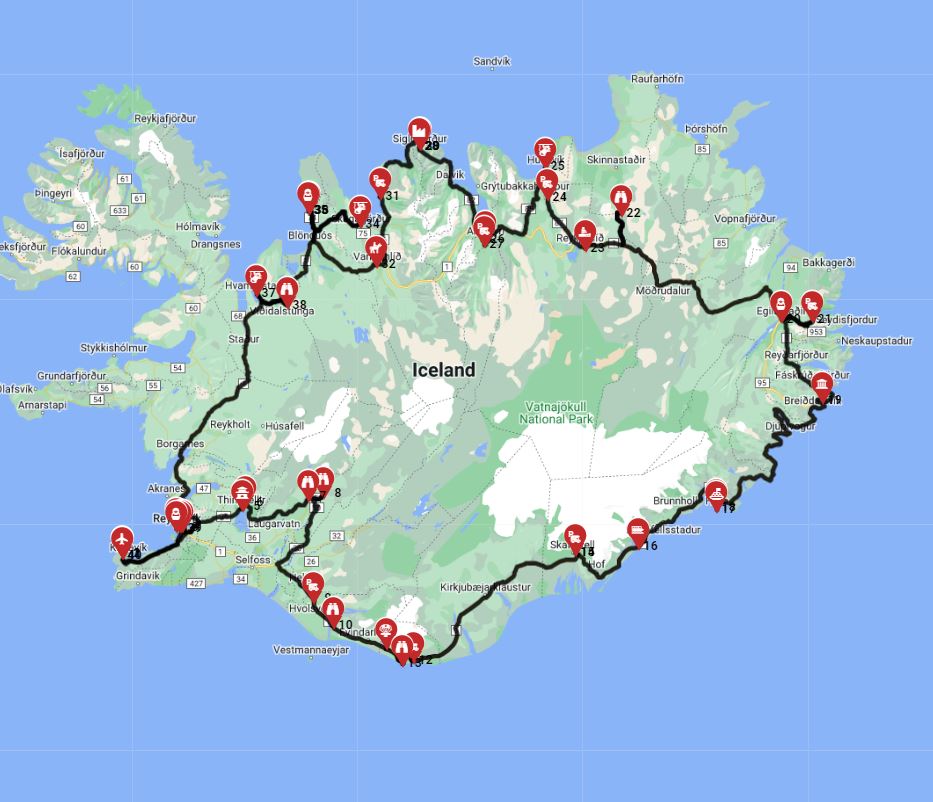
An RV trip in Iceland typically centers around the iconic Ring Road (Route 1) and requires a minimum of 7 days, though 10-14 days are recommended for a comprehensive experience that truly immerses you in the island's diverse beauty. For live availability and current prices, start with our RV Rental Iceland - Complete Guide 2026 guide. The ideal season for securing the best rental deals and ensuring accessible routes is generally the shoulder season, spanning May-June and September-October, when crowds are thinner and prices are more favorable. Summer, from July-August, provides full accessibility, including to the challenging F-roads, but at peak prices. A typical full Ring Road itinerary spans approximately 1,200-1,300 miles (2000-2100 km), a journey best savored at a leisurely pace to absorb the diverse landscapes and dramatic natural features that unfold around every bend. Bandana is committed to full transparency, ensuring no hidden fees or surprises as you plan your adventure, whether you're looking at "Cheap RV Rental in Iceland - Budget Guide 2026" or more luxurious options. We believe that traveling slowly, averaging no more than 100-150 km per day, allows you to truly feel the place, connect to the local culture, food, and scenery, making your journey more profound and memorable. Imagine preparing delicious meals inside your rented motorhome with a backdrop of a waterfall or a glacier; for inspiration, check out our RV-friendly recipes playlist.7-Day Classic Route in Iceland
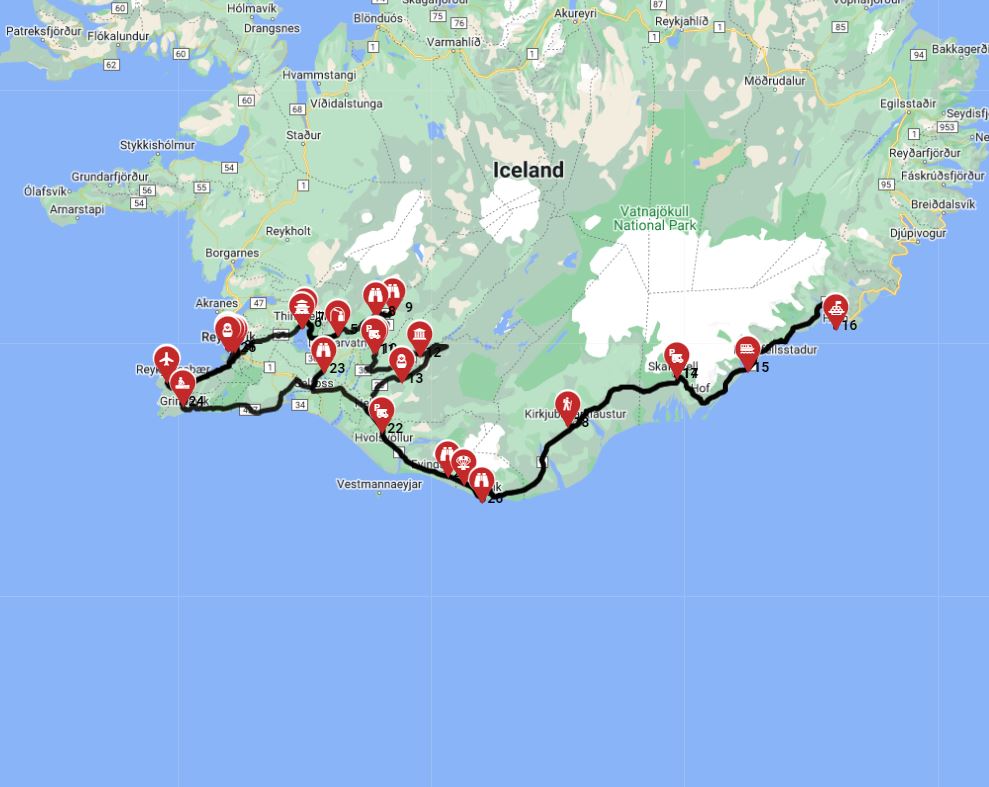
A 7-day itinerary focusing on Iceland's popular South Coast and Golden Circle is ideal for first-time RVers seeking a concentrated taste of the country's highlights, covering approximately 800-900 km. On Day 1, journey from Reykjavik to Thingvellir National Park, then to Geysir and Gullfoss, covering about 100 km (60 miles) before sleeping near Gullfoss. Day 2 takes you from Gullfoss to Seljalandsfoss, Skógafoss, and the black sand beaches of Vík, a drive of approximately 130 km (80 miles), with an overnight stay in the Vík area. Day 3 continues from Vík to Reynisfjara Beach, the Eldhraun Lava Field, and Kirkjubæjarklaustur, a shorter stretch of about 70 km (45 miles), sleeping near Kirkjubæjarklaustur. Day 4 moves from Kirkjubæjarklaustur to Skaftafell Nature Reserve and Svartifoss, another 70 km (45 miles) segment, with an overnight near Skaftafell. On Day 5, explore Jökulsárlón Glacier Lagoon and Diamond Beach before heading to Höfn, a picturesque 130 km (80 miles) drive. Day 6 involves returning from Höfn to Vík via the Ring Road, a longer day of about 270 km (170 miles) that allows for revisiting favorite spots or exploring new detours. Finally, Day 7 takes you from Vík back to Reykjavik, with an optional stop at the Blue Lagoon, covering about 190 km (120 miles) before returning your rented RV. This route provides a balance of iconic sights and manageable driving distances, ensuring an enjoyable week-long adventure. When considering "RV Rental in Iceland - Prices and Best Deals 2026", remember that off-peak travel can offer significant value for this classic route.14-Day Extended Journey in Iceland
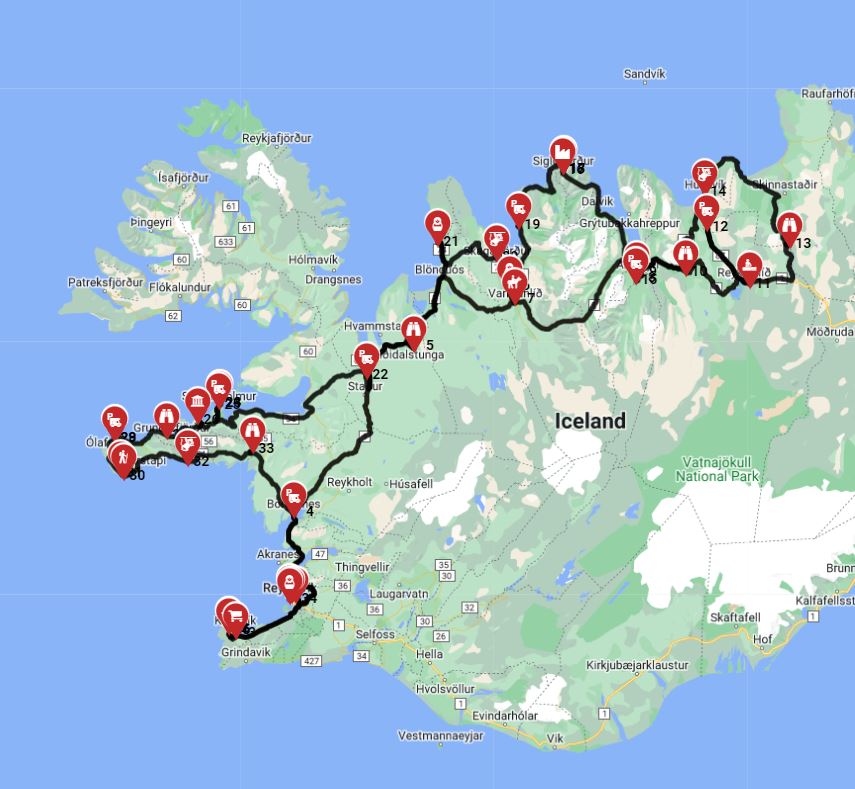
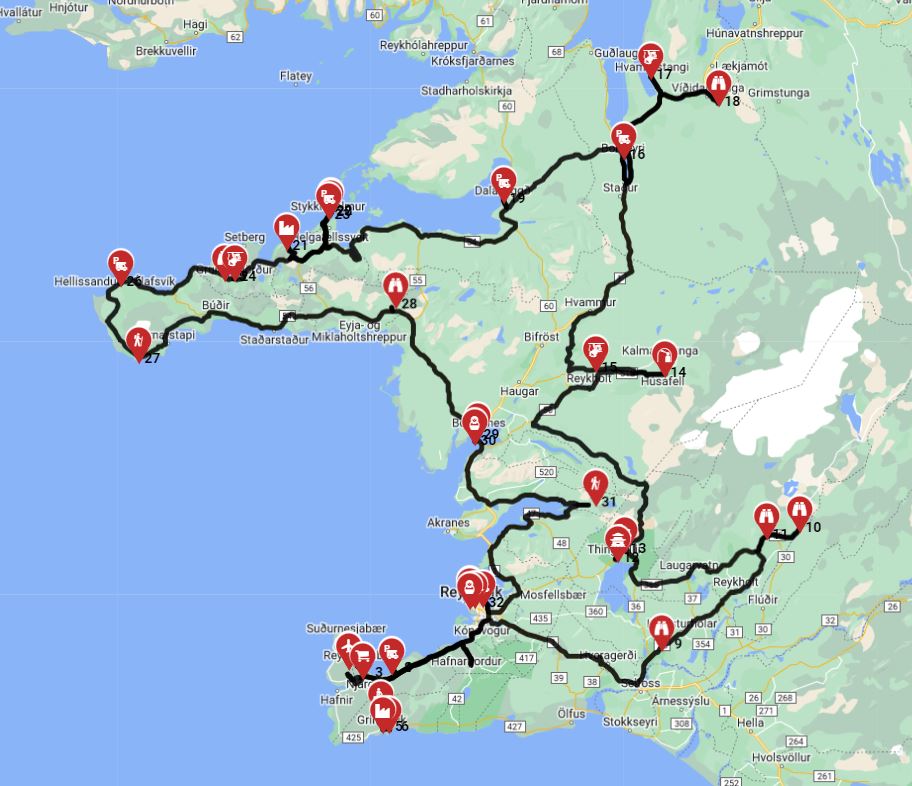
An extended 14-day RV journey allows for a comprehensive exploration of the entire Icelandic Ring Road, with ample time for detours and deeper immersion into each region, covering over 2000 km. Days 1-5 follow the initial segments of the 7-day itinerary, focusing on the Golden Circle and South Coast, concluding your fifth day in Höfn, where you've marvelled at geysers, waterfalls, and glacier lagoons. Days 6-7 lead you through the stunning Eastfjords, traveling from Höfn to Djúpivogur and then to Seyðisfjörður, with daily drives around 200 km (125 miles) to discover charming fishing villages and dramatic fjord landscapes. From Days 8-10, you'll explore North Iceland, moving from Seyðisfjörður to Lake Mývatn and then to Akureyri, covering approximately 200 km (125 miles) each day to experience geothermal areas, the powerful Dettifoss waterfall, and Iceland's 'Northern Capital'. Days 11-12 offer an optional detour to the remote Westfjords or a focus on the Snaefellsnes Peninsula, traveling from Akureyri to Borgarnes and onto the peninsula, with daily distances of about 150-200 km (90-125 miles) to encounter diverse landscapes from black sand beaches to volcanic craters. The journey concludes on Days 13-14, as you travel through West Iceland back to Reykjavik, covering about 100-150 km (60-90 miles) daily, allowing for coastal drives and perhaps a final visit to the Reykjanes Peninsula before returning your rented motorhome. This itinerary offers a thorough exploration, fitting for those seeking "Luxury RV Rental in Iceland - Premium Prices 2026" or simply more time to explore.Recommended RVPlan Trip for Iceland
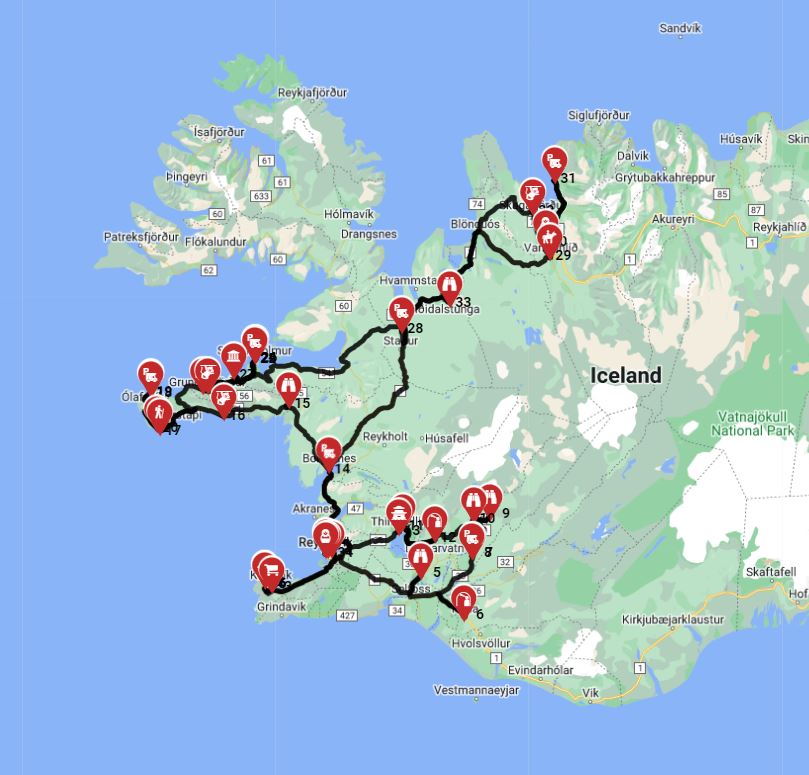
For those seeking a pre-planned and expertly crafted adventure in Iceland, the "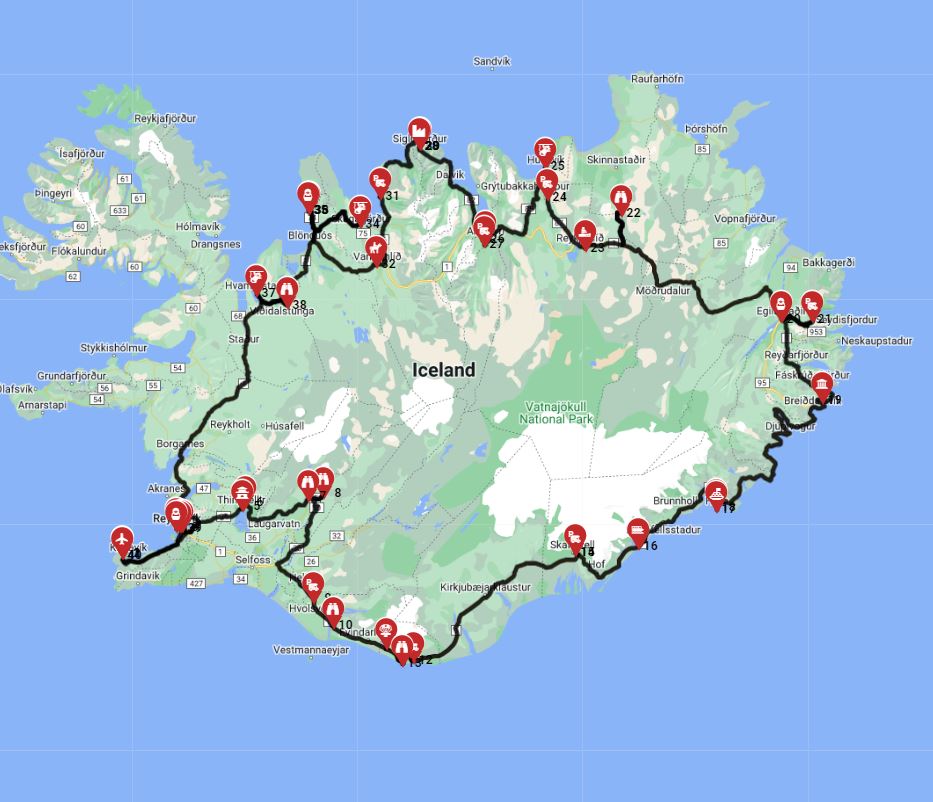
Iceland - Full ring road
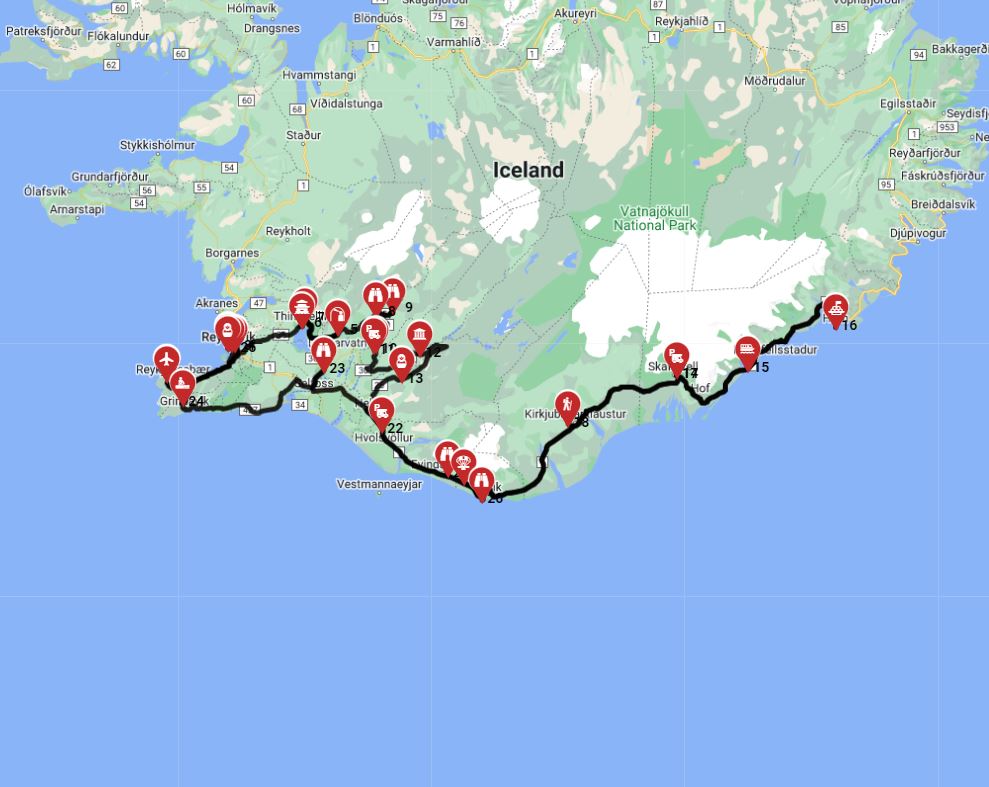
Iceland Golden Circle - South West
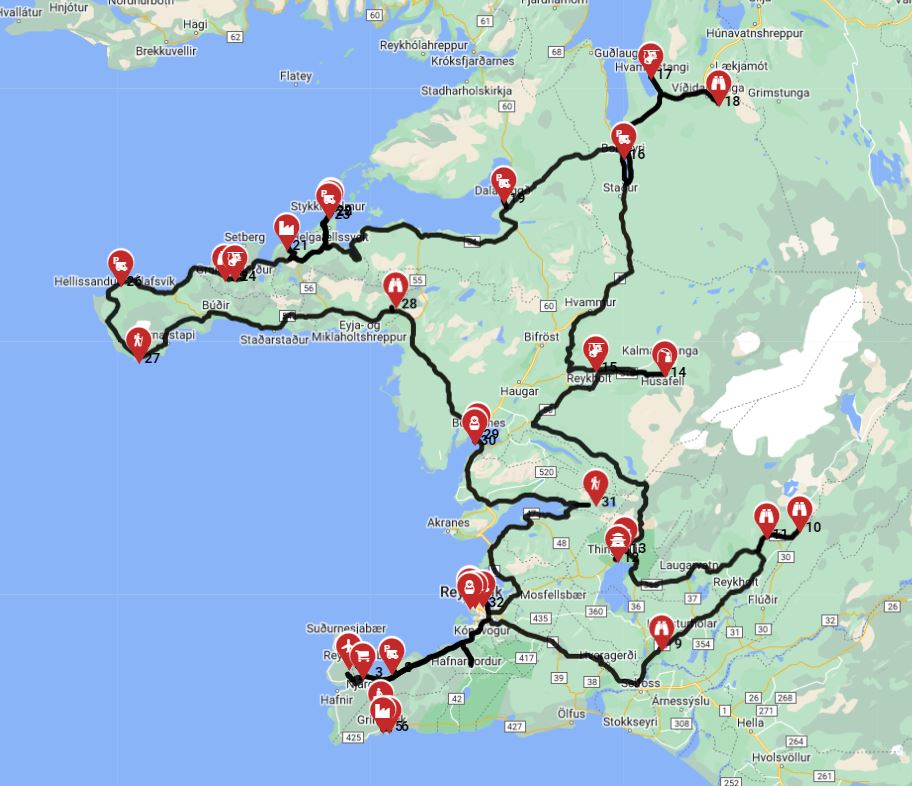
Iceland - North West
Must-See Stops Along the Way (Avi Bandana Picks)
Avi Bandana's personal picks for an immersive Icelandic RV journey include a mix of iconic natural features, cultural insights, and local flavors that go beyond the typical tourist spots. For a truly 'Traditional Visit', Thingvellir National Park is essential; it offers not only immense historical significance as the site of Iceland's ancient parliament but also stunning geological rifts where two tectonic plates meet. To experience 'Local Industry', consider visiting a coastal fishing village such as Höfn to witness traditional fishing practices or a local wool factory if available, providing a tangible connection to Iceland's heritage. While specific 'Traditional Restaurant' recommendations can vary, seeking out establishments that serve fresh lamb soup (kjötsúpa) or 'plokkfiskur' (fish stew) offers authentic Icelandic culinary experiences. Look for further 'Traditional Visit' opportunities like exploring a turf house museum to understand historical living, or engaging with a local community center to connect with Icelandic culture beyond the well-trodden paths.Daily Driving Distances & Drive Times in Iceland
Avi Bandana recommends a maximum of 100 miles or 150 km per day on average to truly savor the Icelandic landscape, allowing for spontaneous stops and deeper exploration. Traveling slowly in a rented RV is crucial for enjoying Iceland's unpredictable weather and varied terrain, prioritizing safety and immersion over speed. For example, the drive from Reykjavik to Vík, approximately 190 km (120 miles), typically takes around 2.5-3 hours without factoring in stops, while the segment from Vík to Jökulsárlón, about 190 km (120 miles), also requires 2.5-3 hours of driving time. By limiting daily mileage, you grant yourself the flexibility to pull over for breathtaking views, unexpected hikes, or simply to take a moment and connect with the raw, untouched beauty of Iceland. This mindful approach ensures you don't rush through an incredible journey and is a core part of the Bandana philosophy of "God is in the small details, and we take care of them. That's what makes the big difference."Best RV Class for This Itinerary - Couple & Family Picks
Choosing the right RV class for your Iceland adventure hinges on the number of travelers and desired amenities, with Bandana's Rent&Plan service simplifying the entire process by combining your chosen RV rental with a ready-made itinerary by travel experts. For a couple, a Class B Campervan, like a "hire campervan example Paradise S/T", is an excellent choice, offering maneuverability and efficiency for navigating Iceland's roads; Bandana's fleet typically features campervans with an average length of 5.8 meters, sleeping 3.2 individuals but comfortably accommodating 2.7 adults, and boasting efficient fuel consumption around 8-10 Liters/100 km. Families or larger groups will find a Class C Alcove motorhome, such as an "rv rentals example Comfort Class" or "6 Berth Discovery", ideal, providing more space and dedicated sleeping areas; these vehicles in Bandana's global fleet average 7.5 meters in length, sleep 5.8 individuals, are suitable for 4.4 adults, and have a fuel consumption of approximately 10-12 Liters/100 km. The Rent&Plan service gives you full access to trip-planning software, removing the headache of organizing your Icelandic adventure and ensuring full transparency, so what you see is what you pay, with no surprise fees at pickup. This tailored approach makes finding the perfect rental motorhome in Iceland effortless.What is the best time to RV in Iceland?
The best time to RV in Iceland, balancing accessibility, daylight hours, and potential rental deals, is typically the shoulder season from May to early June or September to early October, though summer offers maximum route availability. Summer (July-August) provides nearly 24-hour daylight, comfortably warm temperatures, and full access to F-roads and highland areas, but RV rental prices and campsite demand are at their peak. The shoulder seasons offer a good balance of milder weather, longer daylight hours than winter, and opportunities for aurora viewing (especially September), coupled with lower rental costs and fewer crowds, although some F-roads may still be closed in early May or late October. Winter RVing (November-April) presents significant challenges including limited daylight, severe weather, icy roads, and many road closures (including all F-roads), making it suitable only for experienced cold-weather drivers with appropriate 4x4 RVs. For those considering "Winter RV Driving in Iceland - Safety Guide 2026", proper preparation and vehicle choice are paramount.How much does it cost to rent an RV in Iceland?
The cost to rent an RV in Iceland can range from €100 to €400+ per day, depending on the RV class, rental season, duration, and included amenities, with additional costs for fuel, campsites, insurance, and food significantly impacting the total budget. Rental prices for campervans (Class B) might start from €100-€150/day in the shoulder season, increasing to €250-€350+/day for larger motorhomes (Class C or SI) during peak summer. Fuel, mostly diesel for RVs, typically costs around €2.00-€2.50 per liter in 2026, meaning a full Ring Road trip can incur €500-€800+ in fuel costs alone based on an average consumption of 10-12L/100km. Designated campsites are mandatory and generally cost €15-€30 per person per night, or approximately €30-€50 for a pitch for two, including basic facilities. Standard insurance often comes with high deductibles, so consider upgrading to a top-level deductible for extra peace of mind, which can add €20-€50 per day, especially for gravel protection or F-road coverage. For finding options and managing the overall budget, exploring resources like "RV Rental Deals in Iceland - Latest Offers 2026" can be beneficial.What are the rules for camping in Iceland?
In Iceland, it is legally required to camp overnight in designated campsites when traveling in an RV, campervan, or tent, unless you obtain explicit permission from the landowner. Wild camping with a rented RV is generally prohibited across Iceland, particularly in national parks, protected areas, and on private land, to protect the country's fragile environment and ensure responsible tourism. Sustainable travel practices dictate following 'Leave No Trace' principles: always pack out all trash, use designated waste disposal sites, respect nature and wildlife by not disturbing them, and always utilize campsite facilities for human waste disposal. Ethical considerations include minimizing your environmental impact, respecting local communities by avoiding parking in residential areas, and understanding that Iceland's unique landscapes are easily damaged by off-road driving or improper waste management. You'll find plenty of well-maintained facilities along popular routes, or you can check for options via rvplan.net.Is it safe to drive an RV in Iceland?
Driving a rented RV in Iceland can be safe with proper preparation and adherence to local conditions, though challenges like severe weather, strong winds, F-roads, and remote areas require vigilance and specific safety protocols. Emergency preparedness is crucial: always monitor detailed weather forecasts from vedur.is, check current road conditions on road.is before setting out, and carry emergency supplies such as extra food, water, and warm clothing, especially for extended road trips. Natural hazards like sudden, intense storms, ash fall from volcanic activity, and unbridged rivers on F-roads (if your itinerary includes them) necessitate careful planning and, for F-roads, a suitable 4x4 vehicle and confident driver experience. It is highly recommended to have the Icelandic emergency number (112) programmed into your phone and to inform someone of your itinerary, particularly when venturing into more remote regions. Remember, drive slowly and carefully, and you can drive almost anywhere without issues; there's no need to stress, just use common sense and pay attention.What are the driving rules for motorhomes in Iceland?
Driving a rented motorhome in Iceland requires adherence to specific rules, including strict speed limits, mandatory daytime running lights, and careful navigation of single-lane bridges and F-road restrictions. Speed limits are typically 90 km/h (56 mph) on paved rural roads, 80 km/h (50 mph) on gravel roads, and 50 km/h (31 mph) in urban areas; fines for speeding are substantial, so always stick to posted limits. Headlights must be on at all times, day or night, regardless of weather conditions, for visibility and safety. When encountering single-lane bridges, the vehicle closest to the bridge or displaying the right-of-way sign (usually indicated by a larger arrow) proceeds first; always yield to oncoming traffic if you are further away. Parking is only permitted in designated parking areas, and off-road driving, even for a short distance, is strictly forbidden and carries heavy penalties due to the country's fragile environment. A standard car driver's license is sufficient for driving all motorhome classes (Class A, Class B, and Class C) in Iceland, and an International Driving Permit (IDP) is recommended for visitors from non-English-speaking countries.Are there 4x4 campervans in Iceland?
Yes, 4x4 campervans are available for rent in Iceland and are specifically designed and legally required for accessing the country's challenging F-roads and highland interior. These vehicles, often ruggedized campervans or truck campers, come equipped with features like higher ground clearance and robust suspension necessary to navigate unpaved, often rocky, and sometimes river-crossing F-roads. Renting a 4x4 campervan is crucial if your itinerary includes areas like Landmannalaugar, Thórsmörk, or other highland destinations, as standard 2WD vehicles are strictly prohibited on F-roads. For those planning such an adventurous route, exploring options for a "one-way rv rental example Overlander" or similar 4x4 vehicle might be suitable if relocation fees align with your budget.How do you prepare for an RV trip in Iceland?
Preparing for a rented RV trip in Iceland involves meticulous planning for navigation, connectivity, supplies, and understanding local customs to ensure a smooth and respectful journey. For technology and connectivity, ensure you have reliable GPS- either built-in, a dedicated device, or offline maps on your phone- as mobile data coverage can be spotty in remote areas; consider purchasing a local SIM card or renting a portable Wi-Fi device for better connectivity, and bring sufficient charging solutions for all your devices. When packing essentials, prioritize layers of waterproof and windproof clothing, sturdy hiking boots, a comprehensive first-aid kit, and essential vehicle supplies like a spare tire and basic tools, especially for longer trips away from major towns. For bookings and supplies, reserve campsites in advance, particularly during peak season, and plan extended supply runs for food and water in less populated regions; also, familiarize yourself with laundry facilities available at larger campsites or in towns, a practical consideration for a two-week adventure or longer. To truly immerse yourself and for local immersion, prepare for cultural experiences by researching Icelandic traditions, trying local foods beyond basic groceries, such as "plokkfiskur", and understanding respectful interactions with communities. This thorough preparation ensures you're ready for everything Iceland offers.Do you need a 4x4 camper in Iceland?
You only need a 4x4 camper or motorhome in Iceland if your itinerary specifically includes driving on F-roads or venturing into the unpaved highland interior; for the main Ring Road, a standard 2WD campervan or motorhome is generally sufficient. The Ring Road (Route 1) is mostly paved and well-maintained, accessible by 2WD vehicles like a Class B campervan, making a 4x4 unnecessary if you plan to stick to this route and well-known attractions like the Golden Circle. However, if your desired itinerary involves exploring more remote, rugged, or mountainous areas, especially those designated with an 'F' (Fjallvegur or mountain road), a 4x4 vehicle with appropriate ground clearance is legally mandatory and essential for safety. Attempting to drive a 2WD on these roads is forbidden and will likely void your rental insurance.Can you drive a motorhome on F-roads in Iceland?
Driving a larger rented motorhome on F-roads in Iceland is generally not recommended, and often prohibited by rental agreements, as these roads require a high-clearance 4x4 vehicle, typically a smaller campervan or SUV, and specific insurance coverage. While some 4x4 campervans are suitable for F-roads, larger Class C or Class SI motorhomes, even if they have 4WD capability, are usually too heavy, long, and have insufficient ground clearance for the rough, unpaved, and sometimes river-crossing conditions of F-roads. Rental companies typically exclude F-road damage from standard insurance policies for larger motorhomes, and any violation of these restrictions can void your insurance, leaving you liable for significant repair costs. Always check your rental agreement carefully and consider the "Top-Level Deductible Reimbursement" option if you are planning to venture into challenging terrain, to travel with maximum peace of mind.Can you use a drone in Iceland?
Yes, you can generally use a drone in Iceland for recreational purposes, but you must adhere to strict regulations regarding no-fly zones, privacy, and safe operation to avoid fines and ensure respectful travel. Key rules include keeping the drone within your line of sight, not flying higher than 120 meters (394 feet), avoiding crowds and private property, and respecting protected areas or national parks where drones may be explicitly forbidden. It is strictly prohibited to fly drones near airports, military bases, or over emergency operations, and commercial drone use typically requires special permits from the Icelandic Transport Authority. Always exercise caution and respect the natural environment and privacy of others when operating your drone.What You Shouldn't Miss
- **The Golden Circle:** This classic route is a must for first-time visitors, featuring Thingvellir National Park, the Geysir geothermal area, and the powerful Gullfoss waterfall. It's easily accessible with any rented motorhome.
- **Jökulsárlón Glacier Lagoon & Diamond Beach:** Witness magnificent icebergs calved from Vatnajökull glacier floating in the lagoon and washed ashore on the black sand beach.
- **The South Coast Waterfalls:** Explore the iconic Seljalandsfoss (where you can walk behind the falls) and Skógafoss, often considered two of Iceland's most beautiful waterfalls.
- **Vestrahorn Mountain (Stokksnes):** This dramatic mountain landscape with its black sand dunes offers incredible photographic opportunities, especially at sunrise or sunset.
- **Lake Mývatn Area (North Iceland):** Discover unique geothermal formations, pseudo-craters, and abundant birdlife in this fascinating northern region.
- **Snaefellsnes Peninsula:** Often called "Iceland in Miniature," this peninsula offers a condensed view of Iceland's diverse landscapes, from Kirkjufell mountain to black sand beaches and basalt columns.
Final Thoughts
An RV adventure through Iceland offers an unparalleled opportunity to immerse yourself in a landscape unlike any other, from towering waterfalls to black sand beaches and geothermal wonders. Whether you choose a week-long journey along the South Coast or an extended two-week exploration of the entire Ring Road, a rented motorhome provides the freedom and flexibility to discover Iceland at your own pace. Remember, preparation is key: understanding local driving rules, respecting camping regulations, and being mindful of the weather will ensure a safe and enjoyable trip. At Bandana, we're with you every step of the way, providing full transparency in pricing and personal support before and after your booking is confirmed. We want you to feel confident and excited about your Icelandic road trip, knowing that all the small details have been considered. Get inspired for your next trip and plan a truly unique adventure with us.On the routes offered through RV PLANET routes, you can itemize and track every expense along the way for easy budgeting.