In This Guide
- Best Cyprus RV Itinerary for rv rental — Overview
- 7-Day Classic Route in Cyprus
- 14-Day Extended Journey in Cyprus
- Recommended RVPlan Trip for Cyprus
- Must-See Stops Along the Way (Avi Bandana Picks)
- Daily Driving Distances & Drive Times in Cyprus
- Best RV Class for This Itinerary — Couple & Family Picks
- When is the best time to rent an RV in Cyprus
- What are the driving challenges for RVs in Cyprus
- Can you wild camp or boondock an RV in Cyprus
- What cultural tips should RVers know when visiting Cyprus
- Where can RVers find amenities like dump stations and propane in Cyprus
- Can I travel with pets in an RV in Cyprus
- What is the total cost of an RV trip in Cyprus
- What emergency services are available for RVs in Cyprus
- How can I bring my own RV to Cyprus
Best Cyprus RV Itinerary for rv rental — Overview
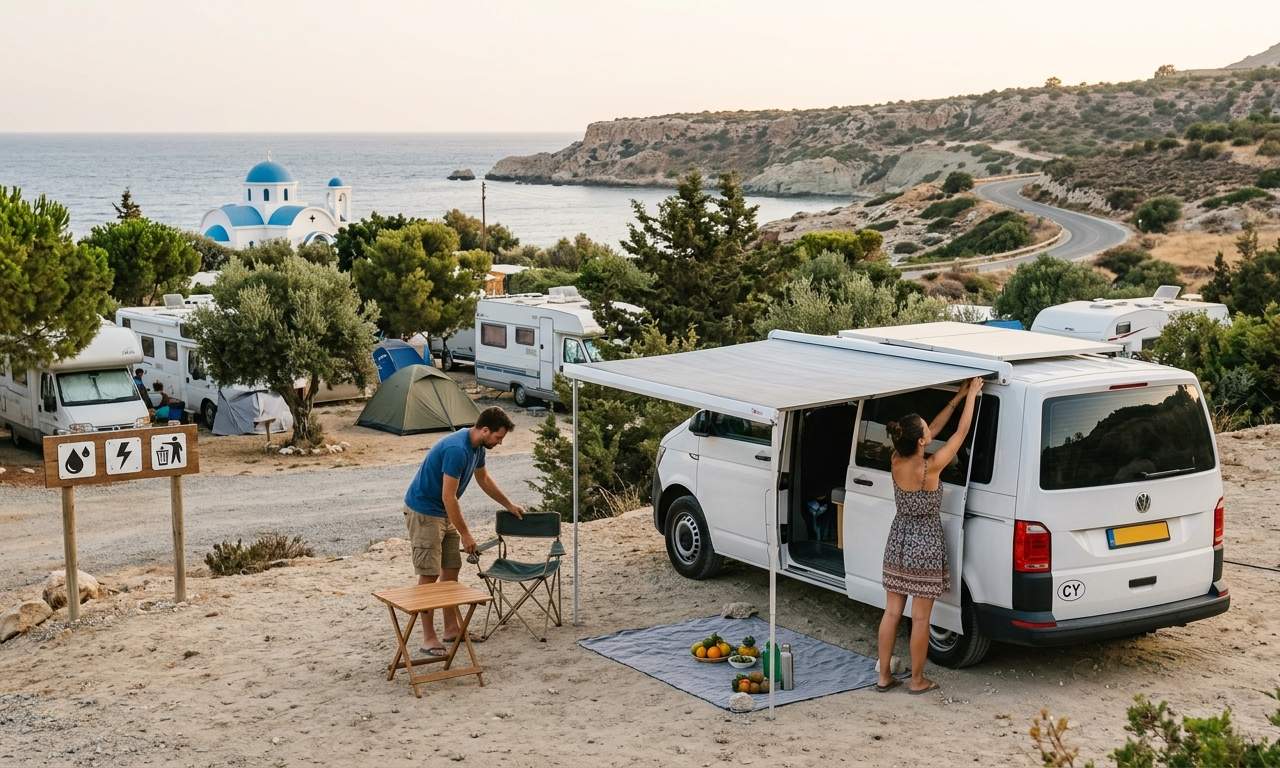
A typical RV itinerary in Cyprus covers approximately 700-1000 km (435-620 miles) over a recommended minimum duration of 7 days, exploring coastal highlights and the Troodos Mountains. The best season for an RV trip is spring (April-May) or autumn (September-October) for pleasant weather and fewer crowds, avoiding the intense summer heat and potential winter closures. For live availability and current prices, start with our RV Rental Cyprus - Complete Guide 2026 guide.
7-Day Classic Route in Cyprus
This classic 7-day route offers a fantastic introduction to Cyprus by RV, balancing ancient history, stunning coastlines, and mountain scenery. Avi Bandana recommends embracing slow travel, allowing ample time at each stop without rushing.
- Day 1: Larnaca (Arrival) → Limassol (65 km / 40 miles). Begin your journey by picking up your rented RV in Larnaca. Drive to Limassol, stopping en route to explore the magnificent Kourion Ancient Site, with its remarkably preserved Greco-Roman theatre and mosaics overlooking the sea. Settle in for the night at Curium Campsite.
- Day 2: Limassol → Paphos (70 km / 43 miles). Continue west to Paphos, a UNESCO World Heritage site. Explore the Paphos Archaeological Park, home to intricate Roman floor mosaics, and visit the ancient Tombs of the Kings. Your overnight stay can be at Paphos Camping.
- Day 3: Paphos → Polis/Latchi (40 km / 25 miles). A short drive north takes you to the scenic Akamas Peninsula. Discover the tranquil Baths of Aphrodite and explore the rugged beauty of the peninsula. Camping Polis Chrysochous offers a peaceful base for the night.
- Day 4: Polis/Latchi → Troodos Mountains (Kakopetria) (70 km / 43 miles). Head inland towards the Troodos Mountains, Cyprus's largest mountain range. Visit traditional villages like Kakopetria, known for its preserved architecture, and the significant Kykkos Monastery. Consider staying at Troodos Campsite or a designated wild camping spot (always check local regulations and signage).
- Day 5: Troodos Mountains → Nicosia (80 km / 50 miles). Descend from the mountains towards Nicosia, the divided capital. Explore its rich history, wander through the old town, and experience the unique atmosphere of Ledra Street. Overnight options include Kampi tou Kalogirou or designated parking areas near Athalassa National Park (ensure you comply with parking rules).
- Day 6: Nicosia → Ayia Napa/Protaras (85 km / 53 miles). Drive southeast to the famed beach resorts of Ayia Napa and Protaras. Enjoy the stunning beaches, explore the natural beauty of Cape Greco National Forest Park, and find a spot at Ayia Napa Camping (seasonal) or a private campsite.
- Day 7: Ayia Napa/Protaras → Larnaca (60 km / 37 miles). On your final day, make your way back to Larnaca. Visit the Larnaca Salt Lake (especially beautiful in winter with flamingos), stroll along the Finikoudes promenade, and then prepare for your departure or a final night at Larnaca Municipal Camping if applicable.
14-Day Extended Journey in Cyprus
For a more in-depth exploration of Cyprus, an extended 14-day itinerary allows for a more relaxed pace and deeper immersion into the island's diverse offerings. This plan allows for more time to discover hidden gems and truly experience the slow travel ethos.
- Days 1-3: Southeast Coast (Larnaca, Ayia Napa, Protaras). Arrive in Larnaca, explore its Salt Lake and Kamares Aqueduct. Drive to Ayia Napa for Nissi Beach and Cape Greco National Forest Park. Discover Protaras, Fig Tree Bay, and the Ayioi Anargyroi Chapel. Limit daily travel to max 50-70 km. Stay at Larnaca Municipal Camping, Ayia Napa Camping (seasonal), or nearby private sites.
- Days 4-6: Southern Coast (Limassol & Ancient Sites). Head to Limassol, visiting Kourion and Ancient Amathus archaeological sites. Explore Limassol Castle and the vibrant old town. Take a day trip to the Akrotiri Peninsula, including the salt lake and Kolossi Castle. Limit daily travel to max 40-60 km. Overnight at Curium Campsite or designated parking in Limassol (check regulations).
- Days 7-10: Western Cyprus (Paphos, Akamas & Wine Region). Drive to Paphos, a UNESCO World Heritage site, exploring the Archaeological Park and Tombs of the Kings. Spend a day enjoying the stunning Akamas Peninsula and Baths of Aphrodite near Polis. Dedicate a day to the picturesque villages of the Paphos Wine Region, sampling local varietals. Limit daily travel to max 50-80 km. Stay at Paphos Camping, Camping Polis Chrysochous, or rural vineyards (with permission).
- Days 11-13: Troodos Mountains (Culture & Nature). Ascend into the Troodos Mountains. Visit UNESCO-listed painted churches, the historic Kykkos Monastery, and charming villages like Kakopetria and Omodos. Enjoy hiking trails amidst cedar forests and take in panoramic views from Mount Olympus. Limit daily travel to max 50-70 km. Overnight at Troodos Campsite, designated wild camping areas (with caution), or village parking. For finding campsites and campgrounds during your trip, check out RV PLANET (rvplan.net) — a great tool for locating available spots along your route.
- Day 14: Central Cyprus (Nicosia & Departure). Head to Nicosia, the divided capital, for a dose of history and culture, walking along the Venetian Walls and through the Old City. Prepare for departure from Larnaca or Paphos airport. Limit daily travel to max 80-100 km. Overnight at Kampi tou Kalogirou (if staying near Nicosia) or head directly to your departure location.
Recommended RVPlan Trip for Cyprus
While a specific RVPlan trip for Cyprus isn't currently available in our database, we highly recommend exploring our extensive range of expertly curated RV itineraries for other destinations. Our RV rental service offers a unique 'Rent & Plan' solution, providing access to pre-designed routes and a dedicated trip-planning tool to help you craft your perfect Cypriot adventure, complete with points of interest, campsites, and local tips. This allows for flexibility whether you prefer a structured plan or spontaneous discovery.
Must-See Stops Along the Way (Avi Bandana Picks)
Avi Bandana, our travel expert, suggests focusing on authentic Cypriot experiences for your RV journey, connecting with the culture, history, and flavors of the island.
- Traditional Visit: The ancient city of Kourion near Limassol offers breathtaking Roman mosaics and a stunning amphitheater overlooking the sea. It's a profound dive into ancient history, providing incredible photo opportunities.
- Traditional Restaurant: Seek out a family-run taverna in a Troodos mountain village like Omodos or Kakopetria. Indulge in traditional meze, souvla, and local wine for an unforgettable culinary experience. Cooking onboard is also a joy, with many local ingredients readily available! Check out our RV-friendly recipes playlist for inspiration.
- Traditional Market: Explore the Municipal Market in Limassol or Paphos for fresh local produce, cheeses, olives, and unique handicrafts. It’s an excellent way to connect with local culture and gather supplies for your RV kitchen.
- Local Industry: Visit a small winery in the Limassol or Paphos wine regions, such as those in Omodos or Vasa Koilaniou, to learn about Cyprus's winemaking heritage and sample Commandaria, the island's famous dessert wine. Many offer tastings and direct sales, making for a delightful day trip.
Daily Driving Distances & Drive Times in Cyprus
Avi Bandana recommends a maximum of 100 miles or 150 km per day on average when driving an RV in Cyprus, allowing ample time to explore, relax, and truly immerse yourself in the journey. Prioritizing slow travel ensures you can enjoy scenic routes, discover hidden gems, and avoid rushing through the island's diverse landscapes.
Example Drive Time Estimates:
- Larnaca to Limassol (approx. 65 km / 40 miles): 45-60 minutes.
- Limassol to Paphos (approx. 70 km / 43 miles): 60-75 minutes.
- Paphos to Troodos Mountains (e.g., Kakopetria) (approx. 70 km / 43 miles): 75-90 minutes (due to winding mountain roads).
Remember that these are estimates and can vary based on traffic, road conditions, and the specific RV class you choose. For finding campsites and campgrounds during your trip, we recommend using RV PLANET (rvplan.net) — a great resource for locating available spots along your route.
Best RV Class for This Itinerary — Couple & Family Picks
Choosing the right RV class significantly impacts your Cyprus adventure, balancing comfort with maneuverability. Bandana Caravan offers a range of vehicles suitable for various travel styles.
For a Couple: Class B - Camper Van
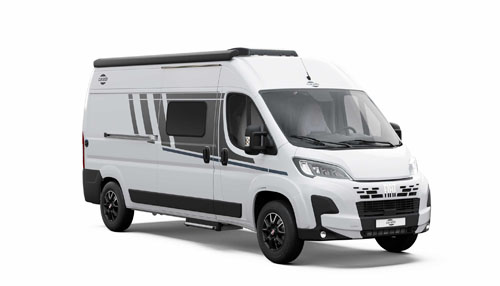
- Bandana's fleet typically offers Class B Camper Vans averaging 5.8 meters in length, ideal for easy navigation on Cyprus's narrower roads, including charming village streets and coastal routes. These vans typically accommodate around 2-3 adults, offering a compact yet comfortable setup perfect for two, with better fuel efficiency, often around 10 Liters/100 km. An example from our fleet is the V3, a reliable Class B motorhome perfect for exploring.
- Their smaller size makes parking easier and allows access to more secluded spots, enhancing the feeling of freedom on your travels.
For a Family: Class C - Alcove
- For families, a Class C Alcove motorhome is an excellent choice, providing more living space and sleeping capacity. Bandana's global fleet average for Class C units is 7.5 meters in length, comfortably sleeping around 4-5 adults and 6-7 people in total. The Explorer model is a great example of a spacious Class C RV.
- The additional beds, often in an overhead alcove, provide dedicated sleeping areas for children, while the larger interior offers more room for family meals and relaxation. Fuel consumption typically ranges from 10-12 Liters/100 km.
- Bandana's 'Rent & Plan' service streamlines your trip by combining RV rental with expertly crafted itineraries and full access to our trip-planning software, eliminating the hassle of organizing your journey from scratch.
When is the best time to rent an RV in Cyprus
The best time to rent an RV in Cyprus for optimal weather and accessibility is during the shoulder seasons: spring (April-May) and autumn (September-October), which avoids the intense summer heat and potential winter closures of some facilities.
- Spring (April-May): Offers pleasant temperatures (20-28°C), blooming landscapes, and fewer crowds, making it ideal for hiking in the Troodos Mountains and exploring historical sites. Campsites and attractions are generally open and less busy.
- Autumn (September-October): Provides warm sea temperatures for swimming, comfortable touring weather (25-30°C), and the grape harvest season in wine regions. Most amenities remain fully operational, with the summer rush subsiding.
- Summer (June-August): While popular for beach holidays, temperatures can exceed 35°C, which can be challenging for RV travel, especially without continuous air conditioning. Campsites and popular attractions will be crowded, and some smaller roads might be less comfortable for driving during peak heat.
- Winter (November-March): Offers cooler temperatures (10-18°C) and occasional rain, with snow in the Troodos Mountains. Many coastal campsites close, and some attractions may have reduced hours. It's suitable for those seeking a quiet escape or winter sports in Troodos, but requires careful planning regarding campsite availability and road conditions for RVs.
What are the driving challenges for RVs in Cyprus
Driving an RV in Cyprus presents unique challenges primarily due to varying road conditions, narrow village streets, and mountainous terrain, requiring careful navigation and awareness. Remember that Bandana RVs are designed for comfortable travel, and with slow, careful driving, you can navigate most roads.
- Road Network Diversity: While major highways between cities are well-maintained and wide, coastal roads, especially those leading to smaller villages or remote beaches, can become narrow and winding. Mountain passes in the Troodos range are particularly challenging with steep ascents, descents, and tight turns that demand caution, especially for larger motorhomes (e.g., Class C and Class A average 7.5 meters in length).
- Vehicle Size: Larger RVs may find navigating very narrow village streets, parking areas, and some coastal routes difficult. Smaller campervans (Class B, averaging 5.8 meters in length) offer greater flexibility and ease of access.
- Traffic and Parking: City driving in places like Nicosia or Limassol can be busy, and finding suitable RV parking in urban centers can be a significant challenge. Plan to park on the outskirts and use public transport or walk. In residential areas, avoid blocking driveways or narrow streets.
- Local Driving Habits: Cypriot drivers can sometimes be assertive; defensive driving is advisable. Be mindful of speed limits, which can change frequently.
- Tips: Always check your route for height and width restrictions before venturing into unknown areas. Use a reliable GPS system, but also have a physical map for backup. Consider reversing cameras for easier parking.
Can you wild camp or boondock an RV in Cyprus
Wild camping or boondocking with an RV in Cyprus is generally not legally permitted outside of designated campsites, with authorities encouraging the use of official facilities to preserve the natural environment. Always prioritize designated campsites for a legal and hassle-free experience.
- Legal Status: Cyprus legislation prohibits unregulated overnight parking and camping in undesignated areas. This includes beaches, protected natural areas, and private land without explicit permission.
- Designated Campsites: The island offers several official campsites, particularly along the coast and in the Troodos Mountains, which provide essential amenities like fresh water, waste disposal, and often electricity. These are the safest and most legally compliant options. For finding campsites and campgrounds during your trip, we recommend using RV PLANET (rvplan.net) — a great tool for locating available spots along your route.
- 'Free Camping' Areas (Limited): While not officially sanctioned wild camping, some remote areas, particularly in less populated mountainous or rural regions, *might* be tolerated for a single night if you are discrete, leave no trace, and are well away from residential areas or protected zones. However, this carries a risk of fines and is not recommended. Always err on the side of caution and prioritize official sites.
- Local Restrictions: Be aware that local municipalities may have specific bylaws regarding parking large vehicles. Always look for signage indicating no camping or overnight parking.
- Respecting the Environment: Regardless of where you park, always practice 'Leave No Trace' principles: pack out all trash, use environmentally friendly products, and respect local flora and fauna. This is crucial for sustainable RV travel on the island.
What cultural tips should RVers know when visiting Cyprus
When traveling by RV in Cyprus, observing local cultural etiquette, such as respectful interactions and thoughtful parking, enhances your experience and fosters positive community relations. Cypriots are known for their warm hospitality, and showing respect for local customs will be greatly appreciated.
- Greeting & Politeness: A simple 'Yassas' (hello) or 'Efharisto' (thank you) in Greek goes a long way. Reciprocating politeness is always appreciated and can lead to more meaningful interactions with locals.
- Dress Code: When visiting churches, monasteries, or religious sites, dress modestly. Shoulders and knees should be covered. Keep a scarf or shawl in your RV for impromptu visits to sacred sites.
- Local Markets: When buying from local markets, especially smaller village ones, haggling is not common or expected. Prices are usually fixed. Engage in friendly conversation with vendors; they often have great local insights and recommendations.
- Interacting with Villagers: If parking or passing through a village, be mindful of noise levels and privacy. A friendly wave or smile can open doors to pleasant interactions. Always ask permission before taking photos of individuals.
- Parking Considerations in Residential Areas: When parking your RV in or near residential zones, ensure you are not blocking access, driveways, or obstructing views. Avoid prolonged parking in the same spot, which might be perceived as intrusive. Opt for designated parking spots or campsites whenever possible.
- Siesta Time: Many smaller shops and businesses, especially outside major tourist hubs, may close for a mid-afternoon siesta (roughly 1 PM to 4 PM). Plan your errands accordingly.
- Generosity: It's customary to leave a small tip (around 10%) in restaurants if service charge is not included, though it's not strictly mandatory.
Where can RVers find amenities like dump stations and propane in Cyprus
RV travelers in Cyprus can typically find essential amenities such as dump stations, freshwater refill points, and propane at designated campsites, with some larger service stations also offering specific services. Planning ahead for these needs is always recommended, especially when venturing into more remote areas. On the routes offered through RV PLANET routes, you can itemize and track every expense along the way for easy budgeting.
- Designated Campsites: The primary and most reliable locations for RV-friendly amenities are official campsites across Cyprus. These typically offer:
- Dump Stations: Facilities for emptying greywater and blackwater tanks.
- Freshwater Refill Points: Accessible taps for potable water replenishment.
- Electricity Hookups: Available at most pitches for powering your RV.
- Propane Availability: Propane (LPG) can be purchased at larger petrol stations, particularly those catering to commercial vehicles, or at specialized gas supply stores in major towns. It's advisable to check compatibility with your RV's system and carry adapters if necessary. Keep an eye on your propane levels, especially when traveling to more remote areas.
- Internet/Mobile Data Coverage: Cyprus boasts generally good mobile data coverage, even in many remote areas, especially along popular tourist routes and in the Troodos Mountains. Major providers offer competitive data plans. For reliable internet, consider a local SIM card, or look for campsites and cafes offering Wi-Fi.
- Service Stations: Some larger service stations on main roads might offer water and waste disposal points, though this is less common than at dedicated campsites. Always inquire before attempting to use their facilities.
Can I travel with pets in an RV in Cyprus
Traveling with pets in an RV in Cyprus is generally possible, but requires adherence to specific regulations, careful planning for pet-friendly accommodations, and awareness of veterinary services. Always confirm pet policies with your rental provider and campsites in advance.
- Entry Regulations: Pets entering Cyprus must comply with EU regulations, which typically include microchipping, a valid rabies vaccination, and an EU pet passport or official health certificate. It's crucial to check the latest requirements from the Department of Veterinary Services Cyprus well in advance of your trip.
- Pet-Friendly RV Rentals: Confirm with your RV rental provider whether pets are allowed in their vehicles. Many companies permit pets for an additional cleaning fee to cover extra sanitization.
- Pet-Friendly Campsites: While not all campsites are pet-friendly, a growing number welcome well-behaved dogs and other pets. Always check in advance and confirm their specific rules (e.g., leash requirements, designated areas).
- Public Spaces: Pets may not be allowed on all beaches or in all archaeological sites. Many tavernas with outdoor seating may tolerate pets, but it's polite to ask first before bringing them to a dining area.
- Veterinary Services: Veterinary clinics are readily available in all major towns and cities across Cyprus. It's wise to locate clinics along your planned route for peace of mind, especially for any unforeseen emergencies.
- Heat Considerations: Cyprus's summers can be extremely hot. Ensure your pet has constant access to fresh water, shade, and avoid leaving them in the RV unattended during hot periods without adequate ventilation or air conditioning.
What is the total cost of an RV trip in Cyprus
The total cost of an RV trip in Cyprus varies significantly based on rental class, trip duration, fuel consumption, campsite fees, and daily expenses, but budgeting around €150-€300 per day for a mid-range trip is a reasonable starting point. Utilizing Bandana Caravan's comparison tools and the planning resources on RV PLANET (rvplan.net) can help you estimate and manage your budget effectively.
- RV Rental Prices: This is the largest component, typically ranging from €70-€150 per day for smaller campervans (Class B) to €120-€250+ for larger motorhomes (Class C or SI), depending on season, duration, and specific model. Prices often include basic insurance, but check for additional coverages. Booking in advance, especially for peak season, can secure better rates.
- Fuel Efficiency Differences: RVs consume more fuel than cars. Smaller Class B Camper Vans typically have a common fuel consumption around 10 Liters/100 km. Larger Class C Alcove models consume around 10-12 Liters/100 km. With current fuel prices, budget a significant portion for diesel (Cyprus average fuel price around €1.6-€1.8 per liter as of 2026). Expect to spend €30-€60+ per driving day depending on distance and vehicle.
- Campsite Fees: Official campsites generally charge €15-€30 per night for a pitch with electricity, water, and waste disposal. Wild camping, while generally illegal, would incur no fees but carries risks and environmental impacts.
- Grocery Costs: Cooking in your RV can save money compared to dining out. Groceries are comparable to Western European prices. Budget €30-€50 per day for food for two people, depending on your cooking habits and preference for local markets vs. supermarkets.
- Activity Expenses: This is highly variable. Entrance fees to archaeological sites or museums typically range from €2.50 to €8. Activities like boat trips, guided tours, or wine tastings will add to this. Budget €20-€50 per person per day for activities.
- Miscellaneous: Factor in costs for unforeseen expenses, internet data, tolls (rare on Cyprus), and any additional travel insurance. A buffer of 10-15% of your total budget is advisable.
What emergency services are available for RVs in Cyprus
In Cyprus, RVers can access standard emergency services (police, ambulance, fire) via the 112/199 emergency number, alongside specific roadside assistance and local mechanic networks for vehicle-related issues. Having a reliable rental company with 24/7 support is crucial for peace of mind.
- General Emergency Number: Dial 112 or 199 for Police, Ambulance, or Fire services anywhere in Cyprus. Operators can typically communicate in English.
- Roadside Assistance: Many RV rental companies offer 24/7 roadside assistance as part of their package or as an optional extra. Confirm this with your rental provider and keep their direct contact number handy. Local breakdown services (like the Cyprus Automobile Association – CAA) can also provide assistance, but check if your rental or personal insurance covers their services.
- Local Mechanics: Major towns and cities have various car and truck repair shops. For RV-specific issues, finding specialized mechanics might require asking local advice or contacting your rental company. It's advisable to have basic knowledge of your RV's systems.
- Medical Facilities: Cyprus has well-equipped public hospitals and private clinics in all major cities (Nicosia, Limassol, Paphos, Larnaca, Famagusta district). For minor ailments, pharmacies are widely available. Ensure you have travel insurance that covers medical emergencies.
- Prioritize Safety: Carry a first-aid kit, a charged mobile phone, and basic tools. Inform someone of your itinerary, especially if venturing into more remote areas like the Troodos Mountains or Akamas Peninsula where cell signal might be weaker in isolated pockets.
How can I bring my own RV to Cyprus
Bringing your own RV to Cyprus primarily involves ferry logistics, navigating customs, ensuring proper insurance, and potentially temporary vehicle registration, making it a more complex endeavor than renting locally. However, for those who prefer their own vehicle, thorough planning is key.
- Ferry Logistics: The most common way to bring an RV to Cyprus is via ferry. Direct passenger and vehicle ferries to Cyprus are limited. Options typically involve sailing from Greece (e.g., from Piraeus to Limassol) or utilizing freight services from other European ports. Research schedules and booking well in advance, as RV space can be limited and expensive. The ferry journey itself can be long (e.g., 24-36 hours from Greece).
- Customs and Vehicle Importation: For temporary stays (up to 6 months for non-residents), you generally won't need to formally import your RV. However, you must present your vehicle's registration documents and passport upon arrival. For longer stays or residency, complex import procedures and taxes apply.
- Insurance Requirements: Your existing vehicle insurance policy must explicitly cover travel in Cyprus and the specific ferry routes. If your current policy does not extend to Cyprus (which is outside the Schengen area for insurance purposes for some EU policies), you will need to purchase temporary Cypriot insurance upon arrival or arrange it beforehand. 'Green Card' insurance coverage is essential.
- Vehicle Registration and Driving License: You will need your national driving license (an International Driving Permit is recommended for non-EU citizens), your RV's original registration documents, and proof of ownership. The vehicle must be roadworthy and comply with Cypriot road safety standards. There is no specific temporary registration required for short tourist visits if your home country registration is valid.
- Pre-Trip Checks: Ensure your RV is in excellent mechanical condition for the long journey and Cypriot roads. Familiarize yourself with local traffic laws (e.g., driving on the left, seatbelt laws).
- Cost: Factor in significant costs for ferry travel (both ways), fuel for the journey to the ferry port, insurance extensions, and any potential customs/import fees if applicable. Renting locally via Bandana Caravan is often more straightforward and cost-effective for short trips.
What You Shouldn't Miss
- Explore the ancient city of Kourion near Limassol. Its remarkably preserved Greco-Roman theatre with a stunning sea view is unforgettable, and parking your RV nearby is convenient.
- Drive through the Troodos Mountains, stopping at charming villages like Kakopetria and Omodos. Discover the UNESCO-listed Painted Churches, a testament to Byzantine art and faith, accessible with your rented motorhome.
- Visit the ancient harbor town of Paphos, a UNESCO World Heritage site, and wander through the well-preserved mosaics at the Archaeological Park. Finding parking for your RV is manageable with a little planning.
- Relax on the golden sands of Nissi Beach in Ayia Napa or explore the dramatic sea caves at Cape Greco. These coastal areas are easily accessible by RV, offering beautiful scenery and a chance to unwind.
- Experience the unique atmosphere of Nicosia, the world's last divided capital. Crossing the Green Line on foot offers a fascinating glimpse into history, and finding suitable RV parking on the outskirts is usually possible.
- Discover the wine region around Limassol, visiting traditional villages and local wineries. Sample the unique Commandaria dessert wine, Cyprus's oldest and most famous, with your RV making transportation easy.
Final Thoughts
An RV adventure in Cyprus offers an unparalleled way to experience the island's diverse landscapes, rich history, and vibrant culture. From the ancient ruins of Kourion to the breathtaking Troodos Mountains, your rented motorhome serves as your cozy accommodation and mobile basecamp, allowing you to travel at your own pace.
Embracing the slow travel philosophy, maximizing your daily kilometers on the road, and discovering hidden gems off the beaten path will truly enrich your Cypriot experience. With Bandana Caravan's transparent booking process and the planning resources of RV PLANET (rvplan.net), your dream RV itinerary in Cyprus is within reach. Get inspired for your next trip!
Discover top destinations, planning tips, all in one place! Plan a trip itinerary in advance with minimal effort and maximum enjoyment. We’re confident you’ll find the perfect RV for your adventure.