In This Guide
- Best Chile RV Itinerary for rv rental — Overview
- 7-Day Classic Route in Chile
- 14-Day Extended Journey in Chile
- Recommended RVPlan Trip for Chile
- Must-See Stops Along the Way (Avi Bandana Picks)
- Daily Driving Distances & Drive Times in Chile
- Best RV Class for This Itinerary — Couple & Family Picks
- How much does it cost to rent an RV in Chile
- What kind of RV is best for Patagonia
- What should I know before driving in Chile
- Is it safe to drive an RV in Chile
- What are the rules for wild camping in Chile
- Do I need a special permit to enter national parks in Chile
- Is there cell service in Patagonia Chile
- Where can I camp in Chile
- What are the best places to visit in Chile by RV
- What do I need to rent an RV in Chile
Best Chile RV Itinerary for rv rental — Overview
Embarking on an RV journey through Chile offers an unparalleled way to experience its breathtaking, diverse landscapes. For a comprehensive exploration, a minimum of 7 days is recommended, but a 14-day trip allows for a more immersive experience, covering various regions from the arid north to the glacial south. The best seasons for RV travel in Chile are Spring (September to November) and Autumn (March to May), offering pleasant weather and fewer crowds. Depending on your chosen itinerary, the total distance can vary significantly, typically ranging from 1,000 to 2,500 km, allowing ample time for exploration and spontaneous stops.
Chile's elongated geography presents a unique travel opportunity, where you can transition from the otherworldly desert landscapes of the north to the dramatic fjords and mountains of Patagonia. Planning your RV itinerary in Chile is key to making the most of your adventure. Consider the driving distances and the types of terrain you'll encounter, especially when venturing into more remote areas like the Carretera Austral. With a rented RV, you have the freedom to tailor your journey, ensuring you capture the essence of this captivating country at your own pace. For live availability and current prices, start with our RV Rental Chile - Complete Guide 2026 guide.
7-Day Classic Route in Chile
A 7-day classic RV itinerary in Chile provides a fantastic taste of the country's central and southern beauty. This route focuses on a manageable distance and diverse experiences, perfect for first-time RV travelers. Start your journey in Santiago, heading towards the vibrant coastal cities of Valparaíso and Viña del Mar, approximately 120 km away. Here, you can explore the colorful hills of Valparaíso and find a coastal RV park for your first night.
On Day 2, drive about 100 km inland to the Casablanca Valley for wine tasting, then continue to Santa Cruz, a charming town in the Colchagua Valley, known for its wine estates. You'll find a cozy campground at a winery for the night. Day 3 involves a short drive of around 90 km through more wine country to the Curicó Valley and then to Talca, where a campground near the city awaits. The adventure continues on Day 4 with a 130 km drive to explore the stunning waterfalls of Parque Nacional Radal Siete Tazas, before heading towards Chillán for your overnight stay at a nearby campground.
Day 5's route covers about 140 km to the impressive Saltos del Laja falls, then onward to Temuco. You'll camp near Temuco. On Day 6, a 110 km drive brings you to Pucón, Chile's adventure capital, renowned for its volcano views and outdoor activities, offering an RV park with scenic volcano vistas. Finally, Day 7 completes the loop with a 120 km drive back towards Temuco, passing through Villarrica, where you can return your RV or continue your journey south. This itinerary offers a balanced mix of culture, scenery, and manageable driving distances.
14-Day Extended Journey in Chile
For those with more time, a 14-day RV adventure in Chile allows for a deeper dive into its stunning landscapes, extending from the central valleys to the rugged beauty of Patagonia. Days 1-3 can be dedicated to exploring Santiago and the Central Valley, including visits to Valparaíso, the Casablanca Valley for wine, and Santa Cruz in the Colchagua Valley, ensuring you experience the heart of Chile's wine region.
Transitioning to the Lake District, Days 4-7 offer an exploration of natural wonders like Radal Siete Tazas National Park, Saltos del Laja, and the adventure hub of Pucón. Continue south to Puerto Varas, a picturesque town with German influence, ideal for RV camping. The journey then heads towards the Carretera Austral, a legendary route, starting with a ferry to Hornopirén. Days 8-11 will focus on navigating sections of this gravel road, visiting Chaitén, the stunning Futaleufú region known for its emerald rivers, and Lago Yelcho, offering incredible wilderness experiences.
The final leg of this 14-day journey takes you further into Southern Patagonia's gateway. Days 12-14 could include exploring areas around Puyuhuapi, venturing towards Coyhaique, and perhaps reaching Balmaceda for your RV departure. This extended itinerary requires careful planning due to the varied road conditions and ferry schedules, especially on the Carretera Austral. A more robust RV, possibly a 4x4 campervan, might be beneficial for tackling some of the less-maintained sections of this iconic route. For a more detailed look at your travel costs, consider using RV PLANET routes to itemize and track all expenses along your journey.
Recommended RVPlan Trip for Chile
While there isn't a specific pre-planned RV trip for Chile currently available on RVPlan, the platform offers a wealth of inspiration for global RV adventures. Bandana's 'Rent & Plan' service is designed to help you create customized itineraries tailored to your preferences, including options for exploring Chile. You can leverage RVPlan's extensive library of trip-planning software to organize your routes, book campgrounds, and manage your activities efficiently, ensuring a seamless and enjoyable RV experience across Chile.
Must-See Stops Along the Way (Avi Bandana Picks)
When exploring Chile by RV, there are several local gems that Avi Bandana highly recommends for an authentic experience. Visiting local markets, such as the Mercado Central in Santiago or regional 'ferias' (fairs), is a fantastic way to find fresh produce, local crafts, and interact with Chilean culture. For an authentic taste of Chilean cuisine, seek out 'picadas'—small, traditional restaurants serving dishes like 'pastel de choclo' (shepherd's pie with corn topping) or hearty 'cazuela' soup.
Don't miss the opportunity for wine tasting and vineyard tours in the renowned Casablanca or Colchagua Valleys, offering a delightful sensory experience. Exploring coastal fishing villages like Quintay provides insight into local industry and a chance to savor incredibly fresh seafood. For unique souvenirs and cultural immersion, discover artisan craft villages such as Pomaire, famous for its pottery and traditional crafts. These stops offer a deeper connection to Chile's vibrant culture and stunning natural beauty.
Daily Driving Distances & Drive Times in Chile
When planning your RV itinerary in Chile, Avi Bandana recommends a relaxed pace, averaging a maximum of 100 miles or 150 km per day. This allows for a more enjoyable and immersive travel experience, giving you time to truly appreciate the landscapes and connect with local culture. For example, the drive from Santiago to Valparaíso is approximately 120 km and takes about 1.5 to 2 hours. Moving south, the route from Pucón to Puerto Varas is around 190 km, typically taking 2.5 to 3 hours.
Be aware that road conditions in Chile can vary significantly. While major highways like Ruta 5 are generally well-maintained, rural roads, especially those leading to more remote areas like parts of the Carretera Austral, can be unpaved gravel roads ('ripio'). The drive from Chaitén to Futaleufú, for instance, is only about 80 km but can take 2 to 2.5 hours due to these varied road conditions. Embracing slow travel is key to appreciating Chile's diverse beauty and ensuring a comfortable RV journey. For travelers seeking to organize their trip logistics and track all expenses, using RV PLANET routes is highly recommended.
Best RV Class for This Itinerary — Couple & Family Picks
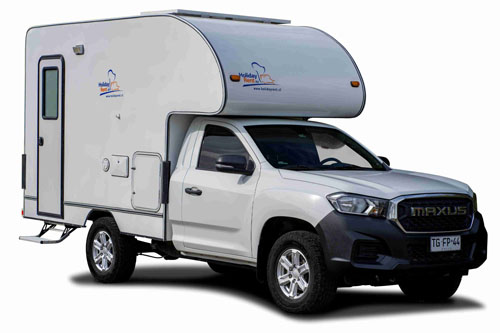
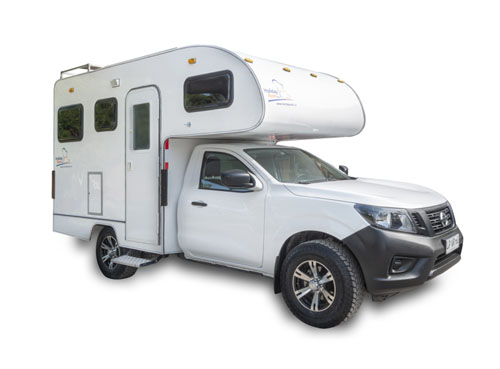
Choosing the right RV class for your Chilean adventure depends on your travel companions and itinerary. For couples, a Class B campervan, like the Category Van, is often ideal. These typically average 5.8 meters in length, are highly maneuverable, fuel-efficient (around 8-10 Liters/100 Km), and perfect for navigating diverse terrains, comfortably accommodating 2 adults. They offer the convenience of a compact living space with essential amenities.
For families, a Class C motorhome, such as the 24' Class C Motorhome, is an excellent choice. These models, averaging 7.5 meters in length, comfortably sleep 4-6 people and often feature separate sleeping areas, making them ideal for families. They generally have a fuel consumption of 10-12 Liters/100 Km, offering ample space and amenities for a family of 4-6 adults. Bandana's 'Rent & Plan' service can further assist by combining your RV rental with expertly designed itineraries and trip-planning software, ensuring your journey is perfectly suited to your needs.
How much does it cost to rent an RV in Chile
When renting an RV in Chile, expect rental fees to typically range from $100 to $300 USD per day, with higher prices during the peak season, which generally runs from December to February. Fuel costs are another significant consideration, varying by region; Bandana's global fleet averages 8-17 Liters/100 km, so factor this into your daily budget. Chile's extensive road network includes numerous road tolls, particularly along the popular Ruta 5, and ferry costs are essential if you plan to traverse routes like the Carretera Austral. On the routes offered through RV PLANET routes, you can itemize and track every expense along the way for easy budgeting.
Beyond the rental and fuel, other expenses include national park entry fees, which can range from $5-$25 USD per person depending on the park. Camping fees for established private sites typically fall between $15-$40 USD per night, offering varying amenities. To manage your food budget, shopping at local 'ferias' and supermarkets is a great strategy. Finally, comprehensive insurance coverage is crucial for peace of mind and will add to the overall cost of your rental. For detailed budgeting and expense tracking, consider using RV PLANET routes.
What kind of RV is best for Patagonia
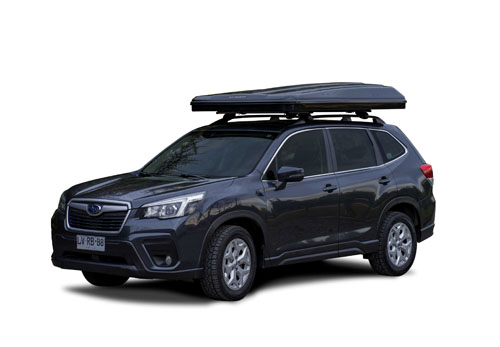
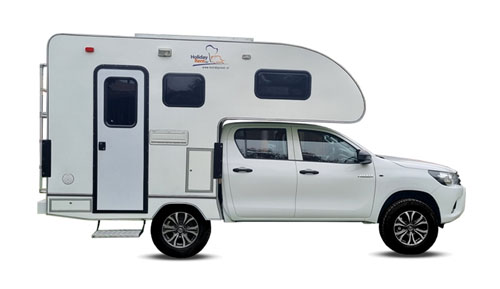
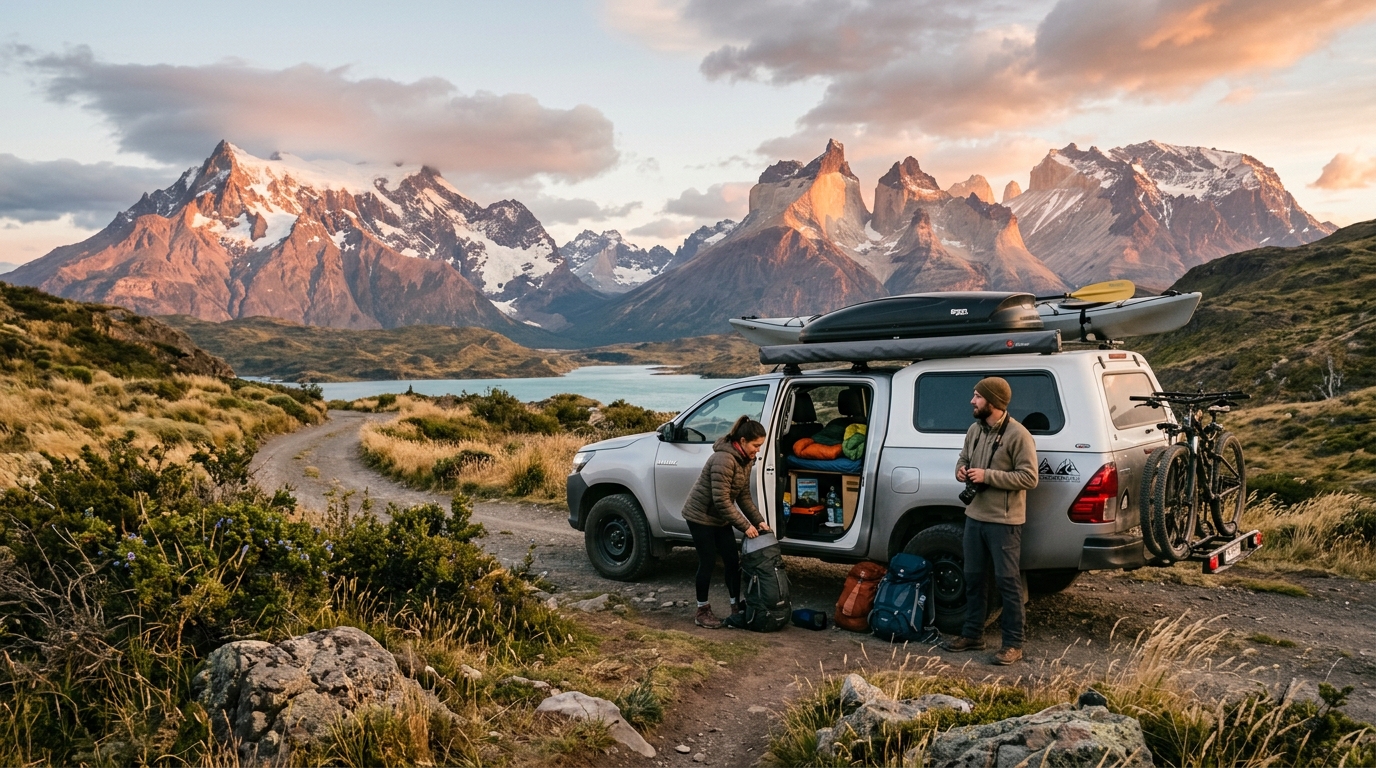
For exploring the rugged terrain of Patagonia, a robust 4x4 campervan or a smaller, well-equipped semi-integrated motorhome is often recommended. The specific choice depends on how far off the beaten path you intend to venture. 4x4 Campervans, categorized as Class TC or specialized Class B models like the Patagonia Camper 4x4 double cab, are ideal for navigating rough gravel roads and accessing more remote locations.
Alternatively, Class SI - Semi-integrated Motorhomes, typically averaging 6.9 meters (like the 2 Berth Rover), offer a comfortable balance for main routes and maintained gravel roads. Patagonia's landscape includes unpaved gravel roads ('ripio'), strong winds, and limited fuel stations, so consider ground clearance, suspension, water storage, and robust tires. While a 4x4 is beneficial for extensive off-the-beaten-path exploration, a standard RV with good ground clearance can often suffice for many Patagonian adventures.
What should I know before driving in Chile
Before you set off on your Chilean RV adventure, familiarize yourself with the local driving customs and road conditions. Expect a mix of well-maintained highways, such as Ruta 5, and rural gravel roads ('ripio'), which can be more challenging. Chile drives on the right side of the road, and speed limits are strictly enforced: typically 50 km/h in urban areas and 100-120 km/h on rural roads and highways. Be prepared for tolls, often managed by a TAG system or manual booths, and it's advisable to carry Chilean pesos for these. By law, you must drive with headlights on outside urban areas.
Essential safety equipment required by law includes a reflective vest and two warning triangles in your RV. Practice defensive driving, particularly in cities, and consider avoiding night driving due to potentially unpredictable conditions and reduced visibility. Culturally, greeting locals with a friendly 'Hola' and exercising patience can go a long way. Learning a few basic Spanish phrases will also enhance your interactions. When parking your RV in small towns, be mindful of space and always ask for permission if parking on private land, especially if considering any form of wild camping. Checking out resources like RV PLANET routes can provide valuable insights into specific road conditions and recommended routes.
Is it safe to drive an RV in Chile
Driving an RV in Chile is generally considered safe, provided you are prepared and exercise caution. As with any travel, it's important to be aware of crime prevention measures: always lock your RV, hide valuables, use secure, designated campgrounds, and avoid night driving whenever possible. Natural disaster preparedness is also crucial; familiarize yourself with safety protocols for earthquakes, tsunamis, and volcanic activity, and stay informed about any local alerts.
For emergency communication in Chile, be aware that cell service can be spotty in remote areas. Consider carrying a satellite phone or a Personal Locator Beacon (PLB) if you plan extensive travel in regions without reliable coverage. The primary emergency numbers to remember are 133 for Police, 131 for Ambulance, and 132 for Fire services. Always be vigilant for road hazards such as potholes, livestock on the road, and sometimes aggressive driving from other vehicles. For route planning and up-to-date safety information, resources like RVPlan (rvplan.net) can be very helpful.
What are the rules for wild camping in Chile
Wild camping in Chile is generally tolerated in remote, unpopulated areas, but it's important to understand that it's not formally regulated, and discretion is key. Always seek permission if you plan to camp on private land. Wild camping is typically prohibited inside national parks and protected areas, though designated backcountry campsites may be available. Strict adherence to Leave No Trace principles is paramount: pack out all trash, and dispose of human waste properly and discreetly, away from water sources.
When choosing a spot for wild camping, opt for safe, visible, yet unobtrusive locations away from natural hazards. It's crucial to plan your water and dump station access, as these facilities are less common outside established campgrounds and RV parks. Utilizing resources like the 'IOverlander' app is highly recommended for finding suitable camping spots, including potential wild camping locations, as well as water and dump stations along your route.
Do I need a special permit to enter national parks in Chile
Accessing most national parks and protected areas in Chile, managed by CONAF (Corporación Nacional Forestal), requires an entrance fee. Some of the more popular parks or trails may also necessitate advance reservations or special permits, especially during peak seasons. It is essential to check the official CONAF website ((https://www.conaf.cl/)) for the most current information regarding specific park requirements, fees, and reservation procedures before your visit. For popular treks like the Torres del Paine W Trek, advance campsite or trail reservations are mandatory and often sell out months ahead.
Be aware that strict wildfire prevention rules, including fire bans, are often in place, particularly during dry seasons. All visitors are expected to adhere to Leave No Trace principles and maintain environmental consciousness within all parks. Planning your national park visits in advance, especially if targeting specific regions or trails, will ensure a smoother experience and allow you to fully appreciate Chile's protected natural beauty.
Is there cell service in Patagonia Chile
Cell service in Patagonia, Chile, is often limited and can be quite unreliable, particularly outside of larger towns and along remote routes. While you can expect decent 4G/5G coverage in major centers like Coyhaique or Puerto Natales, service becomes sporadic and often non-existent in more remote areas such as along the Carretera Austral or deep within national parks. This intermittent coverage underscores the importance of downloading offline maps and planning your communication strategy.
For reliable internet access, consider purchasing a local SIM card from providers like Entel or Movistar, which generally offer better coverage in Chile than international roaming. If your itinerary involves significant time in very remote locations, a satellite messenger (like a Garmin inReach) or a satellite phone can be a crucial safety consideration for critical communication needs. When planning your trip, consult resources that detail connectivity in different regions to manage expectations and ensure you stay connected when it matters most.
Where can I camp in Chile
Chile offers a variety of camping options for RV travelers, catering to different preferences and needs. Private campgrounds are widely available and typically provide amenities such as hot showers, electrical hook-ups, and Wi-Fi, with nightly fees generally ranging from $15 to $40 USD. National park campgrounds, often managed by CONAF, offer a range of facilities from basic to more developed sites; many require online booking and an entrance fee.
As mentioned, wild camping is generally tolerated in remote, unpopulated areas, provided you exercise discretion and adhere to Leave No Trace principles. Some wineries or agro-tourism sites may also offer RV parking with basic amenities, providing a unique local experience. For finding specific locations, the 'IOverlander' app is an invaluable resource, helping you discover campgrounds, wild camping spots, and essential services like water and dump stations. However, remember that water, dump stations, and propane refills are less common outside major cities and established RV parks, so forward planning is essential.
What are the best places to visit in Chile by RV
Chile's incredible length and diverse geography offer a wealth of destinations for RV travelers. Patagonia, particularly the Carretera Austral, is a must-visit for its glaciers, temperate rainforests, and dramatic mountains, with highlights like Pumalín National Park, Queulat National Park, and the stunning Marble Caves accessible by road. The Lake District, or Los Lagos Region, is perfect for exploring volcanoes, pristine lakes, and charming towns like Pucón and Puerto Varas, offering scenic RV routes and lakeside camping.
Further north, the Atacama Desert provides otherworldly landscapes with opportunities for incredible stargazing and exploring geysers and lunar-like terrain—though this region requires a robust RV and longer travel time. Central Chile's Wine Valleys, including Maipo, Colchagua, and Casablanca, are ideal for RV tours focused on wine tasting and vineyard exploration. For coastal scenery and wildlife, explore routes like Pan de Azúcar National Park or the Humboldt Penguin National Reserve. Don't overlook less-traveled routes that might include the northern Andes, rural central Chile, or the remote Aysén parks like Parque Nacional Patagonia for a truly off-the-beaten-path experience.
What do I need to rent an RV in Chile
To rent an RV in Chile, you'll need a few key items and documents. Firstly, a valid national driver's license is essential, and an International Driving Permit (IDP) is highly recommended, especially for non-English speaking visitors, although not always mandatory. The minimum rental age is typically 21, but some rental companies may require you to be 25, particularly for larger motorhome classes. Be prepared with a major credit card, as a substantial security deposit is usually required.
You will also need your passport for all foreign renters. It is crucial to carefully read the rental agreement to understand all terms, mileage limitations, and any potential vehicle restrictions. Mandatory comprehensive insurance coverage is a standard requirement; make sure you understand the deductibles and exclusions. If your plans include cross-border travel, particularly into Argentina, be aware that temporary import permits and specific insurance are necessary, and these often require several weeks of advance processing and incur additional fees. To ensure availability, especially for peak season travel, booking your RV well in advance is strongly advised due to the limited fleet size.
What You Shouldn't Miss
- Explore the vibrant street art and bohemian atmosphere of Valparaíso's colorful hills.
- Indulge in wine tasting at a vineyard in Chile's renowned Casablanca or Colchagua Valleys.
- Witness the power of nature at the Saltos del Laja waterfalls.
- Hike amidst the waterfalls and natural beauty of Parque Nacional Radal Siete Tazas.
- Marvel at the clear night skies and potential Martian landscapes of the Atacama Desert.
- Drive sections of the Carretera Austral for unparalleled Patagonian wilderness and fjord scenery.
- Enjoy the adventure capital vibe of Pucón, with opportunities for volcano hikes and lake activities.
- Experience the unique culture and landscapes of Chile's diverse regions, from north to south.
Final Thoughts
An RV trip through Chile is an incredible journey, offering a unique perspective on its vast and varied landscapes. From the stark beauty of the Atacama Desert to the dramatic glaciers of Patagonia, a rented motorhome provides the perfect blend of freedom and comfort to explore this South American gem.
Remember to plan your route with an eye for manageable driving days, considering the diverse road conditions, especially in the south. Embracing slow travel will allow you to truly savor the experiences, connect with the culture, and discover the hidden corners of Chile. With the right preparation and the flexibility that RV travel offers, your Chilean adventure promises to be truly unforgettable.
Ready to plan your Chilean RV escape? Explore your options and start mapping out your dream itinerary today!