In This Guide
- Best Turkey RV Itinerary for rv rental - Overview
- 7-Day Classic Route in Turkey
- 14-Day Extended Journey in Turkey
- Recommended RVPlan Trip for Turkey
- Must-See Stops Along the Way (Avi Bandana Picks)
- Daily Driving Distances & Drive Times in Turkey
- Best RV Class for This Itinerary - Couple & Family Picks
- What is the Detailed Cost Breakdown for an RV Trip in Turkey
- What are Safety and Security Specifics for RVers in Turkey
- Is Wild Camping and Boondocking Allowed in Turkey
- How is Connectivity and Utilities for RVers in Turkey
- What are the Regulations for Pet Travel in Turkey by RV
- What are the Vehicle Importation and Documentation Requirements for RVs in Turkey
- Where can I find RV Repair and Maintenance Services in Turkey
- What Cultural Etiquette Should RV Campers Observe in Turkey
- What are the Seasonal RVing Challenges and Opportunities in Turkey
Best Turkey RV Itinerary for rv rental - Overview
An RV adventure through Turkey offers a unique blend of ancient history, stunning coastlines, and vibrant culture, allowing travelers to experience the country at their own pace. This guide outlines flexible routes spanning a minimum of 7 days, ideally extended to 14 or more, covering approximately 100-150 km per day to ensure leisurely travel and ample time for exploration. The best seasons for RV travel in Turkey are typically spring (April-May) and autumn (September-October), as these periods offer optimal weather conditions and fewer tourist crowds. For live availability and current prices, start with our RV Rental Turkey - Complete Guide 2026 guide. Bandana Caravan is your go-to resource for comparing motorhome and campervan rental prices across a network of over 50 leading RV suppliers worldwide, ensuring you find the perfect vehicle for your Turkish road trip with full price transparency. You'll always see exactly what you pay, with no hidden fees or unwelcome surprises at pickup.7-Day Classic Route in Turkey
A classic 7-day RV itinerary in Turkey provides a taste of its diverse historical and natural wonders, focusing on key highlights.- Day 1: Istanbul → Bursa (approx. 150 km). After picking up your rented RV in Istanbul, drive to Bursa, a city rich in Ottoman history. Explore Bursa's Ottoman architecture and the magnificent Grand Mosque before settling into a campsite near Uludağ.
- Day 2: Bursa → Pamukkale (approx. 350 km). This longer driving day might benefit from an intermediate stop, but the reward is Pamukkale's stunning travertine terraces and the ancient city of Hierapolis. Overnight at a Pamukkale area campsite.
- Day 3: Pamukkale → Fethiye (approx. 200 km). Head south to the Turquoise Coast, where Fethiye awaits with its breathtaking beauty. Find a welcoming campsite near Ölüdeniz or Butterfly Valley for the night.
- Day 4: Fethiye area. Dedicate this day to relaxing on the beautiful beaches, trying paragliding over Ölüdeniz, or exploring nearby ancient sites. Spend a second night at your Fethiye campsite.
- Day 5: Fethiye → Antalya (approx. 190 km). Continue along the coast to Antalya, where you can discover its charming old town (Kaleici) and Hadrian's Gate. Camp at a coastal site near the bustling city. Remember that driving a rented RV in cities like Antalya is manageable: drive slowly and carefully, and you can drive almost anywhere without issues. No need to stress - just use common sense and pay attention.
- Day 6: Antalya area. Explore more of Antalya, perhaps visiting the impressive Düden Waterfalls or the ancient city of Perge. Enjoy a second night at your Antalya campsite.
- Day 7: Antalya → Return RV (or extend your journey). Prepare for departure from Antalya or, ideally, extend your journey to delve deeper into Turkey's wonders.
14-Day Extended Journey in Turkey
An extended 14-day RV journey allows for a more immersive experience across Turkey, hitting major regions at a comfortable pace.- Days 1-2: Istanbul & Marmara: Upon arrival in Istanbul, pick up your rented motorhome and drive to Bursa (150 km). Explore the vibrant city's Ottoman heritage and spend a second day hiking Uludağ or visiting the historical town of İznik.
- Days 3-4: Aegean Coast: Drive from Bursa to İzmir (330 km). Discover the incredible ancient city of Ephesus near İzmir, then head to charming coastal towns like Çeşme or Alaçatı for some relaxation, with an overnight stay at a local campground.
- Days 5-6: Cotton Castle & Ancient Wonders: Journey from İzmir to Pamukkale (250 km) to witness the iconic travertines and Hierapolis. The next day involves a longer drive towards Cappadocia (approx. 600 km), which is best split into two driving days with an intermediate stop in Konya to visit the Mevlana Museum.
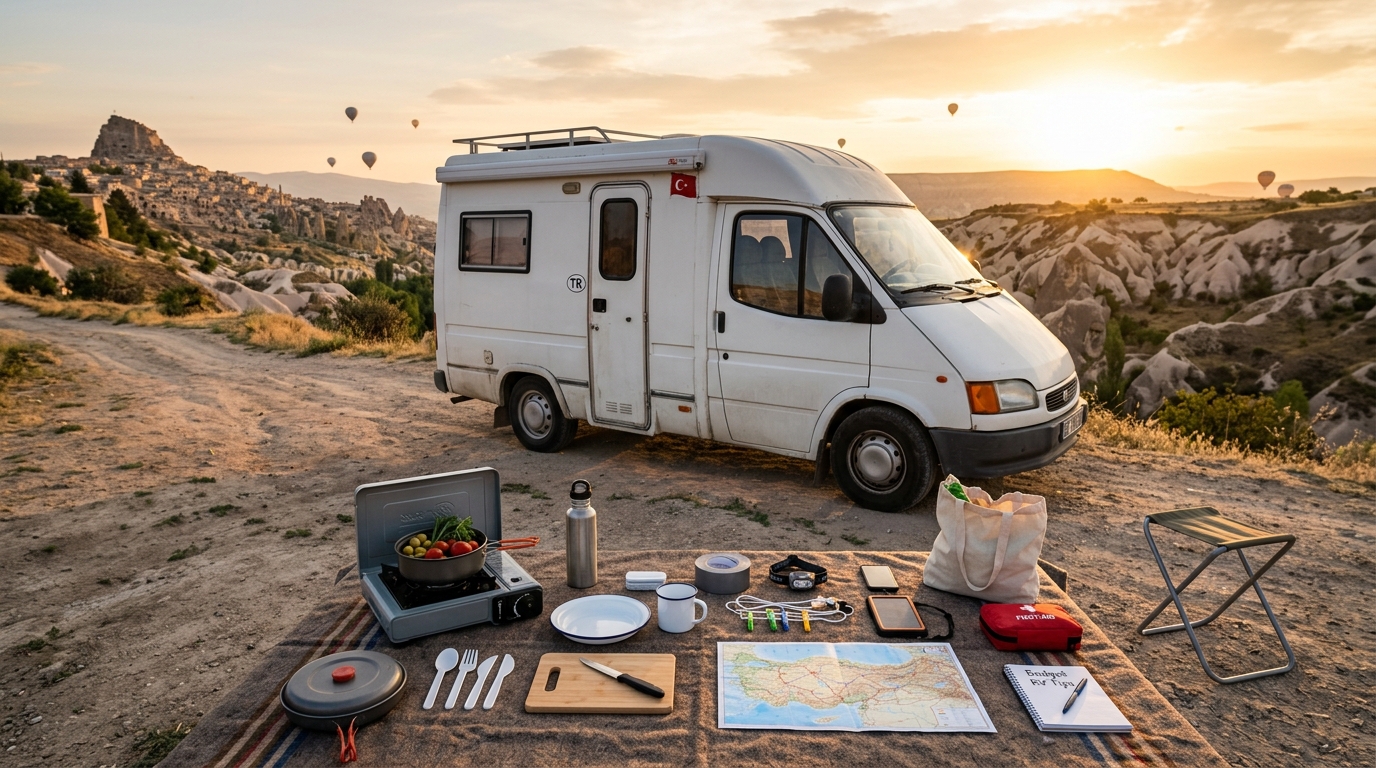
- Days 7-9: Cappadocia's Magic: Arrive in Göreme/Uçhisar, the heart of Cappadocia, and spend two full days exploring its unique fairy chimneys, ancient cave churches, and, if you're up for an early start, enjoy a breathtaking hot air balloon ride. Several RV-friendly campsites are readily available in this region.
- Days 10-11: Mediterranean Coast: Drive from Cappadocia to Antalya (approx. 500 km), ideally split into two shorter, more leisurely drives. Relax in Antalya, explore its picturesque Kaleici (Old Town), and visit the impressive ancient sites of Perge or Aspendos.
- Days 12-14: Turquoise Bliss & Departure: Continue along the stunning Turquoise Coast from Antalya to Fethiye (approx. 190 km). Enjoy the famous Ölüdeniz lagoon and various coastal activities. Spend your final day in the Fethiye area before preparing for your RV return or onward travel.
Recommended RVPlan Trip for Turkey
While this article provides detailed itineraries, Avi Bandana strongly recommends exploring the pre-designed RV trip itineraries available through the RV PLANET platform (rvplan.net). These expertly curated route plans simplify trip planning, offering detailed routes, recommended stops, and practical information, ensuring a hassle-free and enjoyable RV journey across Turkey. With RV PLANET, you can itemize and track every expense along the way for easy budgeting, giving you full control over your trip costs. This Rent&Plan service is a unique offering from Bandana Caravan, designed by true RV specialists who understand the nuances of motorhome travel, not a side department of a generic travel agency.Must-See Stops Along the Way (Avi Bandana Picks)
Avi Bandana's personal picks for RVers in Turkey focus on authentic experiences beyond common tourist spots, encouraging you to truly connect with the local culture. Look for bustling local markets (pazar) in towns like Bursa or Izmir to sample regional produce, spices, and traditional foods. Don't miss the opportunity to stock your rented motorhome's kitchen with fresh ingredients, allowing you to prepare delicious meals right on board. For ideas and inspiration, explore our RV-friendly recipes playlist. Seek out traditional restaurants (lokanta) or small, family-run eateries for genuine Turkish cuisine, often offering hearty and affordable dishes. Keep an eye out for local industries like carpet weaving centers in Cappadocia or olive oil production in the Aegean region for unique cultural insights and souvenirs. These experiences help you travel slowly, averaging a maximum of 100-150 km per day, and truly feel the place, its culture, food, and scenery.Daily Driving Distances & Drive Times in Turkey
Avi Bandana recommends a maximum average of 100-150 km (60-90 miles) per day for RV travel in Turkey, encouraging slow travel to truly immerse in the landscape and culture. This comfortable pace allows for spontaneous stops, exploration of charming villages, and ample time at attractions without rushing from one point to the next. For example, the drive from Istanbul to Bursa is approximately 150 km (93 miles) and typically takes about 2-3 hours, while the scenic route from Pamukkale to Fethiye covers around 200 km (124 miles) in roughly 3-4 hours, depending on road conditions and local traffic. Always factor in extra time for enjoying roadside views, photo opportunities, and unexpected discoveries when planning your daily itinerary.Best RV Class for This Itinerary - Couple & Family Picks
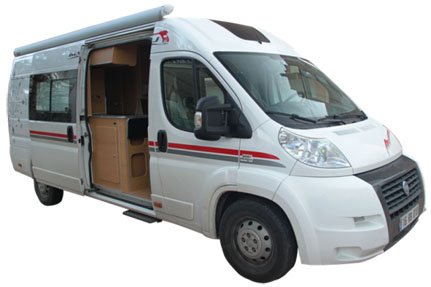
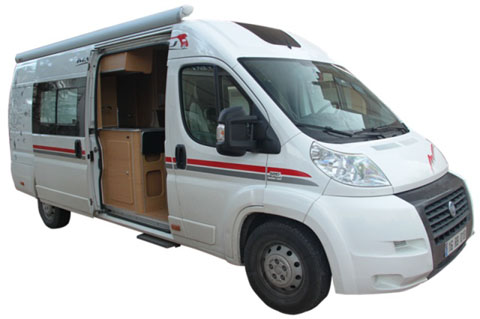
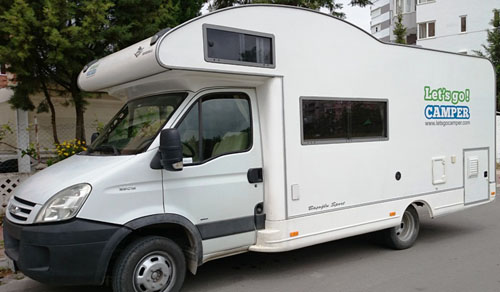
Selecting the right RV class for your Turkey adventure is crucial for comfort and maneuverability. For couples exploring Turkey by RV, the Class B Camper Van is highly recommended due to its agility and efficiency. These campervans, averaging 5.8 meters in length with sleeping places for 3.2, comfortably accommodate 2 adults and are ideal for navigating smaller roads and urban areas while offering common fuel consumption of 8-10 Liters/100 km. For families, the Class C Alcove provides ample space and comfort, proving a superior choice for a Turkish RV adventure. These motorhomes are about 7.5 meters long, offering 5.8 sleeping places and comfortably fitting 4-6 adults, with common fuel consumption of 10-12 Liters/100 km, ensuring everyone has their own space and a comfortable journey. To remove planning headaches, consider Bandana's 'Rent&Plan' service, which combines your chosen RV rental with a ready-made itinerary crafted by travel experts, providing full access to trip-planning software. For more details on vehicle options and pricing, check out our RV Rental in Turkey - Prices and Best Deals 2026 guide.What is the Detailed Cost Breakdown for an RV Trip in Turkey
An RV trip in Turkey typically involves daily expenses for fuel, estimated at 10-12 L/100km based on Bandana's global fleet averages for common RV classes, with fuel prices around €1.20-€1.50 per liter. Camping fees can range from free wild camping to paid sites, typically costing €10-€30/night for municipal or private campgrounds with facilities. A flexible food budget of €20-€50/day can cover groceries from local markets or occasional meals out at traditional Turkish eateries. Factor in variable costs for attraction entry (e.g., €5-€15 per person for historical sites), minimal tolls on major highways, and potential specific permits for certain areas. For a more precise budget, remember that Bandana helps you itemize and track every expense along the way with our RV PLANET routes. For ways to optimize your trip costs, refer to Budget RV Tips for Turkey - Save Money 2026.What are Safety and Security Specifics for RVers in Turkey
RVers in Turkey should prioritize vehicle security by ensuring all doors are locked, valuables are stored out of sight, and utilizing secure campsites or designated overnight parking areas, especially in urban settings. Road safety involves being aware of local driving habits, which can be assertive but generally follow traffic rules, and utilizing emergency shoulders only when absolutely necessary. Drive slowly and carefully, and you can drive almost anywhere without issues. No need to stress - just use common sense and pay attention. For overnight parking, established campsites are always the safest option; if considering wild camping, choose well-lit, visible spots and inform locals if possible to enhance your security. In case of breakdowns or emergencies, immediately contact your rental company's roadside assistance; keeping local emergency numbers (e.g., 112 for general emergencies, 155 for police) readily available is crucial. Bandana's pre-booking and post-booking support ensures you have resources available for coordination, even if direct 24/7 in-trip support isn't provided.Is Wild Camping and Boondocking Allowed in Turkey
While not explicitly legalized, wild camping or boondocking in Turkey is generally tolerated in many scenic, non-private, and non-urban areas, provided campers adhere to "Leave No Trace" principles and show respect for local communities. It is crucial to avoid private property, national parks (unless designated areas), and crowded tourist areas for wild camping, always opting for remote, secluded spots. Adhering to 'Leave No Trace' involves packing out all trash, minimizing impact on vegetation, and properly disposing of human waste in appropriate facilities. When off-grid, practical advice includes sourcing potable water from towns or marked springs, and properly disposing of greywater and blackwater at designated dump stations found in larger towns or some gas stations. Always call ahead to local municipalities or tourism offices if unsure about specific areas.How is Connectivity and Utilities for RVers in Turkey
RVers in Turkey can achieve reliable internet connectivity by purchasing local SIM cards from major providers like Turkcell, Vodafone, or Türk Telekom, which offer affordable mobile data plans suitable for navigation and communication. Sources for potable water are widely available at designated campsites, municipal taps in towns, and sometimes at larger gas stations; it is advisable to carry a water filter for refills from unverified sources. Dump stations for greywater and blackwater can be found at larger campgrounds and in some metropolitan areas, though they may not be as ubiquitous as in Western Europe, requiring a bit of planning. LPG/propane refill locations are available in most towns and cities at designated gas stations, but it's wise to plan refills as international connectors might differ, potentially requiring an adapter. Electricity hookup specifics are typically European two-pin plugs at paid campsites, so an adapter might be needed for non-European appliances.What are the Regulations for Pet Travel in Turkey by RV
Traveling with pets in a rented RV to Turkey requires adherence to specific regulations, including microchipping, an up-to-date rabies vaccination, and a valid pet passport or health certificate issued by a veterinarian, confirming good health and absence of infectious diseases. These documents must be presented upon entry into the country. Many campsites and outdoor areas in Turkey are generally pet-friendly, especially along coastal regions and in less populated areas, but it's advisable to confirm pet policies in advance for specific accommodations or attractions. Local veterinary services are accessible in most major towns and cities, providing peace of mind for any unexpected pet health needs. General tips for traveling with animals include ensuring adequate ventilation in the RV, carrying sufficient food and water, taking frequent breaks for exercise, and respecting local leash laws and clean-up requirements.What are the Vehicle Importation and Documentation Requirements for RVs in Turkey
Foreign-plated RVs entering Turkey necessitate specific documentation, which typically includes the vehicle's registration papers, the driver's standard car driver's license, and mandatory local insurance, to comply with customs procedures and road regulations. An International Driving Permit (IDP) is recommended for visitors from non-English-speaking countries but is not mandatory in most cases for tourists. For stays longer than 90 days, or for non-EU registered vehicles, a temporary import document like a Carnet de Passage might be required, facilitating customs clearance by guaranteeing re-exportation of the vehicle. Mandatory third-party liability insurance, valid for Turkey, is essential and can often be purchased at border crossings or from local insurers upon arrival. Peculiar customs procedures might involve a temporary vehicle entry form (Taşıt Giriş-Çıkış Formu) that must be stamped upon entry and exit, associating the vehicle with the driver's passport to prevent unauthorized sale or abandonment. For more in-depth information, you might find our RV Rental Europe - Complete Guide 2026 helpful as a broader reference.🎬 Video coming soon
Where can I find RV Repair and Maintenance Services in Turkey
RV repair and maintenance services in Turkey are primarily available in major cities and along popular tourist routes, with local mechanics (oto tamirci) often capable of handling common vehicle issues such as engine problems or tire repairs. While general mechanics are prevalent, finding specialized RV-specific workshops might be challenging outside of major hubs; it's advisable to consult with your rental provider or local campsites for recommendations. Many Bandana partner suppliers like El Monte, Cruise America, Apollo, and Britz have established networks that can offer guidance. Common spare parts for popular European RV chassis (e.g., Fiat Ducato, Ford Transit) are generally available, but specialized RV components might require ordering, potentially leading to delays. For simple DIY repairs on the road, carrying a basic toolkit, spare fuses, and common consumables like engine oil and coolant is highly recommended.What Cultural Etiquette Should RV Campers Observe in Turkey
RV campers in Turkey should observe local cultural etiquette, which includes respectful interactions with communities, always asking permission before parking overnight on private land, and being mindful of dress codes, especially near religious sites. When interacting with locals, a friendly 'Merhaba' (hello) and 'Teşekkür ederim' (thank you) go a long way; showing respect for elders and family structures is also important. If considering parking overnight in a village or near a local's property, politely asking permission (e.g., from the Muhtar or a local shop owner) demonstrates respect and can often lead to a safer, more welcoming experience. When visiting religious sites like mosques, ensure appropriate dress (covered shoulders and knees for both men and women, and head covering for women) and remove shoes before entering. Overall, a mindful and respectful approach will greatly enhance your rented RV journey.What are the Seasonal RVing Challenges and Opportunities in Turkey
Seasonal RVing in Turkey presents diverse challenges and opportunities, such as preparing for scorching summer heat (July-August) in inland areas (temperatures often exceeding 35°C) or potential winter mountain pass closures (December-March) in the eastern regions (snowfall can be heavy), while offering unique experiences like vibrant spring blooms (April-May) or rich autumn harvests (September-October). Summer travel along the coast offers warm weather for swimming (sea temperatures 25-28°C) but can mean crowded campsites and higher temperatures; inland, prepare for intense heat. Winter can be challenging, especially in central and eastern Turkey, with snow and ice making some roads impassable, but offers unique opportunities for skiing or quieter, atmospheric visits to historical sites. Spring and autumn provide the most favorable conditions with mild temperatures (15-25°C), fewer tourists, and vibrant natural beauty, ideal for hiking and exploring. RV preparation should include checking tire pressure regularly for varying road conditions, ensuring adequate heating for colder months, and having extra water storage for hot periods. For more tips on navigating different conditions, explore our Budget RV Tips for Turkey - Save Money 2026 or Luxury RV Rental in Turkey - Premium Prices 2026 articles.What You Shouldn't Miss
Looking for expert insights from Avi Bandana? Top 5 Adventures - recommendations from Avi Bandana:- **Hot Air Balloon Ride in Cappadocia:** Soar above the fairy chimneys at sunrise for an unforgettable spectacle; book well in advance for this iconic experience.
- **Exploring Ephesus:** Wander through the remarkably preserved ancient Roman city, including the Library of Celsus and the Grand Theatre, near Izmir.
- **Pamukkale's Travertine Terraces:** Bathe in the mineral-rich thermal waters of these dazzling white "cotton castle" terraces, a UNESCO World Heritage site.
- **Cruising the Turquoise Coast:** Drive the scenic D400 highway along the Mediterranean, stopping at hidden coves, ancient ruins like Patara, and charming fishing villages from Fethiye to Antalya.
- **A Bosphorus Cruise in Istanbul:** While your RV rental waits, enjoy a ferry trip along the Bosphorus Strait to see Istanbul's iconic landmarks, palaces, and mosques from the water.
Final Thoughts
Embarking on a rented RV adventure in Turkey promises an unparalleled journey filled with discovery, freedom, and unforgettable memories. From the ancient wonders of Ephesus to the surreal landscapes of Cappadocia and the breathtaking beauty of the Turquoise Coast, a motorhome provides the perfect mobile base for your explorations. Remember to embrace the local culture, savor the delicious cuisine, and allow yourself the flexibility to truly connect with each destination. At Bandana Caravan, we are dedicated to making your RV rental experience seamless and enjoyable. Our commitment to full transparency, comprehensive support, and expert-curated route plans ensures you can focus on the adventure ahead with complete peace of mind. So, are you ready to chart your own course through Turkey?Compare Motorhome Prices for Turkey and begin planning your incredible journey today!
On the routes offered through RV PLANET routes, you can itemize and track every expense along the way for easy budgeting.