
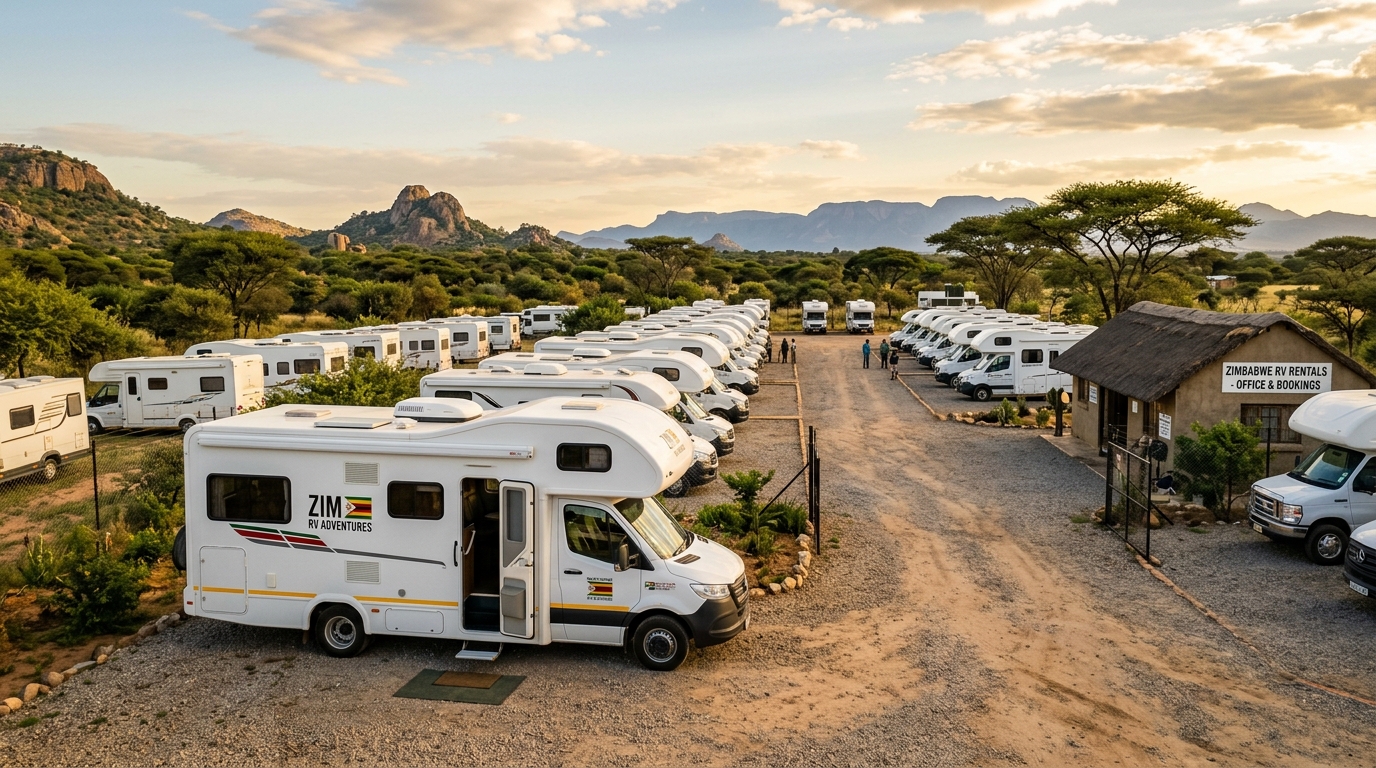
For live availability and current prices, start with our RV Rental Zimbabwe - Complete Guide 2026 guide.
In This Guide
- Can You Drive an RV in Zimbabwe? License & Age Rules
- Road Conditions & Terrain in Zimbabwe
- RV Size Limits, Bridges & Restricted Zones
- Fuel: Diesel vs. Petrol & Cost per 100 km
- Tolls, Vignettes & Border Rules
- Driving Tips for RV Rental for Seniors Travelers
- Recommended RV Class for Zimbabwe Roads
- Should I Choose a Compact Van Instead of a Large RV in Zimbabwe?
- Can I Park Anywhere? Free & Wild Camping Rules in Zimbabwe
- Can I Drive an RV Into the City Center? Heights, Tunnels & Local Signage
- What are the specific RV rental options for Zimbabwe, including vehicle types for local conditions?
- What are the actual road conditions across different regions of Zimbabwe for RVs?
- What specific safety advice is there for RVers in Zimbabwe (night driving, parking, theft, community interaction)?
- What step-by-step guidance is there for border crossings with an RV in Zimbabwe?
- How can I budget for RV travel in Zimbabwe (fuel, park fees, campsites, visas)?
- What practical logistics are important for RV travel in Zimbabwe (water, waste, propane, repairs)?
- What are the connectivity and navigation challenges for RVs in Zimbabwe?
- How should I manage wildlife encounters safely from an RV in Zimbabwe?
- What local cultural etiquette and responsible travel practices should RVers observe in Zimbabwe?
Can You Drive an RV in Zimbabwe? License & Age Rules
Yes, RV driving is feasible in Zimbabwe with the right preparation and understanding of local regulations. Drivers aged 21 and over with a valid national driver's license are generally permitted to drive RVs. However, for foreign visitors, an International Driving Permit (IDP) is highly recommended and often required by rental companies and authorities, especially for vehicles exceeding 3,500 kg Gross Vehicle Mass (GVM), which might necessitate a higher license category (similar to C1 or C). While many rental providers set a minimum driver age of 21, some larger vehicle classes or suppliers may require drivers to be 25 or older, and upper age limits, often around 70-75, can apply, though these vary significantly by provider.
Road Conditions & Terrain in Zimbabwe
Navigating Zimbabwe in an RV presents a diverse road experience, from well-maintained primary tarred roads to more challenging secondary routes. Major highways connecting cities like Harare, Bulawayo, and Victoria Falls are generally paved but can be prone to potholes, particularly after the rainy season (typically November to April). When venturing towards national parks or more remote lodges, expect unpaved roads that can be gravel, dirt, corrugated, or susceptible to washouts, making slower speeds essential. Senior travelers should maintain a moderate pace, remaining alert for common hazards such as livestock, pedestrians, cyclists, and wildlife, especially in rural areas and near wildlife reserves. A robust RV with good ground clearance is advisable for a more comfortable journey across the varied terrain.
RV Size Limits, Bridges & Restricted Zones
Zimbabwe's road network generally accommodates standard RV sizes on major routes without significant restrictions. Most bridges and underpasses on primary roads are designed to handle typical RV heights, with Bandana's fleet averaging around 6.9 meters for semi-integrated models and up to 7.5 meters for larger Class C or A motorhomes. However, when venturing onto less-traveled roads or into older urban areas, drivers should remain vigilant for potentially lower overhead clearances or narrower passages. While environmental or congestion-based restricted zones are not a common feature in Zimbabwean cities, always pay attention to local signage indicating road works, access limitations, or parking restrictions. If planning to use ferries, such as those crossing the Zambezi River, it's crucial to verify weight and length restrictions with the ferry operator in advance.
Fuel: Diesel vs. Petrol & Cost per 100 km
Diesel is the predominant fuel type for most RVs and is generally more widely available than petrol across Zimbabwe, particularly outside major urban centers. Bandana's fleet of Class SI semi-integrated RVs typically consumes between 10-11 liters per 100 km, while larger Class C motorhomes might use 10-12 liters per 100 km, and more compact Class B camper vans can achieve 8-10 liters per 100 km. Fuel costs can fluctuate significantly due to market prices and potential availability issues. It is highly advisable to refuel your rented RV whenever a station is encountered, especially before embarking on journeys into remote areas where supplies may be intermittent. On the routes offered through RV PLANET routes, you can itemize and track every expense along the way for easy budgeting.
Tolls, Vignettes & Border Rules
Zimbabwe's major national highways feature several toll gates operated by ZINARA, with fees typically payable in local currency or USD cash. RVs are usually categorized based on weight and size, leading to varying toll fees. While no specific vignette system is widely reported for Zimbabwe, it's prudent to prepare for manual toll payments. For those planning cross-border excursions into neighboring countries like South Africa, Zambia, or Botswana, thorough research into each country's specific entry requirements, including road usage fees or temporary import permits for the RV, is essential. Some rental providers may offer options for pre-purchasing toll passes or provide guidance on border procedures.
Driving Tips for RV Rental for Seniors Travelers
For a safe and enjoyable RV journey in Zimbabwe, senior travelers should prioritize specific driving practices. Always opt for daytime driving, as night driving significantly increases risks due to poor visibility, unlit vehicles, roaming livestock, and potential security concerns. Embrace a relaxed pace by maintaining moderate speeds, which not only enhances safety but also allows for better observation of the surroundings and appreciation of the scenery. Plan for regular rest stops, ideally every 2-3 hours, to combat fatigue and stay alert. Keeping aware of your surroundings is paramount; be particularly mindful of pedestrians, cyclists, and animals on the road, especially when near national parks. For overnight parking, always choose designated, secure campsites or reputable lodges, avoiding isolated or unlit areas.
Recommended RV Class for Zimbabwe Roads
For senior travelers exploring Zimbabwe, a Class SI (Semi-integrated RV) or a Class B (Camper Van) is generally recommended to comfortably navigate the country's varied road conditions. Class SI RVs, averaging around 6.9 meters in length, offer a good balance of comfortable living space and amenities for primary roads, while also providing reasonable ground clearance. For those planning extensive visits to national parks or routes with rougher gravel tracks, a more compact and maneuverable Class B Camper Van (averaging 5.8 meters) is ideal due to its superior handling and often higher ground clearance. These classes are also generally more fuel-efficient; for instance, Bandana's Class B models often achieve 8-10 Liters/100 km, making them a practical choice for diverse Zimbabwean terrain.
Should I Choose a Compact Van Instead of a Large RV in Zimbabwe?
While compact camper vans, like Bandana's Class B models (averaging 5.8 meters), offer excellent maneuverability and easier parking, there's generally no significant issue driving larger RVs, such as Class SI (averaging 6.9 meters) or Class C (averaging 7.5 meters), on Zimbabwe's main routes. For senior travelers, the decision often hinges on prioritizing indoor comfort, space, and amenities over the slight maneuverability advantage of smaller vehicles. Larger RVs provide more living room, dedicated shower and toilet facilities, and more spacious sleeping areas, which can significantly enhance comfort on longer trips. A compact van truly shines if your itinerary heavily features challenging off-road national park adventures requiring higher clearance or navigating very narrow village roads. However, for comfort and convenience on main routes and at established campsites, a larger, amenity-rich RV often presents a better trade-off.
Can I Park Anywhere? Free & Wild Camping Rules in Zimbabwe
Free or wild camping is generally not advised and often illegal in Zimbabwe, particularly within national parks, game reserves, and private conservancies. While specific regional data on free-camping rules might not be universally provided, common practice across Southern Africa dictates that overnight stays should be confined to designated campsites or private properties. Parking an RV outside of recognized campsites can pose safety risks due to wildlife encounters and general security concerns. Therefore, RVers are strongly recommended to utilize established campsites, which typically offer essential amenities like security, water, and waste disposal facilities, ensuring a safer and more comfortable experience.
Can I Drive an RV Into the City Center? Heights, Tunnels & Local Signage
Yes, you can almost always drive an RV into city centers in Zimbabwe, including major hubs like Harare or Bulawayo, without encountering specific prohibitive restrictions for recreational vehicles. While specific watchouts for Zimbabwean city centers are not widely documented, general vigilance is always advised. Drivers should pay close attention to all local signage, which may indicate road works, narrow street access, or parking restrictions applicable to all vehicles, including RVs. Larger RVs, such as Bandana's Class C models which can be around 7.5 meters long, will naturally require more careful navigation and parking in congested urban areas. Fortunately, environmental zones or residents-only streets are not common features in Zimbabwean cities, making urban access generally straightforward for RVs.
What are the specific RV rental options for Zimbabwe, including vehicle types for local conditions?
Zimbabwe offers a diverse range of RV rental options, catering to different travel styles and terrains, from traditional motorhomes to rugged 4x4 camper conversions. For seniors planning to travel primarily on Zimbabwe's main tarred roads, Class SI (Semi-integrated, averaging 6.9 meters) and Class C (Alcove, averaging 7.5 meters) motorhomes from Bandana's global fleet provide ample comfort and amenities. However, for those venturing into national parks or undertaking journeys on rougher gravel roads, a 4x4 truck camper (like a Class TC, averaging 5.5 meters) or a 4x4-equipped camper van (Class B, averaging 5.8 meters) are far more suitable due to their superior ground clearance and enhanced off-road capability. The best choice ultimately depends on your specific itinerary, comfort preferences, and the expected terrain of your adventure.
What are the actual road conditions across different regions of Zimbabwe for RVs?
RV road conditions in Zimbabwe vary considerably, ranging from generally good primary tarred routes to more challenging gravel and dirt tracks in rural areas. Main routes, such as the A1 and A5 highways, are predominantly paved but can feature intermittent potholes, particularly after periods of heavy rainfall. Secondary roads leading to popular destinations like Mana Pools or Gonarezhou National Parks are often unpaved, dusty, corrugated, and can be prone to washouts, necessitating significantly slower speeds and cautious driving. Common hazards encountered on unfenced roads include roaming livestock, pedestrians, and wildlife, all of which demand constant vigilance from RV drivers.
What specific safety advice is there for RVers in Zimbabwe (night driving, parking, theft, community interaction)?
Safety for RVers in Zimbabwe is paramount, with several key considerations. Strictly avoid night driving due to prevalent hazards like potholes, unlit vehicles, livestock on roadways, and potential security risks. Always prioritize parking in designated campsites or guarded lodges, steering clear of isolated overnight stops to enhance security. Practice robust theft prevention by keeping valuables out of sight, consistently locking doors and windows, and utilizing secure storage compartments. When interacting with local communities, show genuine respect for customs, dress modestly (especially women), and always ask for permission before taking photographs of people or private property.
What step-by-step guidance is there for border crossings with an RV in Zimbabwe?
Navigating border crossings with an RV into Zimbabwe requires thorough preparation. Ensure you have all necessary documents ready: passports, the rental company's letter of authority for the vehicle, a temporary import permit (often processed at the border), and valid third-party motor insurance for Zimbabwe. For some types of vehicles or specific routes, a Carnet de Passage might be required, though this is less common for rentals. Be prepared to pay various levies upon entry, which can include carbon tax, road access fees, and other minor charges. Major crossings like Beitbridge (South Africa border) and Kazungula (Botswana border) can experience long wait times, especially during peak seasons or holidays, so allocate ample time for these procedures.
How can I budget for RV travel in Zimbabwe (fuel, park fees, campsites, visas)?
Budgeting for an RV trip in Zimbabwe involves several key cost factors. Factor in variable fuel costs, noting that Bandana's Class SI RVs typically consume 10-11 Liters/100 km, and prices/availability can fluctuate. Expect substantial national park entry fees, which are usually charged per person per day, plus a separate vehicle fee. Campsite fees can range from approximately $15 to $50 USD per night for established sites with amenities. Additionally, account for visa costs, which typically range from $30 to $75 USD for a single entry, depending on your nationality. It's wise to allocate a contingency fund of 20-30% of your total budget for unforeseen expenses such as minor repairs, medical emergencies, or currency fluctuations.
What practical logistics are important for RV travel in Zimbabwe (water, waste, propane, repairs)?
Practical logistics for RV travel in Zimbabwe include managing essential supplies like water, waste, and propane. Potable water refill points are generally available at campsites, lodges, and larger towns, but carrying extra water is always recommended for remote travel. Black and grey water disposal facilities are typically found only at dedicated RV campsites, requiring careful planning to align with your route. Propane (LPG) can be sourced in major cities, but ensure your tanks are full before departing for remote areas, as availability diminishes. Specialized RV repair services are limited to larger cities like Harare or Bulawayo; carrying a basic toolkit for minor issues is a sensible precaution.
What are the connectivity and navigation challenges for RVs in Zimbabwe?
Connectivity and navigation in Zimbabwe can present challenges for RVers. Mobile network coverage is variable, offering good service in urban areas but becoming patchy or non-existent in remote national parks and rural regions. While Google Maps functions well on main roads, it may lack detailed information for unpaved tracks or less-traveled destinations. Therefore, carrying reliable offline GPS maps (such as Maps.me or Gaia GPS) downloaded in advance is essential. Physical maps and obtaining local directions are critical backups in areas where digital navigation may fail or provide outdated information.
How should I manage wildlife encounters safely from an RV in Zimbabwe?
Managing wildlife encounters safely from your RV in Zimbabwe requires a cautious and respectful approach. If an animal, such as an elephant, blocks the road, maintain a safe distance and patiently wait for it to move; never provoke or attempt to drive aggressively around it. At campsites, always secure all food items, rubbish, and scented products inside your RV to prevent attracting scavengers like baboons and hyenas. Keep windows and doors closed, especially at night, and strictly adhere to speed limits and park rules within national parks. Never feed wild animals, and always remain inside your vehicle unless you are in a designated safe area.
What local cultural etiquette and responsible travel practices should RVers observe in Zimbabwe?
Observing local cultural etiquette and practicing responsible travel enhances the RV experience in Zimbabwe. When visiting villages, a friendly greeting like 'Mhoroi' is appreciated, and dressing modestly, especially for women, shows respect. Always ask for permission before taking photographs of people or their property. Consider offering small, respectful donations or purchasing local crafts to directly support communities. Practice responsible travel by minimizing waste, properly disposing of litter, and conserving water. Staying on marked roads is crucial to prevent environmental damage, particularly in sensitive ecosystems, and engaging with local guides can offer valuable cultural insights and enhance your understanding of the region.
What You Shouldn't Miss
- Witness the Majestic Victoria Falls: Experience the awe-inspiring power of one of the world's largest waterfalls. Consider a scenic flight over the falls for a truly breathtaking perspective from your RV base.
- Explore Hwange National Park: Embark on an RV safari through Zimbabwe's premier wildlife sanctuary, renowned for its large elephant herds and diverse animal population. Enjoy self-drive game viewing from the comfort of your rented vehicle.
- Drive the Scenic Eastern Highlands: Navigate the winding mountain roads in your RV, passing through lush green tea plantations and dramatic escarpments, with opportunities for hiking and exploring charming towns like Nyanga.
- Visit Great Zimbabwe Ruins: Step back in time at this UNESCO World Heritage site, exploring the impressive stone structures of a medieval city, a testament to a bygone civilization.
- Experience Lake Kariba: Discover the vast man-made lake by RV, perhaps with a stop at a lodge or campsite offering fishing or boat trips, and enjoy stunning sunsets over the water.
- Discover Mana Pools National Park: For the adventurous RV traveler, explore this remote park known for its walking safaris and close-up wildlife encounters, though a 4x4 RV is recommended.
Final Thoughts
Embarking on an RV adventure in Zimbabwe offers a unique and immersive way to experience the country's stunning landscapes and rich culture. With careful planning, attention to local driving conditions, and choosing the right RV class for your needs, seniors can enjoy a comfortable and rewarding journey. Remember that flexibility, a spirit of adventure, and a focus on safety will greatly enhance your experience.
We're here to support you every step of the way, from comparing rental options to coordinating your booking. For finding campsites and campgrounds along your route, we highly recommend using RV PLANET (rvplan.net) – it's a fantastic resource for discovering available spots and planning your overnight stays to make your Zimbabwean RV adventure truly unforgettable.
Get inspired for your next trip! Discover top destinations, planning tips, all in one place, and plan your itinerary in advance with minimal effort and maximum enjoyment. Compare final prices across suppliers – what you see is what you pay, with no surprise fees at pickup. Looking for the easiest, safest, and most affordable way to rent an RV? We compare final prices across 50+ suppliers so you don't have to.
