In This Guide
- Can You Drive an RV in Vienna? License & Age Rules
- Road Conditions & Terrain in Vienna
- RV Size Limits, Bridges & Restricted Zones
- Fuel: Diesel vs. Petrol & Cost per 100 km
- Tolls, Vignettes & Border Rules
- Driving Tips for RV Rental Travelers
- Recommended RV Class for Vienna Roads
- Should I Choose a Compact Van Instead of a Large RV in Vienna?
- Can I Park Anywhere? Free & Wild Camping Rules in Vienna
- Can I Drive an RV Into the City Center? Heights, Tunnels & Local Signage
- What do I need to drive a motorhome in Austria?
- Can I drive in Austria with a US driver's license?
- Is Austria motorhome friendly?
- What is the 3-3-3 rule for RV?
- Is renting a car in Vienna worth it?
- Who makes the Renegade Vienna?
- What category is a VW camper van?
- How much does the average RV insurance cost?
- What You Shouldn't Miss
🎬 Video coming soon
Can You Drive an RV in Vienna? License & Age Rules
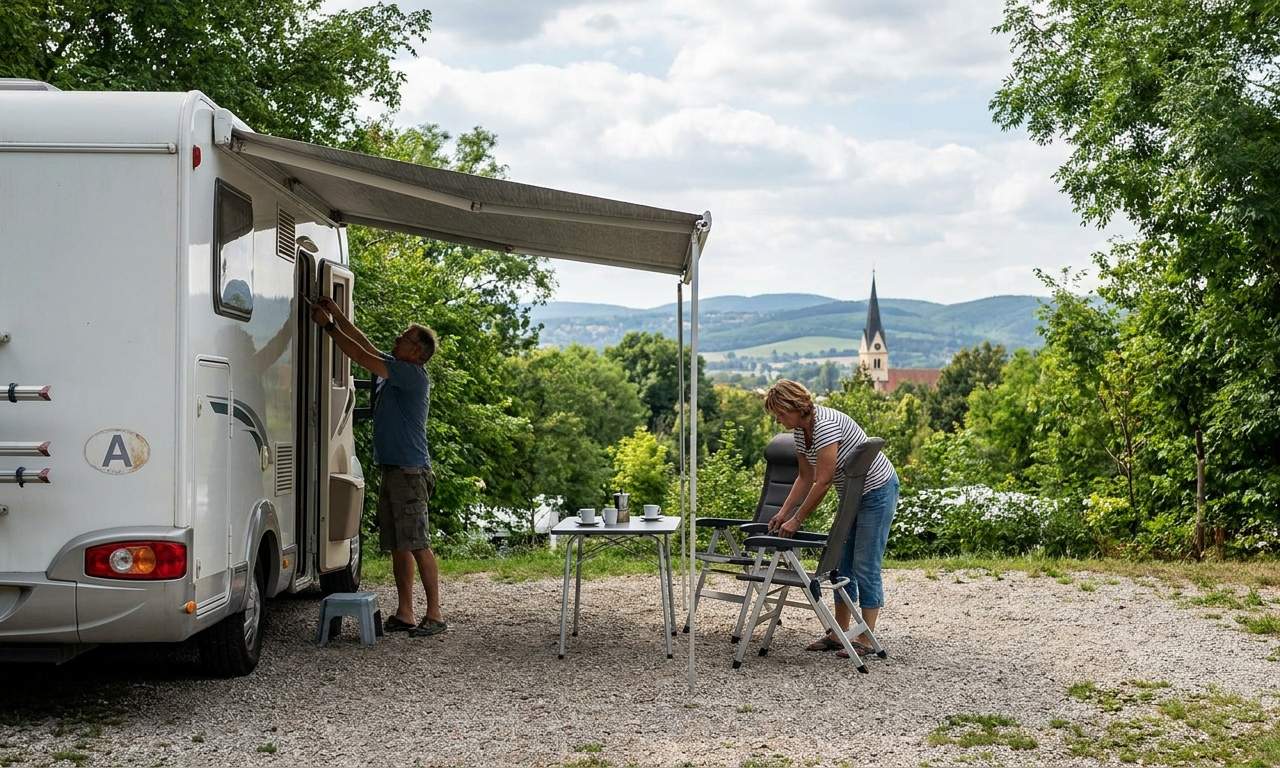 To drive most rental RVs (under 3,500 kg) in Vienna, a standard Category B driver's license is sufficient for drivers over 21 years old. Austrian law generally permits drivers with a valid Category B license, which is a standard car license, to operate motorhomes with a maximum authorized mass (MAM) up to 3,500 kg. This covers the vast majority of campervans and smaller Class C motorhomes popular for rental. For heavier RVs exceeding 3,500 kg MAM, a Category C1 or C license is required, which is less common for typical holiday rentals from suppliers like El Monte or Apollo. The minimum driver age for most rental companies in Vienna is 21, though some may require drivers to be 25 for larger or premium models, often with a minimum of 2-3 years of driving experience. Foreign drivers, especially from non-EU countries, may need an International Driving Permit (IDP) in addition to their national license; for US drivers specifically, an IDP is highly recommended for Austria to avoid any potential language barriers with authorities. Rest assured, Bandana Caravan, as true RV specialists since 2001, ensures full transparency about licensing requirements for each specific rental vehicle before you book, so there are no hidden fees or surprises.
Road Conditions & Terrain in Vienna
Road conditions in Vienna and throughout Austria are generally excellent, featuring well-maintained highways and urban streets that are entirely suitable for RV travel. Vienna's terrain is largely flat in the city center, which simplifies navigation, transitioning to gently rolling hills in the surrounding Vienna Woods (Wienerwald) and the picturesque Danube Valley. These routes are easily navigable for motorhomes and offer stunning vistas. While urban driving requires careful attention to narrower streets and traffic patterns, major routes into and around Vienna are designed to accommodate larger vehicles, so there's no need to stress. Drive slowly and carefully, and you can drive almost anywhere without issues. Drivers should anticipate varied conditions when exploring outside the city, from smooth Autobahns to scenic, winding regional roads that encourage a slower, more deliberate pace. There are no extreme mountainous passes directly within Vienna, but venturing into other parts of Austria will introduce steeper climbs and descents, where RV stability and braking become crucial considerations, highlighting the importance of choosing the right RV for your itinerary.RV Size Limits, Bridges & Restricted Zones
While there are no universal "RV size limits" for driving in Vienna, drivers must always observe specific signage for height, weight, and width restrictions, particularly near historical areas, tunnels, and older bridges. Low Emission Zones (LEZs) exist in certain parts of Austria, though Vienna's core typically doesn't restrict RVs that meet at least Euro 3/4 standards, common in modern rental fleets; always verify the current regulations for your specific vehicle and travel date. Vienna's city center has numerous narrow streets and pedestrianized zones where RV access is restricted or impossible; planning routes to peripheral parking is advisable. Most rental RVs, particularly Class B (Camper Vans) and Class SI (Semi-integrated) models, are designed to fit under standard European bridge clearances (typically 3.5m - 4.2m), but caution is always advised in older urban areas. Ferry travel is generally not a concern directly within Vienna, but if planning excursions involving Danube River crossings elsewhere, confirm size limitations with the ferry operator beforehand. Our extensive network of 50+ leading RV suppliers worldwide, including Britz and El Monte, offers a diverse fleet, ensuring you'll find a vehicle that suits Vienna's roads and your comfort needs.Fuel: Diesel vs. Petrol & Cost per 100 km
Most rental RVs in Vienna and throughout Europe run on diesel fuel, which is widely available at service stations across Austria. Bandana's global fleet averages indicate that Class SI (Semi-integrated) RVs typically consume 10-11 Liters/100 km, Class C (Alcove) models 10-12 Liters/100 km, and Class B (Camper Vans) around 10 Liters/100 km. As of 2026, fuel prices in Austria are competitive within Europe; budgeting approximately €1.70-€2.00 per liter for diesel is a reasonable estimate, translating to roughly €17-€24 per 100 km for most RV classes. Petrol stations are plentiful, making refueling convenient, though prices can vary between highway service areas and smaller town stations. When planning your budget for an extended road trip, consider that RV PLANET routes allow you to itemize and track every expense, from fuel to campground fees, making budgeting simple and transparent.Tolls, Vignettes & Border Rules
Austria requires a 'Vignette' (toll sticker or digital pass) for all vehicles up to 3.5 metric tons for use on Autobahns (motorways) and S-road expressways; this includes most rented motorhomes and campervans. The Vignette must be purchased before entering a toll road and displayed correctly or linked to the vehicle's license plate for digital versions; rental RVs under 3.5 tons will need one. Vehicles over 3.5 tons require a GO-Box electronic toll device, a crucial distinction to avoid significant fines, especially if you're driving a larger Class A or some larger Class C models. Specific tunnel sections and mountain passes in Austria, such as the Brenner Pass or Arlberg Tunnel, require additional route-specific tolls beyond the Vignette. While specific regional data on pre-purchased toll passes for Vienna rental RVs is not available, it's advisable to inquire with your rental provider, as some offer pre-loaded GO-Boxes or vignette purchasing services. When traveling to neighboring countries like Germany, Czech Republic, or Hungary from Vienna, be aware of their respective toll systems and border crossing requirements, including potential passport checks for non-Schengen travelers, making planning ahead key.Driving Tips for RV Rental Travelers
Careful route planning is paramount when driving a rented motorhome in Vienna, utilizing RV-specific GPS or apps that account for vehicle dimensions to avoid low bridges, narrow streets, and restricted zones. Observe Austrian speed limits strictly enforced at typically 130 km/h on Autobahns, 100 km/h on main roads, and 50 km/h in urban areas; precise adherence to local signage is critical for RVs to ensure a smooth journey. For parking and maneuvering in Vienna, larger RVs require more space for turning and parking; utilize Park & Ride facilities on Vienna's outskirts and practice backing up in open spaces before city driving. Travel slowly, max 100-150 km per day on average, to prevent driver fatigue and connect to Austria's rich culture, delicious food, and stunning scenery. Always be aware of your RV's height, length, and width, especially in older towns or when encountering tight turns or underpasses. For families, consider how the vehicle's load capacity, like the average Class C with 42.4 kg, affects handling and stability, ensuring everyone enjoys the trip safely and comfortably.Recommended RV Class for Vienna Roads
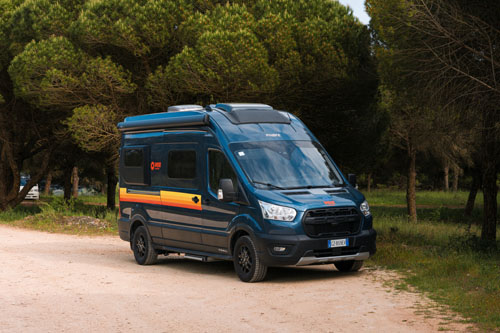
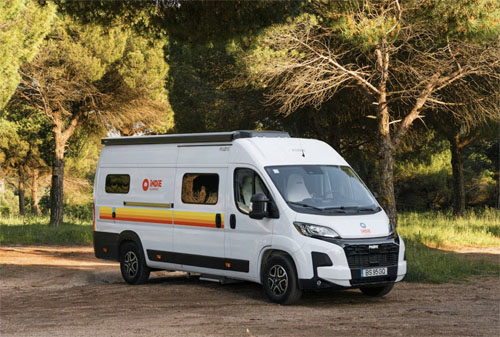
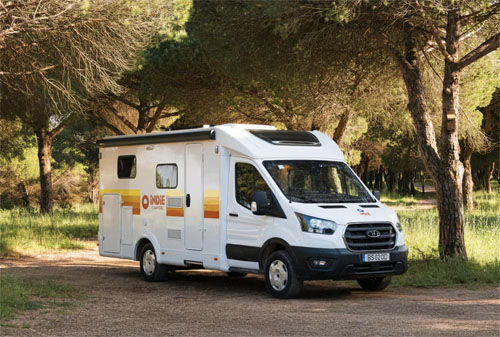
For navigating Vienna and its surrounding areas, the Class B (Camper Van) or Class SI (Semi-integrated) RVs are generally recommended due to their balanced size and superior maneuverability. Class B Camper Vans, with an average length of 5.8 meters according to Bandana's fleet data, offer excellent agility, making them ideal for urban streets and fitting into standard parking spaces often found in places like Prater or Schönbrunn. Class SI Semi-integrated RVs, averaging 6.9 meters in length, provide more living space and amenities while still being manageable for most Austrian roads and larger parking bays at campsites or Park & Ride facilities. Both classes offer a good compromise between interior comfort for sleeping (e.g., 3.2 for a Class B Camper Van, 3.8 for a Class SI Semi-integrated model) and ease of driving on varied terrain, from city streets to country roads. While larger Class C (Alcove) or Class A (Integrated) RVs (avg. 7.5 meters) are certainly capable of driving in Austria, their increased length and width can make urban navigation and parking more challenging in Vienna's busier areas, especially near landmarks like St. Stephen's Cathedral or Hofburg Palace.Should I Choose a Compact Van Instead of a Large RV in Vienna?
Choosing between a compact van (like a Class B Camper Van) and a larger RV for a trip to Vienna depends primarily on your priorities for space versus maneuverability. While a compact van certainly offers advantages for tight historic centers and easier parking in urban environments, generally there is no significant issue driving larger RVs on major routes in and around Vienna. For exploring Vienna's core, a compact Class B Camper Van (avg. 5.8m length) provides car-like handling, making it easier to navigate smaller streets and potentially find parking closer to attractions. However, a larger RV (such as a Semi-integrated or Alcove model like the "rv rentals example Comfort Class" with its spacious interior) offers significantly more comfort, dedicated living space, larger kitchen and bathroom facilities, which can be a better trade-off for longer trips or families. When considering meal preparations on your trip, having a well-equipped kitchen can be a game-changer; check out our RV-friendly recipes playlist for inspiration. Consider your itinerary: if your focus is solely on Vienna's city center, a compact van is advantageous; if you plan to explore the broader Lower Austria region, the Danube Valley, or enjoy extended stays at campsites, the added comfort of a larger RV might be preferred, utilizing Vienna's excellent public transport from peripheral RV parks.Can I Park Anywhere? Free & Wild Camping Rules in Vienna
No, you generally cannot park a rented RV anywhere for overnight stays or wild camping in Vienna, as Austria has strict regulations regarding wild camping. Wild camping, defined as overnight parking outside of designated campsites or 'Stellplätze', is largely prohibited across most of Austria, particularly within Vienna and other urban or protected natural areas like the Wienerwald. For legal overnight parking in Vienna, RVers should utilize designated campsites or official 'Stellplätze' (motorhome parking areas), many of which are conveniently located on the city's outskirts with good public transport connections, such as Camping Wien Süd. Informal overnight parking in regular car parks is usually only permitted for a single night of "rest to restore driving fitness" and not for "camping-like" activities (e.g., setting out awnings, chairs), and is subject to local bylaws and potentially fines if you are found to be actively camping. Rules vary by region, so always check local regulations and follow local law before parking overnight, and prioritize official RV parking facilities to avoid legal issues and ensure a peaceful trip. Many national and state parks reserve only 25-30% of spots for advanced booking, with the rest available on a first-come, first-serve basis, so you'll always find a spot, even if it's not the first campground you check. It’s always a good idea to call ahead before driving to a new location.Can I Drive an RV Into the City Center? Heights, Tunnels & Local Signage
Yes, you can generally drive a rented RV into Vienna's city center, but it requires careful attention to specific local signage regarding height, weight, and environmental restrictions. Many RVs, particularly smaller classes like Camper Vans, can navigate urban areas, but larger vehicles demand more vigilance, especially around the historic Innere Stadt district. Drivers must pay close attention to signs indicating height limits for underpasses, tunnels, and parking garages, as well as weight restrictions on certain bridges or roads that might impact a fully loaded motorhome. Vienna, like many European cities, has environmental zones (Low Emission Zones) and pedestrianized areas where RV access may be restricted or require special permits; always verify current regulations for your vehicle's emissions class, typically Euro 3/4 standards or higher for modern rentals. It's often more practical and less stressful to park your RV at a peripheral Park & Ride facility or designated Stellplatz, such as those near the U-Bahn stations at Erdberg or Siebenhirten, and use Vienna's excellent public transportation to explore the central sights. Drive slowly and carefully, and you can drive almost anywhere without issues. No need to stress - just use common sense and pay attention.What do I need to drive a motorhome in Austria?
To drive a motorhome in Austria, you primarily need a valid driver's license corresponding to the vehicle's maximum authorized mass (MAM), with a standard Category B license generally sufficient for RVs up to 3,500 kg. For motorhomes exceeding 3,500 kg MAM, a Category C1 (for up to 7,500 kg) or Category C (for over 7,500 kg) license is mandatory, though most rental Class C and Class B vehicles fall under the 3,500 kg limit. Drivers from non-EU countries, including the USA, should carry an International Driving Permit (IDP) alongside their national license, as recommended by Austrian authorities to avoid any complications. You must also be at least 21 years old for most rental companies, with some requiring drivers to be 25 or older and possess several years of driving experience. Essential documents for your trip include your valid driver's license, IDP (if applicable), passport or ID card, vehicle registration documents, and valid insurance papers. Our 24/7 support team is here to help you understand all requirements before, during, and after your booking, ensuring full transparency.Can I drive in Austria with a US driver's license?
Yes, you can generally drive in Austria with a valid US driver's license for a period of up to six months, but an International Driving Permit (IDP) is highly recommended and often required by rental agencies. While your US license may be technically accepted, the IDP serves as a translation of your license into multiple languages and is recognized internationally, smoothing interactions with local authorities and rental companies, especially if you encounter a local police stop outside of Vienna. Ensure your US license is current and in good standing; it must always be carried alongside your IDP for verification. For RV rentals specifically, check with your chosen rental company in Vienna regarding their precise requirements for US drivers, as some might insist on an IDP for insurance purposes and to comply with their supplier terms. After six months, US citizens planning a longer stay would typically need to obtain an Austrian or EU driver's license to continue driving legally.Is Austria motorhome friendly?
Austria is generally considered very motorhome friendly, offering excellent infrastructure for RV travel, including well-maintained roads and a good network of campsites and 'Stellplätze' (motorhome parking areas). The country boasts stunning natural beauty, from the majestic Alps to the serene Danube Valley and the charming Vienna Woods, with many scenic routes suitable for RVs. While wild camping is largely prohibited, especially in Vienna and popular tourist areas, designated RV parking and camping facilities are plentiful and often equipped with amenities like electricity and waste disposal, making it easy to manage your mobile home. Austrian drivers are typically courteous, and road signage is clear, although navigating historical city centers like Graz or Salzburg with larger vehicles requires planning. The comprehensive system of tolls and vignettes ensures well-maintained roads, making long-distance RV travel comfortable and efficient across the country, further enhancing Austria's reputation as a top RV destination.What is the 3-3-3 rule for RV?
The "3-3-3 rule" for RV travel is a widely adopted guideline encouraging safe and enjoyable trips by recommending not driving more than 300 miles (approximately 500 km) in a day, arriving at your campsite by 3 PM, and staying for at least 3 nights. This rule is not a legal regulation in Austria or specific to Vienna, but a general best practice for RVers to prevent driver fatigue and allow ample time for relaxation and local exploration. Adhering to the "300 miles" limit helps ensure drivers stay fresh, reducing the risk of accidents and allowing for unexpected delays, especially on winding mountain roads outside Vienna. Arriving by "3 PM" provides sufficient daylight to set up camp, familiarize yourself with the surroundings at places like Danube-Auen National Park, and unwind before evening. The "3 nights" recommendation encourages a slower pace of travel, enabling deeper engagement with each destination rather than constantly moving, which is particularly beneficial when exploring cultural hubs like Vienna or scenic regions, allowing you to truly connect with the culture, food, and scenery.Is renting a car in Vienna worth it?
Renting a car in Vienna is generally not recommended for exploring the city center itself due to Vienna's excellent public transportation network, pedestrian zones, and limited, expensive parking. For visitors focused solely on Vienna's urban attractions, the extensive U-Bahn (metro), tram, and bus network provides efficient and cost-effective travel, allowing you to reach sights like Schönbrunn Palace or the Naschmarkt with ease. However, renting a car (or a smaller campervan) becomes highly worthwhile if your travel plans extend beyond the city, allowing you to easily visit nearby attractions like the Vienna Woods, Wachau Valley, or explore neighboring regions at your own pace. When comparing to a rented RV, a car offers greater maneuverability and lower fuel consumption for day trips, while an RV combines transport with accommodation, ideal for multi-day regional tours or extended road trips. Ultimately, the "worth" depends on your itinerary: city-only means no car, regional exploration means a car or RV is advisable.Who makes the Renegade Vienna?
The Renegade Vienna is a luxury Class C motorhome manufactured by Renegade RV, an American company known for producing high-quality recreational vehicles. It is named "Vienna" to evoke a sense of European elegance and design, though it is primarily designed and sold in North America. The Renegade Vienna typically features upscale interiors, advanced technology, and a compact yet luxurious design, making it a popular choice for those seeking premium features in a smaller Class C footprint in the US market. While Renegade RVs are popular stateside, specific models like the Renegade Vienna are not commonly available for rent or purchase in Austria or Europe. Travelers looking to rent an RV in Vienna will typically find European-manufactured models from brands like Fiat, Ford, or Mercedes-Benz, often converted by reputable European companies such as Hymer, Dethleffs, or Sunlight. Our vast network of 50+ leading RV suppliers worldwide includes many European brands, offering a wide array of options for your Vienna adventure.What category is a VW camper van?
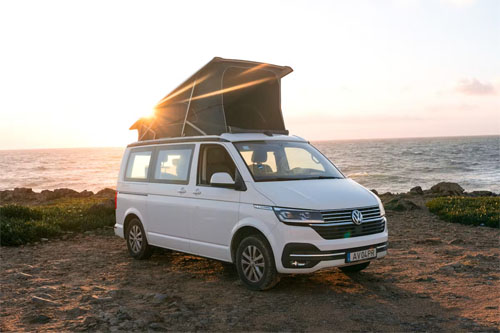
A VW camper van, such as the Volkswagen California, typically falls into the "Class B - Camper Van" category of recreational vehicles, characterized by its compact, van-based design. This category includes vehicles built on a standard van chassis, modified with living amenities like a pop-top roof, a small kitchen, and sleeping areas, while retaining much of the original van's drivability. Bandana's fleet data indicates Class B Camper Vans have an average length of 5.8 meters and an average of 3.2 sleeping places, highlighting their compact nature, which makes them easy to park and maneuver in urban areas of Vienna. Class B camper vans are popular for their ease of driving, fuel efficiency (e.g., Bandana's fleet averages around 10 Liters/100 km), and ability to navigate urban environments and narrower roads more easily than larger motorhomes, making them an excellent choice for a "Weekly RV Rental in Vienna - Pricing 2026" search. They are an excellent choice for solo travelers, couples, or small families seeking flexibility and a blend of daily driver convenience with basic camping capabilities, offering the freedom of the open road without the bulk of a larger RV.How much does the average RV insurance cost?
The average cost of RV insurance for a personal owner varies widely based on factors like vehicle type, value, coverage level, driver history, and location, ranging from a few hundred to several thousand euros annually. However, for an RV rental in Vienna, primary insurance coverage is typically included in the rental price, covering basic third-party liability and often collision damage waiver (CDW) with an excess (deductible). Renters usually have the option to purchase additional coverage to reduce their excess liability, which can range from €20-€50 per day, providing greater peace of mind against damage or theft. For example, you can upgrade to a top-level deductible for extra peace of mind. Some rental agreements might also offer optional add-ons like personal effects insurance, roadside assistance, or tire and windshield coverage. It's crucial to thoroughly review your rental agreement and understand what insurance is included and what your personal liability would be in case of an incident before finalizing your booking. Bandana Caravan ensures full transparency, so you'll always know exactly what you're paying for, with no hidden fees or surprises.What You Shouldn't Miss
Imagine yourselves waking up in your comfortable rented campervan, ready to explore Vienna and its stunning surroundings. With a rented RV, you have a mobile headquarters to venture out to the city's imperial palaces and beyond. Here are a few adventures recommended by Avi Bandana himself, designed for comfort and cultural immersion:- **Explore Schönbrunn Palace and Gardens:** Spend a full day at this UNESCO World Heritage site. Drive your motorhome to one of the peripheral parking lots, then take public transport to the palace. Don't miss the Gloriette and the Tiergarten Schönbrunn (Vienna Zoo), one of the oldest zoos in the world.
- **Wachau Valley Wine Tour:** Head west along the Danube for a day trip or an extended stay in the picturesque Wachau Valley. This UNESCO World Heritage region is famous for its terraced vineyards and charming villages like Dürnstein and Melk. Many wineries offer tastings and some may have parking spots for smaller campervans. You can easily find detailed route plans for such excursions using RV PLANET.
- **Vienna Woods (Wienerwald) Nature Escape:** Just outside the city, the Vienna Woods offer a serene contrast to urban life. There are numerous hiking trails, scenic overlooks, and traditional "Heuriger" wine taverns. Find a tranquil campsite or 'Stellplatz' on the edge of the woods for a peaceful overnight stay, and enjoy freshly prepared meals in your mobile home kitchen.
- **Danube Island Relaxation:** For a more relaxed experience, drive your RV to the Danube Island (Donauinsel), a long, narrow island in the Danube River. It's a popular spot for recreation, with beaches, bike paths, and restaurants. While overnight camping is restricted, it’s a perfect place for a leisurely day.
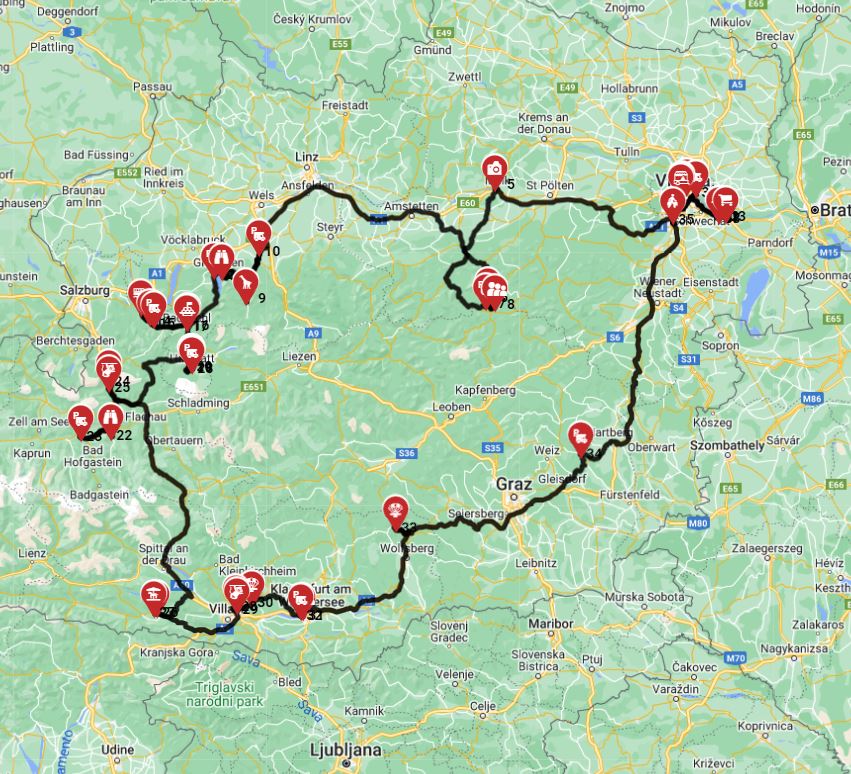
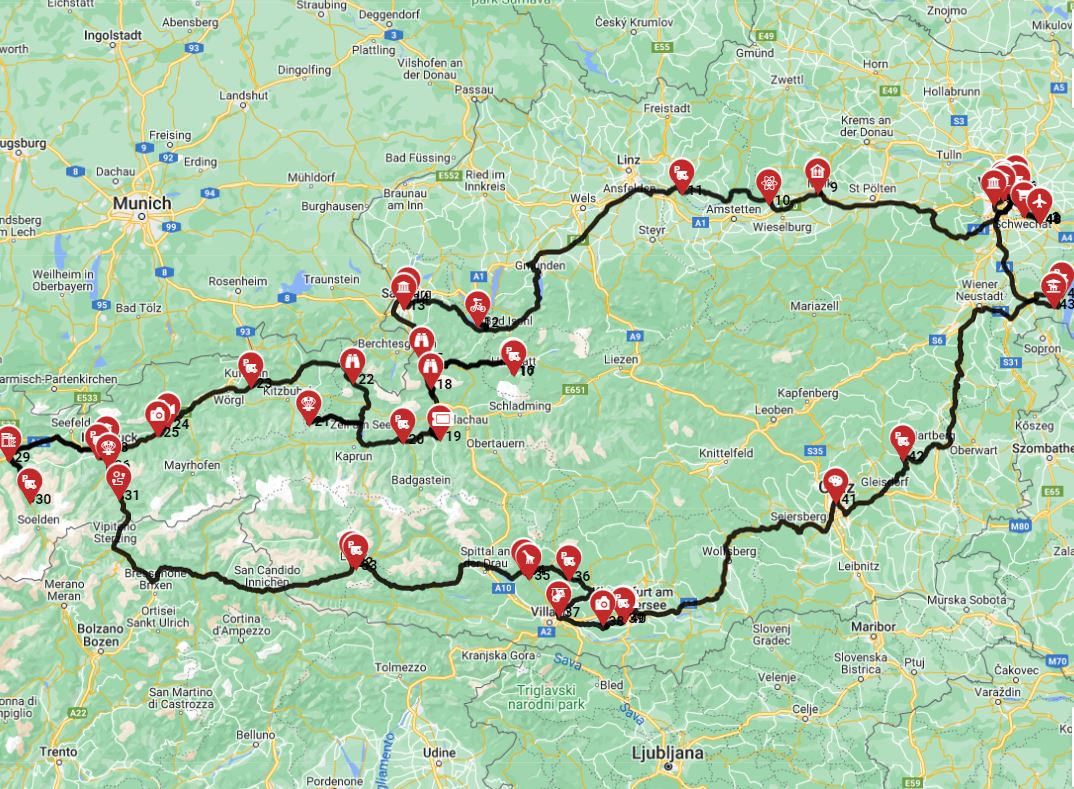
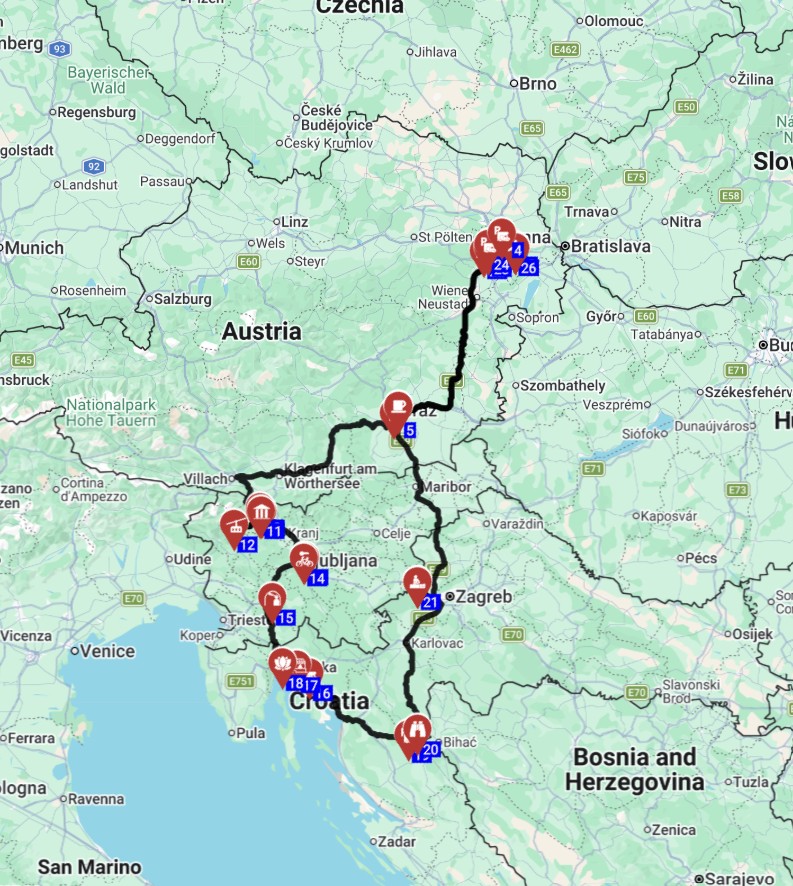
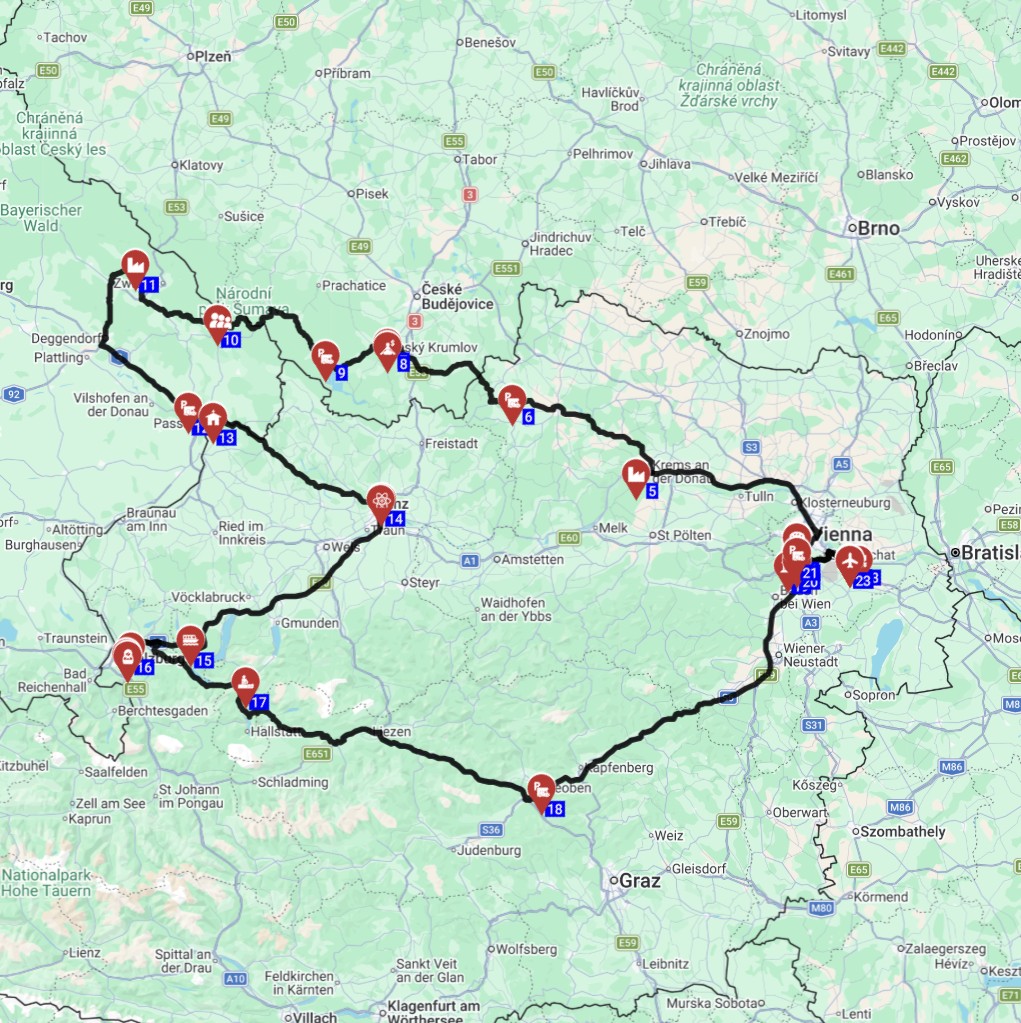
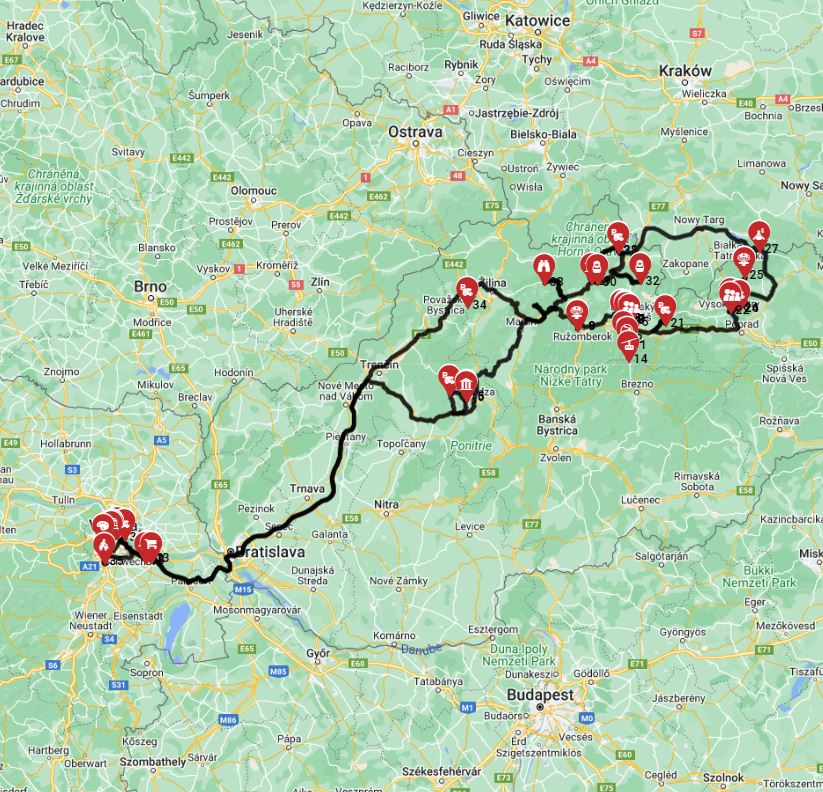
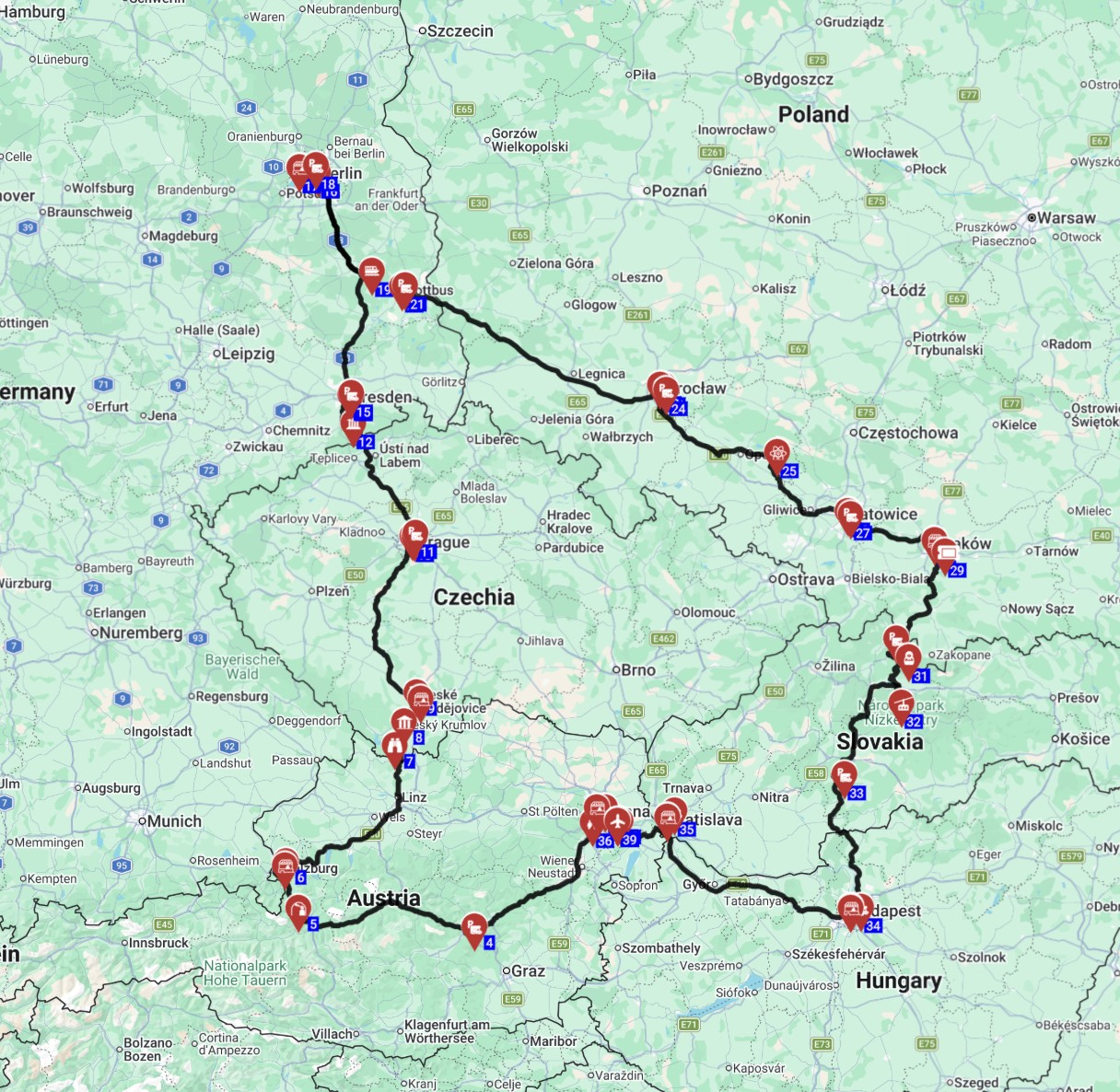
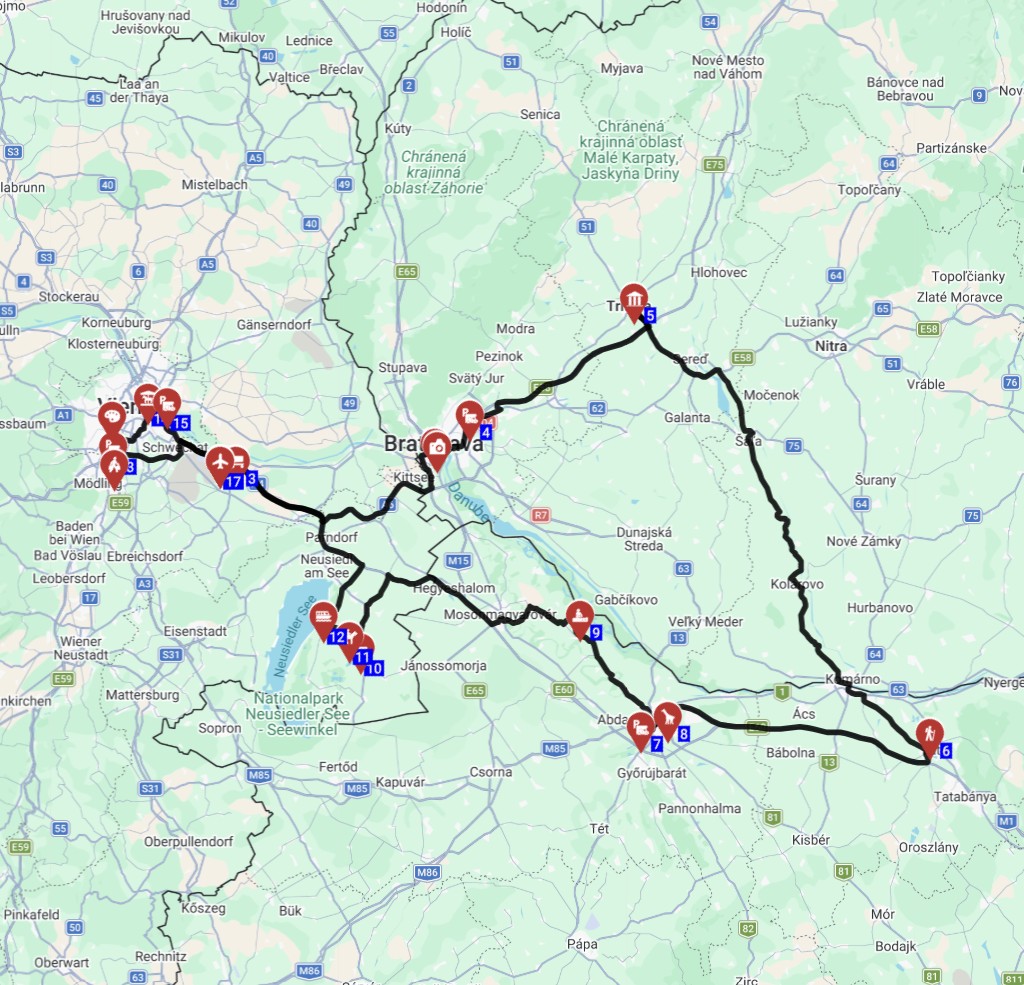
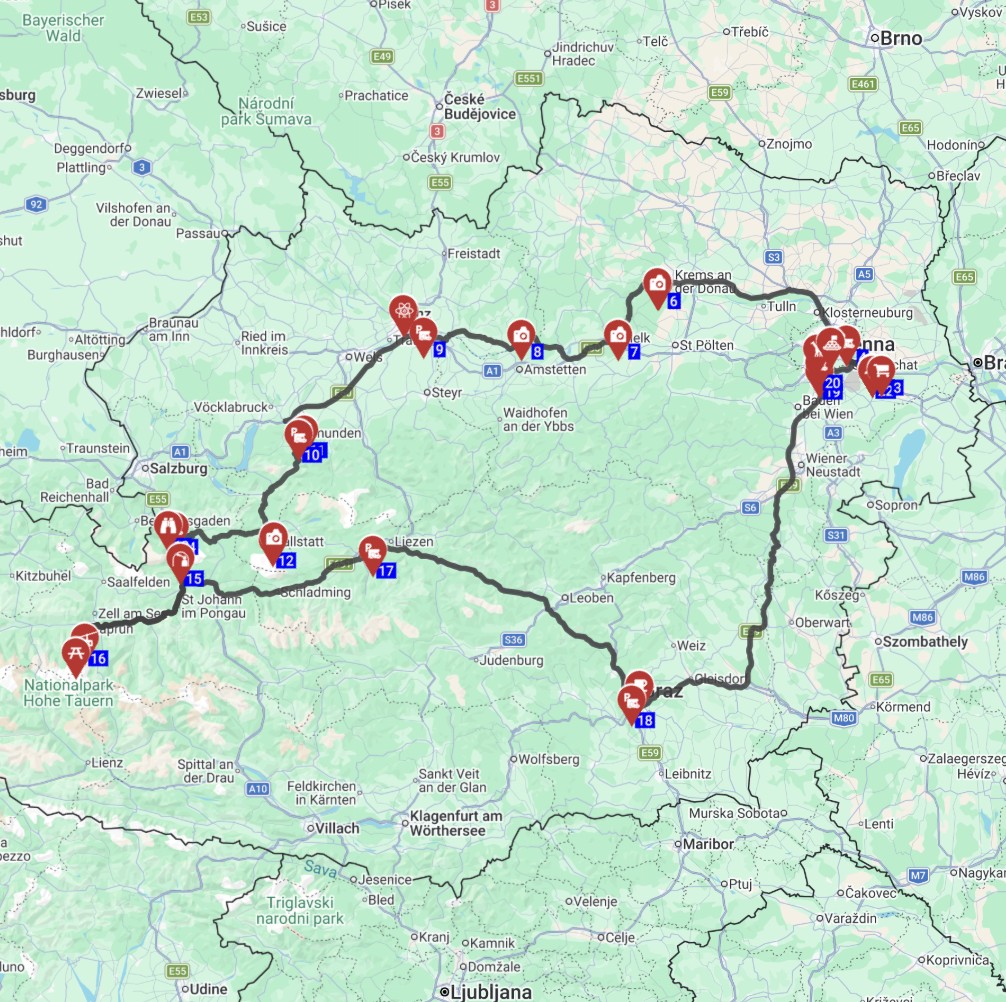
- **Experience a Pre-Planned Itinerary:** For a truly stress-free adventure, consider one of RV PLANET's professionally pre-planned routes.