In This Guide
- Can You Drive an RV in Turkey? License & Age Rules
- Road Conditions & Terrain in Turkey
- RV Size Limits, Bridges & Restricted Zones
- Fuel: Diesel vs. Petrol & Cost per 100 km
- Tolls, Vignettes & Border Rules
- Driving Tips for RV Travelers in Turkey
- Recommended RV Class for Turkey Roads
- Should I Choose a Compact Van Instead of a Large RV in Turkey?
- Can I Park Anywhere? Free & Wild Camping Rules in Turkey
- Can I Drive an RV Into the City Center? Heights, Tunnels & Local Signage
- What are the logistics for bringing your own RV to Turkey?
- Is RV travel safe for seniors in Turkey?
- How much does an RV rental trip in Turkey cost?
- What are the connectivity and utility options for RVs in Turkey?
- Can I travel with pets in an RV in Turkey?
- What are the best off-the-beaten-path RV routes for seniors in Turkey?
Exploring Turkey by rented motorhome offers an unparalleled sense of freedom and discovery, especially for senior travelers seeking comfort and a flexible pace. Imagine waking up to the gentle lapping of the Aegean Sea, preparing a fresh breakfast in your mobile home, and then setting off to uncover ancient wonders at your leisure. At Bandana RV, we specialize in helping you plan such unforgettable adventures, ensuring full transparency with no hidden fees and dedicated support from real people, making your dream of RV travel in Turkey a delightful reality. For live availability and current prices, start with our RV Rental Turkey - Complete Guide 2026 guide, designed to provide comprehensive insights for your journey.
Can You Drive an RV in Turkey? License & Age Rules
A standard B-category driving license is generally sufficient for driving RVs up to 3,500 kg (7,700 lbs) in Turkey, aligning with European Union standards and making most rented campervans and smaller motorhomes accessible. For larger RVs exceeding 3,500 kg, such as some Class C or Class A motorhomes, a higher license category (e.g., C1 or C) is required, so always check your vehicle's Gross Vehicle Weight Rating (GVWR) against your license category. The minimum driver age for motorhome rentals in Turkey typically starts at 21 years old, depending on the specific rental company and the RV class, with no additional young driver surcharges often found in other regions. Foreign drivers are recommended to possess an International Driving Permit (IDP) in addition to their valid national driver's license, especially if their national license is not in English, for legal driving and ease of communication with authorities in Turkey.
Road Conditions & Terrain in Turkey
Turkey's major highways and arterial roads are generally well-maintained, providing smooth and comfortable travel between main cities like Istanbul, Ankara, and Izmir, ideal for senior travelers seeking ease of navigation. Road quality in rural areas can vary considerably, with some secondary roads featuring narrower lanes, uneven surfaces, or occasional gravel sections, especially in mountainous regions such as the Taurus Mountains or Eastern Anatolia, which might require slower speeds and increased attention. The country's terrain spans from flat coastal plains along the Aegean and Mediterranean to winding, sometimes steep mountain passes in the interior, so a rented motorhome with automatic transmission, like many available in Bandana's fleet, can significantly reduce driving effort. For seniors traveling by RV, planning a slower, more deliberate travel pace of maximum 100-150 km per day is highly recommended to comfortably navigate diverse terrain, reduce fatigue, and fully appreciate Turkey's scenic beauty.
RV Size Limits, Bridges & Restricted Zones
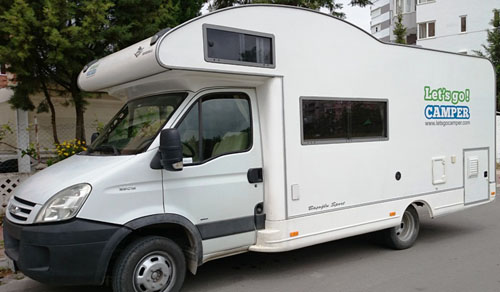
While Turkey does not impose a blanket national RV size limit, drivers of rented motorhomes should remain aware of localized restrictions and infrastructure specifics, particularly in older towns or tunnels. Standard motorhomes, such as Bandana's global fleet Class SI (average length 6.9m, width 2.35m) and Class C (average length 7.5m, width 2.5m), are generally well-suited for Turkish roads and most travel routes. It is crucial to always watch for height restrictions, which commonly range from 3.5m to 4m, at tunnels, underpasses, and some city entrances, especially important for taller Alcove RVs or those with roof-mounted AC units. Certain historic city centers or small village streets may have restricted access or require very careful navigation due to their narrowness and heavy pedestrian traffic, so it's always wise to park on the outskirts and use local transport. If planning island excursions or specific waterway crossings, consult ferry operators in advance regarding RV length and weight limits, as these can affect booking and pricing for your rented caravan.
Fuel: Diesel vs. Petrol & Cost per 100 km
The majority of RVs in Bandana's global fleet, including popular Semi-integrated (Class SI) and Alcove (Class C) classes, operate on diesel fuel, which is widely available at service stations across Turkey. Diesel prices in Turkey, while fluctuating like flight tickets, are a significant component of overall trip costs, so expect them to be comparable to or slightly lower than Western European averages. For example, Bandana's Class SI RVs, with an average length of 6.9m, typically consume 10-11 Liters/100 km, while Class C Alcove RVs, averaging 7.5m, generally average 10-12 Liters/100 km. Smaller Class B Camper Vans, often around 5.8m in length, offer greater fuel efficiency, with typical consumption ranging from 8-10 Liters/100 km. Some motorhome rental agreements may include options for fuel discount cards or offer pre-purchase fuel packages, which can assist with budget management, and you can itemize and track every expense along the way using RV PLANET routes for easy budgeting. On the routes offered through RV PLANET routes, you can itemize and track every expense along the way for easy budgeting.
Tolls, Vignettes & Border Rules
Turkey uses an electronic toll collection system (HGS or OGS) for its highways and bridges, rather than physical vignettes, making payments seamless once set up. For rented RVs, including motorhomes and campervans, an HGS sticker or transponder must be obtained, usually available at post offices (PTT) or major petrol stations upon entering the country or upon pickup from your rental supplier. Crossing land borders into Turkey from neighboring countries requires valid passports, vehicle registration, and an International Motor Insurance Card (Green Card) explicitly covering Turkey. Individuals bringing their own RV will undergo temporary vehicle import procedures, involving customs declarations and the issuance of a temporary vehicle entry permit, typically valid for up to 6 months. Some rental providers, like Bandana's partners, may offer the convenience of pre-purchased HGS passes, streamlining toll payments and helping to prevent fines during your RV adventure in Turkey.
Driving Tips for RV Travelers in Turkey
Adopt a relaxed driving schedule, incorporating frequent comfort breaks and avoiding overly long driving days to minimize fatigue, which is especially important for senior travelers in a rented motorhome. Opt for an RV with an automatic transmission, if available, as it can significantly reduce driving effort, especially in varied terrain and city traffic, allowing for a smoother journey. Carefully plan your routes using tools like rvplan.net, prioritizing well-maintained major roads and researching any lesser-known paths for suitability for an RV before you set out. Maintain vigilance for diverse road users, including fast-moving vehicles, agricultural machinery, and potential stray animals, particularly outside urban areas. Utilize up-to-date GPS navigation systems or mapping applications that can provide real-time traffic updates and consider your RV's dimensions, ensuring a safe and comfortable experience.
Recommended RV Class for Turkey Roads
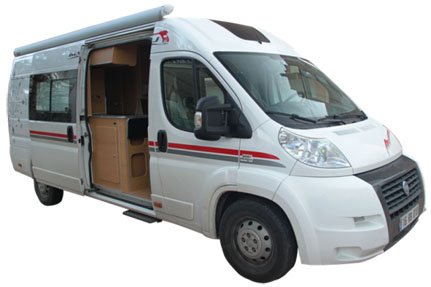
For seniors traveling in Turkey, a Class SI (Semi-integrated) RV or a Class B (Camper Van) typically offers the most practical balance of comfort, amenities, and ease of driving, making your road trip enjoyable. Class SI RVs, with an average length of 6.9m in Bandana's global fleet, provide ample living space, a dedicated shower, and essential facilities without being excessively large for navigating Turkish roads and finding parking spots. Class B Camper Vans, averaging 5.8m in length, are highly maneuverable and easier to park, making them ideal for exploring narrower village streets and bustling towns. While Class C Alcove RVs (average 7.5m) offer more sleeping capacity, their increased height and length can make driving and parking less comfortable for some senior travelers, although they are still manageable with careful driving. Ultimately, the best choice depends on your comfort level with vehicle size and how much interior space you desire for your rented mobile home.
Should I Choose a Compact Van Instead of a Large RV in Turkey?
While compact vans offer superior maneuverability, larger RVs are generally suitable for driving in Turkey, with increased comfort and indoor space often proving more beneficial for seniors, particularly on longer trips. A compact camper van (like a Class B, averaging 5.8m in length) genuinely provides an advantage in very tight historic city centers, on extremely narrow mountain passes, or when parking in highly congested urban areas. However, for an extended road trip, a larger RV such as a Class SI (averaging 6.9m) or a smaller Class C motorhome offers significantly more living space, a dedicated bathroom with shower and toilet, and better amenities like a gas stove and refrigerator, contributing to a more comfortable and relaxed senior travel experience. Remember, you can drive almost anywhere without issues in a larger RV by simply driving slowly and carefully, using common sense, and paying attention, so there's no need to stress about size.
Can I Park Anywhere? Free & Wild Camping Rules in Turkey
Wild camping (also known as boondocking or dry camping) is generally tolerated in many rural areas of Turkey, especially in less populated regions and along its vast coastlines, although explicit national regulations are not always clear. When considering wild camping with your rented motorhome, always prioritize safety by choosing remote, respectful locations away from private property, agricultural land, or sensitive cultural sites, and ensure you have sufficient fresh water and waste capacity. It is imperative to adhere strictly to 'Leave No Trace' principles, ensuring all waste, including grey and black water, is properly contained and disposed of only at designated facilities. Culturally, it is respectful and often beneficial to seek permission from local authorities or village residents if planning to wild camp near populated areas, as this can lead to friendly interactions and even local tips. Rules vary by region, so always check local regulations and follow local law before parking overnight, and consider official campsites for guaranteed facilities, security, and access to services.
Can I Drive an RV Into the City Center? Heights, Tunnels & Local Signage
Driving a rented RV into Turkish city centers is generally permissible, but requires diligent attention to local signage, particularly regarding height limits and restricted access zones, especially in older, historic districts. Major roads in modern Turkish cities like Istanbul, Izmir, and Antalya are typically accommodating for motorhomes, but older, historic districts often feature extremely narrow streets and pedestrian-only zones where an RV might struggle to pass. Always observe signs indicating maximum vehicle height before entering tunnels, underpasses, or multi-story parking facilities, as these limitations can vary significantly. While environmental zones are less common than in parts of Europe, watch for 'residents-only' or 'no entry for large vehicles' signs that might restrict access to specific sensitive areas. Having a co-pilot to assist with navigation and spotting critical signage in bustling urban environments can greatly enhance safety and ease of travel; remember, you can drive slowly and carefully, and you can drive almost anywhere without issues.
What are the logistics for bringing your own RV to Turkey?
Bringing your own RV into Turkey necessitates specific temporary vehicle import procedures, requiring a customs declaration upon your entry at the border, which can be a detailed process. You will need to present your vehicle's current registration documents, proof of ownership, and an International Motor Insurance Card (Green Card) that explicitly covers Turkey, ensuring your coverage is valid in the country. A temporary import permit, often valid for up to 6 months, is typically issued at the border and electronically linked to your passport, so keep all documents organized. Be aware of Turkish vehicle regulations for foreign plates, ensuring your RV complies with local safety and environmental standards. Consider ferry options from European ports (e.g., Ancona or Bari in Italy to Igoumenitsa or Patras in Greece, then overland; or direct to Turkey from some Greek islands) as a comfortable way to transport your RV, booking well in advance and verifying all ferry requirements.
Is RV travel safe for seniors in Turkey?
RV travel in Turkey is generally considered safe for seniors, provided standard travel precautions and local driving norms are observed, similar to any international road trip. Be mindful of potential road hazards such as varying road quality on mountain passes, dense city traffic, and occasional stray animals in rural areas, requiring consistent attention. Prioritize secure parking; utilize official campsites or well-lit, populated areas, especially when not wild camping, and always ensure your rented RV is locked. Familiarize yourself with emergency protocols, including contact numbers for RV-specific roadside assistance, local police (155), and medical services (112), and consider upgrading to a top-level deductible reimbursement for extra peace of mind. For solo female travelers, choosing established campsites, communicating your itinerary with trusted contacts, and maintaining situational awareness significantly enhance safety, making for a worry-free motorhome adventure.
How much does an RV rental trip in Turkey cost?
The total cost of an RV rental trip in Turkey varies considerably based on the RV class, rental duration, season, and desired level of luxury, as prices are dynamic and change daily. Daily rental fees typically range from approximately €80 for a compact camper van to over €200 for a larger, fully integrated luxury RV during peak travel seasons, offering options for every budget. Fuel expenses will be a major component of your budget, considering Bandana's fleet averages of 8-12 Liters/100 km for most motorhomes, depending on the itinerary and current diesel prices. Allocate funds for campsite fees (generally €15-€40 per night), electronic toll charges (HGS/OGS), and daily expenditures for groceries, dining, and attraction entry fees. A comprehensive budget should also account for additional costs such as insurance options, potential one-way rental fees (ranging from $150-$500 for a one-way trip), and a contingency for unforeseen expenses, all of which can be tracked efficiently using RV PLANET routes for detailed budgeting.
What are the connectivity and utility options for RVs in Turkey?
Reliable mobile data plans are widely available in Turkey through local SIM cards (e.g., Turkcell, Vodafone, Turk Telekom) or international eSIMs, offering good coverage in most urban and tourist areas, ensuring you stay connected on your RV journey. Many official campsites provide Wi-Fi access, though the speed and reliability can vary, while public Wi-Fi is also common in cafes and restaurants. Water refill points are typically found at official campsites and some municipal service stations, necessitating careful planning for fresh water, especially during extended wild camping. Waste disposal facilities for grey and black water are standard at official campsites, with foreign RV systems sometimes requiring specific adapters for Turkish hookups. Propane (LPG) refill stations are widespread across Turkey, but ensure your rented motorhome's system has the necessary adapter to fit local tank connections for cooking and heating onboard; consider checking our RV-friendly recipes playlist for meal inspiration!
Can I travel with pets in an RV in Turkey?
Traveling with pets in a rented RV to Turkey is generally permitted but requires specific documentation, including an up-to-date pet passport, microchip, and valid rabies vaccination, ensuring compliance with international regulations. It's essential to review Turkey's specific veterinary requirements well in advance of your trip, as additional health certificates or specific breed restrictions may apply, so always consult with your veterinarian. Many campsites throughout Turkey are pet-friendly, but always confirm the pet policy directly with the individual campsite before making reservations to avoid any surprises. Access to veterinary services is available in most major towns and cities, providing peace of mind for managing your pet's health during your week-long trip or extended road trip. When visiting public spaces or attractions, always keep pets on a leash, ensure they are well-behaved, and be mindful of local cultural attitudes towards animals.
What are the best off-the-beaten-path RV routes for seniors in Turkey?
For seniors seeking unique and less crowded experiences, consider RV routes along Turkey's Aegean and Mediterranean coasts, exploring charming villages and ancient sites like Assos or Datça away from the busiest tourist hubs. The Black Sea region offers a distinct off-the-beaten-path experience with lush green mountains, tea plantations, and picturesque coastal towns such as Rize or Trabzon, providing a cooler summer climate ideal for leisurely travel. Driving sections of the historic Lycian Way along the Turquoise Coast offers stunning scenic routes, opportunities for gentle walks amidst nature, and visits to lesser-known historical ruins. Seek out local markets in smaller, authentic towns like Şirince, Alaçatı, or Safranbolu for genuine cultural immersion, unique local produce, and artisanal crafts, connecting deeply with the local food and culture. Plan your itinerary to include 'slow travel' destinations, such as boutique olive farms or family-run guesthouses that offer RV parking, allowing for deeper engagement with local life and cuisine during your two-week adventure or extended motorhome rental.
What You Shouldn't Miss
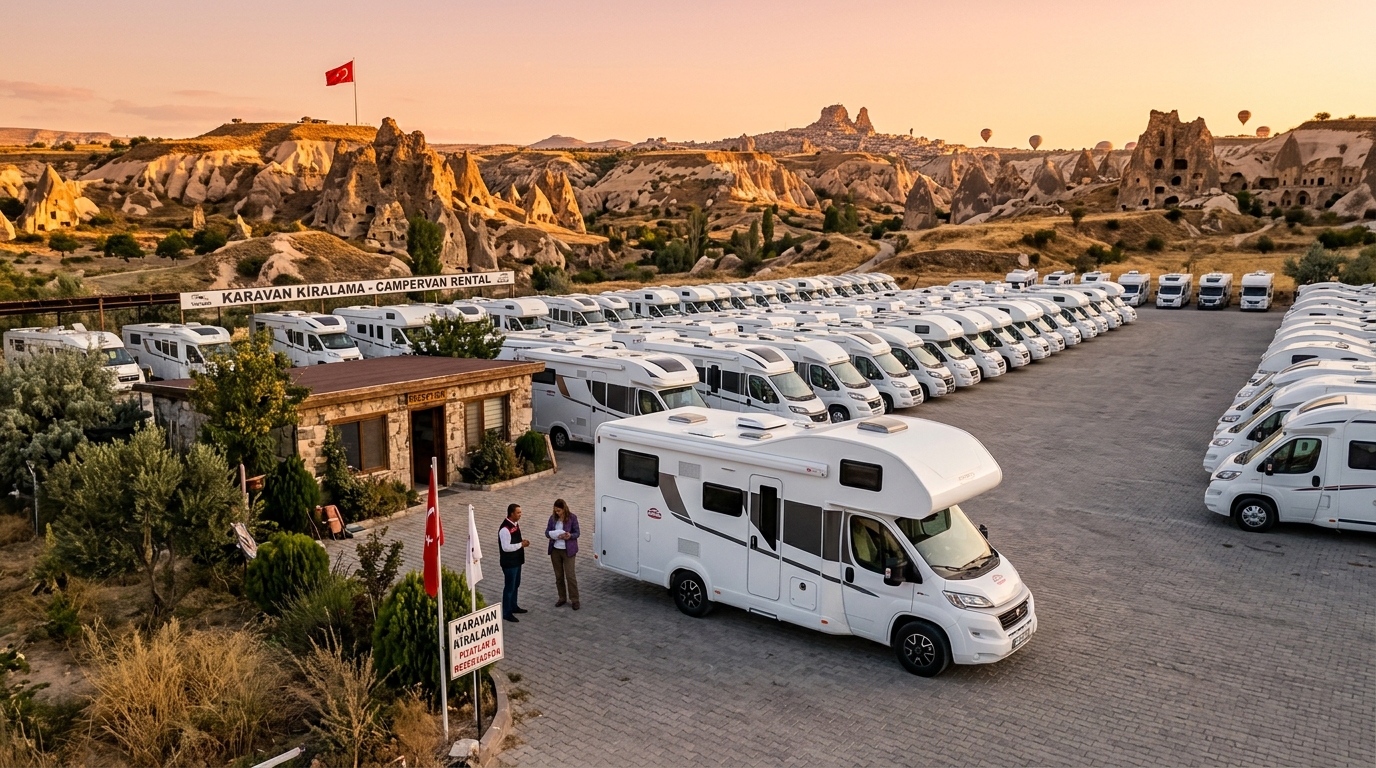
- Cappadocia's Hot Air Balloons: Witnessing the sunrise over Cappadocia's 'fairy chimneys' dotted with hundreds of hot air balloons is a truly magical experience. Find RV parking nearby to wake up to this incredible view.
- Ephesus Ancient City: Explore the remarkably preserved ruins of Ephesus, one of the greatest Roman cities, with accessible RV parking close to the site.
- Pamukkale's Travertines: Visit the dazzling white terraces of Pamukkale and the ancient city of Hierapolis, enjoying the thermal waters after a day of exploration.
- Aegean Coastline Drive: Take a leisurely drive along the Aegean coast, stopping at charming fishing villages, serene beaches, and historic towns like Alaçatı.
- Turkish Culinary Journey: Embrace slow travel, stopping at local eateries and markets to savor authentic Turkish cuisine, from fresh seafood to traditional mezes.
Looking for expert insights from Avi Bandana? Top 5 Adventures - recommendations from Avi Bandana.
Final Thoughts
Turkey offers an incredible tapestry of history, nature, and culture, perfectly suited for senior travelers seeking a relaxed and comfortable pace in a rented RV. Imagine the ease of exploring ancient ruins one day and unwinding by a serene Mediterranean beach the next, all from the comfort of your mobile home. With clear road rules, manageable driving conditions, and plenty of support from Bandana RV, your Turkish adventure promises to be both enriching and memorable.
We're here to help you every step of the way, providing the transparency, expertise, and support you need to plan a trip itinerary in advance with minimal effort and maximum enjoyment. Remember to travel slowly, averaging 100-150 km per day, allowing yourself to truly connect with the culture, the food, and the breathtaking scenery of Turkey.
Ready to embark on your unforgettable Turkish RV journey? Discover top destinations, planning tips, all in one place and let us help you find the perfect motorhome rental for Turkey that fits your needs.