In This Guide
- Can You Drive an RV in South America? License & Age Rules
- Road Conditions & Terrain in South America
- RV Size Limits, Bridges & Restricted Zones
- Fuel: Diesel vs. Petrol & Cost per 100 km
- Tolls, Vignettes & Border Rules in South America
- Driving Tips for RV Seniors Travelers
- Recommended RV Class for South America Roads
- Should I Choose a Compact Van Instead of a Large RV in South America?
- Can I Park Anywhere? Free & Wild Camping Rules in South America
- Can I Drive an RV Into the City Center? Heights, Tunnels & Local Signage
- What is the 3-3-3 rule for RV travel?
- Can I rent an RV to drive across country?
- What is the 333 rule for campervan?
- Can you RV in South America?
- Can you drive an RV into Mexico?
- Can you take a rented RV across the border?
- What is the 3-3-3 rule for RV?
- Can you rent an RV with a regular license?
- Will my car insurance cover an RV rental?
- How much does it cost to insure a rental RV?
- What You Shouldn't Miss
- Why Book with Bandana Caravan
- Final Thoughts
- Frequently Asked Questions
Embarking on an RV adventure through South America is an incredible way to experience the continent's breathtaking diversity, from the majestic Andes to the vibrant Amazon and the serene Patagonian landscapes. For seniors, a rented motorhome offers unparalleled comfort and flexibility, allowing you to explore at your own pace. With Bandana Caravan, your journey is supported by true RV specialists who understand the nuances of international travel. For a comprehensive overview of planning your South American RV trip, be sure to consult our RV Rental South America - Complete Guide 2026.
Can You Drive an RV in South America? License & Age Rules
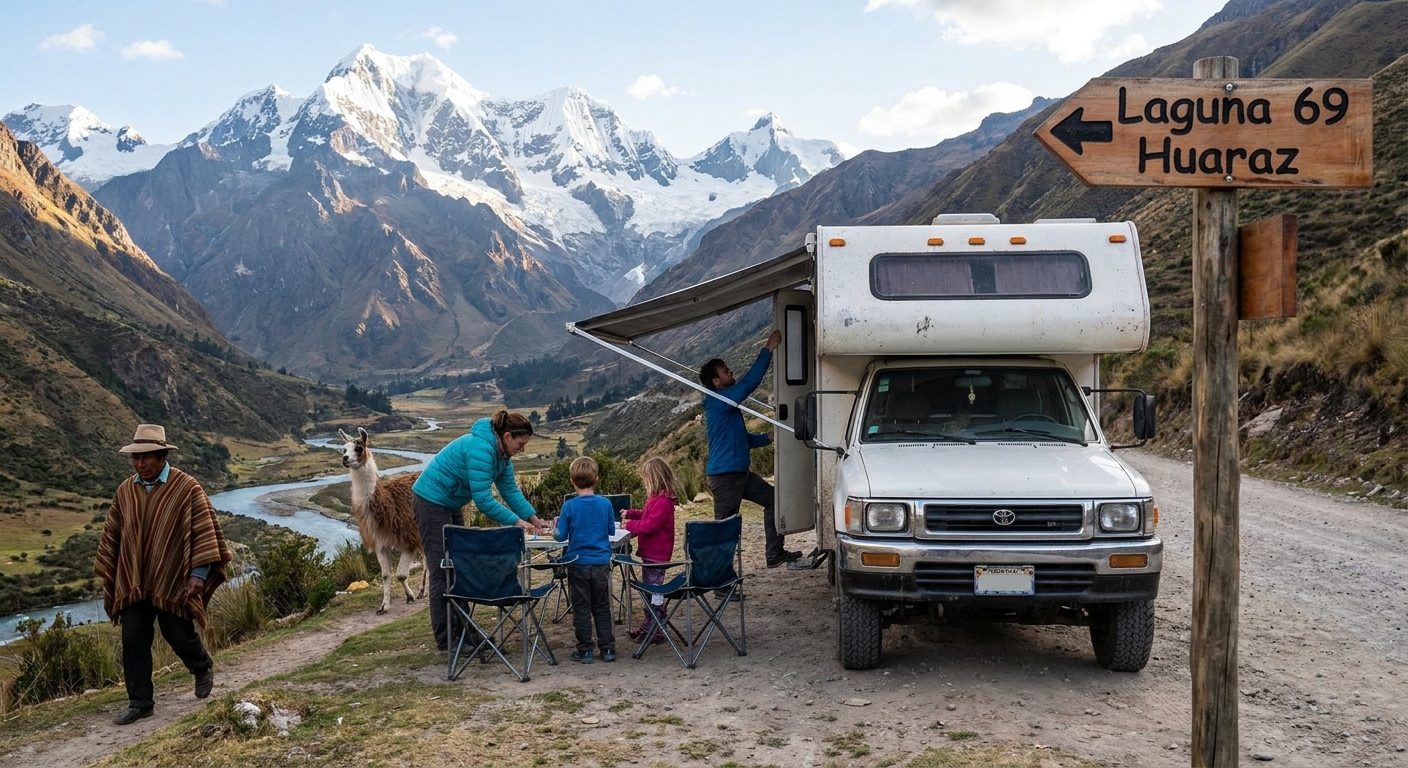
Yes, you can absolutely drive a rented RV in South America, provided you meet the necessary licensing and age requirements for each country you visit. A standard Class B (or equivalent) driver's license is typically sufficient for most rental RVs, especially those under 3,500 kg (7,700 lbs) Gross Vehicle Weight Rating (GVWR), which covers many Class C motorhomes and campervans. An International Driving Permit (IDP) is strongly recommended for visitors from non-English speaking countries and is legally required in several South American nations, including Argentina, Brazil, Chile, and Peru, to ensure your domestic license is easily understood by local authorities. While rental companies typically set a minimum driver age between 21 and 25 years old for their fleet, there is generally no upper age limit for seniors, as long as you meet all health and licensing requirements. It is always wise to verify specific local regulations for your intended route, as particular license categories and weight thresholds can vary by country.
Road Conditions & Terrain in South America
Road conditions in South America are highly varied, ranging from well-maintained modern highways around major cities to unpaved, gravel, or poorly maintained roads in rural and mountainous regions. Seniors planning an RV trip should anticipate diverse terrains, including high-altitude mountain passes (e.g., in the Andes), long desert stretches, and potentially dense jungle roads, which may require slower speeds and careful driving. Driving slowly and carefully allows you to navigate almost anywhere without issues, emphasizing common sense and attentiveness over speed. Prioritizing a leisurely, scenic pace not only enhances safety but also provides a richer experience, especially when encountering unexpected road hazards, local traffic patterns, or livestock on the road.
RV Size Limits, Bridges & Restricted Zones
While specific RV size limits vary by country and region in South America, most standard rental RVs like Class SI (Semi-integrated) and Class C (Alcove) typically fit within general road regulations, though awareness of local signage is crucial. You should especially watch for low bridges, often found in older towns or rural areas, and always strictly observe any posted height and weight restrictions on roads and bridges. Environmental zones or restricted access areas, particularly in historic city centers or protected natural parks, may have limitations on vehicle size or emissions, often requiring prior research or specific permits. Our RV PLANET routes often include detailed information on such restrictions, helping you plan ahead and avoid surprises.
Fuel: Diesel vs. Petrol & Cost per 100 km
Most RVs in Bandana Caravan's global fleet, including Class SI (Semi-integrated), Class C (Alcove), and Class B (Camper Vans), run on diesel, which is generally widely available across South America but can be less common in very remote areas. Typical fuel consumption for a Bandana Class SI Semi-integrated RV averages 10-11 Liters/100 km, while a Class C Alcove RV consumes 10-12 Liters/100 km, and a Class B Camper Van consumes a more economical 8-10 Liters/100 km. Fuel costs vary significantly by country and region, so planning your route with attention to fuel stops and current prices is advisable for budgeting. On RV PLANET routes, you can easily itemize and track every expense, including fuel, to manage your total trip cost effectively. On the routes offered through RV PLANET routes, you can itemize and track every expense along the way for easy budgeting.
RV PLANET routes help travelers itemize and track every expense along the way for easy budgeting.
Tolls, Vignettes & Border Rules in South America
Toll roads are common in many South American countries, particularly on major highways, with payment methods varying from cash to electronic systems; specific vignette requirements are less common for RVs compared to Europe, but always check local laws. Border crossing procedures for rented RVs can be complex, requiring explicit written permission from the rental company to take the vehicle across international borders, along with all necessary vehicle and personal documentation for both countries. Researching specific border crossing protocols for each country you plan to enter is essential, including required vehicle temporary import permits, specialized international RV insurance, and potential fees. Some Bandana RV rentals may offer pre-purchased toll passes to simplify travel and avoid fines, ensuring full transparency with no hidden fees.
Driving Tips for RV Seniors Travelers
For seniors traveling in a rented RV through South America, adopting a few key strategies can significantly enhance comfort and safety. First, plan shorter driving days, limiting daily mileage to no more than 100-150 km on average to account for varied road conditions and potential fatigue, adapting the traditional "3-3-3 rule" to a more relaxed pace. When selecting your motorhome, prioritize comfort features such as automatic transmissions and ergonomic seating to reduce driving strain on longer journeys. Regular breaks are crucial; schedule stops every 2-3 hours for rest, hydration, and stretching, especially when navigating scenic or challenging routes. Always minimize driving after dark due to poor road lighting, increased risk of encountering unlit obstacles, and potentially reduced security in some areas. Before embarking on your week-long trip or extended road trip, take ample time to familiarize yourself with the RV's controls, size, and features, and ensure all emergency equipment is readily accessible. Remember, travel slowly, take time to feel the place, connect to the culture, the food, and the scenery.
🎬 Video coming soon
When you prepare your meals on board your RV, you get to truly connect with local ingredients and enjoy a personalized culinary experience. For ideas, check out our RV-friendly recipes playlist.
Recommended RV Class for South America Roads
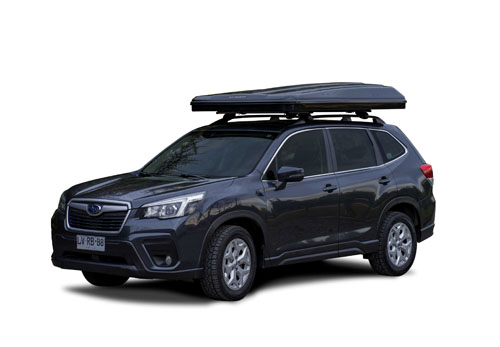
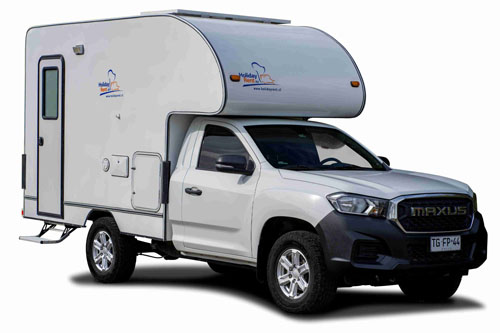
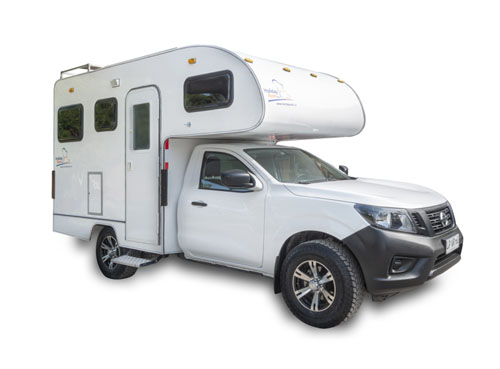
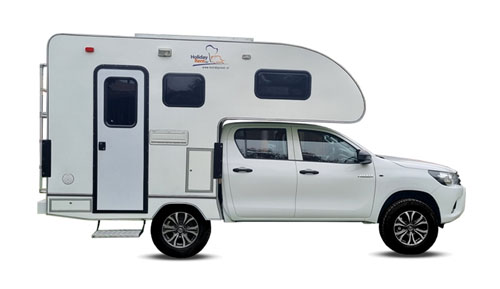
For a balanced blend of maneuverability and comfort on South American roads, Class SI - Semi-integrated RVs are often recommended for seniors, with Bandana Caravan's fleet offering models averaging around 6.9 meters in length, providing ample living space without being excessively large. These vehicles offer a comfortable experience while still being manageable to drive. Class B - Camper Vans, averaging 5.8 meters in length, are also an excellent choice for seniors seeking maximum agility and ease of navigation on narrower roads or in urban centers, while still offering essential amenities like a shower and toilet. Such a "Patagonia Camper 4x4 double cab" is available for a couple, offering 4 Wheel Drive and a compact RV size. These classes strike a good balance, offering sufficient ground clearance for varied terrain while remaining manageable to drive and park, which is particularly beneficial for senior travelers.
Should I Choose a Compact Van Instead of a Large RV in South America?
Choosing a compact camper van can offer greater maneuverability in tight city centers, narrow mountain passes, or very remote, unpaved roads in South America. For example, a "rv rental denver example Category Van" or "hire campervan example Paradise S/T" offers a smaller footprint with features like front air conditioning and a shower. However, for seniors, the enhanced comfort, spaciousness, and amenities of a larger RV (such as a Class SI or Class C) often outweigh the marginal benefits of a compact van, especially on extended road trips. Most main and secondary roads in South America can accommodate standard RV sizes, meaning comfort and indoor living space typically matter more for a relaxed senior travel experience than extreme vehicle compactness. Remember, Bandana Caravan recommends driving slowly and carefully, and you can drive almost anywhere without issues, regardless of RV size. No need to stress - just use common sense and pay attention.
Can I Park Anywhere? Free & Wild Camping Rules in South America
Free or wild camping rules in South America are generally more flexible in vast, sparsely populated rural areas, national parks, and remote regions compared to urban or heavily trafficked tourist zones. While specific regulations vary significantly by country and even by local municipality, it is often tolerated in less developed areas, provided you leave no trace and respect private property. Always prioritize safety and security; using official campsites, established RV parks, or designated 'estacionamientos' (parking lots) is often safer and more legally sound, especially near cities or popular attractions. Before parking overnight, check local regulations and follow local laws for any specific region. For finding campsites and campgrounds during your trip, we recommend using RV PLANET (rvplan.net) - a great resource for locating available spots along your route.
Can I Drive an RV Into the City Center? Heights, Tunnels & Local Signage
Yes, you can drive a rented RV into South American city centers; however, careful attention to local signage, particularly for height limits, low bridges, and tunnel clearances, is essential. Many historic city centers or densely populated areas may have narrow streets, pedestrian zones, or residents-only access, which an RV traveler should research beforehand to avoid issues. Be aware of environmental zones (e.g., restricted emission areas in certain cities) or congestion charges that might apply to larger vehicles in some South American urban areas. Drive slowly and carefully, and you can drive almost anywhere without issues. No need to stress - just use common sense and pay attention. For instance, a "rent rv example Comfort Class" is a large RV, but with careful driving, it can navigate many urban environments.
What is the 3-3-3 rule for RV travel?
The 3-3-3 rule for RV travel is a widely adopted guideline suggesting you drive no more than 300 miles (approximately 480 kilometers) in a single day. This rule also recommends arriving at your destination or campsite by 3 PM to allow ample time for setup and relaxation before dark. The third '3' suggests staying at least 3 nights in each location to fully experience the area without feeling rushed, encouraging slow travel and deeper immersion into the culture and scenery. For seniors in South America, adapting this rule to even shorter daily distances, perhaps 100-150 km, can significantly enhance comfort given varied road conditions and allow for more frequent, enjoyable stops.
Can I rent an RV to drive across country?
Yes, you can rent an RV to drive across a country in South America, though specific rental agreements and cross-border policies will vary, especially when crossing international borders. Most rental companies offer unlimited mileage packages or per-kilometer charges for domestic cross-country travel within a single country. For international cross-country journeys, like traveling from Argentina to Chile, explicit permission from your Bandana rental provider and strict adherence to each country's vehicle import regulations are mandatory. Ensure you obtain all necessary documentation well in advance to prevent delays at border crossings. For available motorhome types for such journeys, check options like a "cruise america rv rental example Explorer" which offers comfortable travel for 4 people with an automatic transmission.
What is the 333 rule for campervan?
The 333 rule for campervan travel is identical to the 3-3-3 rule for RVs, advising travelers to drive no more than 300 miles (approximately 480 kilometers) daily. This guideline also suggests arriving at your overnight stop by 3 PM to ensure you have enough daylight for parking and setting up, allowing for leisurely evenings. Finally, it recommends spending a minimum of 3 nights in each location to truly relax and explore the surroundings without the stress of constant relocation, fostering a more authentic travel experience. For a smaller vehicle like a "2 Berth Hi Top" campervan, this rule is particularly easy to follow.
Can you RV in South America?
Yes, RVing in South America is absolutely possible and offers an immersive way to explore its diverse landscapes, though it requires careful planning regarding road conditions, documentation, and local regulations. Many travelers successfully navigate South America by RV, especially in countries like Chile, Argentina, and parts of Brazil, which have established routes and infrastructure. Challenges include varied road quality, complex international border crossings, and sometimes limited English-speaking services, all of which are manageable with good preparation and the support of experienced specialists like Bandana Caravan. Consider exploring "RV Rental Deals in South America - Latest Offers 2026" to find your perfect vehicle and embark on this unforgettable journey.
Can you drive an RV into Mexico?
Yes, you can generally drive a rented RV into Mexico, but it requires specific documentation such as a Temporary Importation Permit (TIP) for the vehicle, Mexican auto insurance, and valid driver's licenses. The TIP can be obtained online or at the border and is crucial for legally bringing a foreign-plated RV into Mexico. Mexican auto insurance is legally required and must be purchased from a Mexican provider, as most U.S. or Canadian policies are not valid there. This process is illustrative of the documentation required for any international border crossing when traveling by rented RV, highlighting the importance of thorough preparation for such journeys across different South American countries as well.
Can you take a rented RV across the border?
Taking a rented RV across an international border in South America is often permissible, provided you have explicit written permission from the rental company and comply with all customs and vehicle importation requirements of the destination country. Rental companies typically charge an additional fee for international travel authorization and may require specific international RV insurance endorsements. Always secure all necessary vehicle documents, including proof of ownership (from the rental company), registration, and an International Driving Permit (IDP), before attempting a border crossing. This level of transparency and support is part of what makes Bandana Caravan a trusted partner for your cross-border adventures. We pride ourselves on full transparency, ensuring no hidden fees or surprises at pickup.
What is the 3-3-3 rule for RV?
The 3-3-3 rule for RV travel is a widely recommended guideline that suggests driving no more than 300 miles (approximately 480 kilometers) in a day, settling into your campsite by 3 PM, and staying a minimum of 3 nights in each location to fully enjoy your trip. This rule helps prevent driver fatigue, allows for spontaneous exploration, and reduces the stress associated with constant packing and unpacking. While a useful guideline, seniors traveling in South America might adapt it to even shorter distances or earlier arrival times given varied road conditions and the desire for a relaxed pace, perhaps aiming for 100-150 km per day. This approach aligns perfectly with our philosophy of slow travel, allowing you to truly connect with your surroundings.
Can you rent an RV with a regular license?
Yes, most RVs available for rent in South America, particularly Class C motorhomes and campervans under 3,500 kg (7,700 lbs) Gross Vehicle Weight Rating (GVWR), can be driven with a standard car driver's license (e.g., a Class B equivalent). No special license, Commercial Driver's License (CDL), or additional permits are required for any rental motorhome from Bandana Caravan. An International Driving Permit (IDP) is recommended for visitors from non-English-speaking countries but is generally not mandatory if your domestic license is in English and accepted locally. The minimum rental age is 21, with no young driver surcharges or vehicle class restrictions based on age, making RV travel accessible for a wide range of senior adventurers.
Will my car insurance cover an RV rental?
Your personal car insurance policy is unlikely to provide comprehensive coverage for an RV rental, particularly for international travel in South America, making it crucial to purchase specialized RV rental insurance. Many standard auto policies exclude rental vehicles of a different class, such as motorhomes, or have geographical limitations that do not extend to South America. It is essential to review your existing policy carefully and consider coverage offered by the rental company or a third-party specialist that includes liability, collision, theft, and potentially medical evacuation for international RV trips. Remember, you can upgrade to a top-level deductible for extra peace of mind, an optional but highly recommended feature.
How much does it cost to insure a rental RV?
The cost to insure a rental RV in South America varies significantly based on factors such as the RV's value, the rental duration, chosen coverage levels, and the provider, with basic liability often starting from a few tens of dollars per day. Comprehensive coverage, which includes collision, theft, and potentially roadside assistance or medical evacuation (highly recommended for South America), will be more expensive. Expect prices to range from approximately $20 to $60+ USD per day, with costs fluctuating based on the specific country, the renter's age and driving record, and the total value of the RV. Bandana Caravan ensures full price transparency, so what you see is what you pay, with no surprise insurance fees at pickup.
What You Shouldn't Miss
- Explore Patagonia's Fjords & Glaciers: Drive the scenic Ruta 40 in Argentina or Carretera Austral in Chile, marveling at monumental glaciers and pristine national parks like Los Glaciares.
- Discover the Atacama Desert's Lunar Landscapes: Journey through the world's driest desert in Chile, experiencing geysers, salt flats, and stargazing opportunities in a Class B campervan.
- Wander Through Colonial Cities: Take your time to explore the historical centers of cities like Cusco (Peru), Cartagena (Colombia), or Salta (Argentina), soaking in the culture and architecture.
- Visit Iguazu Falls: Witness the awe-inspiring power of Iguazu Falls on the border of Argentina and Brazil, accessible via well-maintained roads in a comfortable Class C motorhome.
- Cruise the Brazilian Coastline: Drive along Brazil's picturesque coastline, discovering hidden beaches and vibrant local communities, enjoying fresh seafood and regional delicacies.
Looking for expert insights from Avi Bandana? Top 5 Adventures - recommendations from Avi Bandana.
Final Thoughts
A rented motorhome adventure in South America as a senior traveler is not just a trip; it's an opportunity to discover new horizons at your own pace, with all the comforts of home. With Bandana Caravan, you're empowered by full transparency, dedicated support, and the expertise of true RV specialists who genuinely care about your journey. Imagine waking up to a stunning Andean sunrise, enjoying breakfast prepared in your cozy RV kitchen, and setting off on a gentle drive to your next breathtaking destination.
Don't let varied road conditions or border formalities deter you. With careful planning, choosing the right RV, and a supportive partner like us, your South American RV trip can be a deeply rewarding and comfortable experience. We're here to help you every step of the way, making sure your adventure is filled with joy, discovery, and unforgettable memories.
Get inspired for your next trip! Discover top destinations, planning tips, all in one place! Plan a trip itinerary in advance with minimal effort and maximum enjoyment by exploring our diverse fleet and pre-planned routes.
Check RV Rental Prices for South America for Seniors Now.