For live availability and current prices, start with our RV Rental San Francisco - Complete Guide 2026 guide.
In This Guide
- Can You Drive an RV in San Francisco? License & Age Rules
- Road Conditions & Terrain in San Francisco
- RV Size Limits, Bridges & Restricted Zones
- Fuel: Diesel vs. Petrol & Cost per 100 km
- Tolls, Vignettes & Border Rules
- Driving Tips for RV Rental for Seniors Travelers
- Recommended RV Class for San Francisco Roads
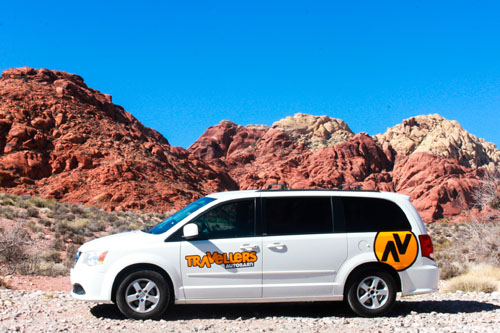
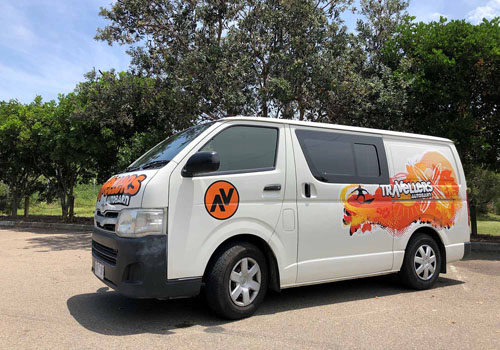
- Should I Choose a Compact Van Instead of a Large RV in San Francisco?
- Can I Park Anywhere? Free & Wild Camping Rules in San Francisco
- Can I Drive an RV Into the City Center? Heights, Tunnels & Local Signage
- Can you park an RV on the street in San Francisco?
- Can I rent an RV with a driver's license?
- How does insurance work when renting an RV?
- How much does RV rental insurance cost?
- Is it cheaper to rent an RV or stay in a hotel?
Can You Drive an RV in San Francisco? License & Age Rules
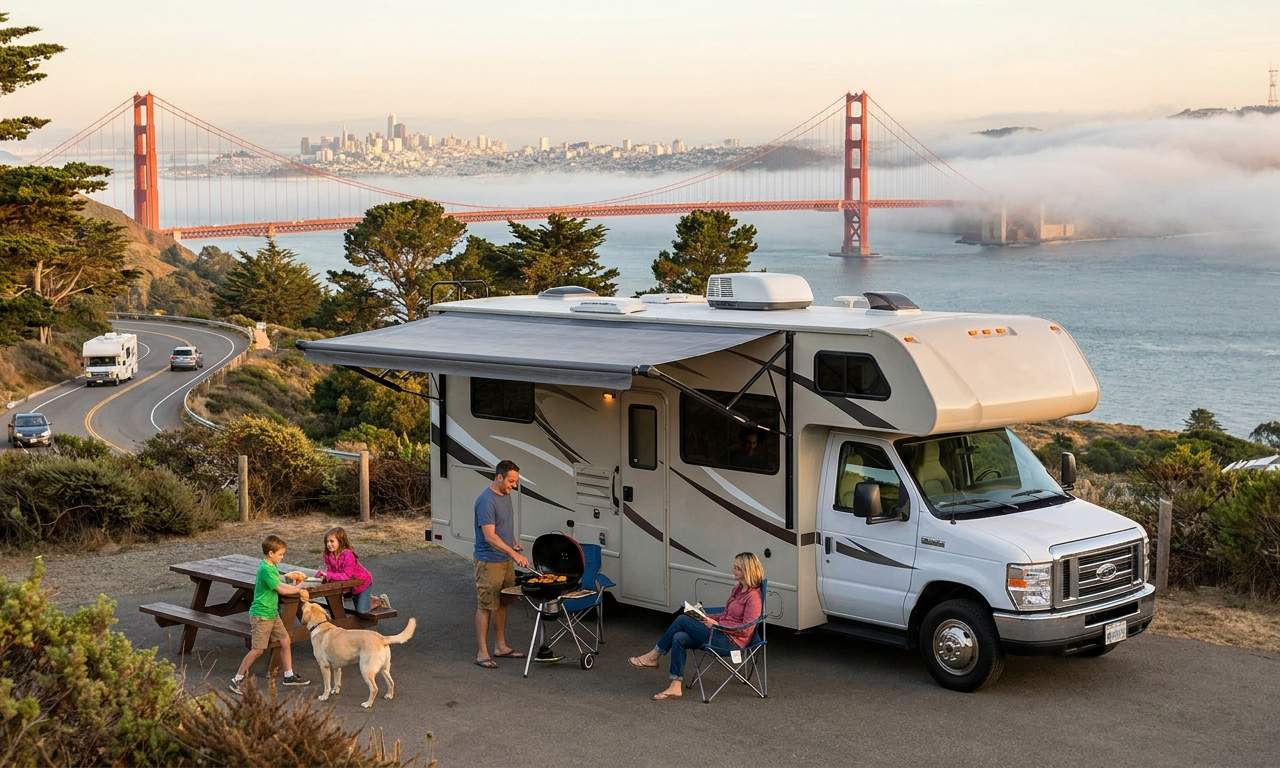
A standard US driver's license, such as a Class C, is typically sufficient for driving most rental RVs, including Class C motorhomes and truck campers, across the United States. For seniors looking to rent an RV in San Francisco, the minimum rental age is generally between 21 and 25 years old, depending on the specific rental company and their insurance policies. International visitors will usually need to present their valid home country driver's license along with an International Driving Permit (IDP) for U.S. RV rentals. It's important to note that RVs exceeding a Gross Vehicle Weight Rating (GVWR) of approximately 26,000 lbs (or 11,793 kg) may require a commercial driver's license; however, most rental RVs fall well below this threshold.
Road Conditions & Terrain in San Francisco
San Francisco is well-known for its challenging road conditions and terrain, which seniors should be particularly aware of when driving an RV. Many streets in the city are notoriously steep, which can test RV engines and braking systems. Additionally, numerous streets, especially within historic districts, are quite narrow, making the maneuvering of larger RVs difficult. Cable car tracks are a unique feature of many major roads, and drivers must navigate them carefully to avoid potential damage to tires or suspension. The urban density also contributes to heavy traffic, limited visibility, and frequent pedestrian crossings, all of which necessitate a slower, more cautious driving style that benefits all travelers, especially seniors.
RV Size Limits, Bridges & Restricted Zones
While there are no universal blanket height or weight restrictions prohibiting all RVs in San Francisco, drivers must remain vigilant for local signage indicating specific limitations. The Golden Gate Bridge, for instance, has a height clearance of approximately 4.11 meters (13 feet, 6 inches) at the toll plaza and on the main span, which accommodates most RVs, though tolls are applicable. The Bay Bridge also accommodates RVs with similar height clearances and is part of an electronic tolling system. Drivers should be aware that certain tunnels or residential streets might have posted height or weight restrictions. Environmental zones, which sometimes limit older, less fuel-efficient vehicles, are less common in the U.S. compared to Europe, but it's always wise to check local advisories. On the routes offered through RV PLANET routes, you can itemize and track every expense along the way for easy budgeting.
Fuel: Diesel vs. Petrol & Cost per 100 km
Most rental RVs available in San Francisco, particularly Class C models, typically run on petrol (gasoline). Larger Class A units may sometimes utilize diesel fuel. For a Class C - Alcove RV, common fuel consumption figures from Bandana's destination-local fleet data range from 23 to 35 liters per 100 km, which is roughly equivalent to 7-10 miles per gallon. Travelers should be aware that fuel costs in California are generally higher than the national average, so it’s prudent to budget accordingly. Some rental agencies might offer fuel discount cards, which can help manage costs over the course of a longer trip.
Tolls, Vignettes & Border Rules
San Francisco's primary toll roads include the renowned Golden Gate Bridge, which has tolls for northbound travel, and the Bay Bridge, with tolls for eastbound travel from San Francisco to Oakland. Both bridges operate via electronic toll collection. California utilizes the FasTrak system for automated toll collection. Visitors can establish a temporary account or settle tolls online within 48 hours to avoid fines, as cash payments are no longer accepted at the toll booths on these bridges. Unlike some European countries, the U.S. does not employ a vignette system for general road access; tolls are collected per passage on specific bridges or highways. It is advisable to verify with your RV rental company whether a FasTrak transponder is included with the rental or if pre-purchasing toll passes is an option to streamline your travel and prevent potential penalties.
Driving Tips for RV Rental for Seniors Travelers
When driving an RV in San Francisco, seniors will find these tips particularly helpful for a comfortable and safe experience. Firstly, always **take it slow and steady**. San Francisco's steep hills and dense traffic demand a patient approach, so allow extra time for navigation and braking. Secondly, **plan your route carefully**, utilizing RV-specific GPS or mapping apps to identify suitable roads, thereby avoiding overly steep inclines, narrow streets, and low clearances. It's also a good idea to **consider a spotter** when backing up or maneuvering in tight spaces; having a passenger guide you can significantly reduce stress and risk. Prioritizing an RV with **automatic transmission** is also beneficial, as it simplifies driving, especially on SF's famous hills, making the experience less physically demanding. Finally, **utilize park-and-ride** options: instead of driving the RV into the city center, park at an RV-friendly lot or campground outside the core and use San Francisco's excellent public transportation (Muni, BART) to explore.
Recommended RV Class for San Francisco Roads
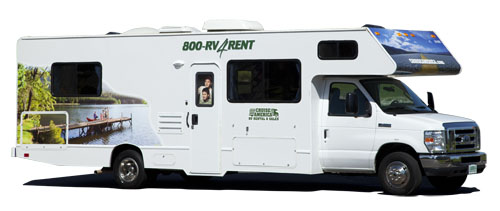
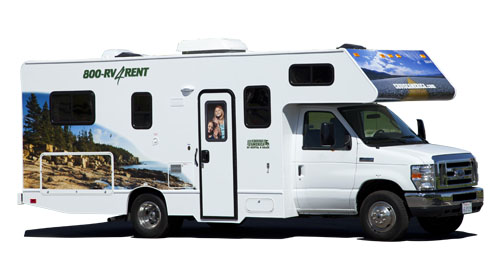
For navigating the often challenging roads around San Francisco, a Class C - Alcove or a Class TC - Truck Camper RV is generally recommended due to their more manageable size and enhanced maneuverability. Bandana's fleet in this area includes Class C - Alcove RVs with an average length of approximately 8.1 meters (around 26.5 feet), offering a good balance between interior space and drivability. The Class TC - Truck Camper, which averages about 5.9 meters (approximately 19.3 feet) in length, provides even greater agility and easier parking, ideal for those prioritizing city exploration over extensive living space. Larger Class A - Integrated RVs, averaging around 10.3 meters (approximately 33.8 feet), can present more significant challenges on San Francisco's steep hills and narrow streets, making them better suited for travelers planning to stay in RV parks outside the city and utilize alternative transportation for urban exploration.
Should I Choose a Compact Van Instead of a Large RV in San Francisco?
While a compact van undeniably offers superior maneuverability and easier parking in urban settings like San Francisco, a larger RV provides significantly more comfort, living space, and essential amenities for seniors. For those prioritizing comfort, the added indoor space, dedicated sleeping areas, full kitchen, and private bathroom found in a Class C RV (like Bandana's average 8.1m length models) often outweigh the minor parking challenges encountered in San Francisco. Driving a larger RV within the city is certainly achievable; the key lies in careful route planning and utilizing park-and-ride options from nearby RV parks. A compact van truly shines if you plan on extensive street parking directly within tight historic centers or frequenting narrow, winding coastal roads. However, for an overall superior comfort and a genuine 'home on wheels' experience, a Class C often presents a better trade-off for senior travelers. For ideas you can prep on the road, watch our RV-friendly recipes playlist on YouTube.
Can I Park Anywhere? Free & Wild Camping Rules in San Francisco
Free or 'wild' camping is highly restricted and generally prohibited on city streets and public lands within San Francisco and its immediate urban surroundings. Overnight RV parking on city streets is frequently illegal due to local ordinances, street cleaning schedules, and size restrictions, which can result in significant fines or even towing. Designated RV campgrounds or private RV parks are the only legal and practical options for overnight stays near San Francisco, offering essential facilities like water, electricity, and dump stations. Rules can vary significantly by region, so it's always recommended to check local regulations and adhere to local laws before parking overnight, as enforcement is typically strict in populated areas like the San Francisco Bay Area.
Can I Drive an RV Into the City Center? Heights, Tunnels & Local Signage
It is generally possible to drive an RV into San Francisco's city center, but it comes with notable challenges due to the city's steep hills, narrow streets, dense traffic, and extremely limited parking. RV drivers must pay close attention to local signage, particularly for height limits (especially relevant for tunnels or garages) and weight restrictions, as well as 'no entry' zones designated for larger vehicles. Key watchouts include the famously steep inclines on many streets, which can be demanding on RV engines and brakes, and the presence of cable car tracks that require careful navigation. For a more relaxed and enjoyable visit, it is highly recommended to park your RV at a designated campground outside the immediate city core (such as those in Marin Headlands or Candlestick RV Park) and then utilize public transportation or ride-sharing services for your city explorations.
Can you park an RV on the street in San Francisco?
Parking an RV on the street in San Francisco is generally very difficult and often illegal for overnight stays, with significant restrictions and very limited suitable spaces. San Francisco has strict regulations concerning oversized vehicle parking, encompassing time limits, street cleaning schedules, and residential parking permit requirements that frequently exclude RVs. Attempting to park an RV on city streets can lead to substantial fines and towing, and is therefore highly discouraged due to the steep hills, narrow streets, and high vehicle density. Instead of street parking, RVers are strongly advised to utilize dedicated RV parks or campgrounds located in the surrounding Bay Area, many of which offer convenient public transit connections into the city.
Can I rent an RV with a driver's license?
Yes, in most cases, a standard Class C driver's license (the common license for passenger vehicles) is sufficient for renting and driving most RVs, including Class C and Truck Camper models, throughout San Francisco and across the U.S. Most rental companies require drivers to be at least 21 years old, with some having a minimum age of 25, depending on their specific insurance policies; an additional fee might apply for drivers under 25. For international visitors, a valid driver's license from their home country, accompanied by an International Driving Permit (IDP), is typically required for RV rentals in California. It is crucial to confirm the precise license and age requirements directly with your chosen RV rental company before finalizing your booking.
How does insurance work when renting an RV?
When renting an RV, insurance typically involves a combination of coverage from the rental company, potential extensions from your personal auto policy, and sometimes benefits from credit card providers or specialized third-party insurers. Rental companies usually provide their own insurance packages, which might encompass liability coverage (to protect against damage to others) and collision/comprehensive coverage (to protect the RV itself), often with various deductible options. Your personal auto insurance policy may extend to cover an RV rental; however, it's essential to contact your insurer directly to confirm what is covered (such as liability, physical damage, and roadside assistance) and to understand any limitations. Some credit cards offer rental vehicle insurance benefits, but these often come with significant exclusions for RVs, motorhomes, and commercial vehicles, so always verify the coverage details thoroughly. Specialized third-party RV rental insurance providers offer policies that can cover gaps in personal insurance or provide primary coverage for your rental, potentially at competitive rates.
How much does RV rental insurance cost?
The cost of RV rental insurance can vary widely, typically ranging from approximately $15 to over $70 per day. This cost is influenced by the level of coverage chosen, the provider (whether it's the rental company, a third-party insurer, or your personal insurer), the RV's value, and the selected deductible amount. Basic liability insurance from rental companies might be included in the rental price or incur a nominal daily fee, while comprehensive collision and damage waivers can add anywhere from $20 to $50 per day to your rental cost. Third-party insurance options can sometimes offer more extensive coverage at a lower daily rate, potentially costing between $15 and $30 per day for full coverage. Factors that influence the final price include the RV class (larger, more expensive RVs often incur higher insurance premiums), the rental duration, and any additional coverage selected, such as roadside assistance or personal effects protection.
Is it cheaper to rent an RV or stay in a hotel?
Whether renting an RV is more cost-effective than staying in a hotel in San Francisco largely depends on your travel style, group size, and itinerary, as RV costs encompass more than just a nightly rate. RV expenses include the rental fee, fuel (which can be substantial, as Class C RVs average 23-35 L/100km), campground fees (which can range from $40 to over $100 per night near SF), and potential parking or attraction fees. Hotels in San Francisco are notoriously expensive, with nightly rates frequently exceeding $200-$400+, alongside additional costs for dining out, parking, and city transportation. An RV can prove more economical for larger families or groups, as it consolidates accommodation and transportation, and significant savings can be realized by preparing meals onboard rather than dining out for every meal. However, for solo travelers or couples on a short trip focused primarily on urban exploration, a hotel might sometimes be simpler and comparable in cost once all RV-related expenses are factored in.
What You Shouldn't Miss
- Drive the iconic Golden Gate Bridge: Experience breathtaking views of the bay and the Marin Headlands. Remember to check for any RV-specific wind advisories.
- Explore Golden Gate Park: This vast urban oasis offers museums, gardens, and tranquil spots perfect for a relaxed afternoon, accessible via public transport from nearby RV parks.
- Visit Alcatraz Island: Take a ferry from Pier 33 for a fascinating historical tour of the infamous former prison. Book tickets well in advance!
- Ride a historic Cable Car: A classic San Francisco experience offering scenic views as you traverse the city's famous hills.
- Wander through Fisherman's Wharf: Enjoy the lively atmosphere, street performers, and sea lions at Pier 39.
- Discover the charm of Sausalito: A picturesque bayside town just across the Golden Gate Bridge, offering a more relaxed pace and lovely waterfront views.
Final Thoughts
Renting an RV for your San Francisco adventure offers a unique way to explore the city and its surrounding beauty at your own pace. While navigating the city's unique terrain requires a bit of extra planning, the freedom and comfort of having your mobile accommodation make it a rewarding experience, especially for seniors.
We are true RV specialists, dedicated to ensuring your trip is seamless from booking to return. Our commitment to full transparency and exceptional support means you can focus on the journey, not the logistics.
Find Motorhome Rentals in San Francisco