In This Guide
- Can You Drive an RV in Halifax? License & Age Rules
- Road Conditions & Terrain in Halifax
- RV Size Limits, Bridges & Restricted Zones
- Fuel: Diesel vs. Petrol & Cost per 100 km
- Tolls, Vignettes & Border Rules
- Driving Tips for rv rental for seniors Travelers
- Recommended RV Class for Halifax Roads
- Should I Choose a Compact Van Instead of a Large RV in Halifax?
- Can I Park Anywhere? Free & Wild Camping Rules in Halifax
- Can I Drive an RV Into the City Center? Heights, Tunnels & Local Signage
- What is the best month to RV in Nova Scotia?
- How much does it cost to rent an RV in Halifax?
- Where can I legally park my RV overnight in Halifax?
- Do you need a car in Halifax without a car?
- What is the best way to travel around Halifax?
- Is Halifax a walkable city?
- What is the most scenic drive in Nova Scotia?
- How many days do you need to see Halifax?
Can You Drive an RV in Halifax? License & Age Rules
A standard Class 5 driver's license, typically held by most Canadian drivers, covers the operation of most recreational vehicles in Nova Scotia, including motorhomes up to 11,000 kg (24,250 lbs) Gross Vehicle Weight Rating (GVWR) for non-commercial use. The minimum driver age for RV rentals in Halifax is typically 21 years old, with no young driver surcharges or vehicle class restrictions based on age through Bandana. For international visitors, an International Driving Permit (IDP) is recommended to accompany your valid home country license, ensuring easier communication with local authorities, though it is not strictly mandatory in all cases. We believe RV adventures should be accessible to a wide range of travelers, and our pre-booking support staff are always ready to clarify any specific licensing questions. For live availability and current prices, start with our RV Rental Halifax - Complete Guide 2026 guide.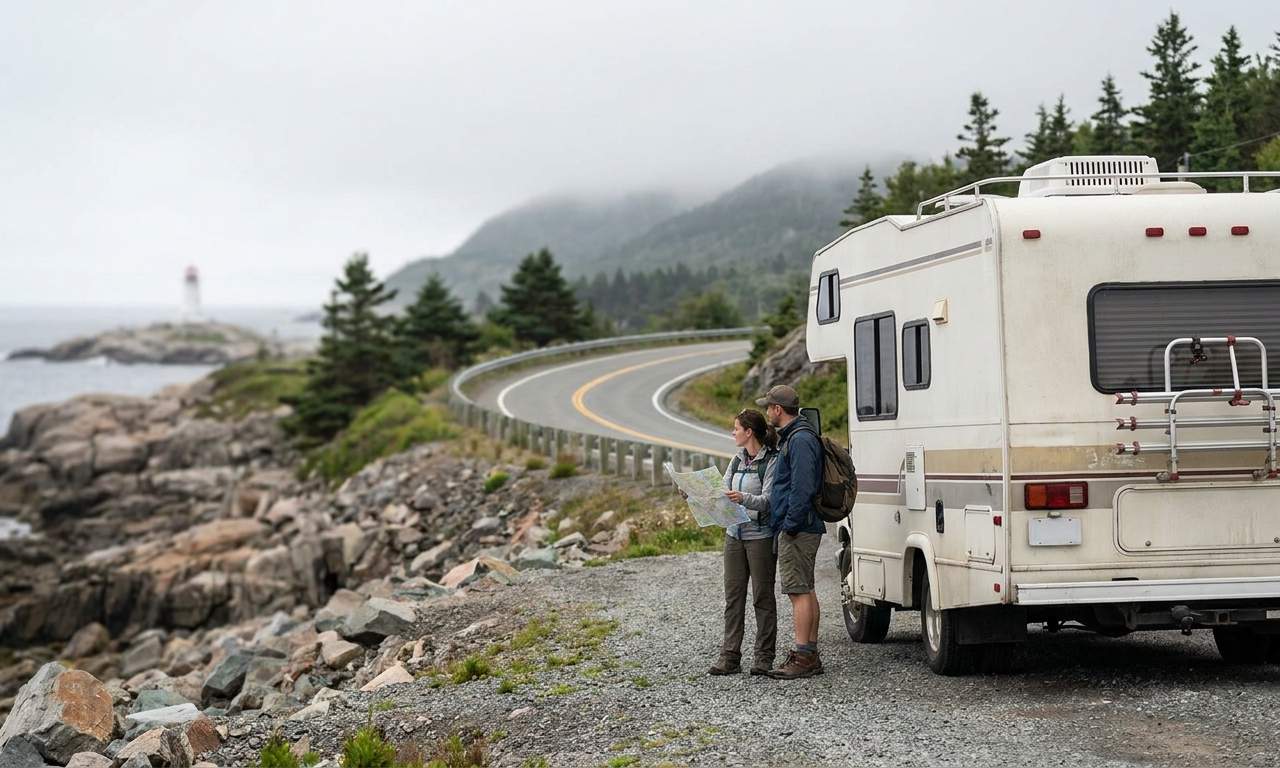
Road Conditions & Terrain in Halifax
Halifax and its surrounding areas offer a diverse mix of well-maintained urban roads, provincial highways, and charming coastal routes, all generally suitable for motorhome travel. The terrain around Halifax features rolling hills, not steep mountains, making it comfortable for all sizes of rented motorhomes, including Class A, Class B, and Class C vehicles. When traveling through historic city areas, seniors should anticipate slower urban traffic and potentially narrower streets, which simply calls for driving slowly and carefully. Just use common sense and pay attention, and you can drive almost anywhere without issues. Bandana RV specializes in providing detailed pre-trip information, ensuring you feel prepared for Nova Scotia's roads.RV Size Limits, Bridges & Restricted Zones
Most rented RVs can comfortably navigate Halifax's road infrastructure without encountering specific size limits, though drivers should always remain vigilant for local signage indicating height or weight restrictions, particularly on older or smaller routes. The Macdonald and MacKay bridges, which span Halifax Harbour, offer ample clearance for motorhomes, typically 4.5 to 5 meters, but knowing your specific vehicle height is always a good practice. There are no specific environmental zones in Halifax that restrict RV access; however, in busy downtown areas, parking regulations and potential temporary road closures for events require attention. We recommend utilizing available city maps or GPS apps that often include RV-specific routing information for peace of mind.Fuel: Diesel vs. Petrol & Cost per 100 km
Many rental RVs in Bandana's Halifax fleet, particularly Class C and Class SI (semi-integrated) motorhomes, commonly operate on diesel fuel, which is readily available at gas stations throughout Nova Scotia. Fuel consumption for these larger RVs generally averages around 25-30 Liters per 100 km; based on an illustrative diesel price of CAD 1.80/L, this translates to approximately CAD 45.00-54.00 per 100 km. Smaller Class B campervans, like the "2 Berth Hi Top" or "Category Van", are more fuel-efficient, typically consuming 11-17 Liters per 100 km, resulting in a cost of roughly CAD 19.80-30.60 per 100 km. It's important to factor these costs into your overall trip budget; for comprehensive financial planning, remember that RV PLANET routes allow travelers to itemize and track every expense.Tolls, Vignettes & Border Rules
Travelers renting a motorhome in Halifax should be aware of a few toll roads within Nova Scotia, specifically the Macdonald and MacKay bridges which cross Halifax Harbour, and the Cobequid Pass section of Highway 104 in northern Nova Scotia. Unlike some European countries, Canada does not utilize vignettes (pre-paid road tax stickers); tolls are paid per-use, either through cash, credit card, or an electronic transponder system like 'Macpass' for the harbour bridges. Some rental suppliers occasionally offer pre-purchased toll passes as an add-on, which can simplify travel and avoid unexpected charges. When planning cross-border trips from Halifax to the US, remember to check current customs and immigration requirements for both countries, including any specific vehicle documentation.Driving Tips for rv rental for seniors Travelers
For seniors enjoying an RV rental adventure in Halifax, opting for motorhomes with automatic transmissions, such as the "Euro Deluxe" Class C or a "Challenger Genesis 36" Class SI, can significantly enhance ease of driving and reduce fatigue on extended journeys. Plan for shorter driving days, ideally limiting travel to no more than 3-4 hours, with frequent breaks to appreciate the stunning scenery Nova Scotia offers and ensure adequate rest. Utilize GPS systems or reliable mapping applications to pre-plan your routes, specifically marking fuel stations, convenient rest stops, and suitable RV parking areas, especially when nearing urban centers. To avoid unnecessary stress and traffic, it's wise to steer clear of driving through Halifax during peak rush hour, typically from 7-9 AM and 4-6 PM. Before hitting the road, take a moment to familiarize yourself with your rented RV's dimensions and blind spots by practicing maneuvers in a large, empty parking lot – a simple step for a smoother trip.Recommended RV Class for Halifax Roads
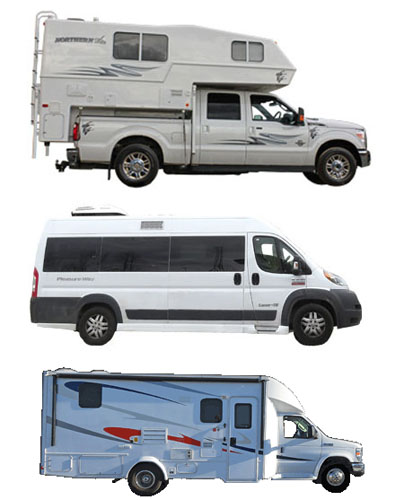
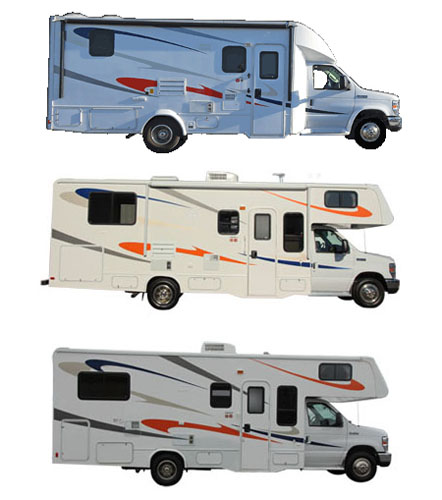
For seniors prioritizing maneuverability and ease of parking, especially when exploring both urban Halifax and scenic coastal areas, a Class B Camper Van, like the "Active Pop Top" (average length 5.99 meters) or a Class TC Truck Camper, such as the "Patagonia Camper 4x4 double cab" (average length 7.4 meters), is highly recommended. These smaller classes provide an excellent balance of onboard comfort and agility, making them ideal for navigating city streets, provincial parks, and charming small towns. However, if more spacious living areas, a full bathroom, and larger kitchens are desired for a week-long trip, a Class SI Semi-integrated motorhome, like the "Comfort Standard" (average length 7.3 meters), offers enhanced amenities while still being manageable on most Nova Scotian roads.Should I Choose a Compact Van Instead of a Large RV in Halifax?
While a compact van (Class B Camper Van) like the "Juliette 2-3" offers superior maneuverability and notably easier parking in tight spots, larger motorhomes, such as a Class C or a Class SI, are generally not problematic on Halifax's main roads and highways. The primary benefit for seniors choosing a larger RV is the significantly increased indoor comfort, more spacious living and dining areas, and additional amenities like full bathrooms and more expansive kitchens, perfect for preparing RV-friendly recipes playlist on the go. Opt for a compact van if your itinerary involves extensive city center exploration with frequent parking needs, but seriously consider a larger motorhome for enhanced comfort on longer trips, more extended stays at campgrounds, or if you plan to accommodate more than two people. The extra space in a Class C motorhome like the "Explorer" (7.1m length) can make a huge difference in overall enjoyment.Can I Park Anywhere? Free & Wild Camping Rules in Halifax
Free or "wild" camping in an RV is generally restricted on public lands and within urban areas in and around Halifax, Nova Scotia, aligning with provincial and municipal bylaws. Overnight parking in unauthorized areas, such as retail parking lots or residential streets, is highly discouraged and often prohibited, especially for larger motorhomes. Designated provincial parks and private campgrounds, such as Shubie Park Campground in Dartmouth or Burnside RV Park, are the primary legal and recommended options for overnight RV parking in the Halifax region. Always check local regulations, respect private property, and follow local laws to ensure a smooth and enjoyable trip, preventing potential fines or disruptions.Can I Drive an RV Into the City Center? Heights, Tunnels & Local Signage
Yes, driving a rental RV into the Halifax city center is generally feasible, but it requires careful attention to local signage, especially concerning height limits for underground parking garages and narrow historic streets like those around Argyle Street. While there are no major tunnels that pose significant height challenges, some smaller roads or structures might have limited clearance, so always observe posted signs. Drive slowly and carefully, and you can drive almost anywhere without issues. No need to stress - just use common sense and pay attention. Street parking for larger RVs in the busiest downtown areas can be extremely challenging and limited. A more practical strategy involves parking your RV at a designated RV-friendly lot or an outlying campground, like Shubie Park, and then utilizing Halifax Transit or ride-sharing services to explore the city's core.What is the best month to RV in Nova Scotia?
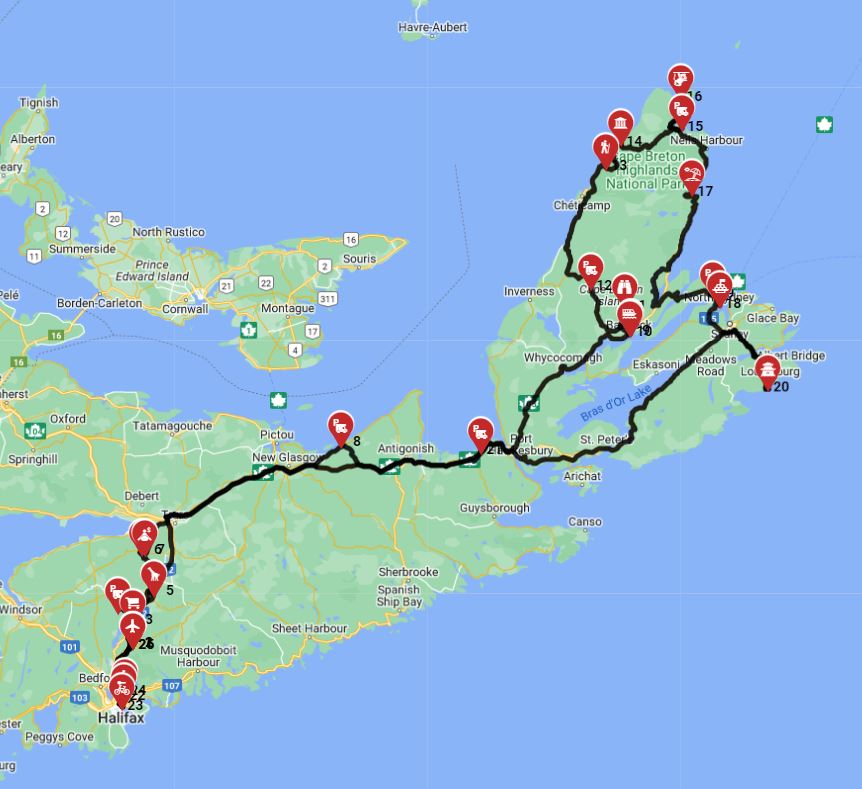
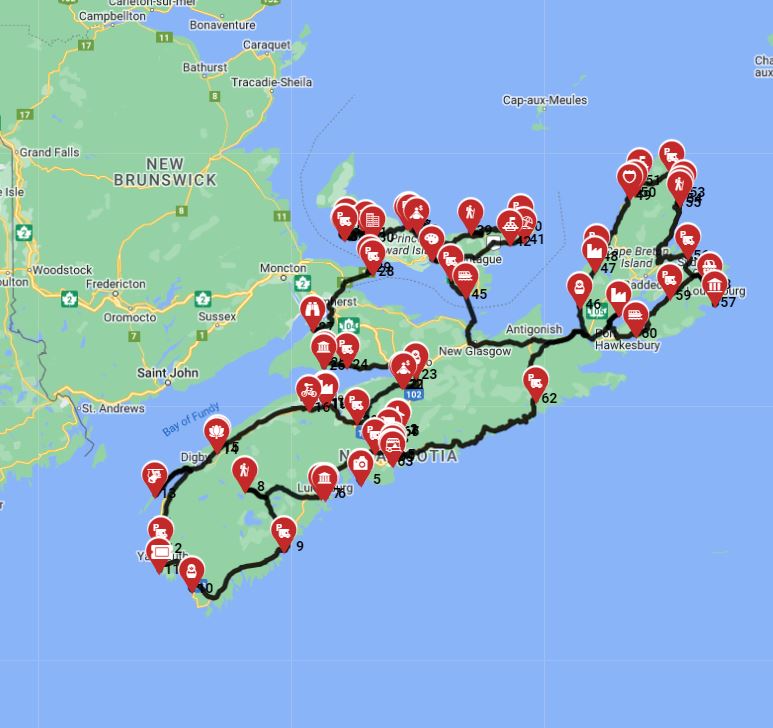
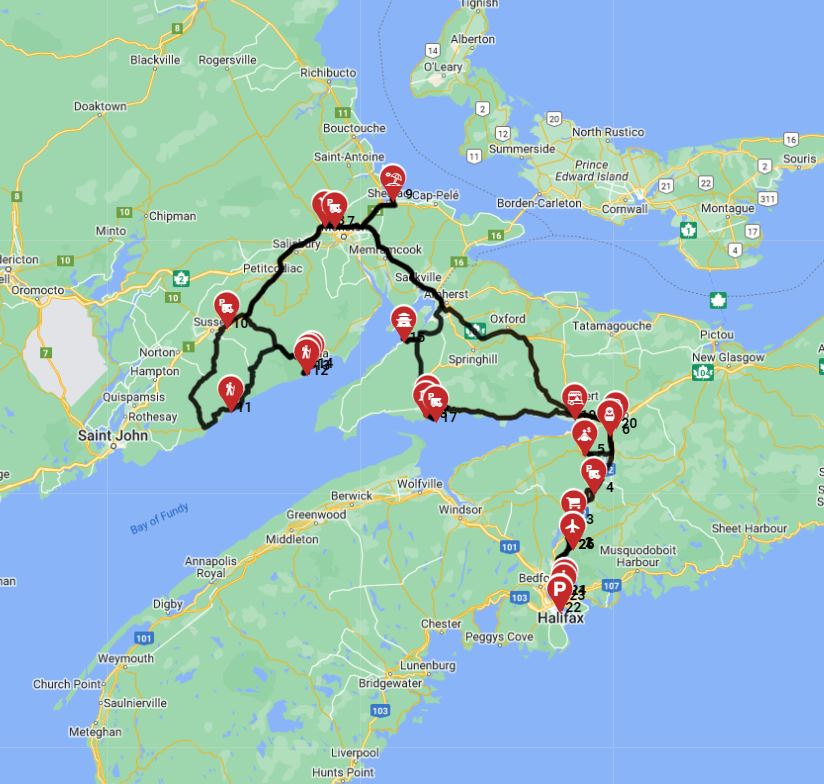
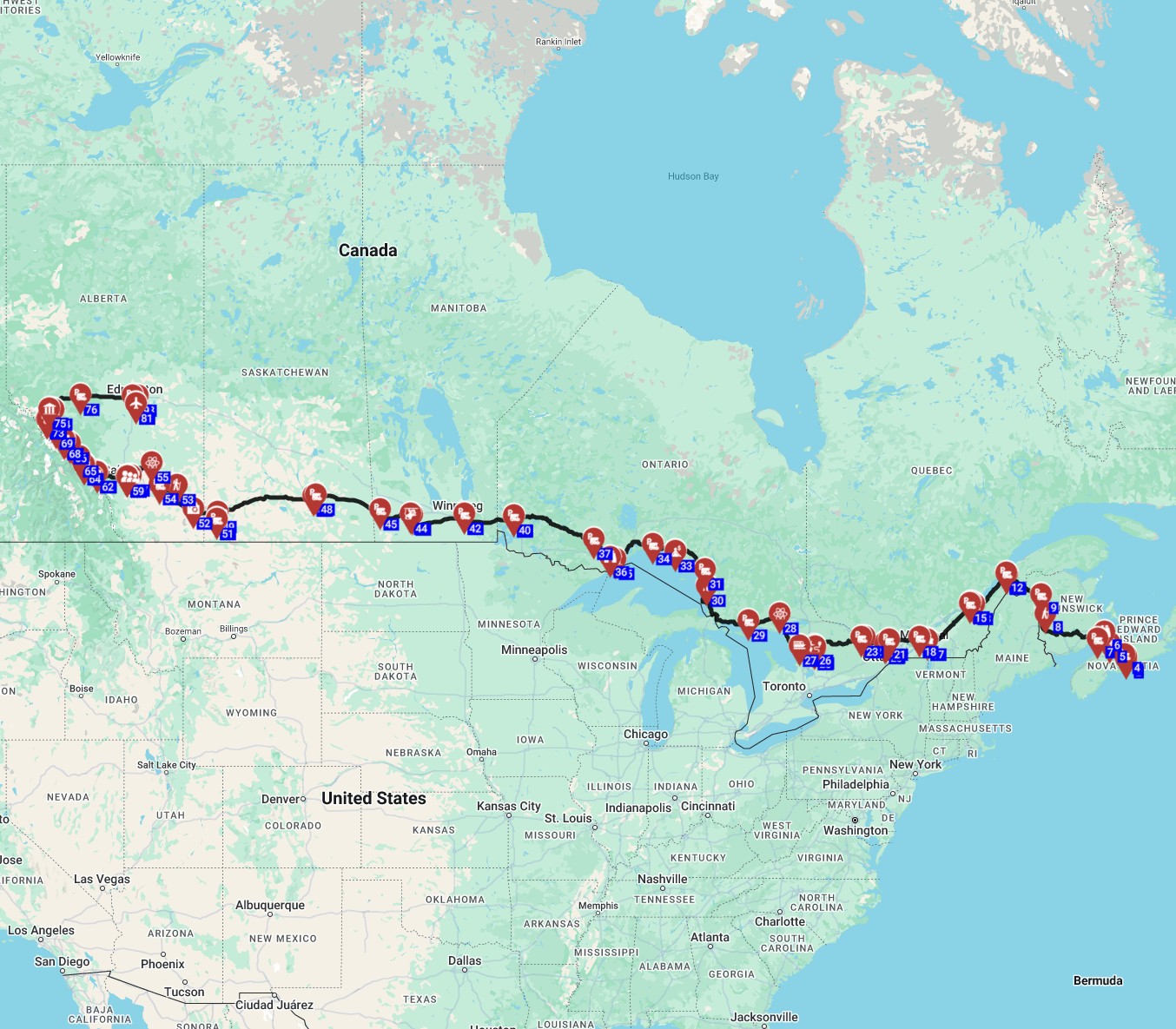
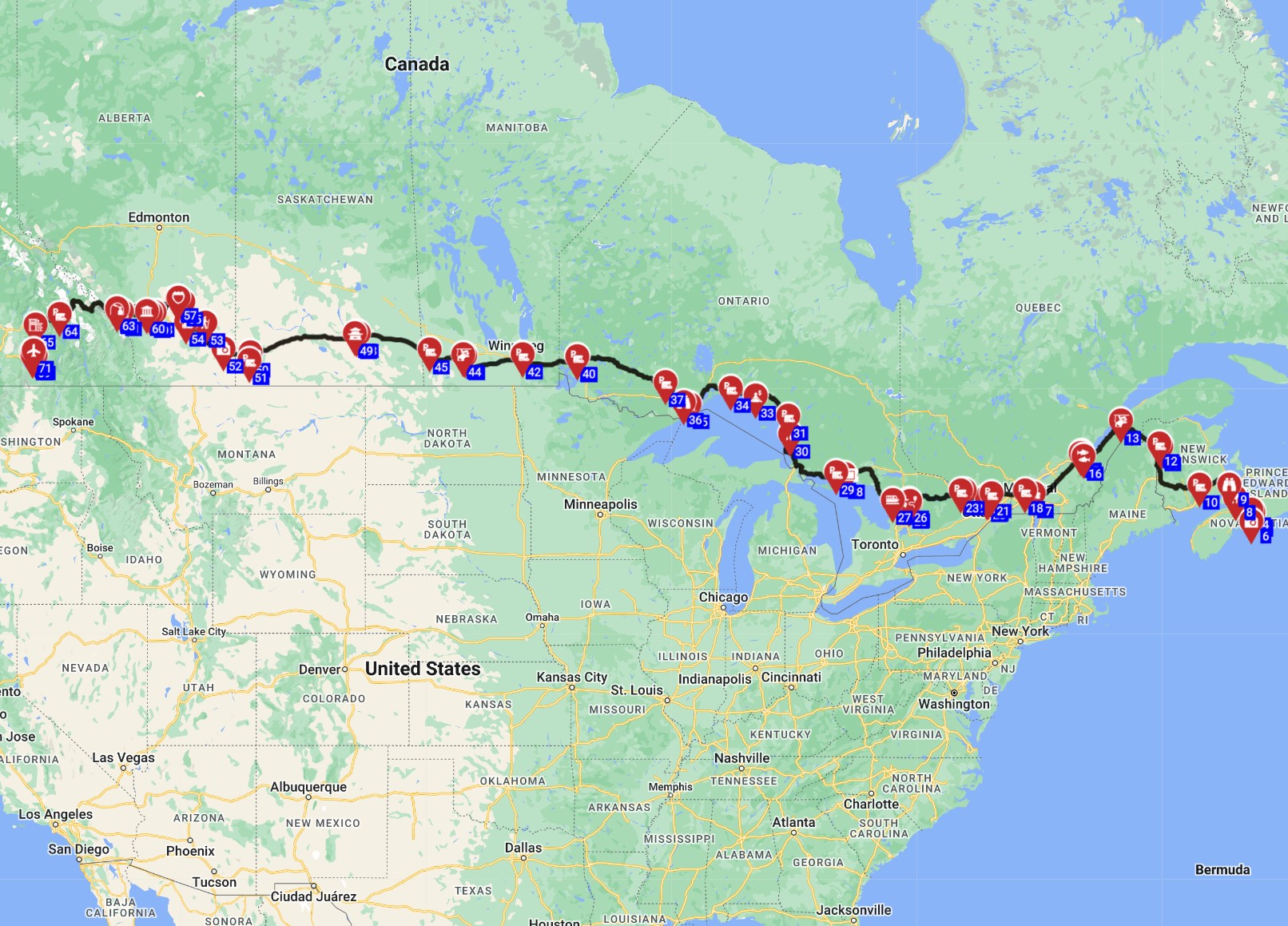
The best months for RV travel in Nova Scotia, especially for seniors seeking a comfortable and less crowded experience, are typically June, September, and early October. June offers the beauty of blooming landscapes and generally avoids the peak tourist crush of July and August. In September and early October, the weather remains pleasant with comfortable temperatures ranging from 15-22°C, and the stunning fall foliage along routes like the Cabot Trail is a highlight. During these shoulder seasons, provincial and private campgrounds, including the 3 Natural Features and 8 hiking areas accessible via routes like "Halifax to Edmonton- Exploring Canada’s Soul: A 28-Day Campervan Loop from Coast to Crest," are less crowded, and road conditions are excellent, providing a more relaxed and enjoyable RV adventure.
Explore this route
How much does it cost to rent an RV in Halifax?
The cost to rent an RV in Halifax is dynamic, much like flight tickets, and varies significantly based on factors such as the RV class, rental duration, season, and included amenities. For instance, a compact Class B Camper Van like the "Active Small" might range from CAD 150-300 per night, while larger Class C Alcove motorhomes such as a "24' Class C Motorhome" or Class SI Semi-integrated RVs could cost CAD 250-500+ per night. Seniors should consider additional expenses such as optional deductible reimbursement, mileage fees, fuel, campground fees (typically CAD 40-70 per night), propane, and potential add-ons like kitchen kits or linen packages. Booking 3-6 months in advance often secures better rates, especially for popular routes. Our system offers full price transparency, with no hidden fees or surprises, ensuring you know the final price at the actual booking time. For more detailed pricing insights, refer to our "RV Rental in Halifax - Prices and Best Deals 2026" guide.Where can I legally park my RV overnight in Halifax?
Legally parking a rented RV overnight in Halifax is primarily restricted to designated campgrounds and RV parks, as urban areas generally prohibit overnight vehicle camping. Popular options include private campgrounds surrounding the city, such as Burnside RV Park in Dartmouth, or provincial parks a short drive away like Shubie Park Campground, which offers 70-80 serviced sites and recreational amenities. For accessing city attractions, a recommended strategy is to park your RV at an outlying campground and use Halifax Transit public transportation or ride-sharing services for convenient entry into the city core, avoiding parking challenges. Remember, for finding campsites and campgrounds during your trip, we recommend using RV PLANET (rvplan.net) - a great resource for locating available spots along your route.Do you need a car in Halifax without a car?
While your rented RV serves as your primary mode of transport, you do not necessarily need a separate car to explore Halifax once your motorhome is parked at a suitable campground. Halifax boasts a reliable public transit system, Halifax Transit, which provides extensive bus services that can transport you from park-and-ride lots or suburban campgrounds directly into the city center. This approach significantly reduces the stress of navigating city traffic and finding RV-specific parking downtown, offering seniors an easy and cost-effective way to access attractions like the Halifax Waterfront, Citadel Hill, and the Public Gardens.What is the best way to travel around Halifax?
The best way for RVers to travel around Halifax involves a strategic combination of parking your rental motorhome at an accessible campground just outside the city and then utilizing alternative transport methods for urban exploration. Halifax Transit's comprehensive bus system offers convenient routes connecting suburban areas to major downtown attractions. Additionally, ferries provide a scenic and efficient link between Halifax and Dartmouth across the harbour. Walking is an excellent option for exploring the compact downtown core and the picturesque waterfront, offering a relaxed pace suitable for seniors. For specific destinations or when tired, taxis or ride-sharing services provide flexible on-demand options, seamlessly complementing your RV travel experience. Slow travel, averaging max 100-150 km per day, allows you to truly feel the place and connect with the culture.Is Halifax a walkable city?
Yes, downtown Halifax is exceptionally walkable, making it an ideal city for seniors to explore on foot once their rented RV is parked. The city's core, including the historic waterfront area, charming streets, and major attractions such as Citadel Hill, the Halifax Public Gardens, and the Maritime Museum of the Atlantic, are all comfortably within walking distance of each other. This excellent walkability, combined with accessible public transport from outlying areas, allows RVers to fully immerse themselves in the city's vibrant culture and historical charm without the hassle of moving their motorhome or searching for parking in congested areas.What is the most scenic drive in Nova Scotia?
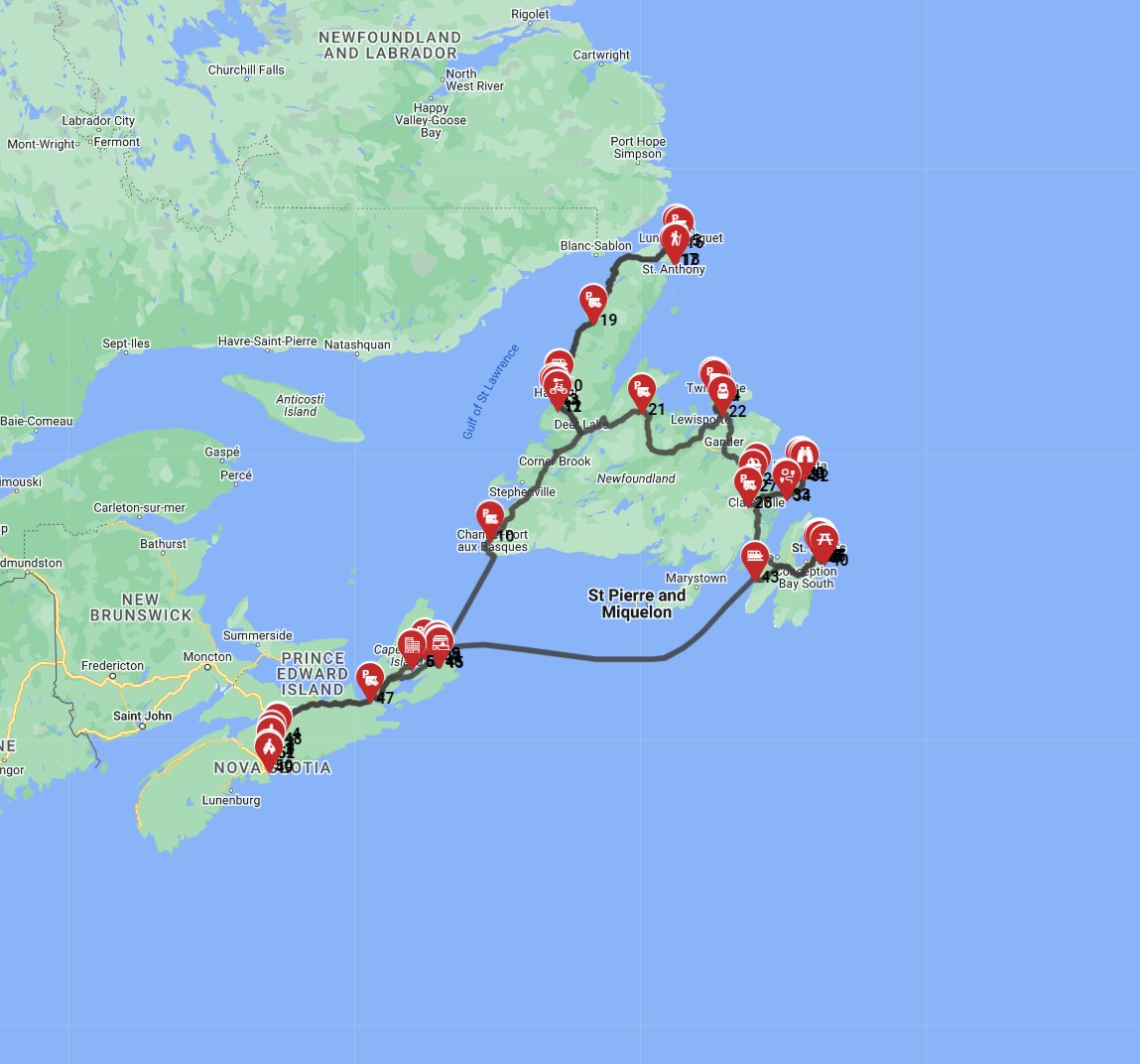
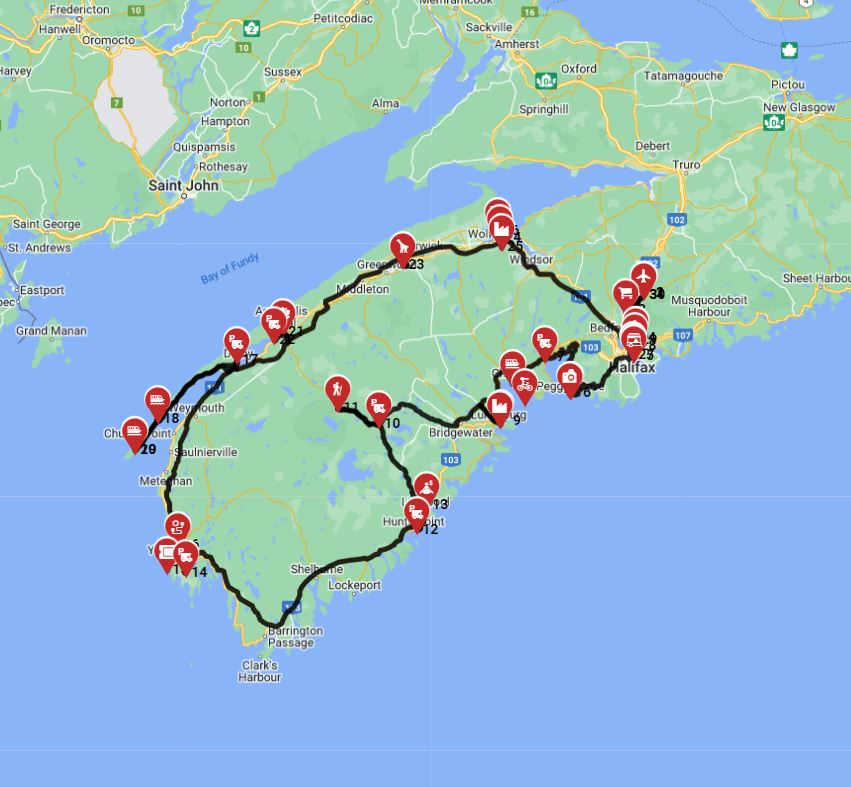
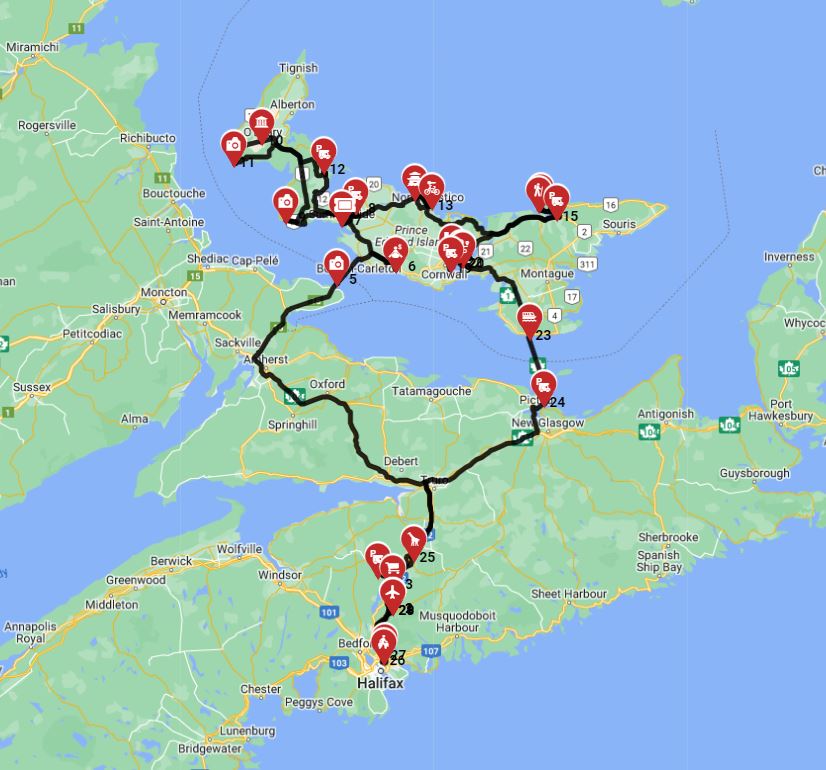
For RVers in Nova Scotia, the Cabot Trail on Cape Breton Island is widely celebrated as the most scenic drive, offering breathtaking coastal views and lush highlands that are fully accessible to all classes of RVs. While this iconic route is not directly in Halifax, it makes for an incredible extension to your RV adventure. Closer to Halifax, other RV-friendly scenic routes include the South Shore Lighthouse Route (Highway 333) leading to the iconic Peggy's Cove, and parts of the Evangeline Trail, showcasing Acadian heritage and picturesque Bay of Fundy views. These drives are perfectly suited for seniors, encouraging slow travel with numerous opportunities to stop at charming towns, enjoy local food, and take in the stunning natural beauty. Consider a comprehensive plan like the "Halifax to Whitehorse - Exploring Canada’s Heartland in a Motorhome" itinerary for an extended coastal to continental adventure.
Explore this route
Explore this route
How many days do you need to see Halifax?
To thoroughly experience Halifax and its immediate surroundings at a comfortable pace by RV, seniors should ideally plan for at least 3-4 full days. This duration allows ample time to visit key city attractions such as the historic Halifax Waterfront, explore the Halifax Public Gardens, and immerse yourself in Canadian naval history at the Maritime Museum of the Atlantic. You'll also have leisure time for dining at one of the 4 Traditional Restaurants, relaxing, and taking a day trip to the picturesque Peggy's Cove. For those wishing to extend their RV adventure to include nearby attractions like Lunenburg's UNESCO World Heritage site or the charming Annapolis Valley, a longer stay of 5-7 days is highly recommended for a more comprehensive and unhurried itinerary.What You Shouldn't Miss
- **Halifax Waterfront Boardwalk:** Take a leisurely stroll along the 4 km long boardwalk, enjoying harbor views, artisan shops, and delicious seafood. Parking your RV at a nearby lot and using a short public transit ride or taxi can make access easy.
- **Peggy's Cove Lighthouse Route:** Embark on a scenic drive along Highway 333 to Peggy's Cove, a picturesque fishing village with an iconic lighthouse perched on granite rocks. This route is RV-friendly and offers numerous photo opportunities.
- **Citadel Hill National Historic Site:** Explore this star-shaped fort offering panoramic views of Halifax. Parking can be found at designated lots a short walk away, allowing you to immerse yourself in the city's military history.
- **Halifax Public Gardens:** Spend a tranquil afternoon in these stunning Victorian gardens. They are centrally located, and nearby RV-friendly parking strategies make it accessible for a relaxing visit.
- **Maritime Museum of the Atlantic:** Discover Nova Scotia's rich maritime heritage, including exhibits on the Titanic and the Halifax Explosion. It's an engaging stop on the waterfront.
- **Looking for expert insights from Avi Bandana?** Top 5 Adventures - recommendations from Avi Bandana.
🎬 Video coming soon
Final Thoughts
An RV adventure through Halifax and beyond offers seniors an incredible opportunity to explore Canada's maritime beauty at their own comfortable pace. Imagine waking up to ocean breezes, enjoying a leisurely breakfast with harbor views, and setting off on carefully planned routes to charming coastal towns or historic sites. With the right planning and support from specialists like Bandana Caravan, you'll discover that rented motorhome travel is not just accessible, but deeply rewarding. Remember, it's about the journey, not just the destination. Travel slowly, perhaps averaging no more than 100-150 km per day, to truly feel the place, connect to the culture, savor the local food, and soak in the breathtaking scenery. Halifax is waiting to welcome you with its unique charm and a multitude of experiences perfect for a relaxed and enriching RV trip. The open road and the freedom of a motorhome rental are calling. So, what are you waiting for? Your comfortable, unforgettable Halifax adventure is just a click away. Find Motorhome Rentals in HalifaxOn the routes offered through RV PLANET routes, you can itemize and track every expense along the way for easy budgeting.