In This Guide
- Can You Drive an RV in Greece? License & Age Rules
- Road Conditions & Terrain in Greece
- RV Size Limits, Bridges & Restricted Zones
- Fuel: Diesel vs. Petrol & Cost per 100 km
- Tolls, Vignettes & Border Rules
- Driving Tips for RV Rental for Seniors Travelers
- Recommended RV Class for Greece Roads
- Should I Choose a Compact Van Instead of a Large RV in Greece?
- Can I Park Anywhere? Free & Wild Camping Rules in Greece
- Can I Drive an RV Into the City Center? Heights, Tunnels & Local Signage
- What is the best month to RV in Greece?
- Is Greece RV friendly?
- Are RVs popular in Greece?
- What are the best RV routes in Greece?
- How much does it cost to rent an RV in Greece?
- How to travel Greece with a camper van?
- Can you motorhome in Greece?
- Can you take a camper van on a ferry in Greece?
- Is it safe to drive in Greece?
- How do you dispose of grey water in Greece?
Can You Drive an RV in Greece? License & Age Rules
Most RVs under 3,500 kg can be driven in Greece with a standard Category B car license, which is typically what most travelers already possess. Drivers from non-EU countries will find it beneficial to obtain an International Driving Permit (IDP) in addition to their national license, as this can help with language barriers and ensure smoother interactions with authorities if needed. Rental companies typically require drivers to be at least 21-25 years old, with some specifying a minimum of one to two years of driving experience. For RVs exceeding 3,500 kg, a higher license category, such as C1 or C, might be necessary, though most rental vehicles fall within the manageable weight limit for a standard license. Always verify the specific requirements with your chosen rental provider.
Road Conditions & Terrain in Greece
Greek road conditions are quite varied, ranging from well-maintained, modern motorways to narrow, winding mountain passes and less-paved rural roads. Seniors renting an RV in Greece should anticipate diverse terrain, from scenic coastal routes to challenging mountainous regions, which naturally encourages a slower, more deliberate driving pace. Major routes and highways, particularly the Egnatia Odos in the north and sections of the national road network, are generally in good condition and are suitable for RV travel. However, smaller village roads and those in more remote areas can be tighter, with sharper turns and rougher surfaces, requiring extra caution and attentiveness. Planning your routes with an awareness of these variations will contribute to a more comfortable and enjoyable journey.
RV Size Limits, Bridges & Restricted Zones
While there are generally few explicit height or weight restrictions for RVs on main Greek roads, it's crucial to exercise caution when entering urban areas, navigating ferry travel, or encountering low bridges. Ferry operators are accustomed to accommodating RVs, but it's vital to accurately declare the correct length and height when booking to ensure adequate space and correct pricing. Athens, for instance, operates a 'dactylios' (ring system) environmental zone, which can restrict vehicle access to the city center on certain days based on license plate numbers; while this primarily affects local traffic, larger RVs might find it more practical to park on the outskirts. Always be observant of local signage for height, weight, and parking restrictions, especially in historic towns or narrow village streets, to avoid any unforeseen issues.
Fuel: Diesel vs. Petrol & Cost per 100 km
Most rental RVs in Greece, especially larger motorhomes, are equipped with diesel engines, and diesel fuel is widely available at service stations across the country. For Bandana's global fleet, Class B Camper Vans typically consume 8-10 Liters/100 km (averaging 9 L/100km), while Class SI Semi-integrated RVs average 10-11 Liters/100 km (averaging 10.5 L/100km). Class C Alcove RVs generally use 10-12 Liters/100 km (averaging 11 L/100km), Class A Integrated RVs range from 8-12 Liters/100 km (averaging 10 L/100km), and Class TC Truck Campers can consume between 12-17 Liters/100 km (averaging 14.5 L/100km). At an estimated diesel price of €1.80 per liter, travelers should budget approximately €16.20 to €26.10 per 100 km for fuel, depending on the RV class and driving conditions. Some rental agreements may include fuel discount cards or options, which can be a helpful way to manage these costs.
Tolls, Vignettes & Border Rules
Greece utilizes a system of toll roads, primarily found on its modern motorways, with payments typically made at toll booths rather than through a mandatory vignette system that requires purchasing a sticker. Tolls are common on major routes, such as the Egnatia Odos stretching across northern Greece and parts of the national road network in regions like the Peloponnese Peninsula. Travelers should budget for these toll costs, as they can accumulate on longer journeys, and it's advisable to carry small denominations of Euros for convenience. While some rent-motorhome RVs might offer the option for pre-purchasing toll passes, it's essential to confirm this with your provider to potentially avoid fines and streamline your travel experience. On the routes offered through RV PLANET routes, you can itemize and track every expense along the way for easy budgeting.
Driving Tips for RV Rental for Seniors Travelers
Prioritize a slower, more relaxed pace for your RV adventure: seniors often benefit from ample time for breaks and leisurely sightseeing, which helps avoid the stress of rushed driving. Consider opting for an automatic transmission RV, as this can significantly reduce driving fatigue, especially on Greece's winding roads. Plan your routes carefully, utilizing GPS and perhaps pre-downloading offline maps for navigation, and be prepared to avoid extremely narrow or very mountainous roads unless you are specifically comfortable and equipped for them. Drive defensively, always being aware of local driving habits, and watch for pedestrians, particularly when navigating through villages. Crucially, take frequent breaks – stopping every 2-3 hours to rest, stretch, and enjoy the scenery is paramount for maintaining comfort and alertness throughout your journey.
Recommended RV Class for Greece Roads
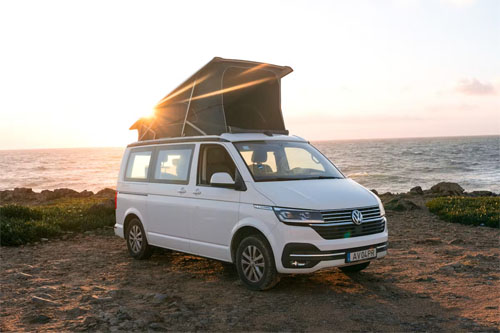
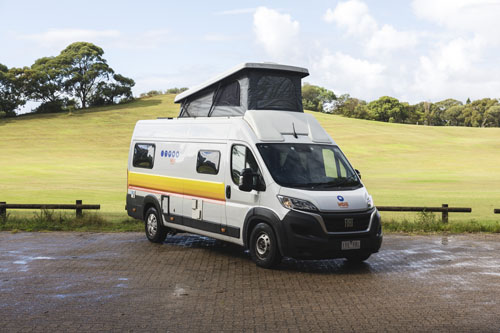
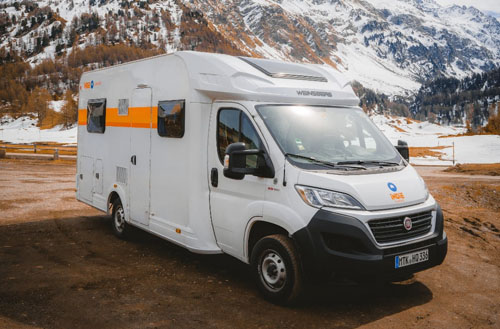
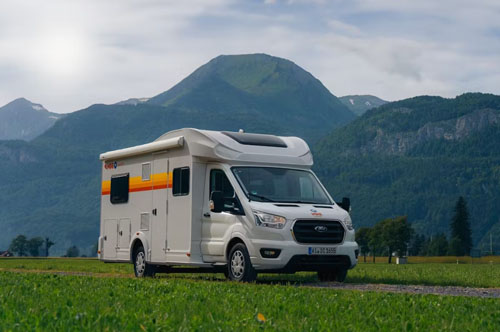
For seniors planning an RV trip in Greece, a Class SI Semi-integrated RV or a Class B Camper Van generally offers the best balance of comfort, maneuverability, and onboard amenities. Class B Camper Vans, with an average length of around 5.8 meters across Bandana's global fleet, are particularly ideal for navigating tighter village streets and are often easier to manage on ferries. Class SI Semi-integrated RVs, averaging approximately 6.9 meters in length, provide more generous living space and enhanced amenities for extended trips, while still remaining manageable on most Greek roads. While larger Class C Alcove (average 7.5m) or Class A Integrated (average 7.5m) RVs offer maximum comfort, their larger dimensions might pose challenges in very remote or historic areas, making the smaller classes a more practical choice for ease of navigation.
Should I Choose a Compact Van Instead of a Large RV in Greece?
Choosing between a compact van (like a Class B Camper Van) and a larger RV (such as a Class SI Semi-integrated) in Greece ultimately depends on your priorities for maneuverability versus onboard comfort. Compact vans truly excel in navigating the tightest historic centers and very narrow mountain passes, offering easier parking and greater agility. However, for many seniors, the enhanced indoor space, more comfortable sleeping arrangements, and superior facilities found in a larger RV often outweigh the minor maneuverability challenges on primary and secondary roads. Most main Greek roads and designated campsites are well-equipped to comfortably accommodate larger RVs, making the trade-off for increased living space generally favorable for a more relaxing and enjoyable senior travel experience.
Can I Park Anywhere? Free & Wild Camping Rules in Greece
Wild camping and free overnight parking are generally illegal across Greece, with authorities actively enforcing regulations to protect the country's natural environments and local communities. Travelers are expected to utilize designated campgrounds, which are readily available throughout Greece, especially in popular tourist regions and coastal areas. These official campsites provide essential facilities for waste disposal (gray and black water), fresh water refilling, and often electrical hookups. While wild camping is prohibited, some local tavernas or businesses in rural areas might permit overnight parking if you patronize their establishment, but always seek explicit permission first. It is always best to use apps or resources that list official campsites or permissible 'sosta' areas (where available) to ensure compliance with local laws.
Can I Drive an RV Into the City Center? Heights, Tunnels & Local Signage
Driving an RV into Greek city centers is generally possible, but it requires careful attention to local signage regarding height limits, tunnel restrictions, low bridges, and any specific vehicle access zones. Many historic city centers and older towns in Greece feature particularly narrow streets and limited parking, making larger RVs less practical for direct access. The 'dactylios' (ring system) in Athens, which restricts access for certain vehicles based on license plate numbers, is a key consideration for city driving. Often, it is more convenient and stress-free to park your RV on the outskirts of cities or at designated parking areas and then utilize public transport to explore the city center. Always observe local signs diligently, as restrictions can vary significantly from one municipality to another.
What is the best month to RV in Greece?
The best months for seniors to RV in Greece are undoubtedly the shoulder seasons: April to May and September to October. These periods offer delightfully pleasant weather and significantly fewer crowds, allowing for a more relaxed exploration of the country. The temperatures are mild, perfect for outdoor activities and sightseeing without the intense heat of summer, which can impact driving comfort and energy levels. Ferry schedules are typically fully operational during these shoulder seasons, facilitating easier island hopping compared to the quieter winter months. Avoiding the peak summer months of July and August is highly recommended for seniors to steer clear of crowded tourist spots, higher prices, and the intense heat, ensuring a more comfortable and authentic travel experience.
Is Greece RV friendly?
Greece is increasingly RV-friendly, offering a unique and rewarding way for seniors to explore its diverse landscapes and rich history at their own pace, though it does require some preparation. While the RV infrastructure may not be as extensively developed as in some Western European countries, Greece has a growing network of campgrounds, particularly in popular tourist regions and along its stunning coastlines. Road infrastructure has seen significant improvements, with many well-maintained motorways, but travelers should still be prepared for varied road conditions, including narrow mountain passes and charming village roads. RV-specific logistical challenges, such as waste disposal and water refilling, are primarily managed at official campsites, which are essential stops for responsible travel. Ultimately, the country's natural beauty and immense historical significance are perfectly suited for RV exploration, providing ample opportunities for authentic local experiences and deep cultural immersion.
Are RVs popular in Greece?
The popularity of RVs in Greece is steadily on the rise, attracting both locals and international tourists seeking a flexible way to explore the country's treasures. While traditional camping remains well-established, motorhoming is gaining significant traction as a preferred method for independent travel, especially among those who value flexibility and self-sufficiency. This growing demand is spurring improvements in RV infrastructure, leading to the development of more campgrounds and services, although this sector is still evolving compared to more established European standards. Many seniors are particularly discovering the joys of RV travel in Greece, finding it an excellent way to combine comfort with adventure, allowing them to linger in less touristy spots and foster deeper connections with local communities. This increasing popularity suggests a more welcoming and accessible environment for RV travelers than in previous years, with a growing array of resources becoming available.
What are the best RV routes in Greece?
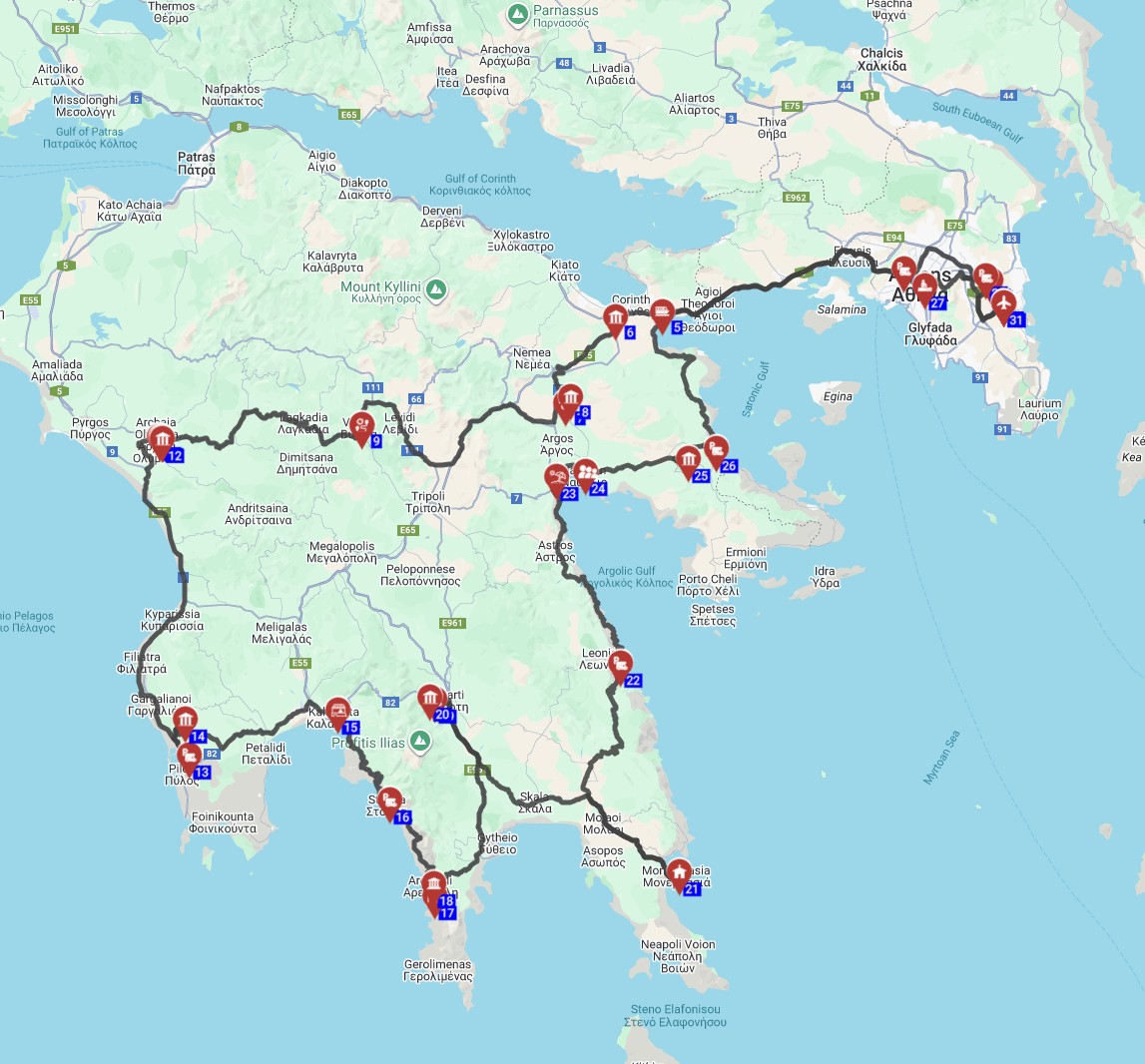
Greece offers a multitude of captivating RV routes, with the Peloponnese Peninsula frequently highlighted as a top recommendation for its compelling blend of historical sites, stunning coastlines, and roads that are generally manageable for seniors. The regional data available often showcases road trip maps for the Peloponnese, indicating well-structured routes for exploring ancient Olympia, the Byzantine city of Mystras, and numerous picturesque coastal towns. Other excellent options include the northern routes through Macedonia and Epirus, which provide dramatic mountainous landscapes, ancient monasteries, and charming, traditional villages. Coastal drives, such as those along the Ionian Sea or parts of the mainland adjacent to the Aegean, offer breathtaking views and easy access to beautiful beaches. For those seeking deeper exploration, themed RV route itineraries can be crafted to include specific historical loops, nature excursions in areas like the Vikos Gorge, or strategic planning for island hopping logistics to destinations like Lefkada or Evia.
How much does it cost to rent an RV in Greece?
The cost to rent an RV in Greece varies significantly based on the RV class, rental season, duration of the trip, and the specific amenities included, typically ranging from €70 to €200+ per day. Compact Class B Camper Vans are generally more affordable, making them an excellent choice for budget-conscious travelers, while larger Class A Integrated or Class C Alcove RVs, which offer more space and luxury features, command higher daily rates. Peak season (July-August) predictably sees the highest rental prices, with the shoulder seasons (April-May, September-October) offering better value and broader availability. Beyond the daily rental fee, it's crucial to budget for additional costs such as fuel (estimated €16.20-€26.10 per 100km, depending on RV class), campsite fees (typically €20-€40 per night), tolls, and any ferry tickets if you plan island hopping. Some rental packages may include unlimited mileage, comprehensive insurance, or specific equipment, all of which can influence the overall cost, so conducting a thorough comparison is highly advisable.
How to travel Greece with a camper van?
Traveling Greece with a camper van requires careful planning for routes, accommodation, and cultural engagement to ensure a smooth and enriching experience, particularly for seniors. Key strategies include pre-booking campsites, especially during peak or shoulder seasons, to guarantee safe overnight parking and access to essential facilities like waste disposal and water refilling points. Embrace cultural immersion by seeking out local farmers' markets, engaging with communities in small villages, and savoring authentic taverna cuisine, using your camper van as a comfortable and convenient base for exploration. For pet owners, researching pet travel regulations, identifying pet-friendly campgrounds, and noting accessible veterinary services along your planned route is an essential part of the preparation process. Finally, be prepared for varied road conditions and navigate any challenging areas with patience, utilizing offline maps and always being mindful of your larger vehicle size in urban or very remote settings.
Can you motorhome in Greece?
Yes, you can absolutely motorhome in Greece, and it offers an unparalleled sense of freedom and comfort, which is particularly appealing for seniors wanting to explore at their own pace. Motorhoming provides the flexibility to craft highly personalized itineraries, allowing you to discover hidden ancient ruins, pristine secluded beaches, and charming villages that lie off the conventional tourist routes. The inherent advantage of carrying your accommodation with you means greater comfort and convenience, significantly reducing the stress often associated with daily packing and unpacking. While wild camping is restricted, the established network of official campgrounds readily supports motorhome travel, providing necessary amenities and fostering a welcoming community feel. For seniors, a motorhome trip to Greece truly allows for a comfortable, self-sufficient adventure, fostering deep cultural immersion and creating truly memorable experiences.
Can you take a camper van on a ferry in Greece?
Yes, camper vans and RVs can absolutely be taken on ferries in Greece, offering an excellent method for exploring the stunning Greek islands and seamlessly combining mainland and island adventures. It is crucial to book your ferry tickets well in advance, especially if you are traveling during the shoulder or peak seasons, as vehicle space, particularly for larger RVs, can be limited. When booking, accurately declare the length, height, and weight of your camper van to ensure proper pricing and adequate allocation on the car deck. Major ferry companies like Blue Star Ferries or Minoan Lines operate routes to the most popular islands, and they typically have specific vehicle categories for RVs and campers. Always consider the logistical challenges involved, such as potential delays or the need for precise maneuvering on and off the ferry, and factor these into your overall travel schedule for a smoother experience.
Is it safe to drive in Greece?
Driving in Greece is generally safe for seniors, provided drivers exercise caution, adhere diligently to local traffic laws, and are well-prepared for varying road conditions and local driving styles. While major motorways are typically well-maintained, rural roads can be narrow, winding, and sometimes poorly surfaced, necessitating extra attention and a slower pace. It is highly advisable to drive defensively, remain aware of local driving habits which can sometimes be more assertive, and take frequent breaks to maintain alertness, especially on longer journeys. Emergency preparedness is key; ensure you know how to access roadside assistance, understand the location of local medical facilities, and maintain reliable connectivity via Wi-Fi or a local SIM card for communication. Avoiding driving at night on unlit rural roads and meticulously planning your routes can further enhance safety for all RV travelers.
How do you dispose of grey water in Greece?
In Greece, grey water (and black water) from RVs must be disposed of responsibly only at designated dump stations, which are primarily found at official campgrounds and approved service areas. It is strictly prohibited to discharge grey water directly onto the ground or into public drains, as this practice can lead to significant environmental pollution and attract legal penalties. When planning your RV itinerary, make it a priority to identify campgrounds along your route that offer full services, including dedicated facilities for emptying waste tanks and refilling fresh water. While some larger petrol stations or service areas on major highways might offer waste disposal points, these are considerably less common and should not be relied upon as exclusive options. Always prioritize proper waste management to respect Greece's pristine natural beauty and ensure compliance with all local environmental regulations.
What You Shouldn't Miss
- Explore the Peloponnese Peninsula: Follow the suggested RV routes to discover ancient Olympia, the medieval fortress of Mystras, and charming coastal towns like Nafplio.
- Island Hopping via Ferry: Combine mainland exploration with island adventures by taking your RV on ferries to islands like Lefkada or Evia for stunning beaches and unique experiences.
- Conquer Mountain Passes: For the adventurous, explore the Pindus Mountains for breathtaking drives and unparalleled views, but ensure your RV and your driving comfort are up to the challenge.
- Embrace Slow Travel in Villages: Park your RV and wander through traditional villages, enjoying local life, cuisine, and authentic interactions away from the usual tourist paths.
- Visit the Corinth Canal: Witness the engineering marvel of the submersible bridges at the Corinth Canal, a truly unique sight for any traveler.
- Discover Athens' Surroundings: Park your RV in a designated area outside Athens and use public transport to explore the historic city center, avoiding potential driving challenges.
Final Thoughts
Embarking on an RV adventure in Greece offers an unparalleled opportunity to explore its captivating beauty and rich history at your own pace. By choosing the right vehicle, planning your routes thoughtfully, and embracing the local culture, seniors can create truly unforgettable memories.
Remember that flexibility and a sense of adventure are your best travel companions. With Bandana Caravan, you gain not just an RV rental, but a partner committed to making your Greek journey seamless and enriching. Get inspired for your next trip and discover the freedom of the open road!
Plan your Greek RV adventure today and experience the magic of Greece from a unique perspective. Discover top destinations, planning tips, all in one place! You'll find your spot – if not at the first campground, then the next one. So relax, take your time, and let the journey unfold.