In This Guide
- Can You Drive an RV in Botswana? License & Age Rules
- Road Conditions & Terrain in Botswana
- RV Size Limits, Bridges & Restricted Zones
- Fuel: Diesel vs. Petrol & Cost per 100 km
- Tolls, Vignettes & Border Rules
- Driving Tips for RV Rental for Seniors Travelers
- Recommended RV Class for Botswana Roads
- Should I Choose a Compact Van Instead of a Large RV in Botswana?
- Can I Park Anywhere? Free & Wild Camping Rules in Botswana
- Can I Drive an RV Into the City Center? Heights, Tunnels & Local Signage
- What are the best RV routes and road conditions in Botswana beyond major parks?
- What specific RV practicalities do I need to manage in remote Botswana?
- What advanced preparations and skills are essential for an RV safari in Botswana?
- How much does an RV trip to Botswana cost, including all expenses?
- How should seniors react to specific wildlife encounters in Botswana?
- What is the step-by-step experience for border crossings when RVing in Botswana?
- Are there RV rental options tailored for senior travelers in Botswana?
- How can I ensure cultural immersion and responsible travel in Botswana's local communities?
Can You Drive an RV in Botswana? License & Age Rules
Yes, RV driving in Botswana is entirely feasible for senior travelers, provided you meet the necessary licensing and age requirements. Foreign drivers operating an RV in Botswana must possess a valid national driver's license from their home country, ideally accompanied by an International Driving Permit (IDP) translated into English. For most RV rental companies in Botswana, the minimum driver age requirement is typically 21 or 25 years, a detail that can vary by specific provider and the class of vehicle being rented. It's important to note that standard RVs, such as Class B (Camper Vans) or Class SI (Semi-integrated) models, generally fall under 3.5 tonnes Gross Vehicle Mass (GVM) and require a standard Category B (or equivalent) driver's license. However, should a rental RV exceed this 3.5 tonnes GVM threshold, a higher license category may be mandated, though the majority of commonly rented RVs suitable for Botswana tours remain within the standard license weight limits, making them accessible for most senior drivers.
Road Conditions & Terrain in Botswana
Botswana's road network presents a varied landscape for RV travel, comprising a mix of well-maintained tarred roads connecting major towns and extensive gravel, dirt, and sandy tracks, particularly prevalent within national parks and more remote wilderness areas. For senior RV travelers, adopting a slow, deliberate, and scenic driving pace is highly recommended, especially when navigating unpaved sections where conditions can range from deeply corrugated to soft sand or muddy patches during the wet season. While main arterial routes like the A1 highway are generally smooth and comfortable, access to iconic safari destinations such as the Okavango Delta, Moremi Game Reserve, and Chobe National Park often necessitates navigating challenging off-road conditions. To enhance safety and comfort, it is advisable to minimize driving during dusk or dawn hours due to increased wildlife activity on roads and reduced visibility, which can pose higher risks for collisions. Familiarizing yourself with the capabilities of your chosen rented RV is key to enjoying these diverse terrains.
RV Size Limits, Bridges & Restricted Zones
Navigating Botswana in a rented RV is generally straightforward regarding size restrictions, as the country typically lacks the extensive infrastructure of low bridges or narrow tunnels common in some parts of Europe. This means most standard RV sizes are generally well-suited for its roads. The primary consideration for RV size and restrictions in Botswana often revolves around the vehicle's capability and weight for navigating challenging off-road conditions like deep sand or thick mud, particularly within protected areas. National parks and wildlife reserves often impose strict rules regarding vehicle movement, speed limits, adherence to designated tracks, and proper waste management, effectively acting as environmental restricted zones. While most main roads are accommodating, some remote river crossings or local ferry services, especially in areas like the Okavango Panhandle, might have specific weight or size limitations, making more agile vehicles like Truck Campers or robust Camper Vans a practical choice for senior explorers prioritizing access to varied terrains.
Fuel: Diesel vs. Petrol & Cost per 100 km
Understanding fuel availability and type is crucial for RV travel in Botswana. The vast majority of Bandana's global fleet of rental RVs, including those typically suitable for Botswana, are diesel-powered, and diesel is widely available across the country, though supply can be inconsistent in very remote locations. When planning your budget, consider the typical consumption rates: Bandana's Class SI (Semi-integrated) RVs typically consume 10–11 Liters/100 km, Class C (Alcove) RVs average 10–12 Liters/100 km, and Class B (Camper Vans) RVs generally use 8–10 Liters/100 Km. For larger Class A (Integrated) RVs from Bandana's fleet, expect consumption between 8–12 Liters/100 Km, while Class TC (Truck Camper) vehicles, often favored for their robust off-road capability, typically use 12–17 Liters/100 km. The average cost per 100 km in Botswana will vary with current global fuel prices, necessitating a flexible budget and a strict policy of filling up at every available opportunity, especially before entering national parks or embarking on long stretches in remote regions.
Tolls, Vignettes & Border Rules
Botswana's road infrastructure offers a relatively hassle-free experience regarding tolls and vignettes, as the country typically has minimal toll roads. This means most major highways are accessible without the need for special vignettes or extensive toll payments, simplifying your journey. However, travelers should anticipate potential road user charges, vehicle entry fees, or tourism levies when crossing various border posts or entering specific protected areas, especially those managed by park authorities. For seniors planning multi-country RV trips, understanding the specific visa requirements, vehicle import permits, and cross-border road taxes for neighboring countries like Namibia, South Africa, or Zimbabwe is essential for smooth transit. While some rental RVs in other regions may offer pre-purchased toll passes, this service is less common for Southern Africa; therefore, travelers should plan to handle fees directly at border posts or designated payment points. On the routes offered through RV PLANET routes, you can itemize and track every expense along the way for easy budgeting.
Driving Tips for RV Rental for Seniors Travelers
For a comfortable and safe RV adventure in Botswana, senior travelers should embrace a few key driving strategies. Plan for shorter driving days, ideally no more than 4–5 hours, to prevent fatigue and allow ample time for rest stops, sightseeing, and truly savoring the journey at a relaxed pace. Opting for an RV with an automatic transmission can significantly reduce driving effort and stress, particularly beneficial on challenging or varied terrain. Always carry substantial reserves of drinking water, non-perishable snacks, and a comprehensive first-aid kit, as amenities and medical facilities can be scarce in remote areas. It's also wise to conduct daily visual checks of your RV's tires (including spares), fluid levels, and undercarriage, especially after driving on rough gravel or sandy tracks, to preempt potential issues. Furthermore, familiarizing yourself with basic self-recovery techniques for sand or mud, and ensuring your RV rental includes essential recovery gear such as a high-lift jack, tow rope, and recovery boards (sand ladders), can significantly boost confidence and capability in challenging situations.
Recommended RV Class for Botswana Roads
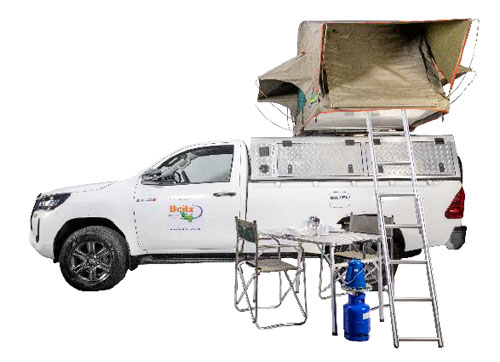
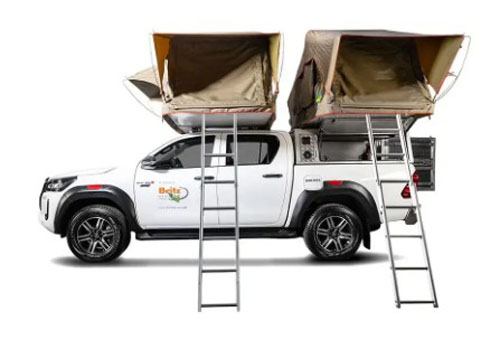
When choosing an RV for a Botswana safari, senior travelers seeking a balance of comfort and capability on varied road conditions will find a Class TC (Truck Camper) or a robust Class B (Camper Van) to be highly recommended options. Bandana's Truck Campers, averaging 5.5 meters in length and comfortably sleeping 2-4 adults, offer superior ground clearance and robust construction ideal for navigating gravel and sandy tracks, providing a compact yet self-sufficient base for exploration. Class B Camper Vans, with an average length of 5.8 meters and sleeping 2-4 adults, provide excellent maneuverability and are often available with 4x4 capabilities, which are invaluable for deeper exploration into national parks and more remote areas. While larger options like Class SI (Semi-integrated, avg. 6.9m) or Class C (Alcove, avg. 7.5m) offer more interior space and amenities, their increased length and weight can present challenges on particularly narrow or very soft sandy tracks within game reserves, making the smaller, more agile options generally more practical for seniors venturing off the beaten path.
Should I Choose a Compact Van Instead of a Large RV in Botswana?
The decision between a compact van and a larger RV for senior travel in Botswana ultimately hinges on your priorities regarding comfort versus maneuverability on specific routes. Larger RVs, such as semi-integrated or alcove models, typically offer significantly more interior living space, greater storage capacity, and enhanced amenities (e.g., larger kitchens, separate shower and toilet facilities), which can greatly enhance comfort on extended trips. Botswana's main roads and larger national park tracks generally accommodate their size well. A compact van (Class B Camper Van), particularly a 4x4 variant, genuinely offers advantages in situations demanding greater agility, such as navigating very narrow tracks, deep sand, or crossing smaller riverbeds. However, for many senior travelers prioritizing comfort, ease of access, and sufficient indoor space for an extended journey, the benefits of a larger RV often outweigh the minor maneuverability trade-offs on Botswana's predominantly wide roads, provided specific deeply off-road routes are planned carefully and the appropriate vehicle class is selected.
Can I Park Anywhere? Free & Wild Camping Rules in Botswana
Understanding camping regulations is vital for a smooth RV trip in Botswana. Free or wild camping is generally prohibited, particularly within national parks, game reserves, and designated wilderness areas, to ensure environmental protection and visitor safety. Overnight RV stays are strictly limited to official campsites, which are typically well-equipped with essential facilities and are mandatory for travelers within protected areas and along popular tourist routes. It is crucial to book campsites in advance, especially for highly sought-after locations within parks like Moremi or Chobe, as availability is limited and unauthorized overnight parking is strictly not permitted. While rules can vary slightly by region and specific conservancy, always check local regulations and adhere strictly to local laws before attempting to park overnight, prioritizing designated camping areas for a safe, responsible, and enjoyable experience.
Can I Drive an RV Into the City Center? Heights, Tunnels & Local Signage
Navigating Botswana's urban centers with an RV is generally quite manageable. Yes, you can typically drive an RV into city centers in Botswana, such as Gaborone or Maun, as these urban areas are characterized by relatively wide roads and are not typically constrained by the low bridges or narrow streets found in older European cities. While driving in any city center, it is always important to pay close attention to local signage, particularly for any occasional height restrictions that might apply to covered parking garages or specific underpasses, though these are uncommon for general road travel in Botswana. Botswana's urban landscapes often provide ample parking opportunities, making RV navigation and parking considerably less challenging than in highly congested international metropolises. Furthermore, environmental zones are not typically a feature of Botswana's city centers; however, it is important to remember that strict environmental and vehicle regulations are rigorously enforced within national parks and designated wildlife protection areas.
What are the best RV routes and road conditions in Botswana beyond major parks?
Beyond the well-trodden paths to the Okavango Delta, Moremi, and Chobe National Park, seniors seeking detailed logistics for RV travel in Botswana should consider regional explorations that offer unique wilderness experiences but demand meticulous planning. Routes like the one from Khama Rhino Sanctuary to the Central Kalahari Game Reserve present such opportunities, requiring precise attention to fuel, water, and reliable satellite phone coverage due to the scarcity of amenities. Real-time road conditions for these lesser-known paths, especially during the rainy season (typically November to April), are highly variable and necessitate local inquiry or reliance on a robust satellite communication device, as cellular service is largely unavailable outside of major towns. Alternative scenic routes might include exploring the remote areas along the Okavango Panhandle or traversing the vast Makgadikgadi Pans, but these require thorough pre-trip preparation including advanced navigation tools, extensive emergency supplies, and a 4x4 capable RV. It's essential to remember that fuel and water availability points become increasingly scarce and unpredictable away from Botswana's main hubs; travelers must ensure full tanks and ample water reserves before venturing into areas like the Central Kalahari, Nxai Pan, or other remote western regions. Detailed information on these lesser-traveled routes, including potential detours or seasonal closures, is often best obtained from local tourism boards or experienced RV operators specializing in Botswana.
What specific RV practicalities do I need to manage in remote Botswana?
Managing practicalities in remote Botswana requires careful attention to detail for RV travelers. Waste management, specifically grey and black water, in remote Botswana requires strict adherence to designated dump points at official campsites or responsible disposal in approved facilities; never dispose of waste in the bush to protect the fragile ecosystem. Comprehensive solar and power solutions are critical; ensure your RV's auxiliary battery system is robust and consider portable solar panels or a generator, as electrical hookups are rare to non-existent in many wilderness campsites. Internet and cell service limitations are a significant reality; a satellite phone is highly recommended for emergency communication, while local SIM cards (from providers like Mascom or Orange Botswana) will offer patchy service only near populated areas and major roads. It's also important to familiarize yourself with the locations of local mechanics and where to find specialized RV supplies in larger towns like Maun, Kasane, or Gaborone, as remote breakdowns can be challenging and carrying essential spare parts (e.g., fuses, belts, a tire repair kit) is vital. For practical laundry solutions in remote areas, primary methods involve hand-washing and line-drying, or utilizing laundry services that may be available at larger lodges or some designated campsites if you opt for overnight stays there.
What advanced preparations and skills are essential for an RV safari in Botswana?
Embarking on an RV safari in Botswana calls for advanced preparations beyond standard travel checklists. Consider vehicle modifications often offered by specialized rental companies, such as enhanced suspension, a snorkel for water crossings, and robust all-terrain tires, which are crucial for navigating Botswana's challenging roads. A comprehensive medical kit tailored for remote travel is essential, including prescription anti-malarials, rehydration salts, strong antihistamines, broad-spectrum antibiotics, a snake bite kit, and thorough wound care supplies, alongside all personal medications. Comparing communication devices is crucial; while a satellite phone is a non-negotiable for emergencies, a high-frequency (HF) radio might be valuable for connecting with lodge networks in deep wilderness areas for routine check-ins, if provided or rented. Mastering essential self-recovery techniques for sand or mud—such as correct tire deflation and inflation, effective use of recovery boards (sand ladders), and proper winching procedures—are vital skills that senior travelers should either learn pre-trip or ensure their rental partner provides practical training and support for. Finally, pre-trip familiarization with basic vehicle mechanics, like identifying common engine sounds or confidently changing a tire, coupled with detailed emergency procedures provided by the rental company, can significantly boost confidence and capability in challenging situations.
How much does an RV trip to Botswana cost, including all expenses?
A comprehensive budget for an RV trip to Botswana should meticulously extend beyond just the RV rental and park fees, breaking down daily expenses by category to provide a realistic financial overview for senior travelers. Typical daily costs encompass fuel, which can range from 8–17 Liters/100 km depending on RV class, terrain, and current local pump prices, plus food and campsite fees, with self-catering offering significant savings but fresh produce potentially being expensive in remote areas. Campsite fees can range from $20–$100+ USD per night depending on location, facilities, and seasonality. Activity costs, such as guided game drives, mokoro trips in the Delta, scenic flights, or cultural village tours, are additional expenses that can substantially impact the overall budget, potentially adding $50–$200+ USD per person per activity. It is prudent to allocate an emergency buffer, typically 10–15% of the total budget, for unforeseen circumstances such as unexpected vehicle repairs or medical needs, as services can be costly and remote. For a two-week RV trip for two senior travelers, a realistic total budget could range from $3,500 to $8,000+ USD, varying substantially based on the chosen RV class, desired level of luxury, and the scope and frequency of activities.
How should seniors react to specific wildlife encounters in Botswana?
Encountering Botswana's incredible wildlife requires a calm and informed approach, prioritizing safety above all else. During any wildlife encounter, senior RV travelers must remain inside the vehicle at all times, maintaining a respectful distance and never disturbing animals, especially large game like elephants, lions, buffalo, or rhino. If an elephant displays signs of agitation or initiates a mock charge, remain calm, stop the vehicle, turn off the engine, and avoid sudden movements; give the elephant ample space and allow it to move off on its own, as most charges are merely warnings. When hyenas or other predators are active around your campsite at night, ensure all food is securely stored inside the RV, all waste is properly disposed of in animal-proof bins, and absolutely never feed any wildlife. It's also beneficial to familiarize yourself with basic snake identification—understanding the differences between highly venomous and less dangerous species common to the region—and always wear closed shoes when outside the RV, particularly after dark or when walking through tall grass. Understanding local animal habits, such as typical feeding times, watering holes, and common behaviors (e.g., when predators are most active), can not only enhance safety but also greatly enrich the wildlife viewing experience.
What is the step-by-step experience for border crossings when RVing in Botswana?
The step-by-step border crossing experience when RVing into Botswana typically involves presenting passports and any required visas at the immigration counter first, followed by proceeding to the customs counter for vehicle registration and payment of road user charges and potentially a carbon tax. Essential documentation beyond passports and visas often includes the RV's original registration papers, a letter of authorization from the rental company granting permission for cross-border travel, and proof of valid third-party insurance, all meticulously organized and readily accessible. Common pitfalls at border crossings can include lengthy queues, especially during peak holiday seasons, and potential delays if documentation is incomplete or not presented clearly; always allocate ample time for these formalities. While generally safe, be wary of informal 'helpers' or individuals offering to expedite services outside official channels; always deal directly with uniformed officials within the designated government offices. To ensure a smooth passage, have all necessary documents neatly organized, maintain patience and politeness with border officials, and be prepared to declare any restricted items (e.g., certain foods, alcohol limits) if applicable.
MAre there RV rental options tailored for senior travelers in Botswana?
While specific 'senior-tailored' RV models are not a standard offering across the board, many reputable rental companies in Botswana provide a diverse range of RVs that are highly suitable for senior travelers, prioritizing features that enhance ease of use, comfort, and overall safety. When choosing an RV, seniors should look for models equipped with automatic transmissions, power steering, lower entry steps for easier access, comfortable mattresses for better rest, ample storage solutions, and well-designed, easily accessible kitchens and bathrooms. Leading rental providers often offer comprehensive pre-departure briefings covering vehicle operation, local driving conditions, and emergency protocols, which are particularly beneficial for seniors, alongside providing reliable 24/7 roadside assistance. Consider rental packages that include essential safari and camping gear such as sturdy outdoor chairs, tables, and necessary recovery equipment, minimizing the need to source these items independently. Prioritizing rental companies known for their well-maintained fleets, transparent terms, and excellent customer service is key to ensuring peace of mind and support throughout your RV journey in Botswana.
How can I ensure cultural immersion and responsible travel in Botswana's local communities?
To foster genuine cultural immersion and responsible travel in Botswana, seniors should actively seek opportunities for authentic engagement with local communities beyond formal tourist excursions. This can include visiting local craft markets to support artisans directly, participating in community-based tourism initiatives that benefit local residents, or attending local festivals if your travel dates align. Deeper insights into respectful engagement involve learning a few basic Setswana greeting phrases, understanding local customs regarding personal space and photography, and dressing modestly when visiting villages or traditional areas. Participating in cultural activities could involve visiting an ethical San Bushman village (ensuring it's a genuine cultural experience and not exploitative), experiencing traditional storytelling sessions, or joining a local cooking class to learn about Botswana's rich culinary heritage. Genuine ways to contribute positively to local economies include purchasing handicrafts directly from artisans, dining at local, family-run eateries, and hiring local guides for activities rather than exclusively relying on international tour operators. Always remember to request permission before taking photos of individuals, respect their privacy, and be mindful of your environmental footprint by adhering to 'leave no trace' principles throughout your travels, particularly when interacting with local communities and their natural surroundings.
Final Thoughts
Embarking on an RV adventure in Botswana is an unparalleled way to experience the country's vast landscapes and incredible wildlife. For seniors, planning is key to ensuring a comfortable and memorable journey. By considering the recommended RV classes, understanding the road conditions, and preparing for the unique practicalities of remote travel, you can fully embrace the spirit of adventure.
We encourage you to explore the possibilities and let the magic of Botswana unfold around you. With the right preparation and the perfect rented RV, your journey through this magnificent country promises to be an experience of a lifetime. Get inspired for your next trip and discover top destinations and planning tips all in one place!
Discover top destinations, planning tips, all in one place! RV PLANET routes offer a fantastic way to visualize your trip and manage all associated costs. Start planning your unforgettable Botswana RV adventure today!
For ideas you can prep on the road, watch our RV-friendly recipes playlist on YouTube.