
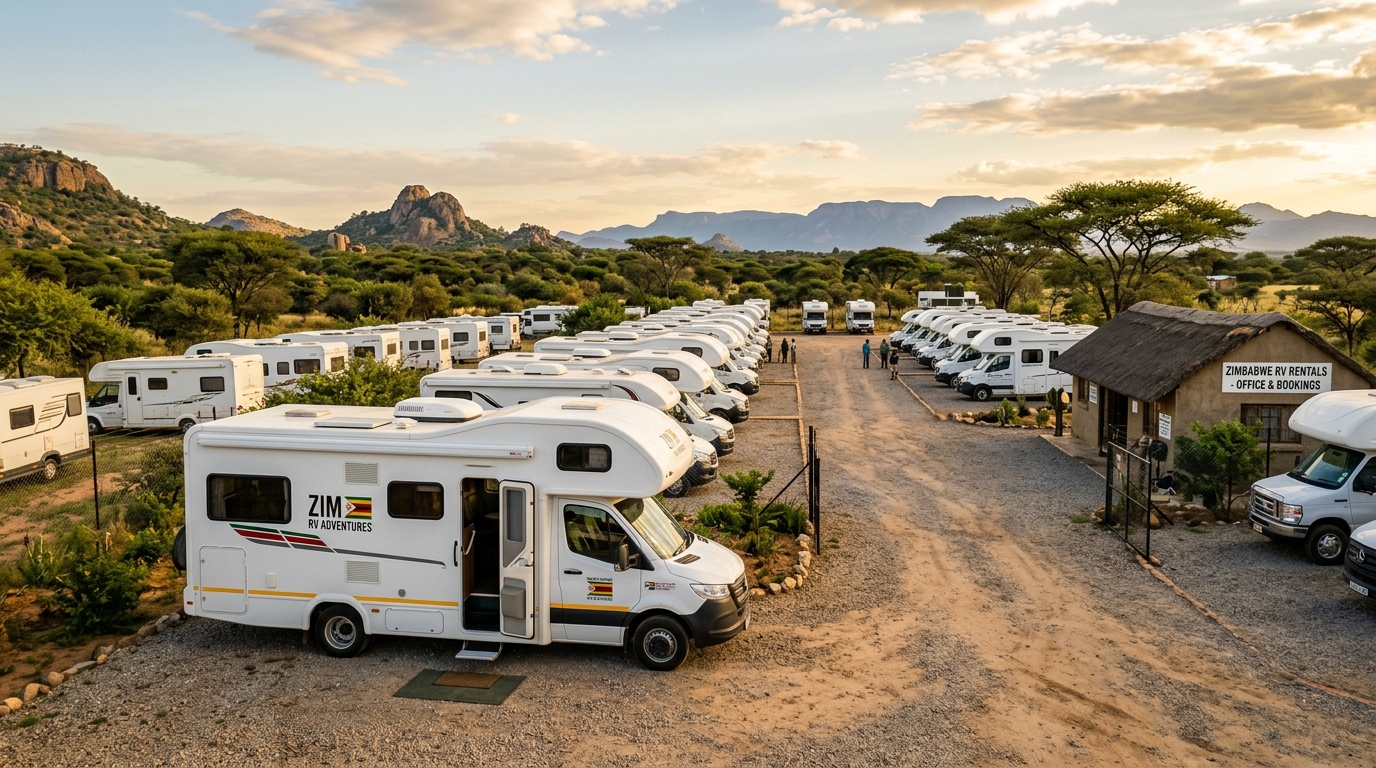
For live availability and current prices, start with our RV Rental Zimbabwe - Complete Guide 2026 guide.
In This Guide
- Can You Drive an RV in Zimbabwe? License & Age Rules
- Road Conditions & Terrain in Zimbabwe
- RV Size Limits, Bridges & Restricted Zones
- Fuel: Diesel vs. Petrol & Cost per 100 km
- Tolls, Vignettes & Border Rules
- Driving Tips for rv rental deals Travelers
- Recommended RV Class for Zimbabwe Roads
- Should I Choose a Compact Van Instead of a Large RV in Zimbabwe?
- Can I Park Anywhere? Free & Wild Camping Rules in Zimbabwe
- Can I Drive an RV Into the City Center? Heights, Tunnels & Local Signage
Can You Drive an RV in Zimbabwe? License & Age Rules
Yes, driving an RV in Zimbabwe is possible and a fantastic way to explore the country's diverse landscapes. For most rental RVs weighing up to 3,500 kg Gross Vehicle Mass (GVM), a standard car driver's license (Category B) is sufficient. However, larger RVs that exceed this GVM may require a higher license category, such as C1 or C, so it's crucial to verify your specific rental RV's GVM and ensure your license is appropriately endorsed.
The minimum age for renting an RV in Zimbabwe is generally 21 years, although the legal driving age in the country is 18. This means even younger drivers can rent an RV, provided they meet the rental company's age requirements. For international visitors, a valid national driving license is essential, and it should ideally be accompanied by an International Driving Permit (IDP) translated into English. Always ensure you carry both your original driving license and your IDP with you while driving in Zimbabwe, as they may be requested by authorities.
Road Conditions & Terrain in Zimbabwe
Navigating Zimbabwe by RV offers a rich tapestry of experiences, but understanding the road conditions and terrain is key. The major national routes are generally tarred and, while they can be prone to potholes, are typically in fair to good condition. This makes transit between major cities like Harare and Bulawayo manageable for most RVs.
However, venturing onto secondary, rural, or national park roads often means encountering gravel or dirt tracks. On these routes, expect to reduce your speed significantly and drive with extra caution. The landscape itself is varied, ranging from flat plains and bushveld typical of wildlife areas to the more mountainous terrain found in the Eastern Highlands, offering diverse and scenic drives for RV travelers.
A critical aspect of driving in Zimbabwe is maintaining vigilance. Livestock, pedestrians, and wildlife can appear on roads unexpectedly, particularly outside urban centers and during dawn and dusk. While navigating urban areas like Harare and Bulawayo is feasible, be prepared for significant traffic congestion during peak hours, which will necessitate careful planning for your RV's movements.
RV Size Limits, Bridges & Restricted Zones
For RV travelers in Zimbabwe, explicit height or weight restrictions for RVs are uncommon on the main national roads, meaning most standard RV sizes are generally suitable for transit. This flexibility allows for a wider range of motorhome choices to suit your adventure.
However, it is always essential to observe specific local signage, particularly for any marked bridge weight limits or height clearances, especially when venturing onto smaller, lesser-traveled routes or into more remote areas. Environmental zones primarily apply within national parks and protected areas, where specific vehicle types or access might be restricted to minimize environmental impact. Always ensure your RV's dimensions are compatible with any planned ferry crossings, particularly when traversing rivers or lakes.
When planning your routes, prioritize information that helps avoid extremely narrow or challenging tracks that might not accommodate larger RVs, ensuring a smoother and safer journey. For detailed route planning, consider using resources like RV PLANET routes to identify potential road constraints and available services along your chosen path.
Fuel: Diesel vs. Petrol & Cost per 100 km
The majority of rental RVs in Zimbabwe operate on diesel, which is widely available at service stations throughout the country, making fueling straightforward. Petrol availability might be less consistent in very remote regions compared to diesel, so it's wise to plan your fuel stops carefully, especially when embarking on extended journeys into less populated areas.
For estimation purposes, Bandana's global fleet averages indicate that Semi-integrated RVs typically consume around 10-11 Liters/100 km. Alcove RVs, often favored by families for their spaciousness, usually consume between 10-12 Liters/100 km, while more compact Camper Vans are more fuel-efficient, averaging around 8-10 Liters/100 km.
When budgeting, expect fuel costs to vary. As of 2026, you can anticipate paying approximately $1.50 - $2.00 USD per liter for diesel. This figure directly influences your cost per 100 km, so factor it into your daily expenses to ensure a comfortable travel budget. On the routes offered through RV PLANET routes, you can itemize and track every expense along the way for easy budgeting.
Tolls, Vignettes & Border Rules
When traveling through Zimbabwe in your rented RV, be prepared for a system of toll gates on major highways. Payments are typically accepted in USD or the local currency, and electronic payment options are becoming increasingly available for added convenience.
Cross-border travel is a common consideration for RV adventurers in Southern Africa. When journeying to or from neighboring countries like South Africa, Botswana, or Zambia, expect specific border fees. These often include a carbon tax, road access fees, and compulsory third-party insurance, which can add to your overall trip expenses. When traveling with a rental RV, the rental company typically manages temporary import permits and cross-border paperwork, but it's always best to confirm these details well in advance of your departure.
Driving Tips for rv rental deals Travelers
Embarking on an RV adventure in Zimbabwe offers unparalleled freedom, but adopting safe driving practices is crucial for a smooth and enjoyable experience. Here are some essential tips for RV travelers:
- Drive Defensively: Always anticipate varied road conditions, the presence of pedestrians, livestock, and especially wildlife, particularly outside urban centers. Maintain moderate speeds to allow for reaction time.
- Avoid Night Driving: Visibility is significantly reduced at night due to poor lighting, unmarked obstacles, and a high risk of wildlife encounters, making night driving particularly hazardous for larger vehicles like RVs.
- Plan for Wildlife: In wildlife-rich areas, maintain safe distances from animals, never feed them, and be prepared for sudden appearances on the road. A slow, observant approach is always best.
- Secure Parking: Always opt for secure, designated campsites or well-lit parking areas when overnighting, especially in unfamiliar or urban environments. This minimizes risks and ensures peace of mind.
- Respect Local Customs: Engage with local communities respectfully, consider supporting local markets, and be mindful of cultural etiquette as you travel. A friendly demeanor goes a long way in enriching your travel experience.
For those planning their itinerary, our guide to Cheap RV Rental in Zimbabwe - Budget Guide 2026 can offer insights into managing costs for a more budget-friendly trip.
Recommended RV Class for Zimbabwe Roads
Choosing the right RV class for your Zimbabwe adventure can significantly enhance your experience. For a good balance of comfort and maneuverability, suitable for Zimbabwe's main roads and national park access, **Class SI - Semi-integrated RVs** (averaging 6.9m in length) are a strong recommendation. These vehicles, like the Bandana rental examples such as the "2 Berth Tamar" or "2 Berth River", offer a comfortable living space without being overly cumbersome.
For families or those planning longer trips who require more sleeping capacity (up to 5.8 places on average for this class) and extensive living space, **Class C - Alcove RVs** (averaging 7.5m in length) are an excellent choice. Models like the "24' Class C Motorhome" or "4 Berth Henty" from Bandana's fleet are still manageable on most major routes. Both Class SI and Class C RVs generally offer sufficient ground clearance for the typical gravel roads encountered in many tourist and safari areas.
If agility and fuel efficiency are your top priorities, especially for smaller groups or solo travelers, a **Class B - Camper Van** (averaging 5.8m in length) is an excellent option. These compact vehicles, similar to Bandana's "HiTop Campervan" or "Active Classic" models, are fantastic for navigating diverse terrain with ease. Ultimately, the best RV class depends on your group size, comfort preferences, and the specific regions of Zimbabwe you intend to explore.
Should I Choose a Compact Van Instead of a Large RV in Zimbabwe?
The decision between a compact van and a larger RV for your Zimbabwe trip involves weighing different priorities. While compact vans, such as Class B Camper Vans, offer slightly better maneuverability and fuel efficiency on rougher tracks, larger RVs often provide superior comfort, amenities, and living space, which are crucial for extended trips in Zimbabwe.
Compact vans are ideal for solo travelers or couples who prioritize agility, easier parking in tighter spots, and potentially accessing more remote locations. They are akin to Bandana's "City Adventure 4x4" or "Active Compact Select" models, offering a nimble travel solution. In contrast, larger RVs, like Semi-integrated or Alcove classes, provide full kitchens, bathrooms, and more spacious living areas, significantly enhancing the overall travel experience, especially for families or longer journeys.
Given that Zimbabwe's main road network generally accommodates larger RVs without significant issues, comfort often becomes a more critical factor than extreme maneuverability. Consider your travel style, trip duration, group size, and desired level of self-sufficiency when making this important choice.
Can I Park Anywhere? Free & Wild Camping Rules in Zimbabwe
For RV travelers in Zimbabwe, understanding parking regulations is key. Wild camping is generally restricted or discouraged, particularly within national parks, game reserves, or other protected areas, due to safety and environmental regulations. This means that established and designated campsites offer the safest and most legal option for overnight stays, differing significantly from informal wild camping practices common in some other destinations.
Legal alternatives for overnight stays include private lodges that offer camping facilities, public campsites equipped with amenities, and pre-booked sites within national parks. Safety concerns, including potential wildlife encounters and security risks, make unauthorized wild camping highly inadvisable. Always prioritize your safety and adhere strictly to local regulations, which are designed to protect both visitors and Zimbabwe's natural environment.
To ensure a legal and safe overnight parking experience, always secure the necessary permits or book your campsite in advance, especially during peak travel seasons. For finding available spots, resources like RV PLANET routes can assist in locating designated camping areas along your journey.
Can I Drive an RV Into the City Center? Heights, Tunnels & Local Signage
Yes, RVs can generally be driven into city centers in Zimbabwe, including major hubs like Harare and Bulawayo. However, drivers should remain mindful of local traffic conditions and potential parking challenges, which are common in any urban environment.
While tunnels and low bridges that pose significant height restrictions are uncommon for standard RVs in Zimbabwean cities, it's always prudent to pay close attention to local signage for any specific limits that might be posted. Finding suitable parking for larger RVs in central business districts can be challenging; prioritizing larger, secure parking lots or designated areas is a wise strategy.
Be prepared for potentially heavy traffic during peak hours, particularly in Harare, and plan your entry and exit routes accordingly. Driving at night within city centers is generally considered safer than in rural areas, but it still requires vigilance due to varying road conditions and pedestrian activity.
What You Shouldn't Miss
- Victoria Falls: Witness one of the world's largest waterfalls, a truly awe-inspiring natural wonder accessible by RV.
- Hwange National Park: Embark on a self-drive safari in your RV through this renowned park, famous for its large elephant populations and diverse wildlife, keeping a keen eye on the A8 highway for wildlife crossings.
- Matobo National Park: Explore ancient rock formations and a rich cultural heritage, including the Matopos rock art sites and the resting place of Cecil Rhodes, accessible with an RV.
- Eastern Highlands (Nyanga, Vumba, Chimanimani): Drive your RV through scenic mountain passes, visit tea plantations, and enjoy cooler climes in this picturesque region.
- Great Zimbabwe Ruins: Discover the impressive stone ruins of a medieval city, a UNESCO World Heritage site, offering a glimpse into Zimbabwe's past.
- Mana Pools National Park: Experience the unique opportunity for walking safaris and wildlife viewing at eye-level from primary camping areas, with capable RVs providing a comfortable base.
Final Thoughts
Renting an RV in Zimbabwe is an incredible way to experience the country's wild beauty and vibrant culture at your own pace. From navigating scenic routes to encountering incredible wildlife, the journey promises unforgettable memories.
Remember to plan ahead, stay informed about local road conditions, and embrace the spirit of adventure. With the right preparation and a sense of exploration, your Zimbabwean RV road trip will undoubtedly be a highlight of your travels.
Discover top destinations and planning tips all in one place! Get inspired for your next trip by exploring the possibilities with Bandana Caravan.
