In This Guide
- Can You Drive an RV in Vancouver? License & Age Rules
- Road Conditions & Terrain in Vancouver
- RV Size Limits, Bridges & Restricted Zones
- Fuel: Diesel vs. Petrol & Cost per 100 km
- Tolls, Vignettes & Border Rules
- Driving Tips for RV Rental Deals Travelers
- Recommended RV Class for Vancouver Roads
- Should I Choose a Compact Van Instead of a Large RV in Vancouver?
- Can I Park Anywhere? Free & Wild Camping Rules in Vancouver
- Can I Drive an RV Into the City Center? Heights, Tunnels & Local Signage
- Do you need a license to drive an RV in Canada?
- What is the 3-3-3 rule for RV?
- What is the 4-4-4 rule for RVing?
- Do you have to get a license for renting an RV?
- How much does it cost to rent an RV in Vancouver?
- Can you rent an RV to drive across Canada?
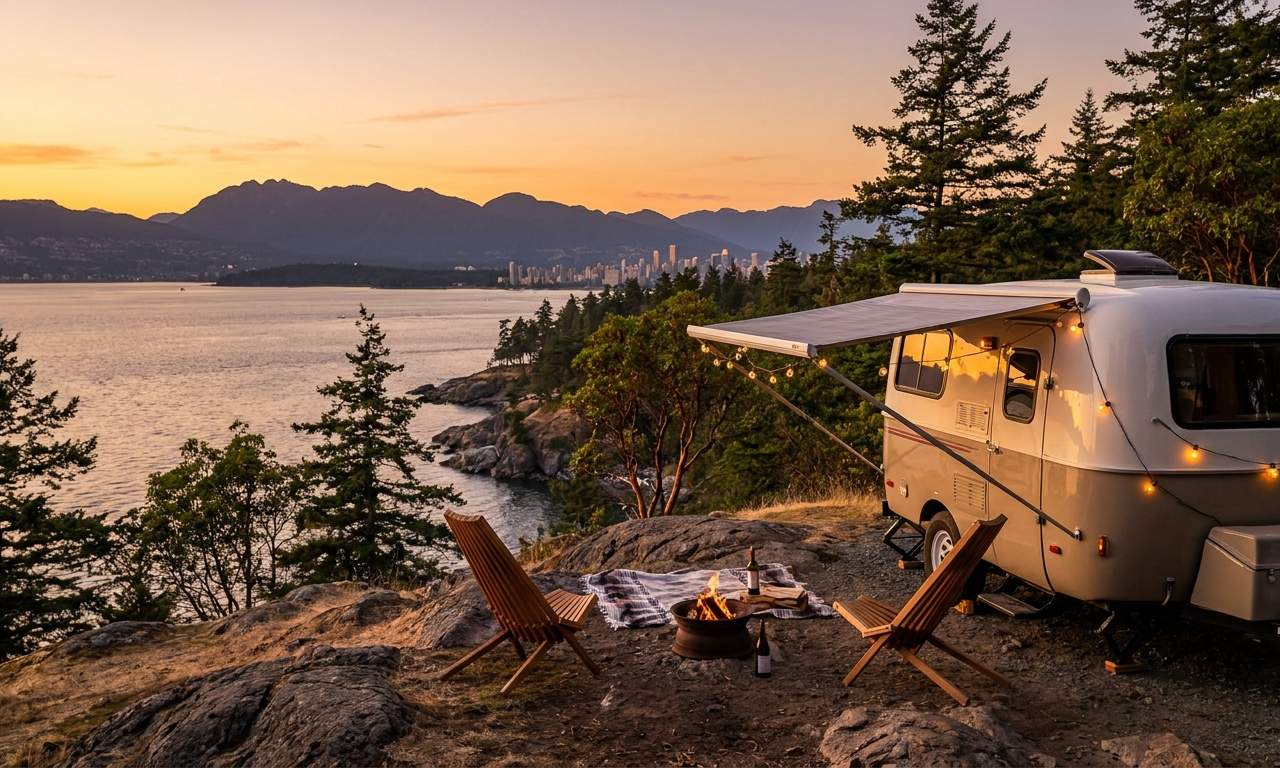
- Where can I park my RV overnight in Vancouver?
- Is it easy to drive an RV in Canada?
- What do you need to rent an RV in Canada?
Exploring Vancouver and the breathtaking landscapes of British Columbia in a rented RV offers unparalleled freedom and adventure. Whether you're planning a week-long trip along the coast or an extended journey through the Rockies, understanding the driving specifics in and around Vancouver is key to a smooth and enjoyable experience. For live availability and current prices, start with our RV Rental Vancouver - Complete Guide 2026 guide.
Can You Drive an RV in Vancouver? License & Age Rules
Yes, you can absolutely drive an RV in Vancouver, and for most rental motorhomes, a standard car driver's license is sufficient. In British Columbia, this typically means a Class 5 (or equivalent) license is all you need for RVs under 11,000 kg Gross Vehicle Weight Rating (GVWR).
For those considering a rented Class A motorhome or a larger Class C model, rest assured that no special license, CDL, or additional permits are required as long as the vehicle falls within the standard weight limits. Minimum driver age for Bandana RV rentals is 21, and we believe in transparent pricing with no young driver surcharges to surprise you later. Foreign drivers should carry their valid license, and an International Driving Permit (IDP) is recommended for visitors from non-English-speaking countries, although not mandatory in most cases.
Road Conditions & Terrain in Vancouver
Vancouver features well-maintained urban roads and highways, yet also presents diverse terrain ranging from flat cityscapes to mountainous passes just outside the immediate urban core. Expect city traffic congestion, especially during peak hours on major routes like the Trans-Canada Highway (Highway 1) near Burnaby and Coquitlam, or around downtown Vancouver.
When you venture beyond the city, into areas like the Sea-to-Sky corridor towards Whistler or into the Fraser Valley, be prepared for winding roads and elevation changes. The beauty of a rented motorhome is that it allows you to travel at your own pace, soaking in the diverse landscapes of British Columbia. Drive slowly and carefully, and you can drive almost anywhere without issues. No need to stress - just use common sense and pay attention to road signs, especially when navigating mountain passes or potential gravel sections.
RV Size Limits, Bridges & Restricted Zones
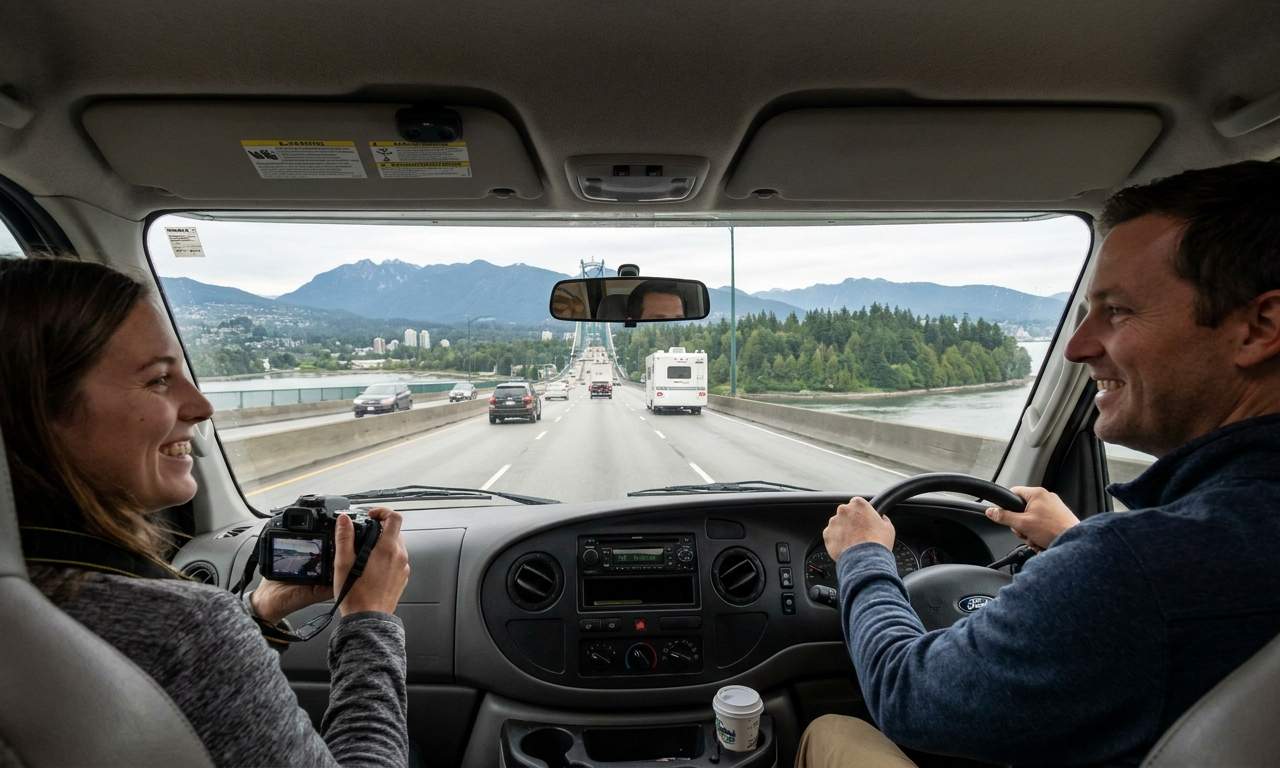
RV drivers in Vancouver should always be aware of height and weight restrictions, particularly for older bridges and underground parkades. For example, the Lions Gate Bridge, a notable landmark, has a 4.15m (13.5 ft) clearance, while the George Massey Tunnel on Highway 99 to the south has a 4.3m (14.1 ft) clearance.
BC Ferries, offering scenic routes to Vancouver Island and the Gulf Islands from terminals like Tsawwassen and Horseshoe Bay, readily accommodate RVs. However, booking your ferry passage in advance is highly recommended due to high demand, especially during peak season, and to manage potential extra fees based on your rented RV's length. There are no specific environmental zones that restrict RVs in Vancouver, but local bylaws on parking and idling certainly apply, and these should always be respected for a hassle-free trip.
Fuel: Diesel vs. Petrol & Cost per 100 km
Many of Bandana RV's motorhome and campervan rental fleets are diesel-powered, offering efficient travel across Canada. Average fuel consumption for our global fleet ranges from 8-10 Liters/100 km for compact Class B Camper Vans (like the "Active Classic" with an automatic transmission) to 12-17 Liters/100 km for larger Class A or C motorhomes.
Both diesel and petrol (gasoline) are widely available at gas stations across Vancouver and throughout British Columbia. It's wise to budget for fuel costs, as they can be a significant part of your RV trip expenses. You can plan your fuel stops along your route and keep track of all potential ancillary costs on RV PLANET routes, ensuring full transparency in your adventure budget. Remember that fuel prices are dynamic and fluctuate based on global markets and local taxes. On the routes offered through RV PLANET routes, you can itemize and track every expense along the way for easy budgeting.
Tolls, Vignettes & Border Rules
Canada generally does not use vignettes, and tolls are rare, primarily found on specific bridges or highways near major urban centers, such as the Port Mann Bridge and Golden Ears Bridge near Vancouver. These are cashless tolls, requiring online payment or a pre-registered transponder.
When planning an extended trip that crosses the Canadian-USA border, particularly into Washington state, be prepared for standard border crossing procedures. This includes passport checks for all occupants and proper vehicle documentation for your rented RV. Familiarize yourself with customs regulations regarding items like food, alcohol, and pets to ensure a smooth transition. Our partners provide all necessary vehicle documents for border crossings. Always check with your rental supplier for any specific cross-border travel requirements.
Driving Tips for RV Rental Deals Travelers
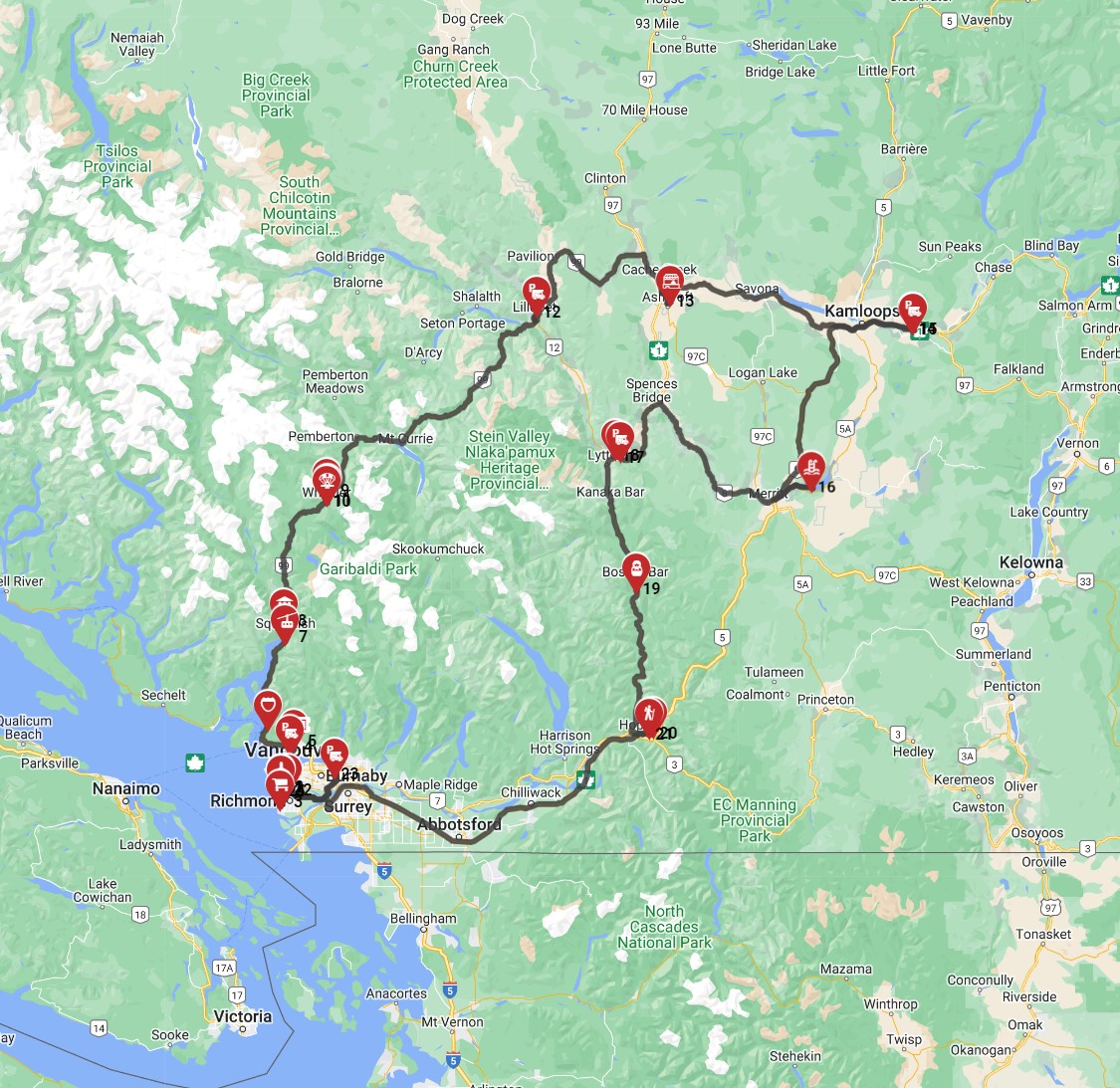
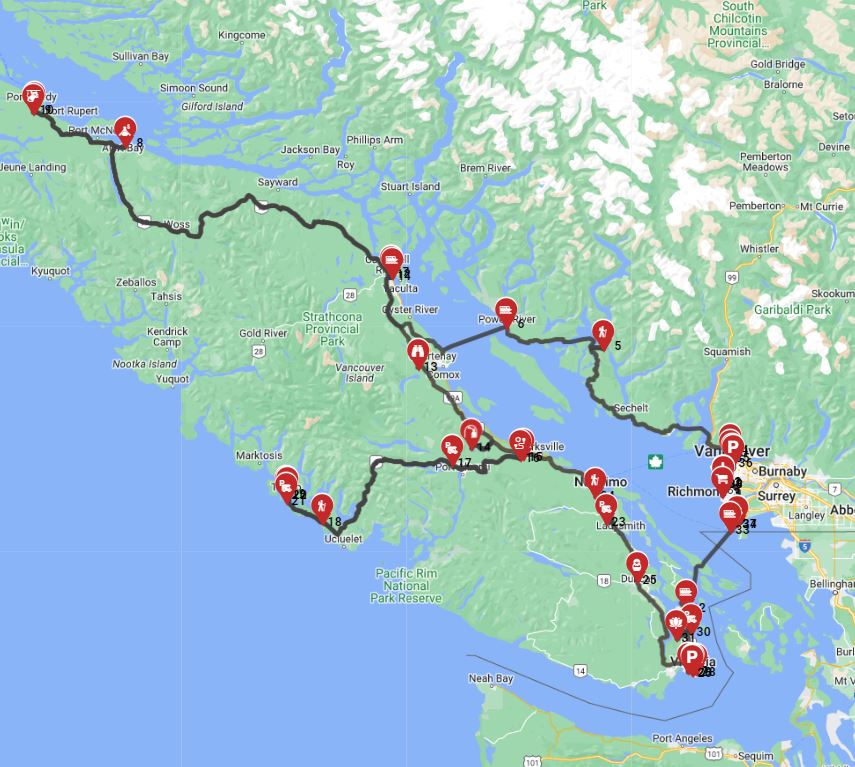
Planning your route in advance, especially in urban areas of Vancouver and through the stunning mountain passes, is highly recommended to account for your RV's size and navigating unfamiliar roads. Use tools like RV PLANET (rvplan.net) to create detailed itineraries.
Take frequent breaks, particularly when traveling with family, to avoid driver fatigue and keep everyone refreshed. Many travelers find the "3-3-3 guideline" helpful: drive no more than 300 miles (or roughly 480 km) per day, arrive at your campground by 3 PM, and stay at least 3 nights in one location to truly experience the destination. Pre-pay any tolls online or inquire with your rental company about transponder options to avoid unexpected fines. Be especially mindful of wildlife, such as deer and bears, outside urban areas, following speed limits and exercising caution at dusk and dawn. Most modern rental RVs offer automatic transmission, making them easier to drive even for those new to motorhome travel.
Recommended RV Class for Vancouver Roads
For a balance of comfort and maneuverability in Vancouver and the surrounding British Columbia areas, a Class B Camper Van or a Class SI Semi-integrated RV is often recommended, especially for couples or small families.
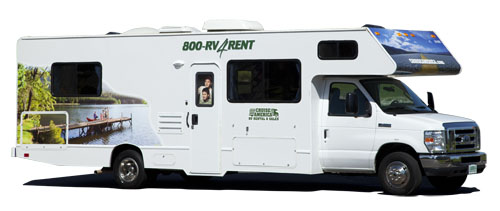
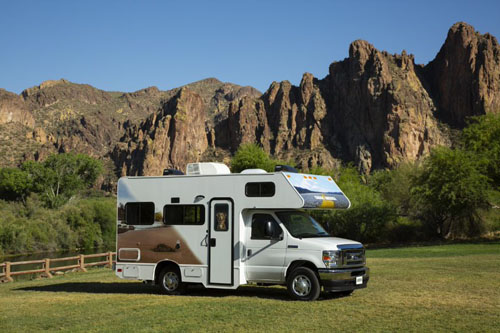
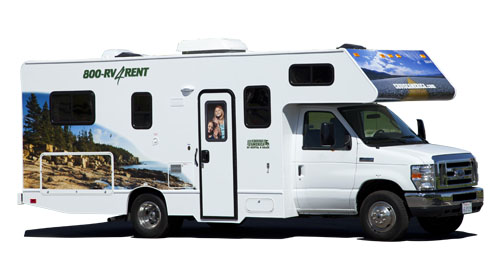
Class B Camper Vans, with an average length of 5.8m (e.g., "Active Classic" or "2 Berth Hi Top" models), offer easy parking and urban navigation, ideal for city exploration or accessing smaller provincial parks. Class SI Semi-integrated RVs, averaging 6.9m (e.g., "2 Berth Rover" or "Active Compact Select"), provide more living space, a separate shower and toilet (like the "luxury rv rentals example Carthago Malibu 600"), and amenities while remaining manageable on most roads. Larger Class C Alcove (7.5m average, such as a "Conquest" or "4 Berth Deluxe") or Class A Integrated (7.5m average, like "Elnagh Baron 579") motorhomes are perfectly suitable for longer trips with more occupants, providing ample space (some feature a "3 double beds" layout), but require more careful navigation in tight city centers and attention to clearance heights.
Should I Choose a Compact Van Instead of a Large RV in Vancouver?
For general travel in and around Vancouver and British Columbia, there is usually no significant issue driving any standard RV size, as roads are well-maintained. A compact campervan, like a "Happy 1" or "Endeavour Camper" (typically 5-6 meters long), is advantageous for navigating very tight city streets, finding parking in crowded areas near tourist attractions like Gastown or Stanley Park, or accessing smaller, less developed campsites where space is limited.
However, larger motorhomes, such as a 6-berth Class C "Euro Deluxe" or a spacious Class A "Exclusive First," offer considerably more indoor space, amenities, and overall comfort, which often outweighs minor maneuverability trade-offs for many travelers. Consider a compact van if urban exploration and extreme flexibility are your top priorities for your Vancouver RV driving deals adventure; otherwise, a larger RV provides a more comfortable travel and living experience for families and groups. Remember, our platform offers full transparency on vehicle dimensions to help you choose wisely.
Can I Park Anywhere? Free & Wild Camping Rules in Vancouver
Wild camping or boondocking is generally prohibited on public lands within Vancouver city limits and many developed areas of British Columbia without specific permits or in designated areas. Provincial Parks typically require reservations, especially during peak season, and do not allow spontaneous overnight parking outside designated sites.
Overnight street parking for RVs is typically against Vancouver municipal bylaws, and improper parking can result in fines or towing, particularly in residential zones or busy commercial districts. For comfortable and legal overnight stays, utilize private RV parks, local campgrounds such as Burnaby Cariboo RV Park or Fort Langley National Historic Site, or private land with explicit owner permission. Rules for overnight parking vary by municipality across British Columbia, so it's always best to check local regulations and follow local law before settling in for the night to avoid surprises. RV PLANET (rvplan.net) is a great resource for finding campsites and campgrounds during your trip.
Can I Drive an RV Into the City Center? Heights, Tunnels & Local Signage
Yes, you can generally drive a rented RV into Vancouver's city center, but careful attention to signage is crucial for safe navigation. Be highly aware of height limits for underground parkades and some older underpasses, as many are too low for typical motorhomes; for instance, the Lions Gate Bridge has a 4.15m (13.5 ft) clearance.
Street parking in downtown Vancouver is limited and often restricted for RVs, so plan to park at designated RV-friendly lots or outside the core and use public transport. Watch diligently for local signage regarding lane restrictions, residential parking bylaws, and any temporary road closures that might impact your route or parking choices. Driving slowly and carefully, and using common sense while paying attention, will ensure you can navigate Vancouver's city streets without issues in your RV rental.
Do you need a license to drive an RV in Canada?
Most standard RVs in Canada, including Class B campervans, Class C motorhomes (like the "MHC24" or "CA-25"), and smaller Class A models, can be driven with a regular Class 5 (or equivalent provincial) driver's license. A special license is only required if the Gross Vehicle Weight Rating (GVWR) of the RV exceeds 11,000 kg (approximately 24,250 lbs), or if it is equipped with air brakes.
Given that most Bandana RV rentals fall well within the standard license requirements, travelers aged 21 and over (our minimum rental age) will typically have no issue. Always confirm the specific licensing requirements for the RV you intend to rent with the rental provider and your local motor vehicle branch to ensure complete compliance.
What is the 3-3-3 rule for RV?
The 3-3-3 rule for RV travel is a widely recommended guideline for safe and enjoyable trips, suggesting driving no more than 300 miles (or approximately 480 kilometers for Canada) per day. This pace allows for relaxed travel and ample opportunities for sightseeing without rushing.
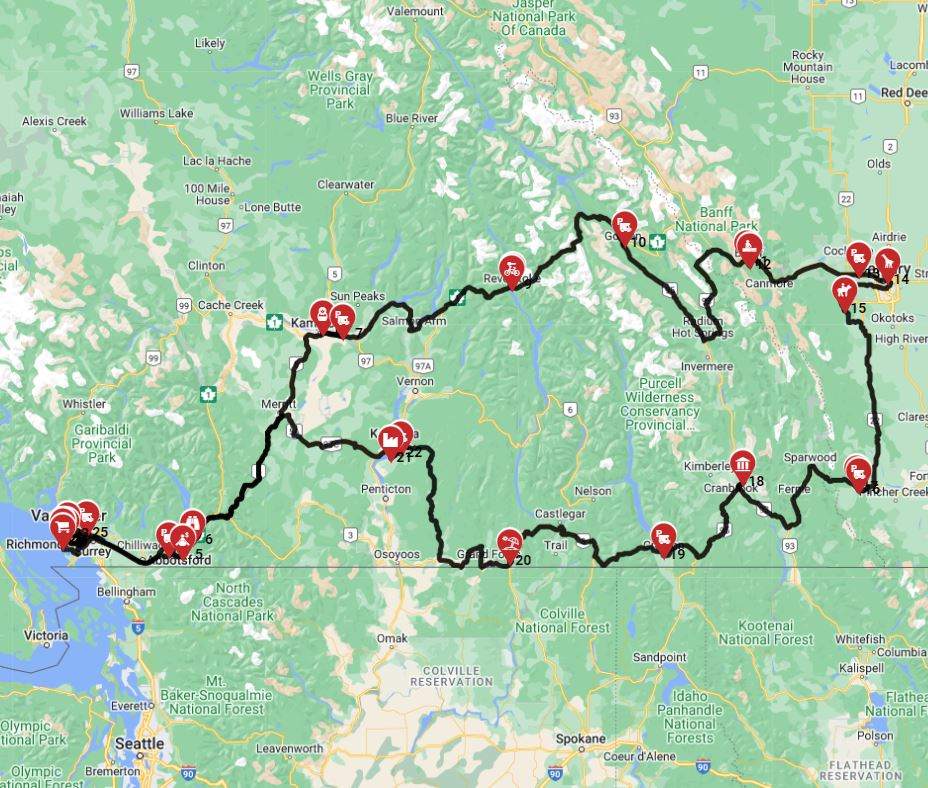
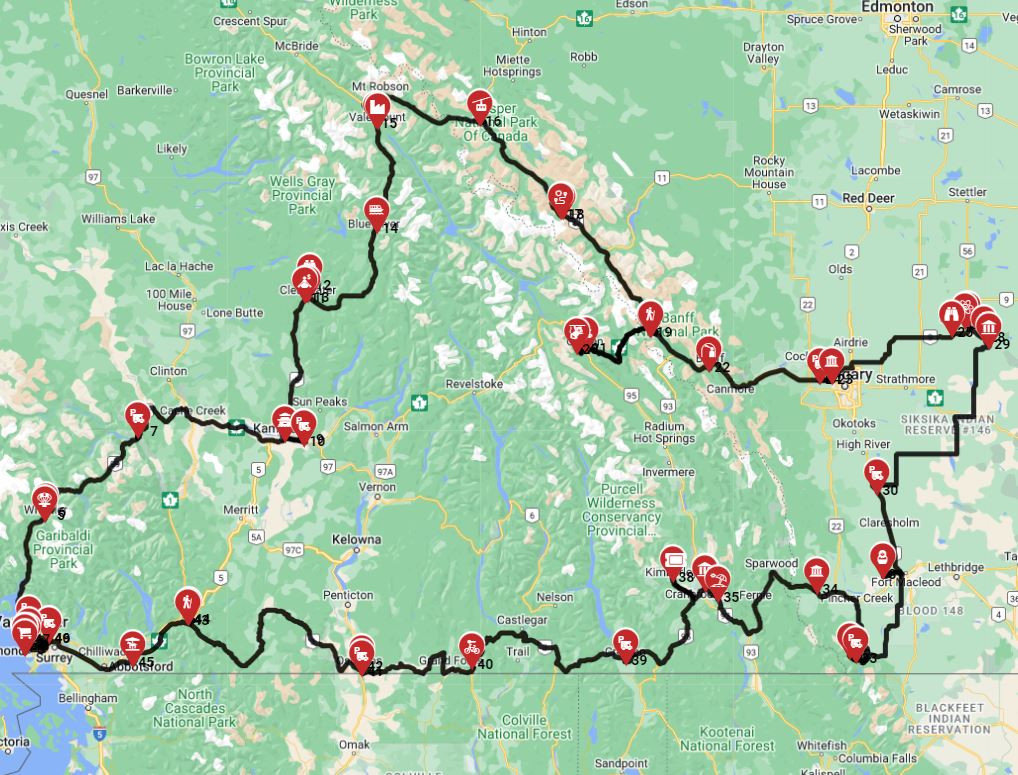
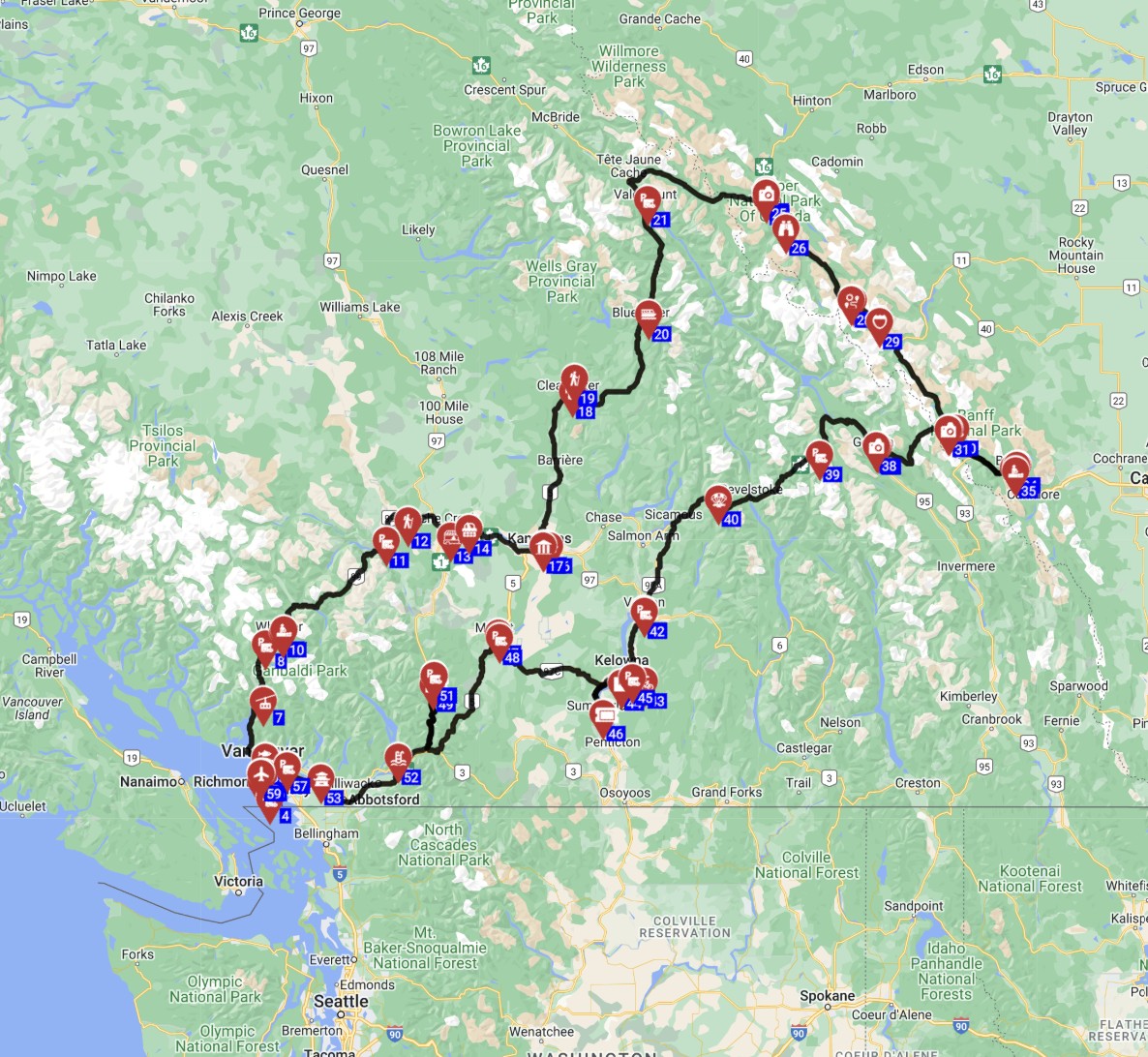
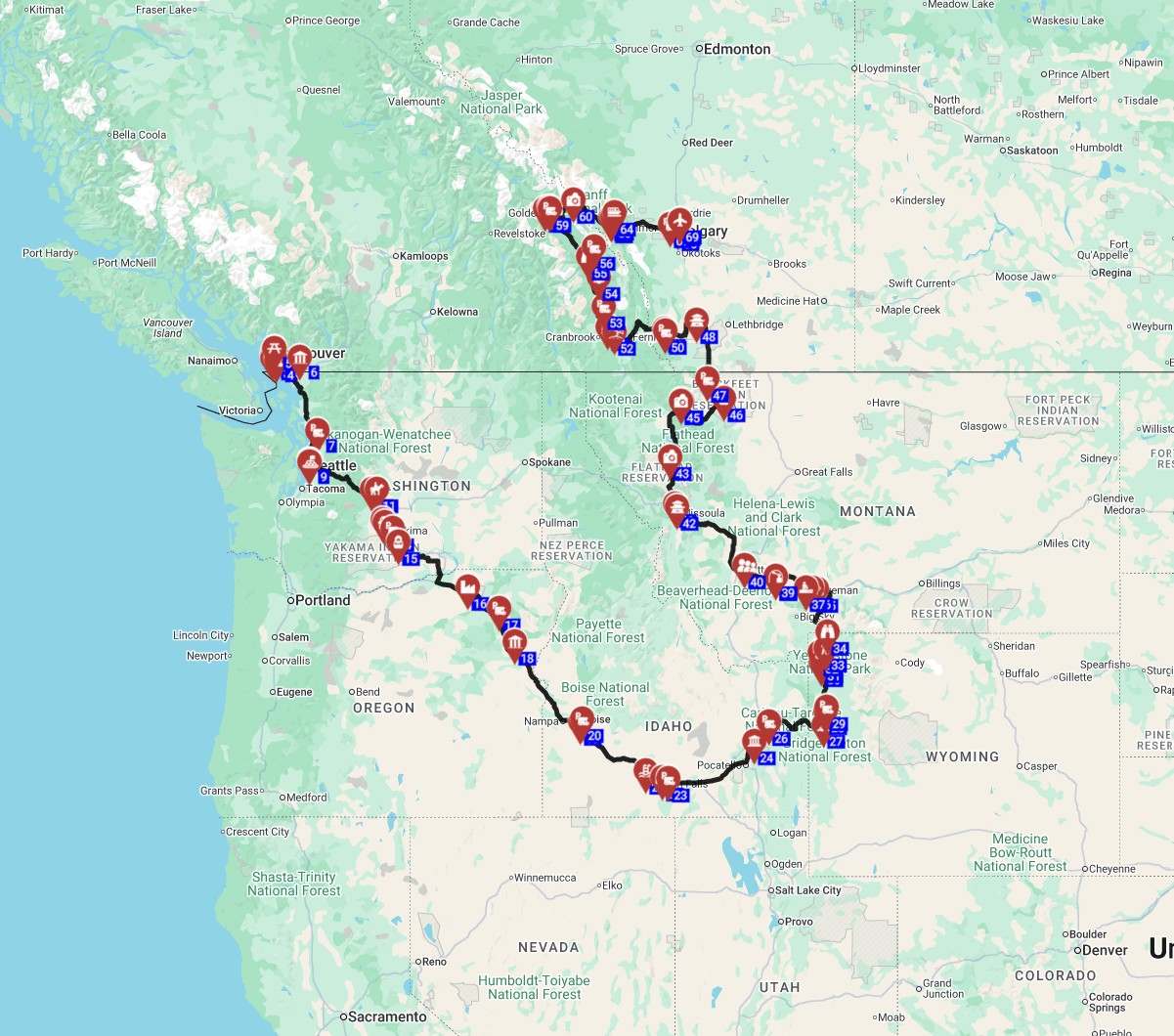
It also advises arriving at your destination by 3 PM to allow ample time for campsite setup, connecting utilities, and relaxing before dark. The third '3' suggests staying at least 3 nights in one location to fully immerse yourself, explore the area (such as the 3 hiking areas and 2 parks included in the Calgary to Vancouver - Grizzlies, Geysers & Gondolas: A Family RV Trip Across the Rockies itinerary), and avoid travel fatigue, promoting slower, more meaningful travel experiences.
What is the 4-4-4 rule for RVing?
The 4-4-4 rule is another popular RV travel guideline, advising travelers to drive no more than 400 miles (approximately 640 km) per day, offering a slightly more ambitious pace than the 3-3-3 rule but still promoting sensible travel.
It suggests stopping driving by 4 PM, similar to the 3-3-3 rule, to ensure enough daylight for campsite setup and enjoyment of your evening. The third '4' recommends staying for a minimum of 4 nights at each location, encouraging a more relaxed pace and deeper immersion in each stop, making it suitable for those who prefer to unpack once and explore thoroughly before moving on.
Do you have to get a license for renting an RV?
Yes, to rent an RV in Vancouver, you must possess a valid driver's license from your home country or province. The license must permit you to operate a vehicle of the RV's specific size and weight class, which for all Bandana RV rental motorhomes and campervans, is a standard Class 5 equivalent (under 11,000 kg GVWR).
Rental companies will verify your license validity and ensure you meet their minimum age requirements, which is commonly 21 years old with Bandana RV, and some might have additional requirements for drivers under 25 for certain larger Class A motorhomes, though Bandana does not. An International Driving Permit (IDP) is recommended for visitors from non-English speaking countries, offering a translated copy of your home license.
How much does it cost to rent an RV in Vancouver?
The cost to rent an RV in Vancouver varies significantly based on factors such as RV class, season, rental duration, included amenities, and optional insurance upgrades. Typically, daily rates can range from CAD $100 for a compact campervan (Class B, like the "DVC" model for 2 people) to over CAD $300 per night for a large Class A motorhome (e.g., "MHLUX" for up to 7 people) during peak summer season (June-August).
Additional costs include mandatory insurance (though you can upgrade to a top-level deductible for extra peace of mind), mileage fees (some rentals include limited kilometers), preparation fees, provincial taxes, propane, dump fees, and fuel. For an accurate estimate, it's best to use our comparison platform to view RV Rental in Vancouver - Prices and Best Deals 2026 directly. Booking in advance, especially 3-6 months ahead for summer travel, can help secure better rates and availability. Prices are dynamic like flight tickets – they change daily based on availability, seasonality, and supplier marketing decisions, so the final price is set at actual booking time.
Can you rent an RV to drive across Canada?
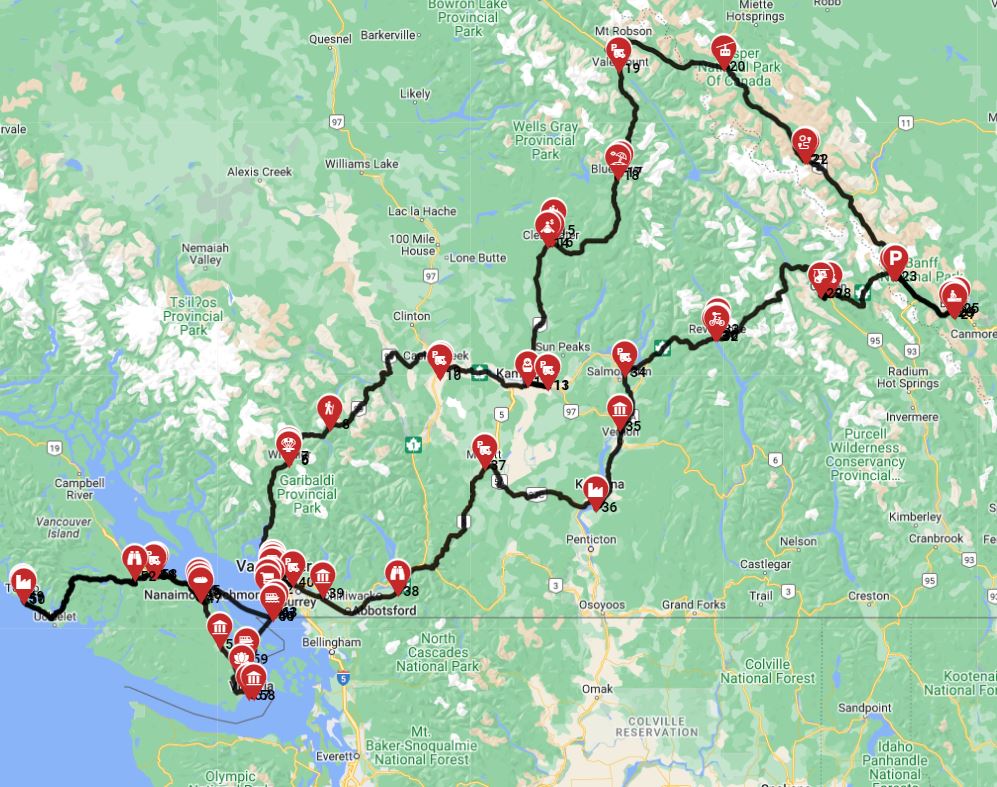
Yes, it is possible to rent an RV in Vancouver and embark on an epic cross-Canada adventure, driving eastward through the stunning Canadian Rockies and beyond. Many major rental companies, including Bandana's partners like Cruise America and Apollo, offer one-way rentals across Canada, allowing you to pick up in Vancouver and drop off in cities like Calgary, Edmonton, or Toronto.
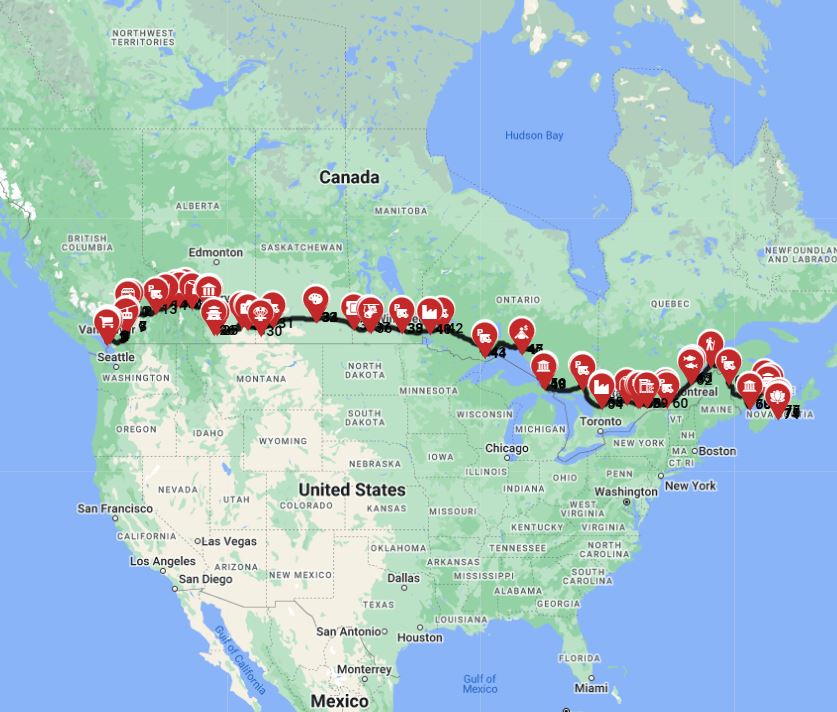
These one-way rentals are generally available but are often subject to additional drop-off fees, which can range from CAD $150 to CAD $500 or more depending on the distance and season. Plan your route carefully, considering the vast distances (an Edmonton to Vancouver - Canadian Rockies & BC trip covers 2,212 km in 15 days) and provincial park access across Canada's diverse geography. Always confirm one-way rental policies and associated costs directly with the RV rental company before finalizing your booking. Our platform helps you compare options with full transparency, ensuring no hidden fees or surprises.
Where can I park my RV overnight in Vancouver?
Overnight RV parking within Vancouver city limits is generally restricted to designated campgrounds or private properties with explicit permission, as municipal bylaws often prohibit street parking for RVs. Violators may face fines or even towing, especially around popular areas like Granville Island or downtown Vancouver.
Popular options for legal and comfortable overnight stays include private RV parks and campgrounds located just outside the immediate city center, such as Burnaby Cariboo RV Park (offering full hookups) or campsites further east in Langley and Abbotsford. These parks offer essential amenities like electrical hookups, fresh water, and dump stations. Always check local parking regulations and campground availability in advance using resources like RV PLANET (rvplan.net), especially during peak travel seasons, to secure a spot. Remember that many national and provincial parks reserve only 25-30% of their spots, leaving the rest for first-come, first-serve, so if not at the first campground, you'll find a spot at the next one by calling ahead.
Is it easy to drive an RV in Canada?
Driving a rented RV in Canada is generally manageable and a highly rewarding experience, with well-maintained major highways connecting cities and tourist destinations across the provinces, including British Columbia. The Trans-Canada Highway (Highway 1) offers excellent access to many natural wonders.
Challenges may include navigating mountain passes with steep grades, particularly when driving through the Canadian Rockies on routes like the Calgary to Vancouver - Grizzlies, Geysers & Gondolas: A Family RV Trip Across the Rockies, encountering urban traffic in major cities like Vancouver and Calgary, and managing the vehicle's size in smaller towns or crowded campgrounds. However, modern RVs often feature automatic transmissions, power steering, and rearview cameras to assist drivers. With careful planning for distances (aim for 100-150 km per day on average) and awareness of your vehicle's dimensions, RV driving in Canada is an accessible and unforgettable way to explore the country.
What do you need to rent an RV in Canada?
To rent an RV in Canada, you typically need a valid driver's license that permits you to operate the specific class of RV you are renting, which for all Bandana RV motorhomes is a standard car license (Class 5 equivalent in British Columbia). The minimum age to rent an RV with most suppliers is 21 years old.
A major credit card is usually required for a security deposit and payment, as debit cards or cash deposits are rarely accepted for the full deposit amount. You'll also need proof of identification, such as a passport if you're an international traveler. Some rental companies may also request proof of insurance, though options to purchase coverage through the rental company or upgrade to a top-level deductible for peace of mind are always available. We make the booking process transparent, comparing options for Cheap RV Rental in Vancouver - Budget Guide 2026 and Luxury RV Rental in Vancouver - Premium Prices 2026 from 50+ leading RV suppliers like El Monte, Cruise America, Apollo, and Britz.
What You Shouldn't Miss
- Explore Stanley Park's Nature: Drive through parts of Stanley Park to admire the lush forests and iconic totem poles, then park your rental campervan and rent bikes to cycle the scenic Seawall, covering its 28 km path.
- Whistler Village Adventure: Take your motorhome on the stunning Sea-to-Sky Highway (Highway 99) to Whistler, enjoying the panoramic views before exploring the pedestrian-friendly village and taking a gondola ride up the mountains.
- Granville Island Market: Park your RV just outside Granville Island and walk or take public transport to this vibrant public market, sampling fresh local produce and artisan foods. You can even use some ingredients to prepare meals in your fully equipped RV kitchen, checking out our RV-friendly recipes playlist for ideas.
- BC Ferries Island Hopping: Experience a unique mini-cruise with your RV by taking a BC Ferries trip from Tsawwassen to Victoria on Vancouver Island, exploring charming towns and coastal scenery.
- Deep Cove Kayaking: Head to Deep Cove in North Vancouver, park your rented mobile home, and enjoy a kayaking or paddleboarding adventure in the serene waters of Indian Arm, surrounded by lush forest.
- Capilano Suspension Bridge Park: Visit this iconic attraction to walk across the historic suspension bridge and explore the Treetops Adventure and Cliffwalk, parking your RV in designated lots nearby.
Looking for expert insights from Avi Bandana? Top 5 Adventures - recommendations from Avi Bandana
🎬 Video coming soon
Final Thoughts
Vancouver, with its stunning blend of urban sophistication and wild natural beauty, is an ideal starting point for an unforgettable RV adventure. From navigating the city's vibrant streets to exploring the majestic mountains and coastline of British Columbia, a rented motorhome gives you the freedom to create your perfect itinerary. Remember to embrace the local pace, travel slowly, perhaps averaging 100-150 km per day, and truly immerse yourself in the culture, food, and incredible scenery that Canada has to offer.
We at Bandana Caravan are here to support you every step of the way, providing full transparency and expert guidance before and during your booking process. We’re passionate RV specialists, not just a side department of a general travel agency. So, imagine yourself on the open road, coffee in hand, ready to discover the wonders around Vancouver. It's time to turn that dream into a reality!
Find Motorhome Rentals in Vancouver