In This Guide
- Can You Drive an RV in Switzerland? License & Age Rules
- Road Conditions & Terrain in Switzerland
- RV Size Limits, Bridges & Restricted Zones
- Fuel: Diesel vs. Petrol & Cost per 100 km
- Tolls, Vignettes & Border Rules
- Driving Tips for RV Rental Travelers in Switzerland
- Recommended RV Class for Switzerland Roads
- Should I Choose a Compact Van Instead of a Large RV in Switzerland?
- Can I Park Anywhere? Free & Wild Camping Rules in Switzerland
- Can I Drive an RV Into the City Center? Heights, Tunnels & Local Signage
- What is the true cost of an RV rental in Switzerland, including hidden fees and daily expenses?
- How do RV sizes affect camping and parking availability in Switzerland?
- What are the seasonal considerations for RV travel in Switzerland, including winter preparation?
- Where are the best off-the-beaten-path RV destinations in Switzerland?
- What are the local etiquette and sustainability tips for RVing in Switzerland?
- What alternatives exist for overnight RV parking beyond traditional campgrounds in Switzerland?
- What emergency preparedness and safety tips are crucial for mountain RV travel in Switzerland?
- How can I source food and supplies for RV cooking in Switzerland?
- What are the requirements for RV border crossings from neighboring countries into Switzerland?
Switzerland, with its majestic Alps, pristine lakes, and charming villages, offers an unparalleled adventure for motorhome travelers. Imagine waking up to panoramic mountain views, enjoying fresh coffee with the sound of cowbells in the distance, and having the flexibility to explore at your own pace. Discovering this beautiful country with a rented RV provides freedom and comfort, allowing you to immerse yourself in nature and culture. For live availability and current prices, start with our RV Rental Switzerland - Complete Guide 2026 guide.
Can You Drive an RV in Switzerland? License & Age Rules
Yes, you can absolutely drive a rented RV in Switzerland, and it's a fantastic way to experience the country's breathtaking landscapes. Drivers typically need a standard Category B license for motorhomes up to 3,500 kg total weight, which covers most standard rental campervans and Class C motorhomes. An International Driving Permit (IDP) is recommended for non-EU/EFTA license holders; while not strictly mandatory for short visits in many cases, it simplifies interactions with local authorities and rental agencies.
The minimum driver age for most RV rentals in Switzerland is 21 years old, and usually requires 1 to 3 years of driving experience. This ensures that drivers have sufficient experience for navigating varied terrains, including mountain passes. Unlike some other countries, Bandana RV partner suppliers in Switzerland generally do not impose young driver surcharges or vehicle class restrictions based on age, making RV travel accessible for younger adventurers.
Road Conditions & Terrain in Switzerland
Swiss roads are renowned for being exceptionally well-maintained, offering smooth surfaces even on the most winding mountain passes, ensuring a pleasant journey in your rented motorhome. The terrain is predominantly mountainous, featuring steep ascents, descents, and numerous tunnels, which require careful and attentive driving. You should anticipate slower travel speeds on alpine routes and fully embrace the scenic pace of exploring Switzerland by RV, allowing plenty of time to enjoy the views.
Drivers will encounter well-marked roads and clear signage throughout the country, making navigation straightforward even for first-time visitors. The quality of Swiss infrastructure means that even larger Class C motorhomes can handle most main routes without issue. Just remember to downshift on descents to preserve your brakes and always be ready for sudden weather changes, especially in higher altitudes.
RV Size Limits, Bridges & Restricted Zones
While there are no general hard limits for RV length or height on main Swiss roads, drivers of a rented motorhome must be vigilant for specific signage at tunnels, underpasses, and historic village entrances. Switzerland operates environmental zones in some urban areas, such as potential low emission zones in Geneva or Zurich, which may require vehicles to meet certain emission standards or display specific stickers. Always check your RV's exact dimensions and pay close attention to local signage, especially for height restrictions (e.g., 3.5m - 4m) before entering tunnels or parking garages.
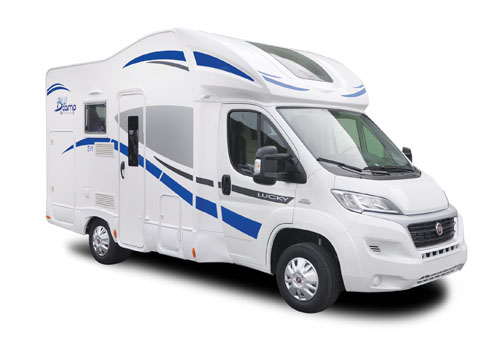
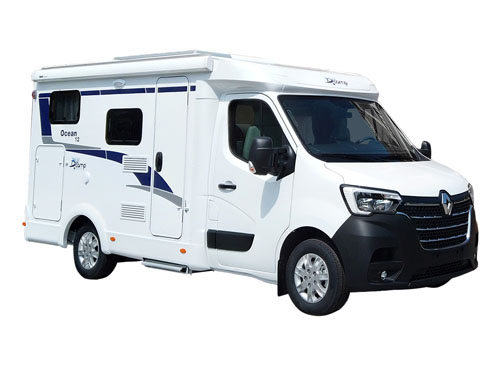
For example, a Class SI Semi-integrated like the "2 Berth Tamar" is typically medium-sized, offering good maneuverability while still providing ample living space for a couple. When driving through smaller towns or on more winding routes, awareness of your vehicle's size is your best guide to avoid tight spots. Drive slowly and carefully, and you can drive almost anywhere without issues. No need to stress - just use common sense and pay attention.
Fuel: Diesel vs. Petrol & Cost per 100 km
Most rental RVs in Switzerland run on diesel, which is widely available at service stations across the country, ensuring you can refuel conveniently during your trip. Based on Bandana's global fleet averages, a Class SI Semi-integrated RV typically consumes 10-11 Liters/100 km, while a Class B Camper Van averages 8-10 Liters/100 km, offering good fuel efficiency for an extended road trip. For instance, a campervan for 2 - Automatic offers good mileage for couples.
Fuel costs in Switzerland are generally higher than in neighboring European countries, so budgeting for this expense is essential. Some rental providers may offer fuel discount cards or programs to help manage these costs. When considering the total trip cost, it's wise to factor in these daily expenses. For easy budgeting and tracking every expense along the way, we recommend exploring the RV PLANET routes. On the routes offered through RV PLANET routes, you can itemize and track every expense along the way for easy budgeting.
Tolls, Vignettes & Border Rules
All vehicles using Swiss motorways, including your rented motorhome or campervan, require an annual vignette, costing approximately CHF 40, which must be purchased and displayed prominently on the windshield. This vignette covers most national highways and saves you from per-use tolls on these roads. While the majority of motorways are covered by this vignette, some specific tunnels, such as the Great St. Bernard Tunnel or the Munt la Schera Tunnel, have separate, per-use tolls that you'll need to pay as you pass through.
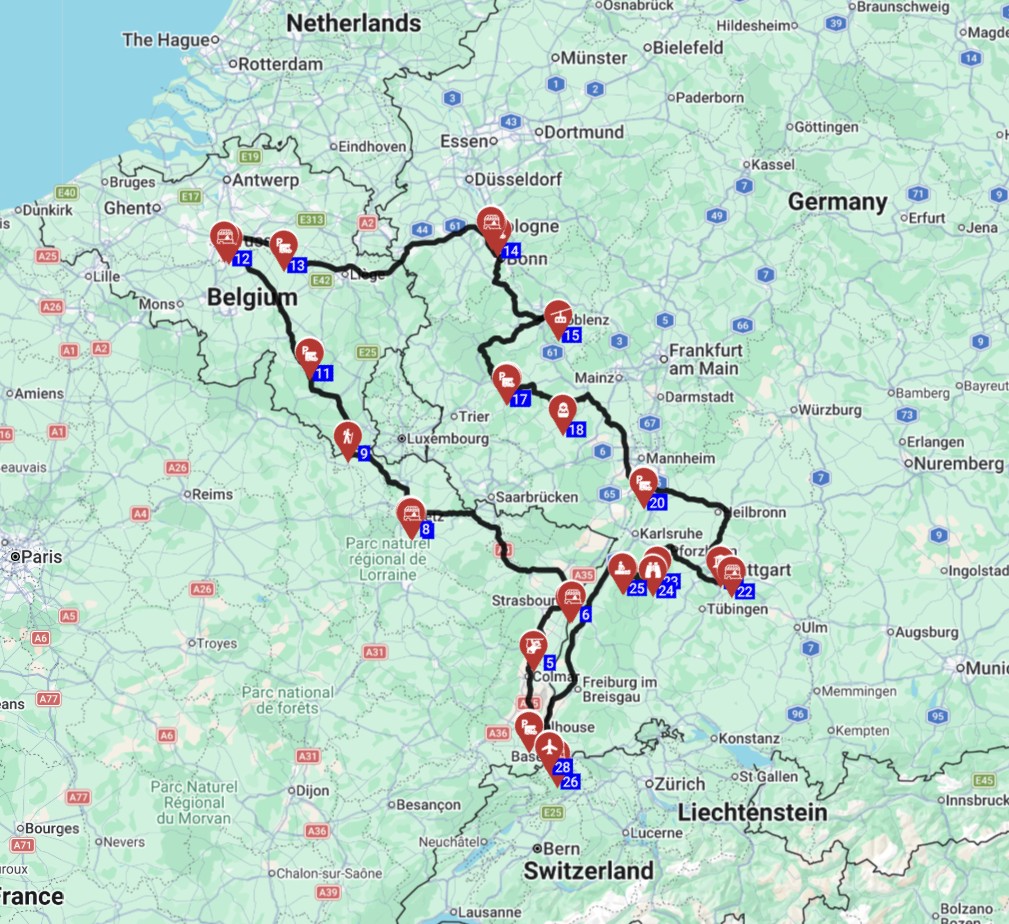
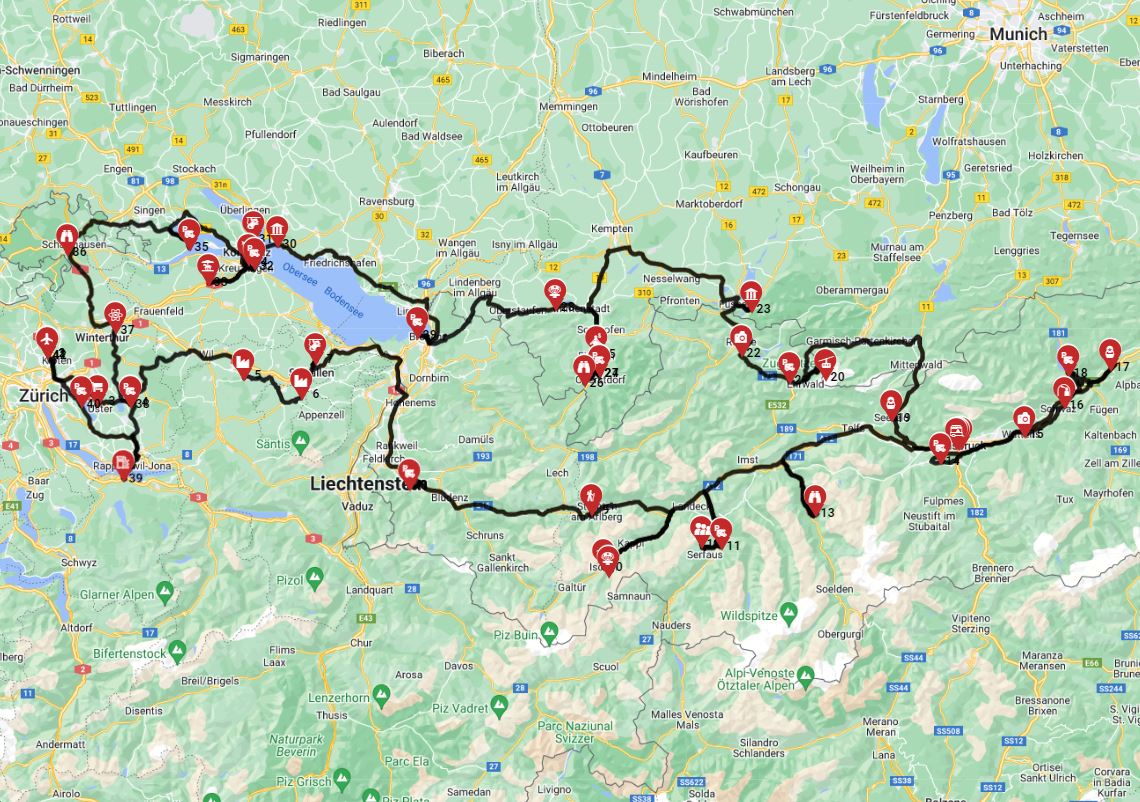
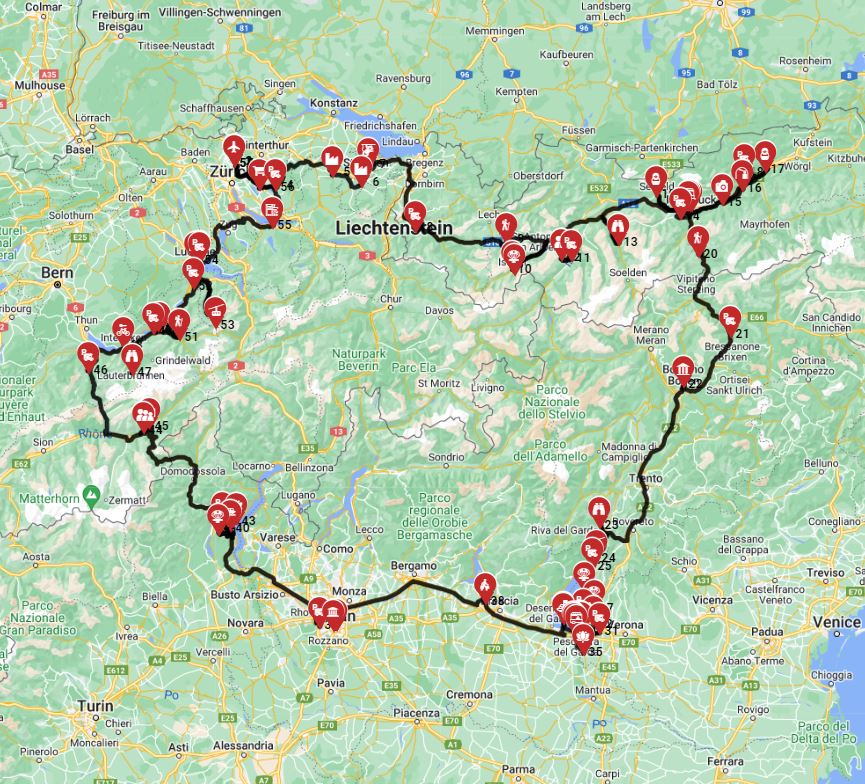
When crossing borders from neighboring countries like France, Germany, or Italy with your rented RV, be aware of their respective toll systems. For example, France uses péages (toll booths), while Austria also requires a vignette. Ensure your RV complies with all entry requirements for each country you visit, and always have your vehicle registration and insurance documents handy for border officials. For a comprehensive planning experience, consider the "Nice Roundtrip - French Riviera toward North Italy, Switzerland, and the French Alps" itinerary, which navigates several borders and features 1742.8 km of scenic driving.
Driving Tips for RV Rental Travelers in Switzerland
Prioritize safety by driving your rented motorhome at moderate speeds, especially on winding mountain roads, and be prepared for sudden weather changes, which can occur rapidly in alpine regions. Allow ample time for your journey, as scenic routes and mountain passes will naturally take longer than expected; remember to travel slowly, averaging a maximum of 100-150 km per day, allowing you to truly feel the place, connect to the culture, the food, and the scenery. Plan regular stops for rest and sightseeing, making the journey part of the adventure.
Ensure your RV is equipped with necessary safety items like reflective vests and a warning triangle, which are mandatory in many European countries. If you are traveling in winter months, consider equipping your rented campervan with snow chains, as they may be required or highly recommended on certain passes. Be mindful of local traffic laws, including speed limits and right-of-way rules, which are strictly enforced and can vary slightly from other European countries.
Recommended RV Class for Switzerland Roads
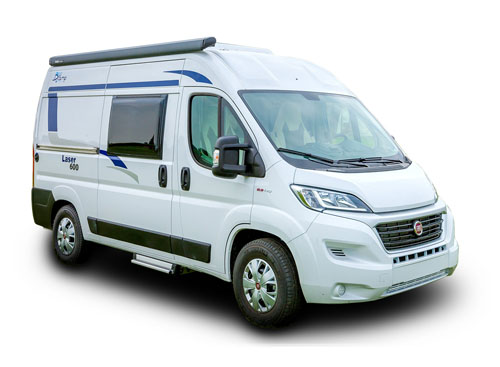
For navigating Switzerland's diverse terrain, including its often narrow mountain passes and village streets, the Class B Camper Van (average length 5.8m) or Class SI Semi-integrated (average length 6.9m) are highly recommended. These classes offer an excellent balance of maneuverability for tighter roads and sufficient living space for comfortable week-long or two-week adventures.
Bandana's Class B Camper Vans typically sleep 3 people, while Class SI Semi-integrated models can accommodate around 4, making them suitable for couples or small families. Their more compact dimensions compared to larger Class C or A motorhomes make them easier to park and more comfortable to drive on Switzerland's winding and sometimes challenging routes. For instance, the "V3" motorhome is an excellent Class B option for couples, featuring an automatic transmission and up to 1 year of use on the road.
Should I Choose a Compact Van Instead of a Large RV in Switzerland?
Choosing a compact campervan like a Class B offers superior maneuverability for tight historic centers and very narrow mountain passes in Switzerland, making it a popular option for agile exploration. However, most standard RVs, including larger Class SI or Class C motorhomes, can generally navigate Swiss roads without significant issue, especially if you stick to main routes and plan your city visits by parking on the outskirts.
The trade-off often lies between the convenience of a smaller footprint, ideal for spontaneous stops in quaint villages, and the added comfort, indoor space, and amenities of a larger RV. If your itinerary focuses heavily on exploring small, traditional villages or very remote alpine routes, a compact van is an excellent choice. However, do not hesitate to choose a larger RV for enhanced living comfort and storage if your route primarily sticks to main roads and established campsites, particularly for families or longer trips. Bandana offers a range of options, from a compact "hire campervan example Paradise S/T" perfect for a couple, to a more spacious "Jayco Conquest Royale 6" for families, ensuring you find the right fit.
Can I Park Anywhere? Free & Wild Camping Rules in Switzerland
Wild camping and free overnight parking are generally prohibited in Switzerland, especially within national parks, nature reserves, and many municipal areas, reflecting the country's strict environmental regulations. Visitors should primarily plan to stay at designated campgrounds, which are plentiful and exceptionally well-equipped throughout the country, offering facilities like electricity, fresh water, and waste disposal points.
Alternatives include officially designated Stellplätze (motorhome parking spots), which may offer basic amenities or just a safe place to park overnight, sometimes for a small fee. With prior permission, private land or farm stays through initiatives like "Swiss Country Stop" can also be an option for a unique local experience. Always check local regulations and follow local law before parking overnight to avoid fines and ensure a respectful visit. For finding campsites and campgrounds during your trip, we recommend using RV PLANET (rvplan.net) - a great resource for locating available spots along your route.
Can I Drive an RV Into the City Center? Heights, Tunnels & Local Signage
Yes, you can generally drive a rented RV into Swiss city centers, but careful attention to local signage is crucial due to varying restrictions, especially regarding height and weight limits. Be vigilant for height limits on tunnels, bridges, and underground parking garages, which can be as low as 2 meters in some older city areas, as well as environmental zones that may restrict certain vehicle types or require specific permits.
Many historic city centers also feature narrow streets, pedestrian zones, or residents-only areas, making it advisable to park your motorhome on the outskirts and utilize Switzerland's efficient public transport for central exploration. This approach allows you to enjoy the urban attractions without the stress of navigating tight spaces or worrying about parking. Drive slowly and carefully, and you can drive almost anywhere without issues. No need to stress - just use common sense and pay attention.
What is the true cost of an RV rental in Switzerland, including hidden fees and daily expenses?
The true cost of an RV rental in Switzerland extends beyond the dynamic daily rental fee, encompassing mandatory comprehensive insurance, a security deposit, and potential one-off charges like cleaning fees or mileage limits. Expect daily rental rates for a Class C motorhome to range from approximately $120-$250, varying significantly by season and booking lead time. For instance, booking 90+ days ahead can save an average of 25% on peak-season rates, while "Cheap RV Rental in Switzerland - Budget Guide 2026" offers more detailed cost-saving tips.
Beyond the rental, budget for daily expenses such as campsite fees, which typically range from CHF 30-70+ per night depending on amenities and location. Fuel costs in Switzerland are higher than in many neighboring countries, so factor in an estimated 8-11 Liters/100 km for diesel vehicles. Additional expenses include the mandatory Swiss motorway vignette (approx. CHF 40 annually), special tunnel tolls, propane refills, and groceries for cooking in your RV. Consider using RV PLANET routes to itemize and track every expense for easy budgeting and full transparency.
How do RV sizes affect camping and parking availability in Switzerland?
RV size significantly impacts camping and parking availability in Switzerland, especially in popular tourist areas and smaller, historic villages. Larger RVs, such as Class C or A motorhomes averaging 7.5m in length, may find fewer available spots in popular campgrounds during peak season (June-September), and parking in quaint towns or tourist hotspots can be quite challenging due to limited space. Therefore, the "Luxury RV Rental in Switzerland - Premium Prices 2026" might mean a bit more planning for larger vehicles.
Conversely, compact campervans (Class B), like the "V2L" model averaging 5.99m, offer greater flexibility for fitting into smaller campsites and urban parking spaces, making them ideal for spontaneous stops and exploring less developed areas. Always confirm campsite availability and check for size restrictions when booking, particularly for lakeside or mountain campgrounds, as some sites have limited capacity for very large vehicles. Our team of true RV specialists can help you compare final prices across suppliers, ensuring what you see is what you pay, with no surprise fees at pickup, helping you choose the right size for your journey.
What are the seasonal considerations for RV travel in Switzerland, including winter preparation?
Seasonal conditions significantly influence RV travel in Switzerland, dictating accessibility, crowd levels, and necessary vehicle preparations. Summer, from June to September, offers the best weather for accessing mountain passes and enjoying outdoor activities, but also brings higher rental prices, crowded campsites, and peak tourist traffic. Spring (April-May) and autumn (October) provide milder weather, fewer crowds, and stunning scenery with vibrant wildflowers or golden foliage, though some higher mountain passes may still be closed in early spring or late autumn due to lingering snow.
Winter RV travel in Switzerland, from November to March, requires specific and thorough preparation, including mandatory winter tires and snow chains, anti-freeze for water systems, and an RV equipped with proper heating and insulation. Many campsites may be closed or operate with limited facilities during this period, so advance booking is crucial. For those embarking on a week-long or two-week winter adventure, consider routes that focus on lower-elevation towns and prepared ski resorts, ensuring your rented motorhome, such as the "Koru Star 6 Freedom" with its robust insulation, is ready for the cold. Remember, you can upgrade to a top-level deductible for extra peace of mind regardless of the season.
Where are the best off-the-beaten-path RV destinations in Switzerland?
To experience unique local charm and avoid the crowds often found in popular alpine areas, consider RVing to Switzerland's lesser-known regions, offering tranquil beauty and authentic experiences. The Appenzell Innerrhoden canton, for instance, provides picturesque rolling hills, traditional villages with painted houses, and renowned cheese-making, perfect for a slow travel itinerary.
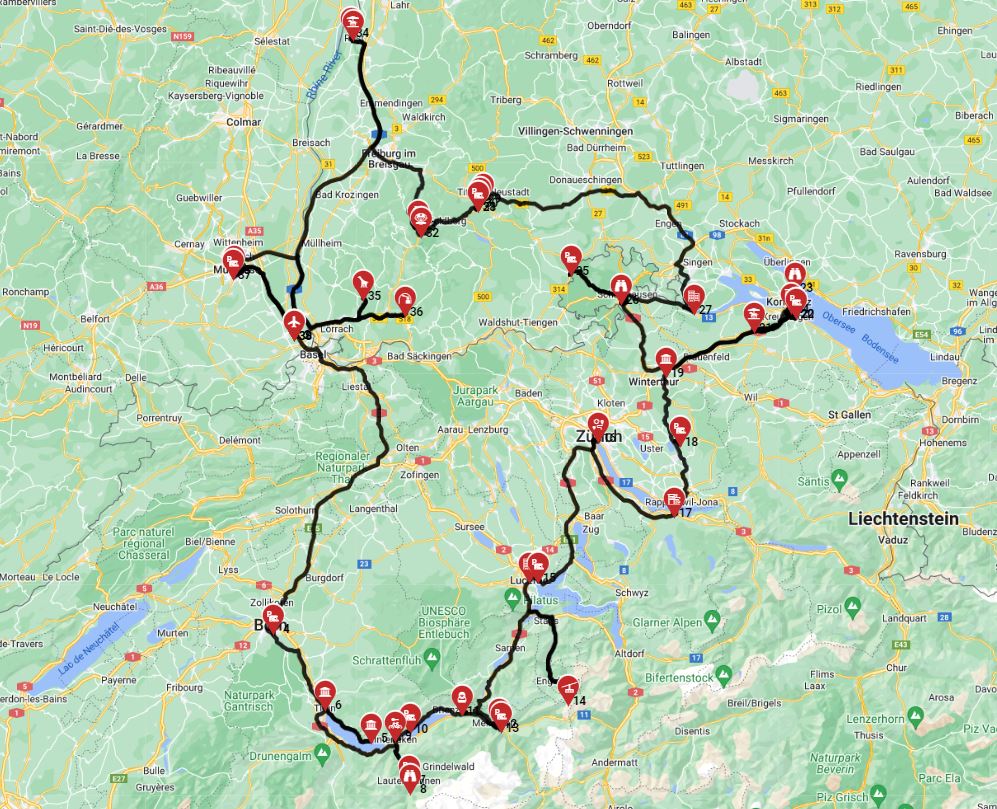
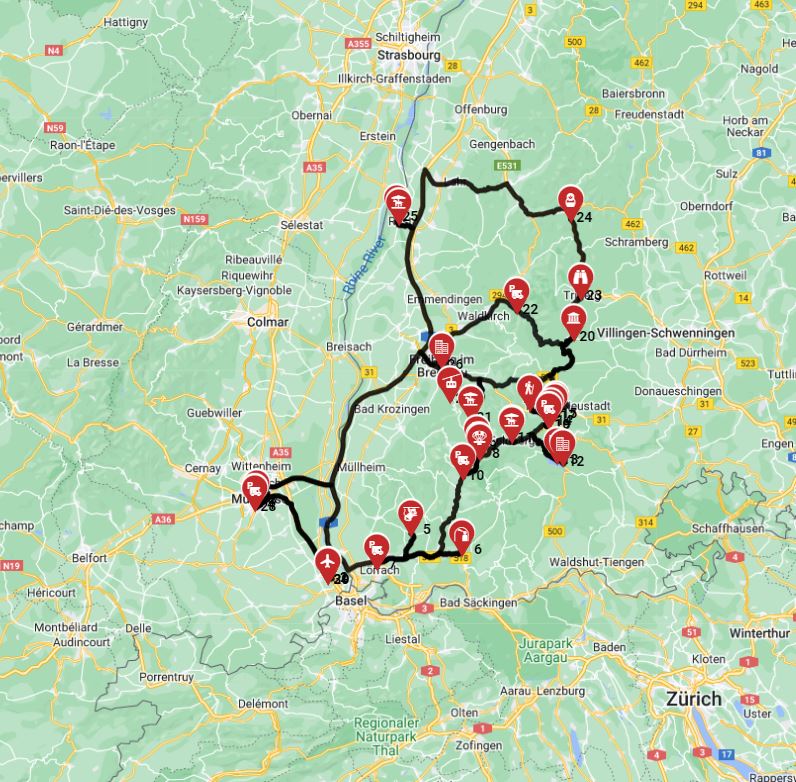
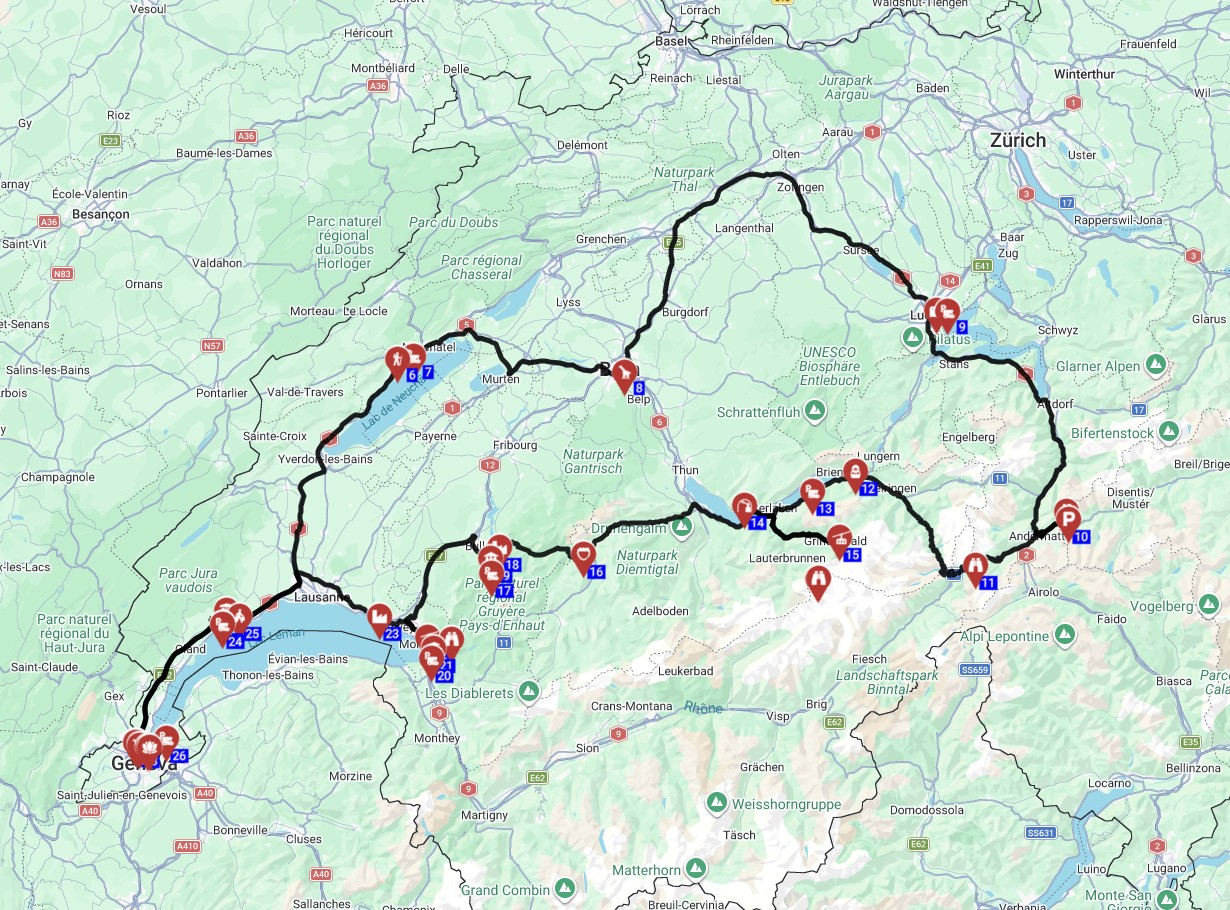
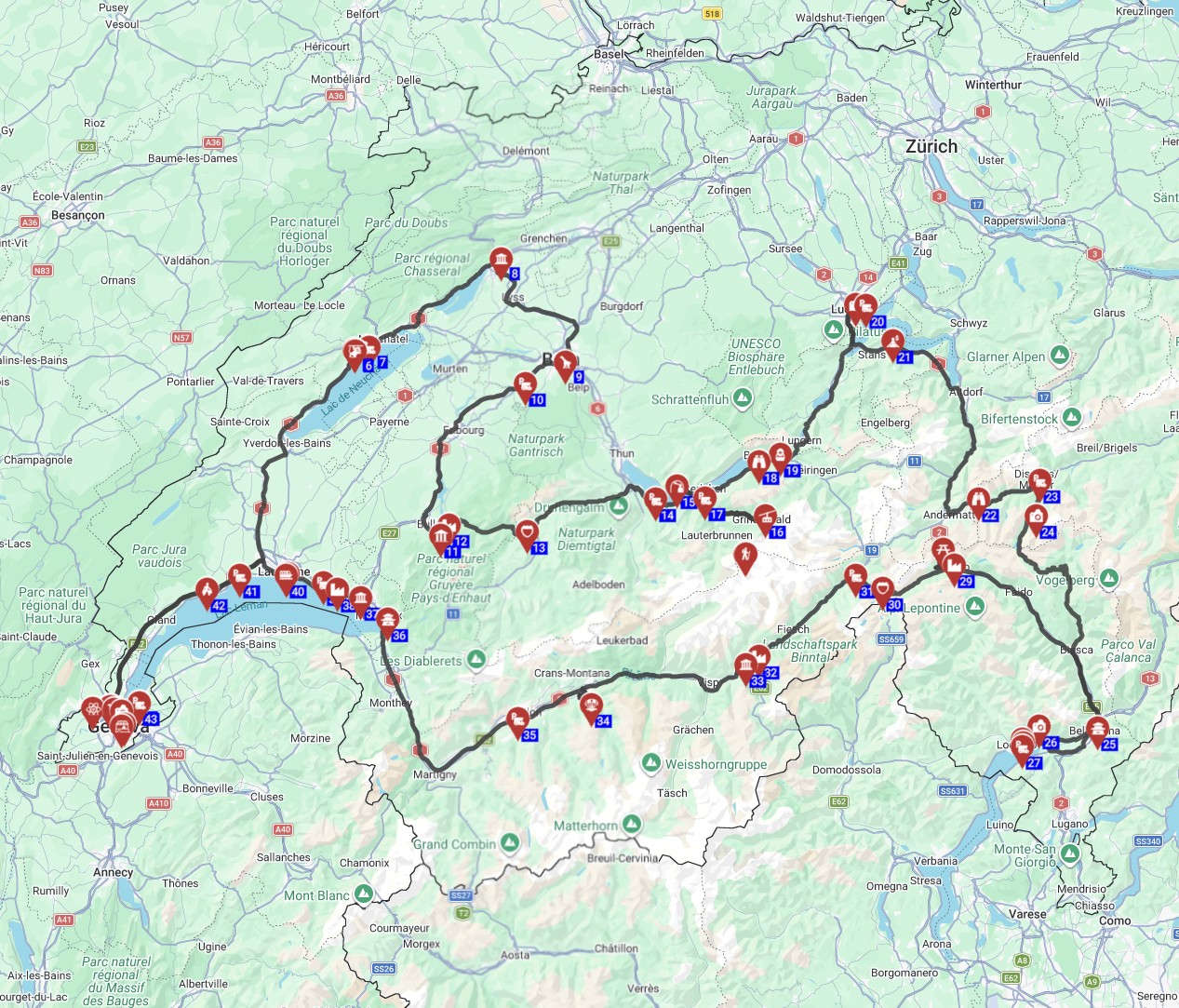
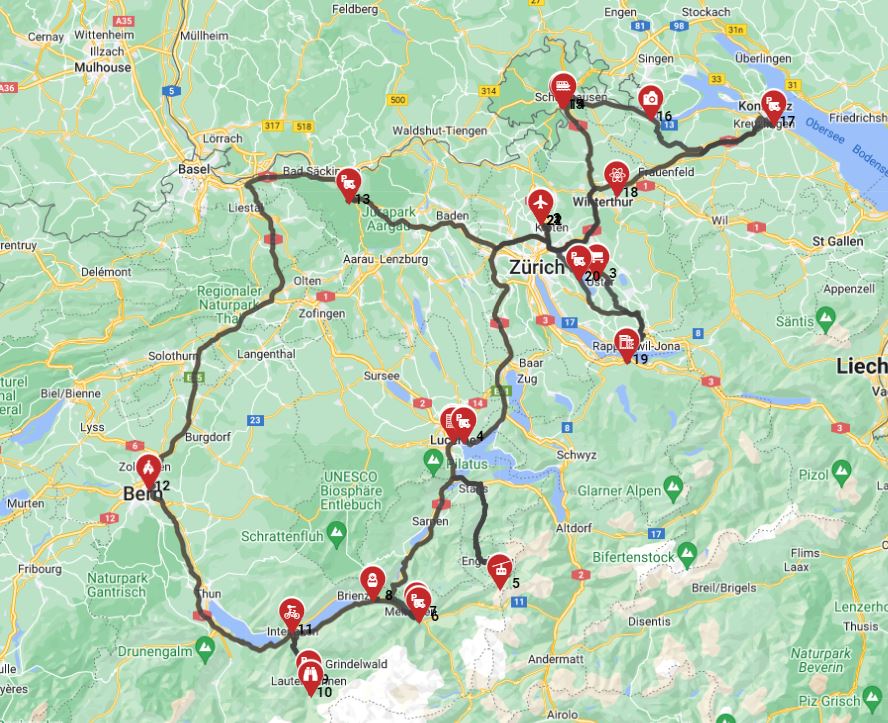
Explore the Jura & Three-Lakes region for serene landscapes, expansive vineyards, and historical towns like Neuchâtel, far removed from the major alpine tourist hubs. Discover hidden valleys in Ticino, beyond the bustling cities of Lugano and Locarno, to find tranquil campsites, local grotto restaurants serving traditional cuisine, and picturesque hiking trails. For those interested in extended adventures, our "RV Rental Europe - Complete Guide 2026" offers broader regional insights. Plan a trip itinerary in advance with minimal effort and maximum enjoyment through RV PLANET's pre-planned routes, such as the 8-day "
What are the local etiquette and sustainability tips for RVing in Switzerland?
Adhering strictly to waste disposal rules is paramount for RVing in Switzerland, utilizing designated stations at campgrounds for greywater, blackwater, and refuse to protect the country's pristine environment and maintain its high standards of cleanliness. Be mindful of noise levels, especially in campgrounds and residential areas, to respect local residents and fellow travelers, as quiet hours are strictly enforced, often from 10 PM to 7 AM.
Embrace sustainable travel by minimizing your environmental footprint: conserve water and electricity, choose local products, and always leave no trace behind during your rented RV adventures. Supporting local businesses, from small shops to traditional restaurants, helps sustain the charming communities you visit. God is in the small details, and we take care of them, just as you should with your environmental impact.
What alternatives exist for overnight RV parking beyond traditional campgrounds in Switzerland?
Switzerland offers a growing network of Stellplätze (motorhome parking spots) as alternatives for overnight RV parking, which are designated, often free or low-cost, parking areas with varying levels of amenities for your rented motorhome. These can range from simple parking lots to spots with basic services like water and waste disposal, providing flexibility for spontaneous travelers.
Additionally, some farms or vineyards may offer 'farm stays' or 'wine region stays' for RVs, frequently requiring prior arrangement or participation in local programs, providing unique cultural and culinary experiences. While wild camping is broadly prohibited, seeking permission from private landowners for a one-night stay can occasionally be an option, but this requires direct communication and respect for their property. Always consult local tourist information or resources like RV PLANET for verified options along your route. This is where the 25% planning discount for using rvplan.net can be a real asset!
What emergency preparedness and safety tips are crucial for mountain RV travel in Switzerland?
Ensuring your rented RV is in excellent mechanical condition before tackling Switzerland's mountain passes is crucial, so always check tires, brakes, and fluid levels before setting out on your trip. Carry a comprehensive emergency kit, including first aid supplies, a warning triangle, reflective vests (mandatory in Europe), and a fully charged mobile phone with local emergency numbers (112 for general emergencies, 117 for police, 144 for ambulance) for breakdowns or medical emergencies.
Monitor weather forecasts closely, as conditions in the mountains can change rapidly, and be prepared to adjust your route or delay travel if adverse weather, such as heavy snow, ice, or dense fog, is predicted. Having proper winter tires and snow chains is essential if traveling in the colder months. Our partners, such as El Monte, Cruise America, Apollo, and Britz, provide well-maintained vehicles, but personal preparedness is key to safe mountain adventures in your campervan.
How can I source food and supplies for RV cooking in Switzerland?
Sourcing food and supplies for cooking in your rented RV in Switzerland is straightforward, with major supermarkets like Migros, Coop, and Denner widely available in most towns and cities, offering a vast selection of groceries, fresh produce, meats, and dairy products. To discover authentic flavors, explore local markets (Wochenmärkte) for regional specialties, artisanal cheeses, fresh bread, and seasonal fruits and vegetables, often providing a more immersive cultural shopping experience.
Plan your menu to incorporate delicious Swiss specialties, such as ingredients for a traditional fondue, local sausages like Cervelat, or fresh Rösti, taking full advantage of your RV's kitchen facilities for cost-effective and memorable meals. Don't forget to pack reusable bags for your shopping! For more culinary inspiration, check out our RV-friendly recipes playlist.
What are the requirements for RV border crossings from neighboring countries into Switzerland?
When entering Switzerland from an EU/EFTA country with your rented motorhome, border checks are typically minimal, but you must ensure your RV displays a valid Swiss motorway vignette if you plan to use main highways. Be aware of customs regulations regarding limits on certain goods, such as alcohol, tobacco, or meat, especially if entering from outside the EU customs union. These limits are strictly enforced to prevent smuggling.
Always have your valid national driver's license, your International Driving Permit (if applicable), vehicle registration documents, and proof of comprehensive insurance readily accessible, as these may be requested by border officials. While most crossings are smooth, being prepared avoids unnecessary delays. Bandana RV offers full price transparency, ensuring no hidden fees or surprises at any point, including when comparing one-way RV rental options in Switzerland.
What You Shouldn't Miss
- Explore the Lauterbrunnen Valley: Visit the valley of 72 waterfalls, hike to Trümmelbach Falls (Europe's largest subterranean waterfalls), and take a cable car up to Mürren for incredible alpine views.
- Drive the Furka Pass: Experience this iconic mountain pass, famous for its winding roads and breathtaking vistas, particularly the view of the Rhone Glacier.
- Wander through Lucerne's Old Town: Stroll across the Chapel Bridge, visit the Lion Monument, and enjoy the charming lakeside atmosphere with your rented campervan parked nearby.
- Discover the Appenzell Region: Head to this picturesque canton for traditional Swiss culture, rolling green hills, and delicious local cheese, a perfect example of slow travel.
- Visit the Matterhorn in Zermatt: While RVs cannot enter Zermatt (it's car-free), you can park your motorhome in Täsch (just before Zermatt) and take the shuttle train up to see the majestic Matterhorn.
- Looking for expert insights from Avi Bandana? Top 5 Adventures - recommendations from Avi Bandana
🎬 Video coming soon
Final Thoughts
Embarking on a rented RV journey through Switzerland promises an unforgettable experience, blending spectacular natural beauty with the charm of unique cultural encounters. From navigating winding alpine passes to discovering serene lakeside towns, the freedom of a motorhome allows you to craft your own perfect itinerary. Remember the value of slow travel, allowing yourself to truly soak in every breathtaking view and local interaction.
With Bandana Caravan, you’re not just renting a vehicle; you’re gaining a partner dedicated to transparency, support, and expert guidance. Our pre-planned routes and specialist advice ensure that your adventure is as smooth and enjoyable as possible. Get ready to discover top destinations and plan a trip itinerary in advance with minimal effort and maximum enjoyment.
So, why wait? Compare Motorhome Prices for Switzerland today and begin planning your extraordinary RV adventure!