For live availability and current prices, start with our RV Rental San Francisco - Complete Guide 2026 guide.
In This Guide
- Can You Drive an RV in San Francisco? License & Age Rules
- Road Conditions & Terrain in San Francisco
- RV Size Limits, Bridges & Restricted Zones
- Fuel: Diesel vs. Petrol and Cost per 100 km
- Tolls, Vignettes & Border Rules
- Driving Tips for rv rental deals Travelers
- Recommended RV Class for San Francisco Roads
- Should I Choose a Compact Van Instead of a Large RV in San Francisco?
- Can I Park Anywhere? Free & Wild Camping Rules in San Francisco
- Can I Drive an RV Into the City Center? Heights, Tunnels & Local Signage
Can You Drive an RV in San Francisco? License & Age Rules
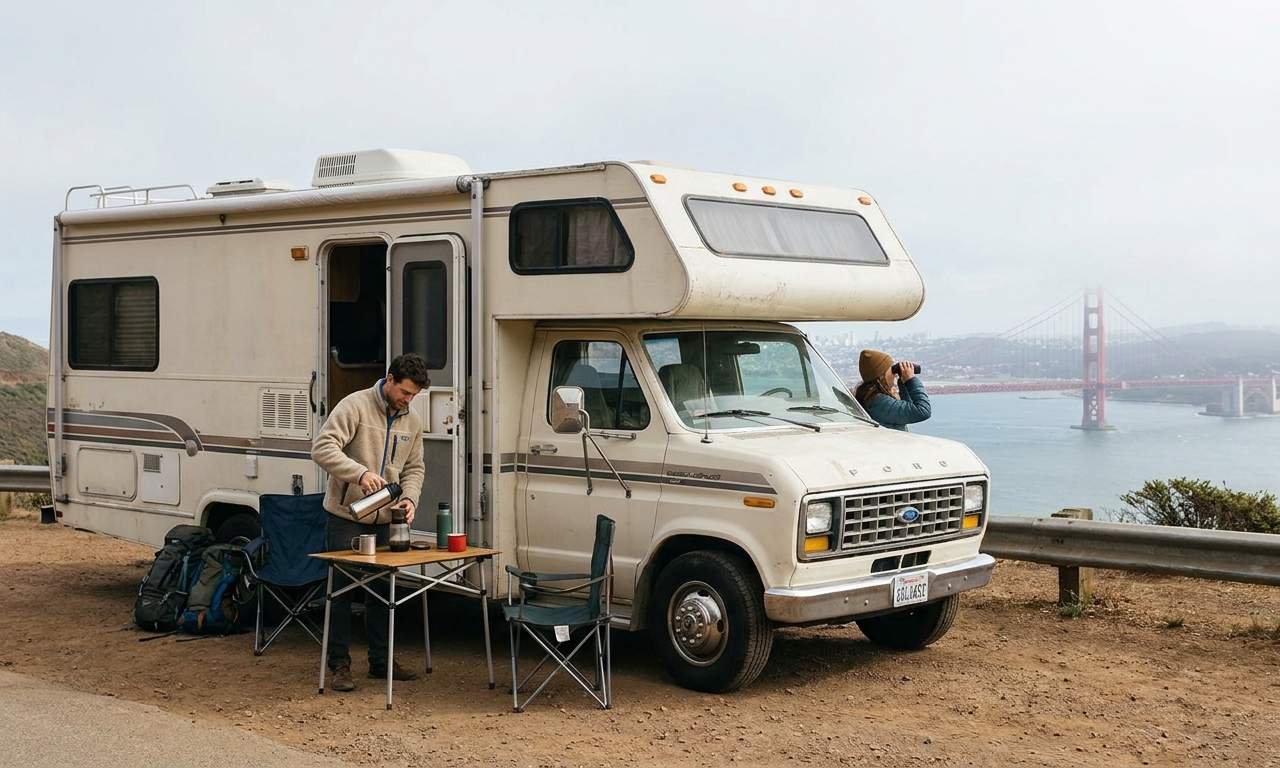
Most rental RVs under 26,000 pounds (approximately 11,793 kg) GVWR in California can be driven with a standard Class C driver's license. RV rental companies typically enforce a minimum driver age, usually 21, though some may require renters to be 25 for larger Class A motorhomes. International drivers will need a valid license from their home country, and an International Driving Permit (IDP) is often recommended for translation purposes, though not always mandatory.
It is important to note that larger Class A RVs, particularly those exceeding the 26,000-pound GVWR threshold, might necessitate a non-commercial Class B license in California, though most rental vehicles fall within the Class C requirement.
Road Conditions & Terrain in San Francisco
San Francisco is renowned for its challenging terrain, featuring notoriously steep hills, dense urban traffic, and sometimes narrow streets that require careful navigation. Driving an RV, especially larger models, demands slow and deliberate maneuvers, particularly when ascending or descending these significant gradients. While the general road quality across the city is good, it's always wise to stay vigilant for occasional potholes.
Expect heavy traffic on major routes entering and exiting the city, particularly during peak morning and evening commute hours. Planning your travel times to avoid these periods can significantly enhance your driving experience and reduce stress.
RV Size Limits, Bridges & Restricted Zones
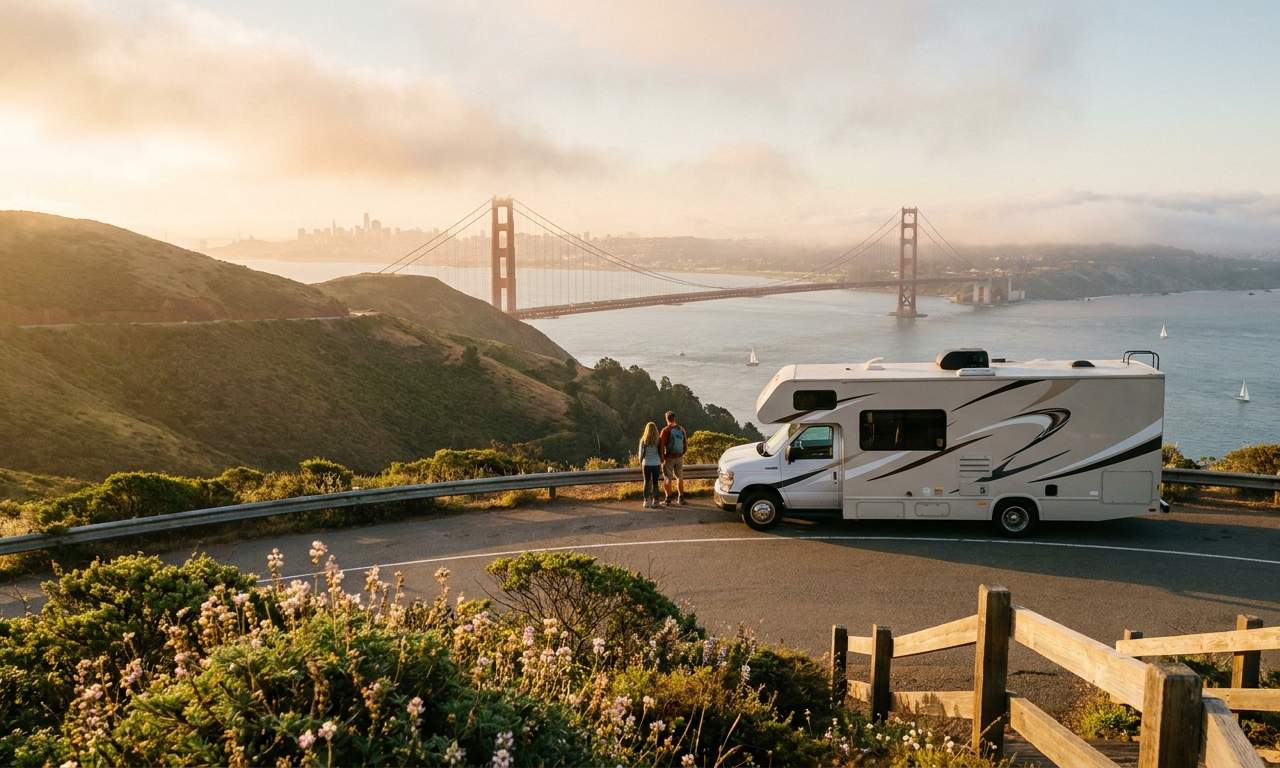
RVs are generally permitted on San Francisco's major bridges, including the iconic Golden Gate Bridge and the San Francisco-Oakland Bay Bridge, though these crossings are subject to electronic tolls. It's crucial to always observe posted height and weight restrictions, especially when considering tunnels, underpasses, or enclosed parking garages, as these can significantly limit RV access. On the routes offered through RV PLANET routes, you can itemize and track every expense along the way for easy budgeting.
San Francisco does not have specific 'environmental zones' that restrict RV access based on emissions. If you plan any island excursions, such as to Alcatraz or Angel Island, verify RV allowances and any specific length restrictions directly with the ferry operators beforehand.
Fuel: Diesel vs. Petrol and Cost per 100 km
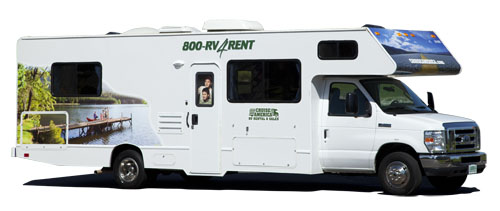
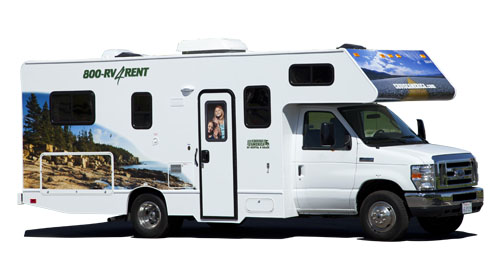
Most rental RVs operate on either petrol (gasoline) or diesel fuel, both of which are widely available throughout San Francisco and California. However, California consistently exhibits higher fuel prices compared to the national average, which can significantly impact your overall travel budget. For instance, a Class C motorhome, like the "24' Class C Motorhome" which seats 4-6 and includes a generator, typically consumes between 23-35 liters per 100 km (roughly 7-10 miles per gallon).
Larger Class A - Integrated RVs, such as the "MH-A" model which seats 6, can consume more, potentially ranging from 30-45 liters per 100 km. Factoring in these costs, you can expect fuel expenses to be around $33 per 100 km, depending on the specific RV's consumption and current California fuel prices.
Tolls, Vignettes & Border Rules
San Francisco's major bridges, including the Golden Gate Bridge and the San Francisco-Oakland Bay Bridge, operate on an electronic tolling system exclusively; there are no cash toll booths. Tolls are collected northbound on the Golden Gate Bridge and westbound on the Bay Bridge. Convenient payment options include using a FasTrak transponder or making online one-time payments.
Vignettes are not used in the United States; all tolls are collected directly. Many RV rental companies offer toll passes, such as FasTrak transponders, for added convenience, which can help you avoid potential fines and simplify your journey.
Driving Tips for rv rental deals Travelers
When driving an RV in San Francisco, mastering hill driving is paramount. Always use a lower gear when descending steep streets to control your speed and maintain braking effectiveness, and ensure you engage the parking brake firmly when parked on inclines. Familiarize yourself with the city's extensive electronic tolling system on bridges and consider renting a transponder from your rental company to streamline payments.
Pay close attention to the numerous local signage indicating height limits for overpasses and parking structures, as these are crucial for avoiding damage. Be prepared for San Francisco's complex one-way street systems and account for an RV's larger turning radius. Lastly, budget accordingly for the higher California fuel prices and bridge tolls, which are significant considerations for any RV trip in the region.
Recommended RV Class for San Francisco Roads
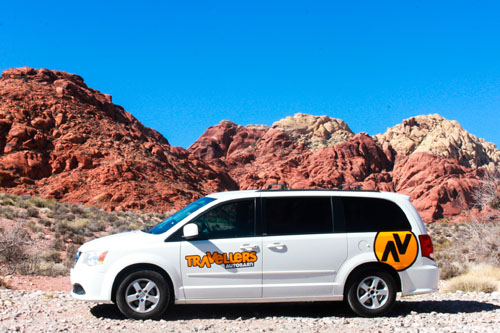
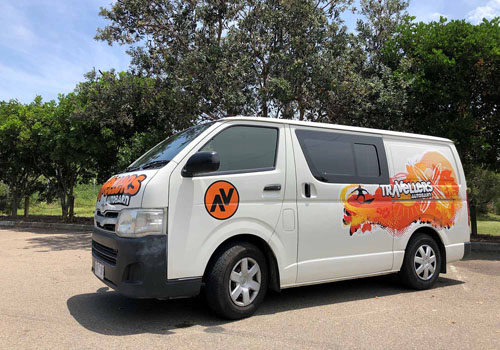
For navigating San Francisco's unique urban environment, smaller and more maneuverable RVs are generally recommended. Class TC - Truck Campers, typically averaging around 5.9 meters in length, offer excellent agility for city streets and tighter parking spaces. A good balance of living space and manageable size can be found in smaller Class C - Alcove RVs, such as the "camper for rent example Alcove Sport Plus," which often accommodates 3-4 adults and is around 8.1 meters long.
While larger Class A - Integrated RVs, like the "MHADL" model which can sleep up to 7, offer luxurious amenities and ample space, they can present considerable challenges for navigation and parking in San Francisco's dense urban landscape. Choosing a more compact RV will undoubtedly make your city exploration more relaxed and enjoyable.
Should I Choose a Compact Van Instead of a Large RV in San Francisco?
Compact campervans offer a distinct advantage for navigating and parking in San Francisco's bustling urban areas, providing a less stressful driving experience. However, larger RVs significantly elevate comfort and amenities, offering more living space and making them ideal for longer trips or for groups with more extensive needs.
The primary challenge for any RV in San Francisco is parking, rather than general drivability on the main roads. If your itinerary involves frequent city stops and a focus on urban exploration, a compact van might be more practical. Conversely, if comfort, spaciousness, and a well-equipped 'home base' are your priorities, opt for a larger RV, and plan to park it at campgrounds or designated lots outside the city center, utilizing public transit for your city excursions.
Can I Park Anywhere? Free & Wild Camping Rules in San Francisco
Free and wild camping is generally prohibited within San Francisco's city limits due to strict ordinances against overnight RV parking on public streets. Violators risk substantial fines and vehicle towing if caught parked illegally overnight. For overnight stays, it is highly recommended to utilize established RV parks or campgrounds located in areas surrounding the city, such as in Marin County, which often offer better amenities and legal parking.
To access the city conveniently from these outlying locations, consider using RV-friendly park-and-ride facilities and then leveraging San Francisco's excellent public transportation system. Remember that rules can vary significantly by region, so always check local regulations and adhere to local laws before attempting to park overnight.
Can I Drive an RV Into the City Center? Heights, Tunnels & Local Signage
RVs can generally be driven into San Francisco's city center via the major arterial roads. However, drivers must remain highly attentive to local signage, paying close attention to posted height limits for underpasses and parking structures, which are critical for safe passage. Be prepared for exceptionally steep streets and a complex system of one-way roads; planning your routes primarily on main thoroughfares will greatly assist in navigating the city.
It's worth noting that San Francisco does not currently have environmental zones that restrict RV access based on emissions, simplifying access for all vehicle types.
What You Shouldn't Miss
- Drive across the Golden Gate Bridge for iconic views and photo opportunities – remember the northbound toll.
- Explore the Presidio National Park, a unique urban green space offering hiking trails and stunning bay views accessible by RV.
- Visit Fisherman's Wharf and Pier 39 to see the sea lions and enjoy the bustling waterfront atmosphere.
- Take public transport (like the historic streetcars) into the city center after parking your RV outside the downtown core.
- Consider a drive along the scenic coastal route (e.g., Highway 1) north of San Francisco for breathtaking ocean vistas.
Final Thoughts
Renting an RV for your San Francisco adventure offers unparalleled freedom to explore the city and its stunning surroundings at your own pace. While navigating urban environments in an RV presents unique challenges, careful planning and choosing the right vehicle can make your trip incredibly rewarding.
By understanding the local road conditions, potential restrictions, and fuel considerations, you can prepare for a smooth and enjoyable journey. Remember to book your RV in advance, especially during peak seasons, to secure the best deals and the perfect vehicle for your San Francisco exploration.
Find Motorhome Rentals in San Francisco