In This Guide
- Can You Drive an RV in Porto? License & Age Rules
- Road Conditions & Terrain in Porto
- RV Size Limits, Bridges & Restricted Zones
- Fuel: Diesel vs. Petrol & Cost per 100 km
- Tolls, Vignettes & Border Rules
- Driving Tips for rv rental deals Travelers
- Recommended RV Class for Porto Roads
- Should I Choose a Compact Van Instead of a Large RV in Porto?
- Can I Park Anywhere? Free & Wild Camping Rules in Porto
- Can I Drive an RV Into the City Center? Heights, Tunnels & Local Signage
Can You Drive an RV in Porto? License & Age Rules
Most standard rental RVs in Portugal, typically those up to 3,500 kg (Category B license), can be driven by individuals generally aged 21-25 or older, depending on the rental company's specific policy. Drivers holding non-EU licenses must present an International Driving Permit (IDP) in addition to their valid national license. For larger RVs exceeding 3,500 kg, a Category C1 license (or equivalent, such as Category C) is required, although most leisure rental fleets offer vehicles within the B category weight limit. Minimum age requirements vary, often starting at 21, with some companies imposing a young driver surcharge for those under 25. Always confirm the specific weight threshold of your chosen RV and the rental company's age and license requirements before booking.
Road Conditions & Terrain in Porto
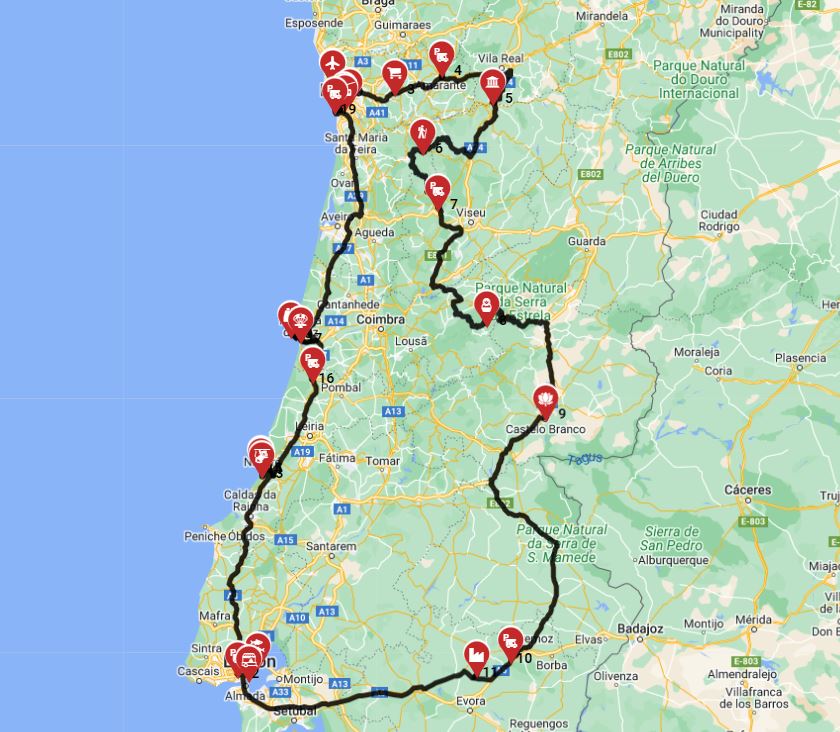
Road conditions around Porto and throughout Portugal are generally excellent, with well-maintained highways (autoestradas) providing smooth travel for RVs between major cities. The terrain directly in Porto can feature hills, particularly away from the Douro River, and many historic areas have narrow, winding, often cobblestone streets that require slower, careful driving. Rural roads leading to vineyards in the Douro Valley or coastal villages may be narrower and more challenging but are navigable with appropriate caution and an RV of suitable size. An RV allows for a more relaxed pace, encouraging travelers to appreciate the scenic landscapes, from the Atlantic coast to the inland hills and valleys. Encouraging slow, scenic driving helps ensure safety and a more immersive experience, especially when navigating less familiar routes.
RV Size Limits, Bridges & Restricted Zones
While most rental RVs (like Class B, C, and SI) are well-suited for Portuguese roads, drivers must be vigilant about vehicle dimensions, particularly height and length. Height restrictions are common in older city centers, underground parking garages, and some tunnels; always adhere to clearly marked signage (e.g., 3.0m or 3.5m clearance). Typical motorhome heights range from 2.8m to 3.2m (depending on the class and model), so awareness of clearance signs is crucial to avoid low bridges and structures. Porto does not have widespread environmental (ZCR) zones that severely restrict RVs, but always check for specific local municipal regulations which can be updated. If planning ferry travel, especially to islands, verify the specific length, width, and weight restrictions with the ferry operator in advance.
Fuel: Diesel vs. Petrol & Cost per 100 km
The vast majority of rental RVs in Porto, including Class SI - Semi-integrated, Class C - Alcove, Class B - Camper Van, and Class A - Integrated models, run on diesel fuel, which is readily available across Portugal. Average fuel consumption for Class B - Camper Vans is typically 9-11 Liters/100Km, while Class SI - Semi-integrated models average 9-13 L/100 km. Larger Class C - Alcove RVs commonly consume 10–14 Liter/100 km, and Class A - Integrated RVs average 11-12 Liter / 100 Km. Fuel costs in Portugal are comparable to other Western European nations; budgeting for these expenses is essential for your trip's overall cost. Some rv rental deals may offer fuel discount cards or prepaid fuel options, which can provide minor savings; always confirm your RV's specific fuel type before refueling. On the routes offered through RV PLANET routes, you can itemize and track every expense along the way for easy budgeting.
Tolls, Vignettes & Border Rules
Portugal's highway system predominantly uses electronic tolls; the Via Verde transponder system is the most convenient method for payment. Many rent-motorhome RVs come equipped with a Via Verde transponder, allowing automatic toll payments and avoiding potential fines for unpaid tolls; confirm this feature with your rental agency. Without a transponder, you may need to pay tolls manually at designated 'Portagem' lanes or settle post-payment tolls at CTT post offices, which can be less convenient. For cross-border travel from Porto into neighboring countries like Spain, specific vignettes are generally not required, but be aware of different toll systems in each country. Driving a rental RV around Europe is often permitted, but always inform your rental provider of your international travel plans in advance, as additional fees or specific documentation may apply.
Driving Tips for rv rental deals Travelers
**Family Travel:** Plan frequent stops (every 2-3 hours) to ensure comfort for all passengers, utilizing the RV's facilities for breaks and meals. **Budget-Conscious:** Opt for RVs with pre-paid toll passes (e.g., Via Verde) to avoid unexpected charges and plan routes that balance scenic appeal with toll road usage. **Luxury & Comfort:** Consider RVs with automatic transmissions for easier driving on Portugal's varied terrain and in urban traffic, enhancing a relaxed travel experience. **First-Time RVers:** Before hitting busy roads, practice driving and maneuvering your rental RV in a spacious, quiet area to get accustomed to its size and handling. **Navigation:** Utilize GPS systems or apps that allow for RV-specific routing to help avoid narrow streets, low bridges, or steep inclines unsuitable for larger vehicles. For ideas you can prep on the road, watch our RV-friendly recipes playlist on YouTube.
Recommended RV Class for Porto Roads
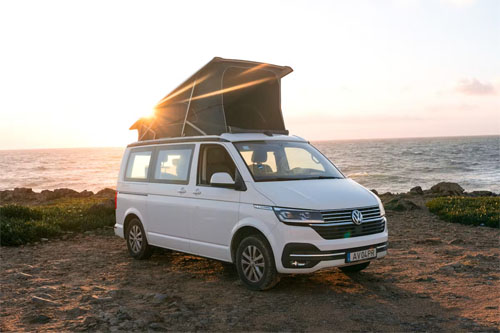
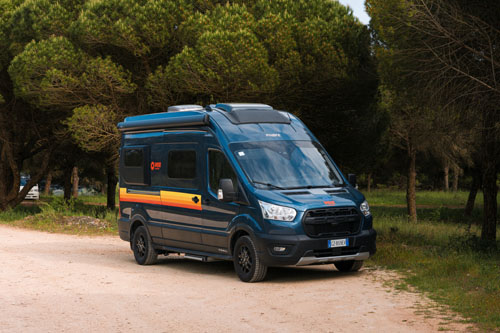
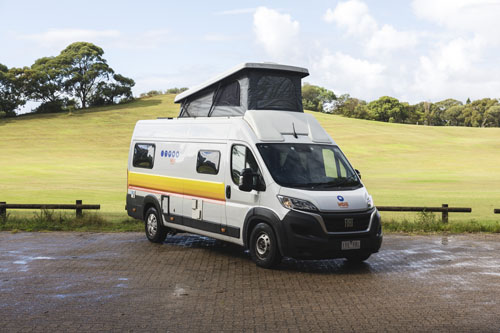
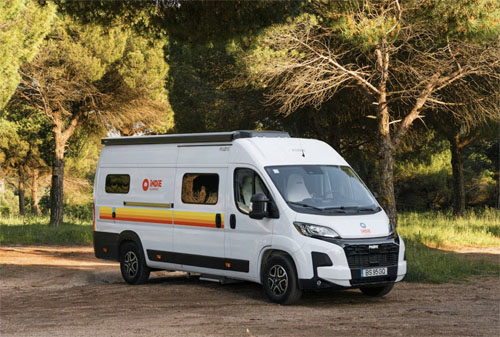
For exploring Porto and the wider Northern Portugal region, Class B - Camper Vans and Class SI - Semi-integrated motorhomes are generally the most recommended RV classes, balancing maneuverability with comfort. **Class B - Camper Vans** (average length 6.2m, 2-3 sleeping places) offer excellent agility for navigating Porto's tighter streets and parking, with an efficient fuel consumption of 9-11 Liters/100Km. **Class SI - Semi-integrated** RVs (average length 6.9m, 4-5 sleeping places) provide a good compromise, offering more interior space and amenities than camper vans, while still manageable for diverse road conditions, consuming 9-13 L/100 km. While larger Class C - Alcove (avg. 7.1m) and Class A - Integrated (avg. 7.5m) RVs offer more capacity (up to 6.2 sleeping places) and luxury, their increased size can make navigating very narrow village roads or crowded city centers more challenging. All recommended classes have sufficient ground clearance for standard paved and well-maintained unpaved roads commonly encountered in Portuguese scenic routes.
Should I Choose a Compact Van Instead of a Large RV in Porto?
For most travelers, driving any standard RV size in Porto presents no significant issue, with the enhanced comfort and indoor space of a larger RV often being a more valuable trade-off than the marginal maneuverability benefits of a compact van. A compact camper van (like a Class B, averaging 6.2m in length) genuinely excels in specific situations, such as navigating extremely tight historic city centers or very narrow mountain passes, and for easier parking in highly congested urban areas. Conversely, choosing a larger Class SI or Class C RV (averaging 6.9m to 7.1m) provides considerably more living space, a full bathroom, separate sleeping quarters, and ample storage, which significantly enhances comfort for families or longer trips. Many modern RVs are surprisingly maneuverable; the perceived difficulty of driving larger vehicles in Europe is often overstated for main roads and even many secondary routes. Your itinerary dictates the best choice: opt for a compact van if intensive urban exploration is key, but a larger RV offers a superior experience for scenic drives, national parks, and comfortable leisure travel.
Can I Park Anywhere? Free & Wild Camping Rules in Porto
Portugal's regulations for RVs explicitly prohibit wild camping and overnight parking outside of designated motorhome service areas (Áreas de Serviço para Autocaravanas - SAAs) or official campsites. While you can generally park your RV in regular parking spaces during the day, sleeping inside overnight is typically interpreted as wild camping and is not permitted, especially in environmentally sensitive or popular tourist areas. For legal and safe overnight stays, it is mandatory to utilize the widespread network of official campsites or SAAs, which provide essential services like water and waste disposal. Municipalities around Porto actively enforce these rules, and attempting wild camping can result in fines from local authorities. Rules vary by region — always check local regulations and follow local law before parking overnight to avoid legal issues and contribute to sustainable tourism.
Can I Drive an RV Into the City Center? Heights, Tunnels & Local Signage
Yes, you can generally drive an RV into the city center of Porto, but it requires extreme vigilance regarding local signage, particularly for height limits, tunnels, and restricted access zones. Porto's historic core has many narrow, winding streets and occasional low bridges; always obey posted signs for maximum height and weight allowances. Be aware of specific local signage indicating environmental zones, residents-only streets, or areas with limited access during certain hours, which can often restrict larger vehicles. For convenience and reduced stress, consider parking your RV in a designated, larger parking facility on the outskirts of the immediate city center and using Porto's efficient public transport (metro, bus, tram) to explore. The steep hills and cobblestone streets of central Porto are often best explored on foot or via public transport, once your RV is safely parked.
What You Shouldn't Miss
- Explore the historic Ribeira district, a UNESCO World Heritage site, and soak in the atmosphere of Porto's riverside charm.
- Walk across the iconic Dom Luís I Bridge for stunning panoramic views of the city and the Douro River.
- Visit a Port wine cellar in Vila Nova de Gaia for a tasting and learn about the region's famous wine production.
- Experience the thrill of driving through the terraced vineyards of the Douro Valley, perhaps even stopping at a quinta for a wine tasting and overnight stay if permitted.
- Take a scenic drive along the Douro River, enjoying the breathtaking landscapes and charming riverside towns.
- Discover the artistic side of Porto by visiting the Livraria Lello, one of the most beautiful bookstores in the world, and the São Francisco Church with its opulent interior.
Final Thoughts
Embarking on an RV adventure in Porto and Portugal offers an unparalleled blend of freedom, culture, and stunning scenery. With Bandana Caravan, you can navigate the exciting world of RV rentals with confidence, knowing you have a true RV specialist by your side. We're committed to providing you with the best deals and the most transparent booking process, ensuring your journey is as smooth as possible.
Don't just dream about your next road trip; make it a reality! Start planning your Portuguese escapade today and discover the joy of slow travel, immersing yourself in the landscapes, flavors, and culture of this beautiful country from the comfort of your rented RV.
Find Motorhome Rentals in Porto