In This Guide
- Can You Drive an RV in Philadelphia? License and Age Rules
- Road Conditions and Terrain in Philadelphia
- RV Size Limits, Bridges and Restricted Zones
- Fuel: Diesel vs. Petrol and Cost per 100 km
- Tolls, Vignettes and Border Rules
- Driving Tips for rv rental Travelers
- Recommended RV Class for Philadelphia Roads
- Should I Choose a Compact Van Instead of a Large RV in Philadelphia?
- Can I Park Anywhere? Free and Wild Camping Rules in Philadelphia
- Can I Drive an RV Into the City Center? Heights, Tunnels and Local Signage
- What is the 4 4 4 rule for RVing?
- What is the 3-3-3 rule for RV?
- Can you park overnight on the street in Philly?
- How much is RV insurance in PA?
Imagine yourself on the open road, the Liberty Bell behind you, and the rolling hills of Pennsylvania ahead. Renting a motorhome in Philadelphia offers unparalleled freedom to explore both the city’s rich history and the stunning natural beauty of the surrounding region. As true RV specialists, we at Bandana Caravan genuinely love helping people discover the joy of RV travel. We know the ins and outs of driving a rented campervan or motorhome, and we're here to share our expertise, making your trip as smooth and inspiring as possible.
For live availability and current prices, start with our RV Rental Philadelphia - Complete Guide 2026 guide. We pride ourselves on full transparency, ensuring no hidden fees and no surprises from your initial comparison to your final booking. Whether you're a seasoned RVer or embarking on your very first adventure, we're with you every step of the way before, during, and after your booking, providing the authoritative advice you need for a truly unforgettable journey.
Can You Drive an RV in Philadelphia? License and Age Rules
Pennsylvania typically requires a standard Class C driver's license for most recreational vehicles (RVs) under 26,001 pounds Gross Vehicle Weight Rating (GVWR), which includes the majority of rental motorhomes you'll find. For instance, a Class C motorhome like the Cruise America RV Rental Example Explorer, with a length of 7.1 meters, easily falls within this category. For single RVs exceeding 26,000 pounds GVWR, a Class B non-commercial license may be required in Pennsylvania, though these are less common in our rental fleet. The minimum driver age for most RV rentals through Bandana Caravan is 21, and we don't believe in young driver surcharges, so you can embark on your adventure with confidence, no matter your age. Foreign drivers should carry a valid license from their home country along with an International Driving Permit (IDP) for driving in Pennsylvania, though an IDP is not strictly mandatory in most cases, it's a helpful document for clear communication. For more detailed insights on planning your trip, consider checking our RV Travel Guide to Philadelphia - Tips and Top Spots 2026.Road Conditions and Terrain in Philadelphia
Philadelphia's road conditions vary, featuring well-maintained highways like I-95 and I-76 alongside urban streets that can present challenges such as potholes or charming cobblestone sections in historic districts, requiring careful navigation with your rental RV. The immediate city terrain is largely flat, which simplifies driving, but venturing into surrounding areas like Valley Forge National Historical Park will introduce gentle rolling hills and suburban routes. Expect significant urban density and stop-and-go traffic within the city center, which means slower speeds and increased vigilance for motorhome drivers. Driving a campervan in Philadelphia necessitates a slower, more deliberate pace and increased awareness, especially on older streets or during peak traffic hours, allowing you to absorb the surroundings and react safely.RV Size Limits, Bridges and Restricted Zones
When driving a rental RV in Philadelphia, particular attention must be paid to bridge height clearances, with some older underpasses and bridges within the city center, especially around the Delaware River waterfront or I-95 approaches, having limits as low as 11-12 feet. While most major highways and routes into Philadelphia accommodate standard RV sizes, some narrow streets in historic districts like Old City or Society Hill may be challenging or restrict larger vehicles. RV drivers should always obey posted height and weight limits on bridges and tunnels to avoid serious incidents. Philadelphia does not have specific environmental zones that restrict RV access based on emissions, but local idling laws apply, so be mindful of your environmental footprint.Fuel: Diesel vs. Petrol and Cost per 100 km
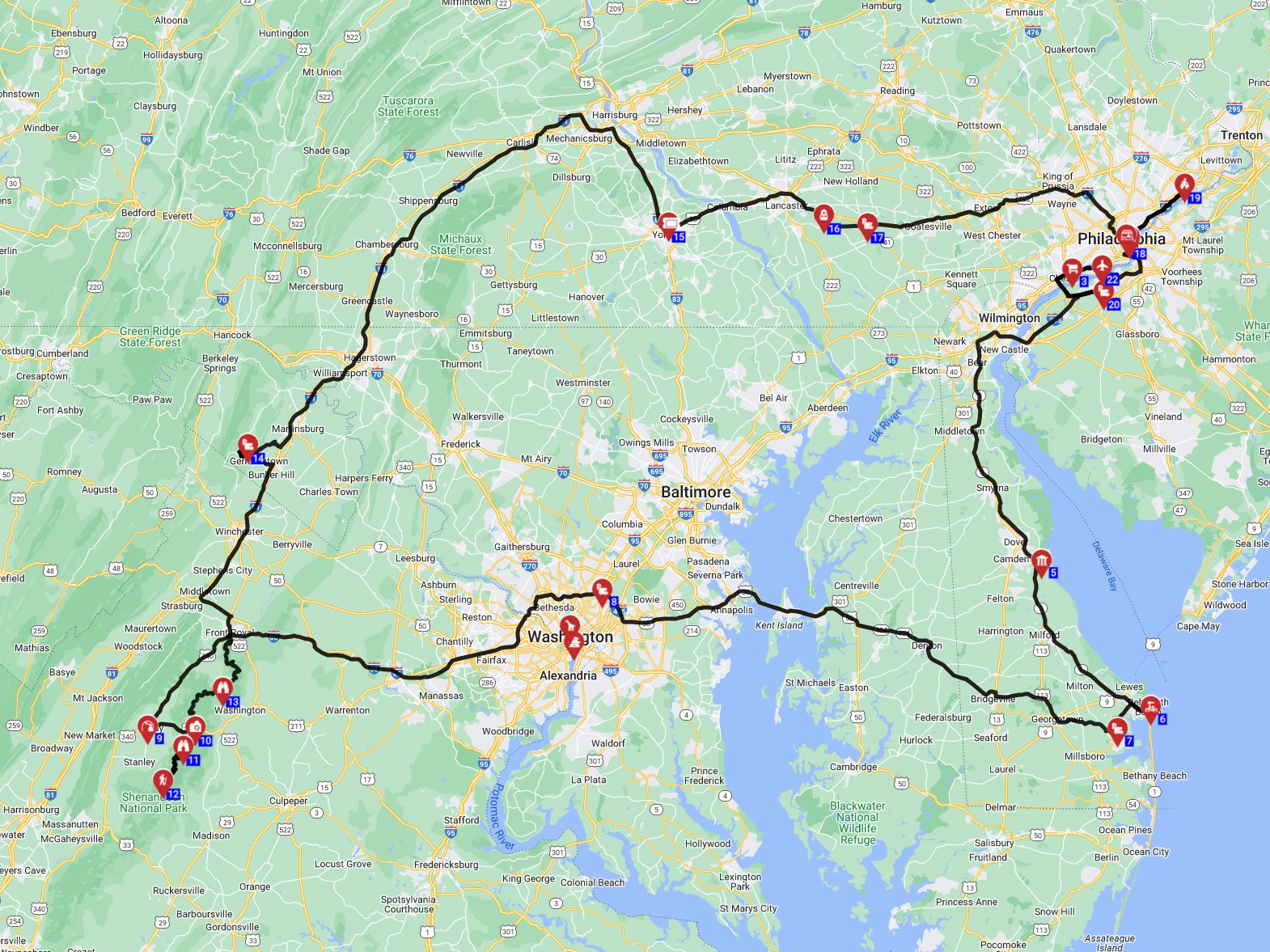
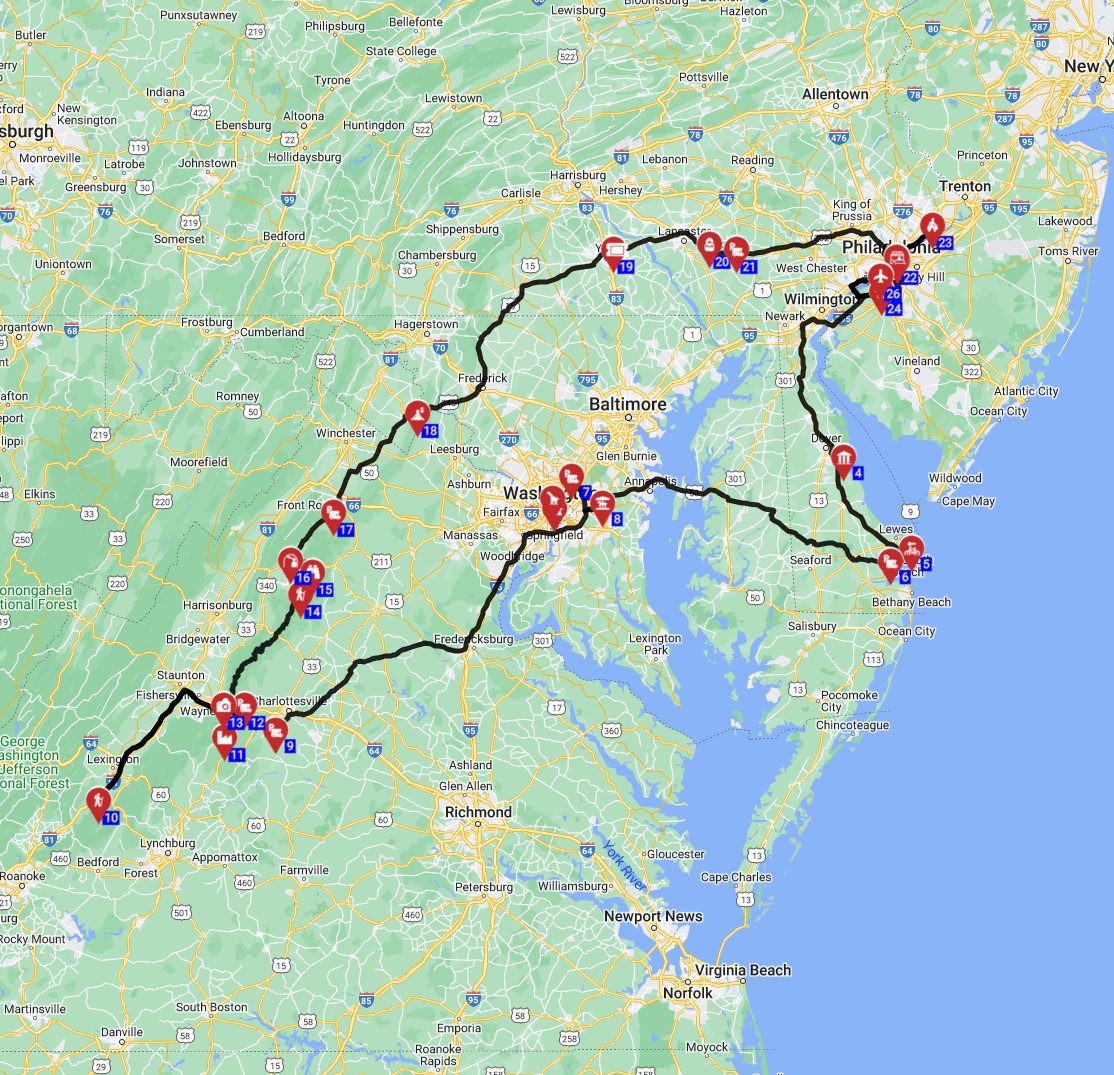
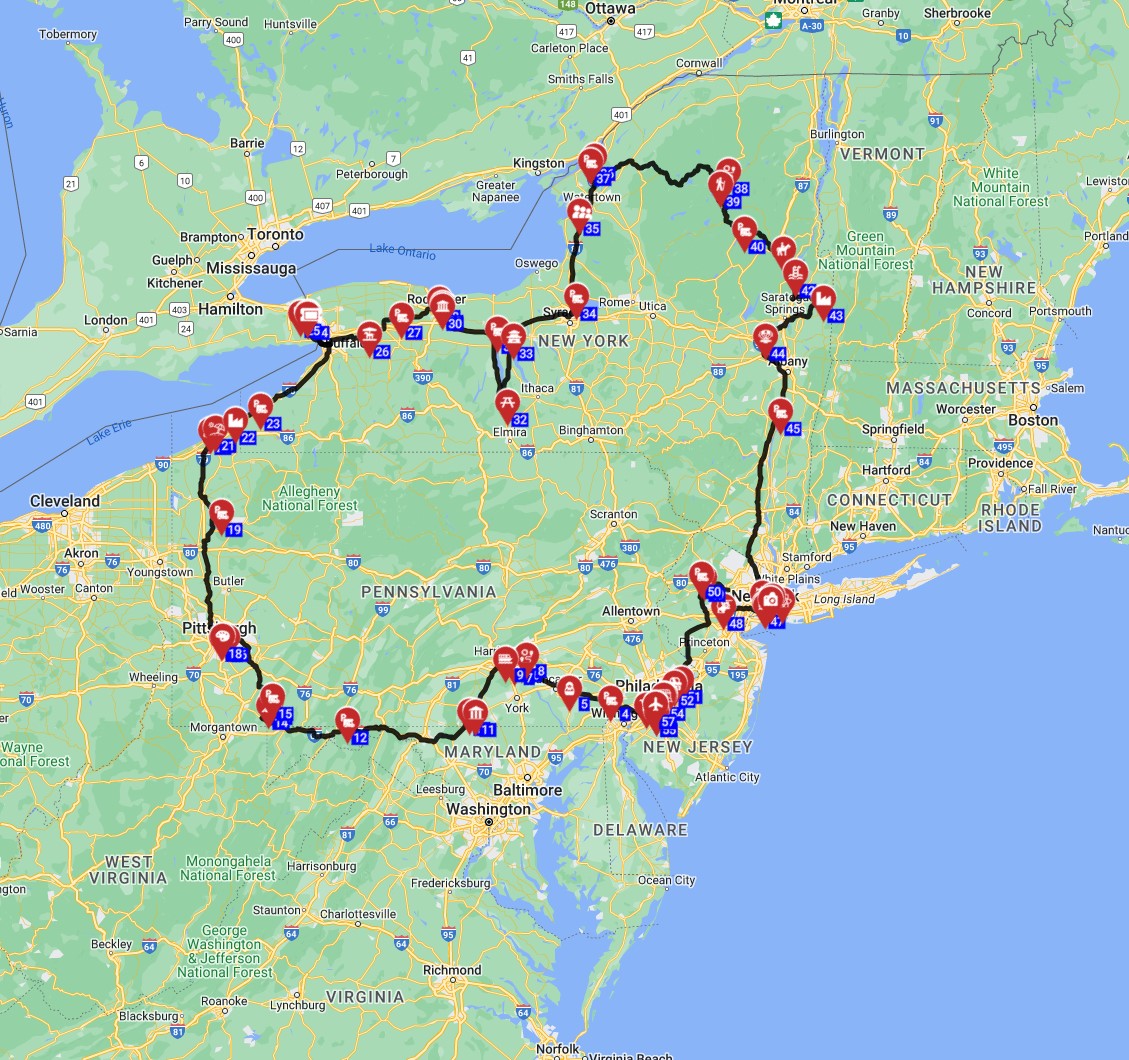
Most rental motorhomes, particularly Class C models like the Cruise America RV Rental Example Explorer and Class A units, typically run on petrol (gasoline), while some larger Class A units or smaller Class B campervans might use diesel fuel. For instance, a Class B Camper Van, generally around 5.8 meters in length, might consume 8–10 Liters/100 km, while a Class C RV, often around 7.1 meters long, typically uses 10–12 Liters/100 km. Both petrol and diesel are widely available at gas stations throughout Philadelphia and across Pennsylvania. While fuel costs are dynamic and change daily, for illustrative purposes, if petrol is $0.92/liter and diesel is $1.05/liter, a Class B (9L/100km) might cost around $8.28 per 100 km, and a Class C (11L/100km) around $11.55 per 100 km. Knowing these average fuel consumption rates is essential for budgeting your extended road trip. For detailed breakdowns of trip expenses, remember that RV PLANET routes allow you to itemize and track every cost along the way for easy budgeting. Exploring different budget options, like those found in our Cheap RV Rental in Philadelphia - Budget Guide 2026, can also help manage your overall trip cost.Tolls, Vignettes and Border Rules
Pennsylvania features numerous toll roads, bridges, and tunnels, most notably the Pennsylvania Turnpike, which can be paid conveniently via E-ZPass or the Toll-by-Plate system. Unlike some European countries, the U.S. does not use 'vignettes'; tolls are paid per use at specific points or through electronic systems. E-ZPass is highly recommended for RV travel in Pennsylvania and surrounding states for convenience and potential savings, as it often provides lower rates than the Toll-by-Plate system. If you use Toll-by-Plate, bills are sent to the vehicle's registered owner (your rental company), which then typically passes the cost, plus administrative fees, to you, the renter. There are no internal 'borders' or customs checks between U.S. states, meaning you can easily extend your adventure, but international travel (e.g., to Canada) requires passports and specific vehicle documentation, so plan accordingly. Our One-Way RV Rental in Philadelphia - Price Guide 2026 can offer more information on cross-state travel logistics.Driving Tips for rv rental Travelers
Always use an RV-specific GPS or navigation app that can account for your vehicle's height and weight to avoid unexpected low bridges or restricted routes in Philadelphia and its surroundings. Allow significantly more stopping distance than you would in a car, as larger RVs are heavier and take longer to brake, especially in heavy city traffic around areas like City Hall. Practice wide turns, anticipating your RV's longer wheelbase and rear overhang to avoid hitting curbs or other vehicles, particularly on tight corners in historic neighborhoods. When backing up or navigating tight parking spots, always use a spotter to guide you, as visibility can be limited, especially in urban environments. Most importantly, maintain a slower, more deliberate driving pace, particularly in Philadelphia's dense urban areas, allowing ample time to react to unexpected situations and truly enjoy the journey, not just the destination. Remember, you can drive almost anywhere without issues – just use common sense and pay attention.🎬 Video coming soon
Recommended RV Class for Philadelphia Roads
For navigating Philadelphia and its surrounding areas efficiently, Class B Camper Vans or Class SI Semi-integrated RVs are often recommended due to their optimal balance of maneuverability and onboard amenities. Class B Camper Vans, like the "rv rental denver example Category Van" or "hire campervan example Paradise S/T" averaging around 5.8 meters in length, offer excellent agility for city streets, easier parking in spots around Center City, and a comfortable experience for 2-3 adults. Class SI Semi-integrated models, such as the "2 Berth Rover" or "2 Berth Tamar" averaging 6.9 meters in length, provide more interior space, a larger kitchen area perfect for preparing RV-friendly recipes playlist, and separate sleeping areas for up to 3-4 adults without being overly cumbersome for most routes. While larger Class C and Class A motorhomes are perfectly suitable for highway travel and spacious campgrounds, their size can make navigating older Philadelphia streets and finding parking more challenging.Finding the right vehicle for your adventure is crucial, and our Cheap RV Rental in Philadelphia - Budget Guide 2026 provides excellent tips for selecting an RV that fits your needs and budget.
Should I Choose a Compact Van Instead of a Large RV in Philadelphia?
While a compact van, like a Class B Camper Van, offers superior maneuverability and easier parking for tight city streets in Philadelphia, larger RVs still provide unmatched comfort and living space that often outweigh minor driving challenges. A compact van is genuinely helpful for extensive city center exploration, navigating narrow historic alleys, and fitting into smaller parking spots more easily near attractions like the Philadelphia Museum of Art. Conversely, if comfort, a full kitchen, bathroom facilities, and ample storage for a family or longer trip are priorities, a larger RV (Class C or SI) offers a better trade-off, especially if you plan to park on the city outskirts and use public transport for city access. Most major roads in and around Philadelphia are designed to accommodate a range of vehicle sizes, so the decision often comes down to your priorities for onboard amenities versus peak urban maneuverability. Drive slowly and carefully, and you can drive almost anywhere without issues. No need to stress- just use common sense and pay attention.Can I Park Anywhere? Free and Wild Camping Rules in Philadelphia
Free or 'wild' camping is generally not permitted within Philadelphia city limits or on public streets, with specific ordinances prohibiting overnight RV parking for residential purposes. Designated campgrounds and RV parks located just outside Philadelphia, such as those in nearby Bucks County or across the Delaware River in New Jersey (like the Philadelphia South / Clarksboro KOA Journey), are the only legal and practical options for overnight stays with a rented RV. While some private retail parking lots (like Walmart) historically allowed overnight RV parking, policies vary greatly and are increasingly restricted; always obtain explicit permission from management before settling in. Rules for camping vary by region- always check local regulations and follow local law before parking overnight, as illegal parking can result in fines or towing.Can I Drive an RV Into the City Center? Heights, Tunnels and Local Signage
Yes, you can generally drive a rented RV into Philadelphia's city center, but it requires careful attention to specific height limits, one-way streets, and local signage. Major thoroughfares and highways leading into and through the city center, such as the Benjamin Franklin Bridge approaches or sections of I-95, are typically accommodating for RVs. However, drivers must be vigilant for posted height restrictions on underpasses and in tunnels, as some can be as low as 11-12 feet. Navigating historic areas like Old City or Society Hill will present challenges due to narrow streets, dense traffic, and very limited RV-appropriate parking, making public transportation a more practical option after parking on the city's periphery. Always heed local signage which indicates height limits, one-way streets, no-turn restrictions, and environmental considerations, as enforcement is strict.What is the 4 4 4 rule for RVing?
The '4-4-4 rule' for RVing is a planning guideline suggesting you drive no more than 400 miles (approximately 640 km) in a day, stop driving by 4 PM, and stay for at least 4 nights in each location. Adhering to the 4-4-4 rule helps prevent driver fatigue by limiting daily mileage, making the journey safer and more enjoyable for RV travelers exploring the Philadelphia region. Stopping by 4 PM ensures arrival at your campground or destination during daylight, allowing ample time for setup and familiarization before dark, which is especially helpful when navigating new areas. Staying for at least 4 nights at each stop promotes a relaxed pace, providing sufficient time to explore the local area, such as Philadelphia's historical sites or nearby regional parks, without constant packing and unpacking. Travel slowly, max 100-150 km per day on average, to truly feel the place, connect to the culture, the food, and the scenery.What is the 3-3-3 rule for RV?
The '3-3-3 rule' for RVing is a popular guideline for trip planning that suggests you drive no more than 300 miles (approximately 480 km) in a day, stop driving by 3 PM, and stay for at least 3 nights in each location. This rule is a slightly more conservative approach than the 4-4-4 rule, designed to provide an even more relaxed travel pace, ideal for first-time RVers or those prioritizing leisure. Limiting daily mileage to 300 miles significantly reduces driving stress and offers more flexibility for scenic detours or unexpected stops along your route from Chicago to Philadelphia. Arriving by 3 PM provides generous time for campground check-in, setting up your rented motorhome, and relaxing before evening activities, especially beneficial around the busy Philadelphia area. Staying a minimum of 3 nights allows for thorough exploration of a primary destination, offering a balanced approach to travel and relaxation during an RV trip.Can you park overnight on the street in Philly?
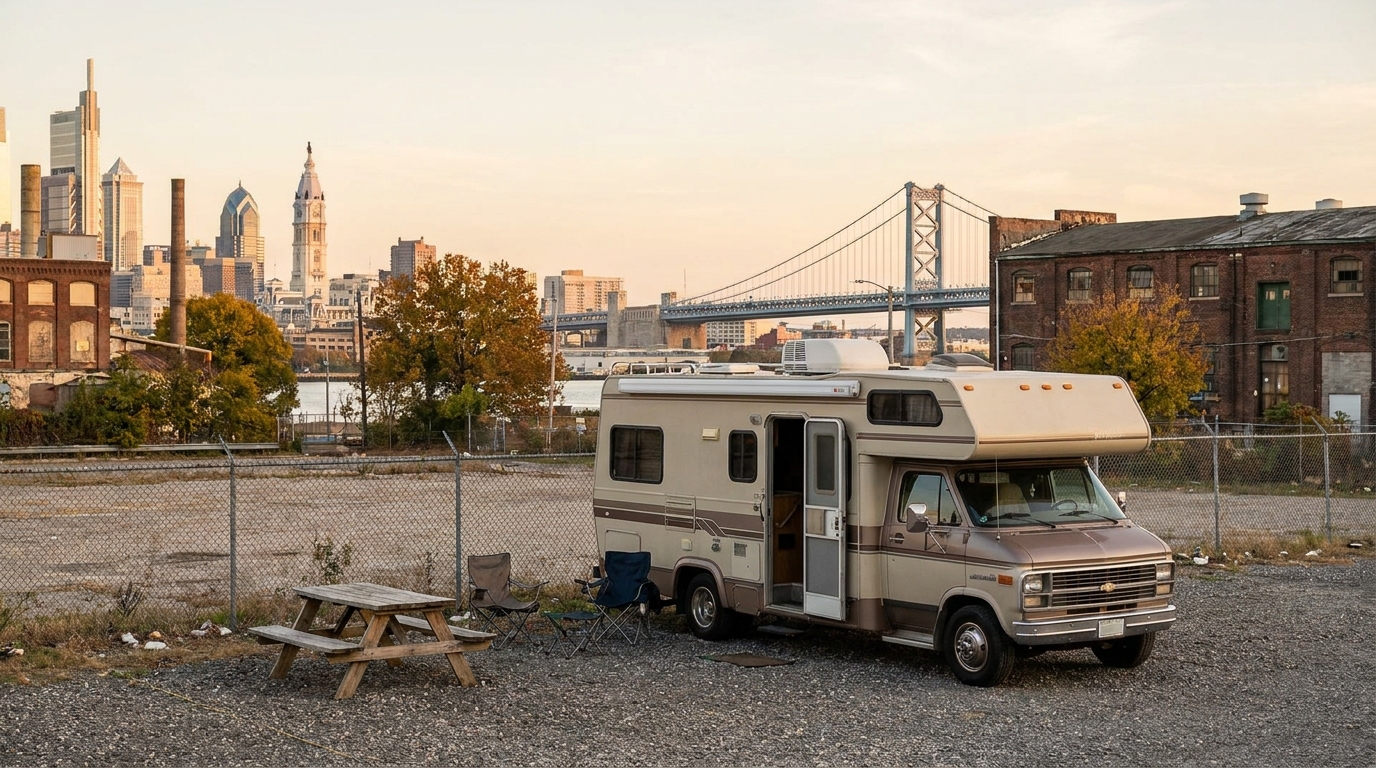
No, overnight RV parking on public streets in Philadelphia is generally not permitted and is subject to local parking ordinances that explicitly prohibit sleeping in vehicles or classify RVs as oversized vehicles. Philadelphia's municipal code restricts vehicle habitation on public streets, and these rules are enforced to manage congestion, maintain public safety, and prevent unauthorized camping. Expect fines or towing if your rental motorhome is found parked illegally overnight on a Philadelphia street, as city authorities regularly monitor compliance. For overnight stays, RV travelers should utilize dedicated campgrounds or RV parks located just outside the city limits, commuting into Philadelphia via public transportation or rideshare services for city exploration. Even if specific regulations were unclear, it is generally unsafe and unwise to park an RV overnight on unfamiliar urban streets due to security concerns.How much is RV insurance in PA?
The cost of RV insurance in Pennsylvania can vary significantly, ranging from approximately $800 to over $3,000 annually, depending on factors such as the RV's class, value, usage, and your driving record. For instance, insuring a high-value Class A Integrated motorhome, potentially like the Class A - Thor ACE 30, valued at $200,000, would typically fall on the higher end of this spectrum, often exceeding $1,500-$2,500 per year due to its replacement cost and potential liability. Factors influencing average RV insurance costs in PA include the rented RV's make, model, age, and value; whether it's used seasonally; your driving history; the amount of coverage (e.g., comprehensive, collision, liability); and chosen deductibles. To find the best rates on RV insurance in PA, it's recommended to shop around and get quotes from multiple providers (e.g., Progressive, National General, Geico, local Pennsylvania brokers), and inquire about discounts for bundling policies, safety courses, or membership in RV clubs. You can enhance your peace of mind by opting to upgrade to a top-level deductible reimbursement, an optional upgrade Bandana Caravan offers. For more about initial costs, refer to RV Rental in Philadelphia for Beginners - Pricing 2026.What You Shouldn't Miss
- Independence Hall and Liberty Bell: Immerse yourself in American history by visiting these iconic landmarks in Old City. Park your RV on the city's periphery and take public transport for easy access.
- Reading Terminal Market: Indulge in Philadelphia's culinary delights at this historic indoor market, offering everything from local produce to diverse eateries.
- Philadelphia Museum of Art & Rocky Steps: Strike a pose like Rocky, then explore the extensive art collections housed in this grand museum overlooking the Schuylkill River.
- Schuylkill River Trail: Enjoy a scenic bike ride or walk along this popular urban trail, offering beautiful views of the city skyline and lush green spaces.
- Eastern State Penitentiary: Discover the chilling history of this former prison, an architectural marvel and a thought-provoking museum.
- Fairmount Park: Escape the urban bustle in one of the world's largest urban parks, featuring gardens, historic mansions, and miles of trails to explore.
Final Thoughts
Driving a rented RV in Philadelphia is an incredible way to experience this historic city and the beautiful Pennsylvania region beyond. With a little preparation and our expert advice, you'll navigate urban streets, scenic routes, and welcoming campgrounds with ease and confidence. Remember to embrace the spirit of slow travel, allowing yourself to truly soak in the culture, taste the local flavors, and admire the diverse scenery. Whether you're exploring the bustling city center or the tranquil countryside, your mobile home on wheels provides the perfect base for adventure.At Bandana Caravan, we are committed to making your RV rental journey simple and transparent, providing 24/7 support from initial planning to post-booking coordination. Discover top destinations and planning tips, all in one place, and plan a trip itinerary in advance with minimal effort and maximum enjoyment. Your Philadelphia RV adventure awaits!
Find Motorhome Rentals in PhiladelphiaOn the routes offered through RV PLANET routes, you can itemize and track every expense along the way for easy budgeting.