In This Guide
- Can You Drive an RV in London? License & Age Rules
- Road Conditions & Terrain in London
- RV Size Limits, Bridges & Restricted Zones
- Fuel: Diesel vs. Petrol & Cost per 100 km
- Tolls, Vignettes & Border Rules
- Driving Tips for RV Rental Deals Travelers
- Recommended RV Class for London Roads
- Should I Choose a Compact Van Instead of a Large RV in London?
- Can I Park Anywhere? Free & Wild Camping Rules in London
- Can you drive an RV into the City Center? Heights, Tunnels & Local Signage
- Do you have to get a license for renting an RV?
- Can you walk around in a motorhome while driving in the UK?
- Can you drive an RV in the UK?
- Can you park a campervan in London?
- What kind of insurance do I need to rent an RV?
- Do credit cards cover RV rental insurance?
- Do I need insurance to rent a campervan?
- Class B - Camper Van for London
- Class SI - Semi-integrated for London
- Class C - Alcove for London
- Class A - Integrated for London
Can You Drive an RV in London? License & Age Rules
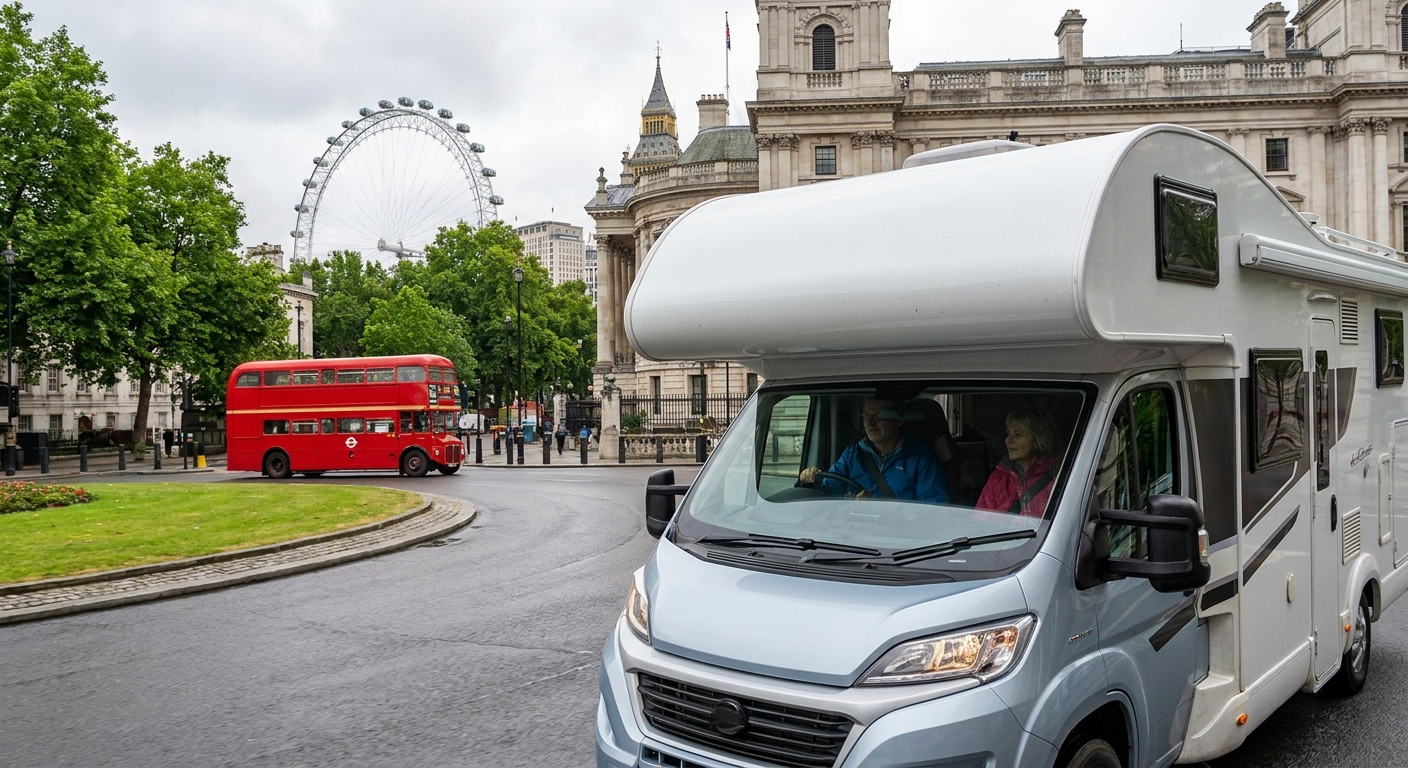
Driving an RV in London is permissible with a valid UK or international license appropriate for the vehicle's weight. A standard UK Category B driving license, obtained before January 1, 1997, generally permits driving vehicles up to 7,500 kg MAM (Maximum Authorised Mass). For licenses issued after this date, a Category B license typically covers vehicles up to 3,500 kg MAM, while a Category C1 license is required for vehicles between 3,500 kg and 7,500 kg. Most rental companies enforce a minimum driver age of 25 and require at least two years of driving experience for insurance purposes. International drivers will need their domestic license and may require an International Driving Permit (IDP) depending on their country of origin and the UK's reciprocal agreements.
Road Conditions & Terrain in London
London's road conditions are predominantly urban, characterized by dense traffic, frequent junctions, and varying surface quality, including some historic cobbled streets. The terrain within London is generally flat, presenting no significant challenges related to steep inclines or mountainous driving. RV drivers should anticipate busy A-roads and motorways leading into the city, followed by narrower streets and potentially restricted access zones within central London. Careful navigation, slower speeds, and constant awareness of other road users, including cyclists and pedestrians, are essential for a safe and smooth journey.
RV Size Limits, Bridges & Restricted Zones
RVs operating in London are subject to specific size restrictions and environmental charges, most notably the Ultra Low Emission Zone (ULEZ) and the Congestion Charge. The ULEZ operates 24/7 (except Christmas Day) and applies to most vehicles that don't meet strict emissions standards; compliant RVs avoid the daily charge. The Congestion Charge is in effect daily between 7:00 AM and 6:00 PM (Monday-Friday) and 12:00 PM - 6:00 PM (weekends and bank holidays) within a central London zone. Drivers must also be vigilant for low bridges, particularly on older routes and under railway lines, as well as height and width restrictions when accessing certain car parks or narrower side streets. Always check your specific RV's dimensions against posted limits before attempting to pass through restricted areas or utilize multi-story car parks.
Fuel: Diesel vs. Petrol & Cost per 100 km
Most rental RVs in London and across the UK operate on diesel fuel, which is widely available at service stations. Based on Bandana's local fleet data, common fuel consumption for RVs in London typically ranges from 8-13 Liters per 100 km. Specifically, Class B Camper Vans generally consume 8-11 Liters/100 km, while Class SI Semi-integrated and Class A Integrated RVs average 8-12 Liters/100 km. Larger Class C Alcove RVs typically use 11-13 Liters/100 km, reflecting their increased size and weight. While specific fuel prices fluctuate, travelers should budget for diesel costs, which generally command a higher price per liter than petrol in the UK. On the routes offered through RV PLANET routes, you can itemize and track every expense along the way for easy budgeting.
Tolls, Vignettes & Border Rules
London itself does not feature traditional road tolls, but it does impose the Congestion Charge and ULEZ, which are daily fees for driving within specific zones. The UK has very few conventional tolls; the M6 Toll motorway in the Midlands is the most notable example outside London's specific charges. There are no 'vignette' systems in the UK; charges are typically paid per use or per day for specific zones. For international RV trips, there are no physical border checks between England, Scotland, and Wales, allowing seamless travel within Great Britain. Some rental RVs may offer pre-purchased passes or guidance for navigating these specific London charges to help avoid potential fines.
Driving Tips for RV Rental Deals Travelers
When driving an RV in the UK, always remember to drive on the left-hand side of the road and be mindful of right-hand drive vehicles if you are accustomed to left-hand drive. It's highly recommended to utilize a GPS system that can account for RV dimensions (height, weight, length) to avoid unsuitable routes, low bridges, or narrow lanes. Prior to entering central London, thoroughly familiarize yourself with the ULEZ and Congestion Charge zones and payment methods to avoid penalties. Plan your parking strategically; consider using 'Park & Ride' facilities on the outskirts of London and utilizing public transport for city exploration. Finally, be patient with dense urban traffic and allow extra travel time, especially during peak hours, focusing on smooth and gradual maneuvers due to the RV's size.
Recommended RV Class for London Roads
For navigating London's urban environment, a Class B Camper Van or a Class SI Semi-integrated RV is generally recommended due to their relative maneuverability and compact footprint. Class B Camper Vans, with an average length of 6.2 meters, are the most agile, making them easier to park and negotiate narrower streets. Class SI Semi-integrated RVs, averaging 7.3 meters in length, offer more living space and amenities while still being manageable on most UK roads, including primary routes into London. These classes strike a better balance between interior comfort and urban drivability compared to larger Class C Alcove or Class A Integrated models, which can be more challenging to maneuver and park in congested city areas.
Should I Choose a Compact Van Instead of a Large RV in London?
While a compact camper van genuinely offers superior agility in very tight urban spaces and is marginally easier to park, most RV sizes are manageable on London's main arterial roads. The decision often comes down to a trade-off between maneuverability and onboard comfort, amenities, and sleeping capacity. For exploring historic city centers with extremely narrow lanes, a compact van truly helps, but for general touring and staying near London, a larger RV might offer a better overall experience. Larger RVs provide more indoor space, better cooking facilities, and more comfortable sleeping arrangements, which often outweigh the slight increase in driving challenge on London's main thoroughfares. Consider your group size and desired amenities; don't automatically rule out a larger RV for a London trip. For ideas you can prep on the road, watch our RV-friendly recipes playlist on YouTube.
Can I Park Anywhere? Free & Wild Camping Rules in London
Wild camping and unsanctioned overnight parking for RVs are generally prohibited within London's urban areas and across most of England and Wales. Finding free overnight parking for RVs in London is extremely difficult and largely unadvised due to local parking restrictions, security concerns, and environmental zone charges. Overnight parking is usually restricted to designated campsites, RV parks, or specific paid parking facilities that accommodate larger vehicles. London has a few dedicated campsites on its outskirts that offer facilities for RVs, providing a secure base for visiting the city via public transport. Rules vary by region, so always check local regulations and follow local law before parking overnight, and prioritize official campsites for safety and amenities.
Can you drive an RV into the City Center? Heights, Tunnels & Local Signage
Yes, you can generally drive an RV into London's city center, but it requires careful attention to specific local signage, environmental zones, and potential physical restrictions. Always pay close attention to local signage indicating height limits for tunnels and underpasses, low bridges, and width restrictions on certain roads. RVs driving into central London will be subject to the Ultra Low Emission Zone (ULEZ) and Congestion Charge; ensure your vehicle is compliant or be prepared to pay the daily fee. Some streets in the city center may be designated as 'residents only' or have access restrictions during certain hours, particularly for larger vehicles. Pre-planning your route with an RV-specific GPS or map system can help avoid unsuitable roads and potential fines.
Do you have to get a license for renting an RV?
Yes, a valid driver's license appropriate for the RV's Maximum Authorised Mass (MAM) is legally required to both rent and drive an RV in the UK. For RVs up to 3,500 kg MAM, a standard Category B license is sufficient. If the RV's MAM is between 3,500 kg and 7,500 kg, a Category C1 license is needed, unless your Category B license was obtained before January 1, 1997. Rental companies typically enforce a minimum driver age, often 25, and require at least two years of driving experience for insurance validity. International renters must present their domestic license, and depending on their country, an International Driving Permit (IDP) may also be mandatory.
Can you walk around in a motorhome while driving in the UK?
No, UK law strictly mandates that all occupants in a motorhome must be seated and wearing their seatbelts whenever the vehicle is in motion. Walking around, sleeping in non-designated beds, or using facilities while the RV is driving is illegal and highly unsafe. Children must be secured in appropriate car seats or booster seats if required by their age and height. Non-compliance can result in fines for both the driver and the individuals not wearing seatbelts. For safety, ensure all passengers are correctly restrained before setting off and remain so until the vehicle is parked.
Can you drive an RV in the UK?
Yes, you can absolutely drive an RV in the UK, provided you hold the correct driver's license for the vehicle's weight and adhere to specific road regulations. Navigating urban centers like London requires particular awareness of environmental zones (ULEZ), congestion charges, and vehicle size restrictions. UK roads are generally well-maintained, but many smaller country lanes can be narrow, requiring careful driving of larger vehicles. Planning your route, understanding parking options, and knowing local driving laws (like driving on the left) are crucial for a successful trip. A wide range of RV classes, from compact camper vans to larger integrated motorhomes, are available for rent, each offering different advantages for UK travel.
Can you park a campervan in London?
Yes, you can park a campervan in London, but finding suitable, legal, and affordable spots, especially for overnight stays or within central zones, can be challenging. Dedicated RV parking is scarce in central London; many multi-story car parks have height or weight restrictions preventing entry for campervans. Consider using large out-of-town car parks or 'Park & Ride' facilities on the outskirts of London, then utilizing public transport to reach the city center. Overnight parking for campervans is generally restricted to official campsites or specific designated RV parks located outside the immediate city center. Be prepared for potential ULEZ and Congestion Charge fees if driving or parking within the designated zones, even for short periods.
What kind of insurance do I need to rent an RV?
When renting an RV in the UK, you typically need comprehensive insurance that covers collision damage, theft, and third-party liability, which is usually included in the rental agreement. This base insurance often comes with a significant 'excess' or deductible, which is the amount you are liable for in case of damage before the insurance pays out. Most rental companies offer additional insurance products, such as 'excess reduction' waivers, to lower your financial liability in the event of an accident or theft. Consider adding coverage for personal effects, windscreen damage, tire damage, and breakdown assistance, as these may not be fully covered by the standard policy. Always review the specific terms and conditions of your rental agreement's insurance policy to understand what is covered and any exclusions.
Do credit cards cover RV rental insurance?
The vast majority of credit card rental insurance benefits explicitly *do not* extend to RVs, motorhomes, or campervans due to their classification as specialty or leisure vehicles. Credit card rental car insurance typically only covers standard passenger vehicles and explicitly excludes trucks, vans (if used for commercial purposes), and recreational vehicles. Always check the specific terms and conditions of your credit card's benefits guide or contact your card issuer directly to confirm any exclusions before assuming coverage. Relying solely on credit card insurance for an RV rental can leave you uninsured in case of an accident, leading to significant out-of-pocket expenses. It is always safest to obtain dedicated RV rental insurance, either through the rental company or an independent provider specializing in leisure vehicle coverage.
Do I need insurance to rent a campervan?
Yes, insurance is a legal requirement to rent and drive a campervan in the UK, ensuring coverage for potential damages to the vehicle and third-party liabilities. Rental companies include a basic level of insurance (often comprehensive) as part of your rental agreement, which covers the vehicle for collision and theft, and provides third-party liability. This mandatory insurance typically comes with an excess (deductible), meaning you are responsible for the first portion of any repair or claim cost. It is highly recommended to consider purchasing additional insurance, such as an excess waiver, to reduce your financial risk in the event of an incident. Driving without proper insurance in the UK is illegal and can lead to severe penalties, including fines, penalty points, and potential vehicle seizure.
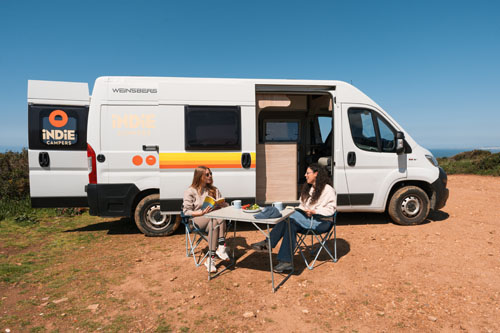
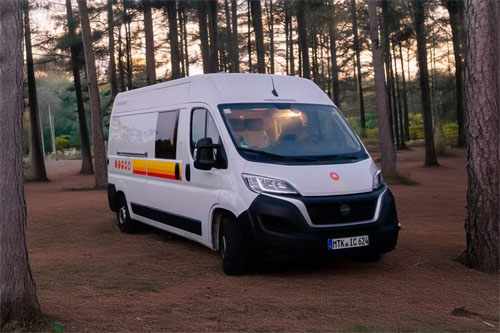
Class B - Camper Van for London
Class B Camper Vans are ideal for navigating London, offering the most compact dimensions and superior maneuverability among RV categories. Bandana's local fleet averages 6.2 meters in length, providing a good balance between internal space and ease of driving on narrower city streets. Typically accommodating 2 adults (average 2.5 sleeping places), they are perfect for couples or solo travelers seeking flexibility for urban exploration. Fuel consumption for Class B Camper Vans is efficient, averaging 8-11 Liters per 100 km, making them cost-effective for city and regional travel. Their smaller size makes finding suitable parking slightly easier compared to larger RVs, though central London parking remains challenging.
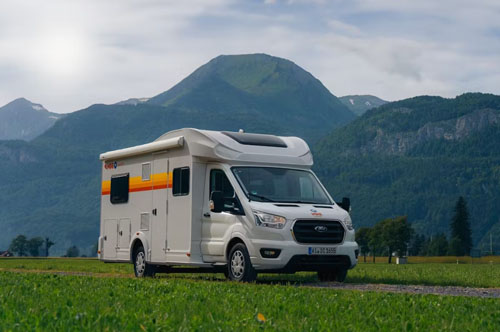
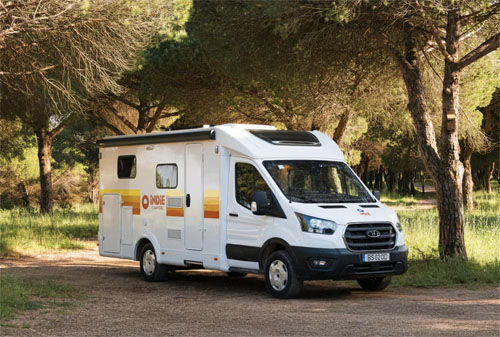
Class SI - Semi-integrated for London
Class SI Semi-integrated RVs provide a comfortable balance of living space and manageable size for visiting London and touring the UK. These vehicles average 7.3 meters in length in Bandana's local fleet, offering more amenities and room than a camper van without the full bulk of an alcove model. They typically accommodate 3-4 adults (average 3.6 adults, 3.9 sleeping places), making them suitable for small families or groups. Fuel consumption is moderate, ranging from 8-12 Liters per 100 km, ensuring a reasonable cost for longer journeys. While larger than camper vans, their streamlined profile makes them easier to drive than alcove or integrated models, particularly on motorways and A-roads leading to London.
Class C - Alcove for London
Class C Alcove RVs, characterized by their over-cab sleeping area, are spacious and ideal for larger families but present more significant challenges for urban London driving. With an average length of 7.2 meters and increased height, they require extra caution when navigating low bridges, tight streets, and parking garages. These RVs are designed for larger groups, typically accommodating 4 adults (average 5.8 sleeping places) with ample living and storage space. Fuel consumption for Class C Alcove models is generally higher, averaging 11-13 Liters per 100 km, reflecting their larger size and weight. While excellent for comfortable touring outside the city, their dimensions make dedicated RV campsites on London's outskirts a necessity, relying on public transport for city access.
Class A - Integrated for London
Class A Integrated RVs offer the most luxurious and spacious experience, but their considerable size makes them the most challenging for driving and parking in central London. Bandana's local fleet Class A RVs average 7.3 meters in length, combined with greater width and height than other classes, demanding experienced drivers. These premium RVs typically accommodate 4 adults (average 4 sleeping places), providing hotel-like amenities and expansive living areas. Fuel consumption for Class A models varies, averaging 8-12 Liters per 100 km, which is comparable to semi-integrated models despite their larger size. While providing unparalleled comfort for long-distance travel, Class A RVs are best suited for staying at dedicated campsites outside London, with plans to commute into the city via other means.
What You Shouldn't Miss
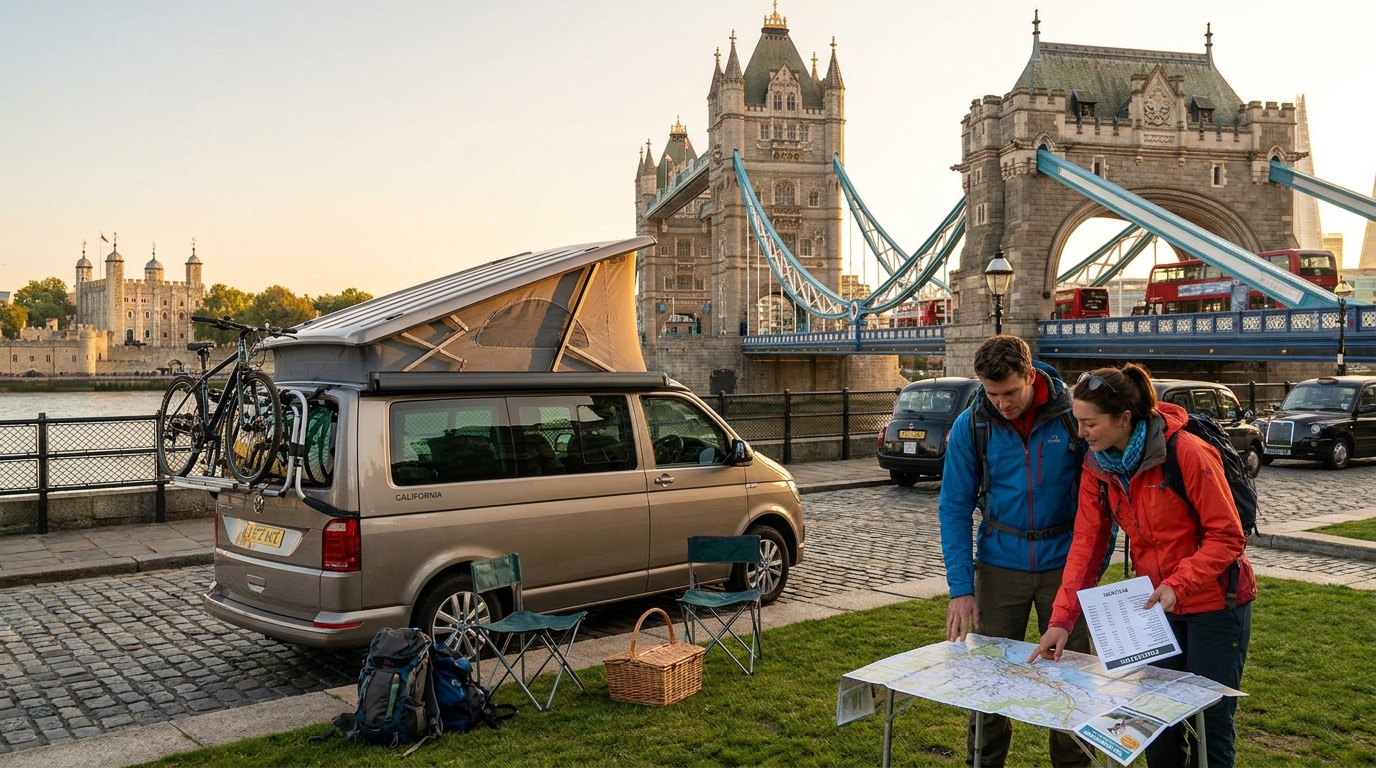
- Experience the iconic sights of London from your RV: drive past Buckingham Palace, the Houses of Parliament, and Tower Bridge, taking in the grandeur of the city.
- Explore the vastness of Lee Valley Regional Park, Europe's largest urban national park, offering extensive green spaces and campsites surprisingly close to the city's edge.
- Take a scenic drive along routes that follow ancient Roman roads like Watling Street, connecting modern travel with millennia of history.
- Enjoy the convenience of London's extensive public transport network by parking your RV at an out-of-town campsite or a designated 'Park & Ride' facility and commuting into the city center.
Final Thoughts
Renting an RV for your London adventure offers a unique way to experience the city and its surroundings. By understanding the driving regulations, planning your routes carefully, and choosing the right vehicle class, you can navigate the capital with confidence.
Remember to factor in potential charges like the ULEZ and Congestion Charge, and always prioritize safe parking by utilizing designated campsites. With a little preparation, your rented RV will serve as a comfortable and convenient base for exploring all that London has to offer.
Find Motorhome Rentals in London