For live availability and current prices, start with our RV Rental England - Complete Guide 2026 guide.
In This Guide
- Can You Drive an RV in England? License & Age Rules
- Road Conditions & Terrain in England
- RV Size Limits, Bridges & Restricted Zones
- Fuel: Diesel vs. Petrol & Cost per 100 km
- Tolls, Vignettes & Border Rules
- Driving Tips for rv rental deals Travelers
- Recommended RV Class for England Roads
- Should I Choose a Compact Van Instead of a Large RV in England?
- Can I Park Anywhere? Free & Wild Camping Rules in England
- Can I Drive an RV Into the City Center? Heights, Tunnels & Local Signage
- How Do I Manage RV Utilities Like Waste, Water, and Propane in England?
- How Can I Experience Local Culture and Food While RVing in England?
- What Are the Best Times to RV in England, Considering Seasons and Weather?
- What Are the Regulations for Traveling with Pets in an RV in England?
- What Is Mobile Data Coverage and Emergency RV Assistance Like in England?
Can You Drive an RV in England? License & Age Rules
Driving an RV in England is permissible for most licensed drivers, typically requiring a standard B license for vehicles up to 3,500kg. A standard UK or EU Class B license covers vehicles up to 3,500kg; for RVs between 3,500kg and 7,500kg, a C1 license is generally required, though many older UK licenses may include this category. The minimum driver age for RV rentals is commonly 21, with some companies imposing an upper age limit, often around 70 or 75. Non-EU license holders will typically need an International Driving Permit (IDP) in conjunction with their national driver's license, although this is not always mandatory. Always confirm the specific license and age requirements directly with your chosen RV rental company before booking, as policies can vary significantly.
Road Conditions & Terrain in England
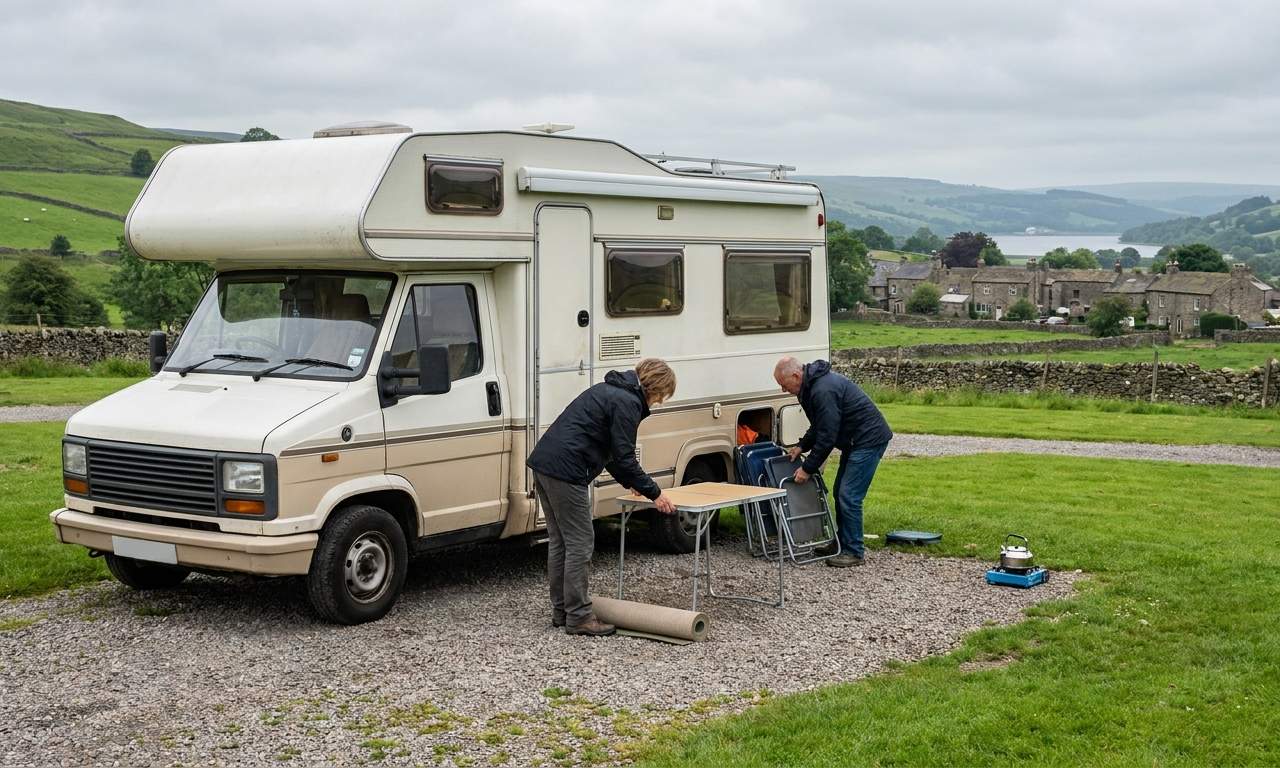
England offers a diverse range of road conditions, from well-maintained motorways to narrow, winding country lanes, all of which require adaptable driving. Motorways (M-roads) are high-quality and designed for faster travel, but rural 'A' and 'B' roads, especially in areas like the Cotswolds or the Lake District, can be extremely narrow. Many are single-track with designated passing places, necessitating careful negotiation with oncoming traffic. Terrain varies from the flat expanses of East Anglia to the rolling hills of the South Downs and the more rugged, mountainous regions of Cumbria (Lake District) and the Peak District. Historic villages frequently feature tight turns, cobbled streets, and limited space, encouraging a slower, more cautious approach. Embracing the slower pace on scenic routes allows you to fully enjoy the picturesque English countryside.
RV Size Limits, Bridges & Restricted Zones
RV drivers in England must be vigilant for low bridges, narrow roads, and urban environmental zones that can restrict access for larger vehicles. Low bridges are a significant concern, particularly on secondary roads and within historic areas; always check posted height and width restrictions meticulously before proceeding. Weight limits may also apply on smaller or older bridges, and on certain unclassified rural roads. London operates an Ultra Low Emission Zone (ULEZ) and Congestion Charge, and other cities like Bath, Birmingham, and Bristol have implemented Clean Air Zones (CAZs). These zones may levy daily charges on RVs that do not meet specific emission standards. Additionally, ferry services, such as those to the Isle of Wight, often have specific tariffs based on vehicle length and weight, which should be factored into your travel planning.
Fuel: Diesel vs. Petrol & Cost per 100 km
Most RVs in England run on diesel, which is widely available at service stations, with typical consumption for our fleet ranging from 8-17 Liters/100 km. Diesel is the predominant fuel type for motorhomes in England; petrol RVs are less common, and fuel prices are always displayed per liter. For example, Bandana's fleet averages show:
- Class B (Camper Van): 8-10 Liters/100 Km (average length 5.8m)
- Class SI (Semi-integrated): 10-11 Liters/100 km (average length 6.9m)
- Class C (Alcove): 10-12 Liters/100 km (average length 7.5m)
- Class A (Integrated): 8-12 Liters/100 Km (average length 7.5m)
- Class TC (Truck Camper): 12-17 Liters/100 km (average length 5.5m)
Fuel costs can represent a substantial portion of your overall budget, so consider adopting efficient driving practices and monitoring fuel prices as you travel. On the routes offered through RV PLANET routes, you can itemize and track every expense along the way for easy budgeting.
Tolls, Vignettes & Border Rules
England has very few traditional toll roads; however, urban environmental charges like London's ULEZ and Congestion Charge are important considerations for RV travel. The primary traditional toll road is the M6 Toll in the Midlands, but most other charges are for specific crossings or environmental zones. The Dartford Crossing on the M25 east of London operates a remote payment system (Dart Charge), rather than traditional toll booths. Cities like London, Bath, Birmingham, Bristol, and Bradford have implemented Clean Air Zones (CAZs) or Ultra Low Emission Zones (ULEZ), which may levy daily charges on non-compliant vehicles, including some RVs. There is no national vignette system in England, and driving between England, Scotland, and Wales is seamless, without border checks or specific tolls.
Driving Tips for rv rental deals Travelers
Successful RV travel in England hinges on adjusting to left-hand driving, navigating potentially narrow roads, and planning routes carefully to avoid unexpected restrictions. **Drive on the Left**: This fundamental rule is paramount for all visitors, requiring extra vigilance, especially at junctions and roundabouts. **Mind Narrow Roads**: Be prepared for very narrow country lanes, particularly in rural areas and historic villages. Utilize designated 'passing places' courteously for oncoming traffic. **Use RV-Specific GPS**: Invest in or use a navigation system that accounts for your RV's dimensions (height, width, weight) to avoid low bridges, width restrictions, and unsuitable routes. **Practice Maneuvering**: Before heading into busy areas, spend time getting comfortable with your RV's size, especially reversing and turning in confined spaces. **Patience is Key**: English roads can be winding and busy; embrace a slower pace to enjoy the scenery and react safely to unexpected road conditions.
Recommended RV Class for England Roads
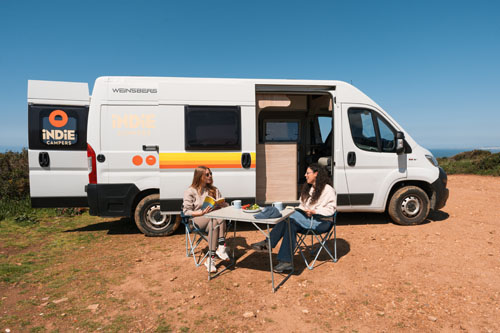
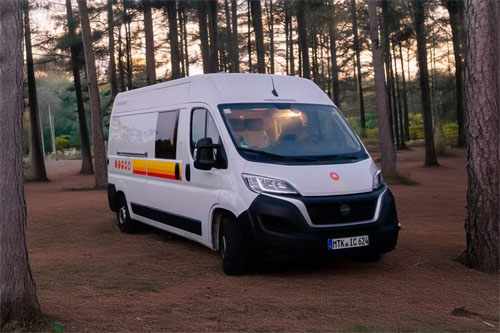
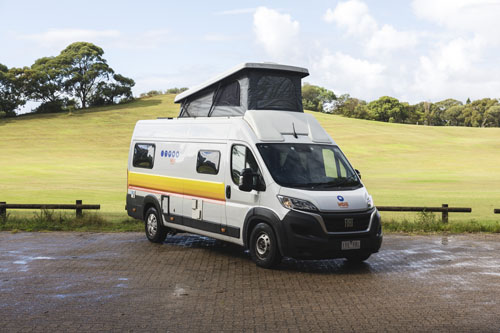
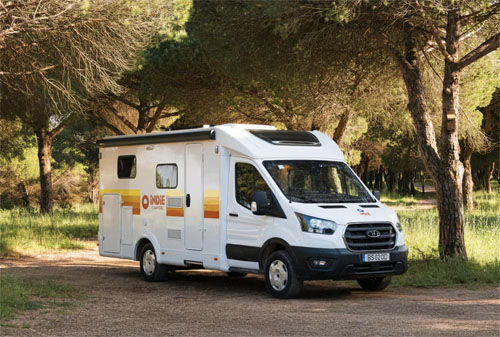
For navigating England's diverse roads, Class B Camper Vans (averaging 5.8m) and Class SI Semi-integrated RVs (averaging 6.9m) offer an excellent balance of maneuverability and living space. Class B Camper Vans, with their compact size, are highly maneuverable, making them ideal for narrower roads, historic villages, and easier parking. They typically sleep 2-3 adults and consume 8-10 Liters/100 Km. Class SI Semi-integrated RVs, averaging 6.9m in length, provide more interior comfort and space for 3-4 adults while remaining manageable on most routes, with fuel consumption typically ranging from 10-11 Liters/100 km. These classes offer a good compromise, allowing access to most scenic routes without significant driving challenges, unlike larger Class C (Alcove, avg. 7.5m) or Class A (Integrated, avg. 7.5m) vehicles, which, while comfortable, can be more demanding on smaller, winding roads.
Should I Choose a Compact Van Instead of a Large RV in England?
While compact vans offer superior maneuverability for extremely tight spots, larger RVs provide significantly more comfort and living space, making the choice dependent on your travel priorities and itinerary. Compact vans are easier to drive on very narrow roads, park in small towns, and generally offer better fuel economy, making them ideal for solo travelers or couples focusing on urban exploration or very remote areas. Larger RVs provide greater headroom, more extensive living areas, more comprehensive kitchen facilities, and often dedicated bathrooms, significantly enhancing comfort for longer trips, families, or those prioritizing onboard amenities. Consider your itinerary carefully: if your trip heavily involves navigating ancient villages, city centers, or very remote single-track roads, a compact van is genuinely beneficial. For broader touring, national parks, and scenic coastal drives, a larger RV often provides a better overall experience. The perceived 'issue' of driving any RV size in England is often overstated; many larger RVs navigate the country comfortably with mindful route planning. For ideas you can prep on the road, watch our RV-friendly recipes playlist on YouTube.
Can I Park Anywhere? Free & Wild Camping Rules in England
In England, wild camping in an RV is generally illegal without explicit landowner permission, making designated campsites or specific overnight parking areas the primary legal options. Unlike some parts of Scotland, wild camping for vehicles is largely prohibited across England on public land or without private landowner consent. The 'right to roam' in some national parks typically applies to foot traffic, not vehicles. Designated campsites are the most reliable and legal option, offering a range of facilities from basic pitches to full electrical hook-ups, waste disposal, and fresh water points. The 'pub stops' culture is a popular, informal option where many rural pubs allow self-contained RVs to park overnight in their car parks, usually in exchange for patronizing their establishment—always ask permission first. A growing number of towns offer designated, often basic, overnight parking for motorhomes, providing a legal and convenient alternative to full-service campsites. Remember that rules vary by region, so always check local regulations and follow local law before parking overnight, ensuring you leave no trace and are respectful of local communities.
Can I Drive an RV Into the City Center? Heights, Tunnels & Local Signage
Yes, driving an RV into most English city centers is possible, but it requires careful attention to height and width restrictions, environmental zones, and specific local parking regulations. Always observe signs for height limits, width restrictions, 'no entry' zones, and residents-only streets, which are prevalent in historic city centers. Be aware of London's ULEZ and Congestion Charge, as well as Clean Air Zones (CAZs) in other cities like Bath, Birmingham, and Bristol, which may levy charges on non-compliant RVs. Finding suitable and affordable RV parking in city centers can be difficult; consider utilizing park-and-ride schemes on the outskirts and using public transport. Plan your route meticulously using an RV-specific GPS to avoid any low bridges or narrow tunnels that might be present in older urban areas. Be prepared for significant traffic congestion, especially during peak hours, and navigate slowly through busy urban environments.
How Do I Manage RV Utilities Like Waste, Water, and Propane in England?
Managing RV utilities in England is straightforward, primarily handled at designated service points within campsites for waste disposal and water refills, with propane/LPG widely available. Dedicated 'Elsan points' for black water (toilet cassettes) and grey water drains are standard features at almost all campsites, and it is illegal to discharge waste elsewhere. Fresh potable water is readily available at campsites and many service stations; it's advisable to carry various tap adapters for different connection types. Propane (often sold as Calor Gas) is the primary fuel for RV cooking and heating and is widely available from dedicated gas suppliers, larger hardware stores, and some campsites. Ensure your RV is compatible with UK gas bottles or has a refillable LPG system with the correct adapters (e.g., Euro connector for self-fill tanks). Electricity hook-ups are standard at most campsites (230V, with a blue CEEform 3-pin plug), and rental RVs typically include the necessary adapter cable. Factor in utility stops during your trip planning, especially if you anticipate extended periods away from full-service campsites, to prevent running out of essentials.
How Can I Experience Local Culture and Food While RVing in England?
RVing in England offers a unique opportunity to immerse yourself in local culture and culinary experiences by visiting farmers' markets, engaging with pub life, and exploring beyond major tourist hubs. Seek out weekly farmers' markets, village fetes, and local food festivals for fresh, seasonal produce, artisan crafts, and a true taste of regional specialties like Cornish pasties or local cheeses. The traditional English pub is a social cornerstone; enjoy traditional pub grub, local ales, and engage in conversation with locals. Many pubs also offer 'pub stops' for overnight RV parking (ask permission!). Take advantage of your RV's flexibility to explore areas known for specific foods, such as fresh seafood along the coast, cream teas in the West Country, or traditional Sunday roasts. Choose smaller, independent campsites or farm stops to interact with local proprietors and get insider tips. Visiting local shops and supporting independent businesses will help you truly integrate with the local way of life.
What Are the Best Times to RV in England, Considering Seasons and Weather?
The best time to RV in England generally spans from late spring to early autumn (May to September), offering the warmest weather and longest daylight hours. However, each season presents unique advantages and considerations. Peak Season (July-August) provides the warmest temperatures and longest daylight hours, ideal for outdoor activities and coastal visits, but expect higher crowds, increased prices for rentals and campsites, and the necessity of advance bookings. Shoulder Seasons (May-June, September) are often considered ideal, offering pleasant weather, fewer crowds than peak season, better availability, and generally more moderate prices. May showcases blooming landscapes, while September offers beautiful autumn colors. Off-Season (October-April) is characterized by colder temperatures, shorter daylight hours, and a higher chance of rain or even snow. While offering significantly fewer tourists and lower prices, many campsites and attractions may be closed or have reduced hours, requiring thorough planning. Remember regional variations; Southwest England typically experiences milder weather, whereas northern England can be cooler and wetter. English weather is famously unpredictable, so always pack layers, waterproof clothing, and be prepared for varied conditions, regardless of the season.
What Are the Regulations for Traveling with Pets in an RV in England?
Traveling with pets in an RV in England requires adherence to specific import regulations, securing pet-friendly accommodations, and being aware of local restrictions. Pets entering the UK (including from EU countries) must be microchipped, have a valid pet passport or an Animal Health Certificate (AHC), and be vaccinated against rabies. Always check the latest DEFRA (Department for Environment, Food & Rural Affairs) guidelines well in advance of your trip. Confirm that your chosen RV rental company explicitly allows pets, as most will charge an additional cleaning fee for pet-friendly vehicles. Many campsites across England welcome pets, but specific rules often apply, such as dogs being kept on a leash, restricted areas, or breed restrictions – always verify and book ahead. Be aware that pets may not be allowed in all public spaces, attractions, restaurants, or on specific beaches during certain times of the year; always look for local signage. Ensure your pet has a safe, comfortable, and secure space within the RV, especially while driving, and avoid leaving pets unattended in the RV for extended periods, particularly in warm weather.
What Is Mobile Data Coverage and Emergency RV Assistance Like in England?
Mobile data coverage in England is generally good in populated areas and along major routes, though it can be patchy in remote regions. Major network providers (EE, Vodafone, O2, Three) offer extensive 4G and growing 5G coverage across towns, cities, and main roads. However, coverage can be limited or non-existent in very rural areas, national parks, and some remote coastal regions. Wi-Fi is commonly available at most campsites, often for a fee, and free Wi-Fi is readily found in pubs, cafes, and many tourist attractions. For any general emergency, dial 999 from any phone; this service is free and accessible even without mobile credit. Your rental RV should include comprehensive breakdown cover provided by the rental company, likely through partners like the AA or RAC. Ensure you have the rental company's emergency contact number readily available. In case of mechanical issues, contact your RV rental provider's emergency line immediately for guidance and to coordinate assistance. Consider purchasing a local SIM card for better rates or a portable Wi-Fi hotspot. Always inform someone of your itinerary, especially when venturing into areas with potentially poor signal.
What You Shouldn't Miss
-
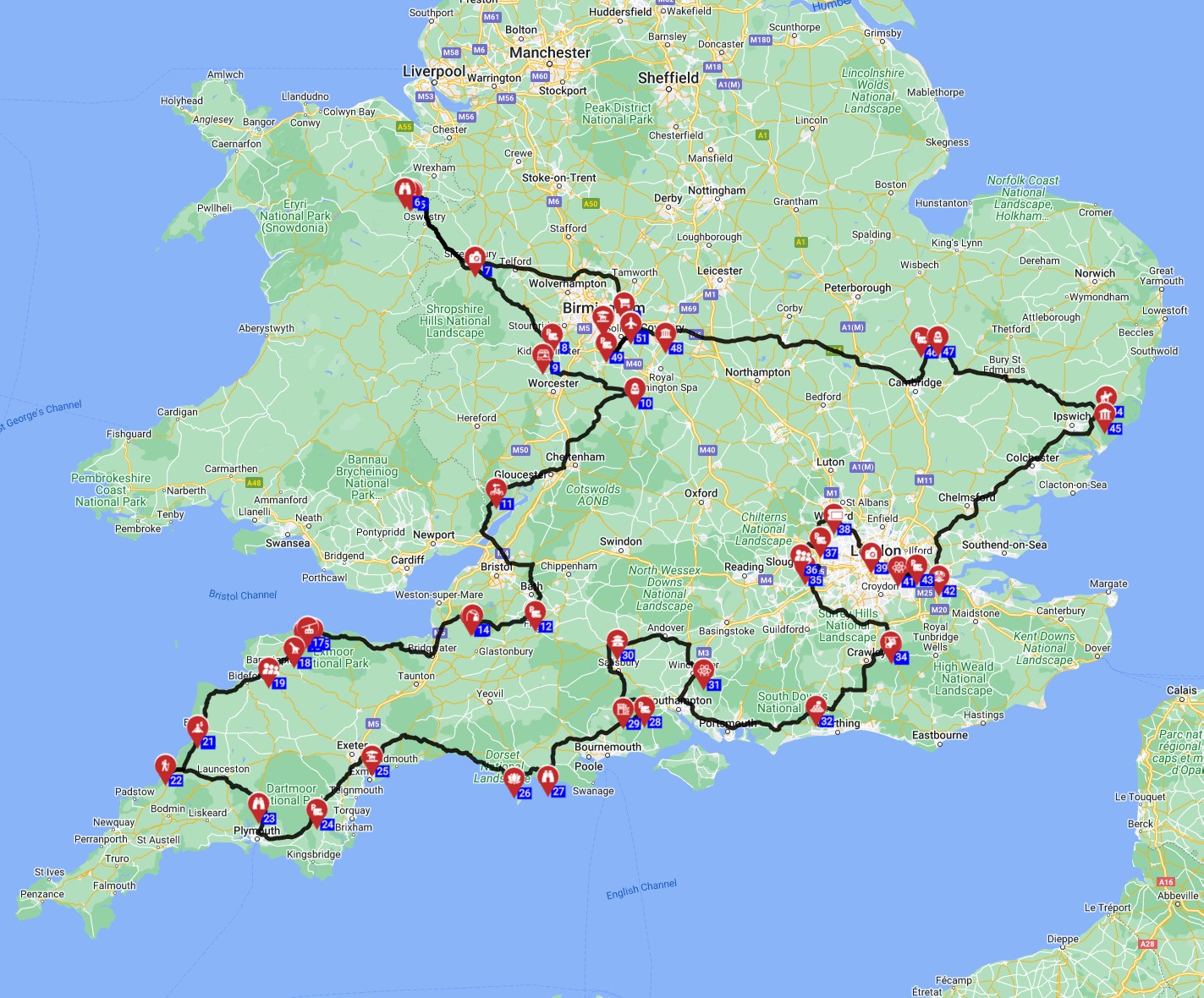
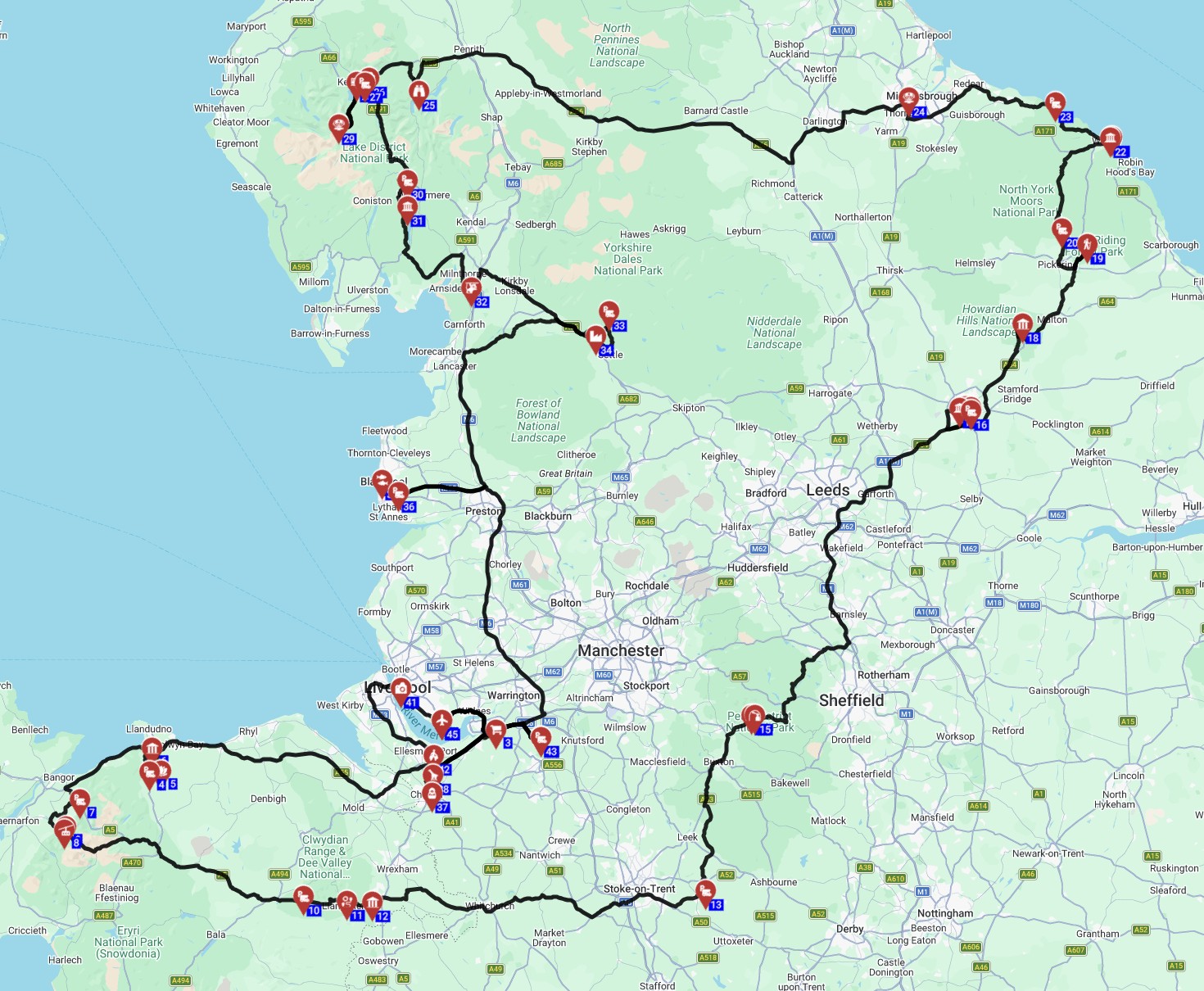
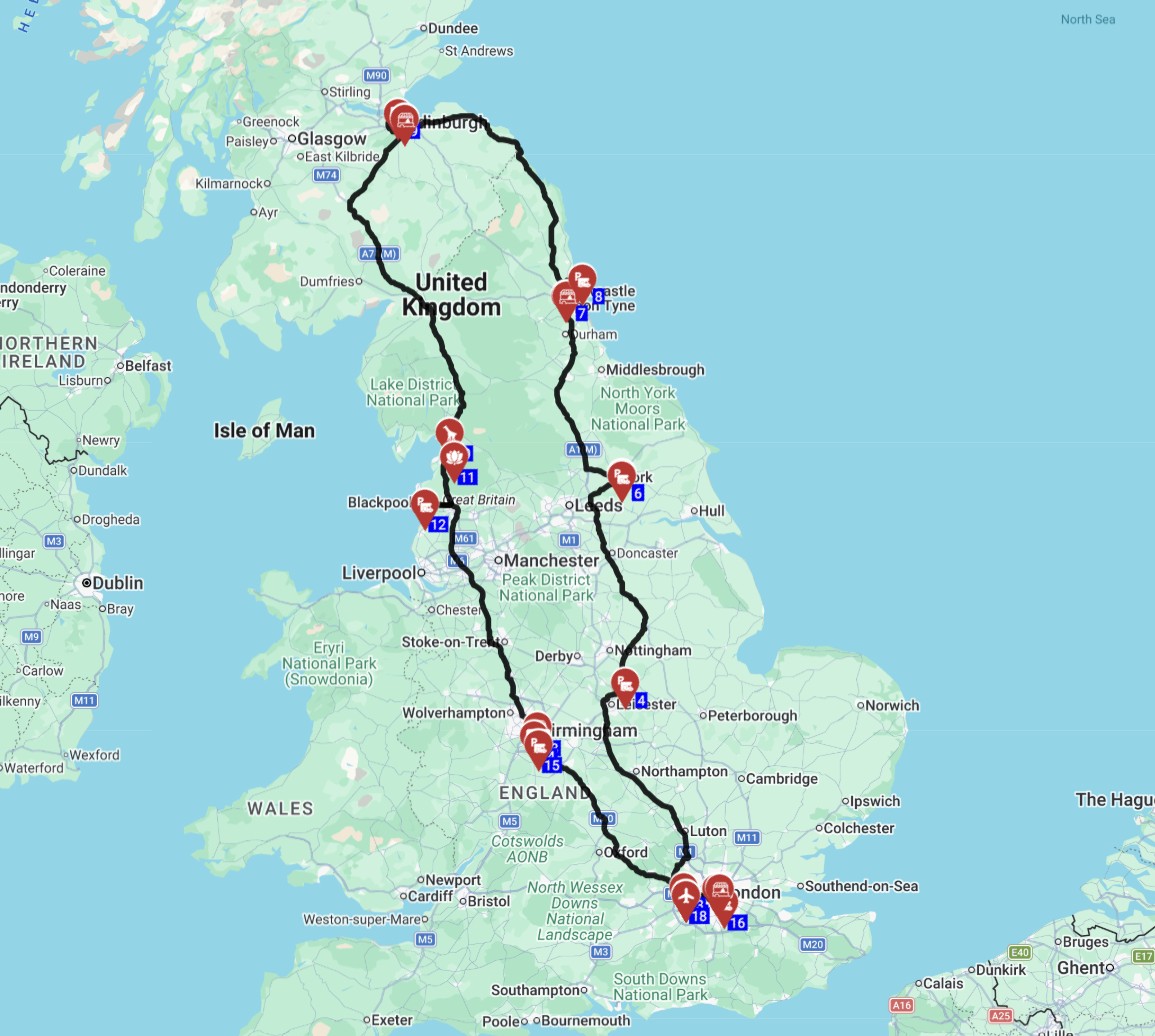
(22 days, 2573 km): This comprehensive route covers a vast array of attractions, including 2 Amusement Parks, 3 Wildlife encounters, an Aquarium, and numerous historical sites. It's an ideal way to experience diverse English landscapes and activities.
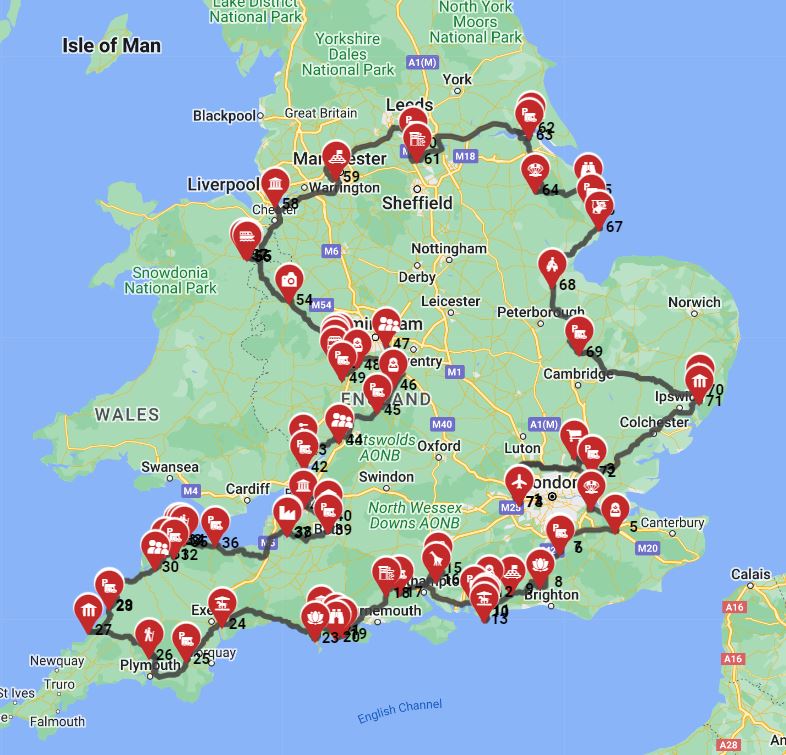 London Roundtrip - A circuit around England
 -
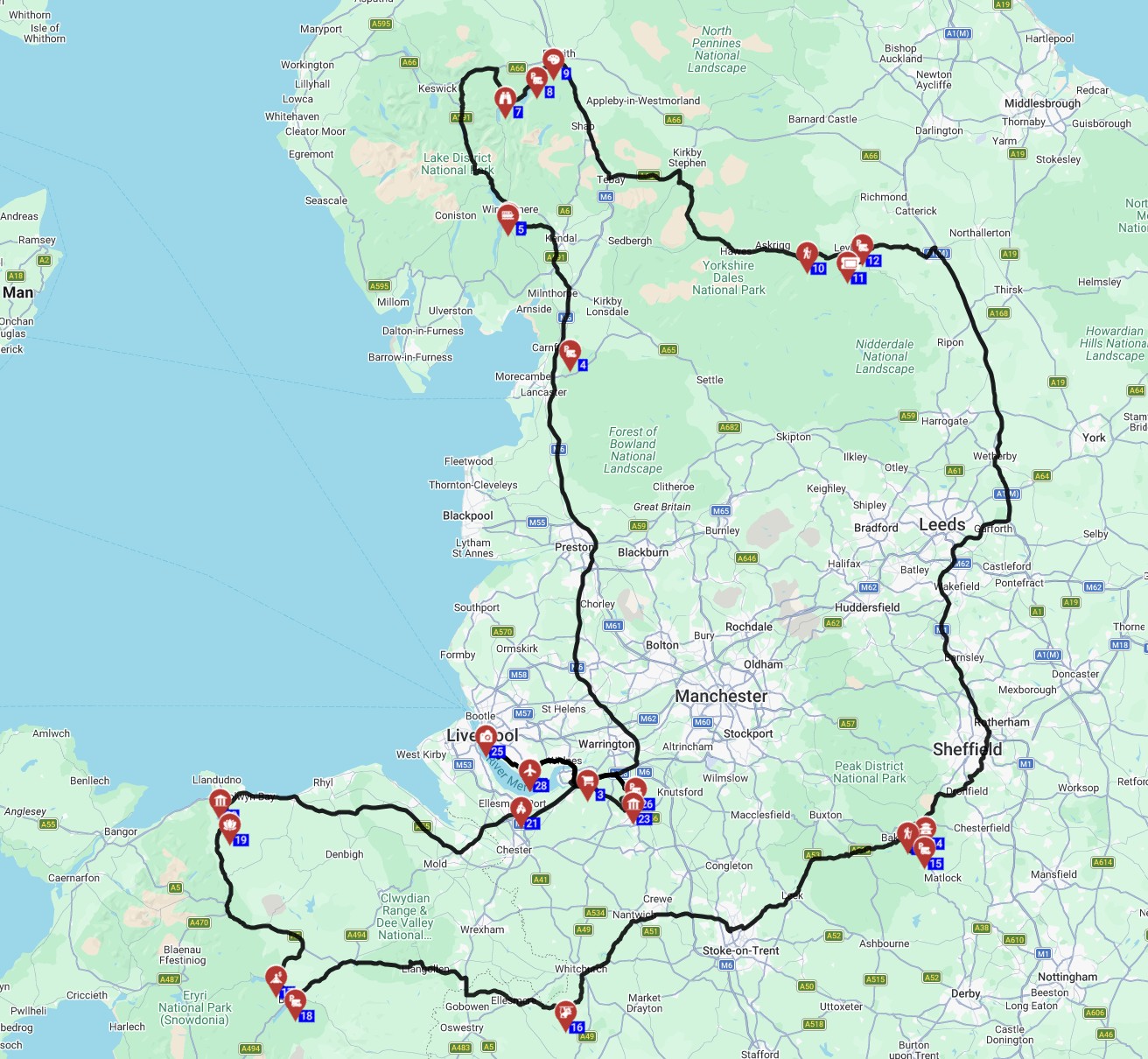
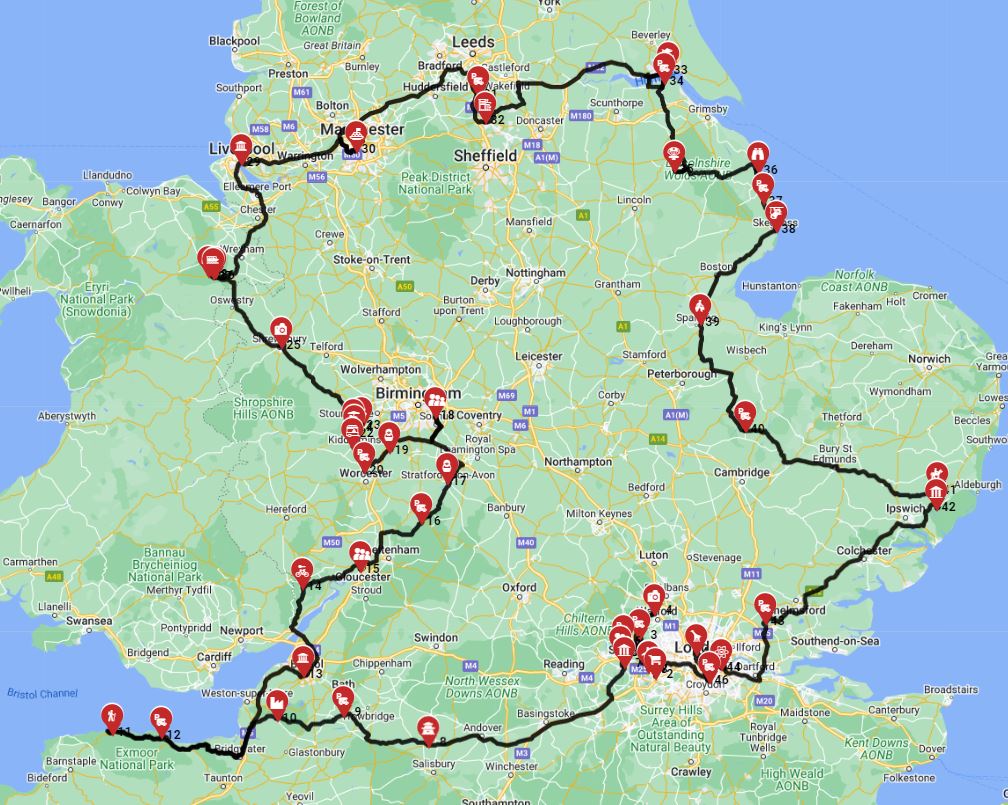
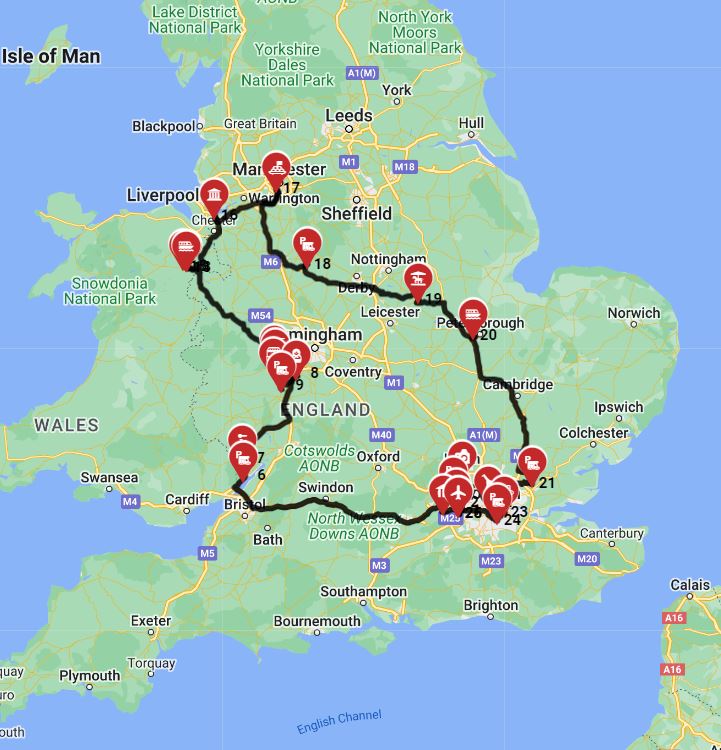
(15 days, 1909.7 km): This shorter itinerary focuses on key highlights, including 1 Amusement Park, historical sites, and significant natural features, perfect for a focused exploration of central England.
 London Roundtrip - Central England
 - Explore the Cotswolds' charming villages: Many of these picturesque locations feature narrow lanes and historic architecture, making them a perfect test for your RV driving skills and a delightful part of any English itinerary.
- Drive the scenic routes of the Lake District National Park: Experience breathtaking landscapes and discover countless charming spots for picnics or overnight stays (at designated campsites, of course!).
- Visit Bath's Roman Baths and Georgian architecture: Immerse yourself in history and enjoy the unique atmosphere of this UNESCO World Heritage city, keeping in mind the CAZ regulations.
- Sample traditional pub fare and local ales: Experience authentic English culture by stopping at country pubs, many of which offer a warm welcome and sometimes even overnight parking for RVs.
Final Thoughts
Renting an RV in England offers an unparalleled way to experience the country's diverse beauty and rich history at your own pace. From the rolling hills of the countryside to the historic charm of its villages, a rented motorhome provides the freedom and flexibility to craft your perfect adventure.
By understanding the nuances of driving on the left, navigating narrower roads, and planning for potential urban charges, you'll be well-equipped for a smooth and enjoyable journey. Bandana Caravan is here to support you every step of the way, ensuring you find the ideal vehicle and offering peace of mind so you can focus on the unforgettable experiences that await you on the road.
We encourage you to explore the possibilities and discover the magic of RV travel in England. For live availability and current prices, start with our RV Rental England - Complete Guide 2026 guide. Happy travels!