In This Guide
- Can You Drive an RV in Botswana? License & Age Rules
- Road Conditions & Terrain in Botswana
- Fuel: Diesel vs. Petrol & Cost per 100 km
- Driving Tips for rv rental deals Travelers
- Recommended RV Class for Botswana Roads
- Should I Choose a Compact Van Instead of a Large RV in Botswana?
- Can I Park Anywhere? Free & Wild Camping Rules in Botswana
- What are the border crossing procedures for RVs in Botswana?
- What is the total estimated cost for an RV trip in Botswana?
- What are the essential safety tips for RV travel in Botswana?
- How challenging are road conditions for RVs in Botswana's national parks?
- Where can I refuel and restock supplies in remote Botswana?
- What are the communication options in remote areas of Botswana?
- How do I book off-grid campsites and manage waste in Botswana's parks?
- How can I respectfully interact with local communities in Botswana?
- What pre-trip checks and essential spares do I need for an RV in Botswana?
Can You Drive an RV in Botswana? License & Age Rules
Yes, driving an RV in Botswana is permissible and can be an incredible way to explore the country. For international visitors, a valid national driver's license is required, and an International Driving Permit (IDP) is highly recommended, especially for those from countries not part of the Southern African Development Community (SADC). Generally, a standard car driver's license (equivalent to a Class B in many countries) is sufficient for most rental RVs, including larger Class A, B, and C motorhomes. The minimum driver age for RV rentals in Botswana is typically 21 or 23, depending on the rental provider and the specific vehicle class; larger or more specialized vehicles might have a slightly higher age requirement.
While SADC member country licenses are often recognized without an IDP, it's crucial for non-SADC citizens to carry their IDP alongside their national license to ensure smooth interactions with local authorities and rental companies. Familiarizing yourself with Botswana's specific driving regulations, such as speed limits and general road conduct, is also part of responsible RV travel planning. Bandana Caravan offers a wide range of RVs suitable for exploring Botswana, from nimble campervans perfect for couples to larger motorhomes ideal for families.
Road Conditions & Terrain in Botswana
Botswana's road network presents a varied driving experience for RV travelers, ranging from well-maintained paved highways to challenging unpaved routes. The main arterial roads, such as the A1 connecting Gaborone and Francistown, and the A3 leading to Maun, are generally paved and in good condition, making them accessible for most RV sizes. However, as you venture into national parks and wildlife management areas like the Moremi Game Reserve, Chobe National Park, or the Central Kalahari Game Reserve, the terrain predominantly shifts to gravel, sand, and corrugated tracks.
These unpaved roads can become extremely challenging, often requiring 4x4 capability, especially after rainfall. Expect severe corrugations (often called 'washboard' roads), deep sand sections that can test even experienced drivers, and potential water crossings during the rainy season (typically November to April). It is always advisable to drive slowly and defensively, paying close attention to wildlife, livestock, and the constantly changing road surfaces. This mindful approach is particularly important when exploring the scenic routes that Botswana is famous for, ensuring both safety and an enjoyable journey through its diverse landscapes.
Fuel: Diesel vs. Petrol & Cost per 100 km
Diesel is the predominant fuel type for most RVs and larger vehicles operating in Botswana, and while availability is generally good in major towns and along main routes, strategic refueling is critical when venturing into more remote areas. Bandana's rental fleet typically utilizes diesel engines. Fuel consumption varies by RV class, with smaller Class B camper vans averaging around 8-10 Liters/100 km, while larger Class A integrated motorhomes might consume 8-12 Liters/100 km. For more robust options like a Class TC truck camper, expect fuel consumption to be around 12–17 Liters/100 km due to their heavier build and off-road capabilities. For example, a Class C Alcove RV might average 10–12 Liters/100 km.
Fuel prices in Botswana are subject to fluctuations, often comparable to or slightly higher than neighboring South Africa. It's essential to budget adequately for fuel, especially considering the vast distances and the potential for price increases in more remote locations. Petrol stations are readily available in cities and larger towns like Gaborone, Maun, Kasane, and Francistown. However, they become sparse or entirely non-existent once you enter national parks or traverse remote tracks. Therefore, always refuel at every opportunity when you pass a town, and consider carrying extra fuel in approved jerry cans for extended trips into the wilderness to avoid getting stranded.
Driving Tips for rv rental deals Travelers
Driving an RV in Botswana requires a combination of awareness, preparedness, and a relaxed pace. **Wildlife Awareness** is paramount; always drive slowly and remain vigilant, particularly at dawn, dusk, and during the night. Large animals such as elephants, antelopes, and even predators can unexpectedly cross roads, especially in and around national parks. Always maintain a safe distance from wildlife and never attempt to feed them. **Pacing Yourself** is crucial due to Botswana's vast distances and varied terrain; average speeds are often lower than on European highways, so plan for slower travel and incorporate frequent stops for rest or to simply soak in the scenery.
Proper **Tire Pressure Management** is vital for both comfort and safety. For sand driving, common in many park tracks, deflating tires to around 1.8 bar can significantly improve traction. Similarly, adjusting pressure for gravel roads can mitigate the jarring effect of corrugations. Always reinflate tires to the recommended pressure for tar sections. **Carrying Essential Supplies** such as ample water, extra fuel in approved containers, and basic vehicle spares (like a tire repair kit and pump) is non-negotiable when venturing into remote regions. Lastly, **Stay Connected & Informed:** Inform someone of your detailed itinerary, consider a satellite phone for areas with no mobile coverage, and always check local road conditions and weather forecasts, especially if traveling during the rainy season.
Recommended RV Class for Botswana Roads
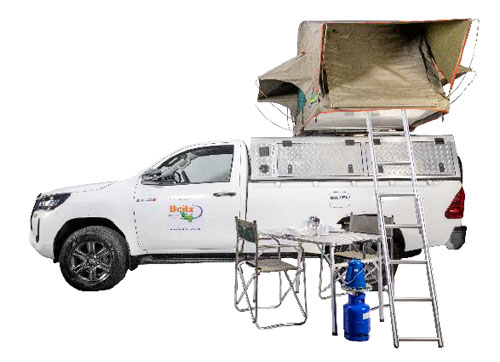
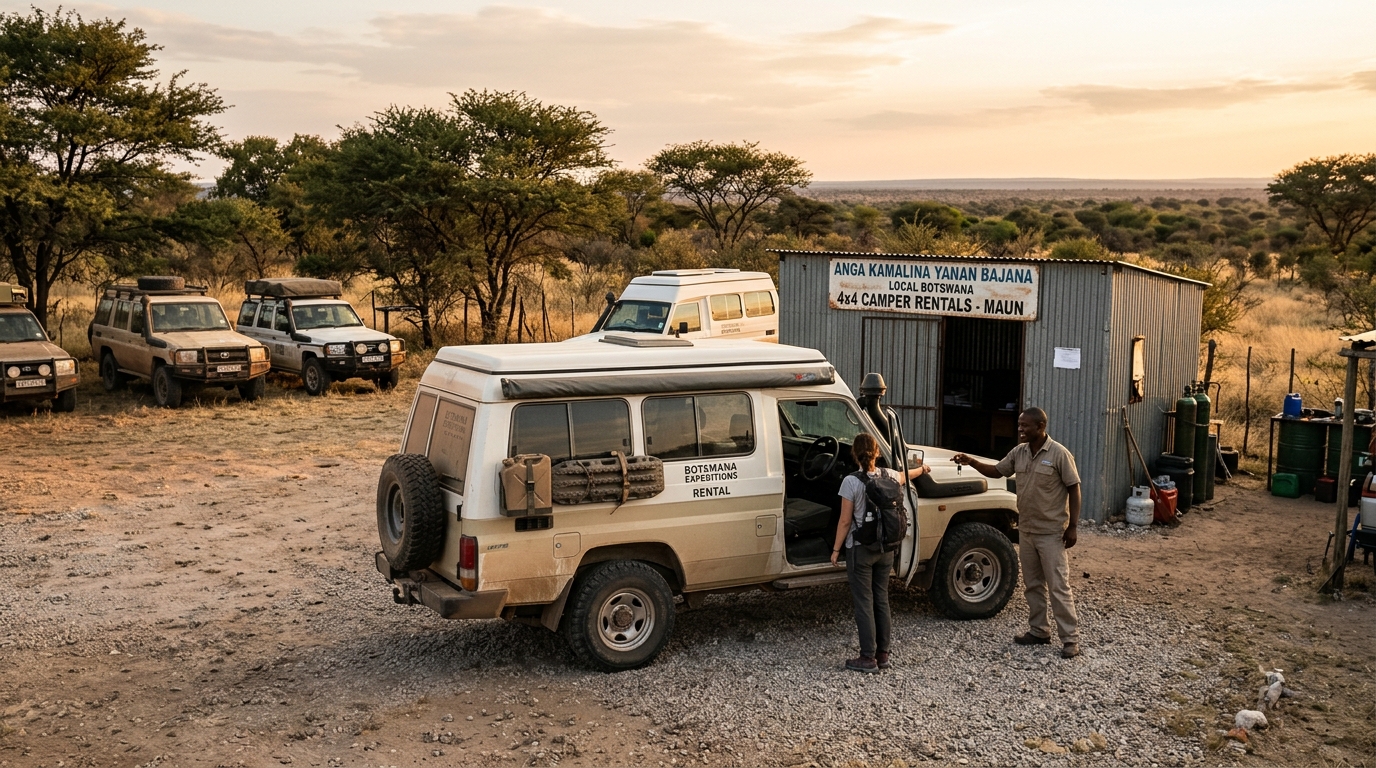
When selecting an RV for your Botswana adventure, the choice of vehicle class should align with your planned itinerary, especially if you intend to explore beyond the main paved roads. For general touring across Botswana's main tar roads connecting major towns, a Class B Camper Van or a standard Semi-integrated RV (like the '2 Berth Tamar' or 'Aero Plus - convertible twin beds') can be perfectly suitable, offering good maneuverability and fuel efficiency.
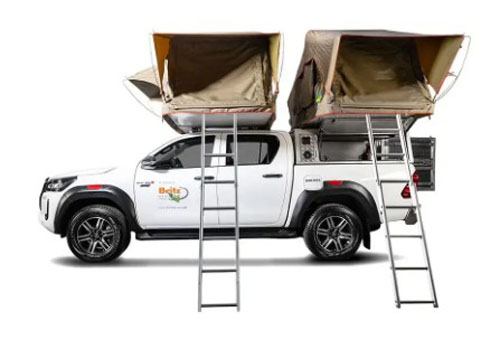
However, for venturing into national parks and more remote areas characterized by sand, corrugations, and potential water crossings, a more robust vehicle is highly recommended. A **Class TC - Truck Camper** (such as the '4x4 Scout Adventure Truck Camper Gold' or '4x4 Truck Camper Gold') is often the ideal choice. These vehicles typically feature higher ground clearance, greater durability, and often 4x4 capabilities, making them far more adept at navigating Botswana's challenging off-road conditions. Prioritizing a vehicle with genuine off-road capabilities is key to accessing iconic wildlife destinations deep within parks like Moremi and Chobe, ensuring a safer and more comfortable experience.
Should I Choose a Compact Van Instead of a Large RV in Botswana?
The decision between a compact van and a larger RV in Botswana primarily depends on your travel style, comfort preferences, and the specific routes you plan to explore. For general travel on main paved roads, both can be adequate, but for venturing into national parks and more rugged terrain, a more capable vehicle is essential regardless of size.
A **Compact Van** (like Bandana's Class B Camper Vans, averaging around 5.8m in length and offering 8-10 Liters/100km fuel consumption) provides excellent maneuverability and fuel economy, making it a great choice for solo travelers or couples prioritizing agility and budget. They are easier to park in towns and can navigate narrower tracks more readily. Conversely, a **Larger RV** (such as Bandana's Class C Alcove RV, around 7.5m in length, or a Class SI Semi-integrated at 6.9m, with average fuel consumption of 10-12 Liters/100km) offers significantly more living space, amenities, and overall comfort, which is often preferred for families or extended trips where interior space is valued. Botswana's cities generally have wider roads, so urban maneuverability is rarely a significant issue for larger RVs.
Can I Park Anywhere? Free & Wild Camping Rules in Botswana
Wild camping or simply "parking anywhere" is generally restricted across Botswana, particularly within national parks and wildlife reserves. To protect the pristine environment and its delicate ecosystems, overnight stays are strictly confined to designated, official campsites. This regulation ensures that waste is managed properly and that wildlife is not disturbed or habituated to human presence.
If you wish to camp on private land outside of these designated areas, obtaining explicit permission from the landowner beforehand is mandatory. Adherence to 'Leave No Trace' principles is paramount for all RV travelers in Botswana. This means packing out all waste, including plastics, cans, and food scraps, and disposing of greywater responsibly away from water sources. Always check local regulations for specific regions, as rules can vary, and be sure to follow local laws diligently before parking overnight to ensure a compliant and respectful journey.
What are the border crossing procedures for RVs in Botswana?
Crossing international borders into or out of Botswana with an RV involves a series of documentary and procedural steps to ensure legal entry and transit. You will need to present your valid passport, national driver's license, and, if applicable, an International Driving Permit (IDP). The vehicle's registration papers are essential, and if the RV is a rental, you must have the rental agreement which explicitly grants permission for cross-border travel.
At the border posts, expect to pay non-refundable road safety levies and carbon taxes; these fees can vary by country but are typically a few hundred Botswana Pula (BWP). A Temporary Import Permit (TIP) will be issued for your foreign-registered vehicle, allowing you legal entry for a specified period. It's crucial to ensure your RV's insurance coverage extends to Botswana and to have this documentation readily available for border officials. If third-party insurance is required and not covered, it may be available for purchase at the border.
What is the total estimated cost for an RV trip in Botswana?
The total estimated cost for an RV trip in Botswana is highly variable, influenced by factors such as the chosen rental class, duration of the trip, itinerary, and personal travel style. However, core expenses typically include RV rental fees, fuel, national park entry fees, campsite charges, and provisions.
RV rental fees can range significantly, generally from approximately $100 to $300+ USD per day. This depends heavily on the RV class—a Class B Camper Van will be at the lower end, while a more robust Class TC Truck Camper suitable for off-road conditions will be higher. Seasonality and rental duration also impact pricing. Fuel is a substantial expense, with Bandana's fleet averaging 8-17 Liters/100 km; always factor in current local fuel prices and the considerable distances you'll cover. National park entry and camping fees are significant contributions to the budget, often charged per person per day and per vehicle, especially in popular destinations. Don't forget to budget for provisions (food, water, supplies), as costs can be higher and availability limited in remote areas, and always include an emergency fund for unforeseen circumstances. On the routes offered through RV PLANET routes, you can itemize and track every expense along the way for easy budgeting.
What are the essential safety tips for RV travel in Botswana?
Essential safety for RV travel in Botswana prioritizes vigilance for wildlife, preparedness for potential vehicle issues in remote areas, and a clear understanding of emergency communication protocols. **Wildlife Encounters:** Always maintain a safe distance from all animals, especially large ones like elephants on the roads; never feed wildlife, and remain inside your vehicle if animals are nearby. **Vehicle Breakdowns:** Equip your RV with a robust toolkit, essential spare parts like belts and filters, an air compressor, and extra water and fuel. Crucially, inform a trusted contact of your detailed itinerary, including expected locations and timings.
**Medical Emergencies:** Ensure your RV is stocked with a comprehensive first-aid kit. Know the local emergency contact numbers and consider travel insurance that includes medical evacuation, as services like Okavango Air Rescue are vital in remote regions. **Navigation & Driving:** Avoid driving at night due to heightened wildlife activity and reduced visibility. Rely on reliable GPS devices, but always supplement them with physical maps. Drive defensively on all road types, anticipating sudden hazards. **Personal Security:** Keep valuables out of sight, ensure RV doors are locked when unattended, and camp only in designated, secure areas, particularly when staying in or near towns.
How challenging are road conditions for RVs in Botswana's national parks?
Road conditions within Botswana's national parks are often highly challenging for RVs, frequently featuring deep sand, severe corrugations, and seasonal water crossings. These conditions necessitate a 4x4-equipped camper and specialized driving techniques, making them unsuitable for standard two-wheel-drive vehicles or inexperienced off-road drivers.
Expect extensive sections of deep, soft sand in parks like Moremi and Chobe, requiring tire deflation (e.g., to 1.8 bar) to maintain momentum and proper recovery techniques. Many unpaved roads are heavily corrugated, leading to uncomfortable driving and potential vehicle damage; a steady, slower speed and adjusted tire pressure can mitigate these effects. During the wet season (roughly November to April), tracks can become flooded; carefully evaluate water depth before proceeding and consider avoiding certain routes if you lack experience. Sufficient ground clearance is also critical for navigating rocks and ruts. Therefore, for a Botswana national park adventure, a **Class TC Truck Camper** or a similarly 4x4-equipped RV is strongly recommended. Prior experience with off-road driving or hiring a professional guide is highly advisable.
Where can I refuel and restock supplies in remote Botswana?
In remote Botswana, essential supply points for fuel, water, and groceries are primarily concentrated in larger towns such as Maun, Kasane, Ghanzi, and Palapye. Meticulous trip planning is crucial to ensure you have adequate stock between these limited supply points, especially when venturing into national parks or the vast Kalahari Desert.
Petrol stations are clustered in population centers and along main routes. Outside these areas, stations are very sparse, making it imperative to refuel whenever possible and carry extra fuel in approved containers. For potable water, always carry a significant supply, as sourcing safe drinking water in remote regions is challenging; replenish tanks in towns and consider purification tablets or filters as a backup. Groceries and essential items should be comprehensively stocked in larger towns like Gaborone, Maun, or Kasane, as smaller settlements offer very limited selections and potentially higher prices. Planning your route carefully, estimating fuel consumption, and calculating water and food needs for the entire journey between supply points will ensure a smoother and safer expedition.
What are the communication options in remote areas of Botswana?
Mobile network coverage in remote areas of Botswana is extremely limited, making satellite phones or other independent communication devices essential for safety and emergency contact. While major towns and main arterial roads benefit from reliable 2G/3G/4G coverage from providers like Mascom and Orange Botswana, this signal quickly dissipates once you enter national parks or remote wilderness areas.
For true off-grid RV travel in Botswana, **Satellite Phones** are highly recommended. These devices provide reliable communication for emergencies or routine check-ins and can be rented prior to your trip. Starlink is also emerging as a viable option for internet connectivity in remote locations, though it requires its own power source and setup, and availability/regulations should be checked locally. For short-range communication with lodges, park rangers, or other safari vehicles in specific areas, a VHF Radio can be useful. In dire emergency situations, a Personal Locator Beacon (PLB) or Emergency Position Indicating Radio Beacon (EPIRB) offers a last-resort signal to search and rescue services, though they lack two-way communication capabilities.
How do I book off-grid campsites and manage waste in Botswana's parks?
Securing off-grid campsites within Botswana's national parks and reserves typically requires advance booking directly through park authorities or concessionaires, coupled with a strict adherence to waste management and environmental protocols. Campsites in popular parks like Moremi, Chobe, and the Central Kalahari Game Reserve are highly sought after and often book out months in advance, so contacting the Department of Wildlife and National Parks (DWNP) or relevant concessionaires for reservations is crucial.
Waste management is a core principle of responsible tourism in Botswana's wilderness areas. All non-biodegradable waste, including plastics, cans, and glass, must be collected and removed from the park – the "pack it in, pack it out" philosophy is strictly enforced. Fire regulations are also important; open fires are usually restricted to designated fire pits at campsites, and you must adhere to local rules and seasonal fire bans. Always carry your own firewood if fires are permitted. For human waste in truly off-grid sites without facilities, practice wilderness toilet etiquette: dig catholes well away from water sources and pack out toilet paper if burning is not safe or permitted. Ultimately, responsible interaction means maintaining quiet, respecting wildlife space, and ensuring no food scraps are left behind.
How can I respectfully interact with local communities in Botswana?
Respectful interaction with Botswana's local communities involves a mindful approach to cultural etiquette, including seeking permission before photographing individuals, dressing modestly when visiting villages, and engaging with genuine curiosity and politeness. Always start with a friendly greeting; a simple "Dumela" (hello in Setswana) is widely appreciated and shows respect for local customs.
When it comes to photography, always ask for explicit permission before taking pictures of people, especially children, and respect their decision if they decline. While there isn't a strict dress code for tourists, dressing modestly, particularly when visiting villages or cultural sites, demonstrates cultural sensitivity. Be open to learning about local traditions and ways of life, avoiding assumptions or imposing your own cultural norms. Supporting local communities through responsible tourism practices, such as purchasing locally made crafts, dining at local eateries, or participating in village tours, can genuinely benefit the community and enrich your travel experience.
What pre-trip checks and essential spares do I need for an RV in Botswana?
Comprehensive pre-trip checks for an RV in Botswana are critical for ensuring mechanical soundness and preparedness for remote travel. These checks should cover the engine, brakes, suspension, and all fluid levels (oil, coolant, brake fluid, power steering fluid), topping them up as necessary. Thoroughly inspect all tires, including at least one, preferably two, spares, for wear, cuts, and correct pressure. Carrying a high-quality tire repair kit and an air compressor is essential for managing varied terrain.
Essential spare parts to consider include spare fan belts, fuel filters, oil filters, various fuses, hoses, and light bulbs. A comprehensive toolkit, jump leads, a sturdy tow rope, a shovel, a high-lift jack, and recovery boards (like Maxtrax) are vital, especially if you plan to venture off-road. For rental RVs, always confirm with the rental company what spares, tools, and recovery gear are provided, and ensure you are familiar with their location and proper use before embarking on your journey. Such preparation can be the difference between a minor inconvenience and a major setback in Botswana's vast wilderness.
What You Shouldn't Miss
- Experience the Okavango Delta: Whether by mokoro (traditional dugout canoe) or small aircraft, witnessing the Okavango Delta's unique ecosystem is a must. The sheer scale and abundance of wildlife are unparalleled.
- Game Drives in Chobe National Park: Famous for its massive elephant herds and diverse wildlife, Chobe offers incredible game viewing opportunities. Consider a river cruise on the Chobe River for a different perspective.
- The vastness of the Central Kalahari Game Reserve: For the truly adventurous, this remote reserve offers stark, beautiful landscapes and the chance to see desert-adapted wildlife. It requires careful planning and a robust 4x4 RV.
- Makgadikgadi Pans and Nxai Pan National Park: Explore the surreal, ancient salt pans and discover unique wildlife, including zebras and wildebeest migrations (seasonal) and the famous baobab trees of Baines' Baobab.
- Visit Victoria Falls (from Botswana): While technically in Zambia or Zimbabwe, the falls are accessible from Kasane, Botswana, offering a spectacular natural wonder that is a UNESCO World Heritage site.
- Connect with local culture in Ghanzi: Experience the traditional way of life with the San people, known for their ancient bushcraft skills and unique cultural heritage.
Final Thoughts
Renting an RV and exploring Botswana offers an unparalleled adventure, combining the freedom of the open road with the raw, untamed beauty of Southern Africa. From the unique wildlife encounters to the vast, starlit skies, Botswana provides a truly immersive experience.
Remember that planning is key, especially regarding vehicle suitability for the terrain and strategic logistics for fuel and supplies. By choosing the right RV, preparing adequately, and embracing a spirit of adventure, your Botswana RV journey will undoubtedly be an unforgettable expedition.
Ready to start planning your Botswana RV adventure? Compare deals and discover your perfect motorhome with Bandana Caravan!