In This Guide
- Can You Drive an RV in Africa? License & Age Rules
- Road Conditions & Terrain in Africa
- RV Size Limits, Bridges & Restricted Zones
- Fuel: Diesel vs. Petrol & Cost per 100 km
- Tolls, Vignettes & Border Rules
- Driving Tips for rv rental deals Travelers
- Recommended RV Class for Africa Roads
- Should I Choose a Compact Van Instead of a Large RV in Africa?
- Can I Park Anywhere? Free & Wild Camping Rules in Africa
- Can I Drive an RV Into the City Center? Heights, Tunnels & Local Signage
- Can I drive in Africa with a US license?
- What is the 3-3-3 rule for RV?
- Can you take a rented RV across the border?
- What documents do I need to rent a car in South Africa?
- What countries are RV friendly?
- Is it safe to rent a car in Africa?
- How much is 1 month rent in South Africa?
- What kind of license do I need to rent an RV?
- Can I rent a car in South Africa with a US license?
- How much to rent a caravan for a week in South Africa?
Can You Drive an RV in Africa? License & Age Rules
Yes, driving an RV in Africa is feasible, but it comes with specific licensing and age requirements. A valid national driver's license is mandatory for all RV rentals in Africa. For international visitors, this typically must be accompanied by an International Driving Permit (IDP) to ensure compliance with local regulations and for smoother interactions with authorities. For most standard RVs with a Gross Vehicle Weight Rating (GVWR) up to 3,500 kg (approximately 7,700 lbs), a regular car driver's license (Class B in Europe or Class D in the US) is sufficient. The minimum driver age for RV rentals across Africa generally ranges from 21 to 23 years old, though some rental companies may impose a higher minimum age, such as 25, for larger or more powerful vehicles, or to avoid young driver surcharges. Always verify the specific age and licensing requirements with your chosen rental provider.
Road Conditions & Terrain in Africa
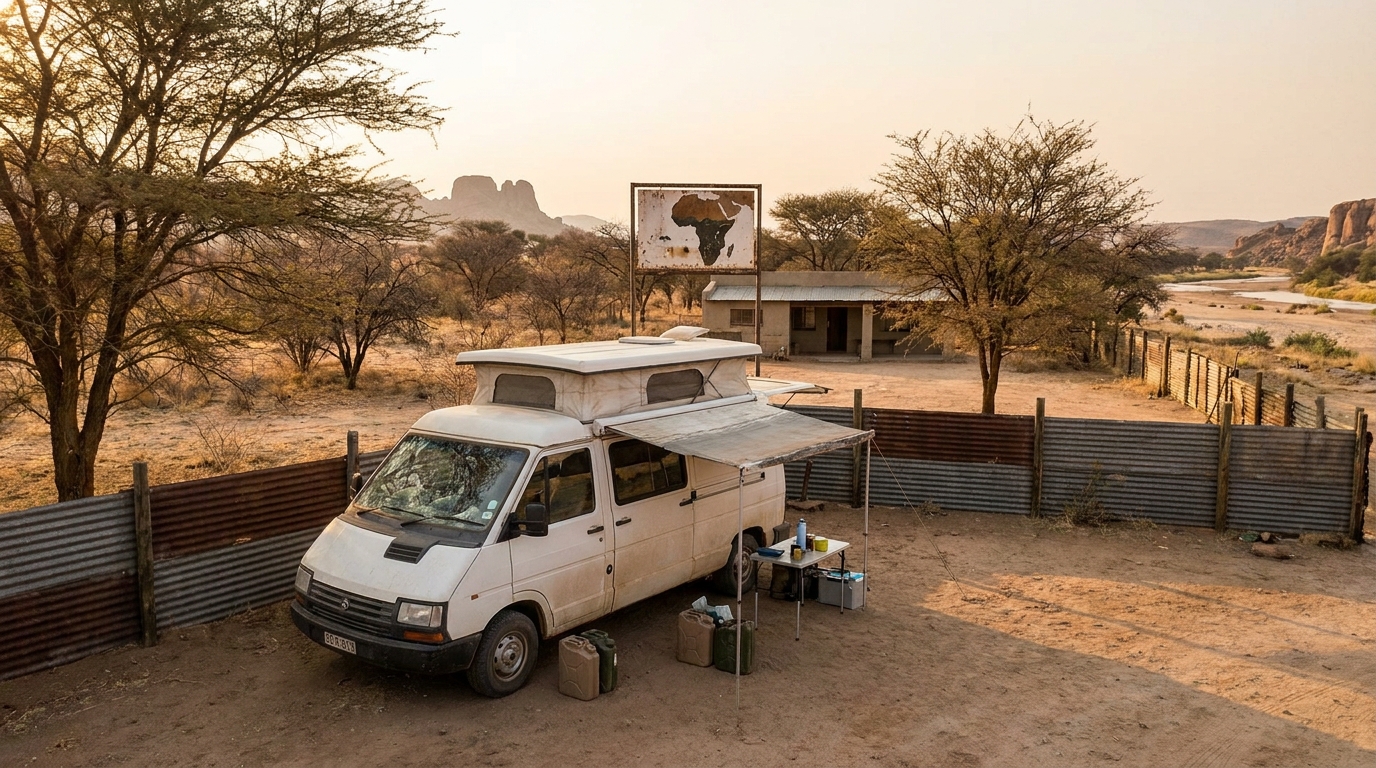
Africa's road conditions and terrain present a dynamic driving landscape. You'll encounter everything from well-maintained highways in major urban centers and popular tourist corridors to gravel, dirt, or unpaved tracks in more rural and wilderness areas. Travelers should anticipate diverse terrain, including mountainous regions, scenic coastal routes, vast arid plains, and dense bush, which often necessitates slower driving speeds and vehicles with good ground clearance. For itineraries venturing beyond the primary paved roads into national parks or remote locations, selecting an RV with 4x4 capabilities or enhanced robustness is highly recommended to comfortably and safely navigate these varied conditions.
RV Size Limits, Bridges & Restricted Zones
While specific overhead height or weight restrictions on bridges are less prevalent on major African routes compared to some other continents, RV drivers must remain vigilant. Always be mindful of low-hanging tree branches, particularly within game reserves or national parks, which can pose a hazard to taller vehicles. Unpaved road conditions inherently favor more compact or robust RVs. Larger RVs, such as Bandana's Class C Alcove models averaging 7.5 meters in length, generally navigate main roads with ease. However, smaller Class B Camper Vans, averaging 5.8 meters, offer superior maneuverability on narrower paths and in tighter urban environments. Environmental zones, which restrict certain vehicle types, are not widely prevalent for private vehicles across Africa, though specific national parks or wildlife areas may impose entry restrictions or require special permits and fees.
Fuel: Diesel vs. Petrol & Cost per 100 km
Most RVs in Africa, including a large portion of Bandana's global fleet, operate on diesel fuel, which is widely available across the continent, though petrol stations can be scarce in extremely remote regions. Common fuel consumption for Bandana's fleet averages around 10-11 Liters per 100 km for Class SI Semi-integrated RVs and 10-12 Liters per 100 km for Class C Alcove models, with Class B Camper Vans typically consuming slightly less at 8-10 Liters per 100 km. Fuel costs fluctuate significantly by country and region, often being higher in remote areas due to transportation logistics. Therefore, it’s wise to budget accordingly and consider carrying extra fuel in appropriate, approved containers for extended wilderness trips to ensure uninterrupted travel. On the routes offered through RV PLANET routes, you can itemize and track every expense along the way for easy budgeting.
Tolls, Vignettes & Border Rules
Tolls are common on some major highways in countries like South Africa, typically payable in cash or by card at toll gates. Vignettes, a system of prepaid road permits, are not a widespread requirement for RVs in most African countries. Cross-border travel with a rented RV in Africa mandates explicit prior authorization from the rental company. This typically involves the rental company providing a Letter of Authorization, certified copies of vehicle registration, and confirming insurance validity across all intended countries. Travelers are responsible for researching and fulfilling all visa requirements, understanding varying road taxes, and adhering to specific border crossing procedures for each nation they plan to visit, as these can differ significantly across Southern Africa and beyond.
Driving Tips for rv rental deals Travelers
Embrace these essential driving tips for a safe and enjoyable RV adventure in Africa. Always drive defensively and maintain heightened vigilance for pedestrians, livestock, and wildlife, especially in rural areas and during dawn and dusk. It's strongly advised to avoid driving after dark whenever possible due to limited road lighting, increased wildlife activity, and potential security risks in certain regions. Prioritize safety by planning routes that incorporate secure, reputable campsites for overnight stays, keeping valuables out of sight, and maintaining communication with trusted contacts. Be prepared for potential opportunistic crime by taking sensible precautions. Carry essential emergency equipment, including spare tires, a comprehensive repair kit, a first-aid kit, and adequate supplies of water and fuel, particularly for journeys into remote areas. Lastly, familiarize yourself with local road laws, speed limits, and cultural etiquette, such as respectfully interacting with local communities and seeking permission before taking photographs of people or private property.
Recommended RV Class for Africa Roads
For most African RV road trip itineraries that primarily stick to main routes and established game park roads, a Class SI Semi-integrated or Class C Alcove RV from Bandana's fleet offers an optimal blend of comfort and capability. Class SI Semi-integrated RVs, with an average length of 6.9 meters, provide ample living space for 3-4 adults and reasonable maneuverability, exemplified by models like the MC 4-69 (6.99m length, 4 sleeping places) available in South Africa. For travelers prioritizing agility for navigating tighter tracks or seeking better fuel efficiency, a Class B Camper Van, averaging 5.8 meters in length, can be an excellent choice, though these typically offer less interior space and storage compared to their larger counterparts.
Should I Choose a Compact Van Instead of a Large RV in Africa?
While compact camper vans, like Class B models averaging 5.8 meters in length, offer enhanced maneuverability on narrow roads and slightly better fuel efficiency, the increased comfort and living space of a larger RV often provide greater benefits for extended trips across Africa's varied conditions. Larger RVs, such as Bandana's Class C Alcove models averaging 7.5 meters, typically feature more robust construction, greater water and fuel capacities, and amenities crucial for self-sufficient travel across the continent. The ideal choice truly depends on your specific itinerary; a compact van suits tighter urban explorations or more adventurous off-road excursions (especially if 4x4 equipped), whereas a larger RV is generally preferred for comfort-focused touring of national parks and major attractions.
Can I Park Anywhere? Free & Wild Camping Rules in Africa
Free or wild camping in Africa is generally restricted and often not recommended in many areas, particularly within national parks, private game reserves, or populated regions, due to safety concerns, potential wildlife encounters, and varying land ownership rules. Designated campsites, which range from basic bush camps to fully-equipped resorts with amenities, are the primary, safest, and often legally required option for overnight RV stays across the African continent. Rules vary significantly by region and specific park or reserve, so it's essential to thoroughly check local regulations and follow local laws before parking overnight, always prioritizing established, secure campsites for peace of mind and safety.
Can I Drive an RV Into the City Center? Heights, Tunnels & Local Signage
In most African cities, driving an RV into the city center is generally feasible, as pervasive height restrictions or numerous low tunnels are less common than in some European urban environments. Nevertheless, drivers should remain highly attentive to local signage that indicates one-way streets, restricted parking zones, or specific vehicle weight and size limits that might apply in older or heavily congested areas. Finding suitable and secure parking for larger RVs can present challenges in bustling city centers, often making peripheral parking coupled with the use of public transport or taxis a more practical alternative for urban exploration.
Can I drive in Africa with a US license?
Yes, you can drive in Africa with a US license, but it must almost always be accompanied by an International Driving Permit (IDP) to be legally valid. An IDP serves as an official translation of your US license into multiple languages and is a mandatory requirement in many African countries, including South Africa, Namibia, and Botswana, for validating your driving privileges with local authorities. Always carry both your valid US driver's license and your IDP, along with your passport, for all driving activities and potential vehicle checks to ensure compliance.
What is the 3-3-3 rule for RV?
The 3-3-3 rule for RV travel is a common guideline suggesting drivers limit daily travel to 300 miles, stop every 3 hours for breaks, and stay at least 3 nights in each location to fully immerse themselves. While a useful framework for pacing, this rule should be adapted for African road trips, where varying road conditions, potential wildlife encounters, and the availability of amenities often necessitate shorter daily distances and more flexible schedules. In Africa, prioritizing safety over strict distance targets, allowing ample time for unexpected stops, and selecting secure overnight locations often takes precedence over rigid adherence to the 3-3-3 rule.
Can you take a rented RV across the border?
Yes, taking a rented RV across international borders in Africa is typically possible, but it requires explicit prior written permission and specific documentation from the rental company. Rental companies will issue a crucial Letter of Authorization (or similar document) and often require notification of all intended border crossings to ensure appropriate insurance coverage and necessary paperwork, such as certified vehicle registration copies. Failing to obtain this explicit permission can lead to serious legal complications, vehicle impoundment, or invalidation of your rental agreement and insurance coverage.
What documents do I need to rent a car in South Africa?
To rent an RV (or car) in South Africa, you generally need a valid driver's license from your home country, an International Driving Permit (IDP), your passport, and a major credit card. Your driver's license must be printed in English or officially translated (which the IDP provides), and typically you need to have held it for at least one year. Additionally, some rental companies may request proof of onward travel or accommodation, and it is always advisable to carry physical and digital copies of all essential documents.
What countries are RV friendly?
In Africa, South Africa, Namibia, and Botswana are widely recognized as the most RV-friendly countries, offering established tourism infrastructure, dedicated campsites, and breathtaking natural attractions. Other countries like parts of Kenya and Tanzania also present viable RV exploration opportunities, particularly with 4x4 camper options, though the infrastructure may be less developed, requiring more extensive pre-planning. These RV-friendly nations provide diverse landscapes, ranging from South Africa's scenic Garden Route to Namibia's iconic deserts and Botswana's unique Okavango Delta, catering to a wide array of adventure preferences.
Is it safe to rent a car in Africa?
Renting an RV in carefully chosen African destinations, particularly along the well-established routes of Southern Africa, can be a safe and profoundly rewarding experience with diligent planning and strict adherence to safety protocols. Key safety measures include strictly avoiding night driving, staying on designated main routes, utilizing secure and reputable campsites, and maintaining situational awareness to mitigate the risk of opportunistic crime. It is imperative to obtain comprehensive RV insurance, including third-party liability, and to consider additional travel insurance that covers emergency medical evacuation, especially when traveling in remote areas.
How much is 1 month rent in South Africa?
The cost to rent an RV for one month in South Africa varies significantly based on factors such as the RV class, the specific rental season (peak vs. off-peak), and the rental company's included services. While exact prices fluctuate, a mid-range RV like Bandana's Class SI or Class C could typically range from approximately $2,500 to $5,000+ USD for a month, excluding additional costs such as fuel, comprehensive insurance, and campsite fees. Booking well in advance, especially for popular travel seasons, and comparing deals across different rental platforms can help travelers secure more competitive monthly rates for their African RV adventure.
What kind of license do I need to rent an RV?
For the vast majority of standard recreational vehicles available for rent, including many models in Africa, a regular national driver's license (e.g., a Class B in Europe or a Class D in the US) is typically sufficient. This generally applies to RVs with a Gross Vehicle Weight Rating (GVWR) or Maximum Authorised Mass (MAM) up to 3,500 kg (approximately 7,700 lbs), which encompasses most camper vans and smaller to mid-sized motorhomes. For exceptionally large or heavy RVs exceeding this weight threshold, a higher category of driver's license may be legally required, though such vehicles are less common in standard rental fleets.
Can I rent a car in South Africa with a US license?
Yes, you can rent an RV (or car) in South Africa with a valid US license, but it is strongly recommended, and often explicitly required by rental agencies, to also possess an International Driving Permit (IDP). The IDP serves as an official, multi-language translation of your US license, significantly simplifying the verification of your driving credentials by local authorities. Ensure your US license is current and valid, and always carry both your physical US license and your IDP during your entire rental period in South Africa.
How much to rent a caravan for a week in South Africa?
Renting a caravan (a towable travel trailer) or a compact motorhome for a week in South Africa can vary widely based on the vehicle's size, its amenities, and the specific rental season. Weekly rental rates for a caravan or a small RV might range approximately from $500 to $1,500+ USD, which typically excludes additional costs like comprehensive insurance, campsite fees, and fuel. Booking your rental during the off-peak season or opting for longer rental durations often provides access to more competitive weekly rates for both caravans and motorhomes.
What You Shouldn't Miss
- Drive the Garden Route: Experience South Africa's iconic coastal drive, connecting charming towns, pristine beaches, and lush forests.
- Explore Namibia's Desert Landscapes: Witness the towering red dunes of Sossusvlei, the haunting Skeleton Coast, and the unique wildlife of Etosha National Park.
- Navigate Botswana's Okavango Delta: Embark on a self-drive safari through this vast inland delta, a UNESCO World Heritage site teeming with wildlife.
- Traverse Morocco's Atlas Mountains: Discover dramatic mountain passes, Berber villages, and ancient kasbahs from the comfort of your RV.
- Encounter Wildlife in Zambia's National Parks: Explore the renowned South Luangwa National Park for unparalleled walking safaris and abundant wildlife viewing opportunities.
- Journey Along the Mozambican Coast: Discover pristine beaches, coral reefs, and vibrant coastal culture, accessible via well-maintained routes in the southern parts of the country.
Final Thoughts
Renting an RV for your African adventure opens up unparalleled freedom and opportunities for exploration. From the wildlife-rich plains of Southern Africa to the dramatic landscapes of North Africa, an RV allows you to travel at your own pace and immerse yourself in the diverse cultures and stunning scenery. Remember to plan meticulously, prioritize safety, and embrace the spirit of adventure. Bandana Caravan is here to support you in finding the perfect RV for your journey, ensuring a seamless and unforgettable experience.
We encourage you to use resources like RV PLANET (rvplan.net) to discover curated route plans and find campsites that perfectly complement your chosen vehicle and destinations. For live availability and personalized pricing, start exploring your options today!