
In This Guide
- Where to Camp in Zimbabwe — Top Options
- Campground Types in Zimbabwe (National, Private, Wild)
- Featured RV Park or Campground in Zimbabwe
- Hookups & Amenities — What to Expect
- Booking Windows & Reservations in Zimbabwe
- Nearby Supermarkets & Resupply Points
- Best RV Class for Camping in Zimbabwe
- How to Save on Campgrounds in Zimbabwe
- What is the best time of year to visit Zimbabwe by RV?
- What permits do I need to drive an RV in Zimbabwe?
- Are there specific regulations for RV waste disposal in Zimbabwe?
- Can you wild camp in Zimbabwe?
- What are the road conditions like for RVs in Zimbabwe?
- Do I need a 4x4 RV for Zimbabwe?
- How do I plan an RV route through Zimbabwe?
- Is it easy to find fuel for RVs in Zimbabwe?
- Where can I get RV mechanical support in Zimbabwe?
- How can I stay connected while RVing in Zimbabwe?
- What should I pack for an RV trip in Zimbabwe?
- How can RVers experience local culture in Zimbabwe?
- Is it safe to travel in an RV in Zimbabwe?
- What insurance do I need for an RV rental in Zimbabwe?
- How much does it cost to rent a motorhome in Zimbabwe?
Embarking on an RV adventure through Zimbabwe offers an unparalleled opportunity to discover its breathtaking landscapes and vibrant culture at your own pace. Imagine waking up to the sounds of the African bush, a steaming cup of coffee in hand, as the sun paints the savanna in hues of gold. This is the freedom a rented motorhome provides, transforming your journey into a truly immersive experience. For live availability and current prices, start with our RV Rental Zimbabwe - Complete Guide 2026 guide.
At Bandana RV, we're true RV specialists, not just a travel agency's side department. We genuinely love helping people experience the magic of RV travel, and we're with you every step of the way – from comparing the best deals on your rental motorhome to ensuring your trip is smooth and unforgettable. Our commitment to full transparency means no hidden fees and no surprises, just honest service from people who know RVs inside and out.
Where to Camp in Zimbabwe — Top Options
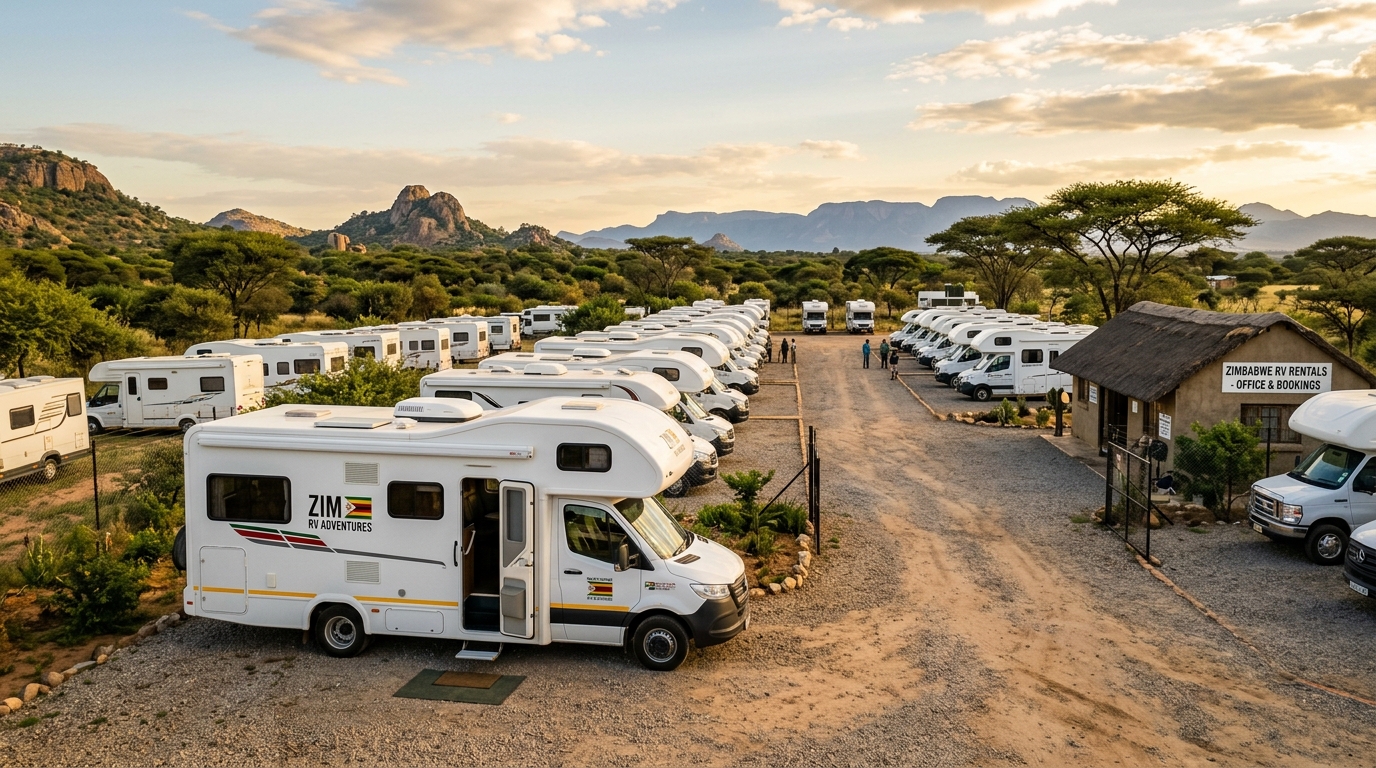
Zimbabwe offers diverse camping options for RV travelers, from immersive national park sites to more amenity-rich private campgrounds near key attractions like Victoria Falls. National Parks such as Hwange and Mana Pools provide designated camping areas perfect for wildlife viewing, often featuring basic facilities that blend seamlessly with the natural surroundings. Private campsites, frequently located around popular tourist hubs, generally offer a wider array of amenities and enhanced security. You'll find better infrastructure and more developed options in Zimbabwe's western and central regions, while more remote eastern areas may require greater self-sufficiency. Remember to plan your route slowly, aiming for a maximum of 100-150 km per day on average, to truly connect with the culture, food, and scenery of each place.Campground Types in Zimbabwe (National, Private, Wild)
Zimbabwe offers distinct types of campgrounds, each providing a unique experience for RV travelers. National park campgrounds, like those found in Hwange and Mana Pools, prioritize immersive nature experiences with basic facilities such as communal ablution blocks and fire pits. Private campsites, on the other hand, typically feature more comprehensive amenities, including full electrical hookups, better security, and sometimes even swimming pools or restaurants, making them ideal for families or those seeking more comfort. Wild camping is generally restricted and not advisable in national parks and reserves due to safety concerns and wildlife management, usually requiring specific permits or private land permissions elsewhere in the country. Always ensure you are camping in a legal and safe location.Featured RV Park or Campground in Zimbabwe
While specific data for a single featured RV park is not available, an excellent RV park in Zimbabwe typically provides secure parking, clean ablution facilities (showers and toilets), and a peaceful environment, often strategically located near a major natural attraction like Victoria Falls or a national park entrance. Travelers should actively look for sites that prioritize security, maintain clean and functional facilities, and offer easy access to wildlife viewing opportunities or cultural sites for the most rewarding rented RV experience. Popular examples near Victoria Falls include Victoria Falls Rest Camp, offering central access and a range of facilities.Hookups & Amenities — What to Expect
RV campgrounds in Zimbabwe offer a variety of hookups and amenities, which can range from basic to well-equipped depending on the location and type of site. Many sites provide electrical hookups, typically featuring 3-pin round South African sockets that deliver 220-240V power, and readily available fresh water access. Ablution blocks with showers and toilets are common, offering essential comforts. However, dedicated dump stations for greywater and blackwater are less widespread, primarily found at larger private establishments. Amenities such as Wi-Fi and laundry facilities are often rare in more remote camping areas, so plan your needs accordingly. Packing smart is key for a comfortable journey. For cooking inspiration on the go, check out our RV-friendly recipes playlist.Booking Windows & Reservations in Zimbabwe
For RV camping in Zimbabwe, particularly at popular national park campgrounds, booking several months in advance is highly recommended, especially during the peak season from June to October. During this period, only about 25-30% of spots are released for reservations, meaning popular sites fill up quickly. More spontaneous travelers can often find availability at private campsites with same-day or next-day bookings; however, calling ahead before driving is always a wise move to confirm your spot and avoid any disappointment. Whether you're a pre-planner or prefer to book day-to-day, a little foresight goes a long way to securing your perfect camping spot.Nearby Supermarkets & Resupply Points
RV travelers in Zimbabwe can easily find essential provisions at major supermarket chains such as OK Zimbabwe, TM Pick n Pay, and Spar in larger urban centers like Harare, Bulawayo, and Victoria Falls. These stores offer a wide range of groceries and household items needed for your rented campervan journey. When venturing into more remote areas, smaller general stores or local markets become the primary resupply points, necessitating careful planning to stock up on food and water before departing from major routes. Always be mindful of local opening hours and ensure your RV is well-stocked for stretches between towns.Best RV Class for Camping in Zimbabwe
For RV camping in Zimbabwe, the ideal vehicle class depends on your itinerary and comfort preferences. Class B Camper Vans, typically averaging 5.8 meters in length with 3.2 sleeping places, offer exceptional maneuverability for varied road conditions and compact camping. Their self-contained features make them suitable for boondocking where permitted, offering flexibility for couples or small families. Class SI Semi-integrated RVs, averaging 6.9 meters in length with 3.8 sleeping places, provide a comfortable balance of living space and agility, capable of handling most well-maintained roads. For those considering rougher terrain, a 4x4 campervan like a or a similar 4x4 model might be advantageous for exploring remote areas, as detailed in our guide Luxury RV Rental in Zimbabwe - Premium Prices 2026.How to Save on Campgrounds in Zimbabwe
Saving on RV campgrounds in Zimbabwe is achievable with a few smart strategies. Consider utilizing any available campground discount cards, which can offer significant savings at participating sites. Traveling during the shoulder season (April-May, November) often results in lower rates and fewer crowds, enhancing your experience. Opting for municipal or regional campsites instead of luxury private resorts can also reduce costs significantly. Additionally, many campgrounds provide discounted weekly rates for stays of three or more nights, and groups traveling together can sometimes share hookup costs at sites that allow multiple vehicles per spot. For managing all your trip expenses, from campground fees to fuel, our RV PLANET routes allow you to itemize and track every cost for easy budgeting.What is the best time of year to visit Zimbabwe by RV?
The best time of year to visit Zimbabwe by RV is generally during the dry winter months, from May to October. During this period, road conditions are optimal with less mud and fewer washed-out sections, making travel easier and safer for your rented motorhome. Wildlife viewing is exceptional as animals congregate around shrinking water sources, offering incredible safari opportunities. The climate is also mild and pleasant for camping, with warm days and cool nights. Conversely, the wet season (November to April) brings lush landscapes but can lead to challenging road conditions and limited accessibility to certain remote areas and campsites.What permits do I need to drive an RV in Zimbabwe?
To drive a rented RV in Zimbabwe, international visitors will typically require an International Driving Permit (IDP) in conjunction with their valid national driver's license. While an IDP is recommended for non-English speaking licenses, it's a good idea for all foreign drivers to have one. For foreign-registered RVs, a Carnet de Passage en Douane or a temporary import permit is essential for customs clearance and legal entry. Ensure all vehicle registration and insurance documents are readily accessible, as both border officials and local authorities may request them for verification. Always double-check current requirements before your trip.🎬 Video coming soon
Are there specific regulations for RV waste disposal in Zimbabwe?
In Zimbabwe, specific regulations for RV waste disposal mandate that greywater and blackwater must only be discharged at designated dump stations. These facilities are primarily located at larger private campgrounds and some national park sites. It is crucial for RVers to plan their route to ensure access to these stations, as illegal dumping is strictly prohibited and carries significant fines, particularly in ecologically sensitive areas. Proper waste management is not just a legal requirement but also vital for preserving Zimbabwe's pristine natural environment.Can you wild camp in Zimbabwe?
Wild camping in Zimbabwe is generally not permitted or recommended outside of established campgrounds, especially within national parks and private reserves, due to safety concerns, wildlife presence, and environmental regulations. Attempting to wild camp in these areas can lead to dangerous encounters with animals and is often illegal. While informal camping might occur in very remote, unpopulated areas on private land, it is safer and legally advisable to utilize established campgrounds or obtain explicit permission from private landowners before setting up camp. Stick to designated spots for a worry-free RV rental adventure.What are the road conditions like for RVs in Zimbabwe?
Road conditions for RVs in Zimbabwe can vary significantly across the country. Main highways connecting major cities like Harare, Bulawayo, and Victoria Falls are often paved and generally in fair to good condition, allowing for smooth travel with any motorhome class. However, secondary and rural roads can be severely unpaved, prone to potholes, and may become impassable during the wet season (November to April), especially for larger 2WD RVs. Comprehensive route planning, including checking local reports on road conditions for different RV types, is vital for a safe and enjoyable journey. Drive slowly and carefully, and you can drive almost anywhere without issues. No need to stress - just use common sense and pay attention.Do I need a 4x4 RV for Zimbabwe?
While a 4x4 RV is not strictly necessary for navigating major paved routes and well-maintained national park roads in Zimbabwe during the dry season, it is highly recommended for exploring more remote areas, accessing certain wilderness campsites, or traveling during the wet season. For off-the-beaten-path adventures or unpredictable conditions, a 4x4 campervan offers superior capability and much-needed peace of mind, especially on muddy or sandy tracks. If your itinerary includes remote game reserves or difficult terrains, a robust 4x4 motorhome like a "Patagonia Camper 4x4 double cab" will enhance your freedom and safety.How do I plan an RV route through Zimbabwe?
Planning an RV route through Zimbabwe requires careful consideration of several factors to ensure a smooth and enjoyable journey. Begin by outlining detailed drive times between your chosen destinations, researching current road conditions for your specific RV rental type (2WD versus 4x4), and balancing scenic routes with the practicality of travel. Always check for potential road closures, particularly during the wet season when some paths may become impassable. Utilizing up-to-date maps, a reliable GPS device, and local advice will help you navigate safely and efficiently, accounting for potential delays due to wildlife sightings, road quality, or border crossings. RV PLANET (rvplan.net) offers 1,300+ pre-planned routes across 5 continents by professionals, which can be a fantastic resource for itinerary planning, and using it can even earn you a 25% planning discount.Is it easy to find fuel for RVs in Zimbabwe?
Finding fuel for RVs in Zimbabwe is generally manageable in urban centers and along major highways. However, fuel stations can be scarce in very remote areas, making careful planning and carrying extra fuel reserves essential for RVers. It is always advisable to refuel whenever possible, especially before embarking on long stretches between towns, as larger vehicles like our Class SI RVs typically consume 10-11 Liters/100 km, while a "cruise america rv rental example Explorer" with a 75-liter fuel tank will need regular top-ups. This proactive approach helps avoid unexpected delays and ensures a continuous adventure.Where can I get RV mechanical support in Zimbabwe?
RV mechanical support in Zimbabwe is primarily concentrated in larger cities such as Harare and Bulawayo, which host specialized workshops and parts suppliers equipped to handle common vehicle makes. While basic repairs might be managed in smaller towns, sourcing specific RV spare parts for imported models in remote areas can be challenging. It is prudent for renters to possess basic mechanical knowledge and carry a toolkit for minor repairs. Additionally, knowing emergency breakdown procedures, including contacts for roadside assistance that can reach remote locations, is crucial for any extended RV trip in Africa.How can I stay connected while RVing in Zimbabwe?
Staying connected while RVing in Zimbabwe largely depends on utilizing local SIM cards for mobile networks such as Econet and NetOne, which provide decent coverage in populated areas. However, cell service can become unreliable or entirely non-existent in remote regions, particularly within national parks and wilderness areas. For emergencies and reliable communication in these off-grid locations, a satellite communication device is a prudent backup. It's also crucial to pre-load maps for offline use and have an emergency contact list with relevant services readily accessible, forming a comprehensive connectivity and emergency protocol for your RV journey.What should I pack for an RV trip in Zimbabwe?
A specialized RV packing list for Zimbabwe should prioritize self-sufficiency and preparedness for varying conditions. Essential items include basic tools for minor vehicle repairs, a comprehensive first-aid kit, robust navigation equipment (both GPS and physical maps), and ample water and non-perishable food supplies, especially for remote routes. Appropriate clothing for fluctuating temperatures, sturdy hiking boots, and strong insect repellent are also vital. Consider adding a solar charger for devices, extra batteries, a good pair of binoculars for wildlife viewing, and a reliable headlamp to your gear.How can RVers experience local culture in Zimbabwe?
RV travelers can genuinely experience local culture in Zimbabwe by intentionally seeking out community-based tourism projects, which offer direct interaction and support local economies. Respectfully engaging with local markets provides opportunities to purchase fresh provisions, unique crafts, and connect with vendors. Participating in guided village tours or cultural performances, often available near national parks or in rural towns, offers authentic immersion into Zimbabwean traditions and daily life. Such interactions deepen your travel experience beyond just scenic views, fostering meaningful connections with the local communities.Is it safe to travel in an RV in Zimbabwe?
Traveling in a rented RV in Zimbabwe is generally considered safe, especially when adhering to practical RV-specific safety tips. Always secure your vehicle, choose reputable and well-maintained campsites for overnight parking, and exercise caution with valuables. Be acutely mindful of wildlife, particularly in unfenced areas or near national parks, and avoid driving at night due to poor road conditions, stray animals, and reduced visibility. Being aware of your surroundings, especially in urban areas, and respecting local customs will contribute to a safe and enjoyable adventure. We recommend checking with local resources for current travel advisories.What insurance do I need for an RV rental in Zimbabwe?
For an RV rental in Zimbabwe, comprehensive vehicle insurance is essential and usually included or offered as an option by Bandana's partner suppliers like Apollo or Britz. It's crucial to understand the extent of this coverage for breakdowns, accidents, and theft. Additionally, medical evacuation coverage and robust travel insurance that specifically covers adventurous activities and remote travel are highly recommended for peace of mind against unforeseen circumstances. While the top-level deductible is an optional upgrade you can purchase, always verify what is covered and consider additional personal liability insurance, especially if you plan to cross international borders in your RV.How much does it cost to rent a motorhome in Zimbabwe?
The cost to rent a motorhome in Zimbabwe fluctuates significantly based on several factors, including the RV class, rental duration, season, and additional inclusions like insurance packages and mileage. Bandana's global fleet comparison suggests that a compact Class B Camper Van might average $150-$250 per day, while a larger Class C Alcove, like a "cruise america rv rental example Explorer" (averaging 7.1m in length with 4 sleeping places and a 75-liter fuel tank), could range from $200-$350 per day. Expect prices to be higher during peak tourist seasons (June-October) due to increased demand. Remember, prices are dynamic and set at the actual booking time, so always check for comprehensive quotes that detail all fees, mileage limits, and insurance options. For an in-depth breakdown, consult our guides like Cheap RV Rental in Zimbabwe - Budget Guide 2026 or Weekly RV Rental in Zimbabwe - Pricing 2026.What You Shouldn't Miss
- **Victoria Falls:** Witness the awe-inspiring spectacle of Mosi-oa-Tunya, 'The Smoke that Thunders,' one of the world's largest waterfalls. Parking a campervan nearby allows for easy access to explore both the Zimbabwean and Zambian sides (if crossing borders).
- **Hwange National Park Safari:** Drive your rented RV to the edges of Hwange, Zimbabwe's largest national park, known for its vast elephant herds. Many campsites within or just outside the park offer incredible wildlife viewing directly from your doorstep.
- **Great Zimbabwe Ruins:** Step back in time at these ancient stone city ruins, a UNESCO World Heritage site and a testament to a powerful African kingdom. Several nearby camping options make this historical immersion convenient for RV travelers.
- **Mana Pools National Park:** For the adventurous, Mana Pools offers incredible walking safaris and canoeing trips. While accessibility can be challenging, a 4x4 campervan can open up opportunities for unparalleled wildlife encounters along the Zambezi River.
- **Matobo National Park's Unique Landscape:** Explore the dramatic granite kopjes and balancing rock formations of Matobo, a park rich in San rock art and home to a healthy population of rhino. The landscape offers stunning backdrops for your motorhome journey.
- **Eastern Highlands Scenic Drive:** Trade the savanna for lush mountains and forests in the Eastern Highlands. Enjoy cooler temperatures, hiking trails, and picturesque scenery perfect for a slower, more relaxed pace of RV travel.
Looking for expert insights from Avi Bandana? Top 5 Adventures – recommendations from Avi Bandana
Final Thoughts
Exploring Zimbabwe in a rented RV is an adventure like no other, offering the freedom to truly connect with its unparalleled wildlife, rich history, and stunning landscapes. From the thundering Victoria Falls to the serene national parks, having your home on wheels means every day brings a new horizon and endless possibilities. We handle the details, so you can simply live the journey, creating memories that will last a lifetime.
Whether you're planning a week-long trip to Hwange or a month-long exploration of the entire country, our dedicated team of RV specialists is here to support you. We believe God is in the small details, and we take care of them, making the big difference in your travel experience. Get inspired for your next trip and discover why a motorhome rental in Zimbabwe is the ultimate way to explore this incredible country.
Start planning your unforgettable adventure today!
Check RV Rental Prices for Zimbabwe NowOn the routes offered through RV PLANET routes, you can itemize and track every expense along the way for easy budgeting.
