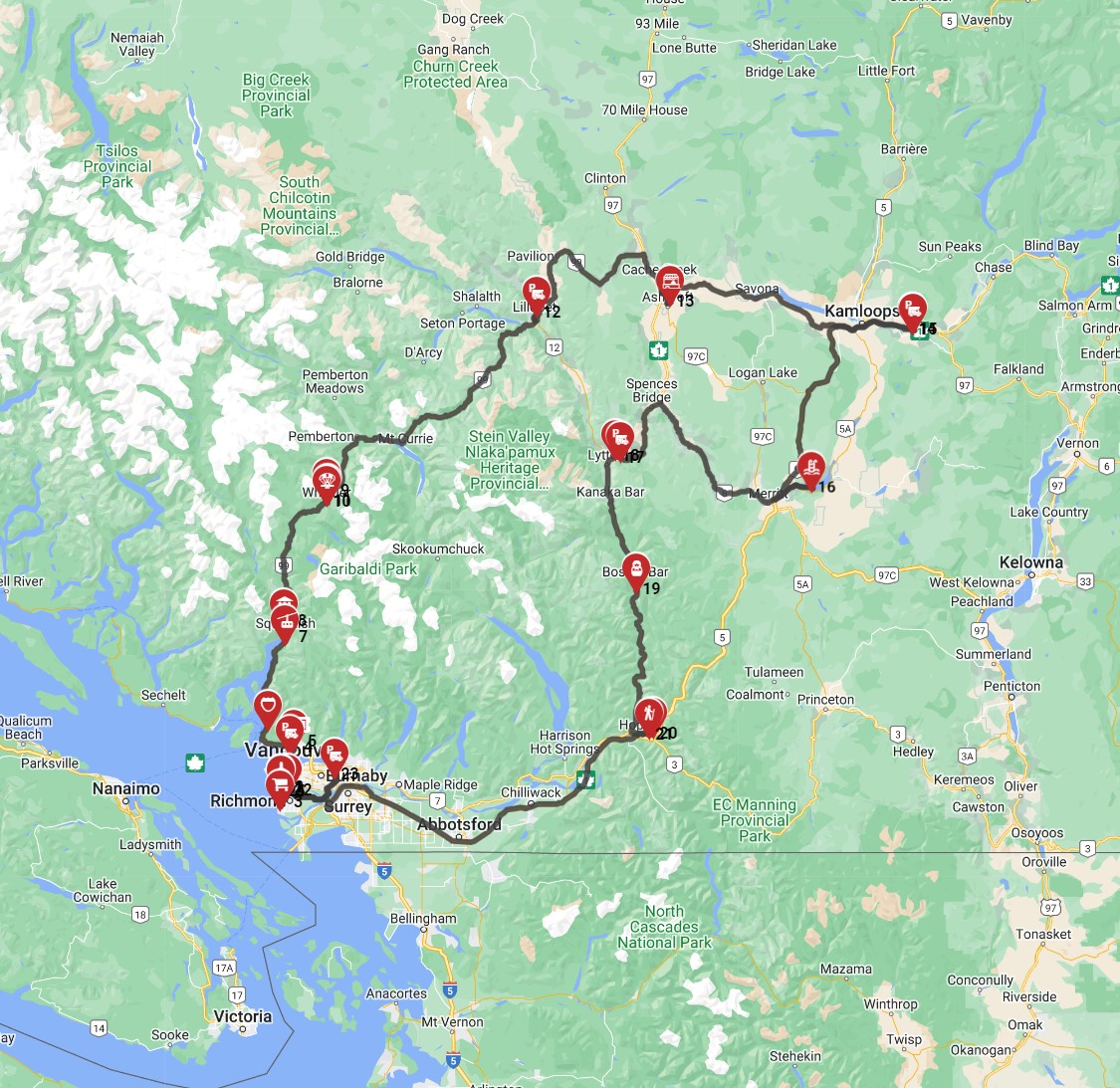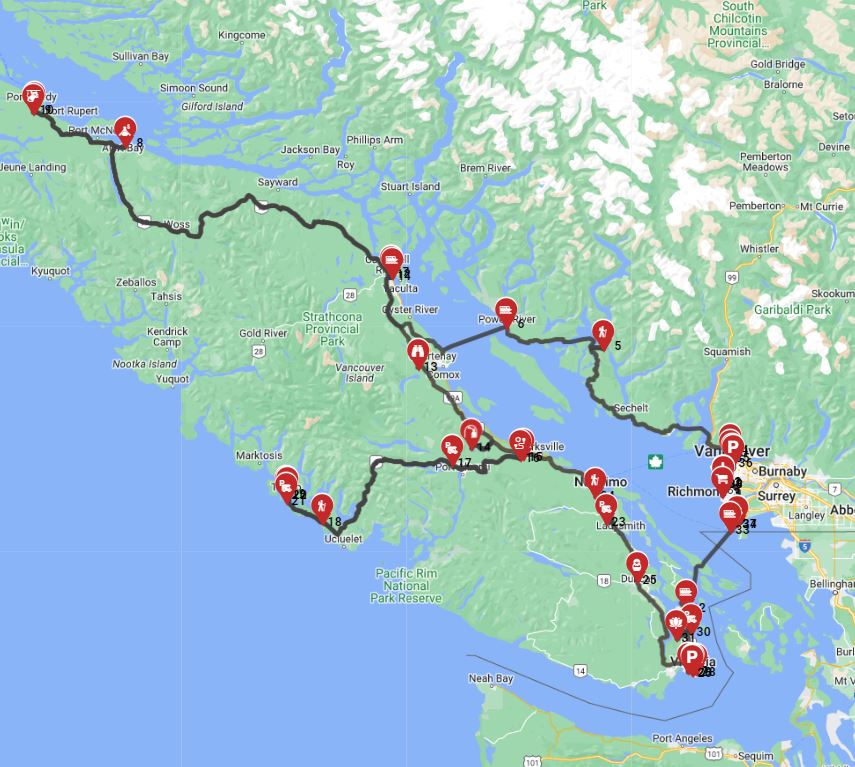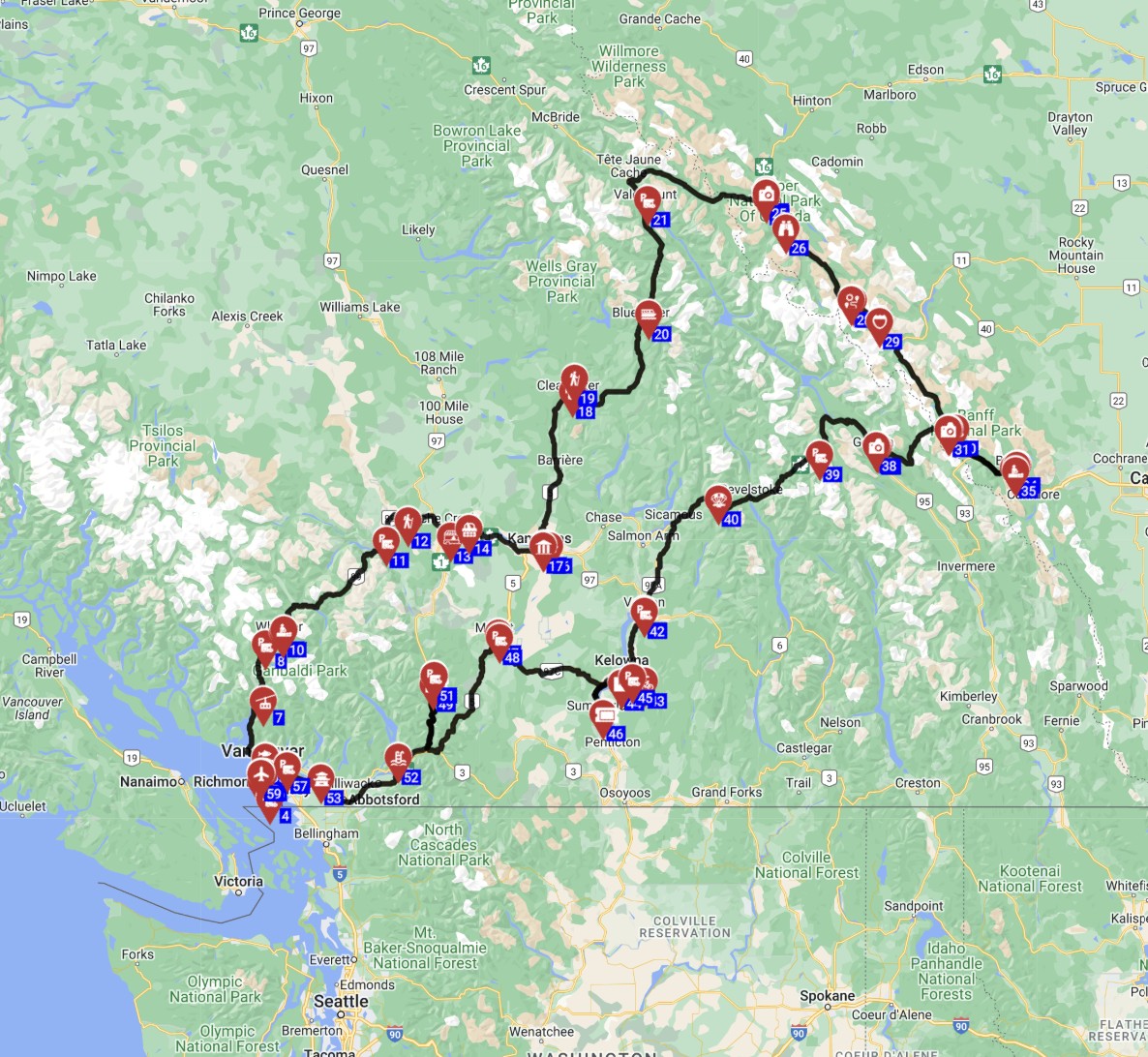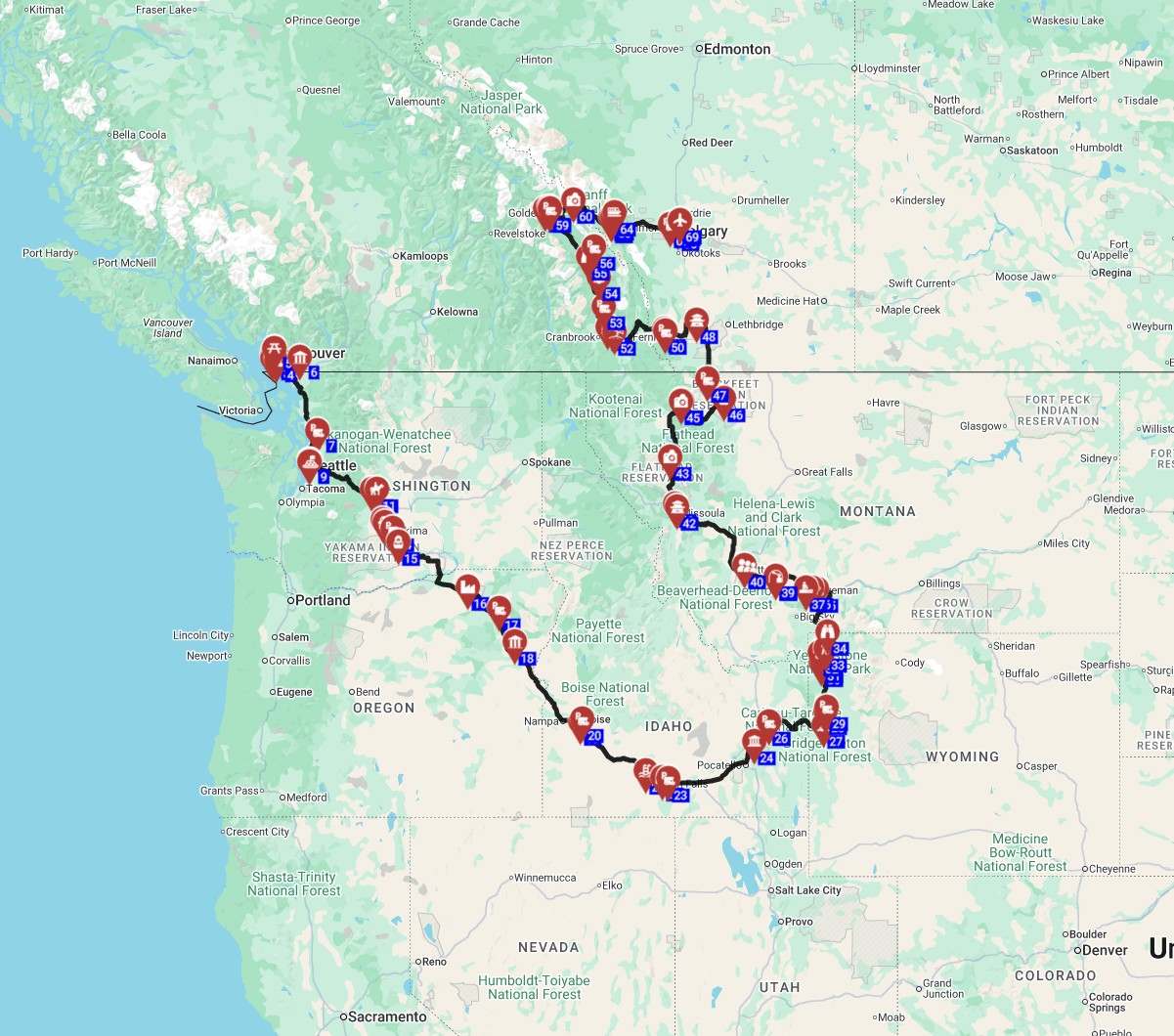
For live availability and current prices, start with our RV Rental Vancouver - Complete Guide 2026 guide.
In This Guide
- Where to Camp in Vancouver — Top Options
- Campground Types in Vancouver (National, Private, Wild)
- Featured RV Park or Campground in Vancouver
- Hookups & Amenities — What to Expect
- Booking Windows & Reservations in Vancouver
- Nearby Supermarkets & Resupply Points
- Best RV Class for Camping in Vancouver
- How to Save on Campgrounds in Vancouver
- What is the 444 rule for RVs?
- Where can I camp my RV in Vancouver?
- Where can I park my RV for free in BC?
- Where to RV camp near Vancouver?
- What is the 3-3-3 rule when RVing?
- What is the 4 4 4 rule for RVing?
- What is the 2 2 2 rule for camping?
- How to book Canadian campsites?
Where to Camp in Vancouver — Top Options
RV camping near Vancouver offers a range of experiences, from urban convenience to natural tranquility. Top options include private RV resorts located in nearby municipalities like Burnaby or Delta, which provide full hookups and modern amenities, often with easier access to the city's attractions.
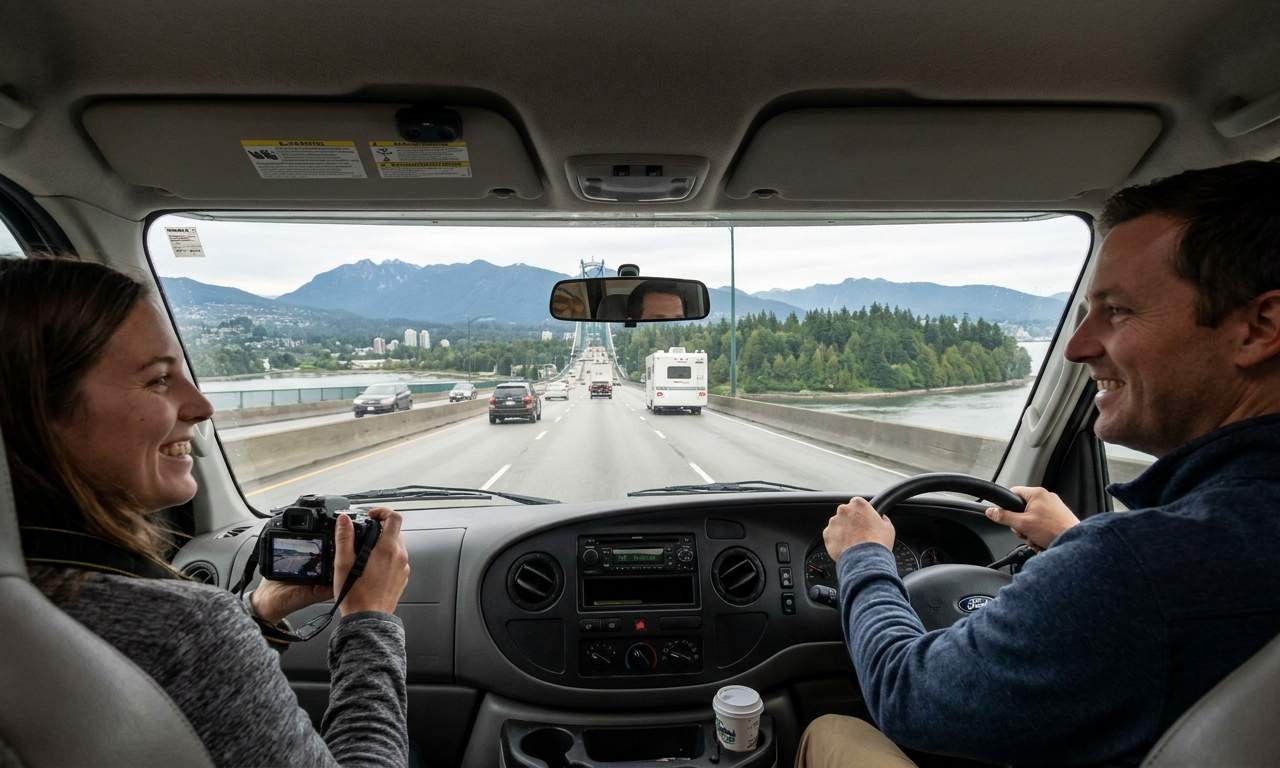
For those seeking a more natural setting, provincial parks such as Cultus Lake Provincial Park or Golden Ears Provincial Park are situated a short drive from the city center, offering beautiful natural surroundings and recreational activities. These parks are highly sought after and typically require advance reservations, especially during the peak camping season from May to September.
Regional parks can also present more rustic and often lower-cost camping alternatives. While some may operate on a first-come, first-served basis, it's always advisable to confirm availability and any specific RV size restrictions by contacting the park directly before your arrival.
Campground Types in Vancouver (National, Private, Wild)
When planning your RV camping adventure near Vancouver, understanding the types of campgrounds available is key. You'll primarily find private campgrounds and provincial parks catering to RVs, as true national park RV sites are generally located further afield.
Private Campgrounds: These are your go-to for full amenities, including reliable hookups (electricity, water, sewer), making for a secure and serviced basecamp close to urban centers. They often have more flexible booking policies and are ideal for those prioritizing convenience and a range of on-site services.
Provincial Parks (BC Parks): Managed by the British Columbia government, these parks are located outside the immediate city sprawl, offering a more immersive natural experience. While they provide stunning settings, amenities can vary, and hookup availability might be less common than in private parks. Reservations are essential and can be highly competitive.
Wild/Dispersed Camping: It's important to note that wild or dispersed camping within Vancouver city limits is generally illegal and not recommended due to strict bylaws. For those seeking this type of experience, you'd need to venture into more remote BC areas on Crown land, where it's permitted under specific conditions and requires strict adherence to local regulations and Leave No Trace principles.
Featured RV Park or Campground in Vancouver
For an excellent base to explore the Vancouver region, consider a prime example of a well-regarded RV park. A typical featured park near Vancouver will offer essential amenities like full hookups, modern washroom facilities, and convenient access to local transit or major roadways, serving as a perfect launchpad for your adventures.
When selecting an RV park, prioritize those that provide comprehensive hookups (electricity, water, and sewer connections), alongside clean washrooms and laundry facilities. Proximity to public transport or major highways is also a significant advantage for easy exploration.
Look for parks that enhance your stay with amenities such as Wi-Fi, picnic tables, and perhaps recreational facilities like playgrounds or swimming pools. Location is also crucial; parks situated in areas like Langley, Richmond, or Burnaby can offer a beneficial balance of accessibility to Vancouver's core attractions and a more peaceful, suburban setting for your RV.
Hookups & Amenities — What to Expect
When renting an RV in Vancouver and planning your stay at local campgrounds, you can generally expect a range of hookup options and amenities. Most private RV parks are well-equipped to offer full hookups, which typically include electricity (30-amp is most common, though 50-amp is available in some), water, and sewer connections, making for a convenient and comfortable experience.
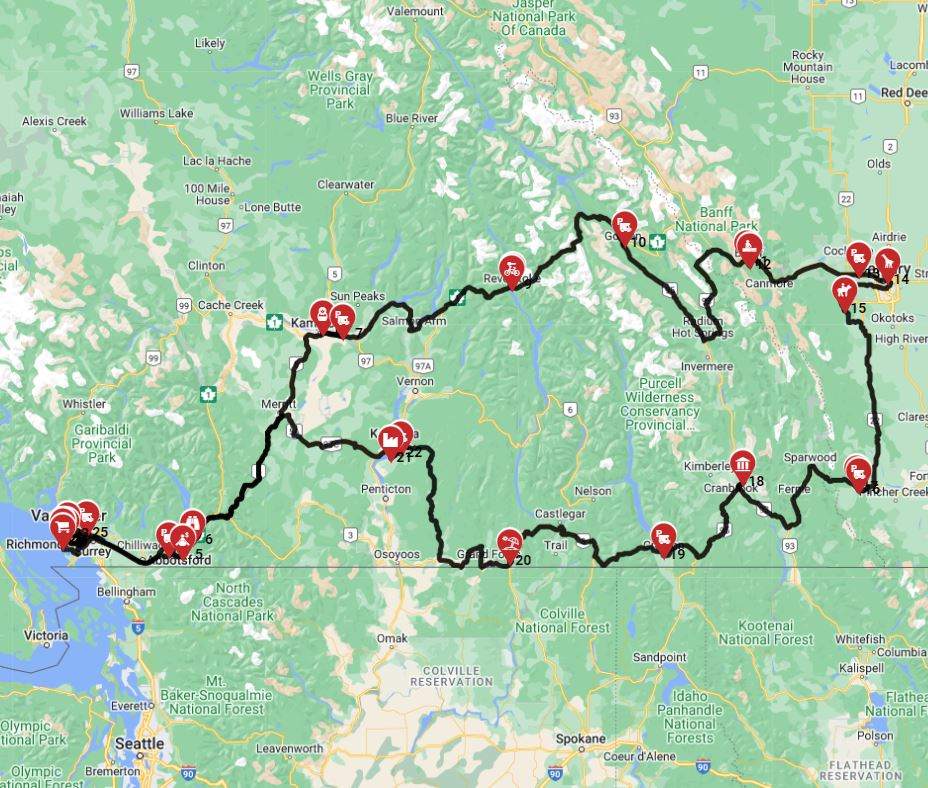
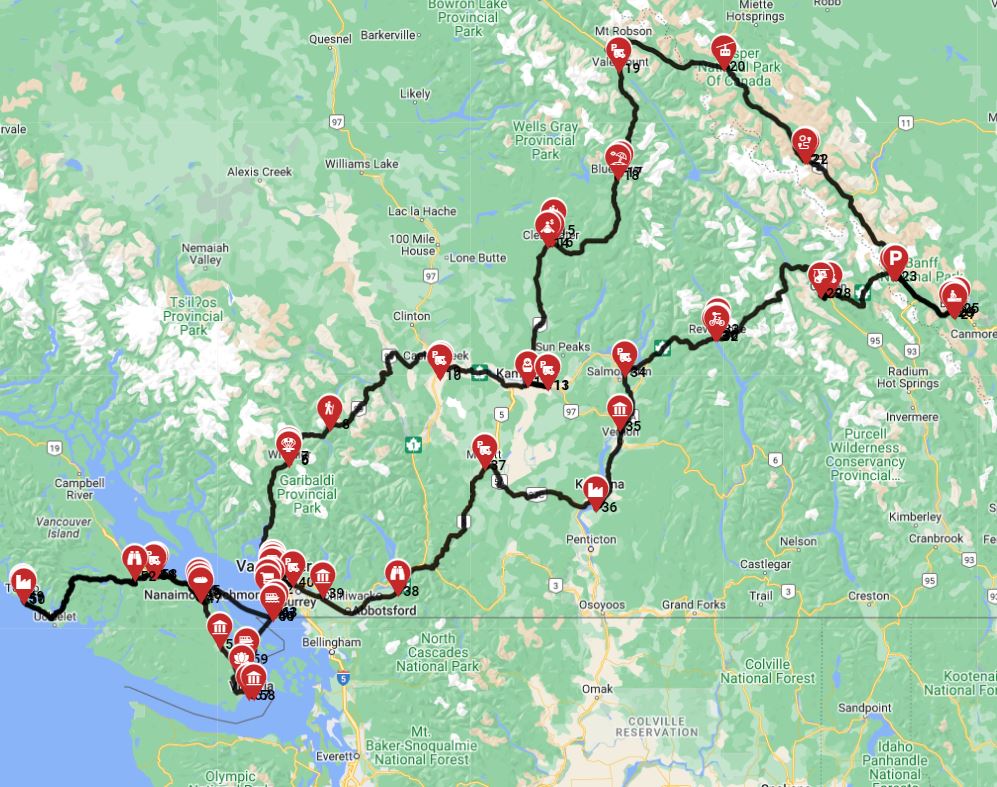
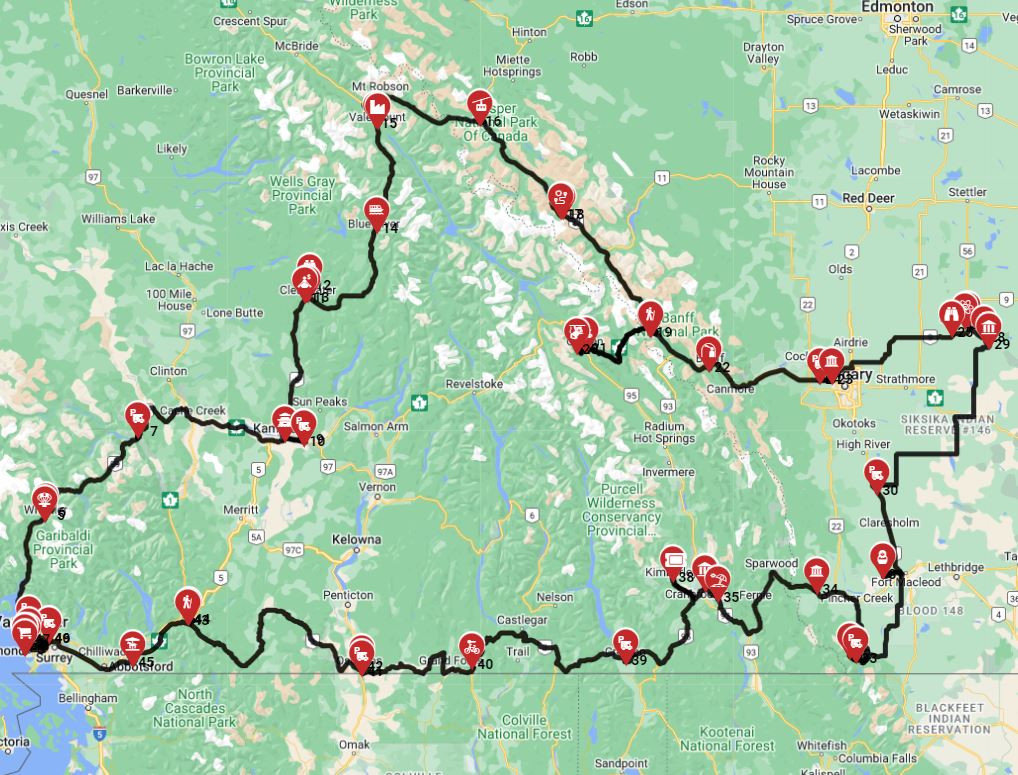
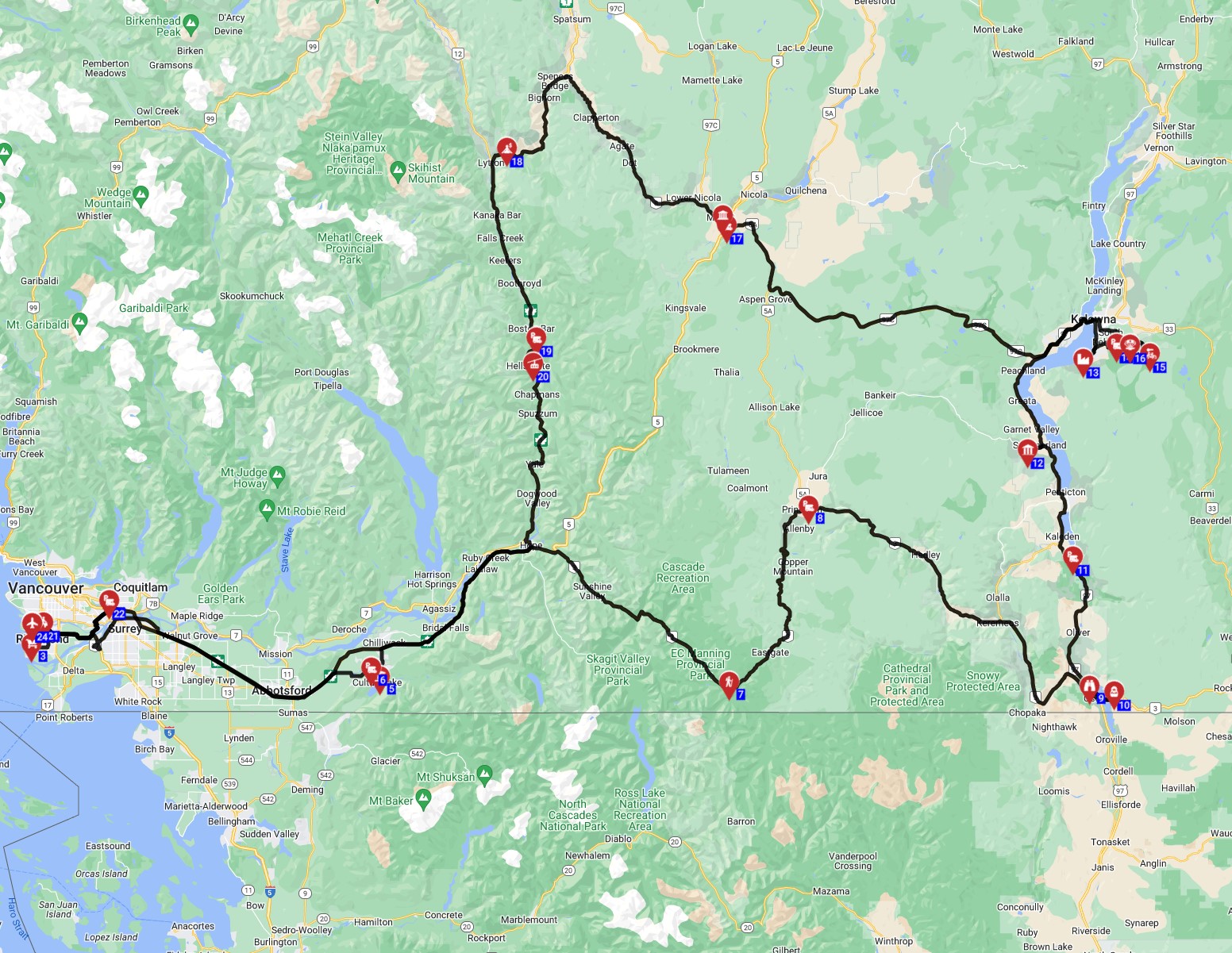
While potable water hookups are standard at serviced sites, ensure your RV has a dedicated fresh water hose. For managing your RV's waste tanks, dump stations are a crucial amenity, commonly found at campgrounds or at dedicated service points throughout the area. These are essential for emptying greywater and blackwater tanks. On the routes offered through RV PLANET routes, you can itemize and track every expense along the way for easy budgeting.
Connectivity like Wi-Fi and cell service can vary significantly. Private parks often provide Wi-Fi, but it's best to confirm the reliability and cost. Provincial parks may have limited or no connectivity, so be prepared for a more disconnected experience. Other amenities like laundry facilities, showers, and propane refills are commonly available at private RV parks and some larger provincial campgrounds, ensuring you're well-supplied for your journey.
Booking Windows & Reservations in Vancouver
Securing an RV campsite near Vancouver, especially during the popular May to September season, often requires booking well in advance. For BC Parks like Golden Ears or Cultus Lake, reservations typically open several months ahead of time and can fill up rapidly for prime dates.
Private campgrounds also recommend booking months in advance, particularly if you have specific dates or require a larger site for your rig. While some private parks might offer more flexibility, early booking is always a wise strategy to avoid disappointment.
For spontaneous travelers, while less common in provincial parks, always call campgrounds directly on your intended day of arrival to inquire about last-minute availability or cancellations. Many parks reserve a small percentage of sites for first-come, first-served (FCFS) guests, but this is not a guaranteed option. Traveling during the shoulder seasons—late spring (April-May) or early fall (September-October)—can offer more booking flexibility, fewer crowds, and potentially better rates.
Nearby Supermarkets & Resupply Points
When RVing around Vancouver, you'll find ample opportunities for resupplying groceries and essentials. Major Canadian supermarket chains like Save-On-Foods, Real Canadian Superstore, Safeway, and Thrifty Foods are conveniently located throughout the Lower Mainland, offering a wide selection of fresh produce and pantry staples.
For budget-conscious travelers, discount retailers such as No Frills or Walmart Supercentres are also readily accessible, providing good value on groceries. These stores are typically situated within shopping plazas or urban centers, ensuring easy access from most RV park locations around Vancouver.
Planning your resupply stops around your sightseeing can be efficient. Many of these supermarkets also offer services like propane refills or have pharmacies nearby, making them convenient stops for multiple needs.
Best RV Class for Camping in Vancouver
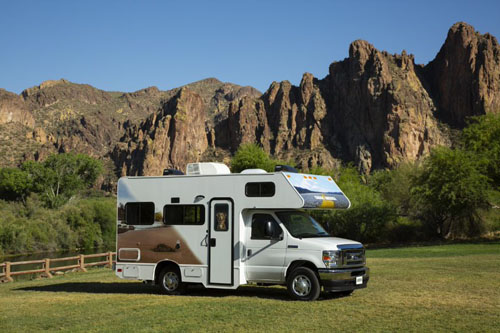
Choosing the right RV class for camping in Vancouver involves balancing maneuverability for city driving with comfort for your stay. Class B camper vans, averaging around 5.8 meters in length, are excellent for navigating tighter city streets and smaller campsite spaces, typically sleeping around 3 people and offering good fuel efficiency.
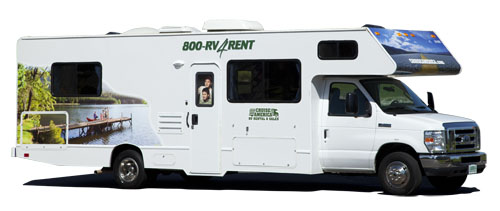
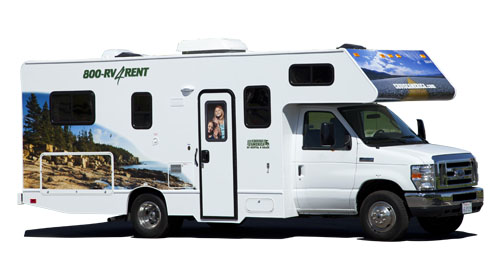
Class SI (semi-integrated) motorhomes, averaging 6.9 meters and sleeping about 3.8 people, provide more living space than a camper van while remaining relatively agile. For families or larger groups, Class C motorhomes, averaging 7.5 meters and sleeping around 5.8 people, are popular for their ample bunk space and amenities, though they require more careful navigation in urban areas. Their fuel consumption is generally around 10-12 Liters/100 km.
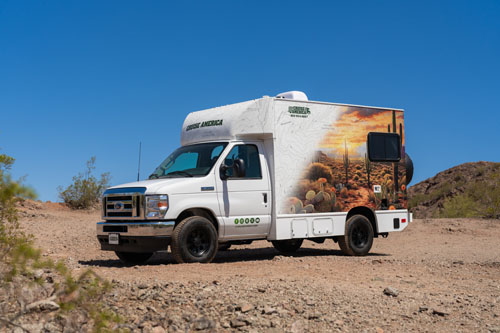
While Class A motorhomes offer luxury, their larger size can make them less ideal for immediate Vancouver exploration due to potential size restrictions in certain areas or campgrounds. Truck campers, averaging 5.5 meters and sleeping about 2.4 people, are also an option for those seeking more rugged adventures, though their fuel consumption can be higher (12-17 Liters/100 km).
How to Save on Campgrounds in Vancouver
To make your RV camping experience in Vancouver more affordable, several strategies can significantly reduce campground costs. Leveraging discount programs, booking during the shoulder season, and opting for municipal or regional parks over private resorts are effective methods.
Some campgrounds may offer discounts through membership programs or partnerships; it's worth inquiring about these when booking. Traveling during the shoulder seasons—late spring (April-May) or early fall (September-October)—can often mean lower nightly rates and fewer crowds compared to the peak summer months.
Municipal and regional parks frequently provide more budget-friendly camping options than high-end private RV resorts. Additionally, many campgrounds offer discounts for extended stays, such as weekly or monthly rates, which can provide significant savings if you plan to stay for three or more nights. While challenging to find legally near Vancouver, exploring designated free camping on Crown land further afield can eliminate camping fees entirely, but always ensure you adhere to regulations.
What is the 444 rule for RVs?
The "444 rule" for RVs is a practical guideline that suggests a relaxed approach to travel, aiming to prevent burnout and enhance enjoyment. It recommends driving no more than 4 hours a day, arriving at your campsite by 4 PM, and staying a minimum of 4 nights at each location.
This pacing helps limit fatigue and stress, which is especially beneficial for new RV drivers navigating larger vehicles. Arriving by 4 PM ensures you have ample daylight to set up your campsite, troubleshoot any minor issues, and prepare dinner without feeling rushed. For ideas you can prep on the road, watch our RV-friendly recipes playlist on YouTube.
Staying for at least 4 nights encourages a slower travel pace, reducing the frequency of packing and unpacking, and allowing for deeper exploration of each destination. While this is a valuable guideline, it's ultimately a recommendation that can be adjusted based on your specific trip goals and comfort level.
Where can I camp my RV in Vancouver?
In Vancouver, RV camping is primarily facilitated through private RV parks located in surrounding municipalities like Burnaby or Delta, and in provincial parks such as Golden Ears or Cultus Lake, which are typically an hour or two drive from the city center.
Private RV parks are a convenient option, often offering a full suite of amenities and closer proximity to urban conveniences, serving as a comfortable base for exploring the city. Provincial parks, on the other hand, provide a more natural and immersive wilderness experience, but they require advance reservations, especially during peak season.
It's crucial to be aware of city bylaws; overnight RV parking on most Vancouver city streets or public lots is generally prohibited or severely restricted, making designated campgrounds the only legal and safe option for overnight stays.
Where can I park my RV for free in BC?
Finding free RV parking in British Columbia, particularly near Vancouver, is primarily limited to designated Crown land outside of municipal boundaries. This type of dispersed camping, often referred to as boondocking, requires self-sufficiency and adherence to strict "Leave No Trace" principles.
You can typically camp on Crown land for up to 14 days in one spot, but always check for local fire bans and any specific restrictions. The iMapBC tool can be helpful for identifying Crown land boundaries.
Managed by Recreation Sites and Trails BC, recreation sites are often rustic, low-cost, or sometimes free campgrounds, typically accessible via gravel roads, which may present their own challenges for larger RVs. While some large store chains like Walmart may permit overnight RV parking, policies vary by location, and it's always best to ask permission from management first, as it is not guaranteed. Be aware that within Vancouver and most Metro Vancouver municipalities, bylaws prohibit or severely restrict overnight RV parking on streets or in public lots, making designated campgrounds the only reliable option.
Where to RV camp near Vancouver?
Popular RV camping destinations near Vancouver offer a diverse range of experiences, from serene natural settings to convenient urban access. The Fraser Valley is a prime area, boasting provincial parks such as Cultus Lake Provincial Park and Golden Ears Provincial Park, which provide beautiful natural settings ideal for families, complete with lakes, hiking trails, and varying levels of hookup sites.
For a coastal escape, a short ferry ride can take you to campgrounds on the Sunshine Coast, offering a relaxed RV experience. Vancouver Island, accessible via ferry, opens up numerous world-class provincial and national park campgrounds for longer, more immersive trips.
If you prefer more amenities and proximity to city conveniences, consider the well-appointed private RV parks located in nearby suburban areas like Langley, Richmond, and Burnaby. These parks typically offer full hookups and a range of services for a comfortable and convenient stay.
What is the 3-3-3 rule when RVing?
The "3-3-3 rule" is a popular RV travel guideline that encourages a more relaxed and enjoyable pace. It advises RVers to drive no more than 300 miles (approximately 500 km) per day, arrive at their destination by 3 PM, and stay for at least 3 nights at each location.
This mileage limit is considered manageable for RVs, helping to prevent driver fatigue and allowing for more stops to appreciate the journey. Arriving by 3 PM ensures you have sufficient daylight for campsite setup, any necessary troubleshooting, and settling in before dark.
The recommendation to stay for 3 nights or more encourages travelers to slow down, fully experience each location, and avoid the constant setup and tear-down associated with frequent moves. This rule helps shift the focus from simply covering distance to genuinely enjoying the destinations.
What is the 4 4 4 rule for RVing?
The "4 4 4 rule for RVing" is a travel mantra that promotes a balanced and enjoyable trip by suggesting a specific daily routine. It advises RVers to drive no more than 4 hours a day, arrive at their campground by 4 PM, and stay for a minimum of 4 nights.
This approach to pacing helps prevent over-scheduling and reduces travel fatigue, allowing ample time for sightseeing, relaxation, and managing unexpected travel hiccups. By minimizing travel stress, campers can fully immerse themselves in the experience of each location rather than rushing through.
The guideline of arriving by 4 PM ensures that you have adequate daylight for safely backing into a site, connecting all necessary hookups, and getting oriented before darkness falls, making the setup process smoother and more enjoyable.
What is the 2 2 2 rule for camping?
The "2 2 2 rule for camping" offers a simplified guideline for shorter, more relaxed RV trips. It recommends traveling no more than 200 miles (approximately 320 km) per day, arriving at your campsite by 2 PM, and staying for at least 2 nights.
This approach is particularly ideal for weekend getaways or for those who prefer very short driving days, allowing for more time to settle in and explore. Arriving by 2 PM maximizes daylight, facilitating a leisurely setup and immediate enjoyment of the campground's amenities and surroundings.
The recommendation of two-night stays provides a good balance for a quick getaway, allowing for one full day of exploration or relaxation without the need for constant relocation. This rule is especially helpful for new RVers getting accustomed to driving and managing their rig, offering a less stressful introduction to the RV travel lifestyle.
How to book Canadian campsites?
Booking Canadian campsites, particularly those near popular destinations like Vancouver, typically involves navigating provincial park reservation systems, individual private campground websites, or third-party booking platforms. For British Columbia, the BC Parks reservation system is the primary portal for securing spots in provincial parks.
It's crucial to note that reservations for high-demand parks often open months in advance on a staggered schedule, and popular sites can fill within minutes on release day. Setting reminders and being ready at the precise booking time is often necessary.
For private campgrounds, booking is usually done directly through the campground's official website or via platforms like Campspot or ReserveAmerica. Always check the specific booking windows and cancellation policies for each campground. Some sites may offer a limited number of first-come, first-served (FCFS) spots, but relying solely on this option is risky, and calling ahead to confirm availability is always recommended.
What You Shouldn't Miss
- Drive the scenic Sea-to-Sky Highway (Highway 99) from Vancouver towards Whistler, experiencing breathtaking coastal and mountain views.
- Explore Pacific Spirit Regional Park, accessible from Vancouver RV campgrounds, for temperate rainforest hikes and serene nature immersion.
- Visit Granville Island Market for a culinary adventure, sampling local produce, artisan foods, and enjoying street performers.
- Take a BC Ferries journey to Vancouver Island or the Sunshine Coast, experiencing a unique "floating campsite" as you travel with your RV.
- Spend a day at Golden Ears Provincial Park for hiking, swimming in Alouette Lake, or simply enjoying the natural beauty.
- Explore the waterfront and Stanley Park in Vancouver, accessible via RV-friendly routes, offering iconic city sights and natural beauty.
Final Thoughts
Vancouver offers a stunning backdrop for your RV adventure, blending urban excitement with natural beauty. From the convenience of well-equipped private RV parks to the wild charm of provincial parks, there's a perfect spot waiting for you.
Remember that popular campsites fill up quickly, so planning ahead is your best strategy. By comparing options and booking in advance, you ensure a smooth and stress-free start to your unforgettable journey through British Columbia.
Find Motorhome Rentals in Vancouver