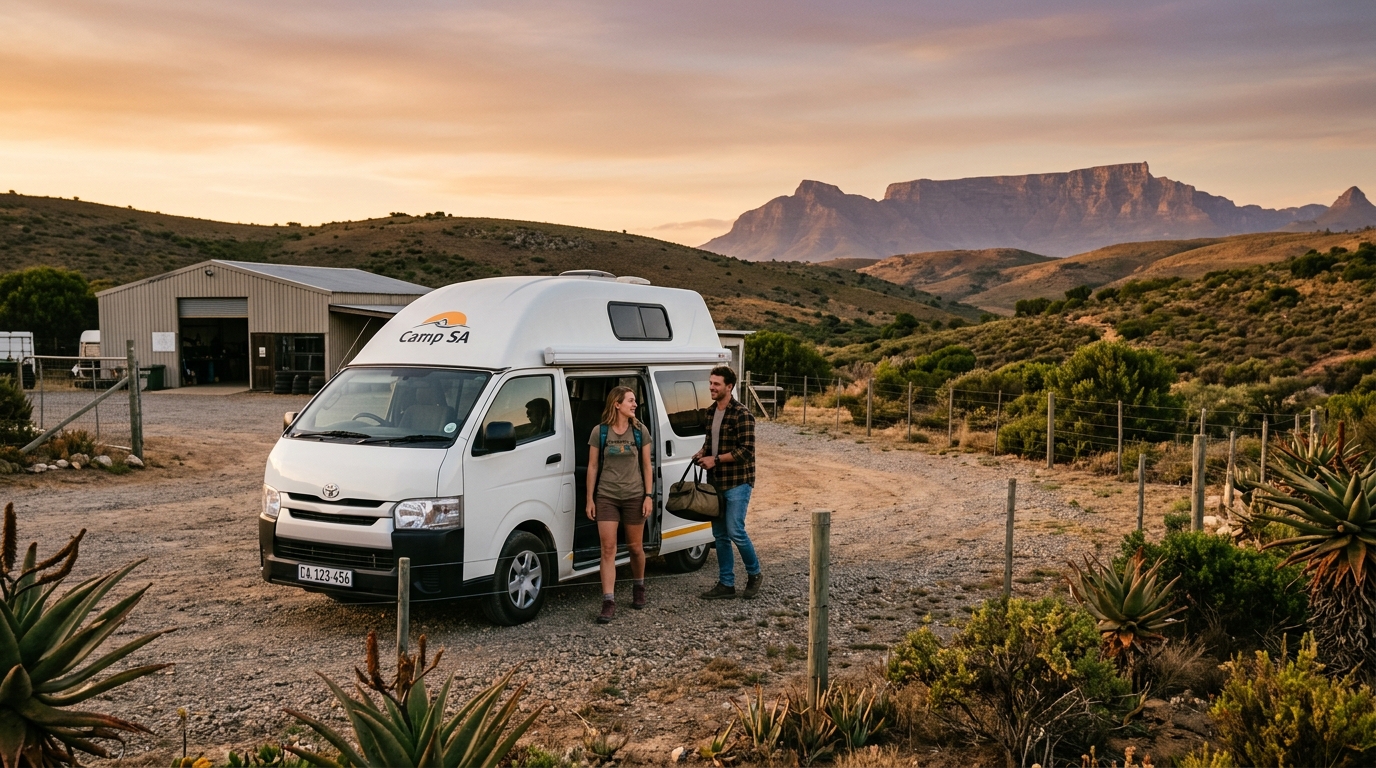
For live availability and current prices, start with our RV Rental South Africa - Complete Guide 2026 guide.
In This Guide
- Where to Camp in South Africa — Top Options
- Campground Types in South Africa (National, Private, Wild)
- Featured RV Park or Campground in South Africa
- Hookups & Amenities — What to Expect
- Booking Windows & Reservations in South Africa
- Nearby Supermarkets & Resupply Points
- Best RV Class for Camping in South Africa
- How to Save on Campgrounds in South Africa
- How much does it cost to rent an RV in South Africa for a trip?
- What do I need to prepare for an RV trip to South Africa?
- Is it safe to travel South Africa by RV?
- What are the driving conditions and laws for RVs in South Africa?
- What are the best RV routes and off-the-beaten-path destinations in South Africa?
- What are the licensing, insurance, and border crossing requirements for RV rentals in South Africa?
Where to Camp in South Africa — Top Options
South Africa offers a diverse range of RV camping experiences, catering to every preference. From the dramatic coastal scenery of the Garden Route to the rugged bushveld surrounding Kruger National Park, there's a perfect spot for your rented RV. For breathtaking vistas and a blend of amenities, regions like the Western Cape, particularly near Stellenbosch or Hermanus, boast numerous well-appointed campsites, both within private resorts and SANParks national parks. If your journey takes you to Mpumalanga, campgrounds located near Hazyview serve as excellent launching points for exploring the iconic Kruger National Park and the scenic Panorama Route. For those drawn to majestic mountain landscapes and outdoor adventures like hiking, the Drakensberg region in KwaZulu-Natal provides stunning settings with suitable RV sites.
Campground Types in South Africa (National, Private, Wild)
When planning your RV adventure in South Africa, you'll encounter a variety of campground types. National Park campsites, managed by SANParks, are a popular choice. These sites, found within Kruger or Table Mountain National Park, for example, offer structured, secure, and generally well-maintained spots with essential amenities, and it's highly recommended to book these well in advance, especially during peak travel times. Private campgrounds and resorts are abundant near major tourist destinations and along popular routes. They offer a wide spectrum of facilities, from basic sites to luxurious resorts with pools and restaurants, providing flexibility for RV travelers. While wild camping or freedom camping is generally discouraged and often illegal in public areas without explicit permission, it may be tolerated in some very remote, privately owned areas with prior landowner consent. However, for legality, safety, and convenience, it's always best to stick to designated sites.
Featured RV Park or Campground in South Africa
When selecting an RV park or campground in South Africa, prioritize establishments that offer a secure environment, essential services, and convenient access to local attractions. Key features to look for include a secure perimeter with controlled access, reliable electrical hookups (220-240V), potable water access, and efficient waste disposal facilities. An ideal park might also provide clean ablution blocks, communal braai (BBQ) areas for that quintessential South African experience, Wi-Fi access, and proximity to grocery stores or local points of interest for easy resupply and exploration. Before confirming your booking, it's always wise to check recent reviews for insights into the campground's cleanliness, customer service, and overall safety measures to ensure a pleasant stay.
Hookups & Amenities — What to Expect
Established RV campgrounds in South Africa typically provide the essential hookups and amenities for a comfortable stay. You can expect electricity (220-240V) and water hookups at many individual sites or communal taps, along with standard dump stations for grey and black water. For connectivity, while some parks offer Wi-Fi, it might be limited to reception areas or come with a fee. For reliable and widespread connectivity, purchasing a local SIM card from providers like Vodacom or MTN is highly recommended, although coverage can be spotty in remote areas. Most campgrounds also feature clean ablution blocks with hot showers and toilets, and laundry services may be available, often on a coin-operated basis or through staff assistance. Be prepared for the Type M electrical plug, which has three large round pins, so ensure your RV or adapter is compatible for South African outlets. On the routes offered through RV PLANET routes, you can itemize and track every expense along the way for easy budgeting.
Booking Windows & Reservations in South Africa
For RV camping in South Africa, booking well in advance is strongly recommended, particularly for popular national parks and during peak travel seasons. Many SANParks campsites open bookings as far as 11-13 months ahead, and spots for peak periods like December-January, Easter, and school holidays are highly sought after and fill up quickly. However, if you're a spontaneous traveler, don't despair; many municipal and private campgrounds, especially those outside major tourist hubs, offer first-come, first-served spots and generally have greater last-minute availability. While popular national park campgrounds may release only a portion of their sites for advance reservations, with the remainder often allocated on a first-come, first-served basis, you'll almost certainly find a place to stay – perhaps not at your first choice, but certainly at a nearby alternative. It's always a good idea to call ahead before driving long distances to confirm availability.
Nearby Supermarkets & Resupply Points
Keeping your rented RV stocked with provisions during your South African journey is convenient, thanks to the widespread availability of major supermarket chains in towns and cities across the country. You'll find prominent chains such as Shoprite, Pick n Pay, Checkers, Spar, and Woolworths Food offering a comprehensive selection of groceries, fresh produce, and essential household items. While smaller local shops will be available in more rural areas, it's advisable to stock up extensively in larger towns before heading into remote regions. Bottled water is readily available, and while tap water is generally safe to drink in most urban centers, having a supply of bottled water is always a good idea for peace of mind.
Best RV Class for Camping in South Africa
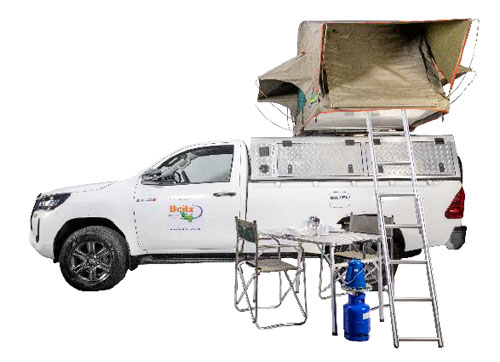
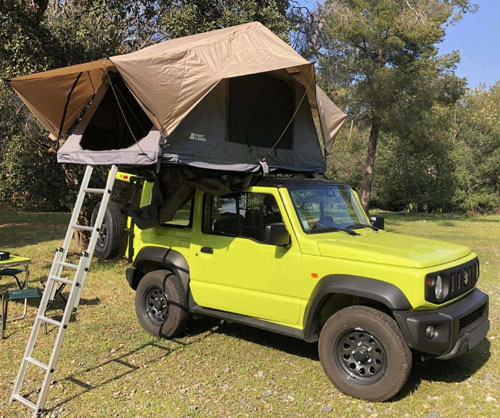
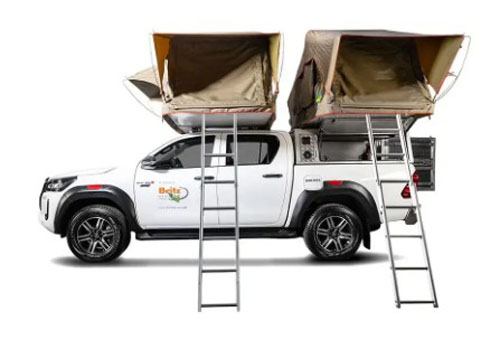
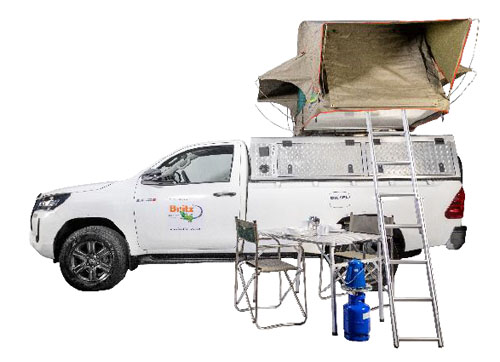
For navigating the diverse terrains and enjoying comfortable travel in South Africa, a 'Class B - Camper Van' or a 'Class SI - Semi-integrated' motorhome is often the ideal choice. These vehicles balance maneuverability, crucial for varied roads, with sufficient amenities for a pleasant journey. For instance, a Class B Camper Van (Bandana's fleet averages 5.8m in length, sleeps 3.2, and accommodates 2.7 adults) is excellent for navigating everything from paved highways to some gravel or narrower paths, offering better fuel efficiency (typically 8-10 L/100 Km). These are perfect for couples or small families prioritizing agility and ease of parking. A Class SI Semi-integrated motorhome (Bandana's fleet averages 6.9m in length, sleeps 3.8, and accommodates 3.4 adults) provides more space and amenities, consuming around 10-11 L/100 km, making it suitable for longer trips while remaining manageable on South African roads. For those venturing to more rugged, off-the-beaten-path destinations, or exploring specific areas like parts of Kruger National Park, a 4x4-capable RV or a robust 'Class TC - Truck Camper' (Bandana's fleet averages 5.5m and typically consumes 12-17 L/100 km) might be necessary.
How to Save on Campgrounds in South Africa
To significantly reduce your RV camping costs in South Africa, consider utilizing campground discount cards if available, traveling during the shoulder season, and opting for municipal or regional campgrounds over more upscale private resorts. Looking into specific RV camping discount programs or loyalty cards, perhaps offered by your rental provider, can yield substantial savings on daily or weekly rates. Traveling during the shoulder seasons, typically February-March and October-November, often results in lower prices and fewer crowds compared to the peak holiday periods. Municipal or regional parks are generally more affordable than luxury private resorts, and many offer discounted weekly rates for extended stays.
How much does it cost to rent an RV in South Africa for a trip?
The cost of renting an RV in South Africa varies considerably, depending on the vehicle class, rental duration, season, and included amenities, typically ranging from ZAR 1,200 to ZAR 4,000+ per day. Smaller Class B Camper Vans, which in Bandana's fleet average 5.8m in length, are generally more economical than larger Class C Alcove motorhomes, with Bandana's fleet averaging 7.5m in length. Seasonality plays a significant role, with peak periods like December-January and Easter seeing higher prices. Remember to factor in potential additional costs for insurance, mileage limits, bedding and kitchen kits, and extra drivers. Beyond the rental vehicle, you'll need to budget for fuel consumption (e.g., Bandana's Class SI typically consumes 10-11 L/100 km) and campsite fees, which can range from ZAR 200-500 per night for national parks to ZAR 300-800+ for private resorts. For a granular budget example for a 10-day trip for two in a Class B, a typical budget might include ZAR 15,000 for the RV rental, ZAR 2,500 for fuel (assuming 1000km at 10L/100km at ZAR 25/L), ZAR 3,150 for 9 nights of camping (at ZAR 350/night), and ZAR 5,000 for food and activities, totaling approximately ZAR 25,650, excluding flights and personal spending. For ideas you can prep on the road, watch our RV-friendly recipes playlist on YouTube.
What do I need to prepare for an RV trip to South Africa?
Preparing for an RV trip in South Africa involves meticulous planning, from mapping out routes to understanding local infrastructure, securing necessary documents, and packing strategically for diverse conditions. Ensure your rented RV is equipped with all essential safety gear, such as a fire extinguisher and reflective triangles, and familiarize yourself with its operation. Crucially, carry your valid driver's license, passport, visa if required, the rental agreement, and insurance details. For navigation and communication, utilize offline maps like Maps.me or downloaded Google Maps regions, consider a local SIM card for connectivity from providers like Vodacom or MTN, and bring a reliable power bank. For RV-specific gear, pack electrical adapters for the Type M plugs, vehicle levelers, a potable water hose, cooking gear suitable for a 'braai' (BBQ), and a comprehensive first-aid kit. Finally, pack binoculars and guidebooks for wildlife viewing, understand safe practices in wildlife areas, and bring layered clothing suitable for varied climates, sun protection, and comfortable walking shoes.
Is it safe to travel South Africa by RV?
Traveling South Africa by RV can be a safe and incredibly rewarding experience, provided you prepare thoroughly and adhere to local advice and RV-specific safety practices. Prioritize your vehicle's security by always choosing designated, secure campsites with fences, gates, or guards, and strictly avoid isolated or unauthorized overnight parking. Keep all valuables out of sight within your rented RV, ensure doors and windows are locked, and utilize any alarm systems provided. It's essential to have local emergency numbers readily available (10111 for police, 10177 for ambulance) along with your rental company’s 24/7 roadside assistance contact, and keep your phone fully charged. When in national parks, always remain inside your vehicle, and at campsites frequented by wildlife, store all food securely, do not feed animals, and remain aware of your surroundings, especially at dawn and dusk. When navigating, research your routes, avoid driving at night if possible, particularly in unfamiliar or remote areas, stick to main roads, and always be aware of your surroundings.
What are the driving conditions and laws for RVs in South Africa?
Driving an RV in South Africa requires navigating a mix of road conditions, from well-maintained highways to potentially unpaved secondary roads, and adhering to specific traffic laws. Major national highways (N-roads) are generally in good condition, but secondary roads (R-roads) can vary significantly. Some national park roads are unpaved and may require a more robust RV or careful driving. Speed limits are typically 120 km/h on highways, 100 km/h on main rural roads, and 60 km/h in urban areas, though RVs may have lower recommended limits. Remember to yield to traffic already in a traffic circle (roundabout). South Africa drives on the left-hand side of the road, and all vehicles are right-hand drive. Be mindful of larger vehicle dimensions, increased braking distances, and larger blind spots. Plan your fuel stops carefully, as LPG for RVs might be less common than petrol or diesel in remote areas. Familiarize yourself with local road signs, including warnings for animal crossings or gravel roads, and remain vigilant for potholes, especially after rain, and occasional livestock or pedestrians on rural roads.
What are the best RV routes and off-the-beaten-path destinations in South Africa?
Beyond the ever-popular Garden Route and Kruger National Park, South Africa offers incredible RV routes through rugged landscapes and cultural heartlands. Consider exploring the Cederberg Mountains, known for stunning rock formations, ancient rock art, and remote wilderness camping, which often requires a more robust RV like a Class B or a 4x4 capable Truck Camper. The Wild Coast in the Eastern Cape offers a rugged coastline, traditional Xhosa villages, and unique cultural interactions; however, some roads can be challenging, making a 4x4 RV highly recommended. For a different natural encounter, the Karoo National Park showcases vast, semi-arid landscapes, famous for fossils and unparalleled stargazing, providing a tranquil RV experience. To truly immerse yourself in the local culture and flavors, seek out community-based tourism initiatives, local markets for fresh produce, and small-town eateries specializing in traditional South African dishes.
What are the licensing, insurance, and border crossing requirements for RV rentals in South Africa?
Renting an RV in South Africa generally requires a valid driver's license, with an International Driving Permit (IDP) highly recommended for foreign visitors and often a requirement by rental companies and insurance providers. Ensure your license class is appropriate for the RV type you are renting. Most rentals include a basic collision damage waiver (CDW) with a significant excess (deductible), making it advisable to purchase additional insurance to significantly reduce your liability. If you plan any cross-border travel, you will need explicit authorization from the rental company, specific third-party insurance for each country (like the COMESA Yellow Card), certified copies of the RV's registration, and be prepared for potential road permits or fees at border posts. Always confirm permissible travel countries and requirements with your rental company before embarking on a multi-country journey.
What You Shouldn't Miss
- Drive the Garden Route: A classic South African RV journey, this scenic stretch of coastline between Mossel Bay and Storms River offers incredible ocean views, indigenous forests, and charming towns.
- Explore Kruger National Park: Experience unparalleled wildlife viewing from your RV, with designated rest camps offering amenities for overnight stays. Remember to book well in advance!
- Discover the Panorama Route: Witness breathtaking waterfalls, dramatic canyons, and lush valleys in Mpumalanga, with ample scenic viewpoints and RV-friendly stops.
- Hike in the Drakensberg Mountains: Explore the majestic peaks and ancient rock art of this UNESCO World Heritage Site, with many campsites nestled at its foothills.
- Visit the Cape Winelands: Enjoy the picturesque landscapes of the Cape Winelands by RV, stopping at vineyards for tastings and exploring charming towns like Stellenbosch and Franschhoek.
- Experience the Whale Coast: Drive along the Hermanus Whale Route during whale season (August-November) and potentially spot Southern Right Whales from your RV or nearby vantage points.
Final Thoughts
Embarking on an RV adventure in South Africa offers an unparalleled way to connect with its diverse landscapes and vibrant culture. From the stunning coastlines to the wild heart of its national parks, a rented motorhome provides the freedom and flexibility to explore at your own pace. With careful planning and the right vehicle, your South African road trip promises to be an unforgettable experience.
We're here to help you every step of the way, from comparing options to ensuring your booking is seamless. Discover the freedom of the open road and let Bandana Caravan help you plan your dream South African adventure!