In This Guide
- Where to Camp in Santiago - Top Options
- Campground Types in Santiago (National, Private, Wild)
- Featured RV Park or Campground in Santiago
- Hookups & Amenities - What to Expect
- Booking Windows & Reservations in Santiago
- Nearby Supermarkets & Resupply Points
- Best RV Class for Camping in Santiago
- How to Save on Campgrounds in Santiago
- How do I find an RV rental near Santiago airport?
- What is the best time of year to RV in Santiago and Chile?
- What are the driving rules for RVs in Chile?
- Can you boondock in Chile?
- Where can I dump and refill water for my RV in Santiago?
- Is it safe to drive an RV in Santiago, Chile?
- How much does it cost to rent an RV in Santiago, Chile?
- Are there tolls on Chilean roads?
- What are the best RV routes from Santiago?
Where to Camp in Santiago - Top Options
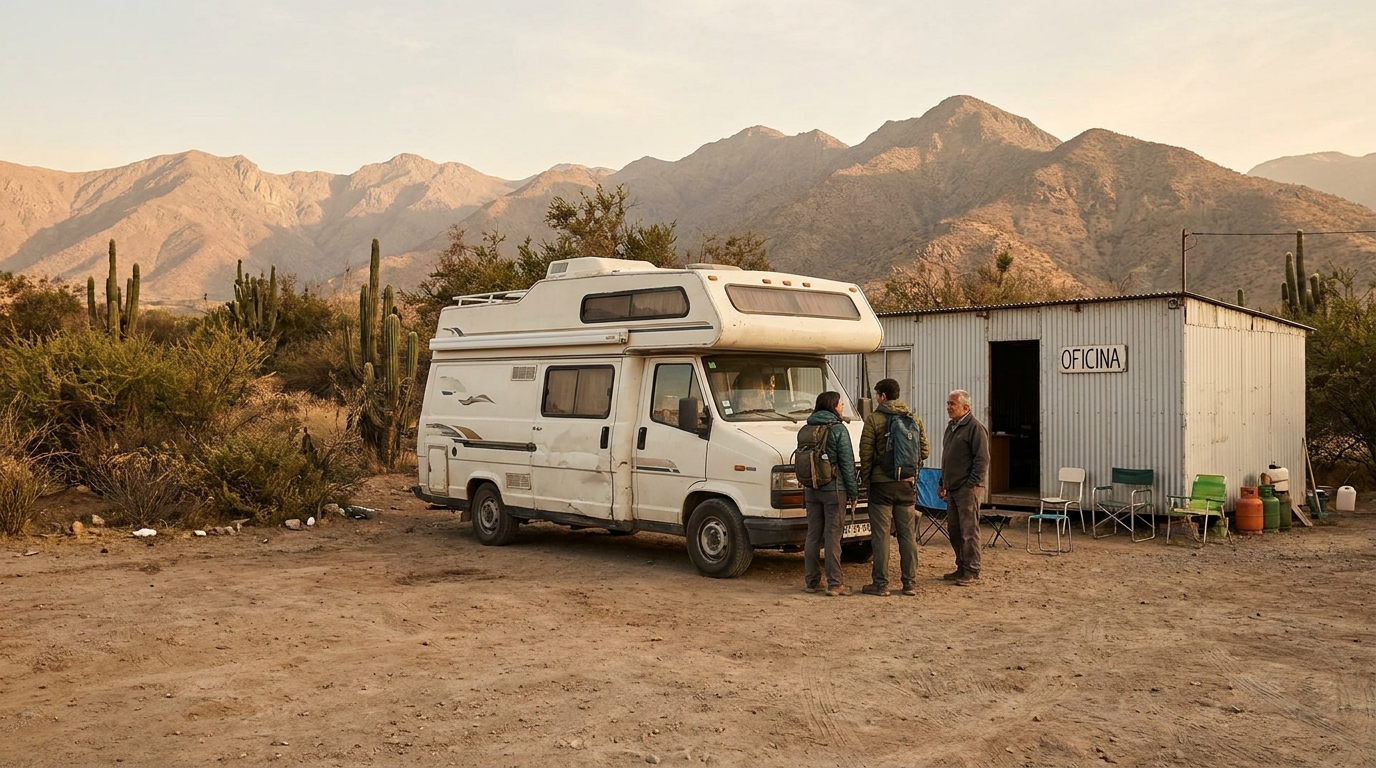
Santiago offers diverse RV camping, from private campgrounds with amenities near the city to rustic natural retreats like Cajón del Maipo. For live availability and current prices, start with our RV Rental Santiago - Complete Guide 2024 guide, which offers a comprehensive overview of options in the region. Well-equipped private campgrounds like those found around Paine or Pirque provide ample amenities, including secure parking and easy access to Santiago's attractions via a short drive or public transport connections. For a more immersive nature experience, consider government-run sites within national parks or reserves closer to the majestic Andes, perfect for exploring places like the Cajón del Maipo, known for its stunning landscapes and outdoor activities. These locations offer a tranquil escape from urban bustle while still being within a reasonable driving distance of Santiago's vibrant city life.
Imagine waking up to the crisp Andean air, stepping out of your rented motorhome to panoramic views, and knowing the bustling city is just an hour away. That's the magic of RV camping near Santiago. Whether your family is seeking adventure in the mountains or a blend of urban culture and natural beauty, the campsites around Santiago serve as your perfect mobile headquarters. Embrace slow travel, moving at a pace of no more than 100-150 km per day, allowing you to truly connect with the culture, food, and scenery of each unique spot.
Campground Types in Santiago (National, Private, Wild)
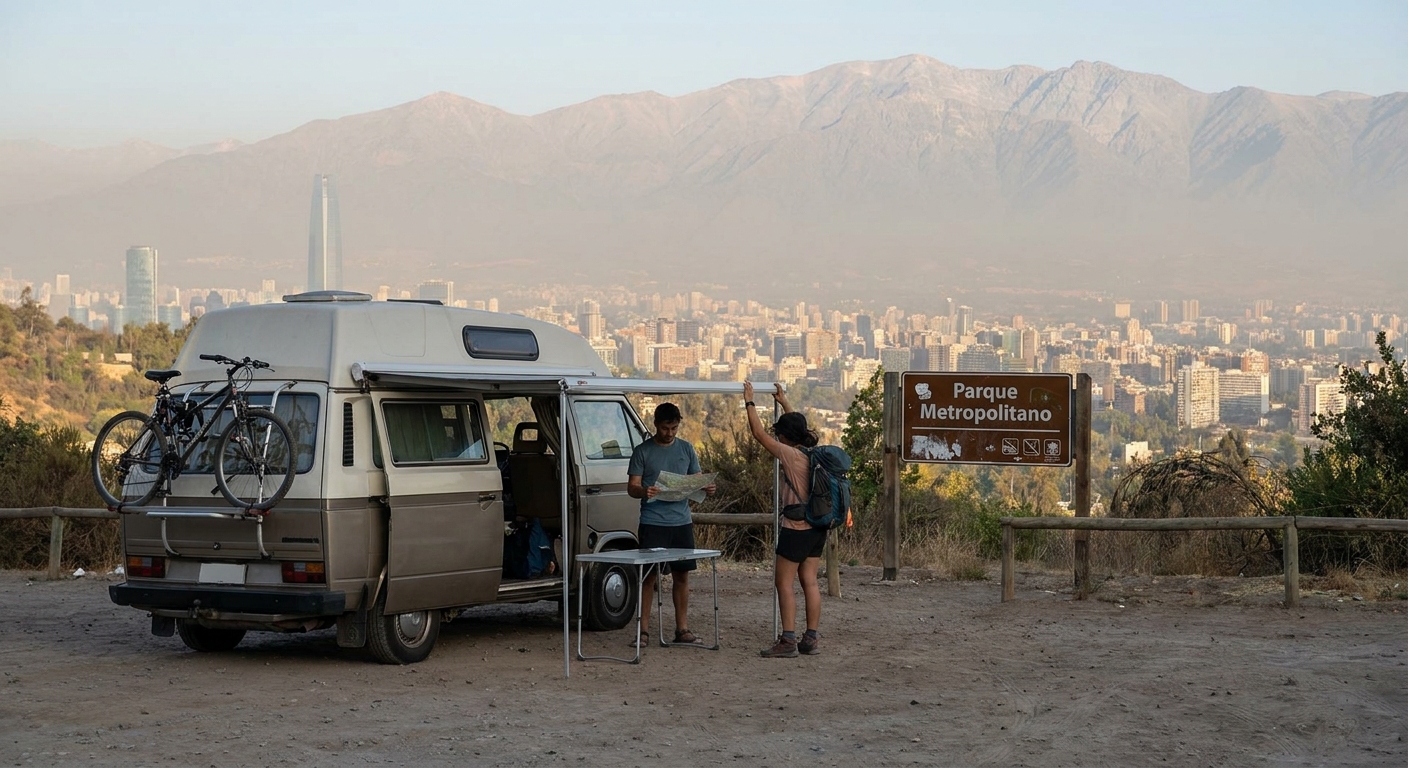
RV travelers near Santiago can choose between structured private campgrounds offering full amenities and more rustic national park sites with basic facilities. Private campgrounds, such as those along Ruta G-25 towards Cajón del Maipo or near the town of Buin, typically provide full hookups (including 220V electrical connections), Wi-Fi, and enhanced security, catering to families and those seeking comfort. National park sites, while highly scenic, often lack hookups and offer a more primitive experience, immersing you directly in Chile's breathtaking natural beauty. Wild camping (boondocking) rules are specific in Chile: generally not permitted on private land without permission, and often tolerated only in remote, non-private areas, requiring careful research of local regulations for overnight parking in urban areas or specific vehicle size restrictions. Always respect local signs and privacy, and remember that our "RV Rental Chile - Complete Guide 2024" provides broader context for nationwide rules.
Featured RV Park or Campground in Santiago
While dedicated RV parks within Santiago's immediate urban core are limited, excellent options can be found in the city's outskirts or nearby natural areas, offering essential features for RV travelers. A great example is Camping Los Maitenes, located in the Cajón del Maipo, which provides a tranquil setting with stunning mountain views, fresh water access, and basic electrical hookups (typically 220V). When choosing a park, prioritize features such as 24/7 security, robust electrical hookups (220V, common European two-pin Type L sockets), fresh water access, a dump station, and proximity to either public transport or key attractions. For instance, selecting a campground accessible from Autopista Central or Ruta 68 allows for easy navigation to your rented motorhome, minimizing city driving stress. These sites often feature amenities like clean restrooms, hot showers, and communal areas, enhancing your stay, and you can find more specific options in our "RV Travel Guide to Santiago - Tips and Top Spots 2024". On the routes offered through RV PLANET routes, you can itemize and track every expense along the way for easy budgeting.
Hookups & Amenities - What to Expect
RV campgrounds around Santiago typically offer essential hookups like electricity (220V, common European two-pin Type L sockets), fresh water, and often dump stations. Travelers should expect varying availability of amenities such as Wi-Fi, laundry facilities, and hot showers, with private campgrounds generally providing more comprehensive services. It's advisable to carry appropriate adapters for the 220V power supply and confirm specific amenity availability directly with the campground prior to arrival, ensuring your rented campervan is always comfortable. Many modern rented motorhomes from our partners, such as the Patagonia Camper 4x4 double cab, come equipped with a refrigerator and stove, allowing you to prepare delicious meals right at your campsite. For more ideas on what to whip up on the road, check out our RV-friendly recipes playlist.
Booking Windows & Reservations in Santiago
For RV camping in Santiago, planning travelers should aim to book popular sites, especially national park campgrounds, several months in advance during peak season (December to February). However, for spontaneous adventurers, many national park campgrounds reserve only 25%-30% of their spots for online reservations, with the remainder often available on a first-come, first-served basis. This means you will almost certainly find a place, even if it's not your first choice, though calling ahead to confirm availability before driving is always recommended. This flexibility means you can often find same-day or next-day availability during the shoulder seasons (March-May and September-November), when rates are typically lower. Our "RV Rental in Santiago - Prices and Best Deals 2024" guide offers more insights into seasonal pricing trends and availability.
Nearby Supermarkets & Resupply Points
For convenient RV provisioning near Santiago, major supermarket chains such as Jumbo, Lider (Walmart), and Santa Isabel are widely available across the city and its surrounding areas, making resupply straightforward for RV travelers. You'll find numerous large stores along major arteries like Autopista Vespucio Norte and Ruta 68, especially in areas like Maipú, Pudahuel, and Las Condes. These stores offer a comprehensive range of groceries, fresh produce, and camping supplies. Consider planning your grocery stops along these major routes or near urban centers to minimize detours after picking up your rented campervan near Arturo Merino Benítez International Airport. Budgeting for these expenses is easy, and on RV PLANET routes, travelers can itemize and track every expense along the way for simple financial management.
Best RV Class for Camping in Santiago
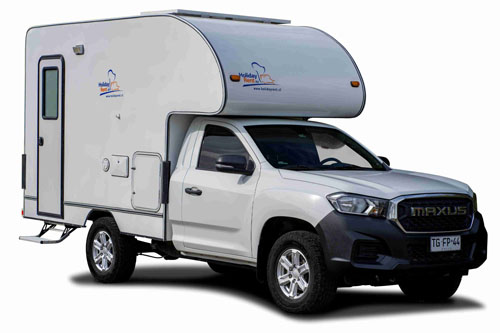
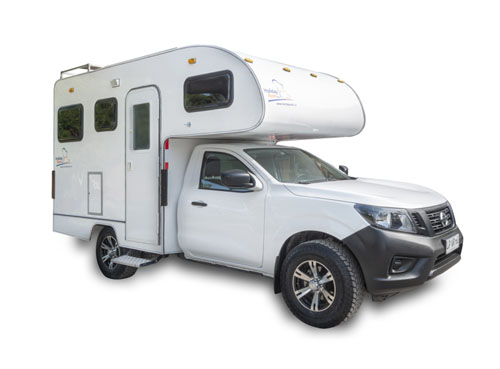
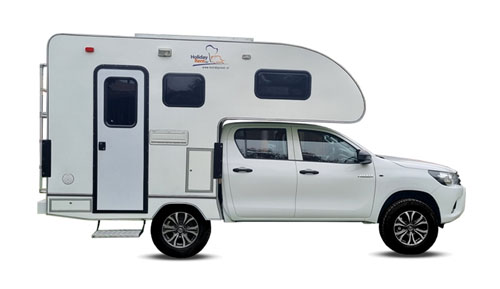
For camping around Santiago, a compact and versatile Class TC - Truck Camper is often ideal, balancing maneuverability for city access with comfort for natural escapes, as Bandana's fleet offers models averaging 5.6 meters in length. These truck campers typically sleep 2-3 people (average 2.7 sleeping places, 2.3 adults) and offer an average fuel consumption of around 13 liters per 100 km, making them efficient for both urban navigation and longer journeys into the Andes. Their smaller footprint allows for easier parking in more crowded areas and provides greater flexibility for exploring diverse terrains, from city streets like Avenida Libertador Bernardo O'Higgins to mountain roads, compared to larger RV classes. Even a Class C motorhome like the "Cruise America RV Rental Example Explorer", with a length of 7.1 meters, offers good maneuverability. Drive slowly and carefully, and you can drive almost anywhere without issues. No need to stress - just use common sense and pay attention.
How to Save on Campgrounds in Santiago
To reduce camping costs in Santiago, consider utilizing campground discount cards often available through rental providers like Bandana, which can offer significant savings. Further savings can be achieved by choosing municipal or regional campgrounds over more expensive private resorts, especially during the shoulder season (spring or autumn) when rates are typically lower. Look for weekly rates by staying 3+ nights at the same campground, and explore options to share hookup costs if traveling in a group with multiple RVs. Planning your route and budget with tools like RV PLANET routes, our sister company, allows you to itemize and track every expense, including fuel and campground fees, for easy budgeting and greater control over your overall trip cost. Our "RV Rental Deals in Santiago - Latest Offers 2024" also highlights current promotions that could help reduce your expenses.
How do I find an RV rental near Santiago airport?
To find an RV rental near Santiago airport (SCL), search online platforms like Bandana that specialize in airport-convenient pickups, often providing direct transfers or shuttle services from Arturo Merino Benítez International Airport. These specialized providers ensure a smooth transition from your flight to your RV adventure, avoiding the need to navigate city traffic immediately after arrival. Booking in advance is highly recommended to secure your preferred RV class and ensure timely pickup upon arrival. At Bandana, we are true RV specialists, not just a side department of a general travel agency, ensuring you get expert advice and transparent pricing without hidden fees. For a detailed breakdown of rental durations, check our "Weekly RV Rental in Santiago - Pricing 2024" guide.
What is the best time of year to RV in Santiago and Chile?
The best time of year to RV in Santiago and surrounding Chile is typically during the spring (September to November) and autumn (March to May) for mild weather, fewer crowds, and optimal road conditions. These shoulder seasons provide ideal temperatures for exploring both Santiago's urban attractions, such as the historic Plaza de Armas, and natural escapes like the Andes, minimizing extreme heat or cold. Summer (December to February) offers warmer weather, particularly suitable for coastal areas and the south, but can be very hot in Santiago, while winter (June to August) brings snow to the Andes, potentially causing road closures and limiting high-altitude access. For more visual tips on enjoying Santiago, remember to check out our
🎬 Video coming soon
What are the driving rules for RVs in Chile?
Driving an RV in Chile requires adherence to standard Chilean road regulations, including carrying an International Driving Permit for non-residents (recommended, though a standard car license is sufficient for all motorhome classes), respecting speed limits (50 km/h in urban areas, 100-120 km/h on highways), and driving on the right side of the road. Specific local regulations concerning RVs, such as vehicle size restrictions in certain historic parts of Santiago or specific overnight parking rules in urban areas, should be researched prior to travel. Additionally, strict seatbelt laws apply to all passengers, and Chile has a very low blood alcohol limit for drivers, emphasizing sober driving. Remember, drive slowly and carefully, and you can drive almost anywhere without issues. No need to stress - just use common sense and pay attention.
Can you boondock in Chile?
While strictly regulated wild camping (boondocking) is generally not permitted on private land without explicit permission in Chile, it is often tolerated in remote, non-private areas, especially along certain routes in regions like Patagonia. Around Santiago and other developed areas, finding legal and safe spots for boondocking is more challenging, making official designated campgrounds the recommended option for a worry-free stay. RV travelers should always prioritize safety, respect local customs and environmental regulations, and be prepared to be fully self-sufficient if attempting to boondock, as amenities like fresh water and dump stations will not be available. Always double-check local signage and use common sense when considering overnight parking outside of designated campgrounds.
Where can I dump and refill water for my RV in Santiago?
RV travelers in Santiago can typically find dump stations and water refill points at established private campgrounds around the city, which are the most reliable options. Many campgrounds situated on the outskirts, such as those along Ruta 78 (Autopista del Sol) or Ruta 5 (Panamericana), offer these essential services to non-guests for a small fee. Some larger gas stations on major routes outside the immediate urban core, for example near the Lider Express on Lo Boza in Pudahuel, may also offer RV services, including water and dump facilities, though their availability should be confirmed beforehand. It is advisable to utilize RV-specific apps or call ahead to verify the location and operational status of dump and refill stations, especially when planning to leave or return to Santiago, ensuring a smooth continuation of your journey.
Is it safe to drive an RV in Santiago, Chile?
Driving an RV in Santiago, Chile, is generally safe but requires careful attention to city traffic, road conditions, and vigilance against petty crime, particularly in crowded tourist areas or when parking overnight. Navigating Santiago's urban environment with a larger rented motorhome demands extra caution due to dense traffic and sometimes narrow streets; planning routes to avoid peak hours and utilizing public transport from RV-friendly parking outside the immediate city center, perhaps near a metro station in a less congested area, can enhance safety and accessibility to attractions. For rural road conditions, especially towards the Andes, be prepared for varied surfaces and potential weather-related challenges. Always prioritize secure, well-lit parking spots overnight, and remember to secure valuables and lock all doors. Drive slowly and carefully, and you can drive almost anywhere without issues. No need to stress - just use common sense and pay attention.
How much does it cost to rent an RV in Santiago, Chile?
The cost to rent an RV in Santiago, Chile, varies significantly by RV class, rental duration, season, and specific amenities, with a Class TC - Truck Camper from Bandana offering a compact and often more cost-effective option. Prices are dynamic, similar to flight tickets, changing daily based on availability and supplier decisions. Beyond the base rental cost, a comprehensive budget breakdown for RV travel in Santiago should also include anticipated expenses for fuel (e.g., around 13 l/100 km for a truck camper), campground fees (ranging from $10-$40 USD per night), tolls (which can add up on major highways), grocery costs, and activity pricing. Booking during shoulder seasons or for longer durations, like a two-week adventure, can often provide better daily rates, contributing to overall savings on your RV adventure. For transparent pricing and no hidden fees, Bandana ensures what you see is what you pay. Consult our "One-Way RV Rental in Santiago - Price Guide 2024" for more detailed pricing information.
Are there tolls on Chilean roads?
Yes, there are numerous tolls on Chilean roads, particularly on major highways connecting cities and around urban centers like Santiago, which can significantly impact your RV travel budget. Many urban and inter-city tolls, including those on Autopista Central, Costanera Norte, and Autopista del Sol, operate via an electronic TAG system; it's advisable to ensure your rented RV is equipped with a TAG or inquire about rental-specific solutions to avoid fines. Some older routes or more remote areas may still have traditional cash toll booths, but the electronic system is prevalent, and travelers should factor these costs into their overall trip planning. Bandana believes in full transparency, so there are no hidden fees in your rental price, but these external operating costs are part of your trip budget.
What are the best RV routes from Santiago?
The best RV routes from Santiago seamlessly combine urban exploration with access to natural and cultural sites, including drives south through the Casablanca Valley vineyards (Ruta 68), east into the Andes towards Cajón del Maipo (Ruta G-25), or west to the Pacific coast cities of Valparaíso and Viña del Mar (Ruta 68). For city exploration, strategically parking your rented motorhome in a designated safe area, perhaps near a metro station on the outskirts like Pajaritos, and utilizing Santiago's efficient public transport system (metro, buses) is recommended to access major attractions like Plaza de Armas, Cerro San Cristóbal, and Mercado Central. RV-friendly itineraries should consider accessibility information for major Santiago attractions, highlighting where RVs can park or easily connect to public transport to reach museums, markets, and historic sites before venturing out to the natural beauty of the Andes or the Chilean coast. Remember to travel slowly, averaging max 100-150 km per day, to truly feel the place and connect to the culture, food, and scenery, as advised in our "Family RV Rental in Santiago - Pricing Guide 2024" for a relaxed journey.
What You Shouldn't Miss
- Explore Cajón del Maipo: Drive your rented RV into this stunning Andean canyon, just southeast of Santiago, for hiking, hot springs, and breathtaking mountain vistas. Don't miss Embalse El Yeso, a turquoise reservoir offering incredible photo opportunities.
- Wine Tasting in Casablanca Valley: Head west on Ruta 68 to the Casablanca Valley, known for its superb Sauvignon Blanc and Chardonnay. Many vineyards offer RV-friendly parking and tours.
- Coastal Charm of Valparaíso & Viña del Mar: Take your campervan to these Pacific coast cities. Valparaíso offers colorful hillside houses and historic elevators, while Viña del Mar boasts beautiful beaches and gardens. Public transport from a peripheral RV park is recommended for Valparaíso's narrow streets.
- Santiago's Historic Center: Park your motorhome on the outskirts and take the metro to explore Plaza de Armas, Santiago Metropolitan Cathedral, and La Moneda Palace, soaking in the city's rich history and vibrant street life.
- Cerro San Cristóbal Park: Enjoy panoramic views of Santiago and the Andes from this urban park. You can hike, bike, or take the funicular up. Parking your RV nearby and using public transport or a taxi for the final ascent is advisable.
- Local Markets: Immerse yourself in local culture at markets like Mercado Central (fish market) or La Vega Central (produce market) for fresh ingredients for your RV kitchen and a taste of authentic Chilean life.
Looking for expert insights from Avi Bandana? Top 5 Adventures - recommendations from Avi Bandana
Final Thoughts
Embarking on a rented RV adventure near Santiago is an incredible way to experience the vibrant culture and breathtaking natural beauty of Chile. From the bustling streets of the capital to the serene peaks of the Andes and the expansive Pacific coast, a motorhome provides the freedom and flexibility to explore at your own pace. With Bandana Caravan, you're not just renting a vehicle; you're gaining a partner in your travel planning, ensuring full transparency, dedicated support, and peace of mind.
Remember to embrace the slow travel philosophy – average around 100-150 km per day – allowing yourself to savor each moment, connect with local communities, and truly absorb the stunning Chilean landscape. Whether you're a seasoned RV enthusiast or planning your first week-long trip, Santiago offers an unforgettable backdrop for your next mobile adventure.
Get inspired for your next trip! Discover top destinations, planning tips, all in one place!
Find Motorhome Rentals in Santiago