
In This Guide
- Where to Camp in Mozambique - Top Options
- Campground Types in Mozambique (National, Private, Wild)
- Featured RV Park or Campground in Mozambique
- Hookups & Amenities - What to Expect
- Booking Windows & Reservations in Mozambique
- Nearby Supermarkets & Resupply Points
- Best RV Class for Camping in Mozambique
- How to Save on Campgrounds in Mozambique
- How much does it cost to rent an RV in Mozambique
- What is the best time of year to RV in Mozambique
- Is RV travel safe in Mozambique
- What documents do I need to rent an RV in Mozambique
- Can I wild camp in Mozambique with an RV
- What modifications are needed for an RV in Mozambique
- What are the health precautions for RVing in Mozambique
- How can I find authentic cultural experiences with an RV in Mozambique
- Where can I see wildlife while RVing in Mozambique
- Top Cities for RV Rental in Mozambique
- Mozambique RV Road Rules and Local Driving Tips
Where to Camp in Mozambique - Top Options
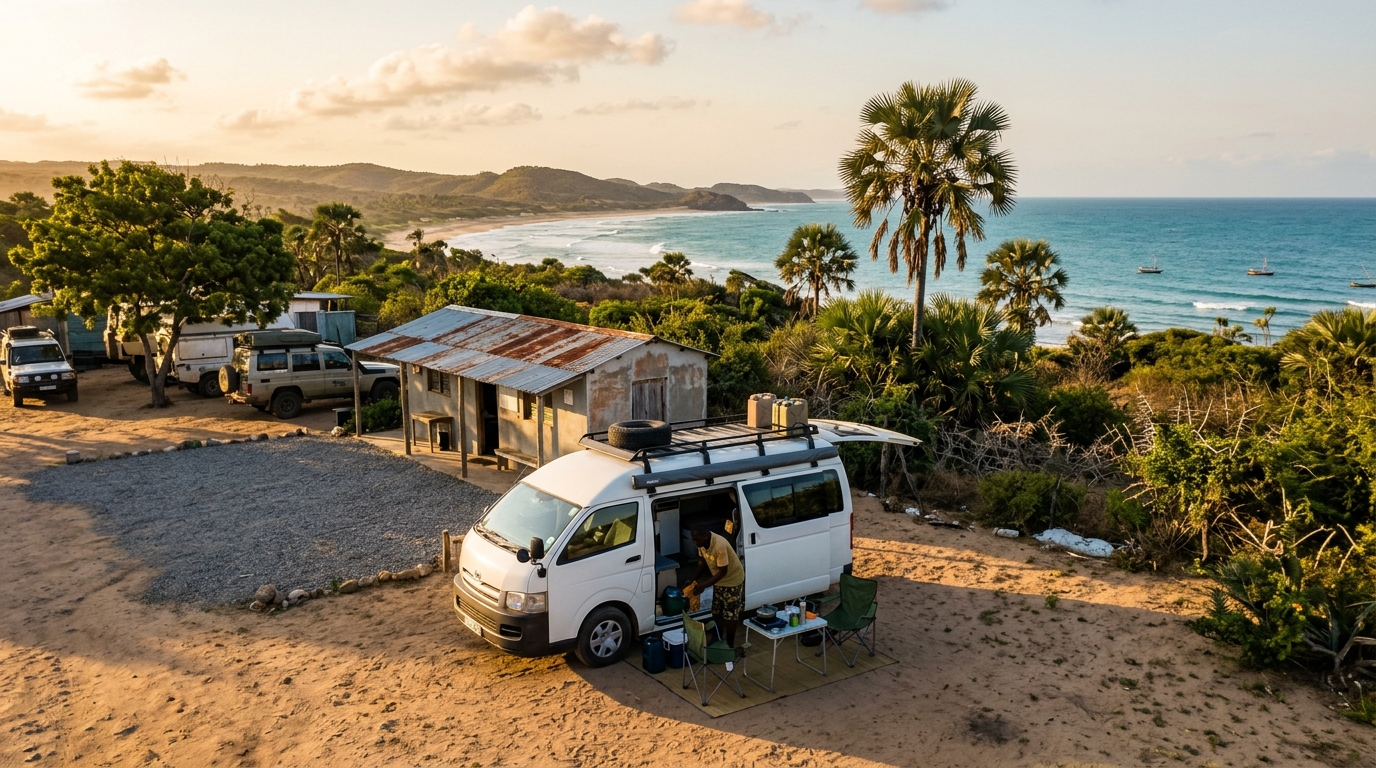
Coastal campsites near Ponta do Ouro and Tofo offer stunning ocean views and basic amenities for RVers. These locations are particularly popular for their beautiful beaches and vibrant marine life, allowing travelers with a rented motorhome to easily access prime snorkeling and diving spots. Further inland, national parks such as Gorongosa and Maputo Special Reserve provide immersive wildlife experiences with designated camping areas, which often require pre-booking and park entry fees. For a more remote, nature-focused camping experience, riverine and lake areas, like those around Lake Niassa or along the Zambezi River, offer secluded spots perfect for self-sufficient campervans.Campground Types in Mozambique (National, Private, Wild)
Mozambique offers a variety of camping environments suitable for a rented RV, each with distinct characteristics. National park campsites, such as those in Gorongosa, provide basic facilities, an intimate connection to nature, and typically require park entry fees and advance booking for some spots. These sites prioritize the natural experience, often with minimal infrastructure. Private campgrounds, commonly found near popular tourist beaches like Tofo or in larger towns, usually offer more amenities like showers, flush toilets, and sometimes electricity. These are generally more secure and cater to international travelers. Wild camping, also known as freedom camping, is not legally recognized or widely encouraged in Mozambique due to safety concerns and complex land ownership issues; however, discreet, respectful overnight stops in very remote areas might be tolerated if permission is sought from local communities. Prioritizing designated campsites is always the safest and most responsible approach for RV travelers in Mozambique.Featured RV Park or Campground in Mozambique
When choosing an RV park in Mozambique, travelers should prioritize establishments that offer good security, secure parking, and essential services like reliable water access, ablution blocks, and waste disposal points. Many popular coastal destinations, particularly around the southern beaches like Ponta do Ouro, feature private campgrounds that are well-regarded by international RV travelers. These often include basic amenities such as shaded pitches, communal braai (barbecue) facilities, and direct beach access. For instance, sites near Vilankulo - Vilankulos often combine rustic charm with proximity to boat tours of the Bazaruto Archipelago. Seeking out parks with positive reviews concerning cleanliness and staff helpfulness is a strong indicator of a pleasant RV experience in the region.Hookups & Amenities - What to Expect
Full RV hookups, which include electric, water, and sewer connections, are rarely found outside of a few higher-end private resorts in Mozambique. Most campgrounds, especially those in national parks, offer basic amenities, with many sites being unserviced. If electricity is available, it typically operates at 220-240V with Type F or M outlets, making international adapters essential for most rented motorhomes. Water supply can often be unreliable or require purification, and dedicated dump stations for RV waste are uncommon, necessitating careful water management and waste disposal planning for RVers. Wi-Fi and laundry facilities are luxuries generally found only in select private campgrounds or larger towns, while showers and toilets are more common, though often basic and cold-water only. When planning meals in your campervan kitchen, remember these limitations for cooking and cleaning. For inspiration on meals on the go, check out our RV-friendly recipes playlist.Booking Windows & Reservations in Mozambique
For popular coastal areas or national parks during Mozambique's peak dry season (May to November, especially holidays), pre-planners should aim to book RV campsites several months in advance to secure preferred spots. However, many national park campgrounds in Mozambique only release a portion (around 25-30%) of their spots for advance reservations, with the remainder available on a first-come, first-served basis. This approach allows significant flexibility for spontaneous travelers. While specific sites can fill up, you will almost certainly find a place to camp—if not at your first choice, then at a nearby alternative. It's always advisable to call ahead before driving long distances, particularly if you are heading to a remote location. Spontaneous travelers can often secure same-day or next-day bookings, especially during shoulder or off-peak seasons (April-May, October-November), but should always have a backup plan. There's no need to stress about booking 6-12 months in advance; you'll find a spot!Nearby Supermarkets & Resupply Points
Major cities in Mozambique like Maputo, Beira, Nampula, and Pemba serve as primary resupply points for RV travelers, offering larger supermarkets such as Shoprite and Spar, alongside smaller local markets. It is highly recommended to stock up on non-perishables, toiletries, and any specialty items in these larger urban centers, as options diminish significantly in rural or remote coastal areas. Smaller towns and villages will have basic stalls for fresh produce, bottled water, and local staples, but the variety and quality can be inconsistent. Planning your provisioning stops carefully is key to a comfortable RV trip. For managing all your trip expenses, from groceries to fuel and campground fees, remember that RV PLANET routes allow you to itemize and track every expense for easy budgeting.Best RV Class for Camping in Mozambique
Given Mozambique's challenging road conditions, which can include unpaved or sandy tracks, and often limited amenities, a Class B - Camper Van or Class TC - Truck Camper from Bandana’s fleet is generally the most suitable choice for RV camping. These smaller, more agile motorhomes offer the maneuverability and self-sufficiency needed for remote travel. Bandana’s Class B - Camper Vans, typically averaging 5.8 meters in length with sleeping for 2-3 people and a fuel consumption of 8-10 Liter/100 Km, are perfect for navigating varying terrains. The "2 Berth Hi Top" campervan, for instance, offers Front Air condition, ideal for a couple, and is Winter Ready, despite the warm climate. Alternatively, Class TC - Truck Campers, like the "Patagonia Camper 4x4 double cab" with an average length of 5.5 meters, sleeping for 2-3 people, and fuel consumption ranging from 12-17 Liter/100 km, provide excellent off-road capability and robust construction ideal for rugged terrain. Larger RV classes, such as a "4 Berth Deluxe" (Class C - Alcove, RV size - Large) or "2 Berth Tamar" (Class SI - Semi-integrated, RV size - Medium), while offering more spacious living areas, may struggle with unpaved roads, tight turns, and limited parking in many Mozambican camping locations.How to Save on Campgrounds in Mozambique
RV travelers can utilize Bandana's exclusive campground discount cards for significant savings on participating private RV parks and campsites across Mozambique. Timing your trip during the shoulder season (April-May, October-November) often provides lower rates for both motorhome rentals and campsites, alongside fewer crowds, compared to the peak dry season. Opting for municipal or regional campgrounds over private resorts, when available, typically results in more budget-friendly nightly fees, although amenities may be more basic. For those planning longer stays, booking for three or more nights can often qualify you for weekly rates, which are usually more economical than daily rates, encouraging a slower pace of travel, averaging 100-150 km per day, allowing you to truly connect with the culture, food, and scenery.How much does it cost to rent an RV in Mozambique
The cost to rent an RV in Mozambique varies significantly based on the motorhome class, rental duration, season, and provider. Daily rates typically range from $100 to $300+ USD. For instance, a compact campervan like the "rv rental denver example Category Van" might be on the lower end, while a larger "rv rentals example Comfort Class" would be higher. Fuel consumption is a major variable cost; for example, Bandana's Class B - Camper Vans typically consume 8-10 Liter/100 Km, while Class TC - Truck Campers can use 12-17 Liter/100 km, adding up over long distances across Mozambique. Beyond the dynamic rental fees, travelers should budget for camping fees (ranging from $10-$50 USD per night), national park entry fees, any necessary cross-border permits, and potentially a local 4x4 insurance top-up. Factor in additional expenses such as local food budgets, water purification, and any necessary vehicle modifications or recovery gear for self-sufficient travel. For more detailed insights into pricing, check out our "RV Rental Deals in Mozambique - Latest Offers 2026", "Cheap RV Rental in Mozambique - Budget Guide 2026", "RV Rental in Mozambique - Prices and Best Deals 2026", "Luxury RV Rental in Mozambique - Premium Prices 2026", and "Weekly RV Rental in Mozambique - Pricing 2026" guides.What is the best time of year to RV in Mozambique
The best time to travel by a rented RV in Mozambique is during the dry season, which spans from May to November. During these months, the weather is pleasantly cool and dry, roads are generally in better condition and more accessible, and wildlife viewing opportunities in national parks are optimal as animals congregate around fewer water sources. Temperatures are cooler and humidity is lower, making outdoor activities more enjoyable and significantly reducing the presence of mosquitoes. The wet season, from December to April, brings heavy rains that can render many unpaved roads impassable, especially in remote areas, and can heighten the risk of malaria. Traveling in the shoulder months (May, June, October, November) can offer a desirable balance of good weather, fewer crowds, and potentially lower prices for both RV rentals and campsites, making it a strategic time for your adventure.Is RV travel safe in Mozambique
RV travel in Mozambique can be a safe and rewarding experience with proper planning and a strong awareness of local conditions. Travelers should always exercise caution and be prepared for varying road conditions and potential security challenges. It is highly recommended to avoid driving at night due to poor visibility, unmarked obstacles, and the potential for petty crime, especially outside major urban areas. Petty crime, including bag snatching and vehicle break-ins, can occur, so always secure your rented RV, avoid displaying valuables, and be mindful of your surroundings. Wildlife encounters, particularly in national parks like Gorongosa and rural areas, necessitate caution, strict adherence to park rules, and never approaching animals on foot, even from a campsite. Always lock your vehicle and secure your belongings, as you would in any unfamiliar destination.What documents do I need to rent an RV in Mozambique
To rent an RV in Mozambique, travelers typically need a valid driver's license from their home country, which is sufficient for all motorhome classes (Class A, Class B, and Class C). An International Driving Permit (IDP) is highly recommended and often required by rental agencies, especially for visitors from non-English-speaking countries. Additionally, you will need a valid passport with a Mozambican visa, if applicable for your nationality. Proof of international RV insurance that specifically covers travel in Mozambique is crucial, as local third-party liability insurance might not be comprehensive enough, and some rental companies may require specific cross-border documentation. Always carry physical copies of your rental agreement, vehicle registration, and all personal identification documents, as road checkpoints are common throughout the country. Ensure your visa allows for the full duration of your stay and is appropriate for tourism purposes. The minimum rental age for all motorhome classes is 21, and there are no young driver surcharges or vehicle class restrictions based on age.Can I wild camp in Mozambique with an RV
While wild camping with an RV is technically illegal in many areas of Mozambique without explicit permission, it is generally not recommended due to safety concerns, a lack of amenities, and the importance of respecting private and community land. Instead of seeking true wild camping spots, travelers should prioritize staying at designated private campgrounds, national park campsites, or pre-arranged community sites that offer greater security and basic services like water points and ablution blocks. If you are considering a remote, non-designated spot, always seek permission from local authorities or landowners, follow 'leave no trace' principles rigorously, and never camp in areas prone to wildlife activity. The distinction from designated national park sites is important, as these are managed for camping and often have basic security, unlike truly wild, unsupervised locations.What modifications are needed for an RV in Mozambique
For RV travel in Mozambique, particularly on unpaved or less-maintained roads common in many remote areas, higher ground clearance and robust all-terrain tires are highly recommended, along with at least one full-sized spare tire. Equipping your rented RV with extra fuel and water tanks or portable containers is essential due to the long distances between services and potentially unreliable supply in remote areas. A comprehensive recovery kit, including items like a high-lift jack, tow straps, a shovel, and basic tools, is crucial for navigating sandy or muddy sections. Solar panels or a robust dual battery system are highly beneficial for extended periods of boondocking, allowing you to power your appliances without relying on external hookups. Strong insect screens are also vital to protect against mosquitoes and other pests, which are prevalent in many regions.What are the health precautions for RVing in Mozambique
Comprehensive malaria prevention is paramount for RVing in Mozambique, requiring the use of anti-malarial prophylaxis, effective insect repellent, sleeping under mosquito nets (especially if your RV isn't fully sealed), and wearing long sleeves and pants at dusk and dawn. Water purification strategies, such as using a reliable filter, purification tablets, or boiling water, are essential as tap water is generally not safe for consumption outside major cities. Carry a specialized medical kit for remote areas, including bandages, antiseptics, pain relievers, anti-diarrhea medication, and potentially an EpiPen or snakebite kit based on your specific itinerary. Stay up-to-date on routine vaccinations, and consult a travel doctor for destination-specific health advice, including vaccinations for Hepatitis A, Typhoid, and Yellow Fever if required for entry or transit.How can I find authentic cultural experiences with an RV in Mozambique
To truly immerse in local culture while RVing in Mozambique, make an effort to visit bustling local markets in towns and villages. These markets are fantastic places to interact with vendors, sample fresh produce, and discover local crafts, providing a more authentic experience than large supermarkets. Engage respectfully with communities by learning a few basic phrases in local languages like Sena or Tsonga, and always ask for permission before taking photographs of people. Seek out opportunities to try authentic Mozambican cuisine at local eateries or 'barracas' (stalls), focusing on dishes like Piri Piri chicken, fresh seafood curries, and cassava bread. Supporting local artisans and ethical tourism initiatives directly, such as community-run homestays or craft cooperatives, ensures your visit benefits the local economy and offers genuine connections. Remember to travel slowly, perhaps averaging no more than 100-150 km per day, to allow ample time to feel the place, connect to the culture, the food, and the stunning scenery.Where can I see wildlife while RVing in Mozambique
Mozambique offers diverse wildlife viewing opportunities, particularly in its national parks, many of which are accessible by rented RVs or suitable 4x4 campervans. Maputo Special Reserve, located in the south, is relatively accessible and offers a unique combination of elephants, antelopes, and pristine coastal ecosystems, where camping with your motorhome is a unique experience. Gorongosa National Park, though it may require careful road assessment for larger RVs, is a prime destination for diverse wildlife, including lions, hippos, and abundant birdlife, with designated campsites for a truly wild experience. Coastal areas and marine parks like Bazaruto Archipelago National Park (though RVs cannot access the islands themselves) offer incredible marine wildlife viewing, including dolphins, dugongs, and various fish species, often through boat excursions arranged from nearby coastal RV camps in places like Vilankulo - Airport. Always maintain a safe distance from wildlife and follow park regulations for your safety and the animals'.Top Cities for RV Rental in Mozambique
While Mozambique is a vast country best explored by RV, specific cities serve as excellent starting or ending points for your adventure. Maputo, the capital city, offers the primary international airport and a range of amenities for provisioning your rented campervan. You can often find convenient pickup locations in or near Maputo - Airport, making it easy to hit the road quickly. Further north, Vilankulo is another popular starting point, especially for those looking to explore the Bazaruto Archipelago. RV rentals can be arranged from Vilankulo - Airport or directly within Vilankulo - Vilankulos, providing access to stunning coastal campsites. Other cities like Beira and Nampula also offer potential pickup points or resupply opportunities, allowing you to embark on extended road trips through different regions of the country. When driving in cities, remember to drive slowly and carefully; you can drive almost anywhere without issues. No need to stress-just use common sense and pay attention.Mozambique RV Road Rules and Local Driving Tips
Driving a rented motorhome in Mozambique means adhering to specific road rules and being prepared for local driving conditions. In Mozambique, traffic drives on the left-hand side of the road. Speed limits typically range from 60 km/h in urban areas to 100-120 km/h on national roads, though these are often not strictly enforced, and conditions may necessitate slower speeds. Be aware of unmarked speed bumps, potholes, and animals on the road, especially in rural areas. International Driving Permits are recommended. Fuel types are predominantly petrol and diesel; always fill up when you see a station, as distances between them can be considerable. Toll roads are present on some major routes, particularly the N1, N3, and N4, connecting South Africa to Maputo. Payments are usually made in Mozambican Metical (MZN), but South African Rand (ZAR) is sometimes accepted at border tolls. Emergency numbers include 112 for police and 117 for ambulance services. For connectivity, purchasing a local SIM card (Vodacom, Movitel, or Tmcel) upon arrival is recommended for reliable data coverage. While cellular networks are improving, coverage can be spotty in very remote areas, so consider offline maps and communication backups.What You Shouldn't Miss
- Explore the pristine beaches and marine life of the Bazaruto Archipelago National Park, accessible via boat trips from coastal towns like Vilankulo.
- Embark on a safari adventure in Gorongosa National Park, a remarkable conservation success story where you can spot diverse wildlife from your rented RV.
- Discover the colonial architecture and vibrant markets of Maputo, experiencing the bustling capital before heading to more remote areas.
- Dive or snorkel with whale sharks and manta rays in Tofo, a renowned marine tourism hotspot offering incredible underwater encounters.
- Drive the coastal routes from Ponta do Ouro to the north, uncovering secluded beaches and local fishing villages with your capable campervan.
- Taste authentic Mozambican seafood, particularly fresh prawns and peri-peri chicken, often available at roadside stalls and local eateries.
Final Thoughts
Embarking on an RV adventure through Mozambique promises an unforgettable journey filled with stunning landscapes, rich culture, and incredible wildlife. While planning is key, the flexibility of a rented motorhome or campervan allows for both meticulous itineraries and spontaneous detours. Remember, we are true RV specialists, not just a side department of a travel agency. We genuinely know RV travel and love helping people discover it. At Bandana Caravan, we are dedicated to making your RV rental experience as smooth and enjoyable as possible. We offer full transparency with no hidden fees, ensuring you know exactly what to expect. Our 24/7 support is here to assist you before and after your booking, and our top-level deductible reimbursement option provides added peace of mind. Get inspired for your next trip and plan a trip itinerary in advance with minimal effort and maximum enjoyment using RV PLANET. So, pack your bags, prepare your sense of adventure, and get ready to discover the magic of Mozambique from the comfort and freedom of your own rented home on wheels. Find rv Rentals in Mozambique and let your epic journey begin!On the routes offered through RV PLANET routes, you can itemize and track every expense along the way for easy budgeting.
