In This Guide
- Where to Camp in London — Top Options
- Campground Types in London (National, Private, Wild)
- Featured RV Park or Campground in London
- Hookups & Amenities — What to Expect
- Booking Windows & Reservations in London
- Nearby Supermarkets & Resupply Points
- Best RV Class for Camping in London
- How to Save on Campgrounds in London
- Where to park a camper in London?
- Can you park and sleep in a campervan anywhere in the UK?
- What is the 3-3-3 rule when RVing?
- Are there any campsites in London?
- What is the 4 4 4 rule for RVing?
- What does FF mean in camping?
- Is it legal to sleep in a van in London?
- Can you do a one-way RV rental?
- Is it cheaper to rent an RV or stay in hotels?
- How much does a campsite cost per night UK?
Where to Camp in London — Top Options
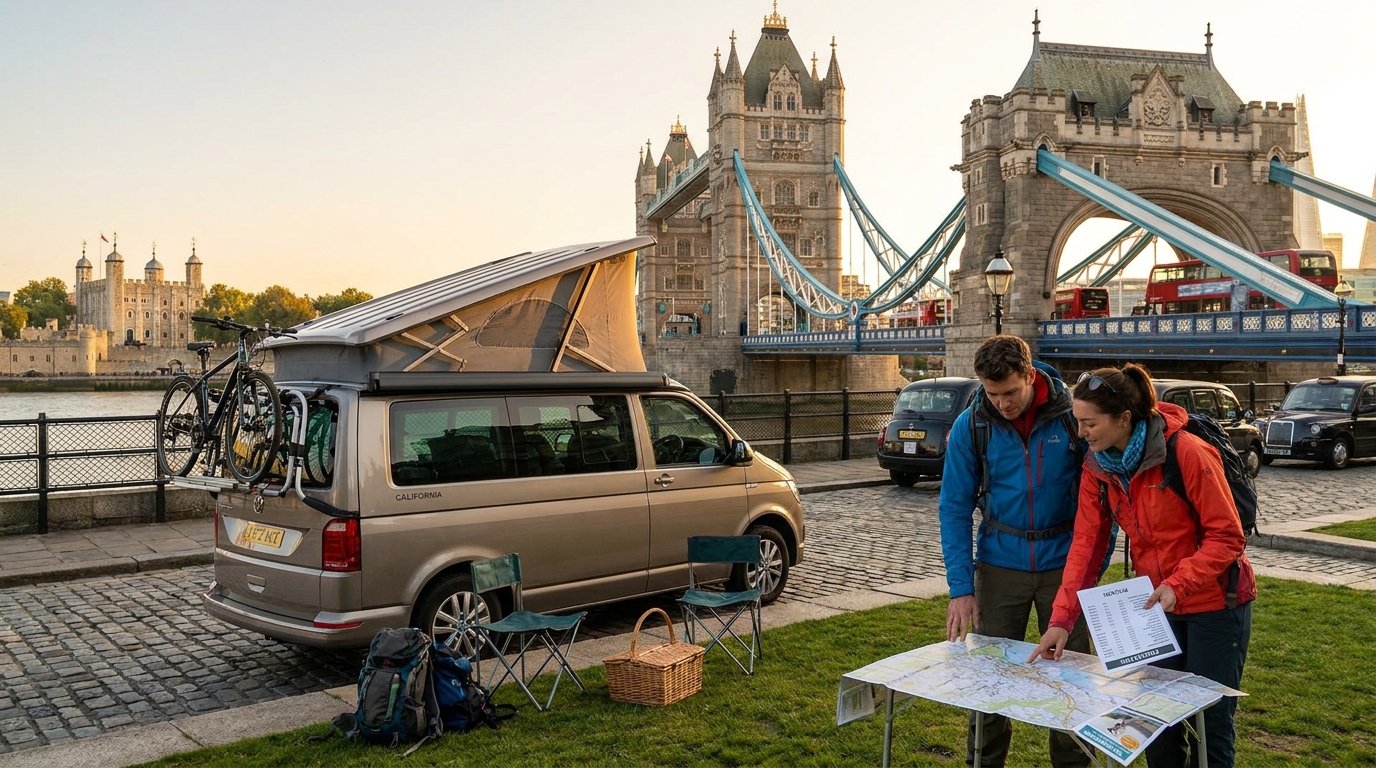
Camping directly within London's urban core is highly restricted due to space limitations and local regulations. However, the Abbey Wood Caravan and Motorhome Club Site and the Crystal Palace Caravan and Motorhome Club Site are generally considered the most accessible options for RVers looking to stay within or very close to Greater London. These sites often require advance booking, especially during peak seasons and holidays.
Abbey Wood is particularly noted for its proximity to central London, offering direct train links that make city exploration convenient. Crystal Palace, located in South London, also provides good public transport connections, allowing easy access to the city's attractions. For those seeking to avoid the immediate congestion and ULEZ/Congestion Charge zones, consider peripheral campsites situated just outside London, perhaps in counties like Kent or Surrey. Many of these sites still benefit from excellent public transport links into the capital. Strategically utilizing park-and-ride schemes near major transport hubs can also be a smart way to park your RV outside the more expensive central zones and then use public transport for your city adventures.
Campground Types in London (National, Private, Wild)
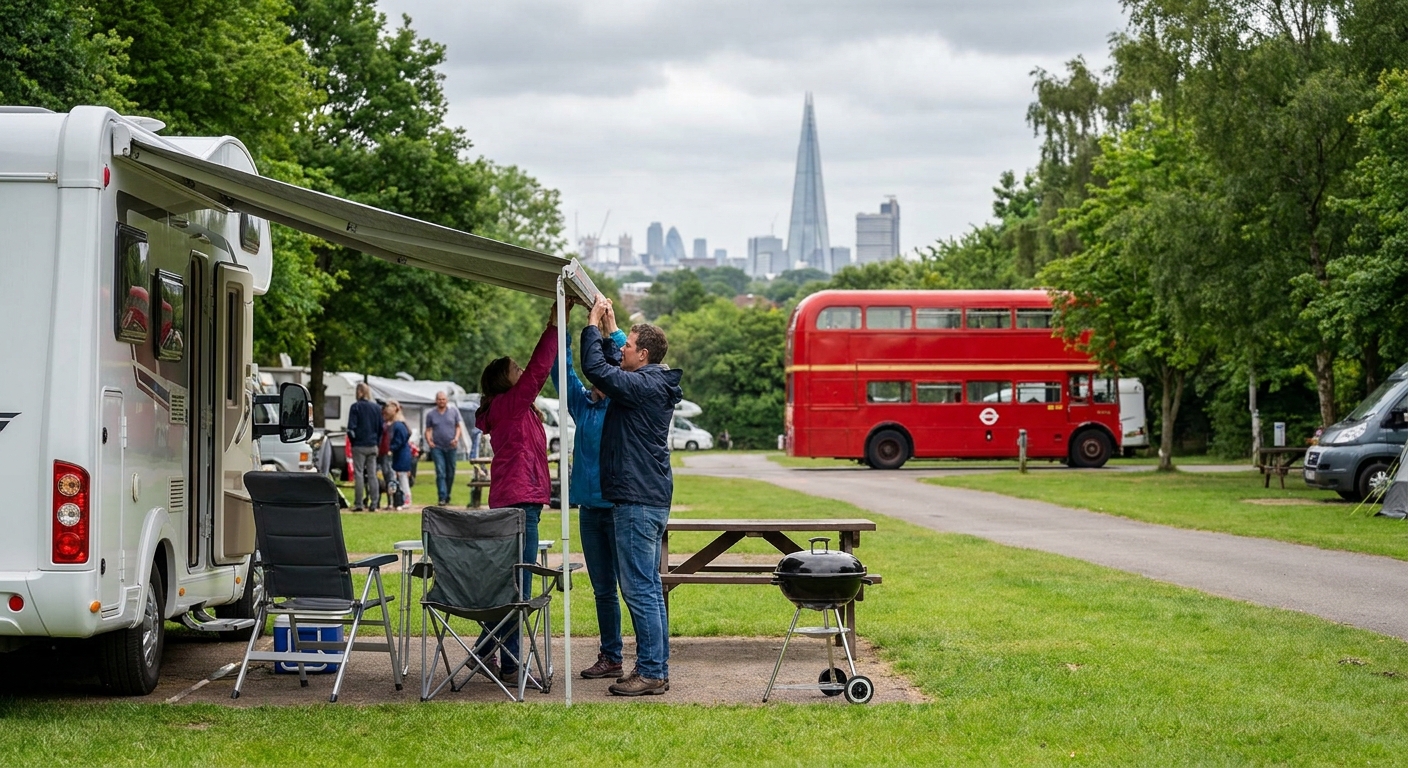
Within the immediate Greater London area, you will primarily find private campgrounds managed by well-established organizations such as the Caravan and Motorhome Club or the Camping and Caravanning Club. National park sites are not a feature within London itself, meaning you'd need to travel further afield if that specific type of camping is your preference. Private campgrounds are the dominant form of RV accommodation across the UK, particularly near urban centers, and they typically offer a range of amenities but always require fees.
It's important to note that wild camping, sometimes referred to as 'freedom camping,' is generally illegal in most of England and Wales, including the London area, unless you have explicit permission from the landowner. To ensure a hassle-free experience, it's always best to stick to designated and approved sites for overnight parking and camping. These private sites provide the necessary facilities and legal assurance for a comfortable stay.
Featured RV Park or Campground in London
The Abbey Wood Caravan and Motorhome Club Site, located at Federation Road, Abbey Wood, London, SE2 0SY, stands out as a prime choice for RV travelers. Its key advantage is its unparalleled proximity to central London and excellent public transport links, making it incredibly convenient for exploring the city.
This site is situated in south-east London, close to the Woolwich area, and offers direct train services to major central London stations, including London Bridge and Cannon Street, via the Elizabeth Line. Standard amenities typically found at this popular site include electric hook-up (EHU) pitches, modern toilet and shower blocks, laundry facilities, and waste disposal points. Due to its highly desirable location and popularity, booking well in advance is absolutely essential, particularly during peak travel seasons and around major public holidays.
Hookups & Amenities — What to Expect
Most designated RV campgrounds in and around London, and indeed across the UK, offer a standard suite of hookups and amenities to ensure a comfortable stay. You can typically expect electric hook-up (EHU) points, usually operating at the standard UK voltage of 230V, so ensure you have the correct mains hook-up cable. Access to fresh potable water taps is also standard, alongside dedicated points for emptying greywater (from sinks and showers) and blackwater (from chemical toilets) tanks. Many sites also provide additional conveniences such as Wi-Fi (though quality can vary), laundry facilities, and clean shower and toilet blocks.
When planning your stay, it's always advisable to confirm the specific amenities offered directly with the campsite at the time of booking, especially if you have particular requirements or preferences. This ensures you know exactly what to expect and can plan your packing accordingly.
Booking Windows & Reservations in London
For RV camping in London, planning ahead and securing reservations well in advance is highly recommended. This is particularly true for highly sought-after sites like Abbey Wood, especially during peak seasons such as summer, bank holidays, and any major events happening in the city. While spontaneous travelers might find availability at more peripheral or less central sites by calling ahead, the demand for London's prime RV locations is consistently high.
London campsites, especially those boasting excellent public transport links into the city center, experience very high demand and tend to fill up quickly. It is often necessary to book several months in advance for prime dates, with some popular sites even releasing pitches up to a year ahead. While challenging for central London locations, you might find last-minute availability at campsites located further out; however, it's always best to call ahead to confirm before driving to the site.
Nearby Supermarkets & Resupply Points
When you're RV camping near London, you'll find that resupply is rarely an issue, with numerous major supermarket chains readily available. Stores like Tesco, Sainsbury's, Asda, and Lidl are commonly found and typically offer comprehensive selections of groceries, fresh produce, and often in-store bakeries. These can usually be reached within a short drive or a manageable public transport journey from most campsites. On the routes offered through RV PLANET routes, you can itemize and track every expense along the way for easy budgeting.
For quicker top-ups or forgotten items, smaller 'Express' or 'Local' versions of these chains, alongside independent local shops, are also good options. It's always a good idea to use online maps or check with your campsite's reception for directions to the nearest resupply points. For a more efficient approach, consider doing a major grocery shop before you enter the immediate London area to minimize driving specifically for provisions once you're settled at your campsite.
Best RV Class for Camping in London
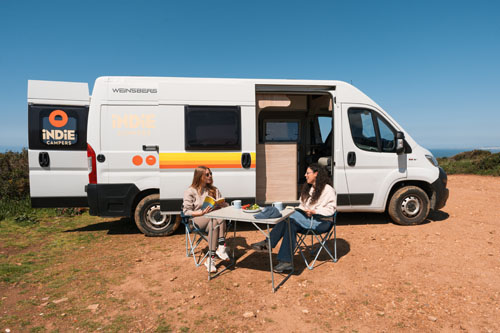
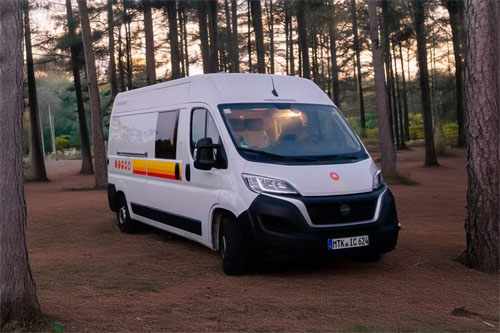
When considering which RV class is best suited for navigating and camping in London, Class B Camper Vans and smaller Class SI Semi-integrated RVs generally emerge as the most practical choices. Their advantage lies in their superior maneuverability, reduced fuel consumption, and generally easier parking capabilities compared to larger motorhomes. A typical Class B Camper Van, averaging around 6.2 meters in length and consuming approximately 8-10 liters per 100 km, is ideal for two adults and offers excellent urban agility.
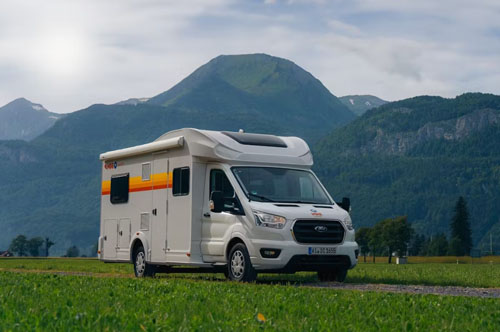
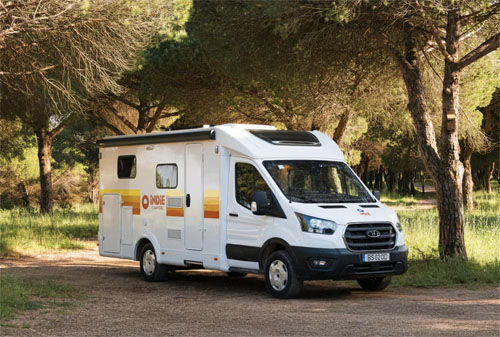
A Class SI Semi-integrated RV, with an average length of 7.3 meters and fuel consumption of 8-12 liters per 100 km, can provide more living space for three to four adults while remaining relatively manageable on UK roads, including those in London. It's crucial to factor in London's specific challenges, such as potentially narrow streets, high traffic density, and possible height or weight restrictions on some of the city's historic bridges. For these reasons, opting for a smaller vehicle class is often advisable. Additionally, remember to consider the Ultra Low Emission Zone (ULEZ) and Congestion Charge, as smaller, newer vehicles are more likely to be compliant, helping you avoid daily fees.
How to Save on Campgrounds in London
To significantly reduce your camping costs in London and across the UK, one of the most effective strategies is to utilize membership discount cards offered by reputable organizations like the Caravan and Motorhome Club or the Camping and Caravanning Club. These memberships often provide access to discounted pitch fees and sometimes exclusive member-only sites, which can offer excellent value, especially for longer stays.
Another way to save is by traveling during the shoulder seasons, such as spring (April to May) or autumn (September to October). During these periods, you'll typically find lower rates and fewer crowds compared to the peak summer months. Consider choosing municipal or regional campgrounds, as these are often more affordable than privately-owned resorts or luxury parks. If you plan to stay at one location for an extended period, look for weekly rates, which are generally more economical per night than booking daily stays. Lastly, while not applicable for central London, exploring schemes like Brit Stops (where available outside the city) can offer free overnight parking at participating pubs and farms for self-contained motorhomes, providing a budget-friendly alternative when camping outside the immediate metropolitan area.
Where to park a camper in London?
Parking a camper in London presents a significant challenge due to the city's dense traffic, limited available spaces, and the presence of regulated zones like the Ultra Low Emission Zone (ULEZ) and the Congestion Charge. Consequently, designated campsites or well-chosen peripheral park-and-ride facilities are generally the most viable and practical options for RVers.
The primary designated campsites within Greater London, such as the Abbey Wood and Crystal Palace Caravan and Motorhome Club Sites, offer secure parking within the city's limits. If you are looking for options outside these specific sites, consider utilizing peripheral park-and-ride facilities or larger car parks located just outside the ULEZ and Congestion Charge zones. From these locations, you can then easily transition to using London's efficient public transport system to access the city center. It's crucial to be aware that most RVs, particularly older models, will incur daily ULEZ (£12.50) and/or Congestion Charge (£15) fees if driven within these zones, as these charges often operate 24/7 for ULEZ and specific hours for the Congestion Charge. Always be mindful of specific height and weight restrictions on historic bridges and in narrow streets, and crucially, avoid bus lanes which are exclusively for buses during their operational hours.
Can you park and sleep in a campervan anywhere in the UK?
No, you generally cannot legally park and sleep in a campervan just anywhere in the UK. While some rural areas in Scotland have a more permissive attitude towards responsible wild camping, this typically excludes motor vehicles. Across England, Wales, and Northern Ireland, wild camping, which includes sleeping overnight in a vehicle, is generally restricted and requires the express permission of the landowner to be legal.
Therefore, the safest and most legal approach is to utilize designated campsites, private land with landowner permission, or official overnight parking spots. Schemes like Brit Stops offer a valuable network of participating pubs, farms, and vineyards that allow free, single-night overnight parking for self-contained motorhomes, providing a legal alternative to wild camping, particularly outside major urban areas. Regardless of where you choose to park, always adhere to the 'leave no trace' principle, respect local communities, and exercise common sense to avoid issues.
What is the 3-3-3 rule when RVing?
The "3-3-3 rule" is a widely recommended guideline for safe and enjoyable RV travel, suggesting a balanced pace. It advises driving no more than 300 miles a day, arriving at your destination by 3 PM, and staying for at least 3 nights at each location.
Driving no more than 300 miles daily helps prevent driver fatigue, allows for spontaneous stops, and reduces the stress associated with covering long distances. Arriving by 3 PM ensures you have ample daylight to set up your campsite, explore the immediate area, and address any unexpected issues before dark. Staying for a minimum of 3 nights encourages a more relaxed travel pace, giving you time to truly unwind, explore the local surroundings, and fully enjoy your camping experience without the constant effort of packing and unpacking. While a useful guideline, remember this rule can be adapted based on your personal preferences and specific travel conditions, especially in densely populated areas like London where driving 300 miles might be impractical due to traffic and time constraints.
Are there any campsites in London?
Yes, there are a few dedicated campsites located within Greater London, notably the Abbey Wood Caravan and Motorhome Club Site and the Crystal Palace Caravan and Motorhome Club Site. These sites offer essential facilities for RVs despite the city's extensive urban development.
The Abbey Wood site is particularly well-known for its excellent public transport connections, providing convenient access to central London. The Crystal Palace site is another option in South London offering similar amenities and city access. Both sites typically provide crucial amenities for RV travel, such as electric hook-ups and waste disposal services. Given their prime locations, these campsites are highly sought after and usually require advance booking, especially during peak travel periods.
What is the 4 4 4 rule for RVing?
The "4-4-4 rule" is another popular guideline, particularly beneficial for RV travel beginners, advising a more leisurely pace. It suggests driving no more than 4 hours a day, aiming to stop driving by 4 PM, and staying at each location for at least 4 nights.
Driving no more than 4 hours a day promotes an even more relaxed journey than the 3-3-3 rule, making it ideal for those new to RVing or who simply prefer a more unhurried travel experience. Stopping driving by 4 PM provides ample time to find and set up your campsite, settle in, and perhaps explore the immediate vicinity before dusk. Committing to staying at least 4 nights at each destination encourages deeper exploration of the area and reduces the effort involved in constantly moving and re-setting up camp, enhancing the overall vacation experience. This approach is particularly beneficial for travelers who want to use their RV as a comfortable base for daily excursions and thorough exploration of a region.
What does FF mean in camping?
In camping contexts, "FF" typically stands for "Full Hookups." This signifies that a campsite pitch provides electric, water, and sewer connections directly to your RV, offering the maximum level of convenience.
Full Hookups (often abbreviated as FHU) include an electric hook-up (EHU) for power, a fresh water connection for your RV's plumbing, and a direct sewer connection for emptying both greywater (from sinks and showers) and blackwater (from toilets) tanks. This setup eliminates the need to drive your RV to a communal dump station or rely on onboard water storage for extended periods. Full hookup sites are highly sought after, especially for longer stays, as they offer the greatest comfort and convenience, which can be particularly beneficial when visiting a city like London where frequent trips to dump stations might be inconvenient due to traffic and parking challenges.
Is it legal to sleep in a van in London?
No, it is generally not legal to sleep in a van overnight on public streets in London. This is due to a combination of local bylaws, widespread parking restrictions, and the general absence of designated legal overnight parking for recreational vehicles. The only sanctioned and legal option for overnight RV parking and sleeping within the city is at authorized campsites.
Most London boroughs have bylaws that prohibit overnight sleeping in vehicles on public land, and violations can result in fines. Additionally, London's streets are subject to numerous parking restrictions, including time limits, resident-only zones, and specific height or weight restrictions, making unauthorized overnight stays both difficult and illegal. Attempting to sleep in a van on public streets can also raise significant safety and security concerns. Therefore, it is always recommended to utilize designated campsites, such as Abbey Wood, as the sole legal and safe option for overnight stays in London.
Can you do a one-way RV rental?
Yes, one-way RV rentals are absolutely possible and represent a popular choice for travelers aiming to explore different regions without the need to backtrack. Many rental companies offer this service, although it typically incurs an additional one-way fee, often referred to as a 'relocation fee' or 'drop-off fee.'
This flexibility is ideal for extended road trips, allowing you to cover greater distances and experience more diverse landscapes. The one-way fee can vary significantly based on the rental company, the demand for vehicles on that specific route, the distance involved, and the time of year. Availability for one-way rentals may also be subject to certain conditions, particularly during peak seasons or for specific routes, making advance booking highly advisable. When planning such a trip, it's crucial to carefully review the terms and conditions with your chosen rental provider, including details on specific drop-off locations, required times, and all associated costs.
Is it cheaper to rent an RV or stay in hotels?
Whether renting an RV is cheaper than staying in hotels largely depends on a variety of factors. These include the number of travelers, the duration of your trip, the class of RV chosen, fuel costs, campsite fees, and the level of amenities you desire. However, for families or longer trips, RVs often offer better overall value, especially when you factor in the savings from cooking your own meals. For ideas you can prep on the road, watch our RV-friendly recipes playlist on YouTube.
Typical RV costs encompass the rental fee, fuel expenses (for example, Class SI Semi-integrated RVs can consume 8-12 liters per 100 km), campsite fees, insurance, and the cost of provisioning. Hotel costs, conversely, include nightly accommodation rates, restaurant meals, and separate expenses for transportation and parking. For families or larger groups, RVs can be significantly more cost-effective than booking multiple hotel rooms, offering substantial savings on lodging. The ability to prepare meals onboard can lead to considerable savings on food and dining out, often outweighing the initial rental and fuel costs. It's worth noting that in London specifically, high ULEZ/Congestion charges and potentially expensive city parking for RVs can add significantly to the cost, so a thorough comparison of these factors against the convenience of central hotel locations is essential when budgeting.
How much does a campsite cost per night UK?
Campsite costs per night in the UK, including those located near London, can vary significantly. The price generally depends on the campsite's location, the time of year, the facilities offered, and whether you are a member of any affiliated camping clubs. Typically, you can expect costs to range from approximately £15-£25 for a basic pitch without electric hookups, up to £30-£50+ for a fully serviced pitch with an electric hook-up during peak season.
For basic pitches suitable for tents or smaller campervans without hookups, nightly rates usually fall between £15 and £25. Electric Hook-up (EHU) pitches, which are standard for most RVs, typically add an extra £5 to £15 to the base price, bringing the total to £25-£40+. More premium sites, particularly those offering full hookups (electric, water, and sewer connections) or situated in highly desirable locations like those close to central London, can easily exceed £50 per night during peak season. Membership with major camping clubs, such as the Caravan and Motorhome Club or the Camping and Caravanning Club, often provides access to discounted rates, making the membership fee a worthwhile investment for longer trips or frequent use.
What You Shouldn't Miss
- Take a scenic drive along the Thames Path, accessing viewpoints and historical landmarks accessible by RV, perhaps exploring Greenwich or the Docklands area.
- Visit the historic Abbey Wood site and utilize the excellent public transport links for a stress-free day trip into central London to see iconic sights like the Tower of London or Buckingham Palace.
- Explore the outskirts of London by RV, perhaps visiting nearby Epping Forest for a taste of nature, or venturing into the charming villages of Surrey or Kent, easily accessible from peripheral campsites.
- Make use of London's extensive public transport network; park your RV at your campsite and use trains or the Tube for effortless city exploration, avoiding driving and parking hassles within the congestion charge zone.
- Enjoy the convenience of full hookups at sites like Abbey Wood, allowing you to comfortably use your RV's amenities as a convenient base while you explore the vibrant city.
Final Thoughts
RV camping near London offers a unique blend of urban exploration convenience and the freedom of the open road. While navigating the city requires careful planning, the rewards of experiencing London's iconic landmarks and vibrant culture from the comfort of your own mobile home are immense.
By choosing the right vehicle, understanding the local regulations, and booking your campsite in advance, you can ensure a smooth and enjoyable RV adventure. Embrace the flexibility and unique perspective that RV travel provides, and get ready to discover the best of London at your own pace.
Find Motorhome Rentals in London