In This Guide
- Where to Camp in Iceland - Top Options
- Campground Types in Iceland (National, Private, Wild)
- Featured RV Park or Campground in Iceland
- Hookups & Amenities - What to Expect
- Booking Windows & Reservations in Iceland
- Nearby Supermarkets & Resupply Points
- Best RV Class for Camping in Iceland
- How to Save on Campgrounds in Iceland
- When is the Best Time to Rent an RV in Iceland
- How Much Does an RV Trip to Iceland Cost
- What Should I Pack for an RV Trip to Iceland
- How Can I Practice Responsible RV Travel in Iceland
- Is it Better to Rent an RV or a Car and Hotel in Iceland
- What Kind of Insurance Do I Need for an RV Rental in Iceland
- What are the Driving Challenges for RVs in Iceland
- What is Cell Service and Wi-Fi Like for RVs in Iceland
- Can You Wild Camp with an RV in Iceland
Iceland, the "Land of Fire and Ice," offers an unforgettable adventure for travelers exploring its dramatic landscapes by rented RV. Navigating Iceland in a motorhome provides the ultimate flexibility, allowing you to chase the Northern Lights, discover hidden waterfalls, and immerse yourself in stunning natural beauty at your own pace. For live availability and current prices, start with our RV Rental Iceland - Complete Guide 2026 guide, which provides comprehensive insights for your journey. As true RV specialists, Bandana Caravan, founded in 2001, has spent over two decades helping tens of thousands of travelers discover incredible destinations like Iceland, ensuring you have all the information you need for a smooth and transparent booking process.
Where to Camp in Iceland - Top Options
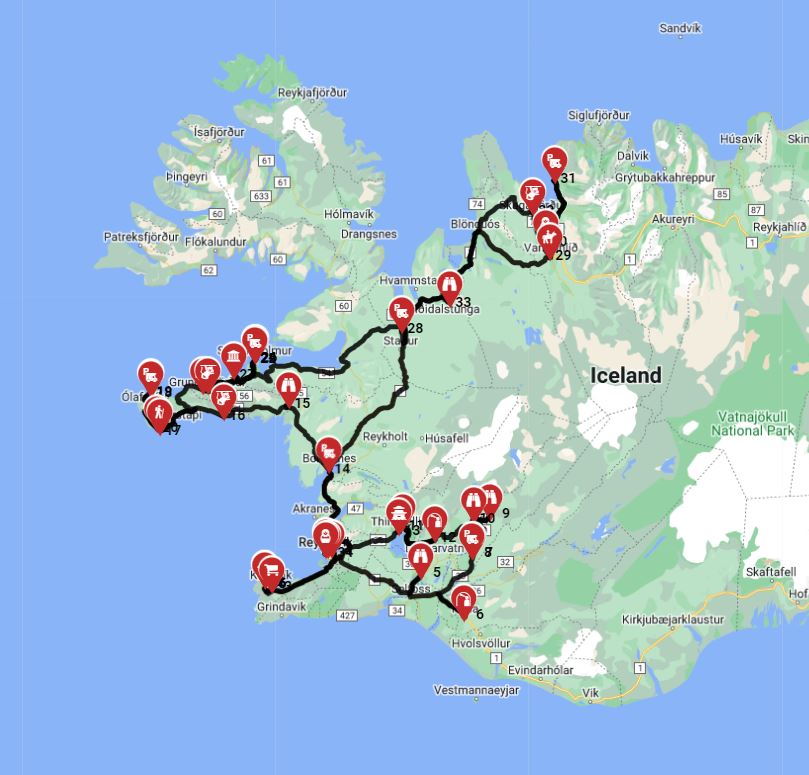
Iceland offers numerous campgrounds across its diverse regions, providing convenient and legal access to its spectacular natural wonders. Popular choices include the well-equipped Reykjavík Campsite, offering over 200 pitches and easy access to the capital, the scenic Skógafoss Campsite near the iconic waterfall in South Iceland with basic facilities, and the remote Ásbyrgi Campground in the northern canyon, perfect for exploring the Diamond Circle. These sites typically provide essential facilities like restrooms, showers (often geothermal-heated), and waste disposal, with many offering electrical hookups suitable for 230V European RVs.
Exploring the country by motorhome gives you the freedom to choose your overnight stops, but remember, planning is key to secure the best spots, especially during peak season. You'll find a network of campgrounds that cater to varying needs, from bustling city-edge sites to tranquil remote locations. For finding campsites and campgrounds during your trip, we recommend using RV PLANET (rvplan.net) - a great resource for locating available spots along your route, ensuring you always have a comfortable place to stay.
Campground Types in Iceland (National, Private, Wild)
Iceland's camping infrastructure primarily consists of municipal (often referred to as national park adjacent) and private campgrounds, with strict regulations against wild camping for motorhomes. Municipal/National Park Campsites are typically more basic but are strategically located near popular attractions such as the Golden Circle route or along the Ring Road, providing essential services at a reasonable price, usually around €15-€25 per person per night. Private Campgrounds tend to offer more amenities, including reliable electricity, hot showers (sometimes coin-operated for €2-€5), and occasionally laundry or cooking facilities, often with higher daily rates. Wild Camping (Freedom Camping) with an RV is generally illegal in Iceland, especially for motorhomes and campervans, to protect the fragile environment and prevent overcrowding; it is only permitted on private land with explicit permission from the landowner.
Always respect signage and local regulations, which are designed to preserve Iceland’s delicate ecosystem. There are over 170 official campsites in Iceland, so finding a legitimate spot is rarely an issue. Even if the first campground is full, you'll almost certainly find space at the next one - just call ahead before driving long distances to confirm availability.
Featured RV Park or Campground in Iceland
When selecting an RV park in Iceland, travelers should look for facilities that cater to various needs, such as electrical hookups, potable water, and grey/black water disposal stations. Many experienced RVers prioritize locations with heated indoor facilities, especially during cooler months or if you're exploring the "Winter RV Driving in Iceland - Safety Guide 2026" conditions, and convenient access to local services like grocery stores and fuel stations. Consider campgrounds that offer booking options, particularly for peak season (June-August), and those with good reviews regarding cleanliness and accessibility for larger vehicles. Reykjavík Campsite, for example, is a highly-rated, large campground offering comprehensive services, including a communal kitchen and laundry facilities, making it an excellent base for urban exploration.
For those venturing into the Westfjords or North Iceland, sites like Camping Hamrar near Akureyri offer stunning natural backdrops with good amenities, often including 230V electrical hookups and access to fresh water. These sites are essential for an enjoyable and comfortable motorhome rental experience in Iceland.
Hookups & Amenities - What to Expect
RV campgrounds in Iceland typically offer a range of essential hookups and amenities, though availability can vary between sites, with most providing at least basic services. Most campgrounds provide electrical hookups (standard 230V with CEE blue plug), freshwater access points, and designated areas for emptying grey and black water tanks. Common amenities often include shared restrooms, hot showers (sometimes coin-operated, costing around 2-5 EUR for a short duration), laundry facilities (again, often coin-operated), and communal kitchen areas. Wi-Fi connectivity is increasingly available, particularly at larger or private campgrounds, though it may not always reach every pitch and can be an additional cost. Smaller, more remote sites might offer fewer amenities but compensate with breathtaking natural surroundings. Always check the specific campground's website or call ahead to confirm available services and any associated fees for your rented motorhome. On the routes offered through RV PLANET routes, you can itemize and track every expense along the way for easy budgeting.
Booking Windows & Reservations in Iceland
For RV travel in Iceland, especially during the peak summer months (June-August), pre-planners are highly advised to book campsites well in advance, though spontaneous travelers can often find spots. Many national park campgrounds and popular sites only release a limited percentage (e.g., 25%-30%) of their spots for advance reservations, leaving the remainder for first-come, first-served arrivals, which offers flexibility. While it's rare to be completely without a place to stay with your rented campervan, you might need to try a second or third campground if the first is full; calling ahead before driving long distances is recommended, especially for larger groups or specific amenity needs. During the shoulder seasons (April-May & September-October) and winter, reservations are generally less critical, and more flexibility is possible, often allowing day-to-day booking without much stress.
🎬 Video coming soon
Bandana Caravan supports both planning styles, offering tools to help you compare prices and book your ideal motorhome whether you plan months ahead or decide on a spur-of-the-moment trip. We recommend checking out RV PLANET (rvplan.net) for fantastic route plans that include details on campsites and attractions, rewarding users with a 25% planning discount when they use the platform.
Nearby Supermarkets & Resupply Points
Resupplying your RV in Iceland is convenient, with grocery stores widely available in most towns and cities, though options become scarcer in very remote areas, making planning essential. Look for major supermarket chains such as Bónus (known for budget-friendly prices, recognizable by its pink pig logo), Krónan, and Nettó, which stock a full range of provisions from fresh produce to pantry staples and local delicacies. It's wise to stock up in larger towns like Reykjavík, Akureyri, or Egilsstaðir before venturing into less populated regions, as smaller villages may only have limited convenience stores with higher prices. Fuel stations often have small convenience stores, but these are primarily for snacks, drinks, and emergency items rather than full grocery hauls. Planning your meals and shopping proactively can also help manage your trip budget effectively. For detailed route plans that include resupply points and help itemize expenses, explore the RV PLANET routes.
Don't forget to grab some local Icelandic treats to cook in your camper's kitchen! For inspiration, check out our RV-friendly recipes playlist on YouTube.
Best RV Class for Camping in Iceland
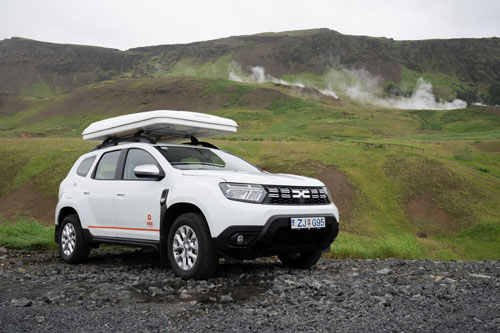
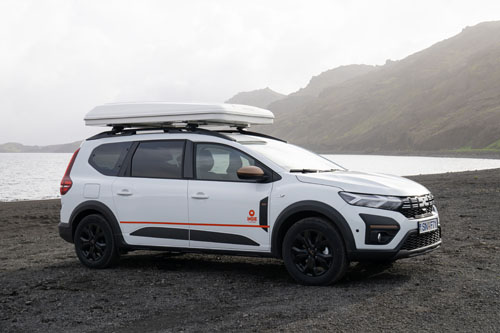
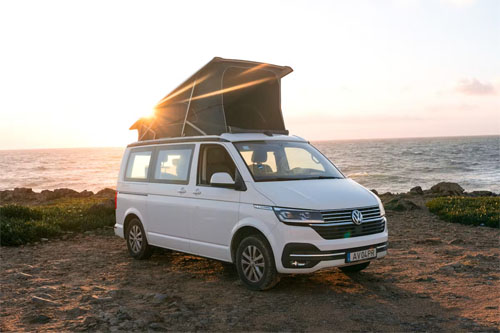
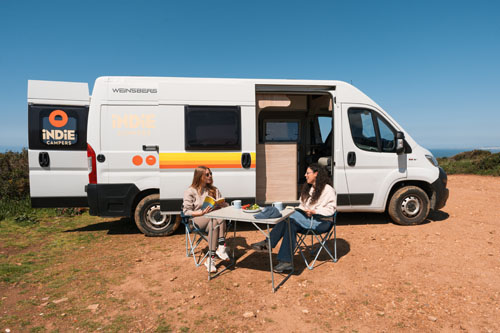
Choosing the best RV class for camping in Iceland depends heavily on your travel style, group size, and desired level of comfort and maneuverability. Class B - Camper Vans are an excellent choice for couples or small groups (Bandana's fleet typically sleeps 3-4 adults and averages 5-6m in length) due to their compact size, easier maneuverability on narrower roads, and better fuel economy (around 8-10 Liters/100 km). These vehicles, like the "Active Pop Top" or "Combi Van," offer a good balance for those wanting to explore more remote, accessible locations and are less imposing to park. Class C - Alcove motorhomes, such as the "4 Berth Adventurer" or "Glamys 40", are ideal for families or larger groups seeking more living space, separate sleeping areas, and amenities like a larger kitchen and bathroom (Bandana's Class C fleet typically sleeps 5-7 adults and averages 7-8m in length). While slightly less fuel-efficient (around 10-15 Liters/100 km) and requiring more careful driving on certain roads, they provide a higher level of comfort for extended trips. Remember, a standard car driver's license is sufficient for all motorhome classes in Iceland, so there's no need for special permits.
Consider the "MH4-5 - HEL" motorhome for a family of 5, offering 5 sleeping places and 6 seat belts, with a 2.3 litre, 130 hp engine. If you're a couple, the "MH2 - IDUNN" provides 2 sleeping places and a fuel consumption of 9-11 liters/100 km, making it efficient for two travelers. Whatever your choice, selecting a rented RV from Bandana Caravan gives you full transparency with no hidden fees and 24/7 support from real people, ensuring peace of mind throughout your Iceland adventure.
How to Save on Campgrounds in Iceland
Saving on campground fees in Iceland can significantly reduce your overall RV travel budget, with several strategies available for smart travelers. First, utilize campground discount cards, such as the Camping Card, which can provide savings on nightly rates at participating sites for two adults and up to four children, typically valid for 28 nights. Secondly, travel during the shoulder seasons (spring and autumn) when demand is lower, and some campgrounds offer reduced prices or greater availability. Thirdly, opt for municipal or regional campgrounds over private resorts, as they typically offer more basic facilities at a lower cost, often around €15-€20 per person per night versus €25-€30+. Finally, inquire about sharing electrical hookups if traveling in a convoy with another RV, as some sites may allow this at a reduced or shared cost, though always confirm with the campground first. Remember that prices are dynamic, changing daily based on availability and seasonality.
By being flexible with your dates and comparing options, you can find excellent deals on a "Cheap RV Rental in Iceland - Budget Guide 2026" or "RV Rental Deals in Iceland - Latest Offers 2026."
When is the Best Time to Rent an RV in Iceland
The best time to rent an RV in Iceland largely depends on your travel priorities, as each season offers distinct experiences and challenges for your motorhome adventure. Summer (June-August) is ideal for long daylight hours (up to 24 hours of sun), warmer average temperatures (10-13°C), and full access to all roads, including many F-roads, though it is also the most crowded and expensive season, with daily rental rates potentially reaching €400-€500+. Shoulder Seasons (April-May & September-October) offer a good balance with fewer tourists, often lower prices (e.g., €200-€350/day), and the magical possibility of seeing the Northern Lights (especially September-October), though weather can be more unpredictable and some F-roads may be closed. Winter (November-March) is challenging but immensely rewarding, perfect for Northern Lights viewing and snow activities, requiring specific winterized RVs, studded tires, and careful route planning due to potential road closures and extreme weather conditions; daily costs can be lower, around €150-€250, but additional equipment like winter tires may incur extra fees. Consider our "RV Rental Europe - Complete Guide 2026" for broader seasonal insights.
Regardless of when you choose to explore, remember to travel slowly, aiming for a maximum of 100-150 km per day on average. This allows you to truly feel the place, connect to the culture, the incredible food, and the stunning scenery that Iceland offers. For specific guidance on colder months, our "Winter RV Driving in Iceland - Safety Guide 2026" is an invaluable resource.
How Much Does an RV Trip to Iceland Cost
An RV trip to Iceland involves several key costs beyond just the rental fee, including fuel, specific campsite fees, insurance, and provisions, which can significantly impact your overall budget. Rental costs are the base fee, varying by RV class, season, and duration; typically highest in summer (June-August) at €250-€500+ per day for a Class C motorhome, and lower in winter (€150-€250 per day). Fuel is a significant expense, as Iceland has some of the highest fuel prices in Europe (around €2.50/liter for diesel), and Bandana's fleet typically consumes between 8-17 Liters/100 km depending on the RV class, meaning a 2,000 km Ring Road trip could incur €400-€850 in fuel alone. Campsite fees range between €15-€30 per person per night, plus additional charges for electricity (€5-€10) and showers (€2-€5) at many sites. Beyond basic coverage, specialized Icelandic insurance for gravel protection (starting at €10-€20/day), wind/ash damage (starting at €15-€30/day), and undercarriage protection are highly recommended and can add significant daily costs. Food and provisions in Iceland are generally 20-50% more expensive than in many other countries, so budgeting for meals cooked in your RV is crucial for saving money, alongside planning for occasional restaurant meals in Reykjavik or Akureyri. For a "Luxury RV Rental in Iceland - Premium Prices 2026," these costs will naturally be on the higher end.
What Should I Pack for an RV Trip to Iceland
Packing for an RV trip to Iceland requires layers and specific gear to contend with its highly variable and often unpredictable weather conditions, which can change dramatically within hours. Essential clothing items include waterproof and windproof outerwear (jacket and trousers), thermal base layers made from wool or synthetic materials, fleece mid-layers, sturdy waterproof hiking boots, and plenty of warm socks, even during summer. For essentials, bring a universal travel adapter for European outlets (Type F or E), a robust phone holder for navigation on the Ring Road, sunglasses for bright days (especially with snow or low sun), and a reusable water bottle to enjoy Iceland's excellent tap water. While most rentals provide basic kitchenware for your rented camper, consider bringing extra coffee/tea supplies, a small cutting board, and any specialty cooking utensils you prefer to enhance your on-board meal preparations. For safety and comfort, a comprehensive first-aid kit, emergency blankets, headlamps (especially for winter or shoulder season trips), and any personal medications are vital, along with a good camera to capture the stunning landscapes. Don't forget swimsuits for geothermal pools and hot springs, even in colder weather!
How Can I Practice Responsible RV Travel in Iceland
Practicing responsible RV travel in Iceland is crucial for preserving its fragile environment and ensuring sustainable tourism for future generations. Always adhere to "Leave No Trace" principles: take all trash with you, dispose of grey and black water only at designated dump stations found at official campgrounds (never in nature), and never leave any waste behind, including food scraps. Strictly stay on marked roads and trails, as driving off-road is illegal and causes irreversible damage to delicate moss and vegetation, which can take decades to recover. Respect wildlife and nature by maintaining a respectful distance from nesting birds (especially during breeding season) and seals, avoid disturbing geological formations like lava fields or hot springs, and do not pick plants or flowers. Critically, always camp only in designated areas; as wild camping with RVs is largely illegal, always use official campgrounds to protect the environment and avoid significant fines, ensuring you have explicit permission if parking on private land. By following these guidelines, you contribute to preserving Iceland’s unique natural heritage for everyone.
Is it Better to Rent an RV or a Car and Hotel in Iceland
Deciding between an RV rental and a car-and-hotel combination in Iceland hinges on your travel style, budget, and desired level of flexibility for your adventure. RV advantages include unparalleled flexibility to change plans on a whim, the ability to cook your own meals for significant cost savings on expensive Icelandic food, and the unique experience of waking up to stunning, remote views daily; it provides an immersive experience, especially for families (a Class C motorhome like the "MHC24" sleeps up to 6) or those seeking more independence. However, RV disadvantages can include a higher overall cost due to rental fees, high fuel prices, and campsite fees (averaging €15-€30 per person per night); driving can also be more challenging due to vehicle size, especially on narrow or unpaved roads, and legal wild camping options are severely limited. Conversely, car + hotel advantages offer potentially cheaper overall costs for small groups or couples, less stressful driving with a smaller vehicle (like a standard car), and access to more varied dining and amenities in towns, providing comfortable and reliable accommodation. The main disadvantage is the requirement to book accommodation in advance, leading to less spontaneity and potentially higher food costs if eating out frequently. For those prioritizing flexibility, budget control through self-catering, and an intimate connection with nature, a rented RV is often the superior choice for exploring Iceland.
What Kind of Insurance Do I Need for an RV Rental in Iceland
Securing the right insurance is critical for an RV rental in Iceland due to the country's unique driving conditions and potential hazards, which differ significantly from other European destinations. Standard insurance, such as Collision Damage Waiver (CDW) and Theft Protection (TP), are typically included but often come with a high deductible (excess), which can be substantially reduced by purchasing additional Super CDW coverage from the supplier. Essential add-ons highly recommended for Iceland include **Gravel Protection (GP)** for damage from loose stones on unpaved roads, **Sand and Ash Protection (SAAP)** for damage from volcanic ash and sandstorms, and **Undercarriage Protection** for damage to the vehicle's underside, as these specific types of damage are almost universally excluded by standard policies. Be aware that damage caused by river crossings (found on many F-roads) is almost universally excluded from all insurance policies, making it crucial to avoid such routes with a standard 2WD rented RV. Always read your rental contract carefully to understand what is included and excluded, ensuring you have adequate coverage for Iceland's specific risks. You can upgrade to a top-level deductible for extra peace of mind, minimizing your out-of-pocket expenses in case of an incident, a transparent option offered by Bandana Caravan.
What are the Driving Challenges for RVs in Iceland
Driving an RV in Iceland presents unique challenges that require careful preparation and constant awareness to ensure a safe journey for your rented motorhome. F-roads, mountainous tracks in the Highlands, explicitly require 4x4 vehicles and are generally unsuitable and often illegal for standard 2WD RVs, with river crossings that can easily void insurance coverage. Iceland experiences extremely strong and sudden winds, which can make driving an RV challenging, especially larger Class C models like the "MHC30" (with a length of 9.15m), requiring careful parking and potentially causing damage (e.g., to doors if opened carelessly). Weather conditions can shift rapidly from sunshine to rain, fog, or snow within minutes, requiring drivers to be constantly vigilant and adapt to changing road conditions. Many bridges and some tunnels (like the Vaðlaheiðargöng) are single-lane, requiring drivers to yield to oncoming traffic, often indicated by specific signage. Pay close attention to Icelandic road signs, which may differ from what you're used to, and be prepared for unpaved sections, potholes, and loose gravel even on main roads. Remember: drive slowly and carefully, and you can drive almost anywhere without issues. No need to stress - just use common sense and pay attention, especially to weather warnings and road conditions reported by road.is.
What is Cell Service and Wi-Fi Like for RVs in Iceland
Cell service and Wi-Fi connectivity for RVs in Iceland are generally reliable in populated areas but can become spotty or unavailable in remote regions, particularly in the Highlands or Eastfjords. Major Icelandic providers such as Síminn, Vodafone, and Nova offer good 4G/5G coverage around the Ring Road and in most towns, but expect limited or no signal in very remote areas, some national parks, and especially the interior. Most private campgrounds and many municipal ones offer Wi-Fi, often for a fee (e.g., €5-€10 per day), though the quality and speed can vary depending on location and network infrastructure; cafes, restaurants, and gas stations in towns also commonly provide free Wi-Fi. For staying connected on the go, consider purchasing a local SIM card with a data plan upon arrival at Keflavík - Airport or renting a portable Wi-Fi hotspot from your RV provider or a separate service for more consistent internet access. In case of emergency, the national emergency number in Iceland is **112**; be aware that in areas without cell service, you may need to drive to find a signal or use a satellite phone if carrying one. Always have offline maps downloaded as a backup.
Can You Wild Camp with an RV in Iceland
Wild camping with an RV in Iceland is largely illegal and actively discouraged due to strict regulations designed to protect the country's fragile environment and manage tourism impact. It is generally prohibited to park motorhomes, campervans, or tent trailers outside designated campsites or private land without explicit, prior permission from the landowner. Violators face significant fines, with local authorities actively patrolling popular areas to enforce these rules. Illegal wild camping directly contributes to erosion, waste pollution, and irreparable damage to delicate moss and vegetation, which can take decades to recover in Iceland's unique climate. For responsible and legal RV travel, always plan to stay at official campgrounds, which are plentiful and provide necessary facilities for waste disposal, fresh water refills, and safe overnight parking. Choosing designated campgrounds not only keeps you within legal boundaries but also provides access to essential amenities, making your rented RV trip more comfortable and sustainable. For planning your journey and finding appropriate overnight stops, consult RV PLANET (rvplan.net) for expertly designed route plans.
What You Shouldn't Miss
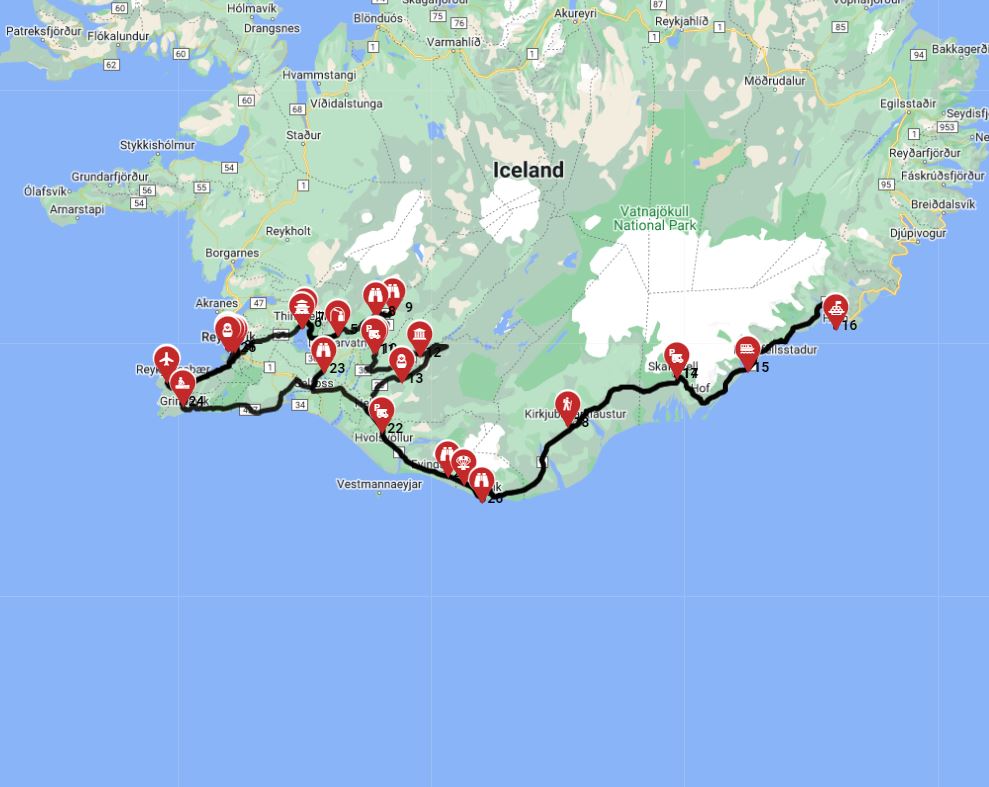
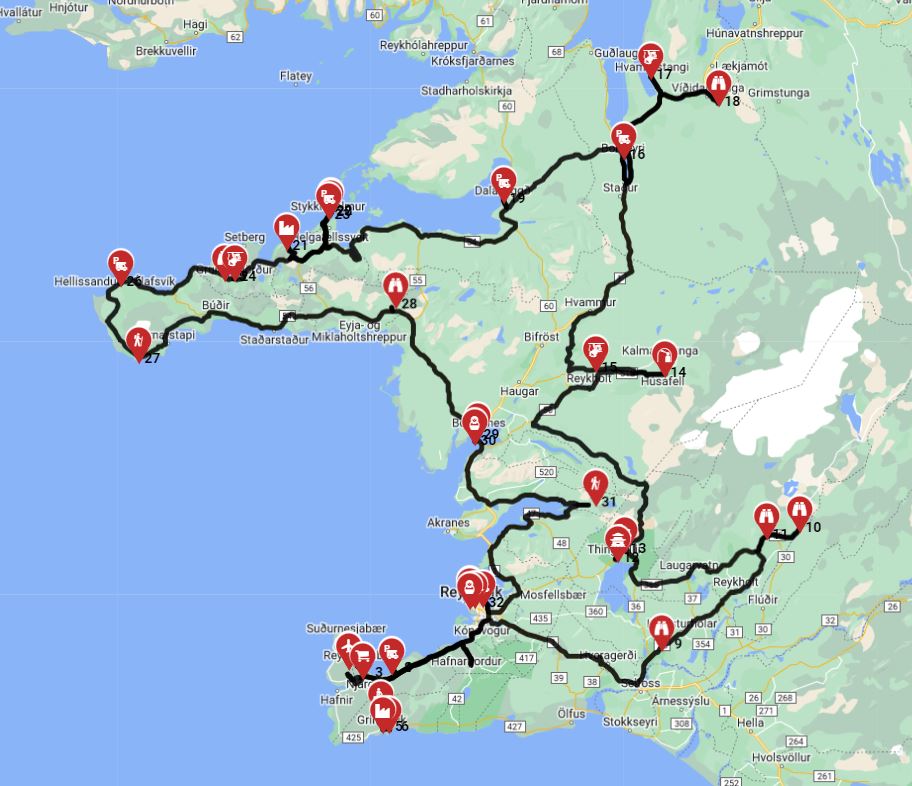
- Explore the Golden Circle: Drive the iconic 300 km route, visiting Þingvellir National Park, Gullfoss waterfall, and the Geysir geothermal area. Many campsites like Þingvellir National Park Campground are available along the way.
- Bathe in the Blue Lagoon: Indulge in the famous geothermal spa near Keflavík, an absolute must for relaxation. Remember to book tickets in advance!
- Chase Waterfalls on the South Coast: Witness the majestic Skógafoss and Seljalandsfoss waterfalls, where you can walk behind the cascading water. Campsites are often found within walking distance of these natural wonders.
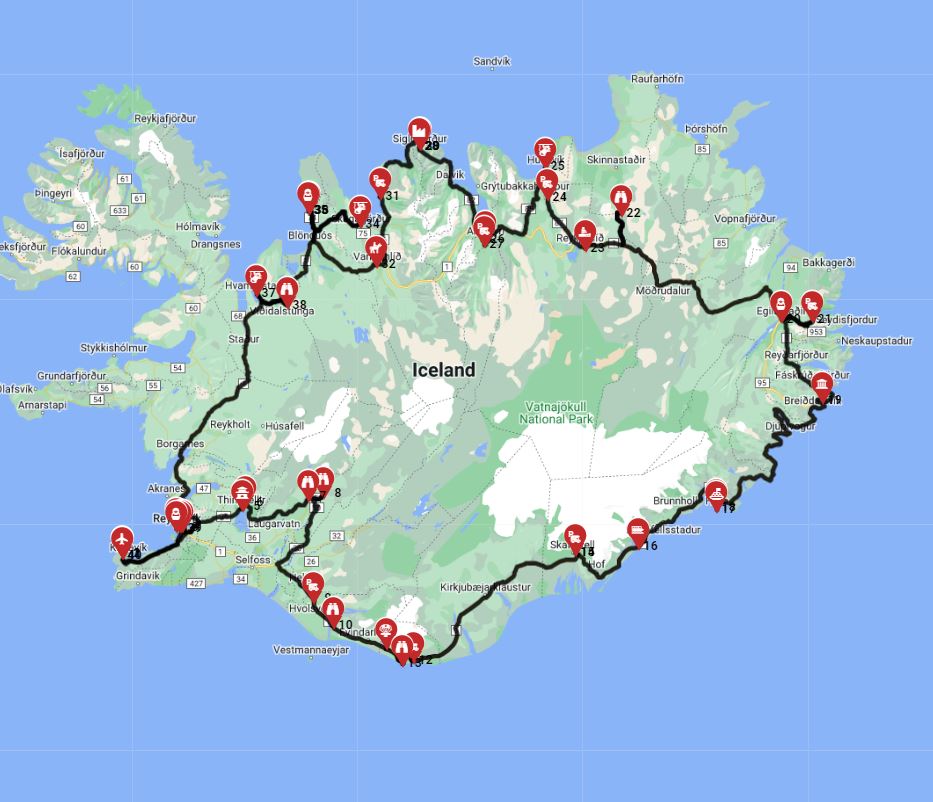
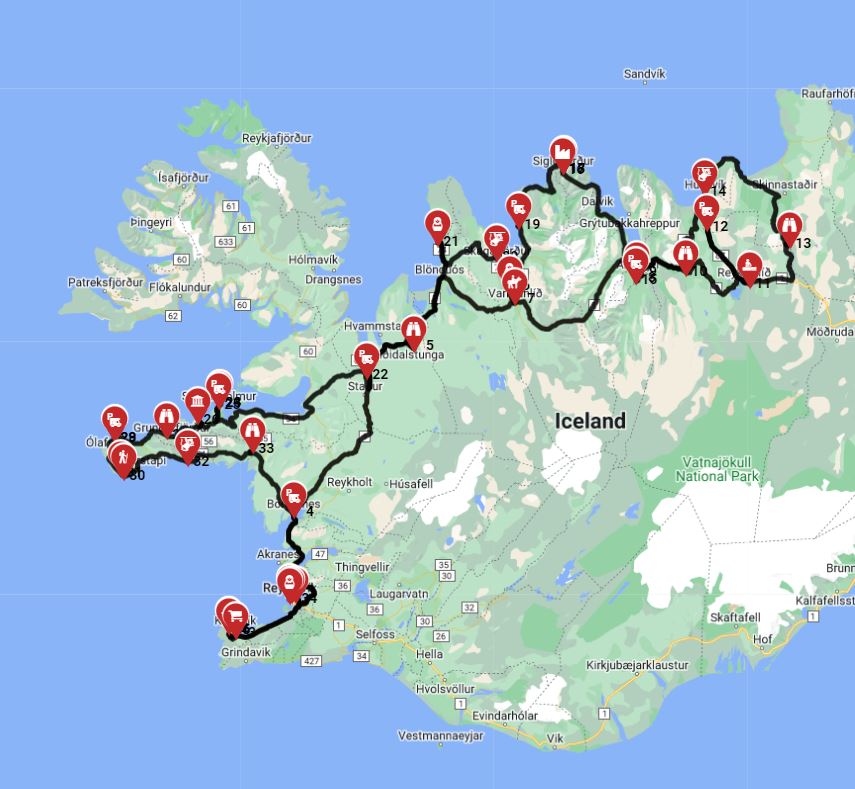
- Discover the Diamond Circle: Head north to explore Akureyri, Lake Mývatn, Dettifoss waterfall, and the Ásbyrgi canyon. The
itinerary on RV PLANET covers many of these northern gems.
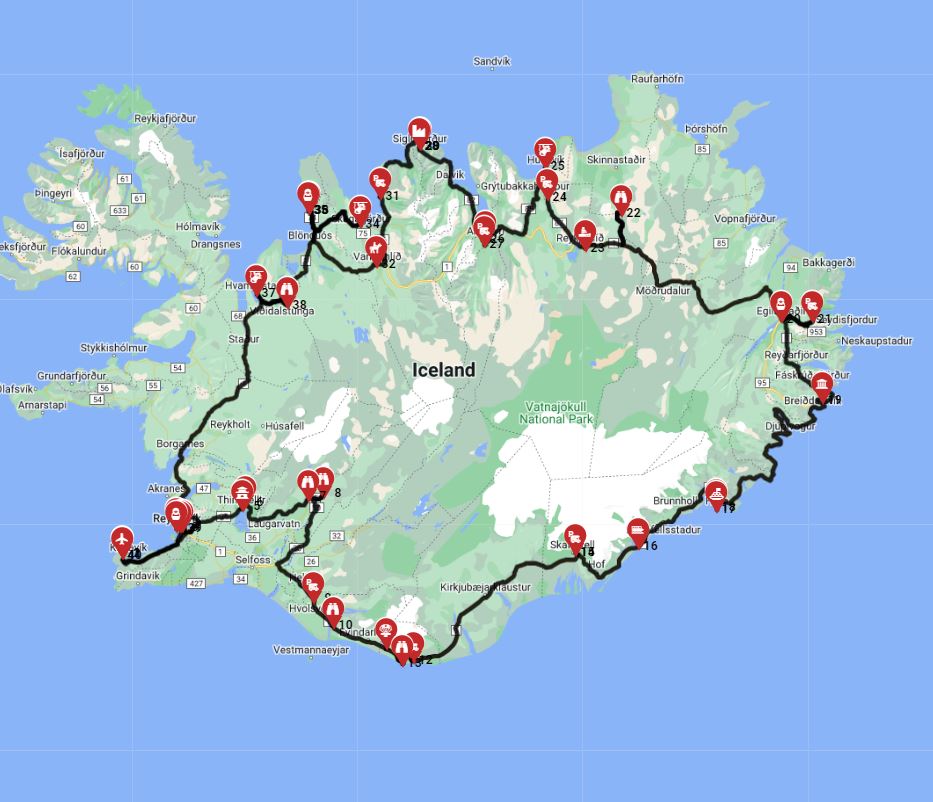 Iceland - Full ring road
 - Hike in Vatnajökull National Park: Experience Europe's largest glacier, explore ice caves (with a guide), and visit the Jökulsárlón Glacier Lagoon, home to floating icebergs.
Looking for expert insights from Avi Bandana? Top 5 Adventures - recommendations from Avi Bandana
Final Thoughts
Renting an RV in Iceland opens up a world of breathtaking landscapes, from dramatic volcanoes to serene glaciers, all at your own pace. With a wide array of reliable motorhomes and campervans available and a robust network of campgrounds, you have everything you need for an incredible week-long trip or extended adventure. Just remember to embrace slow travel, dedicate about 100-150 km per day, and always adhere to responsible camping practices to preserve Iceland's unique beauty.
Bandana Caravan is here to support you before, during, and after your booking, offering full transparency and expert advice honed over decades. So, imagine yourself on the route, cooking a delicious meal in your cozy camper, surrounded by Iceland's raw, untamed beauty. It's an experience waiting to happen!
Get inspired for your next trip and plan a trip itinerary in advance with minimal effort and maximum enjoyment. Compare Motorhome Prices for Iceland today and embark on the adventure of a lifetime.
In This Guide
- Where to Camp in Iceland - Top Options
- Campground Types in Iceland (National, Private, Wild)
- Featured RV Park or Campground in Iceland
- Hookups & Amenities - What to Expect
- Booking Windows & Reservations in Iceland
- Nearby Supermarkets & Resupply Points
- Best RV Class for Camping in Iceland
- How to Save on Campgrounds in Iceland
- When is the Best Time to Rent an RV in Iceland
- How Much Does an RV Trip to Iceland Cost
- What Should I Pack for an RV Trip to Iceland
- How Can I Practice Responsible RV Travel in Iceland
- Is it Better to Rent an RV or a Car and Hotel in Iceland
- What Kind of Insurance Do I Need for an RV Rental in Iceland
- What are the Driving Challenges for RVs in Iceland
- What is Cell Service and Wi-Fi Like for RVs in Iceland
- Can You Wild Camp with an RV in Iceland
Iceland, the "Land of Fire and Ice," offers an unforgettable adventure for travelers exploring its dramatic landscapes by rented RV. Navigating Iceland in a motorhome provides the ultimate flexibility, allowing you to chase the Northern Lights, discover hidden waterfalls, and immerse yourself in stunning natural beauty at your own pace. For live availability and current prices, start with our RV Rental Iceland - Complete Guide 2026 guide, which provides comprehensive insights for your journey. As true RV specialists, Bandana Caravan, founded in 2001, has spent over two decades helping tens of thousands of travelers discover incredible destinations like Iceland, ensuring you have all the information you need for a smooth and transparent booking process.
Where to Camp in Iceland - Top Options
Iceland offers numerous campgrounds across its diverse regions, providing convenient and legal access to its spectacular natural wonders. Popular choices include the well-equipped Reykjavík Campsite, offering over 200 pitches and easy access to the capital, the scenic Skógafoss Campsite near the iconic waterfall in South Iceland with basic facilities, and the remote Ásbyrgi Campground in the northern canyon, perfect for exploring the Diamond Circle. These sites typically provide essential facilities like restrooms, showers (often geothermal-heated), and waste disposal, with many offering electrical hookups suitable for 230V European RVs.
Exploring the country by motorhome gives you the freedom to choose your overnight stops, but remember, planning is key to secure the best spots, especially during peak season. You'll find a network of campgrounds that cater to varying needs, from bustling city-edge sites to tranquil remote locations. For finding campsites and campgrounds during your trip, we recommend using RV PLANET (rvplan.net) - a great resource for locating available spots along your route, ensuring you always have a comfortable place to stay.
Campground Types in Iceland (National, Private, Wild)
Iceland's camping infrastructure primarily consists of municipal (often referred to as national park adjacent) and private campgrounds, with strict regulations against wild camping for motorhomes. Municipal/National Park Campsites are often basic but strategically located near popular attractions, providing essential services at a reasonable price, typically around €15-€25 per person per night. Private Campgrounds tend to offer more amenities, including reliable electricity, hot showers (sometimes coin-operated for €2-€5), and occasionally laundry or cooking facilities. Wild Camping (Freedom Camping) with an RV is generally illegal in Iceland, especially for motorhomes and campervans, to protect the fragile environment and prevent overcrowding; it is only permitted on private land with explicit permission from the landowner.
Always respect signage and local regulations, which are designed to preserve Iceland’s delicate ecosystem. There are over 170 official campsites in Iceland, so finding a legitimate spot is rarely an issue. Even if the first campground is full, you'll almost certainly find space at the next one - just call ahead before driving long distances to confirm availability.
Featured RV Park or Campground in Iceland
When selecting an RV park in Iceland, travelers should look for facilities that cater to various needs, such as electrical hookups, potable water, and grey/black water disposal stations. Many experienced RVers prioritize locations with heated indoor facilities, especially during cooler months or if you're exploring the "Winter RV Driving in Iceland - Safety Guide 2026" conditions, and convenient access to local services like grocery stores and fuel stations. Consider campgrounds that offer booking options, particularly for peak season (June-August), and those with good reviews regarding cleanliness and accessibility for larger vehicles. Reykjavík Campsite, for example, is a highly-rated, large campground offering comprehensive services, including a communal kitchen and laundry facilities, making it an excellent base for urban exploration.
For those venturing into the Westfjords or North Iceland, sites like Camping Hamrar near Akureyri offer stunning natural backdrops with good amenities, often including 230V electrical hookups and access to fresh water. These sites are essential for an enjoyable and comfortable motorhome rental experience in Iceland.
Hookups & Amenities - What to Expect
RV campgrounds in Iceland typically offer a range of essential hookups and amenities, though availability can vary between sites, with most providing at least basic services. Most campgrounds provide electrical hookups (standard 230V with CEE blue plug), freshwater access points, and designated areas for emptying grey and black water tanks. Common amenities often include shared restrooms, hot showers (sometimes coin-operated, costing around €2-€5 for a short duration), laundry facilities (again, often coin-operated), and communal kitchen areas. Wi-Fi connectivity is increasingly available, particularly at larger or private campgrounds, though it may not always reach every pitch and can be an additional cost. Smaller, more remote sites might offer fewer amenities but compensate with breathtaking natural surroundings. Always check the specific campground's website or call ahead to confirm available services and any associated fees for your rented motorhome.
Booking Windows & Reservations in Iceland
For RV travel in Iceland, especially during the peak summer months (June-August), pre-planners are highly advised to book campsites well in advance, though spontaneous travelers can often find spots. Many national park campgrounds and popular sites only release a limited percentage (e.g., 25%-30%) of their spots for advance reservations, leaving the remainder for first-come, first-served arrivals, which offers flexibility. While it's rare to be completely without a place to stay with your rented campervan, you might need to try a second or third campground if the first is full; calling ahead before driving long distances is recommended, especially for larger groups or specific amenity needs. During the shoulder seasons (April-May & September-October) and winter, reservations are generally less critical, and more flexibility is possible, often allowing day-to-day booking without much stress.
🎬 Video coming soon
Bandana Caravan supports both planning styles, offering tools to help you compare prices and book your ideal motorhome whether you plan months ahead or decide on a spur-of-the-moment trip. We recommend checking out RV PLANET (rvplan.net) for fantastic route plans that include details on campsites and attractions, rewarding users with a 25% planning discount when they use the platform.
Nearby Supermarkets & Resupply Points
Resupplying your RV in Iceland is convenient, with grocery stores widely available in most towns and cities, though options become scarcer in very remote areas, making planning essential. Look for major supermarket chains such as Bónus (known for budget-friendly prices, recognizable by its pink pig logo), Krónan, and Nettó, which stock a full range of provisions from fresh produce to pantry staples and local delicacies. It's wise to stock up in larger towns like Reykjavík, Akureyri, or Egilsstaðir before venturing into less populated regions, as smaller villages may only have limited convenience stores with higher prices. Fuel stations often have small convenience stores, but these are primarily for snacks, drinks, and emergency items rather than full grocery hauls. Planning your meals and shopping proactively can also help manage your trip budget effectively. For detailed route plans that include resupply points and help itemize expenses, explore the RV PLANET routes.
Don't forget to grab some local Icelandic treats to cook in your camper's kitchen! For inspiration, check out our RV-friendly recipes playlist on YouTube.
Best RV Class for Camping in Iceland
Choosing the best RV class for camping in Iceland depends heavily on your travel style, group size, and desired level of comfort and maneuverability. Class B - Camper Vans are an excellent choice for couples or small groups (Bandana's fleet typically sleeps 3-4 adults and averages 5-6m in length) due to their compact size, easier maneuverability on narrower roads, and better fuel economy (around 8-10 Liters/100 km). These vehicles, like the "Active Pop Top" or "Combi Van," offer a good balance for those wanting to explore more remote, accessible locations and are less imposing to park. Class C - Alcove motorhomes, such as the "4 Berth Adventurer" or "Glamys 40", are ideal for families or larger groups seeking more living space, separate sleeping areas, and amenities like a larger kitchen and bathroom (Bandana's Class C fleet typically sleeps 5-7 adults and averages 7-8m in length). While slightly less fuel-efficient (around 10-15 Liters/100 km) and requiring more careful driving on certain roads, they provide a higher level of comfort for extended trips. Remember, a standard car driver's license is sufficient for all motorhome classes in Iceland, so there's no need for special permits.
Consider the "MH4-5 - HEL" motorhome for a family of 5, offering 5 sleeping places and 6 seat belts, with a 2.3 litre, 130 hp engine. If you're a couple, the "MH2 - IDUNN" provides 2 sleeping places and a fuel consumption of 9-11 liters/100 km, making it efficient for two travelers. Whatever your choice, selecting a rented RV from Bandana Caravan gives you full transparency with no hidden fees and 24/7 support from real people, ensuring peace of mind throughout your Iceland adventure.
How to Save on Campgrounds in Iceland
Saving on campground fees in Iceland can significantly reduce your overall RV travel budget, with several strategies available for smart travelers. First, utilize campground discount cards, such as the Camping Card, which can provide savings on nightly rates at participating sites for two adults and up to four children, typically valid for 28 nights. Secondly, travel during the shoulder seasons (spring and autumn) when demand is lower, and some campgrounds offer reduced prices or greater availability. Thirdly, opt for municipal or regional campgrounds over private resorts, as they typically offer more basic facilities at a lower cost, often around €15-€20 per person per night versus €25-€30+. Finally, inquire about sharing electrical hookups if traveling in a convoy with another RV, as some sites may allow this at a reduced or shared cost, though always confirm with the campground first. Remember that prices are dynamic, changing daily based on availability and seasonality.
By being flexible with your dates and comparing options, you can find excellent deals on a "Cheap RV Rental in Iceland - Budget Guide 2026" or "RV Rental Deals in Iceland - Latest Offers 2026."
When is the Best Time to Rent an RV in Iceland
The best time to rent an RV in Iceland largely depends on your travel priorities, as each season offers distinct experiences and challenges for your motorhome adventure. Summer (June-August) is ideal for long daylight hours (up to 24 hours of sun), warmer average temperatures (10-13°C), and full access to all roads, including many F-roads, though it is also the most crowded and expensive season, with daily rental rates potentially reaching €400-€500+ per day. Shoulder Seasons (April-May & September-October) offer a good balance with fewer tourists, often lower prices (e.g., €200-€350/day), and the magical possibility of seeing the Northern Lights (especially September-October), though weather can be more unpredictable and some F-roads may be closed. Winter (November-March) is challenging but immensely rewarding, perfect for Northern Lights viewing and snow activities, requiring specific winterized RVs, studded tires, and careful route planning due to potential road closures and extreme weather conditions; daily costs can be lower, around €150-€250, but additional equipment like winter tires may incur extra fees. Consider our "RV Rental Europe - Complete Guide 2026" for broader seasonal insights.
Regardless of when you choose to explore, remember to travel slowly, aiming for a maximum of 100-150 km per day on average. This allows you to truly feel the place, connect to the culture, the incredible food, and the stunning scenery that Iceland offers. For specific guidance on colder months, our "Winter RV Driving in Iceland - Safety Guide 2026" is an invaluable resource.
How Much Does an RV Trip to Iceland Cost
An RV trip to Iceland involves several key costs beyond just the rental fee, including fuel, specific campsite fees, insurance, and provisions, which can significantly impact your overall budget. Rental costs are the base fee, varying by RV class, season, and duration; typically highest in summer (June-August) at €250-€500+ per day for a Class C motorhome, and lower in winter (€150-€250 per day). Fuel is a significant expense, as Iceland has some of the highest fuel prices in Europe (around €2.50/liter for diesel), and Bandana's fleet typically consumes between 8-17 Liters/100 km depending on the RV class, meaning a 2,000 km Ring Road trip could incur €400-€850 in fuel alone. Campsite fees range between €15-€30 per person per night, plus additional charges for electricity (€5-€10) and showers (€2-€5) at many sites. Beyond basic coverage, specialized Icelandic insurance for gravel protection (starting at €10-€20/day), sand and ash protection (starting at €15-€30/day), and undercarriage protection are highly recommended and can add significant daily costs. Food and provisions in Iceland are generally 20-50% more expensive than in many other countries, so budgeting for meals cooked in your RV is crucial for saving money, alongside planning for occasional restaurant meals in Reykjavik or Akureyri. For a "Luxury RV Rental in Iceland - Premium Prices 2026," these costs will naturally be on the higher end.
What Should I Pack for an RV Trip to Iceland
Packing for an RV trip to Iceland requires layers and specific gear to contend with its highly variable and often unpredictable weather conditions, which can change dramatically within hours. Essential clothing items include waterproof and windproof outerwear (jacket and trousers), thermal base layers made from wool or synthetic materials, fleece mid-layers, sturdy waterproof hiking boots, and plenty of warm socks, even during summer. For essentials, bring a universal travel adapter for European outlets (Type F or E), a robust phone holder for navigation on the Ring Road, sunglasses for bright days (especially with snow or low sun), and a reusable water bottle to enjoy Iceland's excellent tap water. While most rentals provide basic kitchenware for your rented camper, consider bringing extra coffee/tea supplies, a small cutting board, and any specialty cooking utensils you prefer to enhance your on-board meal preparations. For safety and comfort, a comprehensive first-aid kit, emergency blankets, headlamps (especially for winter or shoulder season trips), and any personal medications are vital, along with a good camera to capture the stunning landscapes. Don't forget swimsuits for geothermal pools and hot springs, even in colder weather!
How Can I Practice Responsible RV Travel in Iceland
Practicing responsible RV travel in Iceland is crucial for preserving its fragile environment and ensuring sustainable tourism for future generations. Always adhere to "Leave No Trace" principles: take all trash with you, dispose of grey and black water only at designated dump stations found at official campgrounds (never in nature), and never leave any waste behind, including food scraps. Strictly stay on marked roads and trails, as driving off-road is illegal and causes irreversible damage to delicate moss and vegetation, which can take decades to recover. Respect wildlife and nature by maintaining a respectful distance from nesting birds (especially during breeding season) and seals, avoid disturbing geological formations like lava fields or hot springs, and do not pick plants or flowers. Critically, always camp only in designated areas; as wild camping with RVs is largely illegal, always use official campgrounds to protect the environment and avoid significant fines, ensuring you have explicit permission if parking on private land. By following these guidelines, you contribute to preserving Iceland’s unique natural heritage for everyone.
Is it Better to Rent an RV or a Car and Hotel in Iceland
Deciding between an RV rental and a car-and-hotel combination in Iceland hinges on your travel style, budget, and desired level of flexibility for your adventure. RV advantages include unparalleled flexibility to change plans on a whim, the ability to cook your own meals for significant cost savings on expensive Icelandic food, and the unique experience of waking up to stunning, remote views daily; it provides an immersive experience, especially for families (a Class C motorhome like the "MHC24" sleeps up to 6) or those seeking more independence. However, RV disadvantages can include a higher overall cost due to rental fees, high fuel prices, and campsite fees (averaging €15-€30 per person per night); driving can also be more challenging due to vehicle size, especially on narrow or unpaved roads, and legal wild camping options are severely limited. Conversely, car + hotel advantages offer potentially cheaper overall costs for small groups or couples, less stressful driving with a smaller vehicle (like a standard car), and access to more varied dining and amenities in towns, providing comfortable and reliable accommodation. The main disadvantage is the requirement to book accommodation in advance, leading to less spontaneity and potentially higher food costs if eating out frequently. For those prioritizing flexibility, budget control through self-catering, and an intimate connection with nature, a rented RV is often the superior choice for exploring Iceland.
What Kind of Insurance Do I Need for an RV Rental in Iceland
Securing the right insurance is critical for an RV rental in Iceland due to the country's unique driving conditions and potential hazards, which differ significantly from other European destinations. Standard insurance, such as Collision Damage Waiver (CDW) and Theft Protection (TP), are typically included but often come with a high deductible (excess), which can be substantially reduced by purchasing additional Super CDW coverage from the supplier. Essential add-ons highly recommended for Iceland include **Gravel Protection (GP)** for damage from loose stones on unpaved roads, **Sand and Ash Protection (SAAP)** for damage from volcanic ash and sandstorms, and **Undercarriage Protection** for damage to the vehicle's underside, as these specific types of damage are almost universally excluded by standard policies. Be aware that damage caused by river crossings (found on many F-roads) is almost universally excluded from all insurance policies, making it crucial to avoid such routes with a standard 2WD rented RV. Always read your rental contract carefully to understand what is included and excluded, ensuring you have adequate coverage for Iceland's specific risks. You can upgrade to a top-level deductible for extra peace of mind, minimizing your out-of-pocket expenses in case of an incident, a transparent option offered by Bandana Caravan.
What are the Driving Challenges for RVs in Iceland
Driving an RV in Iceland presents unique challenges that require careful preparation and constant awareness to ensure a safe journey for your rented motorhome. F-roads, mountainous tracks in the Highlands, explicitly require 4x4 vehicles and are generally unsuitable and often illegal for standard 2WD RVs, with river crossings that can easily void insurance coverage. Iceland experiences extremely strong and sudden winds, which can make driving an RV challenging, especially larger Class C models like the "MHC30" (with a length of 9.15m), requiring careful parking and potentially causing damage (e.g., to doors if opened carelessly). Weather conditions can shift rapidly from sunshine to rain, fog, or snow within minutes, requiring drivers to be constantly vigilant and adapt to changing road conditions. Many bridges and some tunnels (like the Vaðlaheiðargöng) are single-lane, requiring drivers to yield to oncoming traffic, often indicated by specific signage. Pay close attention to Icelandic road signs, which may differ from what you're used to, and be prepared for unpaved sections, potholes, and loose gravel even on main roads. Remember: drive slowly and carefully, and you can drive almost anywhere without issues. No need to stress - just use common sense and pay attention, especially to weather warnings and road conditions reported by road.is.
What is Cell Service and Wi-Fi Like for RVs in Iceland
Cell service and Wi-Fi connectivity for RVs in Iceland are generally reliable in populated areas but can become spotty or unavailable in remote regions, particularly in the Highlands or Eastfjords. Major Icelandic providers such as Síminn, Vodafone, and Nova offer good 4G/5G coverage around the Ring Road and in most towns, but expect limited or no signal in very remote areas, some national parks, and especially the interior. Most private campgrounds and many municipal ones offer Wi-Fi, often for a fee (e.g., €5-€10 per day), though the quality and speed can vary depending on location and network infrastructure; cafes, restaurants, and gas stations in towns also commonly provide free Wi-Fi. For staying connected on the go, consider purchasing a local SIM card with a data plan upon arrival at Keflavík - Airport or renting a portable Wi-Fi hotspot from your RV provider or a separate service for more consistent internet access. In case of emergency, the national emergency number in Iceland is **112**; be aware that in areas without cell service, you may need to drive to find a signal or use a satellite phone if carrying one. Always have offline maps downloaded as a backup.
Can You Wild Camp with an RV in Iceland
Wild camping with an RV in Iceland is largely illegal and actively discouraged due to strict regulations designed to protect the country's fragile environment and manage tourism impact. It is generally prohibited to park motorhomes, campervans, or tent trailers outside designated campsites or private land without explicit, prior permission from the landowner. Violators face significant fines, with local authorities actively patrolling popular areas to enforce these rules. Illegal wild camping directly contributes to erosion, waste pollution, and irreparable damage to delicate moss and vegetation, which can take decades to recover in Iceland's unique climate. For responsible and legal RV travel, always plan to stay at official campgrounds, which are plentiful and provide necessary facilities for waste disposal, fresh water refills, and safe overnight parking. Choosing designated campgrounds not only keeps you within legal boundaries but also provides access to essential amenities, making your rented RV trip more comfortable and sustainable. For planning your journey and finding appropriate overnight stops, consult RV PLANET (rvplan.net) for expertly designed route plans.
What You Shouldn't Miss
- Explore the Golden Circle: Drive the iconic 300 km route, visiting Þingvellir National Park, Gullfoss waterfall, and the Geysir geothermal area. Many campsites like Þingvellir National Park Campground are available along the way.
- Bathe in the Blue Lagoon: Indulge in the famous geothermal spa near Keflavík, an absolute must for relaxation. Remember to book tickets in advance!
- Chase Waterfalls on the South Coast: Witness the majestic Skógafoss and Seljalandsfoss waterfalls, where you can walk behind the cascading water. Campsites are often found within walking distance of these natural wonders.
- Discover the Diamond Circle: Head north to explore Akureyri, Lake Mývatn, Dettifoss waterfall, and the Ásbyrgi canyon. The Iceland - Full ring road itinerary on RV PLANET covers many of these northern gems.
- Hike in Vatnajökull National Park: Experience Europe's largest glacier, explore ice caves (with a guide), and visit the Jökulsárlón Glacier Lagoon, home to floating icebergs.
Looking for expert insights from Avi Bandana? Top 5 Adventures - recommendations from Avi Bandana
Final Thoughts
Renting an RV in Iceland opens up a world of breathtaking landscapes, from dramatic volcanoes to serene glaciers, all at your own pace. With a wide array of reliable motorhomes and campervans available and a robust network of campgrounds, you have everything you need for an incredible week-long trip or extended adventure. Just remember to embrace slow travel, dedicate about 100-150 km per day, and always adhere to responsible camping practices to preserve Iceland's unique beauty.
Bandana Caravan is here to support you before, during, and after your booking, offering full transparency and expert advice honed over decades. So, imagine yourself on the route, cooking a delicious meal in your cozy camper, surrounded by Iceland's raw, untamed beauty. It's an experience waiting to happen!
Get inspired for your next trip and plan a trip itinerary in advance with minimal effort and maximum enjoyment. Compare Motorhome Prices for Iceland today and embark on the adventure of a lifetime.