For live availability and current prices, start with our RV Rental West Europe - Complete Guide 2026 guide.
In This Guide
- Where to Camp in West Europe — Top Options
- Campground Types in West Europe (National, Private, Wild)
- Featured RV Park or Campground in West Europe
- Hookups & Amenities — What to Expect
- Booking Windows & Reservations in West Europe
- Nearby Supermarkets & Resupply Points
- Best RV Class for Camping in West Europe
- How to Save on Campgrounds in West Europe
Where to Camp in West Europe — Top Options
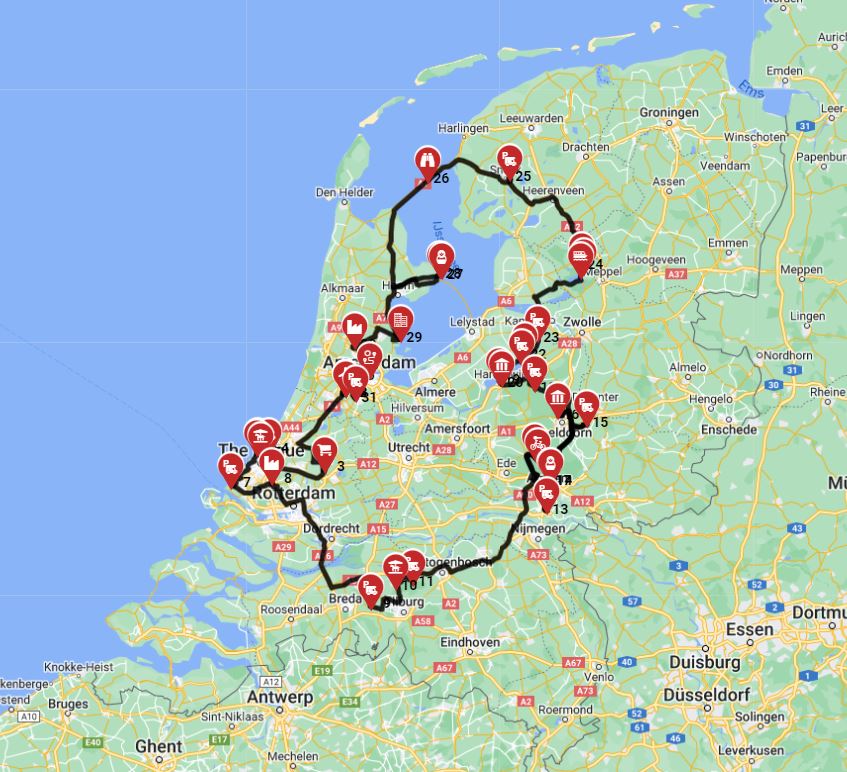
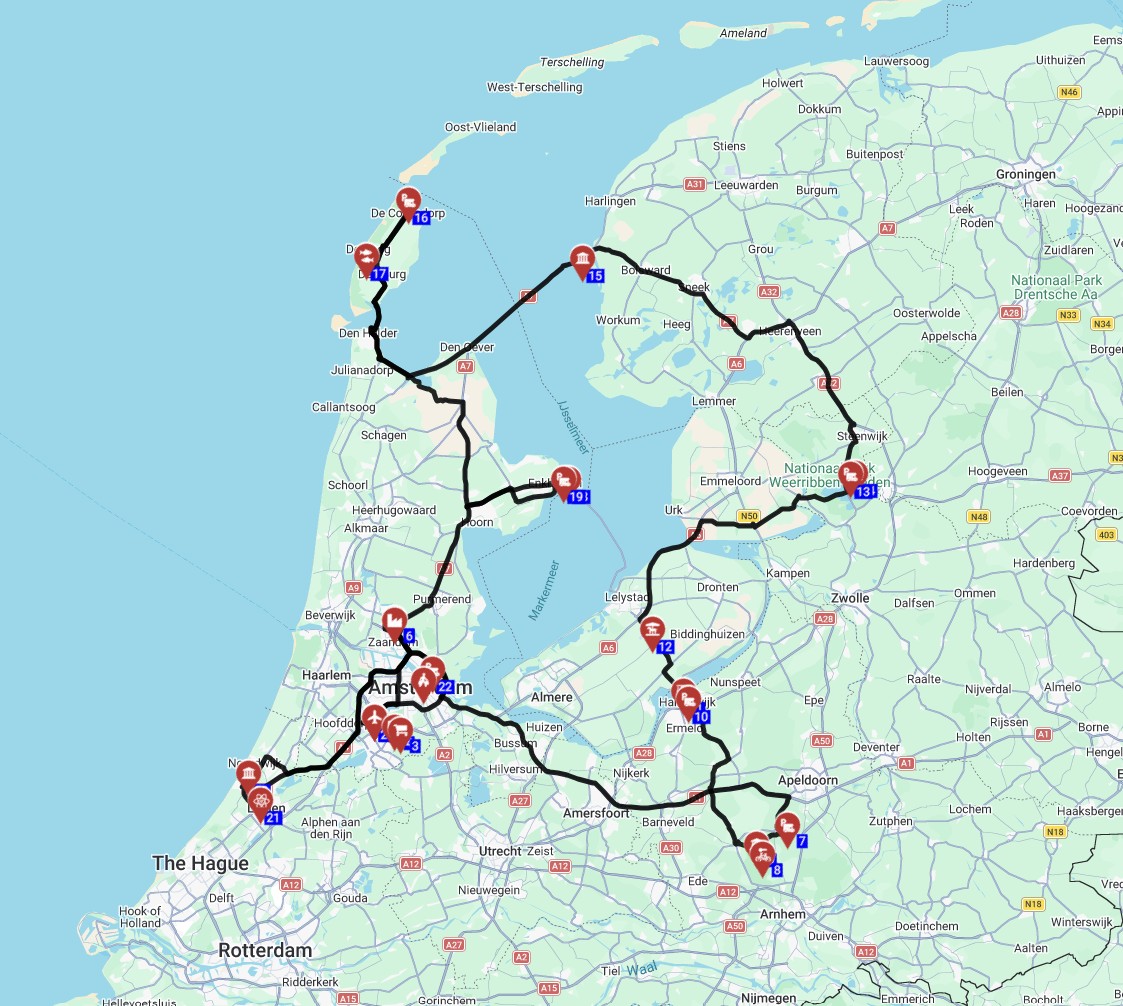
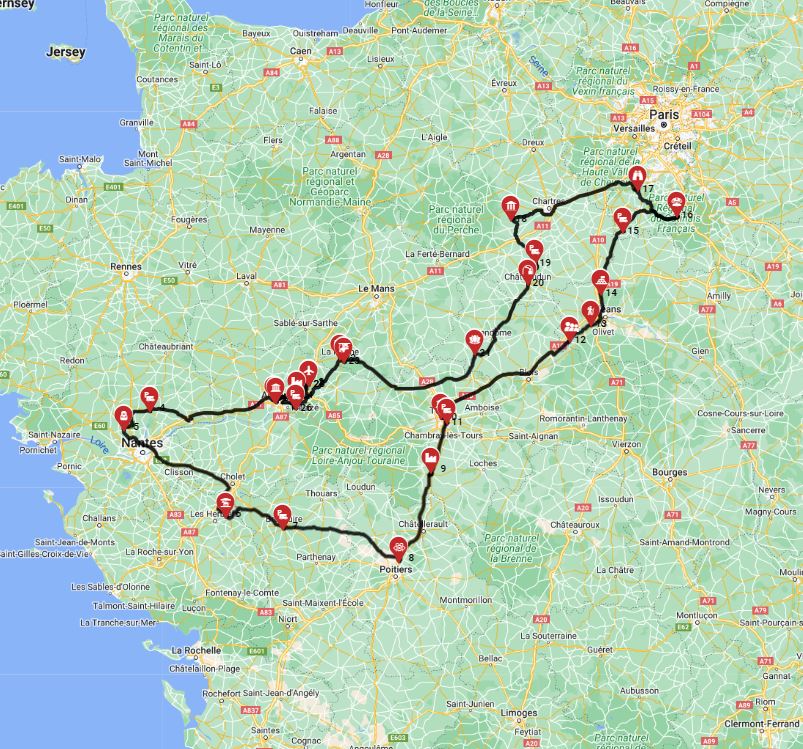
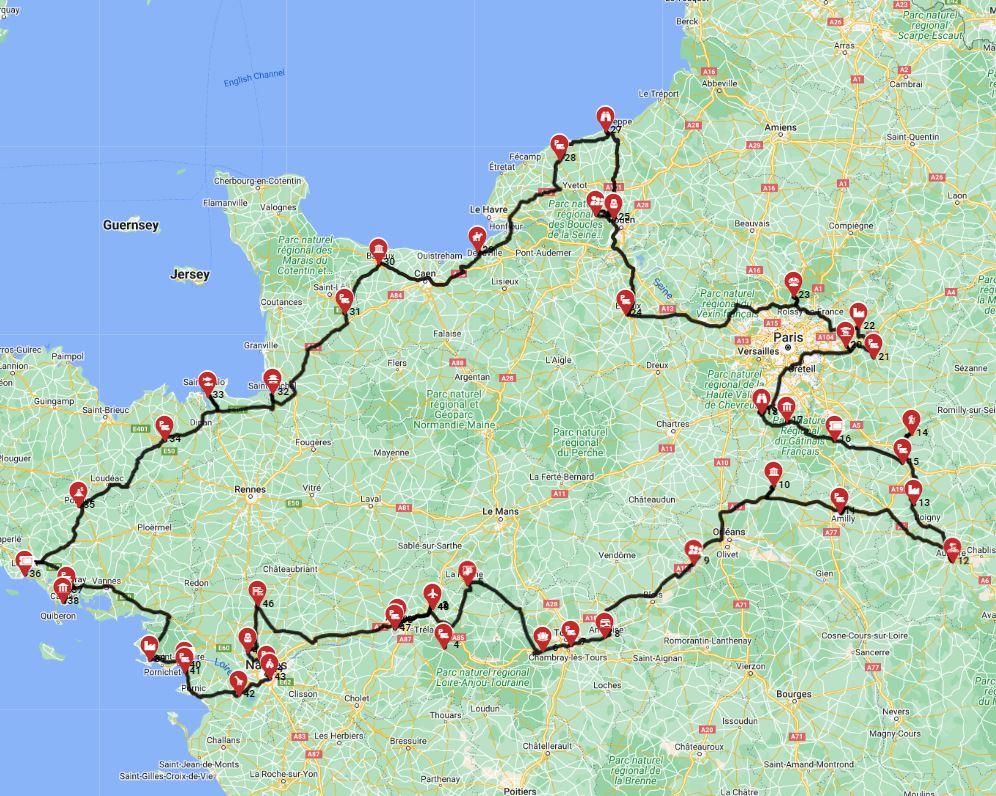
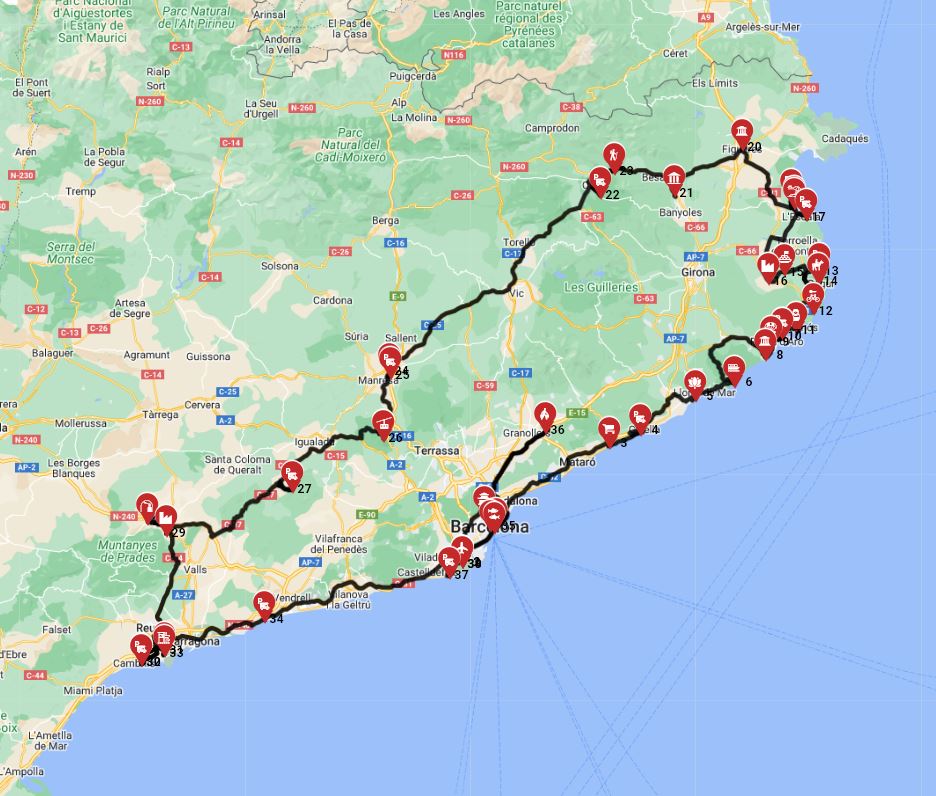
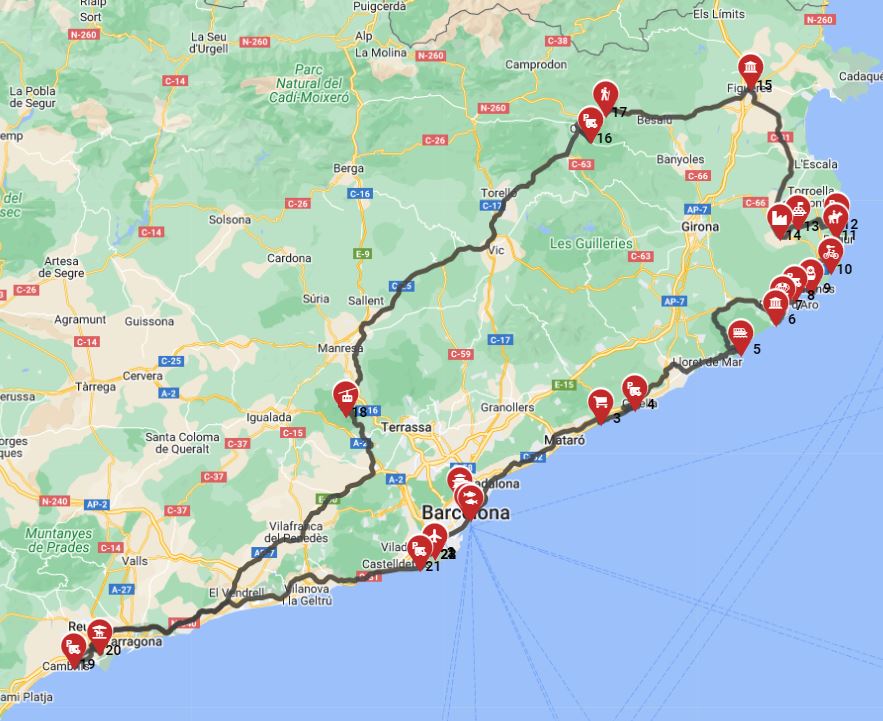
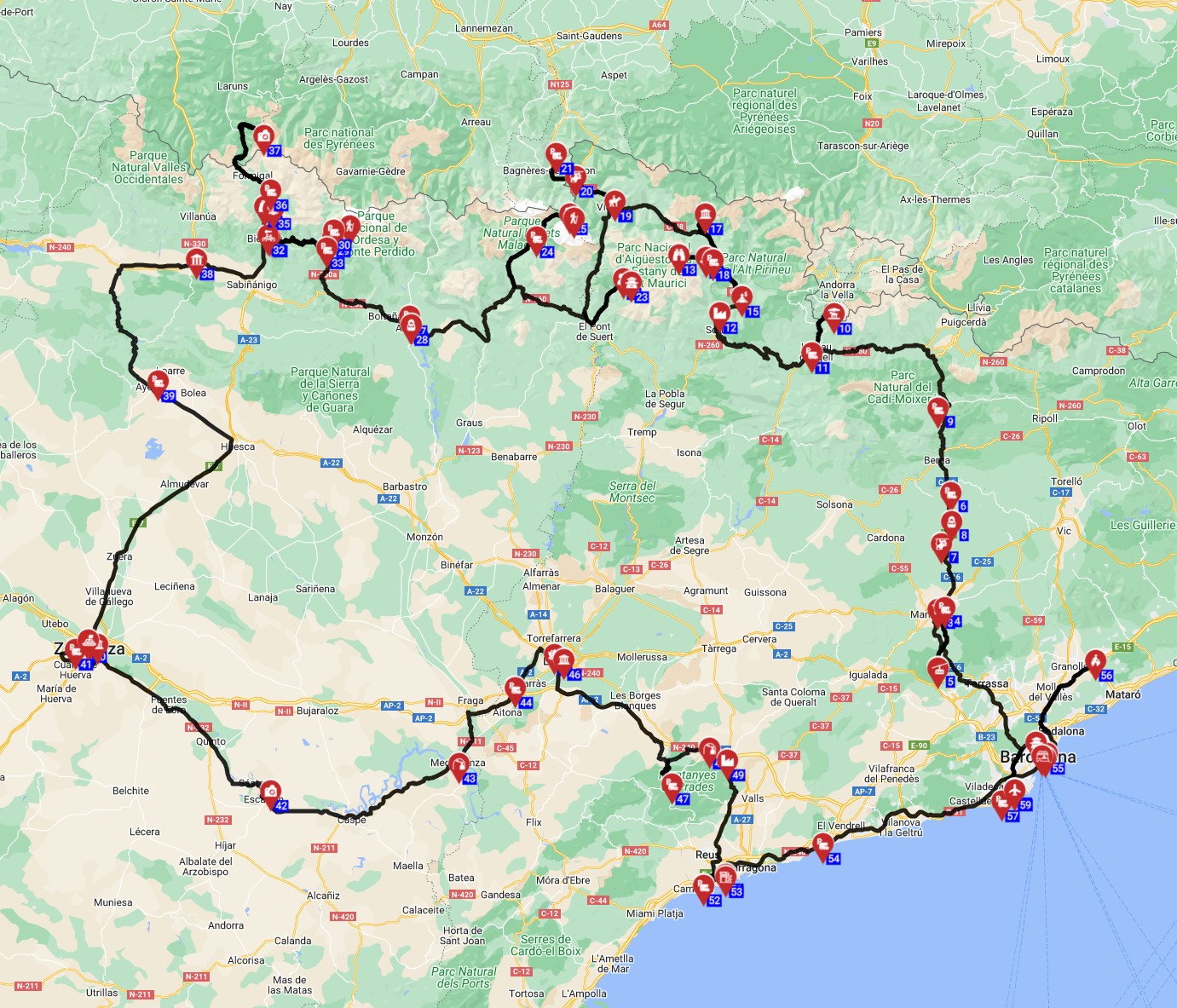
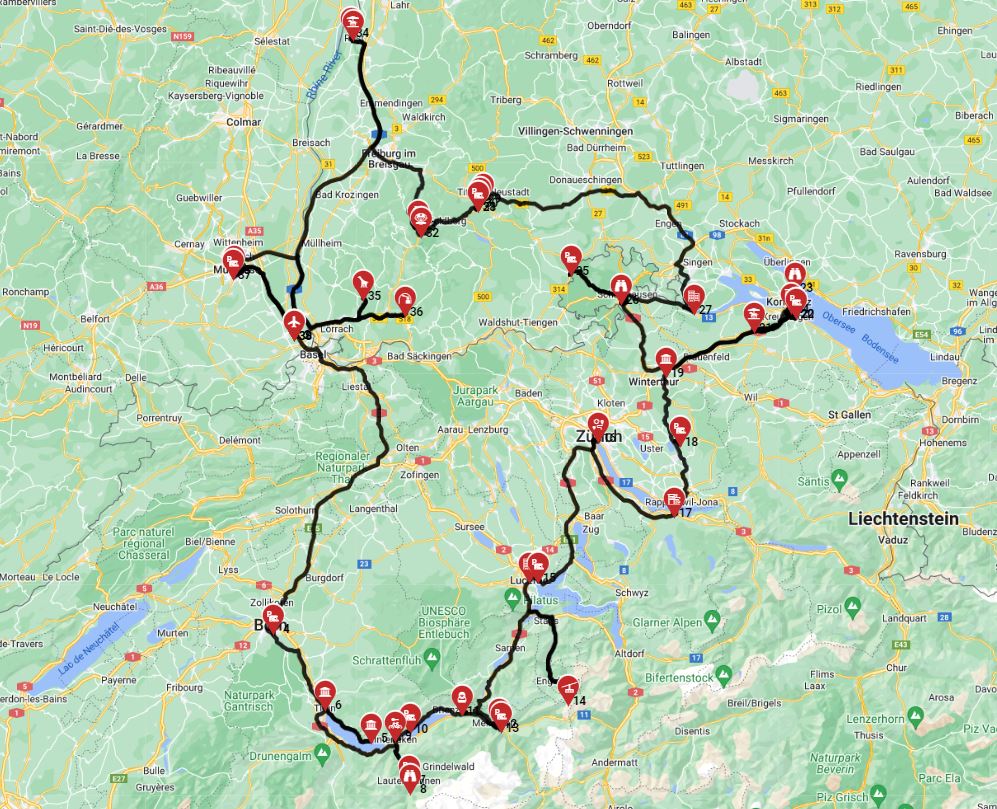
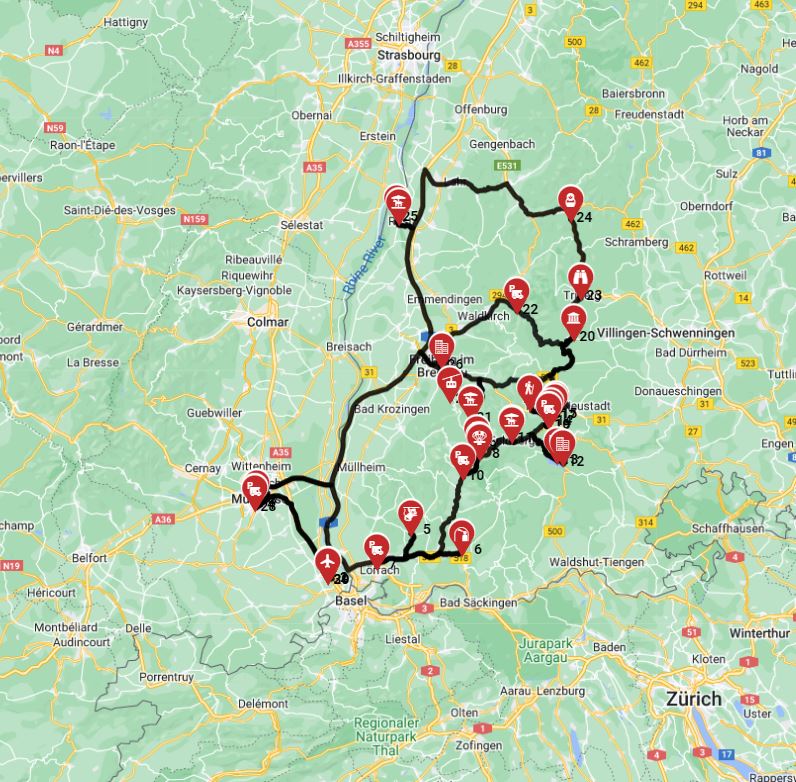
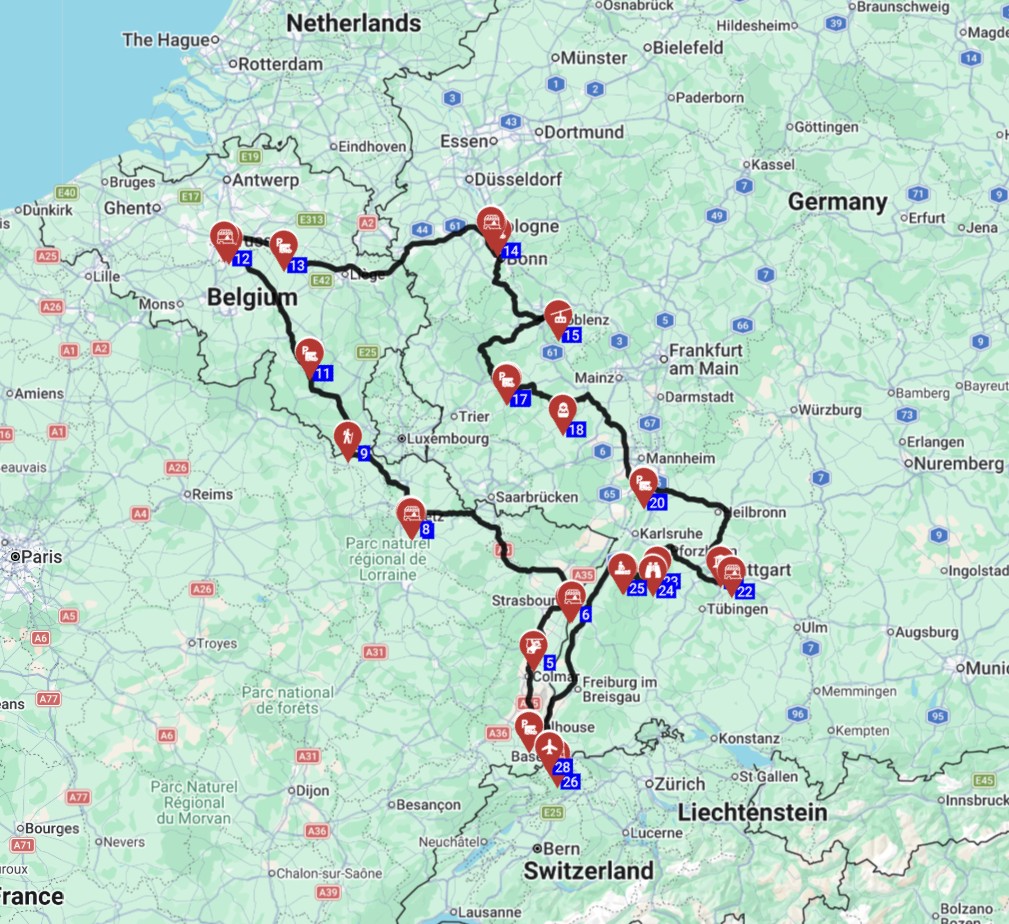
West Europe offers a breathtaking array of camping experiences, catering to every taste, from the verdant depths of Germany's Black Forest to the majestic French Alps and the sun-kissed coastlines of Portugal. When planning your RV adventure, consider the diverse regional preferences: mountainous areas are perfect for hiking and stunning vistas, coastal regions provide easy access to beaches and charming seaside towns, and tranquil rural areas offer deep cultural immersion and a slower pace of life. Popular regions that consistently draw RV enthusiasts include the dramatic Dolomites in Italy, the romantic Rhine Valley in Germany, and the rugged Atlantic coastlines of France and Spain. Each of these areas provides a unique tapestry of landscapes, local culture, and essential amenities for a comfortable and memorable journey. For those seeking a more curated experience, explore the RV PLANET routes which highlight some of the most picturesque and logistically sound paths for RV travel across the continent.
Campground Types in West Europe (National, Private, Wild)
RV camping in West Europe primarily involves staying at official national park campgrounds, a vast network of private campgrounds (often called 'Campingplatz' in Germany or 'Camping' in France and elsewhere), and a limited, though growing, availability of dedicated overnight parking areas. National park campgrounds typically provide more basic amenities, focusing on stunning natural settings and often being more budget-friendly, offering a true connection with nature. Private campgrounds, on the other hand, offer a comprehensive range of amenities, from full hookups, swimming pools, and restaurants to live entertainment and organized activities, catering to a wider spectrum of comfort preferences. While the allure of 'wild camping' or 'freedom camping' is strong, it is important to note that this practice is largely prohibited or heavily regulated in most West European countries. Outside of designated areas or without explicit landowner permission, overnighting in your RV is generally not permitted. However, many countries offer dedicated 'Stellplätze' (particularly in Germany) or 'Aires de Service' (common in France), which are designated overnight parking spots for RVs, often providing essential services like water, waste disposal, and sometimes electricity, for a nominal fee or even free of charge.
Featured RV Park or Campground in West Europe
When selecting an RV park or campground in West Europe, a balanced approach is key to ensuring a fulfilling trip. Look for establishments that offer a compelling blend of essential amenities, desirable scenic locations, and convenient access to local attractions and transportation networks. Prioritize campgrounds with a strong reputation for cleanliness, safety, and helpful, knowledgeable staff; positive reviews often highlight these crucial aspects. Many top-rated parks cater to families, frequently including playgrounds, supervised activity programs, and pet-friendly facilities, making them ideal for multi-generational travel. Furthermore, consider parks that offer direct access to hiking trails, pristine beaches, or efficient public transport links, which are invaluable for exploring nearby towns and cities without the need to drive your RV into potentially challenging urban areas. You can discover many such highly-rated locations by exploring curated itineraries and location guides, and for finding current availability and booking, we recommend using RV PLANET routes.
Hookups & Amenities — What to Expect
Most West European RV campgrounds are well-equipped to provide essential services for motorhomes and campervans. You can typically expect reliable electricity hookups, operating at a standard 230V/50Hz, with common socket types being the CEE blue plug adapter for European standard 2-pin sockets (Schuko or hybrid). Fresh water is usually readily available either at individual pitches or via central water points, and waste dump stations for both greywater (from sinks and showers) and blackwater (from toilets) are a standard feature at nearly all official campgrounds. While Wi-Fi is increasingly common, its availability, signal strength, and cost can vary, so it's wise to check in advance. Laundry facilities, communal showers, and restrooms are generally maintained to a high standard of cleanliness and are included in the typical campground fees. For those planning extensive travel, understanding the typical power requirements and adapter needs will ensure a smooth experience. On the routes offered through RV PLANET routes, you can itemize and track every expense along the way for easy budgeting.
Booking Windows & Reservations in West Europe
While the spirit of spontaneous RV travel is appealing, meticulous planners for RV camping in West Europe will find success by booking popular sites well in advance, especially during the peak season which typically runs from June through August. For highly sought-after campgrounds, particularly those located within popular tourist regions or national parks, booking 3-6 months ahead is strongly recommended to secure a spot. It's a common practice for many national park campgrounds to release only a portion of their sites, often around 25%–30%, for advance reservations, with the remainder being available on a first-come, first-served basis. This can sometimes be advantageous for spontaneous travelers, but it does carry the risk of full occupancy. For those who prefer a more flexible approach, calling ahead to confirm availability before driving to a specific campground is a reliable strategy. Rest assured, if your first choice is full, you will almost certainly find a place at a nearby option, making the journey enjoyable without undue stress. Planning your routes in advance is made easier with tools like those found on RV PLANET routes, which can help map out potential stops.
Nearby Supermarkets & Resupply Points
RV travelers in West Europe will find it remarkably easy to resupply their provisions thanks to the widespread availability of major supermarket chains. You'll commonly encounter brands like Carrefour, Lidl, Aldi, E.Leclerc, and Intermarché scattered across the region, offering a vast selection of groceries, essentials, and local delicacies. These supermarkets are typically situated on the outskirts of towns and cities, featuring ample parking spaces that are easily accessible and suitable for RVs of all sizes. For a more authentic experience and to discover fresh, local produce and unique regional specialties, seek out local markets, often referred to as 'marchés' in France or 'Wochenmärkte' in Germany, which are usually held on specific days of the week. Many fuel stations also incorporate convenience stores for quick purchases, and some larger stations even provide dedicated RV service areas, making it convenient to combine refuelling with restocking.
Best RV Class for Camping in West Europe
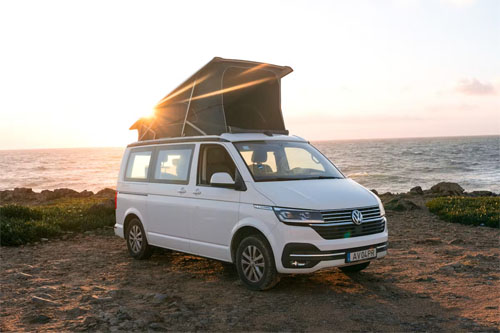
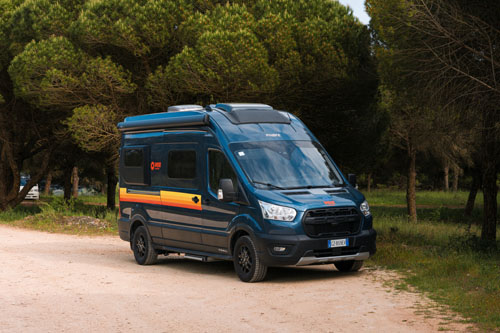
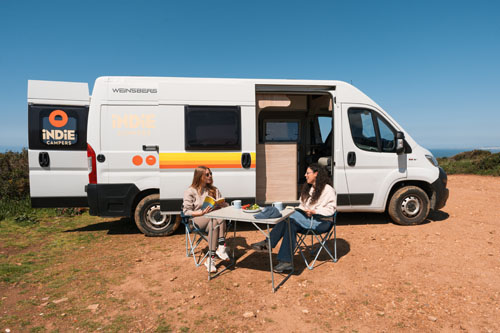
For navigating West Europe's diverse landscapes and charming, often narrow, village roads, selecting the right RV class is crucial. Class B - Camper Vans and Class SI - Semi-integrated motorhomes from Bandana's fleet are particularly well-suited for this region. The Class B - Camper Van, with an average length of 5.8 meters and typically accommodating 3.2 sleeping places, is highly recommended for its exceptional maneuverability, making it easy to handle narrow roads and park in historic city centers. Its compact size also makes it more suitable for the more adventurous 'boondocking' where permitted. Bandana's Class B camper vans are also fuel-efficient, consuming around 8-10 Liters/100 km, which is beneficial for extended travel. Alternatively, the Class SI - Semi-integrated motorhome (averaging 6.9 meters in length and accommodating 3.8 sleeping places) offers a comfortable balance of interior space and drivability, providing more amenities than a typical camper van while still remaining manageable on European roads. These semi-integrated models from Bandana's global fleet average a reasonable 10-11 Liters/100 km, striking a good balance between comfort and fuel economy. While larger Class C - Alcove (average length 7.5m) or Class A - Integrated motorhomes offer more spacious living, they can present challenges in historic city centers and on smaller country roads, requiring more careful planning and driving.
How to Save on Campgrounds in West Europe
RV travelers can significantly reduce their campground expenses in West Europe by strategically utilizing discount cards, booking during shoulder seasons, and opting for more budget-friendly municipal or regional sites. Investing in camping discount cards, such as ACSI or Camping Card International, can offer reduced rates during off-peak and shoulder seasons at thousands of participating campgrounds across the continent. Traveling during the shoulder seasons, generally from April to May and September to October, not only provides lower rates and fewer crowds but also offers pleasant weather for exploration. When choosing where to stay, consider municipal or regional campgrounds over larger private resorts; these often provide essential services at a more affordable price point. Additionally, if your itinerary allows for longer stays in one location, many campgrounds offer weekly rates that are considerably more economical than accumulating nightly bookings, making longer stops a smart way to save money.
What You Shouldn't Miss
- Drive the Romantic Road in Germany, a 460 km journey through picturesque Bavarian towns and castles, offering quintessential German charm.
- Explore the Loire Valley in France, renowned for its magnificent châteaux, vineyards, and scenic cycling routes perfect for RV exploration.
- Experience the dramatic beauty of the Swiss Alps by RV, with routes offering breathtaking mountain views and access to hiking trails.
- Discover the coastal beauty of Portugal's Algarve region, known for its stunning cliffs, golden beaches, and delicious seafood.
- Navigate the winding roads of the Italian Dolomites, a UNESCO World Heritage site offering spectacular mountain passes and unparalleled natural beauty for RV adventurers.
- Immerse yourself in the history and culture of the Netherlands by exploring its charming canals, windmills, and vibrant cities via a well-planned RV route.
Final Thoughts
Embarking on an RV adventure through West Europe offers an unparalleled way to experience the diverse landscapes and rich cultures of this captivating continent. From the historic grandeur of ancient cities to the serene beauty of its natural parks, a rented RV provides the freedom and flexibility to explore at your own pace. Remember to plan ahead for popular seasons and locations, but also leave room for spontaneous discoveries along the way. The ease of access to amenities and the well-developed infrastructure for RV travel make West Europe an incredibly rewarding destination for both first-time renters and seasoned adventurers.
At Bandana Caravan, we are passionate about empowering your travel dreams. We encourage you to explore our comprehensive resources, compare rental options with confidence, and begin planning your unforgettable West European RV journey today. With our commitment to transparency and support, your adventure is in good hands. Get inspired for your next trip and discover top destinations and planning tips all in one place!
Ready to hit the road? Compare motorhome prices for West Europe and check availability now to start planning your dream vacation.