In This Guide
- Where to Camp in Turkey - Top Options
- Campground Types in Turkey (National, Private, Wild)
- Featured RV Park or Campground in Turkey
- Hookups & Amenities - What to Expect
- Booking Windows & Reservations in Turkey
- Nearby Supermarkets & Resupply Points
- Best RV Class for Camping in Turkey
- How to Save on Campgrounds in Turkey
- How can RVers experience authentic cultural immersion in Turkey?
- What are sustainable RVing practices for traveling in Turkey?
- What are the best connectivity and tech options for RVers in Turkey?
- What are the regional challenges and specificities for RV travel in Turkey?
- How can I optimize my budget for RV travel in Turkey?
- What's involved in preparing and shipping your own RV to Turkey?
- How can I connect with the local RV (Karavan) community in Turkey?
- What are essential safety and security tips for RVing in Turkey?
- What You Shouldn't Miss
- Why Book with Bandana Caravan
- Final Thoughts
- Frequently Asked Questions
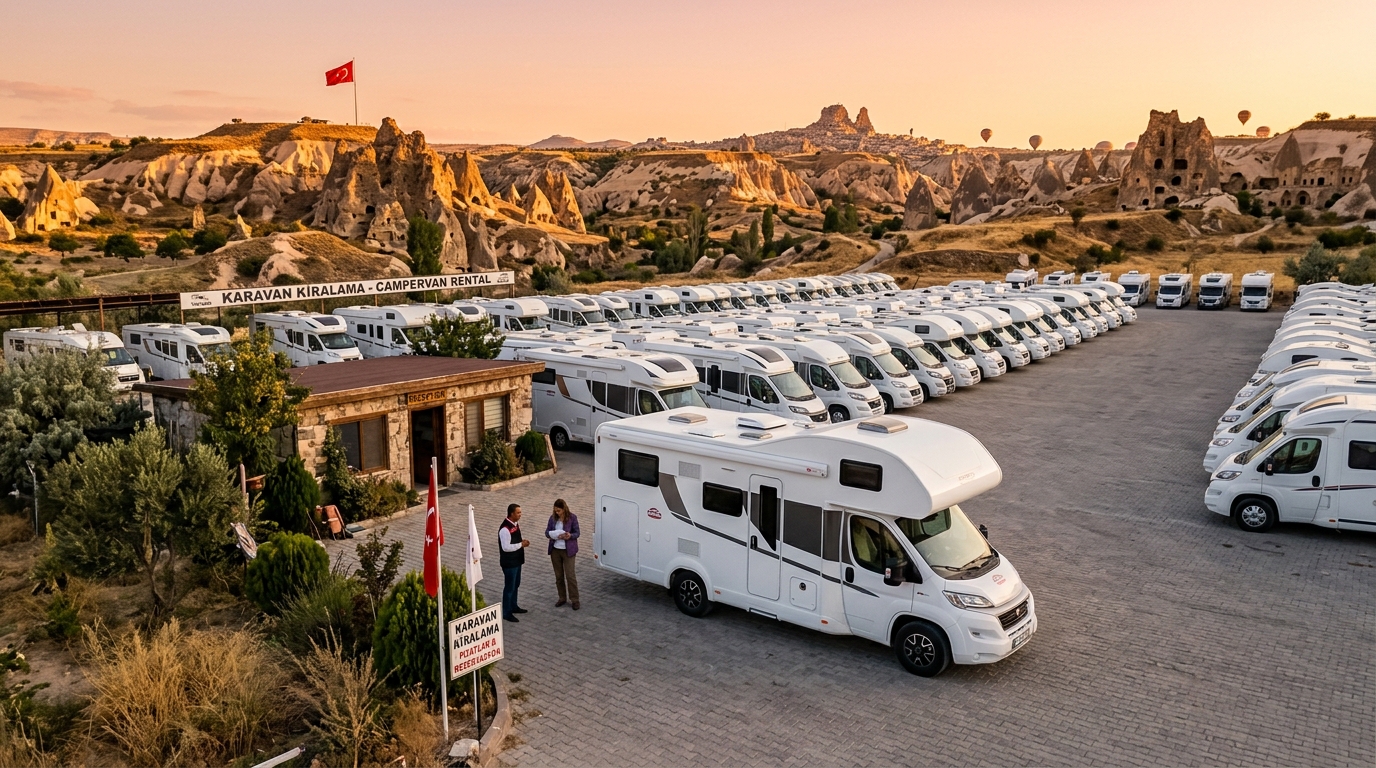
Turkey offers an exceptional adventure for motorhome travelers, blending rich history, diverse landscapes, and warm hospitality. Imagine waking up to the gentle lapping of waves on the Mediterranean coast, or parking your rental campervan amidst the ancient fairy chimneys of Cappadocia as hot air balloons drift silently overhead. For those considering an extended road trip, our RV Rental Turkey - Complete Guide 2026 provides an excellent starting point for planning your adventure.
Where to Camp in Turkey - Top Options
Coastal regions like Antalya and Muğla provide numerous private campgrounds with stunning sea views and extensive facilities, making them top options for RV camping in Turkey. For instance, Kaş Camping in Antalya is renowned for its direct beach access and serene environment. Moving inland, areas near Cappadocia offer unique camping experiences amidst historical sites and geological formations, with some campgrounds providing shuttle services to hot air balloon launch sites. Many national parks across Turkey, such as Yedigöller National Park or Dilek Peninsula-Büyük Menderes Delta National Park, allow designated camping within their scenic boundaries, offering a chance to immerse yourself in nature. These locations are perfect for slow travel, allowing you to spend more than just a night or two and truly connect with the local environment and culture.
Campground Types in Turkey (National, Private, Wild)
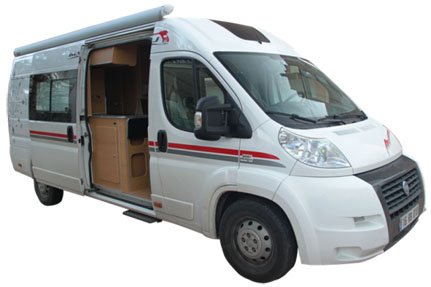
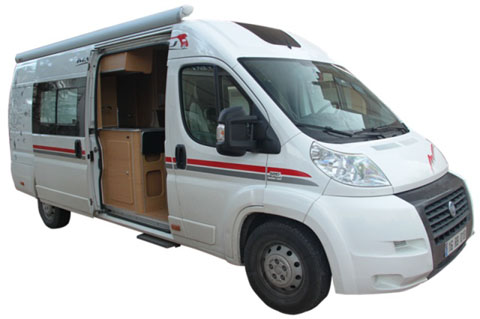
Turkey offers three primary types of campgrounds for rented motorhomes and campervans: National Park Campgrounds, Private Campgrounds, and options for Wild Camping. National Park Campgrounds provide basic facilities, emphasizing natural beauty, and often require permits or fees for legal and designated spots. For example, sites within Saklıkent National Park offer a rugged, back-to-nature experience. Private Campgrounds, on the other hand, range from basic to luxurious, providing a full spectrum of amenities including electric hookups, fresh water, showers, laundry facilities, and sometimes even restaurants or swimming pools, with prices varying accordingly. For live availability and current prices, start with our RV Rental Turkey - Complete Guide 2026 guide. Wild camping, also known as boondocking, is generally tolerated in remote, non-protected regions, especially when practiced with discretion and respect for local customs; however, always avoid private land without explicit permission. When exploring more remote areas, a smaller campervan like Bandana's Class B "Active Classic" with its compact size and efficient fuel consumption can make navigating easier and provide greater access to secluded spots.
Featured RV Park or Campground in Turkey
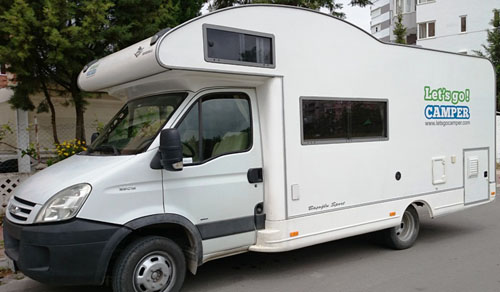
When selecting a featured RV park in Turkey, prioritize options that seamlessly blend natural beauty with essential amenities, such as those situated near popular tourist destinations or along the stunning coastlines. For example, the Olympos Mocamp in Çıralı is a highly-rated private campground near ancient Olympos and the eternal flames of Chimera, offering a perfect blend of nature and history. Ideal parks will provide reliable 220-240V electric hookups, fresh water access, grey and black water disposal stations, and often additional comforts like Wi-Fi, laundry facilities, and on-site eateries. Many top campgrounds also feature direct beach access, organize local tours, or offer family-friendly activities, significantly enhancing the overall RVing experience in Turkey. Whether you choose a Class C motorhome like the "Family Standard" for a family of 2+2 or a cozy campervan for a couple, the right campground amenities can elevate your Turkish road trip.
Hookups & Amenities - What to Expect
Most private campgrounds in Turkey offer 220-240V electric hookups, typically utilizing European-style two-pin (Type F) sockets, so international RVers may need appropriate adapters. Fresh water connections are generally available, and the majority of campgrounds provide designated grey and black water dump stations for proper waste disposal. Wi-Fi availability and reliability can vary significantly across the country; while some private campgrounds offer free or paid Wi-Fi, coverage can be inconsistent, especially in more remote or rural areas. Additional amenities such as hot showers, flush toilets, and laundry facilities are common in private campgrounds, whereas national park sites tend to be more basic, often requiring a degree of self-sufficiency. For finding campsites and campgrounds during your trip, we recommend using RV PLANET (rvplan.net) - a great resource for locating available spots along your route. On the routes offered through RV PLANET routes, you can itemize and track every expense along the way for easy budgeting.
Booking Windows & Reservations in Turkey
For popular destinations or during peak season (June-August) in Turkey, pre-planners should aim to book private campground spots several weeks or even months in advance to secure their preferred location and potentially benefit from early bird discounts as mentioned in "RV Rental Deals in Turkey - Latest Offers 2026". Spontaneous travelers, however, will often find accommodations for same-day or next-day bookings at many campgrounds, particularly outside of peak season or in less frequented areas. It's helpful to know that many national park campgrounds in Turkey typically release only 25%-30% of their spots for advance reservations, leaving the majority available on a first-come, first-served basis, providing flexibility. You will almost certainly find a place—if not at the first campground, then the next one. Always call ahead before driving a long distance, especially for smaller or more remote sites, to confirm availability.
Nearby Supermarkets & Resupply Points
Major supermarket chains like Migros, CarrefourSA, and Şok are widely distributed across Turkey, making it straightforward for RVers to resupply provisions even in smaller towns. You'll find these easily accessible from main roads and near urban centers. Local markets, known as 'pazarlar,' offer an excellent opportunity for cultural immersion and budget-friendly shopping, providing an abundance of fresh produce, regional cheeses, olives, and traditional baked goods that are perfect for cooking in your rental motorhome. Smaller local grocery stores, called 'bakkal,' are found in nearly every village and are convenient for quick necessities, though their selection may be more limited than larger supermarkets. Remember to factor in these resupply stops when planning your journey to keep your onboard fridge stocked with delicious ingredients. If you're looking for inspiration on what to cook, check out our RV-friendly recipes playlist.
Best RV Class for Camping in Turkey
Class B - Camper Vans are highly recommended for camping in Turkey due to their compact size, with Bandana's fleet averaging 5.8m in length, making them ideal for navigating narrow village roads and accessing remote boondocking spots. Vehicles like Bandana's "Active Classic" offer agility for Turkey's diverse terrains. Class SI - Semi-integrated RVs, averaging 6.9m in length, offer a good balance of comfort and maneuverability, suitable for both established campgrounds and some off-grid adventures. Larger RVs like Class C (averaging 7.5m) or Class A (averaging 7.5m) provide more living space but may face challenges on unpaved or winding mountain roads, potentially limiting access to certain scenic areas. Consider fuel efficiency: Bandana's Class B camper vans typically consume 8-10 Liter/100 km, while larger Class C vehicles are in the 10-12 Liter/100 km range, impacting your overall travel budget in Turkey. Regardless of size, drive slowly and carefully, and you can drive almost anywhere without issues. No need to stress - just use common sense and pay attention.
How to Save on Campgrounds in Turkey
To save money on campgrounds in Turkey, savvy RVers can utilize Bandana's campground discount cards, which often provide significant savings at participating RV parks and campsites, reducing nightly rates by 10-20%. Traveling during the shoulder seasons (spring and autumn) is another effective strategy, as you benefit from lower campground rates and fewer crowds compared to the peak summer months of July and August. Opting for municipal or regional campgrounds over private luxury resorts will typically yield more budget-friendly prices while still providing essential facilities like water and electricity. Always inquire about weekly or long-stay rates, as many campgrounds offer discounts for stays of 3 nights or more, providing substantial savings for extended trips. If traveling with friends, consider sharing hookups with another RV if permitted, which can effectively split utility costs and reduce individual expenses. For a deeper dive into managing your travel expenses, check out our "Budget RV Tips for Turkey - Save Money 2026" guide.
How can RVers experience authentic cultural immersion in Turkey?
To experience authentic cultural immersion, RVers in Turkey should actively engage with local communities by visiting village markets ('pazarlar'), attending regional festivals, and trying roadside eateries for traditional cuisine. Seek out local 'lokantas' (small, traditional restaurants) for genuine Turkish food, which often provide incredible value and a taste of local life. Do not hesitate to interact with shopkeepers or fellow travelers, using basic Turkish phrases like "Merhaba" (hello) or "Teşekkür ederim" (thank you). Participate in unique culinary experiences, such as informal cooking classes offered by locals in rural areas, or safely forage for wild herbs with expert guidance in designated regions. Consider visiting a local hammam (Turkish bath) or joining a tea garden for a glimpse into daily Turkish life and an opportunity to connect with residents beyond major tourist hubs like Istanbul or Antalya. Traveling slowly, perhaps 100-150 km per day on average, allows ample time to feel the place, connect to the culture, the food, and the scenery, making your RV rental trip truly meaningful. For budgeting these unique experiences, remember that RV PLANET routes allow travelers to itemize and track every expense along the way.
What are sustainable RVing practices for traveling in Turkey?
Sustainable RVing in Turkey involves diligently practicing 'Leave No Trace' principles by properly disposing of all waste in designated bins, using eco-friendly products, and actively conserving water throughout your journey. Be mindful of your environmental footprint, especially when visiting delicate ecosystems like national parks or coastal areas. Support local economies responsibly by purchasing goods directly from small businesses, farmers' markets, and artisan shops rather than relying on large, international chains. This not only helps local communities but also provides you with authentic, high-quality products. Minimize your environmental impact by respecting natural habitats, staying on marked roads and trails, and avoiding disturbing local flora and fauna, particularly in protected areas. Utilize grey and black water dump stations only, and never discharge waste into natural environments, adhering strictly to local waste management and environmental protection guidelines to preserve Turkey's beautiful landscapes for future generations.
What are the best connectivity and tech options for RVers in Turkey?
For reliable internet connectivity, purchasing a local SIM card from major providers like Turkcell, Vodafone, or Türk Telekom upon arrival is essential, offering affordable data packages throughout Turkey. You can typically find these at airports or in larger towns, with competitive rates for weekly or monthly plans. Internet reliability on the road can vary significantly; urban areas and major tourist routes generally have good 4G coverage, but remote mountainous or coastal regions may have limited or no signal, so plan for intermittent connectivity. RV power hookup types in Turkey are typically European standard (220-240V with two-pin Type F sockets), so ensure you have appropriate adapters and converters for your appliances. Useful apps for navigation include Google Maps or offline map apps like Maps.me, while iOverlander or Park4Night can effectively help locate campsites, water, and dump stations, making your rented motorhome adventure smoother and more connected.
What are the regional challenges and specificities for RV travel in Turkey?
Navigating narrow village roads and winding mountain passes, particularly in regions like the Black Sea coast or Eastern Anatolia, can be particularly challenging for larger Class C or Class A RVs. Drive slowly and carefully, and you can drive almost anywhere without issues. No need to stress - just use common sense and pay attention. Be aware of specific mountain pass challenges, especially outside of summer, which may involve unexpected snow or ice and necessitate careful driving; always check local weather conditions. Ferry travel logistics for RVs, such as routes across the Dardanelles or to specific islands like Gökçeada, should be researched well in advance for schedules, vehicle capacity, and booking requirements, as some smaller ferries may have limitations. Regional wildlife, including stray dogs, cats, or agricultural animals, can be present on roads, requiring attentive driving, especially during dawn, dusk, or at night. Beyond general driving laws (Turkey drives on the right), be mindful of unique local legalities, such as restrictions on wild camping in certain protected areas or cultural norms regarding parking near religious sites. For detailed regional route planning, explore the professionally crafted itineraries and route plans available through RV PLANET (rvplan.net).
How can I optimize my budget for RV travel in Turkey?
Beyond rental and fuel costs, you can optimize your budget for RV travel in Turkey by regularly shopping at local food markets ('pazarlar') for fresh, affordable produce and cooking meals in your rented RV, significantly reducing dining expenses. Consider preparing easy RV-friendly recipes playlist to further manage costs. Research activity costs in advance, prioritizing free or low-cost natural attractions like hiking trails, ancient ruins, or public beaches over expensive organized tours. Be aware of potential hidden fees, such as toll road charges (often managed via an HGS sticker, available at post offices), entrance fees to national parks, or local tourism taxes at some campgrounds. Strategies for saving money specific to RV travel include utilizing free overnight parking spots where permitted (after seeking local permission), taking advantage of shoulder season rates, and self-catering whenever possible. For a comprehensive overview of costs, refer to our "RV Rental in Turkey - Prices and Best Deals 2026" guide. To keep track of all your trip costs, remember that RV PLANET routes allow travelers to itemize and track every expense along the way for easy budgeting.
What's involved in preparing and shipping your own RV to Turkey?
Shipping your own RV to Turkey involves navigating complex customs procedures, requiring extensive documentation including proof of ownership, an International Driving Permit (IDP) - which is recommended though not always mandatory for non-English speaking licenses - and temporary import permits. It's crucial to understand that a standard car driver's license is sufficient for driving all motorhome classes (Class A, Class B, Class C) in Turkey, but your home country's license should be translated or an IDP obtained. Consider necessary vehicle modifications to comply with Turkish road regulations and for comfort in local conditions, such as robust tires for varied terrain or additional solar panels for boondocking. Carry essential spare parts specific to your RV model and thoroughly research maintenance resources on the road, as specialized foreign vehicle services might be limited outside major cities. It is highly advisable to consult a freight forwarder specializing in vehicle transport to manage the complex logistics, extensive paperwork, and associated costs of international shipping.
How can I connect with the local RV (Karavan) community in Turkey?
To connect with the local 'Karavan' (RV) community in Turkey, utilize online forums, Facebook groups focused on Turkish RV travel, and local camping apps where members frequently share tips and organize meet-ups. Platforms like "Kamp ve Karavan Türkiye" on Facebook are popular starting points. Visiting popular private campgrounds or national park camping areas, especially during weekends or public holidays, significantly increases opportunities to meet local RVers who are often eager to share their experiences and offer advice. Attending RV and outdoor leisure exhibitions held in major Turkish cities, often announced on local tourism calendars, can also be a great way to engage with the community and gather valuable insights. Many Turkish RVers are known for their hospitality; a friendly greeting or offering assistance can open doors to invaluable local advice, shared experiences, and potential friendships, making your extended road trip even more enriching.
What are essential safety and security tips for RVing in Turkey?
Essential safety and security for RVing in Turkey includes always securing your rented RV by locking all doors and windows, especially when parked overnight or leaving it unattended. Always choose well-lit, populated areas or official campgrounds for overnight stays whenever possible, as you would in any unfamiliar destination. Be aware of specific regional precautions; while Turkey is generally safe for travelers, exercise caution in isolated or very remote areas and always trust your instincts regarding parking locations. Familiarize yourself with emergency services access: dial 112 for all emergencies (ambulance, fire, police), and keep a local emergency number list handy, perhaps near your driving position. Overcome potential language barriers in critical situations by having a translation app ready or learning a few key Turkish phrases for emergencies, such as 'yardım edin' (help me) or 'doktor' (doctor). You can upgrade to a top-level deductible for extra peace of mind, knowing you're well-covered in case of unforeseen incidents. Your safety is paramount, and Bandana is here to support you with reliable comparisons and booking support before, during, and after your trip planning.
What You Shouldn't Miss
- Explore Cappadocia's Fairy Chimneys: Witness the surreal landscape of Göreme and Ürgüp from your motorhome, then embark on a hot air balloon ride at sunrise for an unforgettable aerial perspective.
- Drive the Mediterranean Coast (D400 Highway): Take a slow, scenic journey along the Turquoise Coast from Antalya to Muğla, stopping at hidden coves, ancient ruins like Phaselis, and charming fishing villages for fresh seafood.
- Visit Pamukkale's Cotton Castle: Marvel at the stunning white travertine terraces and swim in the ancient Roman thermal pools at Hierapolis, easily accessible with your rented campervan.
- Discover the Ancient City of Ephesus: Step back in time among the remarkably preserved ruins of this once-great Roman city, including the Library of Celsus and the Grand Theater.
- Relax at a Thermal Spa: Utilize Turkey's abundant thermal springs by camping near spa towns like Pamukkale or Afyon, combining natural relaxation with your RV adventure.
- Experience Local Markets: Immerse yourself in the vibrant atmosphere of a traditional 'pazar' in a small town, interacting with locals and sampling regional delicacies for an authentic taste of Turkey.
Looking for expert insights from Avi Bandana? Top 5 Adventures - recommendations from Avi Bandana
🎬 Video coming soon
Final Thoughts
Exploring Turkey by rented RV is an experience unlike any other, offering the freedom to roam from stunning coastlines to ancient wonders at your own pace. With a little planning and our expert guidance, you'll discover why a motorhome adventure in this incredible country is so rewarding. Embrace the open road, savor the local flavors, and let the magic of Turkey unfold around you.
Whether you dream of a week-long trip exploring the Aegean, or an extended road trip across Anatolia, the possibilities are endless with a comfortable campervan or motorhome. We handle the details, you live the journey, ensuring your focus remains on the adventure ahead. Start planning your unforgettable RV camping trip in Turkey today!
Find your perfect adventure and check Turkey RV Rental Prices Now to begin your journey.