In This Guide
- Where to Camp in Tokyo - Top Options
- Campground Types in Tokyo (National, Private, Wild)
- Featured RV Park or Campground in Tokyo
- Hookups & Amenities - What to Expect
- Booking Windows & Reservations in Tokyo
- Nearby Supermarkets & Resupply Points
- Best RV Class for Camping in Tokyo
- How to Save on Campgrounds in Tokyo
- What is the detailed cost breakdown for an RV trip in Tokyo?
- What are the best RV-friendly itineraries for seniors visiting Tokyo?
- What cultural etiquette should RVers know in Japan?
- How can seniors integrate RV travel with Tokyo's public transport?
- What RV size is best for seniors in Tokyo and what navigation tools are essential?
- How can seniors prepare for emergencies while RVing in Japan?
Embarking on a motorhome adventure in Tokyo as a senior traveler offers a unique blend of urban exploration and serene escapes. Imagine waking up to the gentle rustle of leaves outside your rented campervan, enjoying a freshly brewed coffee, and then effortlessly transitioning to the vibrant energy of Tokyo's city center. At Bandana Caravan, we believe RV travel should be accessible and enjoyable for everyone, including senior adventurers seeking comfort and flexibility.
For live availability and current prices, start with our RV Rental Tokyo - Complete Guide 2026 guide. We are true RV specialists, not just a side department of a generic travel agency, and our 25+ years of experience helping tens of thousands of travelers means we understand the nuances of RV travel, particularly in a destination as unique as Japan. Our commitment to full transparency means you'll never encounter hidden fees or surprises when booking your Tokyo RV rental through us.
Where to Camp in Tokyo - Top Options
Camping near Tokyo for seniors often involves locations slightly outside the immediate city center, providing a peaceful balance of nature and easy accessibility to urban attractions. Options typically include campgrounds situated in the nearby Saitama, Kanagawa, or Chiba prefectures, such as those near the picturesque Tama River or within the Chichibu-Tama-Kai National Park region, which offer lush green spaces perfectly suited for your rented RV. Consider areas like Lake Sagami in Kanagawa Prefecture or various well-maintained parks along Tokyo's western fringes for RV-friendly camping spots that allow for convenient day trips into the bustling city. These peripheral locations mean less stress driving your motorhome in heavy city traffic and easier parking.
Campground Types in Tokyo (National, Private, Wild)
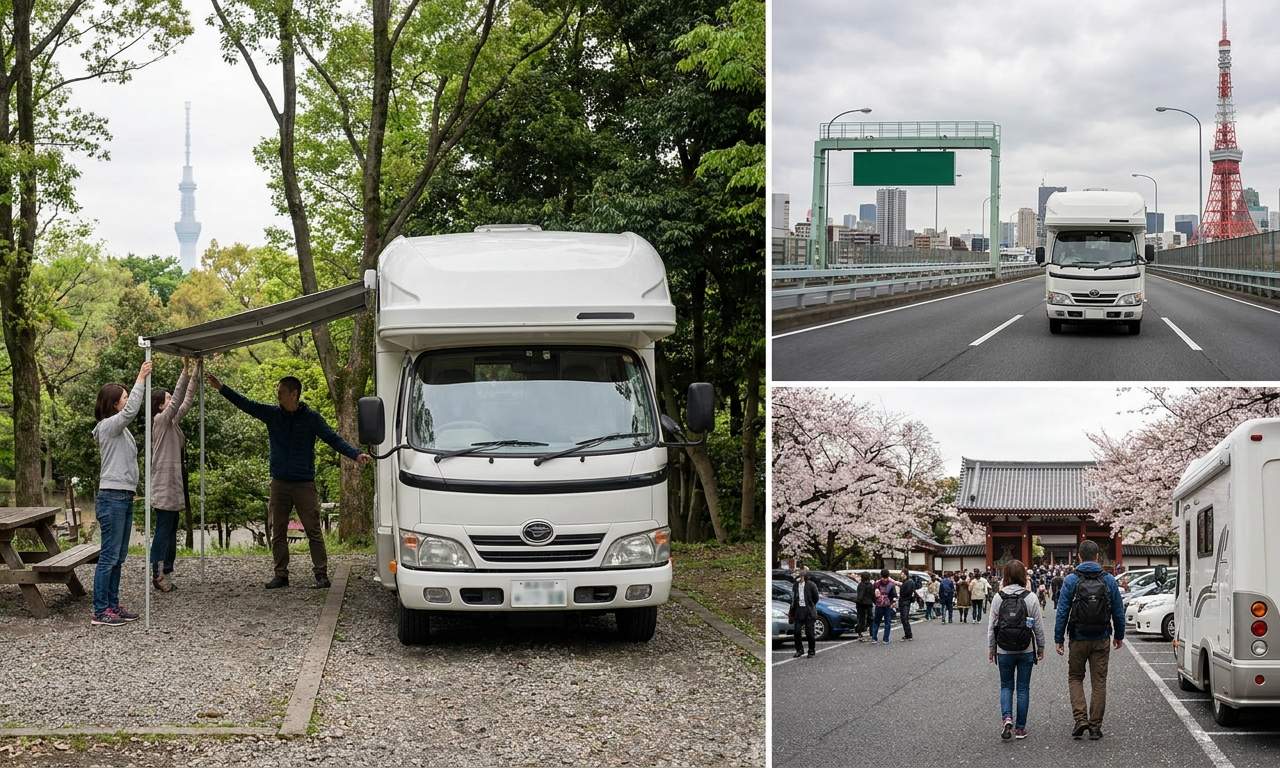
In and around Tokyo, seniors will primarily discover a convenient mix of private and municipal campgrounds, with larger national park campgrounds generally located further afield. Private campgrounds, often found a short drive from the city, boast a range of amenities such as modern showers, laundromats, and essential electrical hookups, specifically catering to travelers seeking a comfortable and well-serviced stay in their rented camper. Municipal or prefectural campgrounds, sometimes integrated into parks or natural areas on the city's outskirts, typically offer more basic facilities at lower costs, perfect for those on a RV PLANET routes to track and manage their budget. While wild camping, often referred to as 'boondocking,' is broadly prohibited in Japan, especially within urban or residential zones, 'Michi-no-Eki' (roadside stations) frequently permit overnight parking for your motorhome, though they generally discourage setting up extensive camping gear outside the vehicle.
For more insights into balancing costs with comfort, exploring our "Cheap RV Rental in Tokyo - Budget Guide 2026" could provide valuable tips.
Featured RV Park or Campground in Tokyo
While dedicated RV parks directly within Tokyo's dense urban core are rare due to space constraints, seniors can discover well-equipped private campgrounds just outside the city that provide essential amenities for a comfortable stay. A good featured RV park or campground suitable for seniors in the Tokyo vicinity would ideally offer paved, level sites for easy parking, accessible washrooms with hot water, reliable power hookups (Japan uses 100V with Type A/B outlets), and convenient proximity to public transportation for seamless city excursions. Look for facilities that are known to cater to longer stays, often including laundry facilities, small on-site shops for necessities, and staff or information available in English, making the experience smoother for international travelers. These amenities enhance the peace of mind that comes with a premium RV rental experience.
Hookups & Amenities - What to Expect
RV campgrounds in Japan, especially those accommodating senior travelers, typically offer essential hookups like electricity and fresh water, alongside basic amenities such as dump stations, clean restrooms, and showers. It's crucial to remember that electricity in Japan operates at 100V with standard Type A/B outlets; therefore, international RVers will need to bring appropriate adapters and verify their appliances are compatible with this voltage to prevent any electrical issues. Many campgrounds further enhance comfort and convenience for longer stays by providing shared facilities including laundry rooms, communal kitchens for preparing meals, and Wi-Fi access. Dump stations are readily available for proper grey and black water disposal, and fresh water refills are usually accessible at designated points throughout the campground. Planning your meals in your motorhome's kitchen is a great way to save money and enjoy local ingredients. Check out our RV-friendly recipes playlist for inspiration! On the routes offered through RV PLANET routes, you can itemize and track every expense along the way for easy budgeting.
Booking Windows & Reservations in Tokyo
For seniors planning an RV trip to Tokyo, securing campgrounds and RV parking spots well in advance is highly recommended, especially during peak travel seasons like the cherry blossom viewing (spring), vibrant autumn foliage, or major public holidays. Many popular campgrounds, particularly those near national parks or scenic areas, frequently release reservation slots several months ahead of time, with sometimes only 25-30% of spots available for advance booking; the remaining spots are often allocated on a first-come, first-served basis. While spontaneous travelers might occasionally find last-minute availability at less popular locations or during off-peak times, it is always a prudent strategy for seniors to call ahead and confirm availability before driving to ensure a comfortable and stress-free experience. Utilizing online booking platforms or consulting with a dedicated RV rental platform like Bandana Caravan can simplify the process, helping to bridge any potential language barriers. Remember, prices are dynamic, much like flight tickets, changing daily based on availability and seasonality, so early booking is often advantageous for RV Rental Deals in Tokyo - Latest Offers 2026.
Nearby Supermarkets & Resupply Points
Seniors renting a motorhome near Tokyo will find numerous supermarkets and convenience stores for convenient resupply, with major chains such as Aeon, Ito-Yokado, and Seiyu, alongside smaller local stores, easily accessible from most camping areas. When planning your route, look for large shopping centers often located outside the immediate city center, as these typically provide ample parking suitable for RVs and a wide selection of groceries, fresh produce, and delicious prepared foods. Ubiquitous convenience stores like 7-Eleven, FamilyMart, and Lawson are found across Japan, offering quick options for snacks, drinks, and basic necessities 24/7, though RV parking at these smaller establishments might be limited. Being well-stocked in your rented RV allows for greater flexibility and comfort throughout your journey.
Best RV Class for Camping in Tokyo
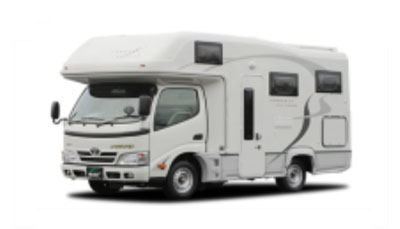
For seniors navigating Tokyo and its surrounding areas, a compact 'Class C - Alcove' RV is often the most suitable choice due to Japan's narrower roads and smaller parking spaces. This vehicle type, like many offered through Bandana's partners such as El Monte and Apollo, provides a balance of interior comfort and maneuverability. Bandana's local fleet in Tokyo includes Class C - Alcove RVs with an average length of 5 meters, which are perfectly sized for Japanese roads while still comfortably sleeping up to 6 people, making them ideal for 3 adults seeking space. This size offers a great balance of living space for comfort and ease of driving, making it less stressful for seniors to operate and park compared to larger vehicles, whether at campgrounds or when utilizing park-and-ride options to explore central Tokyo. For those interested in more premium options, our guide to "Luxury RV Rental in Tokyo - Premium Prices 2026" might be helpful.
Drive slowly and carefully, and you can drive almost anywhere in Tokyo without issues, regardless of RV size. No need to stress - just use common sense and pay attention to road signs and local traffic patterns.
How to Save on Campgrounds in Tokyo
Seniors can significantly reduce their campground costs in Tokyo by leveraging rental company discount cards, choosing to travel during the shoulder seasons, and opting for municipal or regional campgrounds over more expensive private resorts. Inquire about weekly rates, as many campgrounds offer discounts for stays of three nights or more, providing a cost-effective option for extended trips. Traveling during the shoulder seasons (e.g., late spring or early autumn, avoiding major holidays) often results in lower rates and fewer crowds, greatly enhancing the overall travel experience. While less common, some larger campsites might allow sharing hookups if traveling in a group, potentially splitting utility costs among companions. Utilizing resources like RV PLANET (rvplan.net) can also help you find budget-friendly spots and manage your spending. For further budgeting advice, refer to "RV Rental in Tokyo - Prices and Best Deals 2026".
What is the detailed cost breakdown for an RV trip in Tokyo?
A detailed cost breakdown for a rented RV trip in Tokyo for seniors typically includes motorhome rental fees, fuel, tolls, parking, and campground expenses, alongside an allowance for public transport and meals. RV rental costs are dynamic, varying based on the Class (e.g., a 5-meter Class C), rental duration, and season; a week-long trip could range from approximately ¥100,000 to ¥250,000 depending on these factors. Fuel costs should account for Japan's gas prices, which are generally around ¥170 per liter, and your RV's consumption rate (e.g., a Class C might get 8-11 liters/100 km). Tolls on expressways are common and can add up quickly, with a round trip to popular Hakone from Tokyo costing around ¥5,000 in tolls for a standard car, and potentially more for a larger RV, so budgeting for these is essential. Parking fees in urban areas are typically charged hourly (¥300-¥600/hour) or daily (¥2,000-¥5,000), while campground fees range from ¥2,000-¥6,000+ per night depending on amenities and location. Michi-no-Eki parking is usually free for overnight stays, but services like hookups are limited. Factor in public transport fares if planning to use park-and-ride strategies to explore Tokyo's city center, which can be an economical way to save on expensive city parking (a Suica or Pasmo card is recommended for ease of use). For a comprehensive overview of expenses, our RV PLANET routes allow travelers to itemize and track every expense along the way for easy budgeting.
What are the best RV-friendly itineraries for seniors visiting Tokyo?
The best RV-friendly itineraries for seniors visiting Tokyo strategically balance city exploration with scenic day trips, thoughtfully incorporating RV-friendly parking and efficient public transport integration. A practical 3-5 day itinerary could involve parking your rented motorhome at a peripheral campground (e.g., in Kanagawa or Saitama, such as the Sagamiko Resort Pleasure Forest campground) with excellent train access, and then spending full days exploring central Tokyo's highlights like Shinjuku, Shibuya, and Asakusa via public transport. Recommended day trips highly suitable for RVs include a journey to Hakone for its stunning natural beauty and rejuvenating hot springs, a drive to the Fuji Five Lakes area for iconic Mt. Fuji views, or scenic coastal routes along the Izu Peninsula, ensuring stops at convenient Michi-no-Eki for rest and local delicacies. For seniors, prioritize route plans that minimize frequent RV relocation, opting instead for comfortable base camps and leveraging Japan's efficient public transport system for urban sightseeing, thereby reducing driving stress and enhancing relaxation. Our RV Rental Japan - Complete Guide 2026 offers more route plans.
What cultural etiquette should RVers know in Japan?
RVers in Japan, particularly seniors, should observe local cultural etiquette, which emphasizes maintaining quiet, managing trash responsibly, and showing profound respect in public and residential areas. Noise considerations are paramount; keep voices low, avoid loud music, and ensure generators (if used) are not disruptive, especially in serene campgrounds or Michi-no-Eki overnight parking areas. Japan upholds strict rules regarding trash disposal; be prepared to sort waste meticulously into categories such as burnable, non-burnable, plastics, and recyclables, or utilize designated bins at campgrounds and Michi-no-Eki. When using public facilities like Michi-no-Eki, avoid setting up extensive camping gear (e.g., tables, chairs, awnings) as these locations are primarily intended for short-term rest and overnight parking, not full camping setups. Always be mindful of personal space, avoid blocking pathways, and generally strive to leave no trace, reinforcing positive perceptions of RV travelers within local communities. For additional insights, consider our "RV Travel Guide to Tokyo - Tips and Top Spots 2026" which covers local nuances.
How can seniors integrate RV travel with Tokyo's public transport?
Seniors can effectively integrate a rented RV trip with Tokyo's public transport by employing a smart 'park-and-ride' strategy, involving parking the RV at designated peripheral spots and commuting into the city via its highly efficient train or subway systems. The key is to identify RV-friendly parking lots or campgrounds located on the outskirts of Tokyo, such as those in neighboring prefectures like Saitama or Kanagawa, which offer convenient access to major train stations. For example, parking near Tachikawa Station in western Tokyo allows access to multiple train lines into central districts. Utilize readily available IC cards (like Suica or Pasmo), which can be purchased at any major station, for seamless and cashless travel on Tokyo's extensive railway and subway networks, making it effortless to navigate between major attractions without the stress of driving and parking a larger vehicle in the urban environment. This approach significantly minimizes the complexities of driving and parking your RV in Tokyo's dense urban sprawl, providing seniors with a relaxed, efficient, and authentic way to explore the city's sights.
What RV size is best for seniors in Tokyo and what navigation tools are essential?
For seniors RVing in Tokyo, a compact motorhome, specifically a Class C - Alcove averaging 5 meters in length, is generally ideal for navigating Japan's often narrower roads and smaller parking spaces, providing ease of handling. This size, exemplified by models like a 6-berth "MH-A" (with 76/182cm bed over cab, 152/188cm rear double, 104/168cm middle double, 208L fuel tank, and 167L fresh water tank), offers sufficient living space and amenities for comfort without being overly cumbersome to drive, a significant advantage for seniors seeking a relaxed experience. Essential navigation tools include updated GPS with Japanese maps (many rental RVs will have this built-in) or a reliable smartphone app like Google Maps with offline capabilities for real-time traffic and route guidance. Translation apps (such as Google Translate with its camera function for signs) are crucial for understanding signs, interacting with locals, and deciphering menus, greatly enhancing the travel experience for non-Japanese speakers. Additionally, securing a portable Wi-Fi device or a local SIM card (available at airports) provides reliable internet access, vital for real-time navigation updates, communication, and looking up local information throughout your trip.
How can seniors prepare for emergencies while RVing in Japan?
Seniors should proactively prepare for potential emergencies while RVing in Japan by keeping essential contact information readily available, learning basic Japanese phrases, and understanding local procedures for mechanical breakdowns, medical issues, or severe weather. Always keep a printed and digital list of emergency numbers, including the rental company's 24/7 roadside assistance, local police (dial 110), fire/ambulance services (dial 119), and your embassy or consulate's contact information. Familiarize yourself with a few essential Japanese phrases for emergencies, such as "Tasukete kudasai" (Please help me), "Byoin wa doko desu ka?" (Where is the hospital?), and "Kikai no koshou desu" (Mechanical breakdown). Be aware of Japan's natural disaster protocols, particularly for earthquakes and typhoons, and know where to find information on local evacuation routes or shelters, often available through local government websites or news channels. Ensure your travel insurance comprehensively covers RV rentals, medical emergencies, and potential trip interruptions, and always carry a well-stocked basic first-aid kit for minor ailments. For more guidance on one-way rentals and potential emergencies, consider our "One-Way RV Rental in Tokyo - Price Guide 2026" which often involves longer distances.
What You Shouldn't Miss
- Mount Fuji's Five Lakes: Experience breathtaking views of Mount Fuji, especially from Lake Kawaguchiko. Many campsites in the area offer stunning vistas and easy access to local hot springs and hiking trails.
- Hakone Open-Air Museum: Combine art and nature with a visit to this unique museum, accessible by RV, offering sculptures set against the Hakone mountains.
- Izu Peninsula Coastal Drive: Take your rented motorhome on a scenic drive along the Izu Peninsula, known for its dramatic coastlines, volcanic landscapes, and fresh seafood.
- Nikko National Park: Just a few hours north of Tokyo, Nikko offers UNESCO World Heritage shrines, temples, and beautiful waterfalls, with RV-friendly parking available at the entrance to some areas.
- Michi-no-Eki Exploration: Stop at several Michi-no-Eki (Roadside Stations) like Michi-no-Eki Hakone-toge, which offers local produce and stunning views, making the journey as enjoyable as the destination.
- Cherry Blossom Viewing (Spring): If traveling in spring, park your RV near areas like Ueno Park or Shinjuku Gyoen National Garden and enjoy the spectacular cherry blossoms (Sakura), easily reachable by public transport.
Looking for expert insights from Avi Bandana? Top 5 Adventures - recommendations from Avi Bandana.
Final Thoughts
A motorhome adventure in Tokyo for seniors offers an unparalleled sense of freedom and comfort, allowing you to explore this incredible region at your own pace. By choosing a compact, easy-to-drive RV and leveraging Japan's excellent public transport for city exploration, you can enjoy both the vibrant urban pulse and the serene natural beauty just beyond. Remember our advice: travel slowly, aiming for a maximum of 100-150 km per day on average, allowing yourself ample time to truly feel the place, connect to the culture, savor the food, and immerse yourself in the scenery.
At Bandana Caravan, we are here to support your journey from start to finish, providing a transparent and straightforward booking experience. We encourage you to embrace the flexibility and joy that comes with a rented RV vacation in Tokyo. Get inspired for your next trip, and start planning an unforgettable adventure today!
Find Motorhome Rentals in Tokyo