For live availability and current prices, start with our RV Rental Switzerland - Complete Guide 2026 guide.
In This Guide
- Where to Camp in Switzerland - Top Options
- Campground Types in Switzerland (National, Private, Wild)
- Featured RV Park or Campground in Switzerland
- Hookups & Amenities - What to Expect
- Booking Windows & Reservations in Switzerland
- Nearby Supermarkets & Resupply Points
- Best RV Class for Camping in Switzerland
- How to Save on Campgrounds in Switzerland
- How much does it cost to rent an RV in Switzerland?
- What are the requirements for RV rental in Switzerland?
- Is it easy to drive an RV in Switzerland?
- What is the best time to RV in Switzerland?
- Is Switzerland good for motorhome?
- How do I plan an RV trip to Switzerland?
- Do you need a special license to drive an RV in Switzerland?
- Can you bring a dog in an RV to Switzerland?
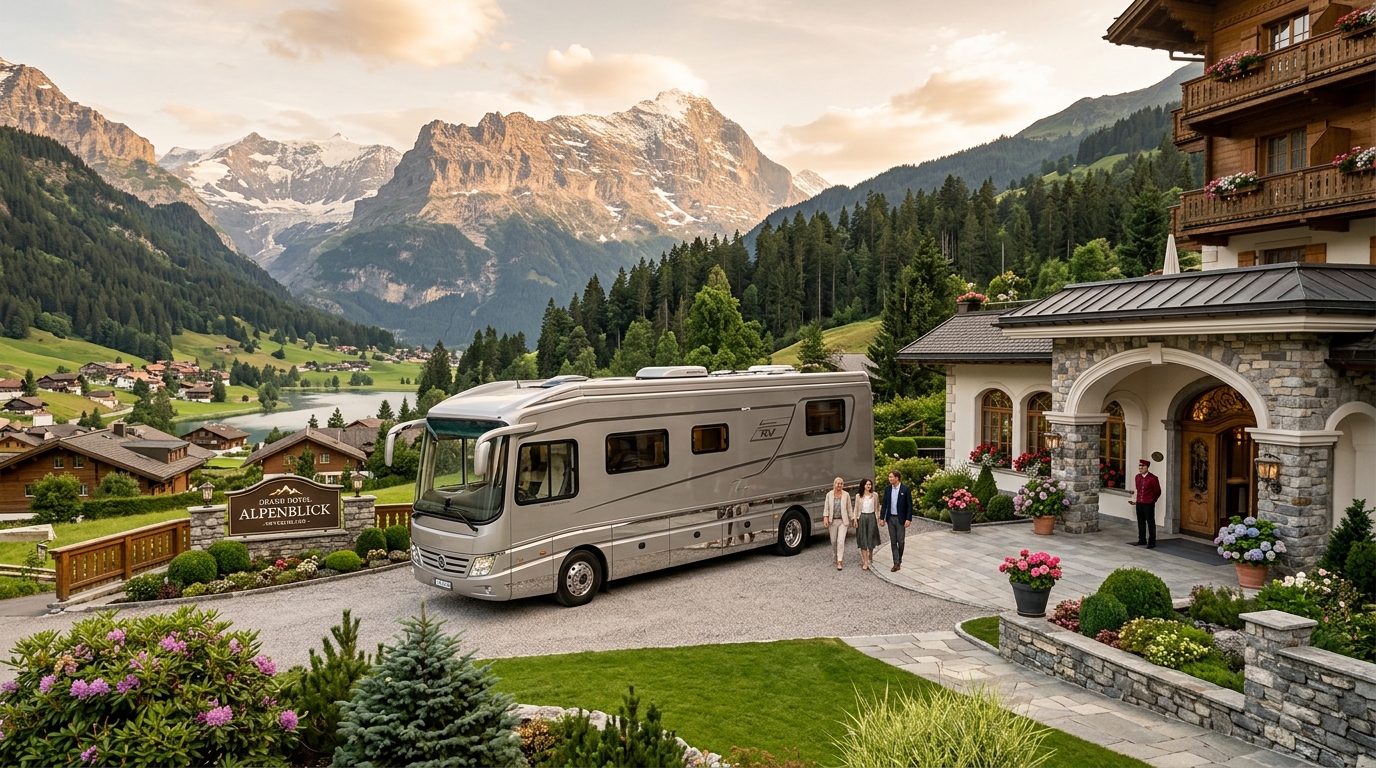
Switzerland, with its majestic Alps, pristine lakes, and charming villages, offers an unparalleled adventure for those who choose to explore it with a rented RV or campervan. Imagine waking up to panoramic mountain views, brewing your morning coffee in your mobile home, and setting off on a new scenic journey each day. It’s an experience of freedom and flexibility that traditional travel simply can't match. For live availability and current prices, start with our RV Rental Switzerland - Complete Guide 2024 guide, which will set you on the right path for your epic Swiss road trip.
Where to Camp in Switzerland - Top Options
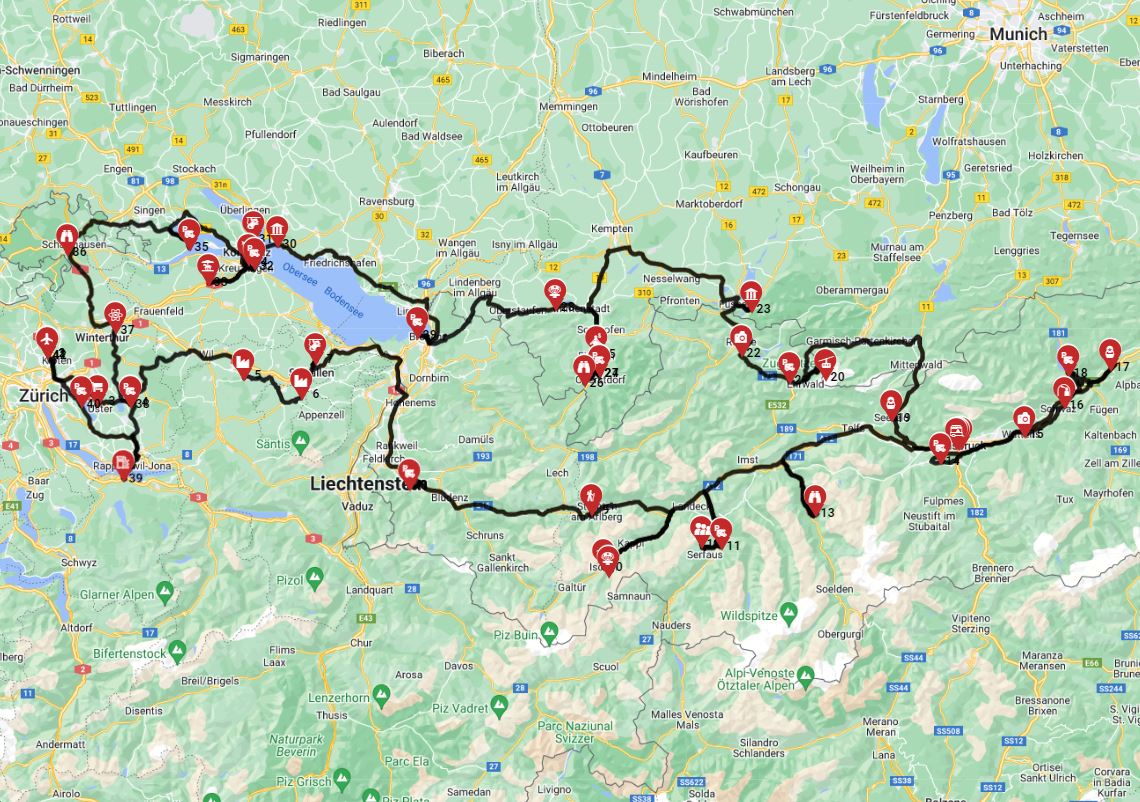
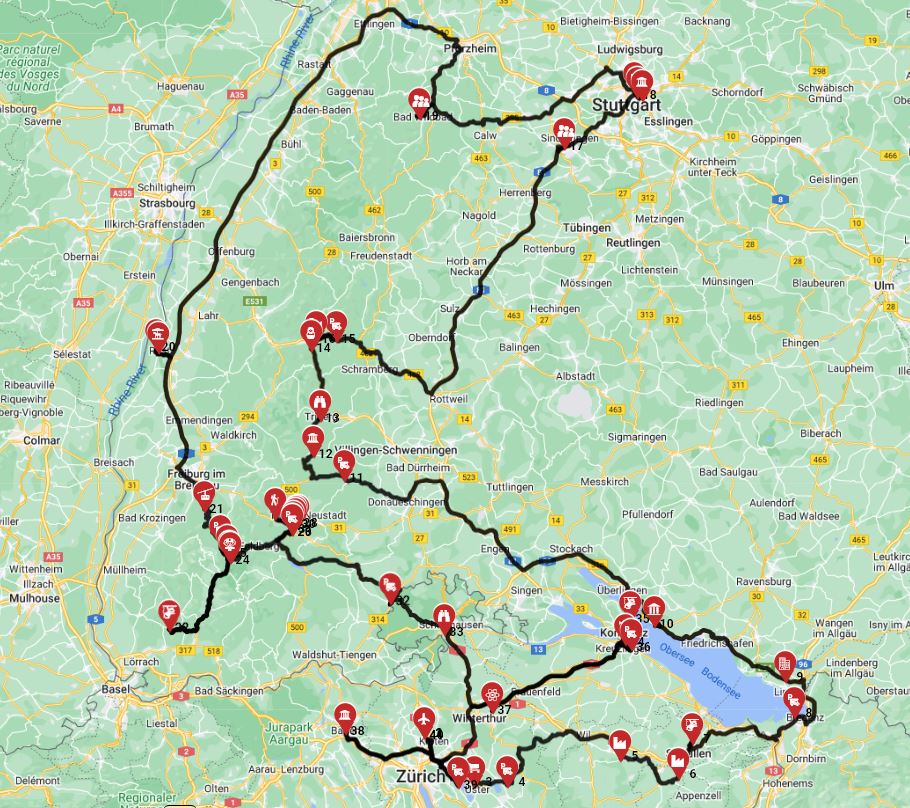
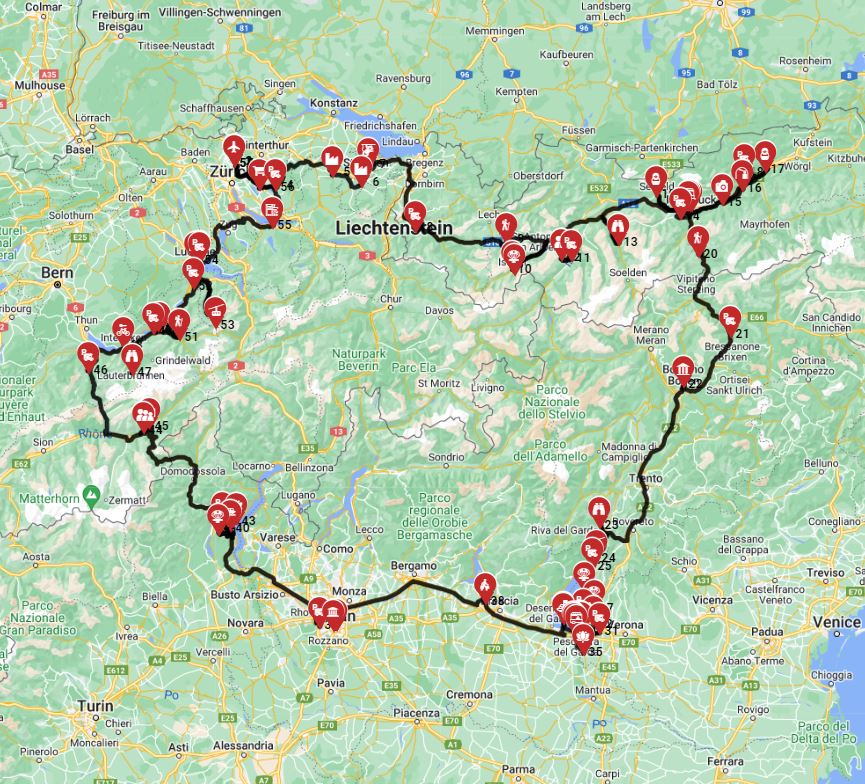
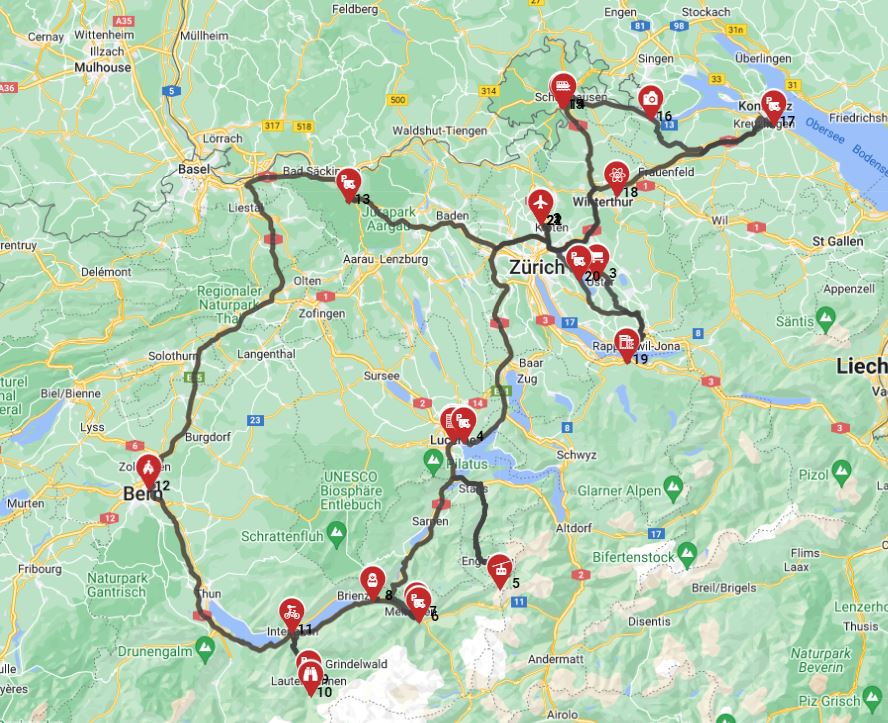
Switzerland offers diverse camping experiences, ranging from stunning lakeside resorts to secluded mountain valley pitches, ensuring every RV traveler finds their perfect spot. Popular regions for RV camping include the Bernese Oberland, renowned for alpine adventures and hiking trails, and the shores of Lake Geneva or Lake Lucerne for scenic beauty and water activities. For a touch of Mediterranean flair, the warmer Ticino region presents a unique contrast.
Many campgrounds are strategically located near national parks, historic towns, or major hiking and biking trails, providing easy access to Switzerland's natural and cultural highlights. We always recommend that you travel slowly, max 100-150 km per day on average, to truly take time to feel the place, connect to the culture, the food, and the scenery. With a rented motorhome, you have the flexibility to linger longer in places that capture your heart.
Campground Types in Switzerland (National, Private, Wild)
Camping in Switzerland offers a spectrum of experiences, from highly equipped private resorts to more rustic national or regional park sites, but travelers must be aware of strict regulations against unauthorized wild camping. Private campgrounds, common throughout the country, typically provide a full array of amenities, including electric hookups, fresh water, grey and black water dump stations, modern sanitary facilities, laundry services, and often on-site shops or restaurants for convenience. On the routes offered through RV PLANET routes, you can itemize and track every expense along the way for easy budgeting.
National or regional park campgrounds, while generally fewer in number for larger RVs, prioritize integration with nature, offering unparalleled scenic beauty, though sometimes with fewer amenities. **Wild camping with an RV is generally prohibited across Switzerland and can incur significant fines, especially in nature reserves, national parks, and on private land.** To avoid issues, always use designated areas. Permitted overnight alternatives for RVers exist, such as designated Stellplätze (motorhome parking areas), which often provide basic services for a minimal fee or sometimes for free. Some farm stays or agri-camping options can offer a unique "B&B on wheels" experience, often found through local tourism boards or specialized apps. Always call ahead to confirm availability and regulations for any informal overnight spot.
Featured RV Park or Campground in Switzerland
While specific data is not readily available for a single featured RV park, an ideal campground in Switzerland would typically balance stunning natural surroundings with essential amenities. Travelers should seek locations situated near a glistening lake or nestled in a serene mountain valley, offering easy access to activities like hiking, water sports, or picturesque villages. Key features to look for include individual pitch electricity, which usually provides 230V, fresh water points, and convenient grey and black water disposal facilities.
Beyond the basics, top-rated RV parks in Switzerland often provide clean, heated showers and restrooms, laundry facilities, Wi-Fi (though sometimes for an extra fee), small convenience stores for quick resupplies, and even on-site restaurants. Many also offer excellent public transport links, allowing you to explore nearby attractions without moving your rented motorhome. Finding such a gem is part of the joy of RV exploration!
Hookups & Amenities - What to Expect
When camping with a rented RV in Switzerland, expect modern and meticulously maintained facilities with standard European hookups and comprehensive amenities. Electric hookups universally provide 230V electricity, using a standard European two-pin Type F/E plug. However, it's critical to note that Switzerland primarily uses Type J electrical outlets, so an adapter specifically for Type J will be essential if your RV or appliances typically use a Type F/E connector.
Fresh water refill stations and designated grey and black water dump points for chemical toilets are standard at virtually all official campgrounds, making waste management simple and hygienic. Many sites also offer additional comforts such as clean, often heated, shower and toilet blocks, laundry facilities, Wi-Fi access (which may incur an extra fee), small convenience stores for last-minute needs, and playgrounds for families traveling with children. You'll find that these amenities enhance the comfort of your RV adventure, letting you focus on the breathtaking scenery.
Booking Windows & Reservations in Switzerland
Securing an RV pitch in Switzerland often requires advance booking, especially for peak seasons, although spontaneous travel is still possible with flexibility. For travel during high season (June to August, major holidays, and school breaks), it is highly recommended to book your RV rental and preferred campsites several months in advance to ensure availability and potentially better rates. During shoulder seasons (April-May and September-October), you'll find more flexibility, and it's often possible to book same-day or next-day, particularly at larger private campgrounds.
Many popular national or regional park campgrounds, known for their stunning locations, may only release a limited percentage (e.g., 25-30%) of their spots for advance reservations, leaving the rest for first-come, first-served arrivals. While you will almost certainly find a place, if not at your first choice, then at a nearby campground, it is always wise to call ahead before driving a long distance, especially with a rented motorhome, to confirm availability. For finding campsites and campgrounds during your trip, we recommend using RV PLANET (rvplan.net) - a great resource for locating available spots along your route. You can also save up to 25% on planning fees by using rvplan.net for your itinerary. Explore options for your itinerary and compare prices for RV Rental in Switzerland - Prices and Best Deals 2024.
Nearby Supermarkets & Resupply Points
Resupplying your rented RV in Switzerland is incredibly convenient, with excellent access to well-stocked supermarkets and local shops across the entire country. Major supermarket chains like Coop, Migros, and Denner are ubiquitous, offering a wide range of groceries, fresh produce, and delicious local specialties. You'll typically find these supermarkets in towns and cities, as well as smaller versions in many larger villages, making it easy to stock up on essentials near most camping areas.
It’s important to be aware that many shops, especially smaller ones, have shorter opening hours on Saturdays and are often closed on Sundays, so planning your resupply runs accordingly is a smart move. Stocking your RV kitchen with local delicacies allows for delightful meals on the road. For inspiration on preparing these delicious finds, check out our RV-friendly recipes playlist.
Best RV Class for Camping in Switzerland
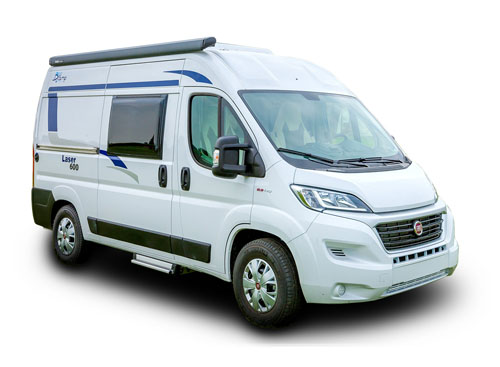
The best RV class for camping in Switzerland depends on your group size and comfort preferences, but smaller, more agile vehicles are generally recommended for navigating Swiss roads and mountain passes. For couples or small families, **Class B - Camper Vans** are highly suitable. These vehicles, like a V3 with a length of 6.36 meters, sleeping 2, and consuming 11-13 Liters/100km, offer excellent maneuverability on narrow, winding mountain roads and easier parking in towns. This agility is a huge advantage.
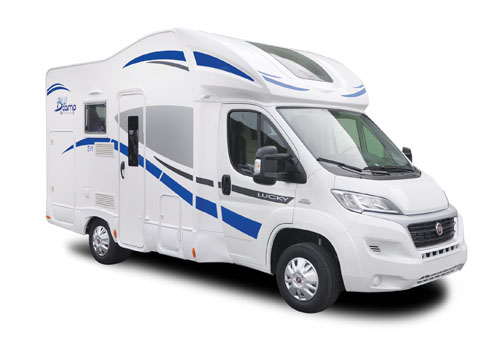
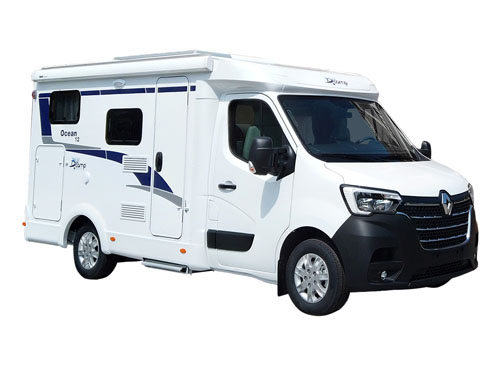
For those desiring more space, **Class SI - Semi-integrated RVs** strike a good balance. A model similar to a K2D, averaging 6.99 meters long, sleeping 3, and consuming 12-14 Liters/100km, provides more living area than a campervan while remaining relatively manageable for most Swiss routes. Larger **Class C - Alcove RVs**, such as a Cat C - Superfly 650 averaging 7.32 meters long and sleeping 6, offer ample space for larger families. While they are comfortable, these larger motorhomes can be more challenging on very narrow mountain roads, some older city centers, and for finding suitable parking due to potential height or width restrictions. Drive slowly and carefully, and you can drive almost anywhere without issues. No need to stress - just use common sense and pay attention.
How to Save on Campgrounds in Switzerland
Saving money on campgrounds in Switzerland is achievable by leveraging discount programs, traveling during off-peak seasons, and making strategic choices about campsite types. Using international camping discount cards, such as ACSI or CampingCard International, can offer significant reductions on pitch fees during the low and shoulder seasons at participating campgrounds.
Opting to travel during the shoulder season (spring or autumn) rather than the peak summer months not only means fewer crowds but often results in lower daily rates for campsites. Choosing municipal or regional campgrounds, which are frequently more basic but still well-maintained, can be more cost-effective than staying at private resort-style campgrounds with extensive amenities. Many campgrounds also offer weekly rates that are more economical than daily rates, so planning longer stays of three nights or more at a single location can lead to notable savings. When planning your route, check out the Cheap RV Rental in Switzerland - Budget Guide 2024 for more tips.
How much does it cost to rent an RV in Switzerland?
The cost to rent an RV in Switzerland varies significantly by vehicle class, season, and duration, with an average daily cost for a mid-range RV typically ranging from €100 to €250+ per day, excluding additional travel expenses. A granular cost breakdown for an RV trip to Switzerland includes the RV rental fee, fuel, mandatory road vignettes, specific tolls, campsite fees, and daily food expenses. Fuel consumption for most motorhomes ranges from 8-12 Liters/100km, with diesel generally more expensive than petrol, making this a substantial variable cost.
A Swiss motorway vignette, mandatory for using highways, costs CHF 40 for the year 2024 and can be purchased at borders or post offices. Specific tolls apply to certain tunnels (e.g., Great St. Bernard, Munt la Schera) and car trains (e.g., Kandersteg-Goppenstein), which can add to travel costs. Campsite fees typically range from €30-€70+ per night for a basic pitch with electricity, depending on location, amenities, and seasonality. Food costs are generally high in Switzerland; budgeting for groceries (which are still pricey but cheaper than dining out) can help manage expenses, with average daily food costs for a family potentially ranging from €80-€150+. For precise budgeting, RV PLANET routes allow travelers to itemize and track every expense along the way.
What are the requirements for RV rental in Switzerland?
To rent an RV in Switzerland, travelers generally need a valid driver's license, meet minimum age requirements, and provide a credit card for a security deposit. A standard Class B driver's license (or equivalent from your home country) is typically sufficient for motorhomes up to 3,500 kg Maximum Authorized Mass (MAM). An International Driving Permit (IDP) is highly recommended for non-Swiss or non-EU license holders, as it provides a translation and can prevent issues with local authorities or insurance claims.
Most rental companies require drivers to be a minimum of 21 years old. Notably, Bandana RV has no young driver surcharges and no vehicle class restrictions based on age, making RV travel accessible for many. A major credit card is essential for the security deposit, which can range from €1,000 to €3,000 or more, covering potential damages or incidents. While exploring the options, remember you can choose to upgrade to a top-level deductible for extra peace of mind.
Is it easy to drive an RV in Switzerland?
Driving an RV in Switzerland is generally manageable due to excellent road quality, but it requires careful planning and awareness, especially on narrow mountain passes and in urban centers. Swiss roads are meticulously maintained, ensuring a smooth ride, but mountain passes feature steep gradients, tight curves, and narrow sections that demand attention and confident driving. Smaller motorhomes, like campervans or semi-integrated models, are often more suitable for these challenging routes, though larger Class C or A RVs can certainly navigate them.
Drive slowly and carefully, and you can drive almost anywhere without issues. No need to stress - just use common sense and pay attention. Driving and parking RVs in Swiss cities like Zurich presents specific challenges due to narrow streets, limited access to old town areas, height and width restrictions on underpasses and parking garages, and regulated parking zones (e.g., 'blue zones' requiring a parking disc). Strategies for city visits include parking at designated RV parks or outside city centers and utilizing Switzerland's efficient public transport system. All major highways require a vignette, and some tunnels (e.g., Gotthard, Great St. Bernard) may have length or weight restrictions, or require specific tolls. Adhering to local speed limits, which are strictly enforced, and being mindful of other road users (especially cyclists on mountain roads) are crucial for a smooth journey. Our One-Way RV Rental in Switzerland - Price Guide 2024 can also assist with planning routes.
What is the best time to RV in Switzerland?
The best time to RV in Switzerland largely depends on your desired activities and tolerance for crowds, with summer and shoulder seasons offering distinct advantages. **Summer (June-August)** is the most popular time for RV travel, offering the warmest weather, all mountain passes open, and ideal conditions for hiking, cycling, and water activities. However, it is also the most crowded and expensive season for rentals and campsites.
**Shoulder Seasons (April-May and September-October)** are often considered ideal, providing a fantastic balance of pleasant weather, fewer tourists, and potentially lower prices for RV rentals and campsites. Some higher mountain passes may still be closed in early spring or late autumn, so route planning is key. **Winter (November-March)** offers a unique RV experience focused on skiing, snowboarding, and festive markets, but requires comprehensive planning, including mandatory winter tires, carrying snow chains, ensuring the RV is winterized with anti-freeze, and being aware of extensive road closures or reliance on car trains to cross mountains. For winter RV travel, specific campsites remain open and cater to winter visitors, offering heated facilities, but daylight hours are significantly shorter. Discover the latest offers by checking RV Rental Deals in Switzerland - Latest Offers 2024.
Is Switzerland good for motorhome?
Yes, Switzerland is an exceptionally good destination for motorhome travel, offering an unparalleled blend of stunning landscapes, excellent infrastructure, and diverse activities that cater to RVers. The country's compact size allows for easy transitions between majestic alpine scenery, picturesque lakes, and charming historic towns, all accessible via a well-maintained road network. Swiss campgrounds are typically modern, clean, and offer comprehensive amenities, ensuring a comfortable stay for travelers in their rented campervan or motorhome.
The flexibility of a motorhome allows travelers to explore off-the-beaten-path locations and adapt itineraries to weather or mood, greatly enhancing the overall travel experience. While Switzerland is perceived as an expensive country, a motorhome trip can offer cost savings compared to traditional hotel stays and dining out, especially when utilizing on-board cooking facilities. Imagine preparing fresh, local meals right in your motorhome with a backdrop of the Alps! It truly is an inspiring way to see this beautiful country. For a longer adventure, consider RV Rental Europe - Complete Guide 2024.
How do I plan an RV trip to Switzerland?
Planning an RV trip to Switzerland involves several key steps, including route design, booking accommodations, understanding local regulations, and preparing for cultural nuances. **Route Planning** is crucial; decide on your itinerary, balancing mountain adventures with lakeside relaxation or city visits, always considering the suitability of your RV for specific roads, particularly narrow mountain passes. **RV and Campsite Booking** should be done well in advance, especially for peak season, and pre-book popular campgrounds. Utilize tools to find Stellplätze or farm stays for alternative overnight options.
**Documentation** is essential: ensure you have a valid driver's license, an International Driving Permit (highly recommended), passport, vehicle registration, and your RV rental agreement and insurance details. For **Border Crossings**, remember Switzerland is part of the Schengen Area but not the EU customs union; prepare for potential customs checks and be aware of import/export regulations for certain goods when crossing borders. Regarding **Cultural Etiquette**, Switzerland is highly environmentally conscious and values order. Adhere to noise regulations (especially quiet hours), dispose of waste properly by segregating recyclables, and respect local communities and their customs. Embrace **Eco-Friendly Practices** by using designated grey and black water disposal stations, conserving water and electricity, minimizing waste, and supporting local businesses to reduce your environmental footprint. **Budgeting** must factor in rental costs, fuel, the motorway vignette (CHF 40 for 2024), specific tunnel tolls, campsite fees, and higher food prices; having some Swiss Francs cash is advisable for smaller purchases. Finally, regarding **Multilingualism**, Switzerland has four official languages (German, French, Italian, Romansh); while English is widely spoken in tourist areas, having a basic understanding of key phrases or a translation app can be very helpful.
🎬 Video coming soon
Do you need a special license to drive an RV in Switzerland?
For the majority of rental RVs in Switzerland, a standard Class B (car) driving license is sufficient, provided the vehicle's Maximum Authorized Mass (MAM) does not exceed 3,500 kg. Most campervans, semi-integrated motorhomes, and many alcove models fall comfortably within this 3,500 kg limit, making them accessible to standard license holders from many countries. It is always wise to compare your licensing details before you book. Check out Weekly RV Rental in Switzerland - Pricing 2024 for a week-long adventure.
If you plan to rent a larger RV that has a MAM exceeding 3,500 kg (e.g., some larger integrated Class A models), you would typically require a Class C1 or C license, depending on the specific weight, as per European driving license categories. It is crucial to verify the exact MAM of your chosen RV with the rental company and check your national driving license entitlements against this weight. An International Driving Permit (IDP) is strongly recommended for non-Swiss license holders to facilitate identification and understanding of your license details by local authorities, even if your national license is technically accepted.
Can you bring a dog in an RV to Switzerland?
Yes, you can generally bring a dog in a rented RV to Switzerland, as the country is quite pet-friendly, but specific regulations and considerations apply. For entry into Switzerland, dogs must be microchipped, have a valid rabies vaccination (administered at least 21 days prior to entry), and possess an EU Pet Passport or an official veterinary health certificate for non-EU travelers. Many RV rental companies offer pet-friendly vehicles, but always confirm this during booking, as additional cleaning fees may apply.
Most campgrounds in Switzerland are pet-friendly, though it's always advisable to confirm when booking, and a small daily fee for your dog is common; dogs must be kept on a leash within campsite grounds. When using public transport, dogs typically require their own ticket, often a half-fare ticket or a special dog day pass, depending on the provider. In national parks and protected areas, rules for dogs are stricter to protect wildlife; dogs must be kept on a leash at all times, and some areas may be entirely off-limits to pets. Always carry waste bags and promptly clean up after your pet, respecting local customs and environmental standards.
What You Shouldn't Miss
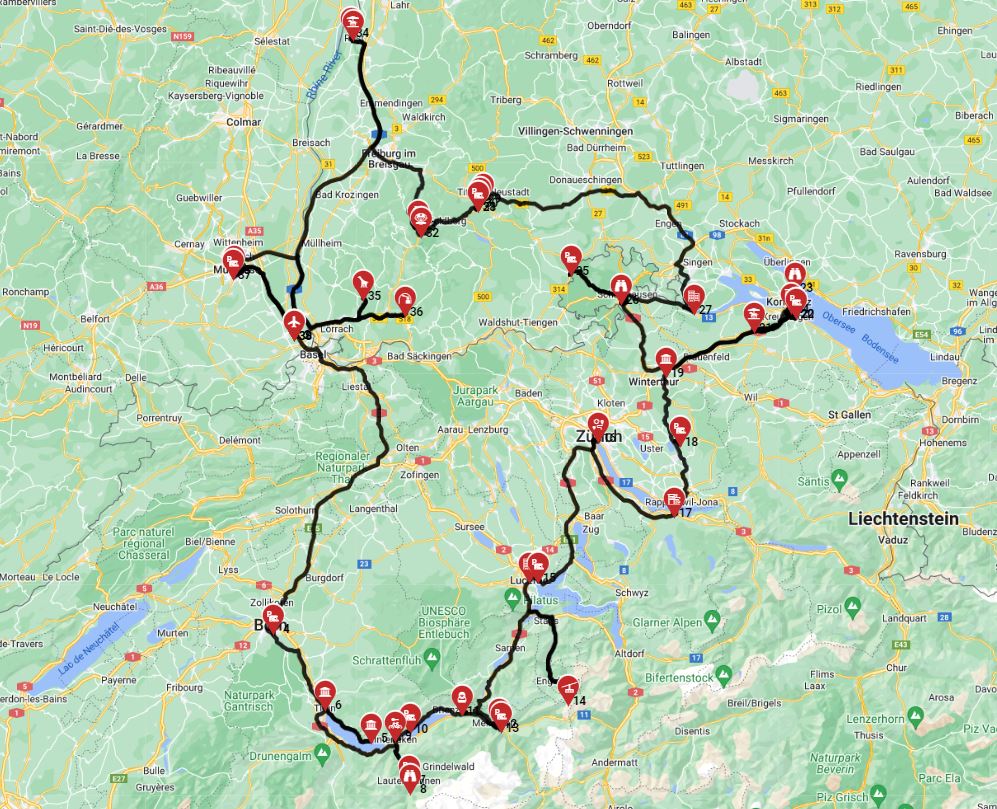
- Lauterbrunnen Valley: Explore the valley of 72 waterfalls with your campervan, taking cable cars up to car-free villages like Mürren and Wengen for truly breathtaking alpine views.
- Lake Geneva Cruise: Take a leisurely cruise on Lake Geneva, admiring the stunning Montreux Riviera, Chillon Castle, and the surrounding vineyards.
- Swiss Chocolate Tasting: Indulge in Switzerland's world-famous chocolate. Visit local chocolatiers or take a chocolate train tour from Montreux to Broc.
- Grindelwald First Cliff Walk: Experience an exhilarating walk along the side of a cliff, offering panoramic views of the Eiger and surrounding peaks. Accessible via cable car, it's an unforgettable experience.
- Explore Lucerne's Chapel Bridge: Wander through the charming old town of Lucerne and cross the iconic Chapel Bridge, one of Europe's oldest covered wooden bridges, adorned with stunning paintings.
- Aletsch Glacier Hike: Hike near the Great Aletsch Glacier, the largest glacier in the Alps, for a truly humbling experience of nature's grandeur.
Looking for expert insights from Avi Bandana? Top 5 Adventures - recommendations from Avi Bandana
Avi Bandana, our founder, personally believes that the true essence of RV travel in Switzerland is found in embracing the unexpected. "Don't just drive through the passes; stop at every scenic overlook, try a local cheese from a farm stand, and let the sheer beauty of the mountains humble you," he advises. His top recommendation is to spend at least two full days exploring the Jungfrau region, allowing for spontaneous hikes and village discoveries, and to allocate time for a memorable meal at a traditional Swiss chalet. "The journey isn't just about the destination; it's about every moment you spend on the road and the connections you make along the way."
Final Thoughts
Embarking on a motorhome adventure through Switzerland offers a freedom and intimacy with nature that few other travel styles can provide. From the dramatic peaks of the Alps to the serene shores of its countless lakes, every turn in the road reveals a new postcard-perfect scene. We truly believe that God is in the small details, and we take care of them so you can focus on making unforgettable memories.
Remember to embrace slow travel, allowing yourself the time to truly immerse in the local culture, savor the delicious Swiss cuisine, and connect with the breathtaking scenery at your own pace. With Bandana Caravan, you have a partner dedicated to transparency, support, and expert knowledge, ensuring your RV rental experience in Switzerland is as smooth and enjoyable as the mountain air itself.
So, what are you waiting for? Get inspired for your next trip! Plan a trip itinerary in advance with minimal effort and maximum enjoyment. Discover top destinations and planning tips, all in one place. Your Swiss RV adventure is calling!