For live availability and current prices, start with our RV Rental Spain - Complete Guide 2026 guide.
In This Guide
- Where to Camp in Spain — Top Options
- Campground Types in Spain (National, Private, Wild)
- Featured RV Park or Campground in Spain
- Hookups & Amenities — What to Expect
- Booking Windows & Reservations in Spain
- Nearby Supermarkets & Resupply Points
- Best RV Class for Camping in Spain
- How to Save on Campgrounds in Spain
- How Much Does an RV Rental Trip in Spain Cost - A Detailed Breakdown
- What Are the Rules for Wild Camping and Overnight Parking in Spain
- How to Experience Authentic Spanish Culture and Local Etiquette in an RV
- Can I Live and Work as a Digital Nomad in an RV in Spain - Long-Term Travel Tips
- Where Are the Best Off-the-Beaten-Path RV Destinations in Spain
- How to Travel with Pets in an RV in Spain
- What Are the Essential Health and Safety Tips for RVing in Spain
Where to Camp in Spain — Top Options
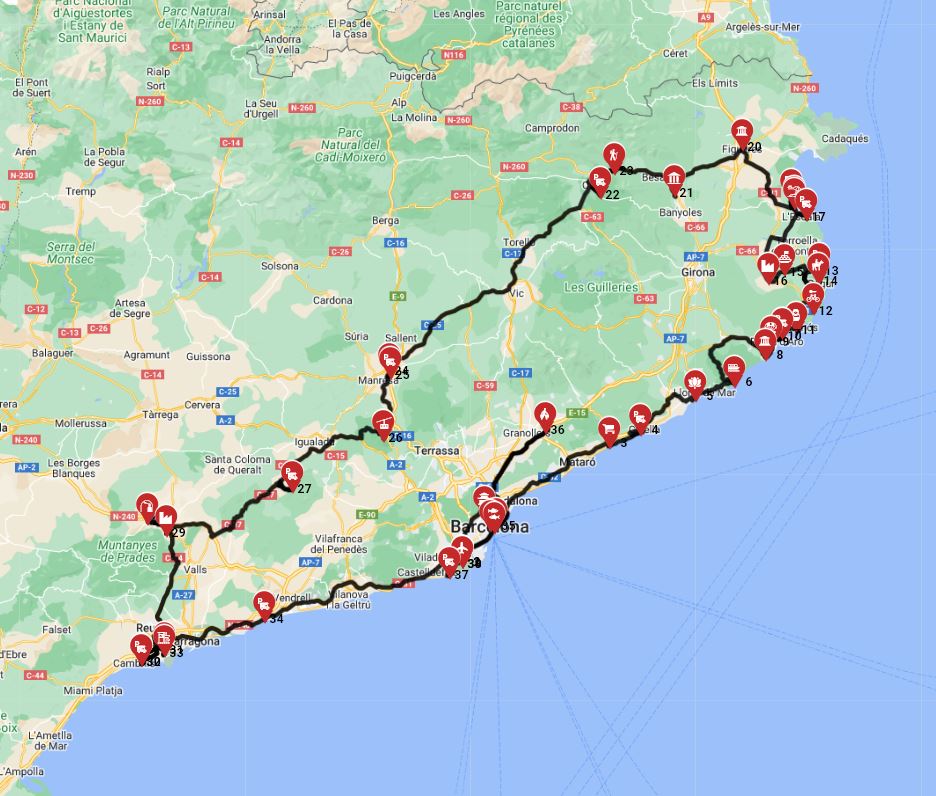
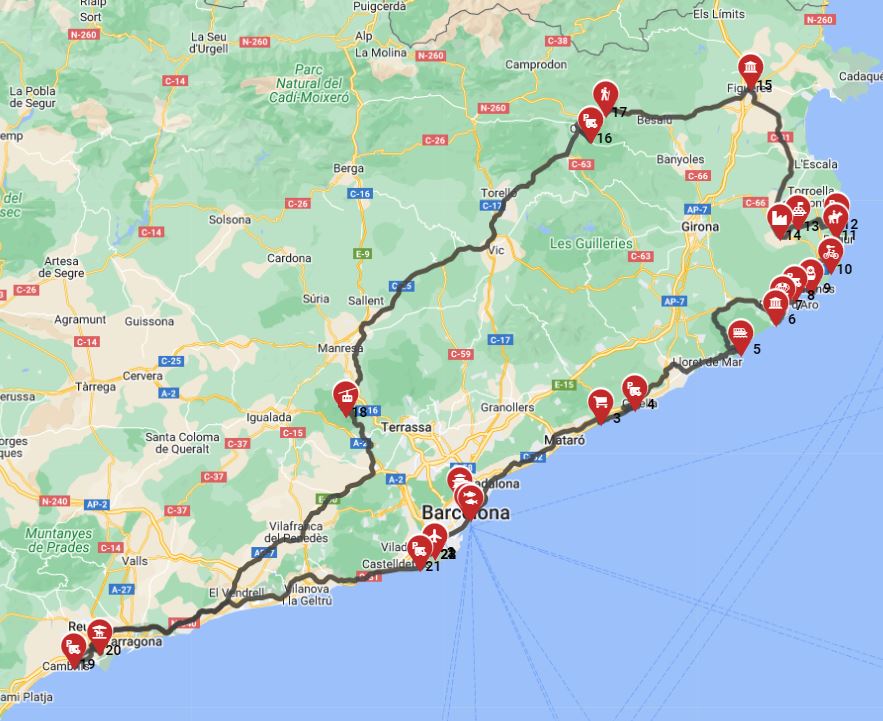
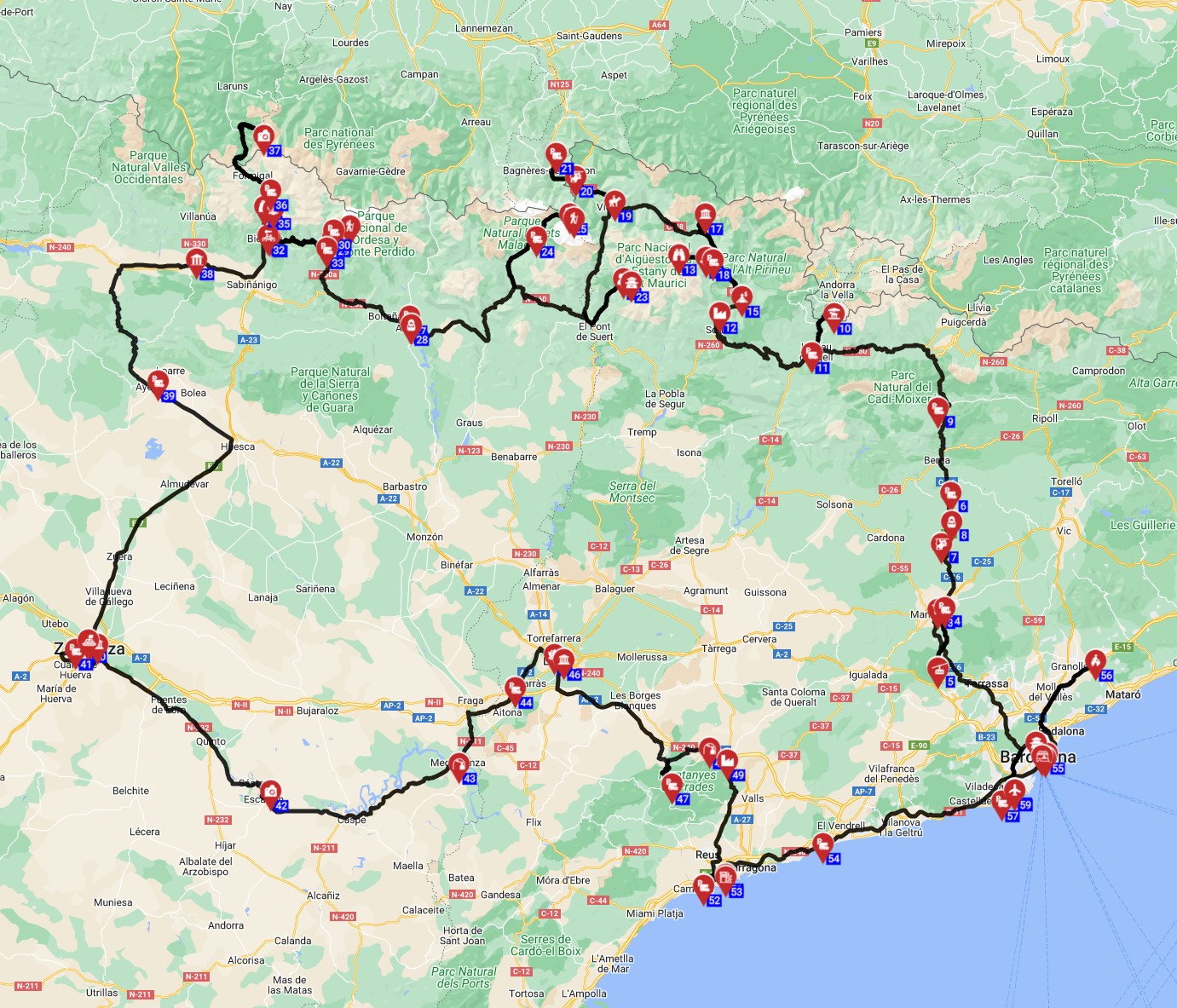
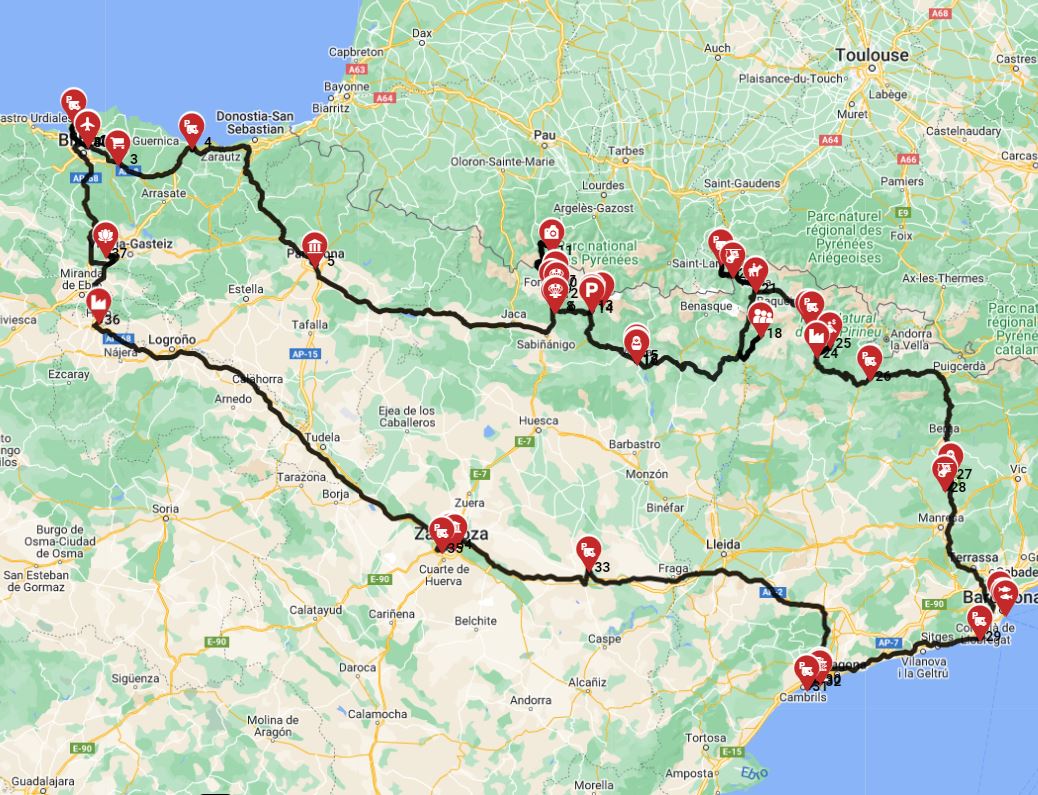
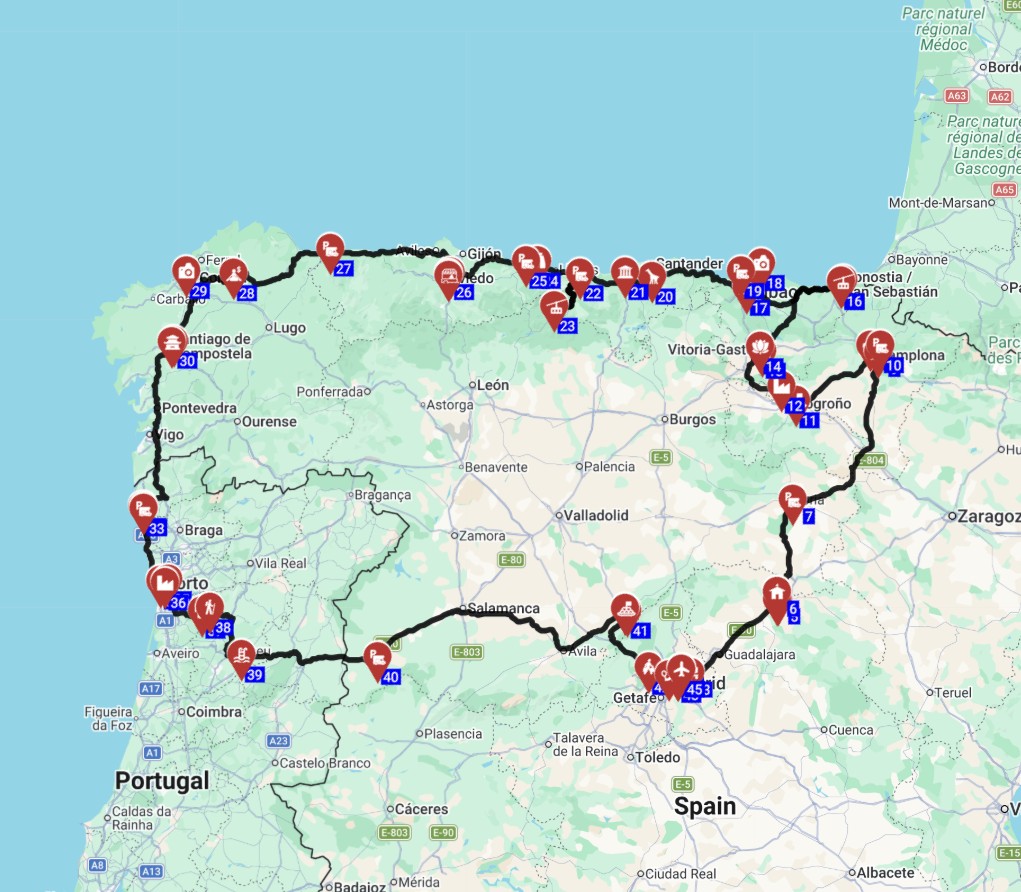
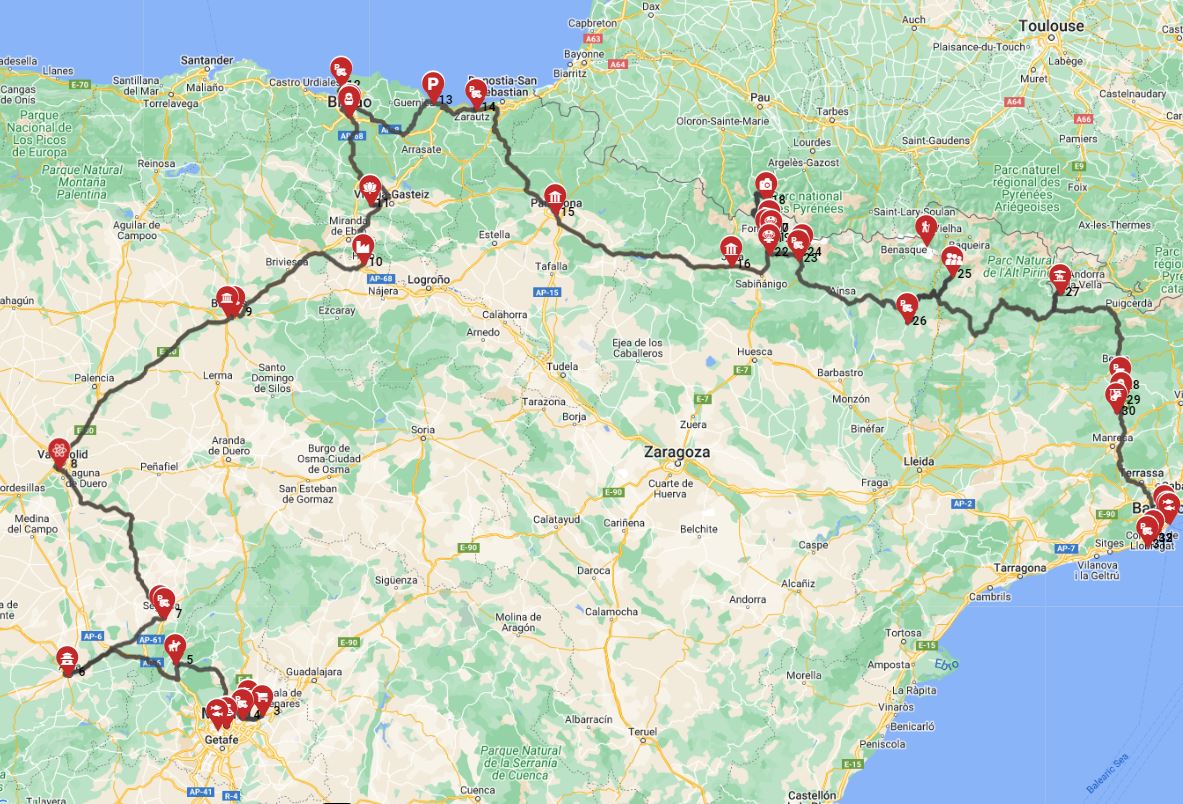
Spain offers a diverse range of RV camping experiences, from the sun-drenched coasts of Catalonia's Costa Brava to the historical heartlands of Andalucía and the dramatic mountain scenery of the Picos de Europa. Coastal regions are perfect for RV travelers seeking beach access and a plethora of resort-style campgrounds. These often provide direct access to sandy shores and a vibrant atmosphere. Conversely, mountainous areas offer a more serene escape, ideal for nature lovers and hikers exploring stunning natural parks. Here, you can expect breathtaking views and a tranquil environment. Inland regions present a different, yet equally captivating, experience, focusing on cultural immersion, historical sites, and vineyard-dotted landscapes for a unique perspective on Spanish life.
Campground Types in Spain (National, Private, Wild)
RV travelers in Spain have a choice between national park campgrounds, privately owned facilities, and a nuanced approach to 'pernocta' (overnight parking), which is distinct from illegal 'wild camping' ('acampar'). National or Regional Park Campgrounds often provide basic facilities nestled within stunning natural environments, though booking in advance is frequently essential. Privately owned campgrounds, commonly referred to as 'Campings,' are the most prevalent type, offering a wide spectrum of amenities from simple pitches to full-service resorts complete with pools and entertainment options. It's crucial to understand that 'Acampar' is generally prohibited, defined by activities extending beyond the vehicle's footprint, such as deploying awnings or setting out chairs outside the RV. In contrast, 'Pernocta,' or overnight parking, is often permitted where parking is legal, provided no camping activities extend beyond the vehicle itself. Regulations differ significantly across Spain's autonomous communities and municipalities, so always verify local rules. Utilizing apps like Park4Night can provide invaluable guidance on permitted overnight spots and local regulations.
Featured RV Park or Campground in Spain
A typical highly-rated RV park in Spain often excels in providing excellent facilities, a welcoming atmosphere, and convenient access to local attractions. These parks frequently feature spacious pitches with ample room for your RV, alongside modern sanitation blocks. When selecting a campground, look for those with strong online reviews, ideally situated near beaches, natural parks, or significant cultural sites to enhance your exploration. Prioritizing amenities such as clean showers, functional laundry facilities, an on-site shop, and perhaps a swimming pool or restaurant can greatly improve your stay. Many parks also offer dedicated services tailored for RVs, including wash stations and efficient grey/black water disposal points, ensuring a comfortable and convenient experience for all travelers.
Hookups & Amenities — What to Expect
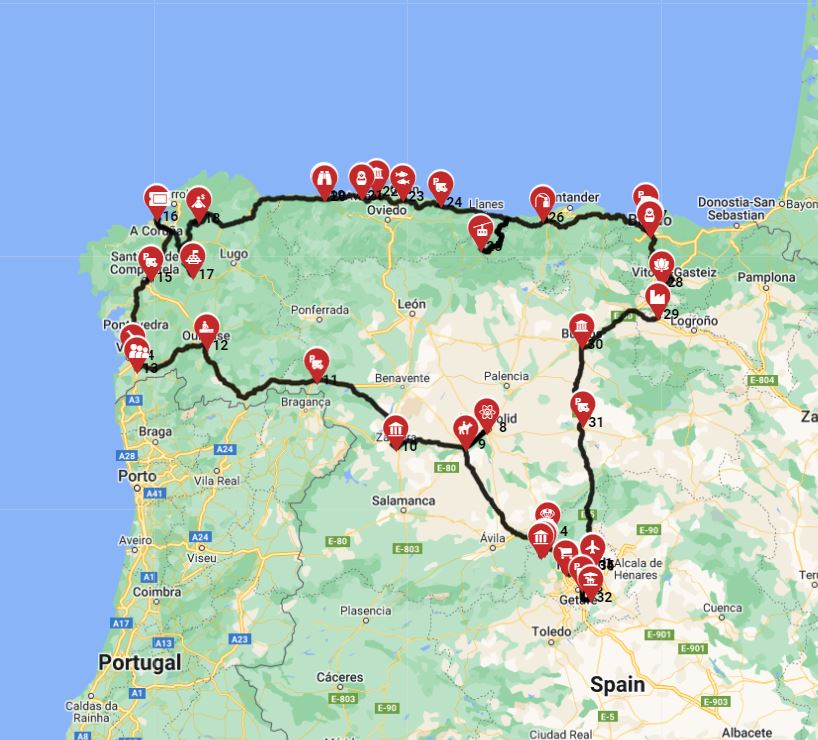
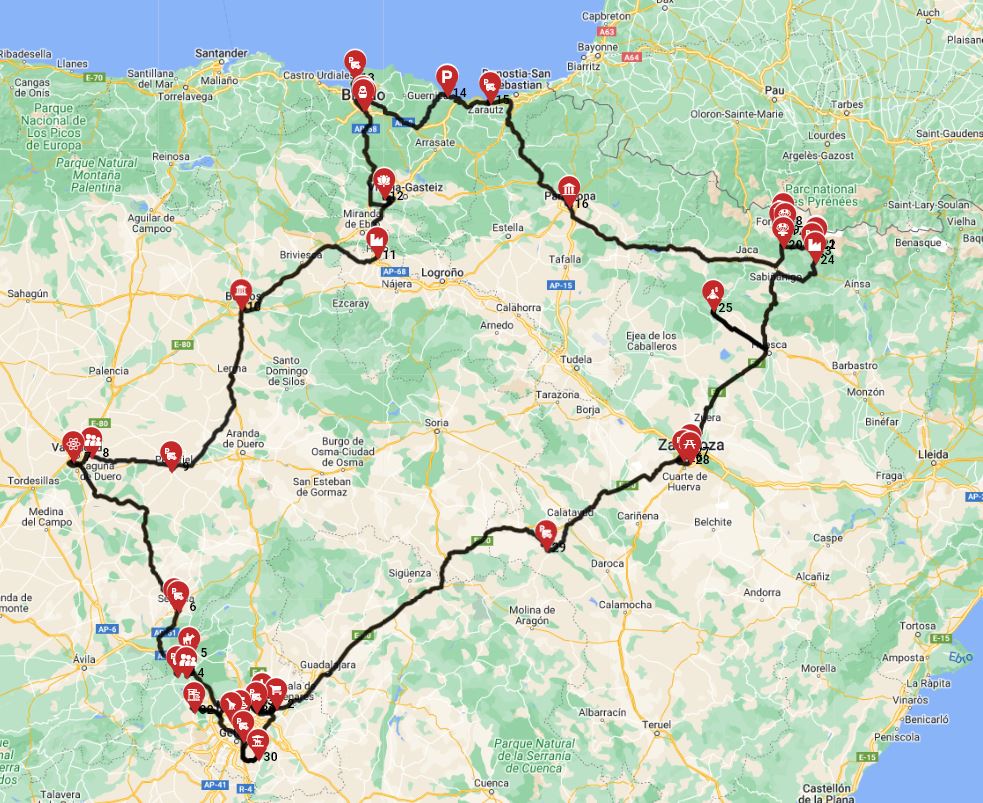
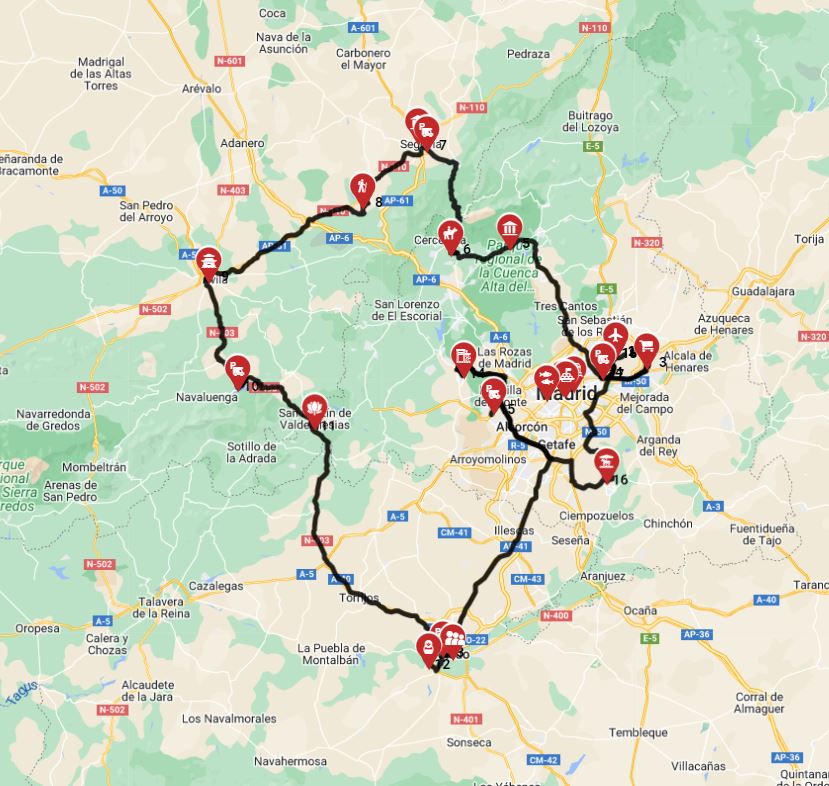
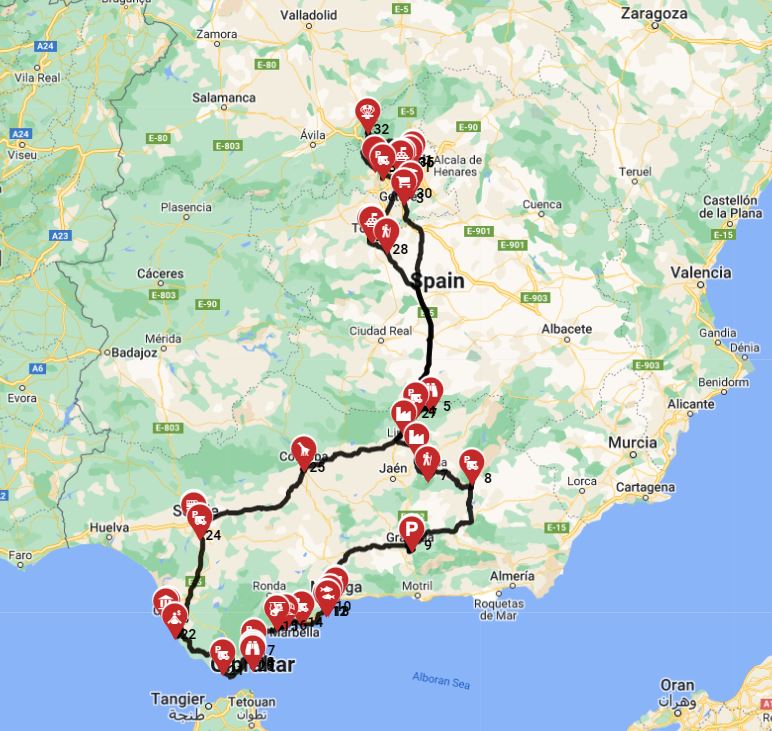
Most private campgrounds in Spain reliably offer essential hookups for RVs, including electricity, fresh water, and waste disposal points. Beyond these necessities, you can commonly expect amenities such as showers, toilets, and laundry facilities. Electricity hookups are typically standard, providing 220-230V with a CEE 7/4 (Schuko) or CEE 7/7 plug; an adapter for European sockets is often necessary, and amperage can vary from 6-16A. Fresh water taps are frequently available at pitches or central points, complemented by standard grey and black water dump stations. WiFi is generally available, though quality and cost can vary significantly; consider a local SIM card or a portable hotspot for more dependable internet access. Laundry facilities, usually coin-operated washing machines and dryers, are standard conveniences at most private sites, offering a practical solution for longer trips. Expect to find modern, clean shower and toilet facilities, though some sites may require tokens for hot water. On the routes offered through RV PLANET routes, you can itemize and track every expense along the way for easy budgeting.
Booking Windows & Reservations in Spain
For popular destinations and during peak season (June to August), securing RV campsite reservations in Spain several months in advance is highly recommended. This approach is particularly beneficial for specific coastal and national park sites. However, spontaneous travelers can often find available spots outside these peak times or in less-trafficked regions. Planners should aim to book 3-6 months ahead to guarantee a spot in high-demand areas. For those with flexible travel plans, same-day or next-day bookings are often possible in less popular areas, but it’s always advisable to call ahead before driving long distances to confirm availability. Many national park campgrounds reserve only about 25%-30% of their spots for advance booking, leaving the majority for first-come, first-served arrivals; arriving early is your best bet here. Remember, you'll almost certainly find a place to stay – if not at your first choice, then at a nearby alternative, allowing for flexible travel arrangements.
Nearby Supermarkets & Resupply Points
Spain features a wide array of supermarket chains, including familiar names like Carrefour, Mercadona, Lidl, and Aldi, making it straightforward for RV travelers to resupply groceries and essentials throughout their journey. Major hypermarkets are typically situated on the outskirts of cities and towns, offering an extensive selection of products. For a taste of local life and fresh produce, regional specialties, and artisanal cheeses, explore Spain's local markets ('mercados'); these are excellent opportunities for cultural immersion. Smaller convenience stores, known as 'tiendas,' are readily available in villages for quick top-ups of essential items. Utilizing mapping applications on your smartphone can help you efficiently locate the nearest resupply points along your planned route, ensuring you stay provisioned without much detouring.
Best RV Class for Camping in Spain
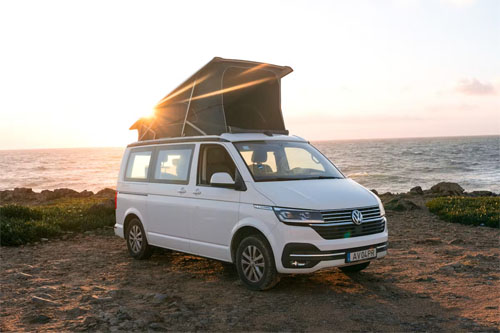
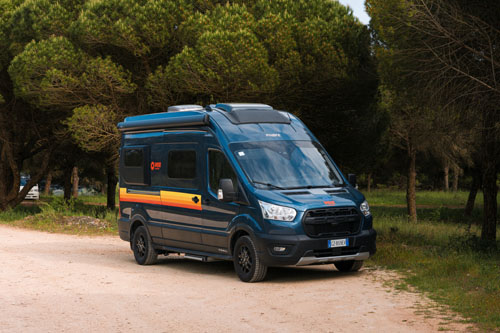
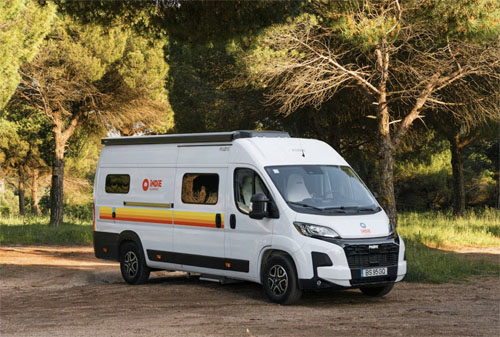
The ideal RV class for camping in Spain hinges on your travel style, group size, and preference for boondocking versus full hookup sites. Compact camper vans or semi-integrated motorhomes generally offer the most flexibility, particularly on Spain's narrower roads and in historic town centers. For example, a Class B camper van, averaging 3.2 sleeping places and 5.8m in length, is perfect for couples or small families, with typical fuel consumption around 8-10 Liters/100 km, making it suitable for 'pernocta' (overnight parking). Semi-integrated motorhomes offer a balance of comfort and maneuverability, averaging 3.8 sleeping places and 6.9m length, and are manageable on most Spanish roads, with fuel consumption around 10-11 Liters/100 km. Larger Class C (alcove) motorhomes, averaging 5.8 sleeping places and 7.5m length, provide ample living and sleeping space for families or groups but are less suited for very tight spots; their fuel consumption is around 10-12 Liters/100 km. For maximum luxury, Class A integrated motorhomes, averaging 4.4 sleeping places and 7.5m length, are best suited for full-service campsites, with fuel consumption ranging from 8-12 Liters/100 km. For the truly adventurous, a Class TC Truck Camper, averaging 2.4 sleeping places and 5.5m length, offers off-road capability for couples exploring more remote areas, with higher fuel consumption around 12-17 Liters/100 km.
How to Save on Campgrounds in Spain
Achieving savings on RV campgrounds in Spain is easily done by leveraging discount cards, strategically planning trips during shoulder seasons, and opting for budget-friendly municipal or regional sites over pricier private resorts. Discount programs, such as those offered through rental platforms, can provide substantial savings, particularly off-peak. Traveling in spring (April-May) or autumn (September-October) offers pleasant weather, fewer crowds, and significantly lower campsite prices. Municipal or regional campgrounds, while often simpler in their offerings, are considerably more affordable than private resorts, providing essential facilities on a budget. Many campgrounds offer discounted weekly or monthly rates, making extended trips more economical. Additionally, inquire about sharing hookups with another RV group where permitted, which can sometimes reduce individual pitch costs. Integrating legal overnight parking spots ('pernocta') for free stays can further balance your budget, allowing you to enjoy paid campgrounds for their amenities and longer stops.
How Much Does an RV Rental Trip in Spain Cost - A Detailed Breakdown
The total cost of an RV rental trip in Spain varies significantly, influenced by rental duration, RV class, time of year, and your travel style. Key expenses encompass rental fees, fuel, tolls, campsite fees, food, and planned activities. RV rental costs typically range from €50-€150 per night for smaller vans in the low season to €200-€350+ for larger motorhomes during peak times, in addition to insurance and optional add-ons. Fuel is a major expense, with many RVs averaging 8-17 Liters/100 km; budget for current diesel prices, which hover around €1.50-€1.80 per liter. Tolls ('peajes') on Spanish autopistas can add up, so consider using apps like ViaMichelin to find toll-free alternatives, though be mindful of potential increases in travel time. Campsite fees generally range from €15-€40 per night for a standard pitch, potentially reaching €50-€70+ for premium resorts or during peak season. For food, groceries from supermarkets are cost-effective, with a budget of €30-€50 per day for two people being reasonable, while eating out can cost €15-€30 per person per meal. Don't forget to factor in entrance fees for attractions, national parks, and any planned excursions, plus a buffer for miscellaneous items like LPG refills and unexpected expenses. For ideas you can prep on the road, watch our RV-friendly recipes playlist on YouTube.
What Are the Rules for Wild Camping and Overnight Parking in Spain
In Spain, 'wild camping' ('acampar') is generally prohibited, but 'overnight parking' ('pernocta') in an RV is often permitted where parking is legal, provided no camping activities extend beyond the vehicle's footprint. Prohibited 'acampar' activities include setting out awnings, tables, chairs, or opening pop-top roofs beyond the vehicle's dimensions when parked outside designated campgrounds. 'Pernocta' is allowed if the vehicle is legally parked and functions solely as transport; this means no external camping setups, no leveling jacks deployed on public land, and no waste disposal onto public areas. Crucially, regulations vary significantly by autonomous community and municipality, with coastal and protected areas often having stricter rules. Always heed 'No Acampar' or 'No Pernocta' signs, especially in sensitive natural or residential zones. Apps like Park4Night are invaluable for identifying legal and accepted overnight parking spots, often featuring user-generated reviews and insights into local rules. Even where legal, practice discretion, leave no trace, and be respectful of local communities to maintain positive relations for RVers.
How to Experience Authentic Spanish Culture and Local Etiquette in an RV
Immersing yourself in authentic Spanish culture while RVing involves embracing local customs, engaging respectfully with communities, and exploring regional culinary traditions beyond typical tourist hotspots. Be aware of the widespread 'siesta' culture, where many businesses close in the early afternoon; plan your activities and shopping accordingly to make the most of your time. Learning basic Spanish phrases for greetings, polite requests, and common expressions significantly enhances interactions and demonstrates respect for the local culture. Local markets ('mercados') are excellent places to experience daily life, find fresh produce, and sample regional specialties; take the time to engage with vendors. Research local festivals and 'fiestas' happening during your trip dates for unparalleled cultural insight and opportunities for participation. Seek out authentic tapas bars, enjoy the 'menú del día' (set lunch menu), and discover regional dishes by asking locals for their recommendations. When driving, be mindful of local driving habits, particularly in cities, and practice patience with pedestrians and cyclists. Always be considerate of noise, waste, and parking, especially in rural or residential areas, demonstrating respect for the environment and local communities.
Can I Live and Work as a Digital Nomad in an RV in Spain - Long-Term Travel Tips
Spain offers appealing opportunities for digital nomads traveling by RV, but it requires careful planning regarding visa requirements for extended stays, reliable internet access, and finding a suitable work-life balance on the road. Non-EU citizens must research Spain's Digital Nomad Visa or other long-stay visas for stays exceeding 90 days; EU citizens benefit from freedom of movement. For reliable internet access, purchasing a local Spanish SIM card with ample data from providers like Orange or Vodafone is recommended, and consider a mobile Wi-Fi hotspot or RV-specific signal booster. Integrating stops in larger cities can provide access to co-working spaces for focused work, dependable internet, and networking opportunities. Ensure your RV has sufficient battery capacity, solar panels, or reliable access to shore power at campgrounds to keep your devices charged. Establishing a routine is key to effectively balancing work commitments with exploration, preventing burnout. Finally, plan for mail reception (e.g., using a virtual mailbox service) and ensure your banking setup supports international transactions without excessive fees. Prioritize regular RV maintenance and preparedness for minor repairs for smooth long-term travel.
Where Are the Best Off-the-Beaten-Path RV Destinations in Spain
Beyond the popular tourist routes, Spain boasts numerous hidden gems for RVers seeking unique and authentic experiences, from lesser-known natural parks to historical villages and distinctive regional activities. Explore the Sierra de Gata in Extremadura, a quiet, green mountainous region dotted with charming villages, natural pools, and Roman ruins, offering a peaceful escape far from mass tourism. Discover the surreal, moon-like landscapes of Bardenas Reales in Navarre, a semi-desert natural park ideal for hiking and photography, though be mindful of strict overnight parking rules. For a taste of Basque culture, visit La Rioja Alavesa, featuring striking modern wineries and medieval villages. Las Médulas in Castile and León showcases ancient Roman gold mines transformed into a unique landscape of red earth formations, a UNESCO World Heritage site. Explore the 'Ruta de los Pueblos Blancos' (Route of the White Villages) in inland Andalucía, nestled in the hills of Cádiz and Málaga provinces for stunning views and traditional Andalusian life. Experience the thermal springs along the Miño River in Galicia, offering relaxation and natural beauty. Look for opportunities like foraging for mushrooms (with local guidance), stargazing in dark-sky reserves, or attending local harvest festivals for truly memorable experiences.
How to Travel with Pets in an RV in Spain
Traveling with pets in an RV in Spain requires adherence to specific regulations, careful planning for pet-friendly accommodations, and awareness of veterinary services to ensure a smooth and enjoyable trip for everyone. An EU Pet Passport is essential for all pets, detailing microchip information, valid rabies vaccinations, and up-to-date documentation. Be aware that certain dog breeds ('Perros Potencialmente Peligrosos' - PPP) may have breed-specific restrictions or require additional measures like muzzling or specific liability insurance. Research and book pet-friendly campsites in advance, as many Spanish campsites welcome dogs but may impose restrictions or extra fees. Pets are generally restricted from museums, shops, restaurants (unless they have a 'perro amigo' designation), public transport, and certain beaches, so always check local rules. Familiarize yourself with local vet clinics along your route for any emergencies and keep your pet's medical history readily accessible. Ensure your RV provides proper ventilation and secure travel crates if needed, offering ample space for your pet's comfort. Always clean up after your pet, especially in public areas and campgrounds, to maintain hygiene and show respect.
What Are the Essential Health and Safety Tips for RVing in Spain
Ensuring a safe and healthy RV trip in Spain involves taking comprehensive precautions for personal security, vehicle safety, being prepared for medical emergencies, and understanding local healthcare access. Be vigilant for pickpocketing in crowded tourist areas and keep valuables out of sight and secure. Vehicle security is paramount; always lock doors and windows, and consider additional measures like steering wheel locks, especially when using 'pernocta' spots in less secure areas. For medical emergencies, EU citizens should carry their EHIC (European Health Insurance Card), while non-EU citizens need comprehensive travel insurance. The universal emergency number in Spain is 112. Adhere strictly to speed limits, exercise caution on narrow rural roads, and be aware of Spanish driving customs; seatbelts are mandatory for all occupants. Given Spain's often hot climate, stay well-hydrated and use high-SPF sunscreen. Practice good hygiene when preparing food and opt for bottled water in rural areas if unsure of tap water quality. Learning basic Spanish phrases for emergencies and keeping important local emergency numbers accessible can be invaluable.
Final Thoughts
Embarking on an RV adventure in Spain offers an unparalleled way to experience its diverse landscapes, rich culture, and vibrant way of life. From the winding coastal roads to the historic inland villages, a rented motorhome provides the freedom and flexibility to explore at your own pace.
By understanding the nuances of camping regulations, planning your route thoughtfully, and embracing local customs, you're set for an unforgettable journey. Remember to utilize resources like RV PLANET (rvplan.net) for curated route plans and campsite information to make your trip planning seamless.
So, pack your bags, hit the open road, and discover the magic of Spain, one scenic kilometer at a time. Get inspired for your next trip!