In This Guide
- Where to Camp in South America - Top Options
- Campground Types in South America (National, Private, Wild)
- Featured RV Park or Campground in South America
- Hookups & Amenities - What to Expect
- Booking Windows & Reservations in South America
- Nearby Supermarkets & Resupply Points
- Best RV Class for Camping in South America
- How to Save on Campgrounds in South America
- What is the 3-3-3 rule for RVs?
- Can you RV in South America?
- Where can I park my RV without paying?
- Can you rent an RV in Chile?
- Which countries are RV friendly?
- Which country in South America is considered the safest for backpacking?
- Is it cheaper to rent an RV or stay in a hotel?
- Which country is best for a campervan?
- What is the 200 rule for camping?
- What You Shouldn't Miss
- Why Book with Bandana Caravan
- Final Thoughts
- Frequently Asked Questions
Embarking on an RV adventure in South America offers unparalleled freedom and comfort, especially for seniors seeking a relaxed yet exciting journey. Imagine waking up to a breathtaking Patagonian sunrise, brewing coffee in your own mobile home, and setting off on your own schedule. Bandana Caravan, founded in 2001, has over 23 years of experience helping tens of thousands of travelers explore the world by RV, and we're here to ensure your South American experience is seamless.
For live availability and current prices, start with our RV Rental South America - Complete Guide 2026 guide, which provides a broad overview of RV travel opportunities across the continent. This article focuses specifically on comfortable camping options tailored for seniors, ensuring you can travel at your own pace and enjoy every moment.
🎬 Video coming soon
Where to Camp in South America - Top Options
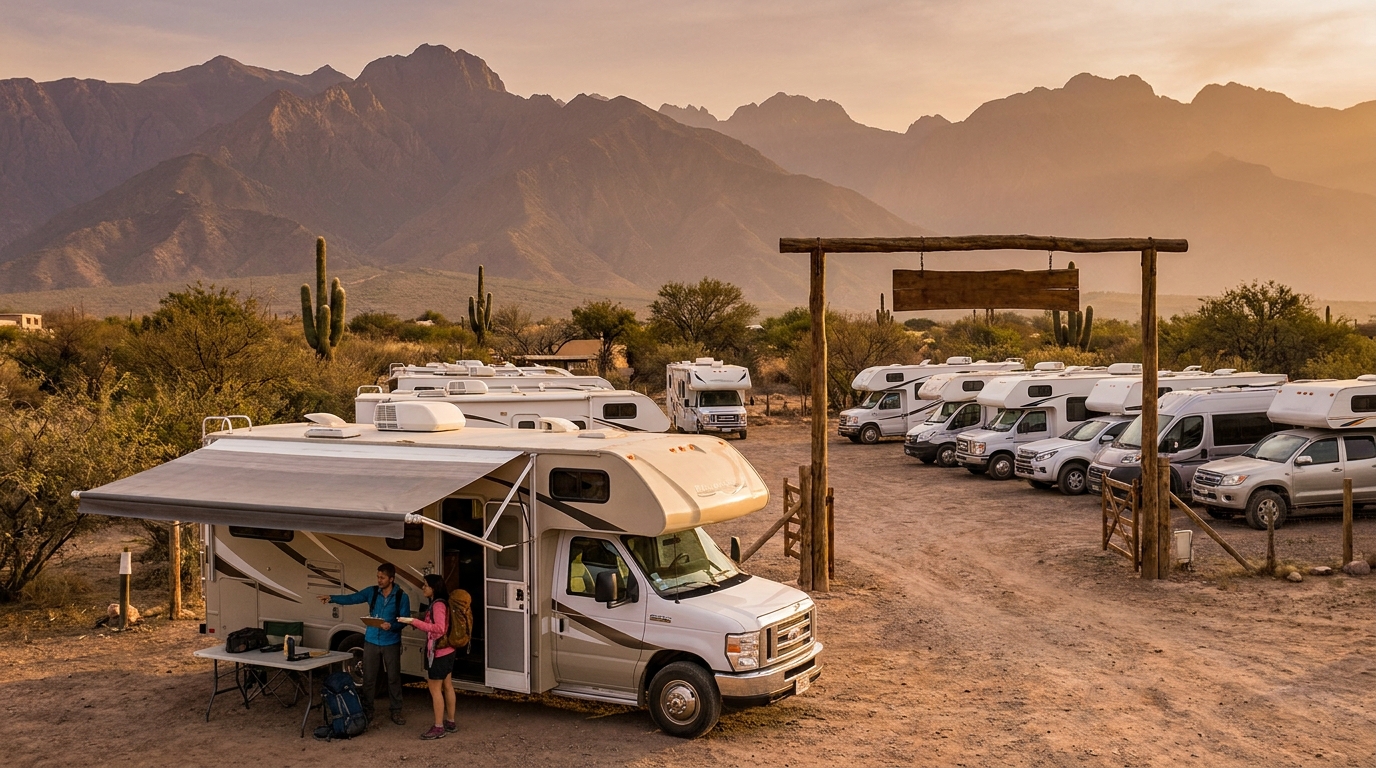
For seniors exploring South America, popular RV destinations prioritize scenic beauty and accessibility, with Patagonia in Argentina and Chile offering breathtaking landscapes of glaciers and hiking trails. Chile's Atacama Desert presents unique, arid beauty and exceptional stargazing opportunities, often with designated RV parking that's easy to access. Meanwhile, the coastal regions of Brazil provide vibrant culture and scenic beaches, though navigating densely populated areas may require a bit more careful planning. Remember to drive slowly and carefully, and you can drive almost anywhere without issues. No need to stress - just use common sense and pay attention.
Campground Types in South America (National, Private, Wild)
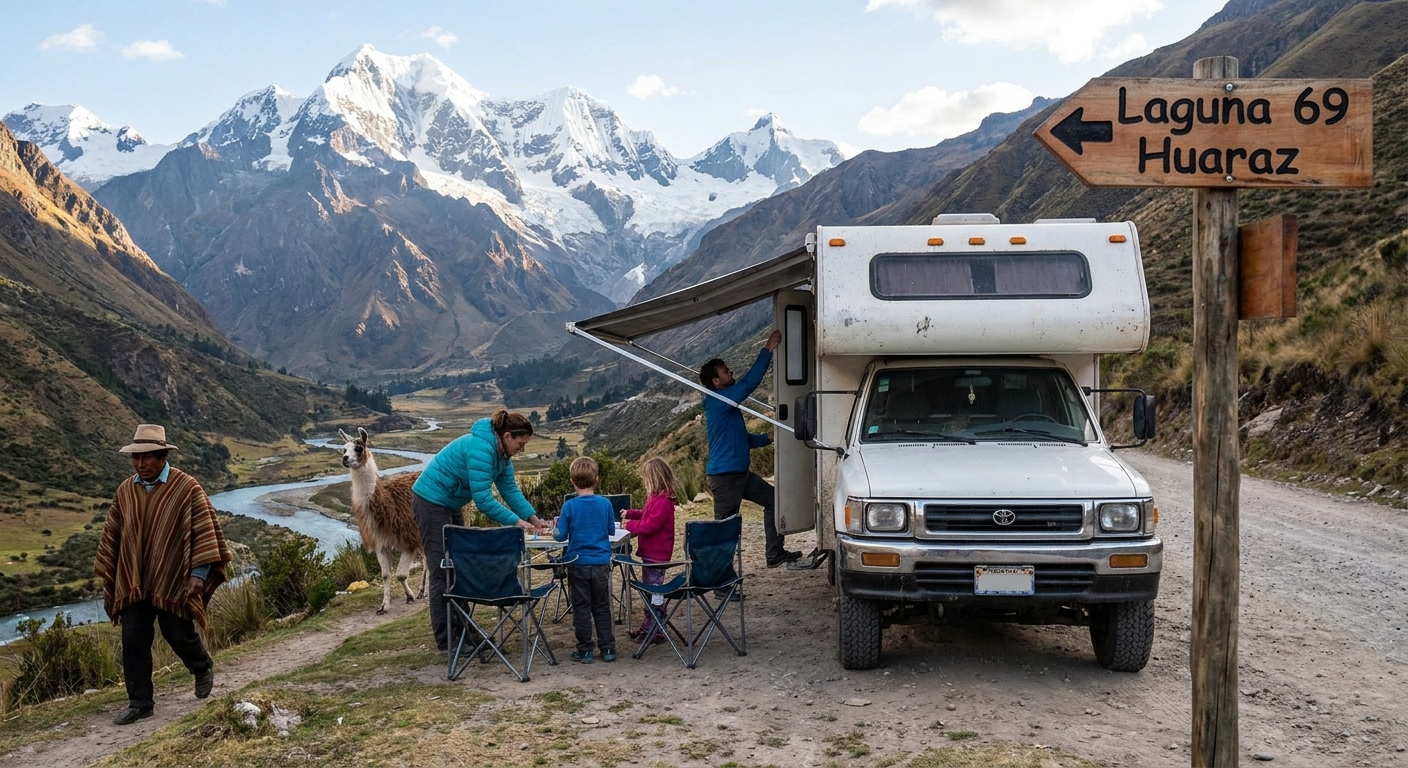
South America offers diverse camping experiences, with national park campgrounds typically providing basic facilities in stunning natural settings; these often require advance reservations, especially during peak travel seasons. Private campgrounds are generally the best choice for seniors, as they frequently feature more amenities like full hookups, reliable Wi-Fi, and enhanced security, catering to a comfortable travel experience. Wild camping, or boondocking, is widely practiced in remote areas, but its legality varies by country and region; seniors should always prioritize safety, seek local advice, and adhere strictly to 'Leave No Trace' principles to protect these pristine environments.
Featured RV Park or Campground in South America
When selecting an RV park in South America, seniors should prioritize locations offering secure parking, easily accessible level sites, and essential amenities such as clean restrooms and potable water for maximum comfort. Look for campgrounds with positive reviews regarding safety and hospitality, ideally those with staff who can assist with local information or in case of need. Proximity to grocery stores, medical facilities, and points of interest can significantly enhance the convenience and enjoyment of your RV trip, making daily life easier while on the road.
Hookups & Amenities - What to Expect
In South America, electrical hookups are commonly 220V with Type C or L outlets, necessitating appropriate adapters and potentially a converter for North American 110V appliances. Water access ranges from full hookups at private campgrounds to communal spigots at national parks; seniors should consider carrying a water filter for peace of mind, ensuring safe drinking water throughout their journey. Dump stations vary significantly in availability and condition, making advance planning for waste management crucial, especially for longer stays in remote areas. Wi-Fi is often available but may be limited to communal areas and can be unreliable, while amenities like laundry facilities and hot showers are desirable but not universally guaranteed at all sites. On the routes offered through RV PLANET routes, you can itemize and track every expense along the way for easy budgeting.
Booking Windows & Reservations in South America
For seniors who prefer certainty and comfort, booking popular campgrounds in South America, especially national parks or during peak season (December-February), 3-6 months in advance is highly recommended. Many national park campgrounds typically release only 25-30% of their spots for advance reservations, leaving the majority available on a first-come, first-served basis, offering flexibility for spontaneous travelers. Particularly during shoulder seasons (April-May or September-November), finding available spaces is usually easy, but calling ahead before driving long distances is a wise precaution to avoid any surprises. You'll find a spot; if not at the first campground, then the next one, making RV travel in South America accessible for all planning styles.
Nearby Supermarkets & Resupply Points
For major resupply points across South America, seniors should look for large supermarket chains such as Jumbo, Disco, Carrefour, Tottus, or Cencosud, which are present in most substantial towns and cities. In more rural areas, smaller almacenes or minimarkets can provide fresh produce and essential goods, though selection may be limited. Planning your route to pass through towns with larger grocery stores every few days is a practical strategy for seniors to ensure a consistent stock of food, water, and other necessities. You can even plan out meals with our RV-friendly recipes playlist. Additionally, for meticulous budget tracking and finding these resupply points, exploring RV PLANET routes allows travelers to itemize and track every expense along the way, making budgeting for ancillary costs like groceries, fuel, and tolls incredibly easy.
Best RV Class for Camping in South America
For seniors considering RV camping in South America, a Class B - Camper Van is often an excellent choice due to its superior maneuverability on varied road conditions and better fuel efficiency. Bandana's global fleet of campervans, like the "V3", averages 5.8m in length with features such as Shower and Toilet, and consumes around 11-13 Liter/100 km, making them ideal for agile travel. Alternatively, a Class SI - Semi-integrated RV, such as the "2 Berth Rover", offers a comfortable balance of living space and drivability for seniors, typically averaging 6.9m in length and 10-11 Liter/100 km fuel consumption, often including amenities like a TV and "Winter Ready" features. These smaller classes are adept at navigating both city streets and more challenging rural routes, providing flexibility and comfort for senior travelers.
How to Save on Campgrounds in South America
Seniors can significantly save on campground fees in South America by utilizing campground discount cards, if offered through your RV rental provider like Bandana Caravan, for reduced rates at participating locations. Traveling during the shoulder seasons (e.g., spring and autumn) often results in lower prices and fewer crowds compared to peak times, enhancing both savings and tranquility. Opting for municipal or regional campgrounds over private resorts can also yield substantial savings, as they typically offer more budget-friendly rates with essential amenities. Additionally, staying for three or more nights at a single location frequently qualifies you for weekly rates, offering a substantial discount compared to nightly bookings and encouraging slow travel, allowing you to fully feel the place, connect to the culture, the food, and the scenery, traveling max 100-150 km per day on average.
For more ways to stretch your budget, explore our "Cheap RV Rental in South America - Budget Guide 2026".
What is the 3-3-3 rule for RVs?
The '3-3-3 rule' for RV travel is a widely recommended guideline for safe and enjoyable trips, particularly beneficial for seniors, suggesting you drive no more than 300 miles (approximately 480 km), arrive at your destination by 3 PM, and stay for a minimum of 3 nights. This rule is designed to prevent driver fatigue, allow ample time to comfortably set up camp before dark, and provide sufficient opportunity to relax and thoroughly explore each destination without feeling rushed. Adhering to the 3-3-3 rule significantly enhances safety on South America's diverse and sometimes challenging roads, while also preventing burnout from constant travel, promoting a more leisurely pace ideal for senior adventurers.
Can you RV in South America?
Yes, RVing in South America is an increasingly popular and rewarding adventure, offering unparalleled freedom to explore its diverse landscapes, though it requires meticulous planning and a keen awareness of local conditions. Seniors should meticulously plan logistics, including understanding temporary import permits (TIPs), Carnet de Passage requirements for personal vehicles, varying customs procedures, and specific documents needed for each border crossing. It's crucial to acquire comprehensive vehicle insurance valid across multiple South American countries and robust international health insurance, alongside preparing the vehicle for varied road conditions, considering satellite communication, and learning essential Spanish/Portuguese phrases to navigate cultural nuances effectively. While demanding, the journey offers incredible rewards, allowing a deep immersion into the continent's stunning natural beauty and vibrant cultures, and our 24/7 support is there for you before, during, and after your booking to assist with any coordination or questions.
You can also check out "RV Rental Deals in South America - Latest Offers 2026" for current promotions.
Where can I park my RV without paying?
Parking an RV without paying, often referred to as boondocking or wild camping, is possible in many parts of South America, particularly in remote areas or designated free zones, but requires careful research into local legality, safety, and etiquette. While generally tolerated in vast, unpopulated regions, explicit permission from landowners should always be sought if parking on private property, and always adhere to 'Leave No Trace' principles. Seniors should prioritize secure parking strategies, utilizing community-sourced apps like iOverlander for reviews of free spots, and ensuring they have robust water and waste management systems when boondocking without facilities. Always be mindful of personal security and local community expectations, especially in less developed regions, and consider local advice on safe parking spots.
Can you rent an RV in Chile?
Yes, RV rentals are readily available in Chile, especially in major cities like Santiago, Puerto Montt, and Punta Arenas, making it a popular starting point for exploring iconic regions such as Patagonia or the Atacama Desert. Chilean rental companies offer a range of RV classes, from compact campervans (ideal for couples) to larger Class C motorhomes (suitable for families or groups), including options well-suited for seniors seeking comfort. When renting, seniors should diligently inquire about comprehensive insurance coverage, readily available breakdown assistance, and any specific requirements or additional permits needed for cross-border travel into neighboring countries like Argentina. Bandana Caravan partners directly with leading global suppliers like Apollo and Britz to offer you the best options with full transparency and top-level deductible reimbursement options.
Which countries are RV friendly?
Several South American countries, including Chile, Argentina, Ecuador, and parts of Colombia and Peru, are considered RV-friendly, offering diverse landscapes and developing infrastructure suitable for motorhome travel. Chile and Argentina are particularly popular due to their extensive national park systems, stunning natural beauty, and relatively good road conditions for RVs, especially along major tourist routes like the Carretera Austral or Ruta 40. Ecuador offers a compact, diverse landscape that is manageable for RVs, while Peru and Colombia present more challenging but highly rewarding routes for experienced travelers, necessitating closer attention to road quality and security measures.
For those considering extended trips, our "Long-Term RV Rental in South America - Monthly Rates 2026" guide offers insights into longer-duration options.
Which country in South America is considered the safest for backpacking?
While safety perceptions can vary, Uruguay, Chile, and parts of Argentina are frequently cited as among the safest countries in South America for travelers, including those backpacking or RVing, due to lower crime rates and generally good infrastructure. For RV travelers, particularly seniors, focusing on these regions can provide a greater sense of personal security and access to more reliable services and well-maintained roads. Regardless of the country, practicing general travel safety precautions such as securing belongings, avoiding isolated areas at night, and researching specific local conditions remains crucial for all visitors to South America.
Is it cheaper to rent an RV or stay in a hotel?
Renting an RV can be more cost-effective than staying in hotels, especially for longer trips or when traveling with multiple people, as it inherently combines accommodation and transport costs while offering significant savings on dining by allowing self-catering. While the upfront RV rental cost, fuel expenses, and campground fees are factors, an RV eliminates the need for daily restaurant meals and separate vehicle rentals, often leading to overall savings on a comprehensive budget. For seniors planning extended stays or exploring remote areas in South America, the flexibility and superior cost control offered by a rented motorhome frequently outweigh the cumulative expenses of a hotel-based trip, particularly when factoring in daily living costs. Our "Luxury RV Rental in South America - Premium Prices 2026" offers a perspective on higher-end options, if that's your preference.
Which country is best for a campervan?
For campervan travel in South America, Chile and Argentina are widely considered ideal due to their well-developed road networks, stunning national parks like Patagonia, and relatively robust camping infrastructure. These countries offer incredible scenic routes, from Chile's Carretera Austral to Argentina's Ruta 40, perfectly suited for the agility and freedom a campervan provides. The abundance of breathtaking landscapes, encompassing mountains, glaciers, deserts, and coastlines, combined with a growing support system for RV travelers, firmly establishes them as prime destinations for campervan adventures, offering numerous comfortable sites for seniors.
What is the 200 rule for camping?
The '200 rule for camping' is not a widely recognized or established guideline within the broader RV or camping community; common principles often relate to driving distances (like the 3-3-3 rule), adhering to 'Leave No Trace' ethics, or general campsite etiquette. It is plausible that this refers to a specific, localized regulation, a less common personal guideline, or a misunderstanding rather than a universal RVing principle. Travelers, especially seniors, should instead prioritize well-known best practices such as respecting park-specific rules regarding noise, waste, and campfires, and focusing on safe and responsible camping practices to ensure an enjoyable trip in South America.
What You Shouldn't Miss
- **Patagonia's Glaciers (Argentina & Chile):** Drive along Ruta 40 in Argentina or Carretera Austral in Chile to witness stunning ice fields and national parks like Los Glaciares (home to Perito Moreno Glacier).
- **Atacama Desert Stargazing (Chile):** Experience some of the clearest night skies on Earth at designated observatories or from your RV in this otherworldly desert landscape.
- **Iguazu Falls (Argentina & Brazil):** Park your RV at nearby campgrounds and immerse yourself in the sheer power and beauty of these magnificent waterfalls, easily accessible from both sides.
- **Colonial Cities & Andean Villages:** Explore charming cities like Cusco (Peru) or Salta (Argentina) with their rich history and vibrant markets, ensuring your RV is parked securely while you explore.
- **The Lake District (Argentina & Chile):** Enjoy picturesque lakes, forests, and charming towns like Bariloche or Puerto Varas, offering plenty of comfortable RV parks with scenic views.
Looking for expert insights from Avi Bandana? Top 5 Adventures - recommendations from Avi Bandana
Final Thoughts
Exploring South America by rented RV offers seniors an incredible blend of adventure and comfort, allowing you to discover its magnificent landscapes and vibrant cultures at your preferred pace. With careful planning and the right vehicle, like a nimble campervan or a comfortable semi-integrated motorhome, you can navigate diverse terrains and enjoy all the amenities of home. Whether you're drawn to the glaciers of Patagonia or the star-filled skies of the Atacama, South America awaits with unforgettable experiences.
We're here to support you before, during, and after your booking, ensuring a smooth and enjoyable trip. So, take the leap, embrace the open road, and discover why RV travel is an ideal way to experience the wonders of this incredible continent. Get inspired for your next trip! Discover top destinations, planning tips, all in one place!
Ready to find your perfect RV? Check South America RV Rental Prices Now for Seniors.