Quick Facts: RV rental in North Europe
Average Daily Cost: €89-€200+ for Class C motorhome (seasonal)Best Months: June-August (long daylight, mild weather)License Required: Standard driver's license / International permitTop Campground: Varies by country; many offer excellent fjord/nature access.Booking Lead Time: 2-3 months recommended for peak seasonBandana Advantage: True RV specialists with unparalleled expertise and transparency.
Where to Camp in North Europe — Top Options
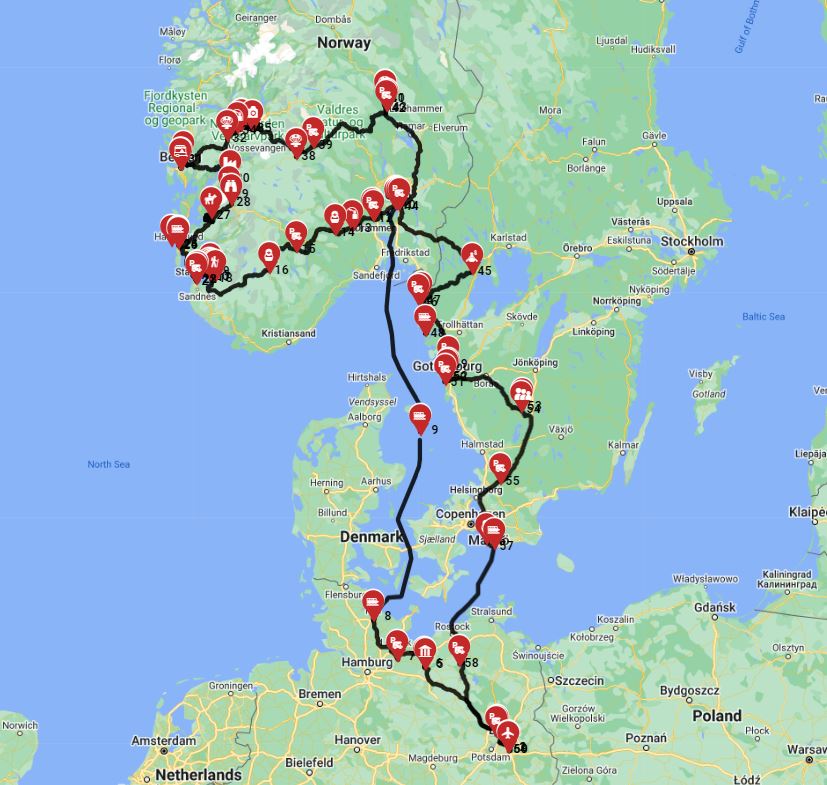
North Europe offers a diverse range of camping experiences, from the dramatic fjords of Norway's Lofoten Islands, accessible via an extensive ferry network and offering unique wild camping opportunities under the midnight sun or aurora, to the vast forests and lakes of Swedish Lapland, where the "Right to Roam" allows responsible, temporary stays.
Denmark's well-equipped, family-friendly campsites along the coast, particularly near Skagen, provide beach access and excellent facilities, though wild camping is more restricted here compared to its Nordic neighbors. In Finland, the Lakeland region is a haven for serene lakeside spots, often featuring traditional saunas, offering a quintessential Nordic experience that can be enjoyed even in winter with proper RV preparation. Iceland's unique geological attractions, such as the Golden Circle, are best explored from its numerous well-maintained campsites, which are crucial due to stricter wild camping regulations and provide essential logistics.
Campground Types in North Europe (National, Private, Wild)
When planning your RV adventure in North Europe, you'll encounter three primary types of camping: designated national park sites, private campgrounds, and the unique opportunity for wild camping, often facilitated by the "Right to Roam" laws in Nordic countries. These options cater to different preferences, from embracing raw nature to seeking comfort and convenience.
National Park Sites are typically more basic, designed to blend seamlessly with the natural environment. They offer unparalleled access to pristine landscapes and often require reservations during the peak season to manage visitor impact and promote responsible behavior. These sites are perfect for those seeking an immersive nature experience.
Private Campgrounds are abundant, especially in popular tourist destinations across North Europe. They provide a range of amenities, including full hookups, heated shower blocks, laundry facilities, and sometimes even on-site shops, making them ideal for travelers who prioritize comfort and reliable logistics. These sites offer a more conventional camping experience.
Wild Camping , a cherished tradition in Sweden, Norway, and Finland thanks to their "Right to Roam" (Allemansrätten), allows temporary stays (typically 1-2 nights) on uncultivated land. The key principle is to leave no trace, respect private property, and minimize environmental impact. It's crucial to understand local regulations, as countries like Denmark and Iceland have stricter limitations, often permitting wild camping only with landowner permission or in designated areas, emphasizing the importance of sustainable travel practices.
Featured RV Park or Campground in North Europe
When selecting an RV park in North Europe, prioritizing locations that cater to the region's unique conditions is essential. An ideal North European RV park will offer robust winterization for cold-weather travelers, strategic locations for seasonal phenomena like aurora viewing, and amenities that enhance the overall RVing experience.
Look for campgrounds that provide crucial infrastructure such as heated facilities, electrical hookups compatible with the European standard (230V, 2-pin), and efficient greywater and blackwater disposal stations, vital for navigating remote areas. Many top-tier sites also offer amenities like saunas, direct access to hiking trails or fishing spots, and valuable local information on activities, enriching your understanding of 'why' RVing in North Europe is so appealing.
Prioritizing locations that champion responsible tourism, effective waste management, and respect for local communities will align your trip with the pristine natural environment of North Europe, ensuring a more sustainable and rewarding adventure.
🎯 Fun Facts About North Europe
The 'Right to Roam' (Allemansrätten): In Sweden, Norway, and Finland, a unique public access right allows you to camp almost anywhere for a night or two, as long as you're respectful, don't disturb the landowner, and are not too close to houses. This makes wild camping incredibly accessible for RVers, unlike much of the rest of Europe!Norway's 10-Hour Ferry Network: Traveling through Norway's fjordland by RV often involves frequent car ferries. You could spend over 10 hours of your driving time each day on ferries in some regions, making them an integral, scenic, and sometimes lengthy part of the road trip experience.The Atlantic Road (Atlanterhavsveien): Voted 'Norway's Construction of the Century,' this 8.3-kilometer section of County Road 64 zigzags across several small islands and skerries, connected by eight bridges. It's considered one of the most beautiful and dramatic drives in the world for an RV.Finland's Million Saunas: With over 3 million saunas for a population of 5.5 million, Finland has more saunas per capita than anywhere else. Many campsites and even remote cabins accessible by RV offer traditional Finnish sauna experiences, often by a lake, providing a unique cultural immersion.Iceland's Ring Road & The Midnight Sun/Aurora: Iceland's Route 1, the iconic 'Ring Road,' can be driven in an RV under the surreal 'midnight sun' during summer, where daylight lasts nearly 24 hours. In contrast, during winter, the same route becomes a prime location for chasing the mesmerizing Northern Lights directly from your RV camp spot.
Hookups & Amenities — What to Expect
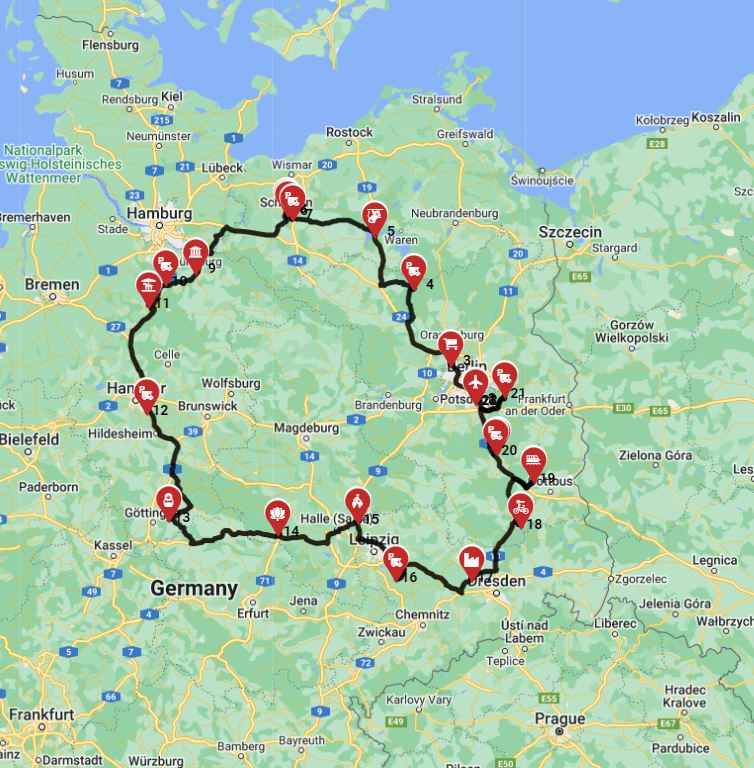
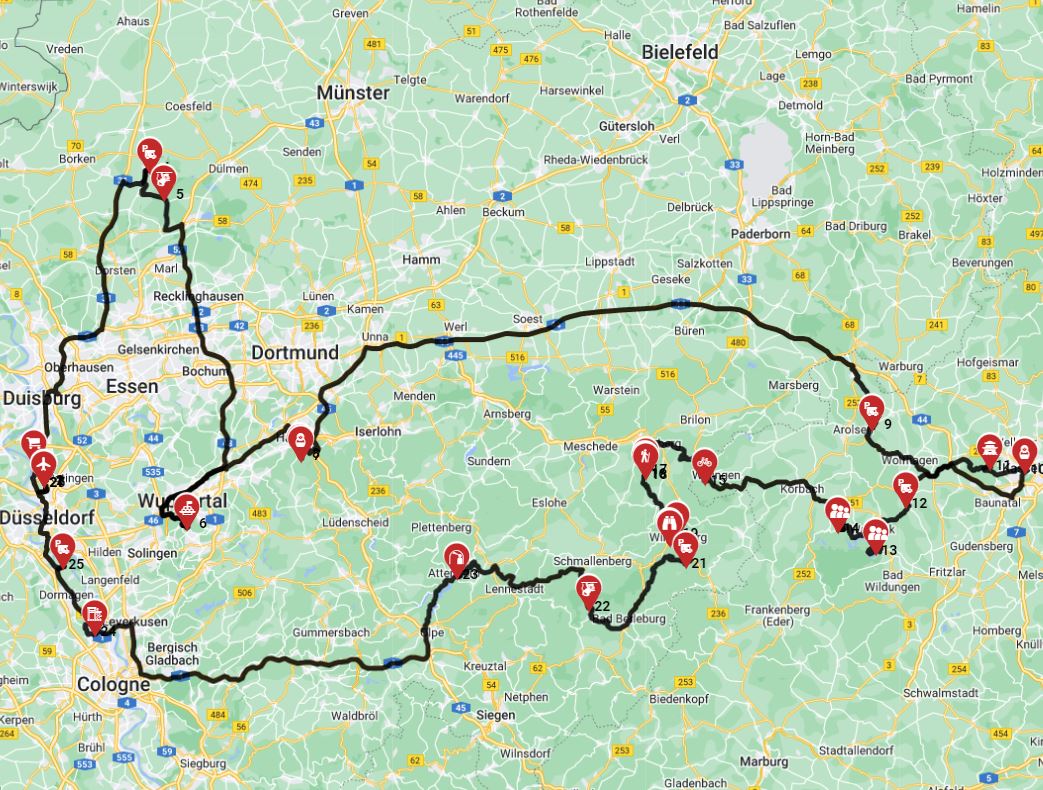
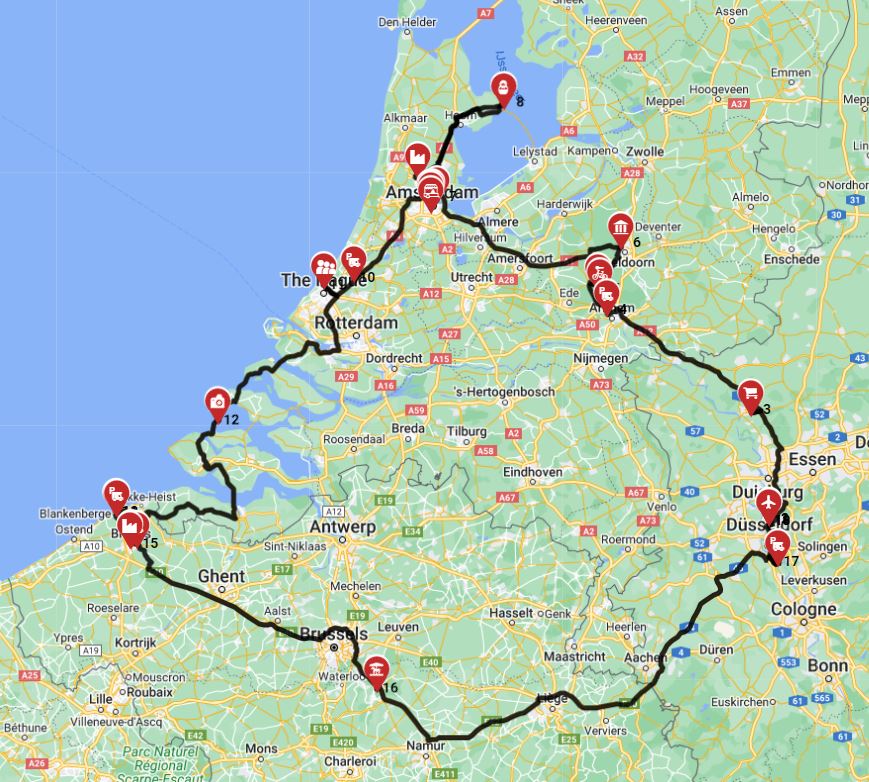
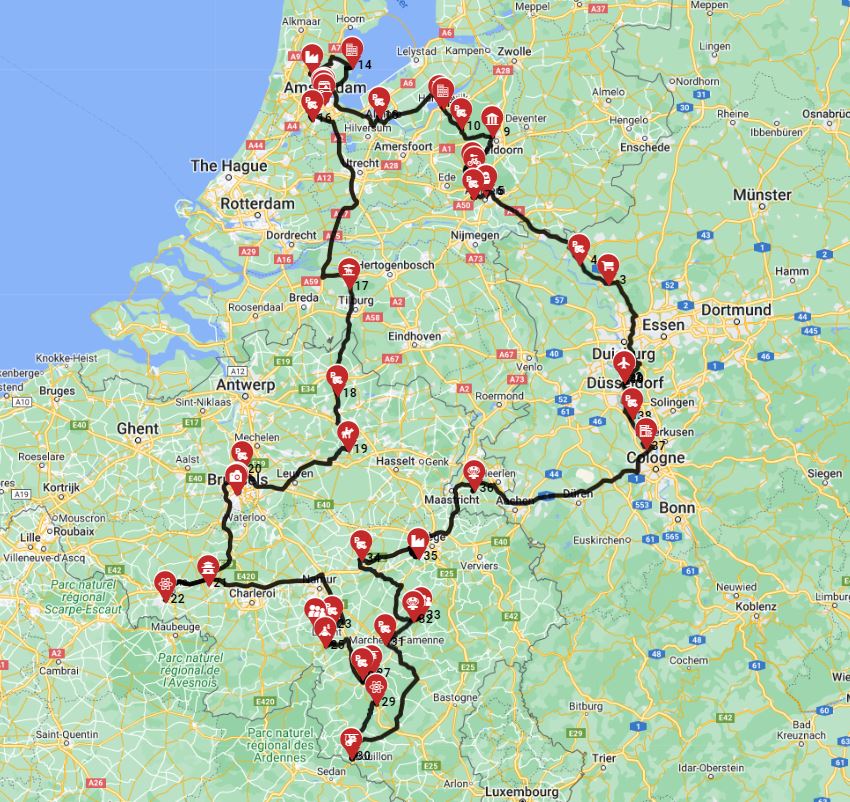
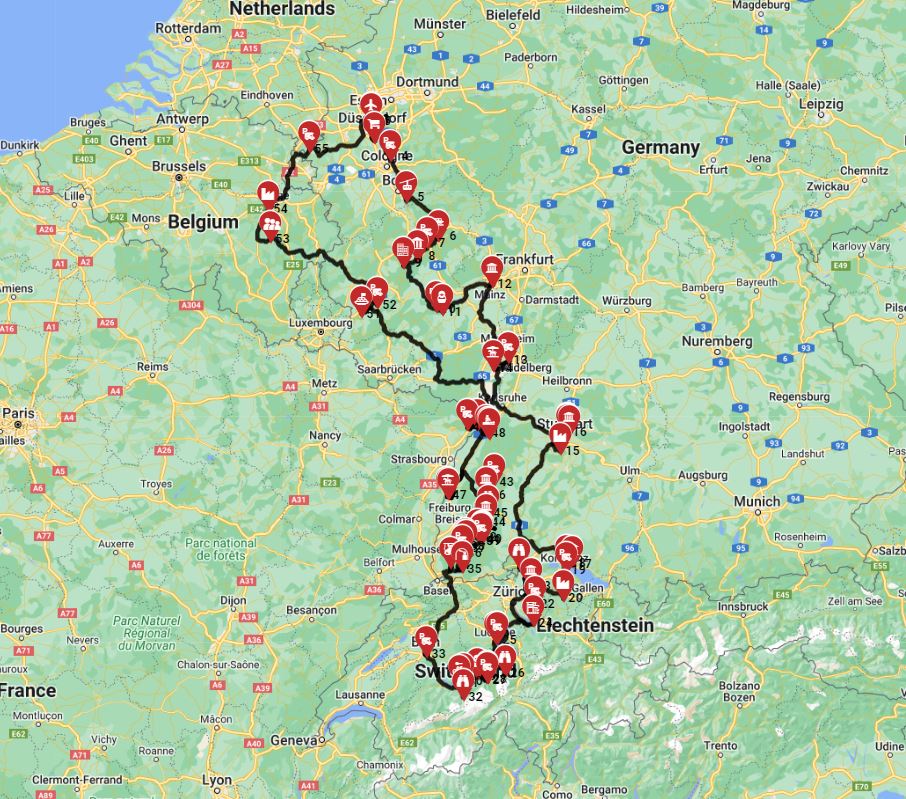
When camping in North Europe, you can generally expect reliable infrastructure for your rented RV. Campgrounds commonly offer electrical hookups, typically featuring the 230V European standard with 2-pin connectors, along with convenient fresh water refill points and essential greywater and blackwater dump stations, which are vital for managing waste during extended travel. On the routes offered through RV PLANET routes , you can itemize and track every expense along the way for easy budgeting.
Many sites, particularly private campgrounds, enhance your stay with amenities such as heated shower blocks, laundry facilities, and often Wi-Fi, although it's worth noting that cellular and internet coverage can be spotty in very remote areas. For your heating and cooking needs, LPG (propane) is generally available at fuel stations or specialized shops; however, it's wise to check if your RV's connection requires specific adapters, which is a key consideration for managing your trip's costs. For ideas you can prep on the road, watch our RV-friendly recipes playlist on YouTube.
For those traveling during the winter months, particularly for aurora chasing, seek out campgrounds that provide heated hookup points to prevent freezing and ensure access to heated common areas. It’s also advisable to bring universal power adapters and a long electric cable (at least 25 meters) to accommodate various pitch setups, alongside vehicle preparation like winter tires, ensuring comfort and safety throughout your North European RV adventure.
Booking Windows & Reservations in North Europe
For RV camping in North Europe, particularly during the popular summer months (June to August) or for specific events like aurora season in winter, booking your campsite well in advance is highly recommended due to significant demand. Many national park campgrounds and highly sought-after private sites in countries like Norway and Iceland can be fully booked months ahead, especially for larger RVs, making early planning crucial for securing your preferred spot.
However, a substantial portion, often around 70-75%, of spots in national park campgrounds are typically kept available on a first-come, first-served basis, offering flexibility for spontaneous travelers. For those preferring a less planned approach, it's always advisable to call ahead or use campground booking apps to check availability before driving long distances, particularly in more remote regions where infrastructure might be limited. Visiting during the shoulder seasons, such as May, September, or early October, often presents a more tranquil experience with fewer crowds, more readily available sites, and potentially lower prices, contributing to effective cost management.
Nearby Supermarkets & Resupply Points
Resupplying your rented RV in North Europe is generally straightforward in towns and cities, but strategic planning is essential, particularly in more remote areas, to manage costs effectively and ensure availability of goods. Keep an eye out for major supermarket chains such as REMA 1000, Kiwi, and Coop in Norway and Sweden, or S-Group and K-Group stores in Finland, which are known for offering good value and aiding in budgeting.
It’s important to allocate a realistic budget for groceries and fuel, as North European countries are notoriously expensive. Cooking most of your meals in your RV is a highly recommended strategy to significantly save money. Before venturing into less populated regions, it’s wise to stock up on essentials, as smaller villages may have limited selections or higher prices, which can impact your overall cost management. Utilize local markets for fresh produce and unique regional specialties to immerse yourself in local cuisine and support local economies.
Best RV Class for Camping in North Europe
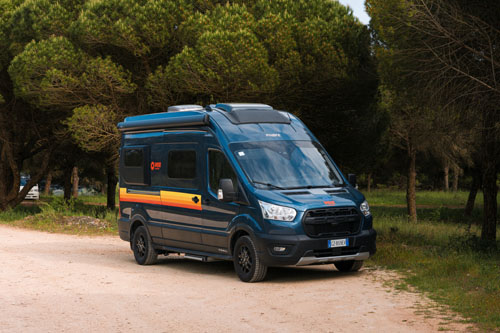
When choosing an RV for camping in North Europe, the Class B camper van and Class SI semi-integrated motorhomes often prove most suitable. These classes offer an excellent balance of maneuverability for navigating narrower roads, comfort for longer trips, and adaptability to diverse regional conditions, including potential winter challenges.
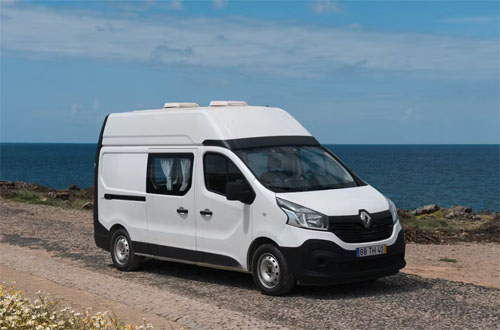
The Class B camper van, typically averaging around 5.8 meters in length and sleeping up to 3.2 people, is ideal for easily maneuvering through tight village streets, accessing more remote wild camping spots, and generally offers better fuel efficiency, typically 8-10 liters per 100km. This makes it a great choice for solo travelers or couples. The Class SI semi-integrated motorhome, usually around 6.9 meters long and sleeping up to 3.8 people, provides more living space and often better insulation, which is highly beneficial for longer journeys or during colder seasons. Their fuel consumption is slightly higher, typically 10-11 liters per 100km.
When selecting a specific vehicle, consider one with superior insulation and a robust heating system for shoulder and winter seasons. Also, ensure it is equipped with tires suitable for potential snow and ice, such as the studded tires required in some areas during winter, to address vehicle suitability and ensure proper preparation for the driving conditions.
How to Save on Campgrounds in North Europe
Saving money on campgrounds in North Europe is achievable through a combination of discount strategies, including leveraging campground discount cards, planning your travel during off-peak times, and opting for more budget-friendly site types. Utilizing discount cards, where applicable, can offer significant savings on nightly rates at participating sites, forming a key component of your cost management strategy.
Booking your trip during the shoulder seasons, such as spring (May) and autumn (September to early October), allows you to benefit from lower prices and fewer crowds compared to the peak summer months. This also often coincides with unique seasonal opportunities for sightseeing. Consider choosing municipal or regional campgrounds over large private resorts; they often provide essential amenities at a more accessible cost without sacrificing access to nature and scenic locations.
Inquire about weekly rates, as many campgrounds offer discounts for stays of three nights or more, which encourages longer, more immersive visits and effectively reduces your per-night costs. For groups traveling together, sharing hookups where permitted can help distribute the cost of electricity and water across multiple parties, further aiding in overall cost management and making your North European RV adventure more economical.
Can you park a motorhome anywhere in Europe?
No, you generally cannot park a motorhome just anywhere in Europe, as specific regulations vary significantly by country and even by local municipality, with notable distinctions observed in North Europe. While wild camping is restricted or outright illegal in many parts of Central and Southern Europe, Nordic countries like Sweden, Norway, and Finland uphold the "Right to Roam" (Allemansrätten).
This "Right to Roam" allows for temporary overnight stays on uncultivated, non-private land, provided you practice responsible camping, leave no trace, and maintain a respectful distance from dwellings. However, even within these generous laws, parking directly in visible spots near homes, on cultivated private land, or within designated nature reserves is typically prohibited or requires explicit permission, highlighting the need for responsible and sustainable travel practices. In contrast, countries like Denmark and Iceland enforce much stricter rules, often limiting sleeping outside designated campsites and requiring the use of official campgrounds, thus making them indispensable for RV travelers and necessitating careful attention to local logistical challenges.
What is the 3-3-3 rule for RV travel?
The 3-3-3 rule for RV travel is a widely recommended guideline designed to ensure safe, relaxed, and enjoyable journeys, especially pertinent when covering North Europe's vast distances and navigating its variable driving conditions. It advises travelers to adhere to three core principles: drive no more than 300 miles (approximately 500 km) per day, arrive at your destination by 3 PM, and stay for at least 3 nights at each location.
Adhering to the '300 miles per day' guideline helps prevent driver fatigue, a critical factor on North Europe's often winding, remote, or single-lane roads. This pace also allows for unexpected stops to appreciate scenic views and spontaneous discoveries. Reaching your campsite by '3 PM' ensures you have ample daylight to find and set up your site, which is particularly crucial during shoulder seasons with shorter daylight hours or when securing a first-come, first-served spot without undue haste. Finally, the 'stay for 3 nights' principle encourages a slower, more immersive travel experience, allowing you time to truly explore the local area, engage in unique activities, and fully appreciate North Europe's distinct nature and culture, moving beyond mere transit.
What is the 333 rule for campervan?
The "333 rule" for campervan travel is identical to the 3-3-3 rule for general RV journeys, serving as a guideline to promote relaxed, safe, and immersive exploration, making it particularly suitable for adventuring through North Europe. It encourages campervan travelers to adopt three key practices: drive no more than 300 miles (approximately 500 km) in a single day, reach their chosen campsite by 3 PM, and commit to staying for a minimum of 3 nights at each destination.
This rule is especially pertinent for campervan travel in North Europe, where the temptation to cover extensive ground might be high due to the sheer beauty of the landscapes. However, emphasizing slower travel significantly enhances the experience of the remote scenery and rich local culture. Adhering to this guideline allows ample time for navigating varying road conditions, including gravel roads or mountain passes, enjoying activities like hiking or kayaking, and properly settling into each location without feeling rushed. It also aids in managing the unique logistical challenges of campervan travel, such as finding suitable parking or wild camping spots, by arriving earlier in the day and maximizing opportunities for cultural immersion.
Is Europe RV friendly?
Yes, Europe is generally very RV-friendly, and North Europe, in particular, offers a fantastic, albeit distinct, RV experience characterized by excellent infrastructure, stunning natural beauty, and a strong emphasis on responsible travel. North European countries boast well-maintained roads, although some remote areas may feature gravel roads or narrow mountain passes that require careful driving and specific vehicle suitability, such as good insulation and appropriate tires.
The region is highly accommodating for RVs, featuring a vast network of official campsites and, in some Nordic countries, the flexible wild camping options afforded by the "Right to Roam" (Allemansrätten), which offers a significant logistical advantage. Seasonal considerations are important: summer provides long daylight hours (the midnight sun) and generally easier travel, while winter presents unique opportunities for aurora borealis viewing but necessitates specific vehicle preparation, including studded tires and robust heating, alongside an awareness of challenging road conditions. Potential challenges include higher costs for fuel and groceries compared to Southern Europe, specific regulations for ferry travel and bridge tolls, the availability of LPG/propane, and a crucial need for awareness regarding wildlife such as moose and reindeer on roads.
Is RVing a thing in Europe?
Yes, RVing, or caravanning/motorhoming, is very much a prevalent and cherished way of traveling across Europe, with a deeply ingrained culture of mobile exploration. It's a rapidly growing trend, and North Europe, in particular, has embraced it enthusiastically.
Millions of Europeans annually own or rent RVs, utilizing them for vacations that span coastal explorations, mountain adventures, and cultural tours, underscoring its significant market presence. In North Europe, RVing provides unparalleled access to breathtaking natural landscapes, including majestic fjords, expansive national parks, and remote coastlines. This mode of travel often allows access to areas that are difficult or impossible to reach by other means, greatly enhancing the travel experience. The region's strong emphasis on outdoor activities, its pristine environments, and the celebrated "Right to Roam" in Nordic countries make RVing an ideal way to explore the unique appeal of the continent, offering a profound connection to nature and local culture beyond simple parking.
Which European country has the best campsites?
While determining the absolute "best" European country for campsites is subjective and depends on individual preferences, North European nations consistently rank high due to their exceptional blend of stunning natural beauty, remarkable cleanliness, and a comprehensive range of facilities, all contributing to unique travel experiences.
Norway is celebrated for its scenic campsites, often nestled amidst dramatic fjords and mountains, frequently offering breathtaking views and easy access to hiking trails. However, amenities in its more remote areas can be basic, aligning with its adventurous appeal. Sweden strikes an excellent balance, boasting a vast number of well-maintained sites, many equipped with good family facilities, alongside extensive opportunities for responsible wild camping under the "Right to Roam." Denmark excels in offering family-friendly campgrounds, commonly situated near beautiful beaches or popular attractions, providing high standards of comfort and amenities for those seeking convenience. For a unique cultural experience, Finland provides tranquil lakeside campsites, many featuring traditional saunas, perfect for nature immersion. Lastly, Iceland offers strategically located campsites near major natural wonders, providing essential services in a landscape where wild camping is largely restricted, making them indispensable for RV travelers exploring its unique geological features.
Can you sleep anywhere in a campervan in Europe?
Sleeping anywhere in a campervan in Europe is generally not permitted without specific authorization, although rules vary significantly across the continent, with North European countries offering more flexibility under strictly defined conditions. In countries like Sweden, Norway, and Finland, the "Right to Roam" (Allemansrätten) permits temporary overnight stays, usually one to two nights, on uncultivated, non-private land, provided you practice responsible camping and leave no trace.
However, this right does not extend to parking directly within towns, on private property, or within designated protected areas, where specific signage will indicate restrictions. Travelers should always be aware that prolonged stays in one non-designated spot, even where wild camping is permitted, can be viewed unfavorably or lead to environmental degradation, underscoring the importance of responsible and sustainable camping practices. In Iceland and Denmark, wild camping and sleeping outside designated campsites are significantly more restricted, and doing so can result in fines. Therefore, it is always best to use official campgrounds or verified overnight parking spots found via reputable apps like Park4Night or Campercontact to ensure compliance and ethical exploration.
Where are some good campsites for motorhomes in Europe?
For motorhomes in North Europe, excellent campsites can be found across diverse landscapes, offering something for every traveler. From stunning coastal vistas and deep, serene forests to dramatic fjord settings and volcanic plains, these locations cater to a variety of preferences and provide unique travel experiences.
In Norway , consider sites like Camping Plus Hvaler for its coastal charm, or explore campgrounds near the Geirangerfjord for unparalleled views and access to iconic fjords. Sweden offers gems like Saxnäs Camping for peaceful lakeside relaxation or sites within the vast forest regions of Dalarna, perfect for nature immersion and accessing the "Right to Roam." For a unique cultural camping experience in Finland , explore campgrounds in the Lakeland region, such as those around Lake Saimaa, which often include traditional saunas. In Denmark , family-friendly options abound along the Jutland coast, like Hvidbjerg Strand Feriepark, which boasts extensive amenities and easy beach access. Finally, Iceland's campsites, such as those in Skaftafell or Reykjavik Campsite, are strategically positioned for exploring its unparalleled natural wonders and provide essential facilities in a region with strict wild camping rules.
How can I book camping in Europe?
Booking camping in Europe, particularly in North Europe, can be managed through a combination of online platforms, direct campground websites, and on-site registration, offering flexibility for both meticulous planners and spontaneous adventurers. For popular sites during the peak season (June to August) in countries like Norway and Iceland, using online booking portals such as Camping.info, ACSI, or the specific campground websites several months in advance is crucial to secure a spot, especially if traveling with a larger RV.
Many North European campgrounds, particularly smaller or more remote establishments, operate on a first-come, first-served basis, which is ideal for those who prefer spontaneous travel and itinerary flexibility. Utilizing apps like Park4Night or Campercontact is also highly recommended for finding available sites, reading user reviews, and checking for essential amenities and booking options on the go. For national park campgrounds, it's important to check the respective national park authority websites, as some may have their own booking systems, often releasing a limited percentage of spots for reservation while leaving the remainder available for walk-ins, which requires careful attention to detailed rule explanations for specific areas.
What is the 28 day rule regarding camping?
The "28-day rule" is primarily a planning permission guideline specific to the United Kingdom, stating that temporary structures, such as tents or caravans, can be erected on land for up to 28 days within any calendar year without needing formal planning permission. While this is a UK regulation, its underlying principle of limiting temporary stays to prevent permanent encampments is reflected in various forms across Europe's diverse camping laws, though not as a universal "28-day rule" in North Europe.
In North Europe, countries with "Right to Roam" legislation, such as Sweden, Norway, and Finland, emphasize "temporary" stays, typically implying a few days in one spot before moving on, rather than a strict numerical limit like 28 days. The focus here is on responsible practice and avoiding prolonged occupation. Other North European countries, like Denmark and Iceland, often have more stringent rules that mandate the use of designated campgrounds, effectively precluding extended stays outside official sites and highlighting the need for clear understanding of local regulations. Travelers should always be mindful that prolonged stays in non-designated spots, even where wild camping is permitted, can be viewed negatively or contribute to environmental strain, thus reinforcing the importance of responsible and sustainable camping.
What You Shouldn't Miss
Drive the iconic Atlantic Road in Norway, a stunning 8.3 km stretch of winding roads and bridges that appears to float above the sea.
Experience a traditional Finnish sauna by a lake, a quintessential cultural immersion available at many campsites in the Lakeland region.
Chase the Northern Lights in Iceland or Northern Sweden/Norway during winter, witnessing this natural phenomenon directly from your rented RV.
Explore Norway's fjords, perhaps by taking advantage of the extensive ferry network which can become a scenic, albeit time-consuming, part of your RV journey.
Hike amidst the dramatic landscapes of Norway's Lofoten Islands, taking advantage of the "Right to Roam" for unique overnight stays with breathtaking views.
Witness the surreal "midnight sun" in Iceland or Northern Sweden during summer, where daylight stretches nearly 24 hours, offering extended opportunities for exploration.
Why Book with Bandana Caravan
Full Transparency
No hidden fees, no surprises. What you see is what you pay.
24/7 Support
Real people are always ready to assist you, before, during, and after your booking.
Top-Level Deductible Reimbursement
Travel with peace of mind, knowing you have enhanced protection.
Since 2001, Bandana Caravan has been dedicated to making RV travel accessible and enjoyable for tens of thousands of travelers worldwide. We've built direct partnerships with over 50 leading RV suppliers globally, including well-known names like El Monte, Cruise America, Apollo, and Britz. Our sister company, RV PLANET (rvplan.net), offers over 1,300 pre-planned routes across five continents, providing comprehensive trip planning support. We pride ourselves on offering bookings in over 30 currencies with complete price transparency – no hidden fees or conversion commissions. With coverage in more than 50 countries, we combine global reach with invaluable local expertise and dedicated support.
"We sell the way we'd like to buy – with honesty. No hidden fees, no surprises, no tricks or gimmicks. What you see is what you get."
— Avi Bandana, Founder of Bandana Caravan
"Life is now!"
About the Author
Avi Bandana is the founder and CEO of Bandana Caravan , one of the world's leading RV rental comparison platforms. With over 25 years of hands-on experience in the motorhome travel industry, Avi has personally visited hundreds of destinations and tested countless RV models across 5 continents. His mission: make RV travel accessible, transparent, and joyful for everyone.
Final Thoughts
Embarking on an RV adventure in North Europe offers an unparalleled opportunity to connect with stunning natural landscapes and vibrant cultures at your own pace. From the dramatic fjords and coastal drives to the serene forests and lakes, the freedom of an RV allows you to explore these diverse environments intimately.
Remember to plan ahead, especially regarding popular campsites and seasonal considerations, but also embrace the flexibility that RV travel provides. By packing smartly, understanding local customs and regulations, and leveraging resources like RV PLANET (rvplan.net) for route planning, your North European journey will be seamless and unforgettable. Get inspired for your next trip and discover top destinations, planning tips, all in one place!
We're here to support you every step of the way, ensuring your RV rental experience is as rewarding as the destinations themselves. Plan a trip itinerary in advance with minimal effort and maximum enjoyment, and let the adventure begin!
All the information is based on public information on the web.
All imagery sourced under Creative Commons licenses with attribution provided.
Always check trail conditions and opening hours before travel.

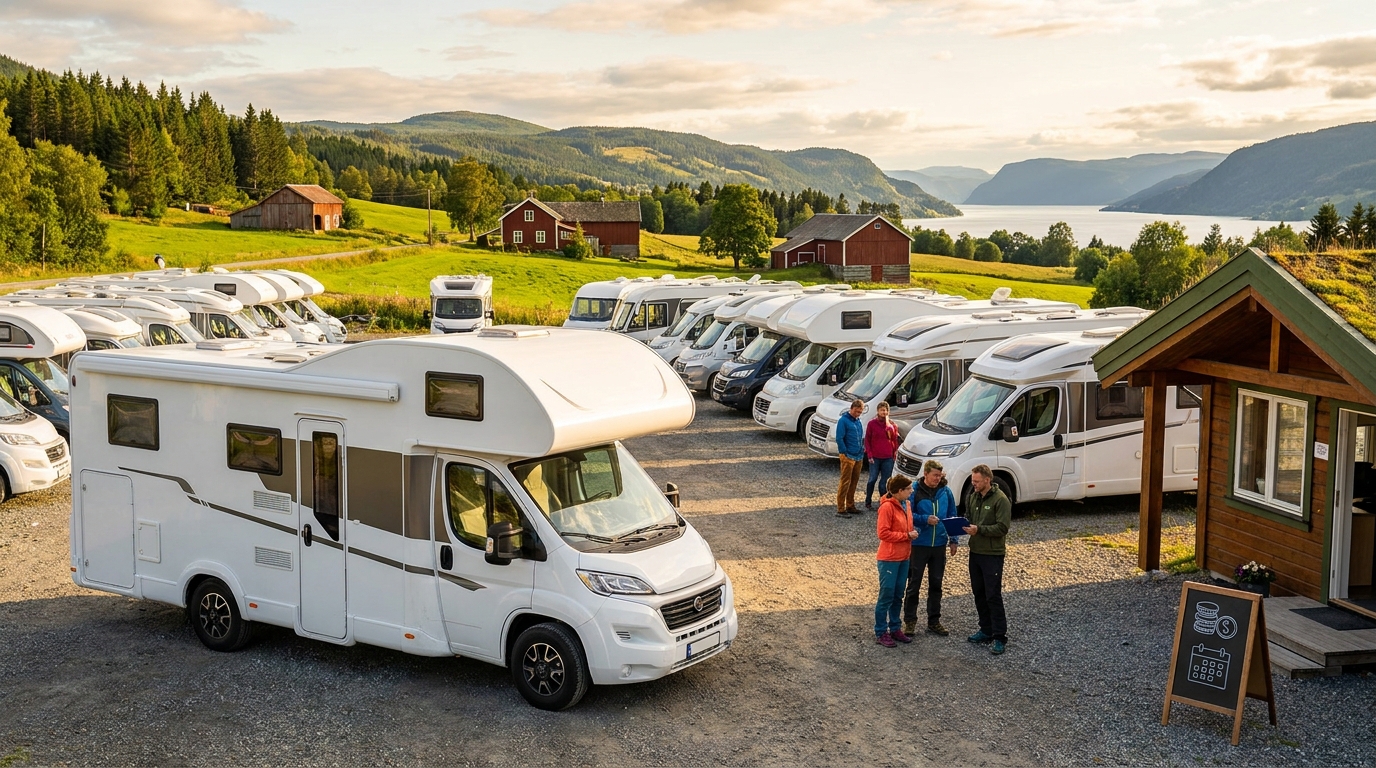
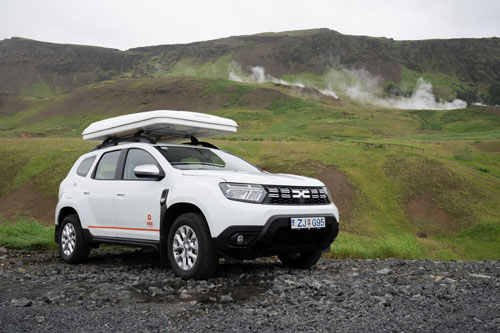
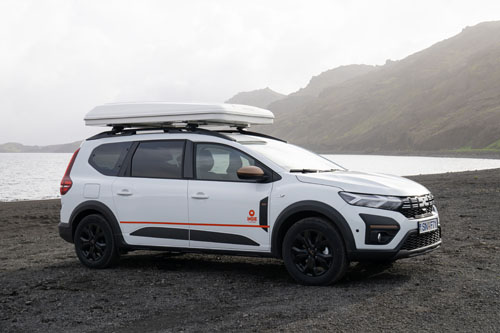
 Class B - Camper Van
Sleeps 2 4.26 × 2.03 m4 Wheel Drive Front Air condition Pet Friendly Winter Ready Festival Friendlyfrom 50.9 € EUR per nightView & book
Class B - Camper Van
Sleeps 2 4.26 × 2.03 m4 Wheel Drive Front Air condition Pet Friendly Winter Ready Festival Friendlyfrom 50.9 € EUR per nightView & book