In This Guide
- What is the best way for seniors to travel around Iceland?
- Is it easy to drive in Iceland?
- Is it safe to drive an RV in Iceland?
- What is the best month to RV in Iceland?
- Can you RV in Iceland in winter?
- How long do you need to RV around Iceland?
- Can you just park up anywhere in Iceland in an RV?
- What is the average cost of an RV trip in Iceland?
- Sustainable and Responsible RV Travel Practices in Iceland
- Cultural Immersion and Local Experiences for Seniors
- Beyond the Ring Road - Unique Icelandic RV Itineraries
- What kind of RV do you need for Iceland?
- Do you need 4x4 for RV in Iceland?
- Best RV Class for Camping in Iceland
- What is the best RV rental company in Iceland for seniors?
- What is the average price of an RV rental in Iceland?
- What is the cheapest way to RV in Iceland?
- How to Save on Campgrounds in Iceland
- Where to Camp in Iceland - Top Options
- Campground Types in Iceland (National, Private, Wild)
- Featured RV Park or Campground in Iceland
- Hookups & Amenities - What to Expect
- Booking Windows & Reservations in Iceland
- Nearby Supermarkets & Resupply Points
- Provisioning and Local Icelandic Produce for Your RV Kitchen
What is the best way for seniors to travel around Iceland?
For seniors seeking unparalleled flexibility and comfort to explore Iceland, an RV rental offers the ideal solution, allowing self-paced travel and effortless access to the island's breathtaking natural wonders. With a rented RV, you have your accommodation, kitchen, and restroom always at your fingertips, significantly reducing the stress associated with daily packing and unpacking. This mode of travel naturally supports a slower, more immersive travel style, which is particularly beneficial for seniors who may prefer less strenuous schedules and more time to savor each location. For ideas you can prep on the road, watch our RV-friendly recipes playlist on YouTube.
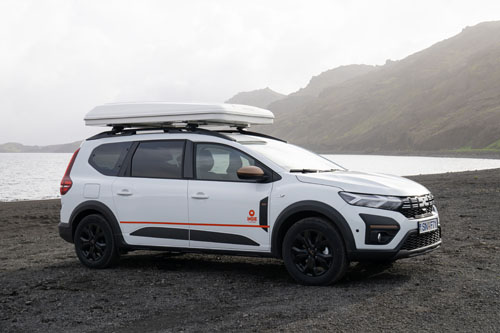
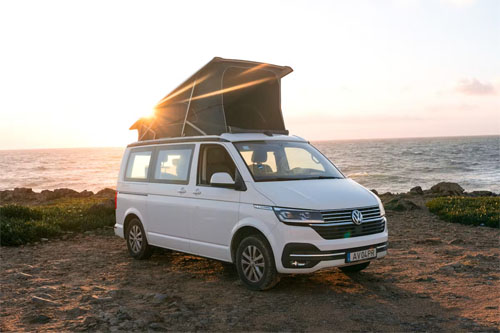
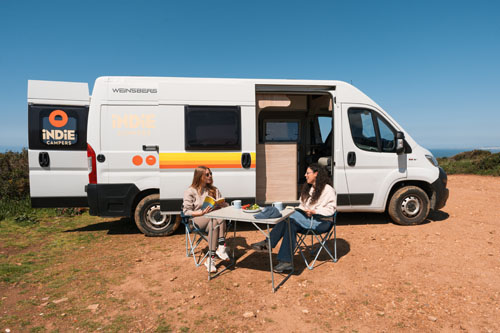
When choosing an RV for senior travel in Iceland, consider models that are easy to drive and equipped with comfortable amenities. Bandana's fleet typically features options like the Class B Camper Van, averaging 5.8 meters in length and designed for agility, or a Semi-integrated RV (Class SI), offering a good compromise between space and maneuverability.
Is it easy to drive in Iceland?
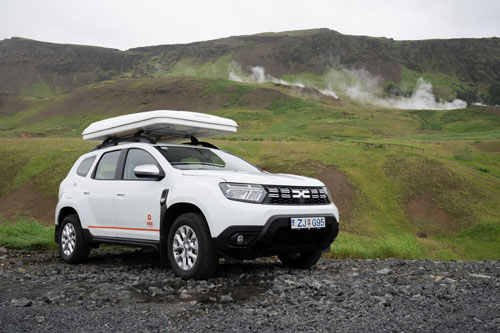
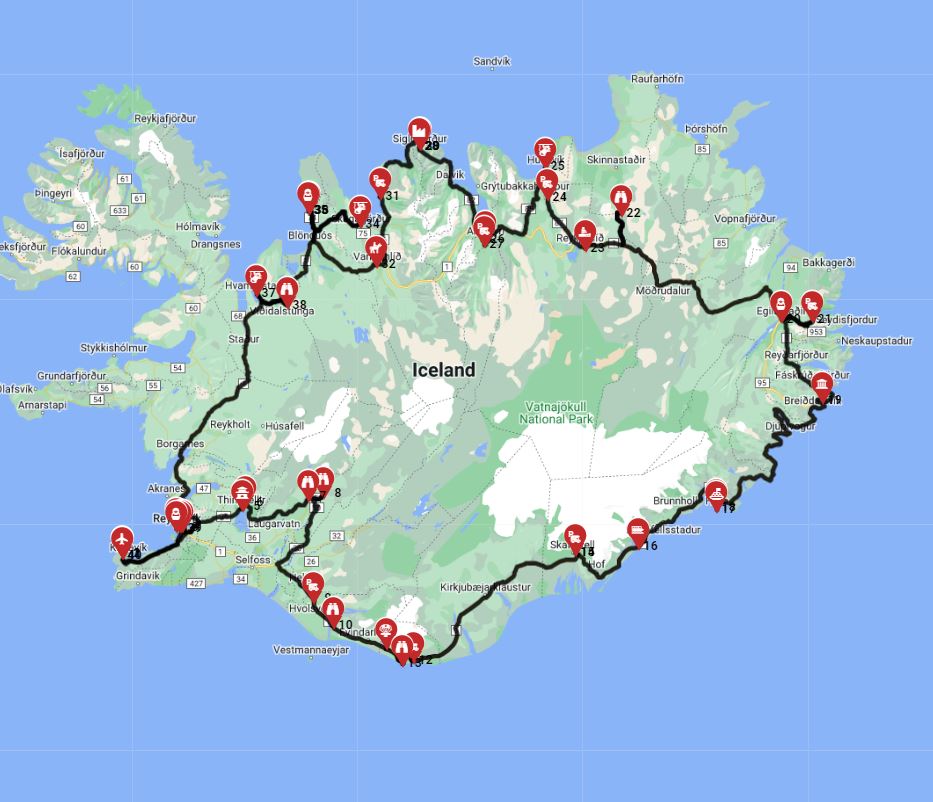
Driving in Iceland is generally straightforward, particularly on the well-maintained main roads like the Ring Road (Route 1), making it accessible for seniors. Most major attractions are accessible via paved roads, meaning a standard 2WD RV is perfectly suitable for a typical Ring Road itinerary, offering good fuel economy and maneuverability.
However, it's essential for seniors to be aware of Iceland's unique driving challenges. Roads can be narrow in places, and some bridges are single-lane, requiring attention, patience, and yielding to oncoming traffic. Be prepared for rapidly changing weather conditions, even in summer, including strong winds that can significantly impact an RV's driving stability. Always check real-time road conditions on road.is before setting out.
Is it safe to drive an RV in Iceland?
Driving an RV in Iceland is considered safe, especially when adhering to local road rules, staying informed about weather and road conditions, and exercising caution, particularly on gravel sections or F-roads. Prioritizing the right vehicle for your planned route is key; a 2WD RV is sufficient for the Ring Road and major tourist attractions, while a 4WD RV is essential and safer if you plan to venture into the Highlands.
Advanced weather preparedness is crucial. Always check the latest weather forecasts from vedur.is and road conditions from road.is before any journey, as conditions can change rapidly. Remember to keep headlights on at all times, respect posted speed limits, and be aware of potential hazards like livestock (sheep and horses) on or near the roadsides.
What is the best month to RV in Iceland?
The prime months for seniors to enjoy RV travel in Iceland are typically June, July, and August. During this summer period, you'll experience the mildest weather, the longest daylight hours (offering ample time for exploration), and the full accessibility of most roads, including the F-roads for those with 4x4 vehicles. These months guarantee the highest likelihood of clear roads and open facilities, simplifying navigation and planning for a relaxed trip.
For those seeking fewer crowds and potentially lower prices, the shoulder seasons of May and September also present excellent opportunities. While conditions are generally good, some F-roads and more remote campgrounds might still have limited access or be closed. Regardless of the month, always pack layers and be prepared for varied weather, including rain and cooler temperatures, as Icelandic weather is famously unpredictable.
Can you RV in Iceland in winter?
While challenging, RVing in Iceland during winter (typically October through April) is possible for adventurous seniors, but it demands extensive preparation and a specific type of vehicle. A 4x4 RV equipped with proper winter tires is crucial, as are flexibility and a constant awareness of unpredictable and often severe weather conditions.
Many campsites and all F-roads close for the winter, significantly limiting options and requiring meticulous planning for overnight stops. Shorter daylight hours, icy roads, and powerful storms, including blizzards and extreme winds, are common, necessitating vigilant monitoring of weather (vedur.is) and road conditions (road.is). A well-insulated RV with a reliable heating system, coupled with experience driving in snow and ice, are paramount for a safe winter RV adventure.
How long do you need to RV around Iceland?
For seniors aiming for a comfortable and comprehensive RV exploration of Iceland, a minimum of 7 to 10 days is recommended to cover the popular Ring Road itinerary at a leisurely pace. For a more in-depth experience, allowing for detours and a truly relaxed schedule, 14 days or more is ideal.
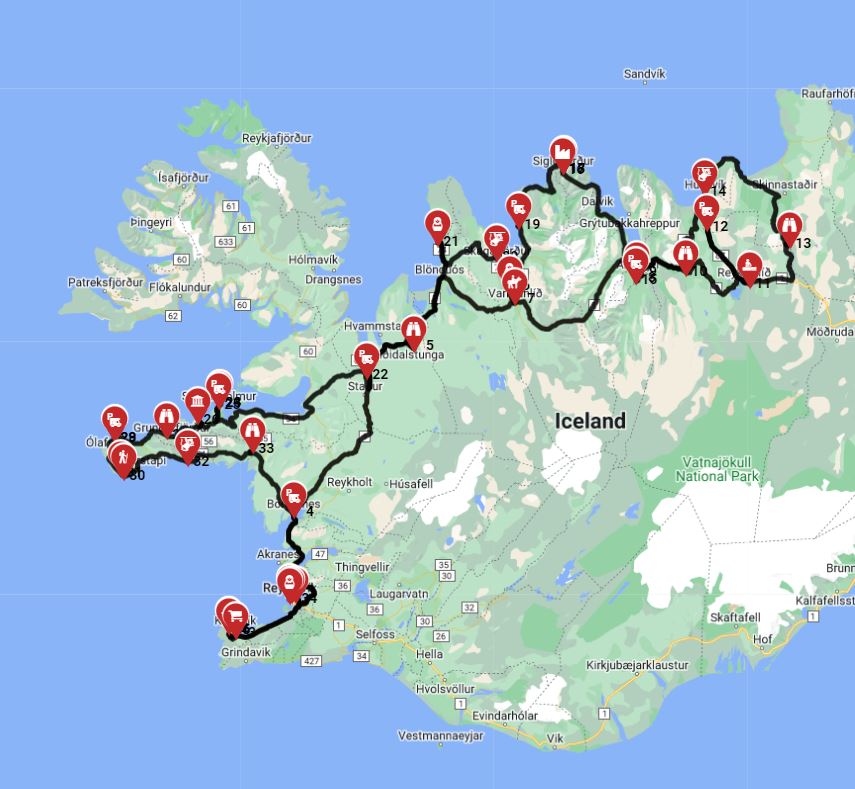
A 7-day trip allows for a basic circuit of the Ring Road, but it can feel rushed, leaving limited time for spontaneous stops or exploring key attractions like the Snæfellsnes Peninsula or the Golden Circle in depth. Allocating 10 to 14 days provides ample opportunity to truly immerse yourself in Iceland's diverse landscapes and enjoy its wonders without feeling pressed for time. For those desiring deeper cultural immersion, venturing off the beaten path, or exploring regions like the Westfjords, a 3-week or longer trip is highly recommended.
Can you just park up anywhere in Iceland in an RV?
No, wild camping or 'parking up anywhere' in an RV in Iceland is largely illegal and strictly prohibited outside of designated campgrounds, especially for motorhomes and camper vans. Icelandic law, updated to protect the country's fragile natural environment, mandates that all motorhomes and camper vans must stay overnight in official campgrounds.
Violations of this rule are subject to significant fines and can lead to detrimental environmental damage. It is crucial to always use marked campsites or obtain explicit permission from landowners for any private overnight parking. Adhering to these regulations is vital for sustainable and responsible travel, ensuring the preservation of Iceland's unique landscapes for future generations.
What is the average cost of an RV trip in Iceland?
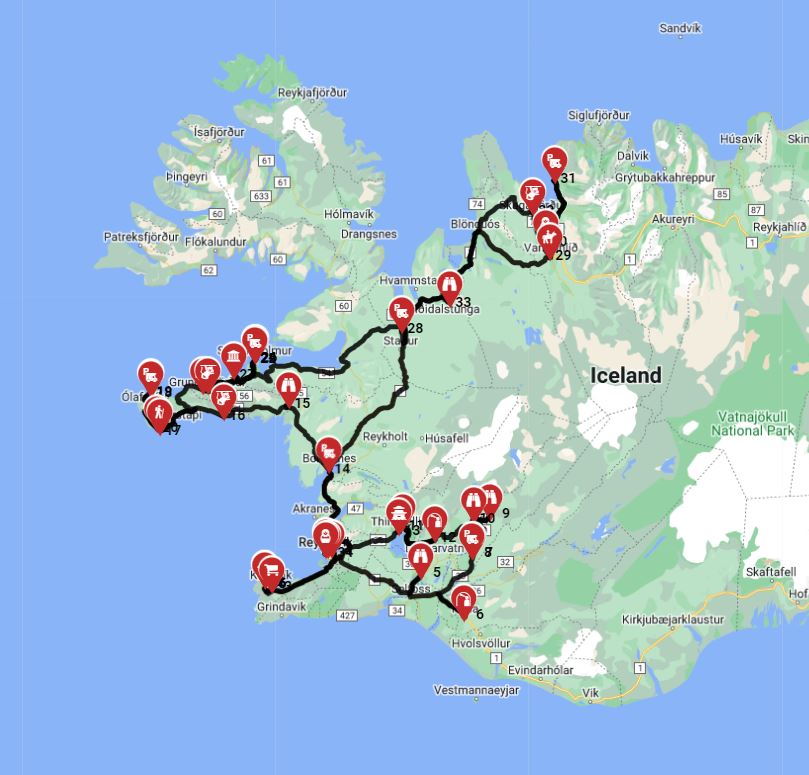
The average daily cost for an RV trip in Iceland for two seniors can range broadly from €150 to €400+, depending on various factors such as the RV class, rental duration, time of year, and your travel style. This estimate encompasses the primary expenses: RV rental, fuel, campground fees, food, and activities. On the routes offered through RV PLANET routes, you can itemize and track every expense along the way for easy budgeting.
Expect RV rental costs to be the largest component, typically ranging from €80 to €250+ per day. Fuel expenses will also be substantial, given Iceland's distances and fuel prices, potentially adding €150-€300+ for a typical Ring Road journey. Campground fees generally fall between €20 to €40 per night. By utilizing your RV's kitchen for most meals, you can manage food costs to around €40-€80 per day, while the cost of activities and tours will vary based on your choices, potentially adding €50-€200+ per person per activity. It's also wise to budget for additional insurance options, such as gravel protection and sand/ash protection, which are highly recommended and can add €20-€50 per day to your overall cost.
Sustainable and Responsible RV Travel Practices in Iceland
Engaging in sustainable RV travel in Iceland is paramount to preserving its delicate ecosystems and respecting local communities. The country's natural beauty is exceptionally fragile, making responsible practices essential for all visitors.
Always stay on marked roads and trails, never venturing off-road, as tire tracks can cause irreparable damage to Iceland's unique moss and sensitive landscapes, which take centuries to recover. Utilize designated waste disposal points at campgrounds for all trash, greywater, and blackwater; never dump waste in nature. By conserving water and electricity and choosing local produce to support the Icelandic economy, you can significantly minimize your environmental footprint and contribute positively to the communities you visit.
Cultural Immersion and Local Experiences for Seniors
To truly enrich an RV trip in Iceland, seniors are encouraged to seek out opportunities for cultural immersion and authentic local experiences that go beyond the typical tourist trail. Engaging with the local culture offers a deeper understanding and appreciation of this unique country.
Visit local museums, art galleries, and small village churches to delve into Icelandic history, sagas, and folklore. Engaging with locals at community events, farmers' markets, or by dining at small, family-run restaurants provides a fantastic way to sample traditional Icelandic food and connect with the people. Consider exploring lesser-known geothermal baths beyond the famous Blue Lagoon, such as the Mývatn Nature Baths or the Secret Lagoon, for a more relaxed and genuinely local bathing experience.
Beyond the Ring Road - Unique Icelandic RV Itineraries
For seniors seeking a unique RV adventure that ventures beyond the well-trodden Ring Road, Iceland presents incredible opportunities to explore less-traveled regions and thematic routes, offering a more personalized experience.
Consider dedicating 5-7 days to the remote and dramatic Westfjords, renowned for its stunning fjords, towering bird cliffs (like those at Dynjandi waterfall and Látrabjarg), and secluded hot pots. This region requires a slower pace and often involves navigating gravel roads, rewarding the adventurous traveler with unparalleled tranquility. For those with suitable 4x4 RVs, exploring parts of the Highlands, such as Landmannalaugar or Askja, offers access to breathtaking volcanic landscapes and geothermal areas, though F-road access is strictly seasonal and demands specific driving experience. Alternatively, tailor your trip to specific interests, such as photography-focused journeys to capture the Northern Lights or Iceland's unique geological formations, or geothermal tours to explore natural hot springs and innovative power plants.
What kind of RV do you need for Iceland?
The ideal RV for your Iceland trip hinges on your itinerary and personal comfort preferences. For seniors, a compact and easy-to-drive camper van (Class B) or a smaller semi-integrated motorhome (Class SI) are often the most suitable choices, offering a balance of comfort and maneuverability.
A standard 2WD RV is perfectly adequate for navigating the Ring Road and accessing most popular tourist attractions, providing better fuel efficiency and easier handling on paved surfaces. However, if your plans include venturing onto Iceland's unpaved F-roads into the Highlands, a 4x4-capable RV, such as a modified camper van or truck camper, becomes essential. These 4x4 vehicles require specific driving skills and may not be comfortable for all seniors. Consider an RV that includes a built-in toilet and shower for maximum convenience, especially if you prefer not to rely on public facilities frequently.
Do you need 4x4 for RV in Iceland?
No, a 4x4 RV is not necessary for general travel on Iceland's main roads, including the entirety of the Ring Road; a standard 2WD RV is perfectly sufficient for most popular tourist routes.
A 4x4 vehicle is legally required and highly recommended only for the designated F-roads, which lead into the rugged, unpaved Highlands and often involve river crossings. Seniors planning to stick to the Ring Road, the Golden Circle, and other major attractions will find a 2WD Class B camper van or Class SI semi-integrated RV to be comfortable and capable. Always consult your specific RV rental company about F-road regulations and the capabilities of the vehicle you are considering if you intend to explore beyond the main routes.
Best RV Class for Camping in Iceland
For seniors seeking a balanced and comfortable RV camping experience in Iceland, Class B Camper Vans and Class SI Semi-integrated Motorhomes are generally the most suitable choices, offering a blend of practicality and comfort.
Class B Camper Vans, typically around 5.8 meters long, are agile, easier to park, and offer good fuel efficiency (around 10 Liters/100 km), making them ideal for couples. Class SI Semi-integrated motorhomes, averaging 6.9 meters in length, provide more interior space and amenities while remaining maneuverable, consuming around 10-11 Liters/100 km. While larger classes like the Class C Alcove (averaging 7.5 meters) offer more living space, their increased size can present challenges on Iceland's narrower roads and result in slightly higher fuel consumption (10-12 Liters/100 km).
What is the best RV rental company in Iceland for seniors?
The ideal RV rental company for seniors in Iceland will prioritize excellent customer service, offer well-maintained vehicles with senior-friendly features, and provide comprehensive support, including insurance options and practical route advice.
Look for companies that offer transparent pricing, 24/7 roadside assistance, and clear guidance on vehicle capabilities and local driving regulations. Bandana, for instance, partners with leading suppliers to ensure a smooth rental process. Prioritize companies with positive reviews highlighting vehicle reliability, cleanliness, and staff helpfulness in explaining features important for seniors, such as easy-to-access beds or comfortable seating arrangements. Ensure the company provides flexible cancellation policies and clear details on insurance coverage, including essential add-ons like gravel and sand/ash protection.
What is the average price of an RV rental in Iceland?
The average price for an RV rental in Iceland typically ranges from €80 to €250+ per day. This cost is significantly influenced by the RV class, the duration of your rental, the season of travel, and the specific rental company you choose.
Smaller camper vans (Class B) generally fall on the lower end of the price spectrum, while larger semi-integrated (Class SI) or alcove (Class C) motorhomes will command higher daily rates. Prices are considerably higher during the peak summer months (June-August) and decrease during the shoulder seasons (May, September) and the winter months. Always inquire about included mileage, insurance options, and any mandatory fees, such as cleaning or bedding charges, to get a clear understanding of the total rental cost upfront.
What is the cheapest way to RV in Iceland?
The most budget-friendly approach to RV travel in Iceland involves selecting a smaller, more fuel-efficient camper van, traveling during the shoulder or off-peak seasons, and maximizing self-catering meals to control food expenses.
Opting for a Class B camper van is often the most economical choice, offering better fuel economy (around 10 Liters/100 km) and lower rental costs compared to larger RVs. Traveling in May or September can also lead to savings on rental rates and potentially campground fees, while still providing relatively pleasant weather for exploration. Significant savings can be achieved on food by preparing most meals in your RV, utilizing budget-friendly supermarkets like Krónan or Bónus, and even bringing some non-perishable items from home if permitted by customs regulations.
How to Save on Campgrounds in Iceland
Seniors can significantly reduce campground expenses in Iceland by taking advantage of discount cards, timing their visits during off-peak seasons, and strategically choosing more economical municipal or regional campgrounds over private resorts.
Inquire with your RV rental company, such as Bandana, about the availability of campground discount cards, like the Camping Card, which can offer substantial savings across numerous sites nationwide. Traveling during the shoulder seasons—May, early June, or September—often means lower campground fees and better availability. Additionally, opting for municipal or regional campgrounds, which are typically less expensive than private establishments while still providing essential amenities, can further trim your budget. Some campgrounds may also offer weekly rates for longer stays, which can be beneficial for a more relaxed, slower-paced itinerary.
Where to Camp in Iceland - Top Options
Iceland boasts a diverse range of camping experiences across its distinct regions, with highly recommended options for seniors including accessible sites around the iconic Golden Circle, scenic spots along the dramatic South Coast, and tranquil locations on the picturesque Snæfellsnes Peninsula.
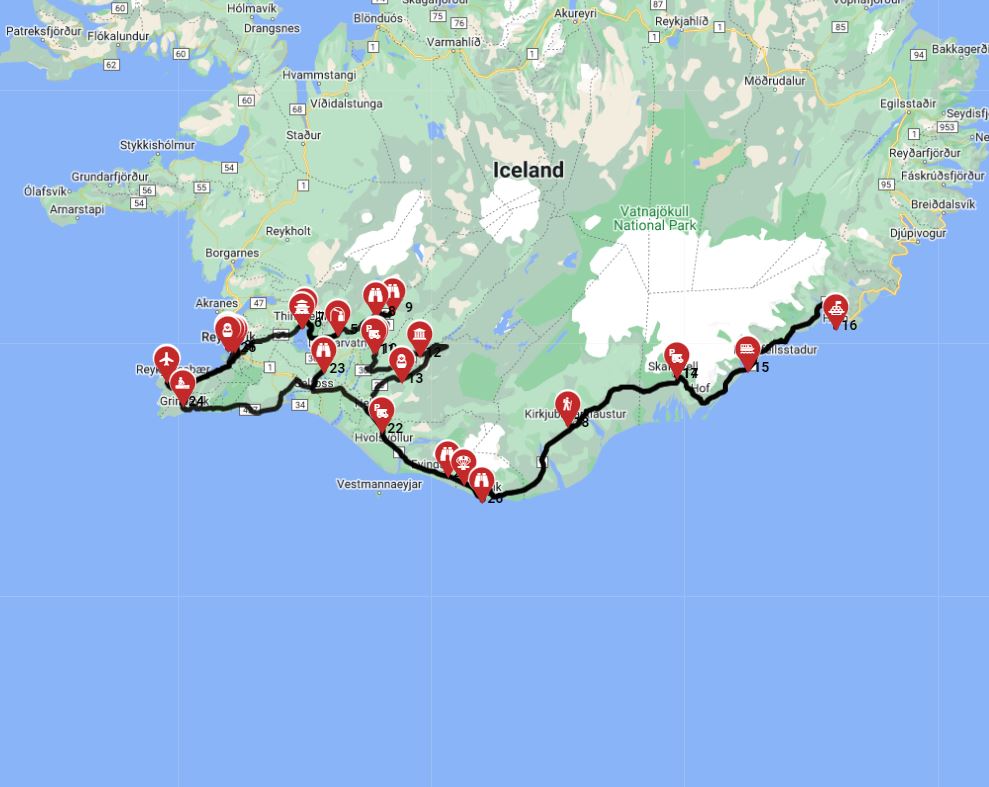
The Golden Circle region offers several well-equipped campgrounds conveniently located near major attractions like Þingvellir National Park, the Geysir geothermal area, and Gullfoss waterfall, ensuring easy access to amenities and sights. Along the South Coast, campgrounds near Vík or Skaftafell serve as excellent bases for exploring otherworldly black sand beaches, majestic glaciers, and stunning waterfalls. For a quieter, more immersive experience, the Snæfellsnes Peninsula provides charming campgrounds in small towns, perfect for a relaxed pace amidst varied and captivating scenery.
Campground Types in Iceland (National, Private, Wild)
Iceland's campgrounds primarily fall into two main categories: official sites, which include national park, municipal, and private campgrounds, and a strict prohibition against wild camping, particularly for RVs. It is imperative to understand these distinctions for a responsible trip.
Official campgrounds, whether within national parks (like Þingvellir or Skaftafell), operated by municipalities in towns, or privately owned, all provide designated spots and a range of amenities. Private sites often boast more extensive facilities and higher prices, while national and municipal sites tend to be more basic but strategically located. Crucially, wild camping for motorhomes and camper vans is illegal outside of designated campgrounds, with fines strictly enforced to protect the environment. Always plan your overnight stays in official camping areas.
Featured RV Park or Campground in Iceland
When selecting an RV park or campground in Iceland, seniors should prioritize locations that offer easy access, comprehensive amenities, and a peaceful environment to ensure a comfortable and enjoyable stay.
Look for campgrounds that feature level pitches, easily accessible restrooms, and convenient hookups for water and electricity. A truly excellent campground would also provide clean toilet facilities and showers (often coin-operated for hot water), communal sinks for dishwashing, and potentially shared cooking shelters or lounges. Prioritizing locations close to key points of interest or towns allows for easy resupply and local exploration without necessitating extensive daily driving.
Hookups & Amenities - What to Expect
Icelandic campgrounds generally provide essential hookups and amenities, though the availability and quality can vary significantly between larger, privately-run sites and smaller, municipal ones.
Most campgrounds offer 220-240V electric hookups, utilizing the standard European two-pin plug, which is crucial for powering heating systems and charging devices, especially outside the summer months. Fresh water refill points and grey/black water dump stations are standard features at nearly all official campgrounds, ensuring necessary facilities are available. Beyond these essentials, expect clean toilets and showers (often requiring coins for hot water), communal sinks for dishwashing, and sometimes laundry facilities, Wi-Fi (which may incur an additional charge), or basic cooking shelters.
Booking Windows & Reservations in Iceland
For seniors planning an RV trip to Iceland, booking campsites, particularly during the busy peak season (June-August), is highly recommended to secure desired spots. However, spontaneous travel is often feasible outside these peak months.
During the peak season, it's advisable to secure your preferred campground spots 3 to 6 months in advance, especially for popular sites in national parks or prime tourist areas, as they tend to fill up quickly. In the shoulder seasons (May, September), you'll find more flexibility, with booking a few days to a week in advance generally sufficient, or even calling ahead on the day of arrival. It's worth noting that many national park campgrounds and some popular sites only release a portion of their spots for online reservations (around 25%-30%), leaving the rest for first-come, first-served arrivals. This provides reassurance that you'll almost certainly find a place to stay; if not at your first choice, then at the next campground along your route.
Nearby Supermarkets & Resupply Points
Seniors RVing in Iceland will find it convenient to resupply groceries at major supermarket chains, which are readily available in most towns and villages across the country, ensuring easy provisioning for your RV kitchen.
Key supermarket chains to look out for include Krónan and Bónus, recognized as Iceland's most budget-friendly options and widely distributed in larger towns. Nettó and Samkaup (often branded as Kjörbúðin in smaller communities) are also common, though potentially slightly pricier. It's strategic to stock up on essentials in larger towns like Reykjavik, Akureyri, or Egilsstaðir, as options become considerably more limited in very remote areas.
Provisioning and Local Icelandic Produce for Your RV Kitchen
Effective provisioning for your RV kitchen in Iceland involves thoughtful meal planning, utilizing local supermarkets, and incorporating fresh Icelandic produce and specialty items to enhance your culinary experience.
Developing a meal plan for your trip helps estimate necessary quantities, minimizes food waste, and focuses on simple, hearty meals that are practical for RV cooking. When sourcing local produce, explore coastal towns for fresh fish, try the renowned Icelandic lamb, and seek out local dairy products like skyr. You'll also find delicious greenhouse-grown vegetables such as tomatoes and cucumbers available year-round. Don't forget to stock up on pantry staples like coffee and tea at larger stores, and perhaps sample some Icelandic treats like kleinur (fried pastries) or local chocolates.
What You Shouldn't Miss
- Witness the geothermal power of the Golden Circle, including the Strokkur geyser and the magnificent Gullfoss waterfall.
- Walk behind the Seljalandsfoss waterfall and marvel at the basalt columns and powerful waves at Reynisfjara black sand beach near Vík.
- Explore the otherworldly landscapes of the Jökulsárlón glacier lagoon and nearby Diamond Beach, where icebergs drift ashore like glistening jewels.
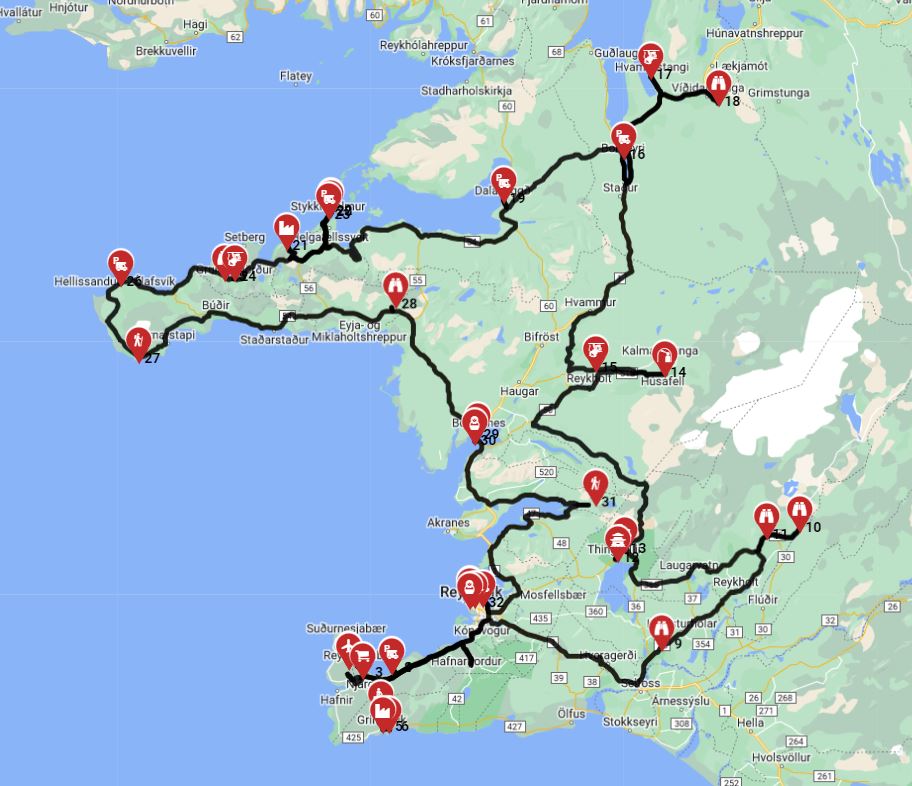
- Discover the unique charm of the Snæfellsnes Peninsula, often called "Iceland in Miniature," with its diverse volcanic craters, black sand beaches, and charming fishing villages.
- Experience the serene beauty of the Westfjords (if time and vehicle permit), known for dramatic fjords, puffin colonies at Látrabjarg cliffs, and tranquil hot springs.
- Chase the ethereal Northern Lights (aurora borealis) during the winter months (September to April) for a truly magical spectacle.
Final Thoughts
Embarking on an RV adventure in Iceland offers seniors a unique blend of freedom, comfort, and immersion in some of the world's most stunning natural landscapes. From the dramatic coastlines to the geothermal wonders, your rented RV serves as the perfect basecamp for unforgettable experiences.
With a little planning, you can craft an itinerary that perfectly suits your pace and interests, ensuring a trip filled with discovery and relaxation. Remember to book in advance for the best selection, especially during peak season, and always prioritize safety by checking road and weather conditions. Your Icelandic RV journey awaits!