In This Guide
- Where to Camp in Africa - Top Options
- Campground Types in Africa (National, Private, Wild)
- Featured RV Park or Campground in Africa
- Hookups & Amenities - What to Expect
- Booking Windows & Reservations in Africa
- Nearby Supermarkets & Resupply Points
- Best RV Class for Camping in Africa
- How to Save on Campgrounds in Africa
- What is the 3-3-3 rule for RV camping?
- Where can you park an RV for free in Africa?
- Is it cheaper to rent an RV or stay in hotels in Africa?
- What countries in Africa are RV friendly?
- What does it cost to camp in Kruger National Park?
- Can you camp in African national parks?
- How much are campsites in Namibia?
- Is wild camping legal in South Africa?
- Is renting an RV cheaper than flying in Africa?
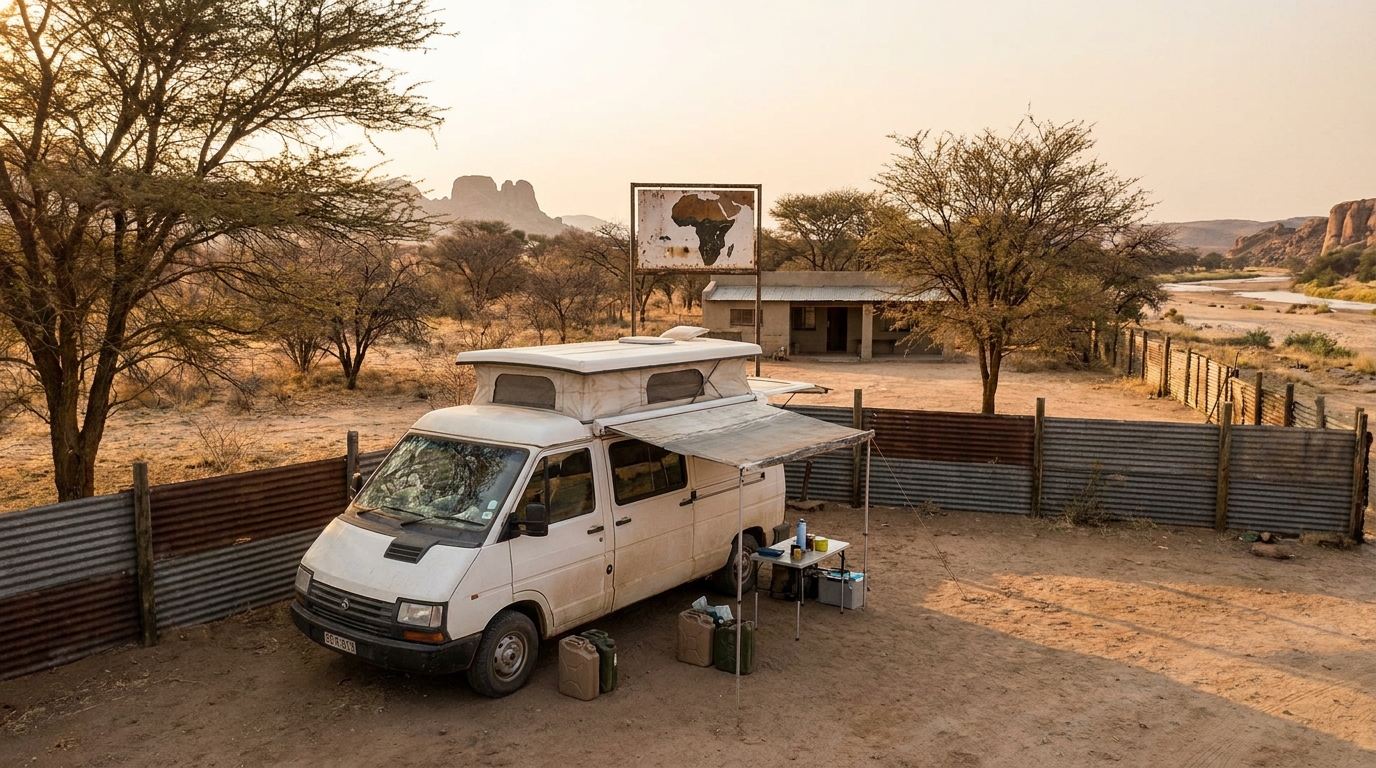
Imagine yourself embarking on an unforgettable African adventure, but with all the comforts of home on wheels. For seniors, an RV rental in Africa offers a unique blend of thrilling exploration and relaxed, comfortable travel. You can truly immerse yourself in the continent's breathtaking landscapes and vibrant cultures at your own pace. For live availability and current prices, start with our RV Rental Africa - Complete Guide 2026 guide.
🎬 Video coming soon
Where to Camp in Africa - Top Options
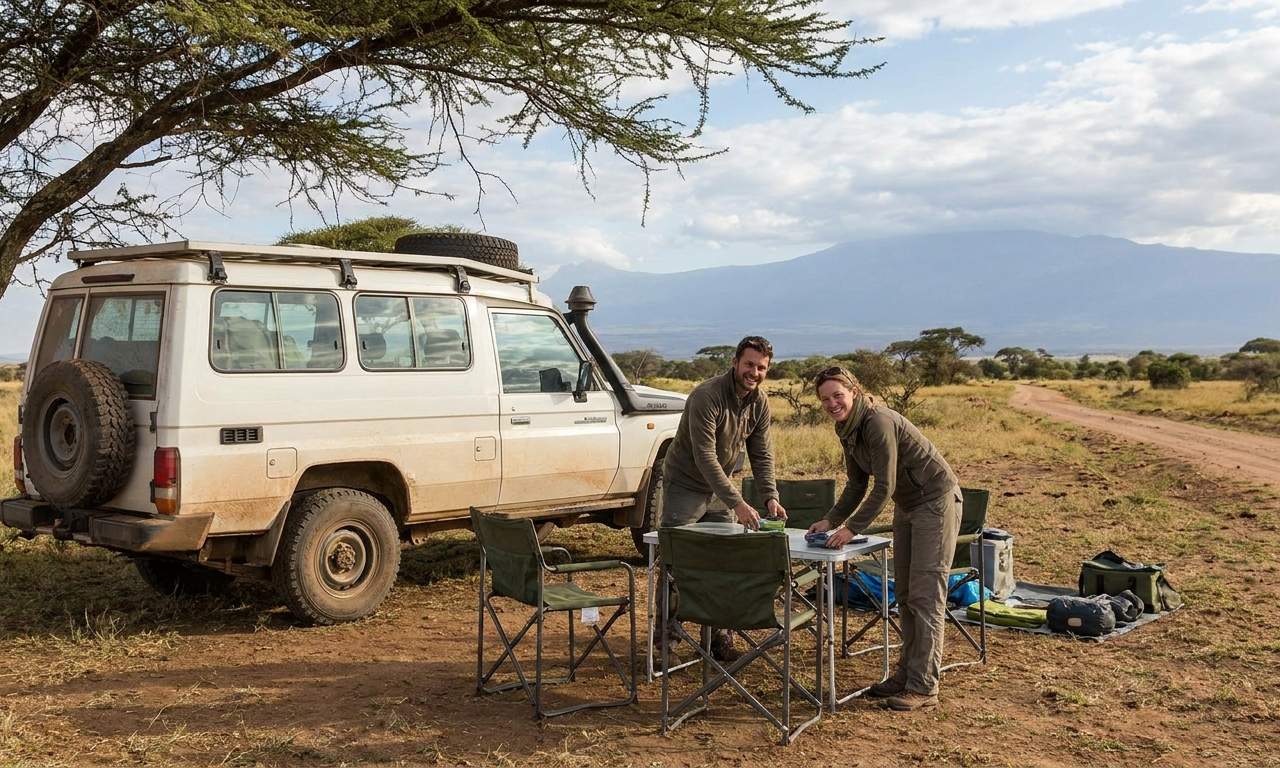
Top camping destinations for seniors in Africa include well-established national parks like Kruger National Park in South Africa and Etosha National Park in Namibia, which offer secure, serviced campsites. These iconic parks provide incredible wildlife viewing opportunities right from your mobile home, giving you a front-row seat to nature's spectacle. Beyond the well-known names, private conservancies and game reserves often provide premium RV-friendly campsites with additional amenities and a more exclusive experience, ideal for seniors seeking comfort and security. Coastal areas in countries like South Africa also boast numerous private caravan parks, offering beautiful ocean views and a relaxed atmosphere suitable for an extended stay. These locations typically provide better infrastructure and a greater sense of security, which are important considerations for senior travelers. Our goal at Bandana is to make your adventure seamless, and that includes helping you find comfortable and safe places to stay.
Campground Types in Africa (National, Private, Wild)
Africa offers a range of campground types, including national park sites, private campgrounds, and, with extreme caution, areas where wild camping might be tolerated. National park campgrounds, such as those run by SANParks in South Africa, are generally well-maintained, offer basic to good facilities, and provide access to wildlife within secure perimeters. These parks are fantastic for immersing yourself in nature. Private campgrounds often provide more extensive amenities like swimming pools, restaurants, and enhanced security, catering to a higher comfort level for senior travelers. When discussing options for an RV Rental in Africa - Prices and Best Deals 2026, remember that private parks can offer a more luxurious experience. Wild camping, also known as 'bush camping' or 'freedom camping,' is largely discouraged and often illegal in most parts of Africa due to safety concerns and wildlife, especially in national parks. For your safety and peace of mind, it is always recommended to use designated, secure campsites.
Featured RV Park or Campground in Africa
When selecting an RV park in Africa, seniors should prioritize locations known for their robust security measures, including guarded entrances and secure perimeters. It's essential to look for campgrounds with well-maintained facilities, accessible pathways, and clean ablution blocks. Amenities that cater to comfort, such as laundry services and shaded sites, are also key considerations for an enjoyable trip. Proximity to medical facilities, grocery stores, and major attractions is a crucial factor for senior travelers, ensuring convenience and peace of mind during their African RV adventure. Some private resorts in destinations like Namibia or South Africa offer a truly comfortable experience, sometimes with private ablution facilities at your site. We strive for full transparency regarding what to expect from different campground types, ensuring no surprises during your journey.
Hookups & Amenities - What to Expect
Most established RV parks and national park campgrounds in Southern Africa offer electrical hookups, typically 220-240V with round 3-pin plugs (Type D/M in South Africa), water points, and grey/black water dump stations. This ensures you can enjoy the comforts of your rented motorhome without interruption. However, reliable Wi-Fi and cell service can be intermittent, especially in remote areas; consider local SIM cards for better connectivity and ensure emergency communication protocols are in place. Many sites provide clean shared ablution blocks with hot showers and flush toilets, while some larger private resorts may offer private bathrooms or laundry facilities. Practical considerations for RVing in Africa include managing water sourcing, understanding fuel availability in remote areas, and safe waste disposal practices to support responsible tourism. When planning your meals and cooking in your RV, remember our RV-friendly recipes playlist for inspiration. Knowing what to expect regarding amenities is part of our full transparency promise. On the routes offered through RV PLANET routes, you can itemize and track every expense along the way for easy budgeting.
Booking Windows & Reservations in Africa
For popular destinations like Kruger National Park or during peak season (typically June-August and December-January), it is highly advisable for seniors to book RV campsites well in advance, often 3-6 months out, especially for specific sites or longer stays. This is particularly true if you are looking for specific amenities or prime locations. Many national park campgrounds, however, release only a portion (e.g., 25%-30%) of their spots for advance reservations, with the remainder often available on a first-come, first-served basis, allowing for some spontaneity. You'll find a spot. If not at the first campground, then the next one. Call ahead before driving to confirm availability. Spontaneous travelers, particularly during the shoulder or low season, can often find a place by calling ahead before driving to a campground, though securing a spot at the first choice might require flexibility. When planning, consider visa requirements, necessary permits for specific areas, and vehicle requirements (e.g., whether a 4x4 campervan is recommended for certain routes) to ensure a smooth border crossing and travel experience. For a general overview of pricing and booking, check out RV Rental in Africa - Prices and Best Deals 2026.
Nearby Supermarkets & Resupply Points
In Southern Africa, major supermarket chains like Shoprite, Pick n Pay, Spar, and Checkers are reliable resupply points found in most towns and cities for groceries and essentials. Stocking up at these stores is usually straightforward. For remote routes, it is crucial to stock up on food, water, and fuel as availability diminishes significantly outside of larger population centers. Local markets offer fresh produce and cultural immersion, but seniors should be mindful of food safety practices and water purification options for cooking in an RV. Always carry extra water and ensure your rented RV's fuel tank is full before venturing into long stretches of uninhabited areas, as fuel stations can be few and far between. Planning your resupply stops is a key part of any successful RV journey, ensuring you have everything you need for comfortable meals on the road. For budgeting and tracking these ancillary costs, RV PLANET routes allow travelers to itemize every expense along the way.
Best RV Class for Camping in Africa
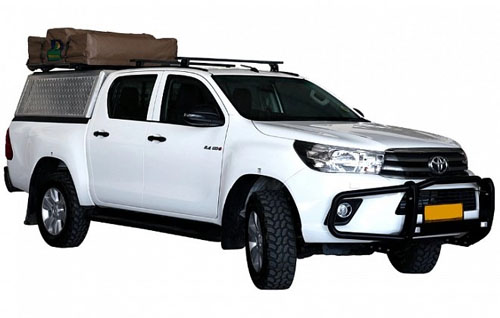
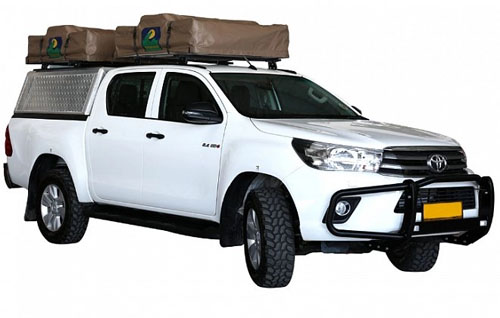
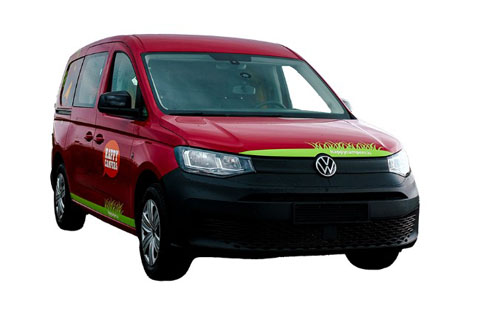
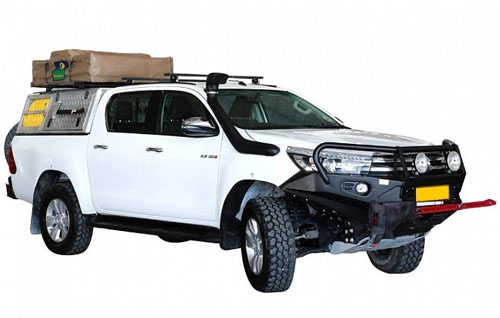
For seniors traveling in Africa, Class B Camper Vans (averaging 5.8m in length, offering 3.2 sleeping places) are often ideal due to their maneuverability, better fuel efficiency (typically 8-10 Liters/100 km), and ease of driving on varying road conditions, including some unpaved roads. The compact "rv rental denver example Category Van" for couples with features like "Shower" and "Toilet" is a popular choice for easy navigation. Class SI Semi-integrated motorhomes (averaging 6.9m in length, 3.8 sleeping places) offer a good balance of comfort and reasonable size, suitable for couples or small groups seeking more internal space without the bulk of larger vehicles. These can offer amenities similar to a "2 Berth Rover" which includes "Automatic transmission" and "Roof Air condition". Class TC Truck Campers (averaging 5.5m in length, 2.4 sleeping places), often with 4x4 capabilities like the "Patagonia Camper 4x4 double cab," are excellent for adventurous seniors planning to explore more challenging terrain or engage in bush camping experiences where permitted. While Class C Alcove (averaging 7.5m in length) and Class A Integrated (averaging 7.5m in length) RVs offer more living space, their larger size can be less practical on narrower, corrugated, or unpaved African roads and in tight campground spots. Remember, a standard car driver's license is sufficient for all motorhome classes; no special license is required.
How to Save on Campgrounds in Africa
To save on campgrounds in Africa, inquire about regional discount cards or loyalty programs offered by major RV rental companies or national park systems, such as the Wild Card for South African National Parks. These programs can provide significant savings over the course of a week-long trip or longer. Booking during the shoulder season (e.g., April-May or September-October) or low season often results in significantly lower campsite fees and fewer crowds, offering a more tranquil and economical experience. Opting for municipal or regional campgrounds over private resorts can substantially reduce costs, although amenities might be more basic. Many campgrounds offer weekly or monthly rates that provide a significant discount over nightly bookings, making longer stays more economical for seniors. For those seeking even more budget-friendly options, exploring "Cheap RV Rental in Africa - Budget Guide 2026" can provide useful insights.
What is the 3-3-3 rule for RV camping?
The '3-3-3 rule' for RV camping advises seniors and all travelers to limit driving to no more than 300 miles (or roughly 3 hours) per day, arrive at a campground by 3 PM, and stay for at least 3 nights. This rule is particularly beneficial for seniors, promoting a more relaxed pace, reducing driver fatigue, and allowing ample time to set up camp and explore the local area without rush. Sticking to this guideline minimizes stress, enhances safety on potentially unfamiliar roads, and encourages deeper cultural immersion and enjoyment of each destination. Applying the 3-3-3 rule in Africa can help manage unpredictable road conditions and ensure timely arrival at campsites before nightfall, which is crucial for safety in wildlife areas. We always recommend slow travel in a rented motorhome, aiming for a maximum of 100-150 km per day on average, to truly connect with the scenery and local culture.
Where can you park an RV for free in Africa?
In Africa, safe and legal overnight RV parking is almost exclusively found within established campgrounds, national parks, or private reserves, which typically incur a fee. While concepts like free parking (boondocking or wild camping) might exist in other continents, it is generally not recommended or legal in most parts of Africa due to safety, security, and wildlife considerations. Prioritize safety and legality by always using designated campsites in Africa, avoiding unauthorized stops for the night, especially in remote or wildlife-prone areas. Trustworthy RV specialists like Bandana prioritize your safety and will always advise on secure options. For finding campsites and campgrounds during your trip, we recommend using rvplan.net - a great resource for locating available spots along your route.
Is it cheaper to rent an RV or stay in hotels in Africa?
For extended trips of a week or more, RV travel can often be cheaper than staying in hotels in Africa, especially when factoring in accommodation, dining, and the flexibility to prepare your own meals. Initial RV rental costs, fuel expenses, and campsite fees are significant, but they can be offset by savings on restaurant meals and the ability to choose more affordable camping options. However, luxury RVs, high fuel consumption, and expensive national park entry fees in Africa can sometimes make the overall cost comparable to, or even exceed, budget hotel stays. A holistic budget breakdown for seniors should consider all variables, including vehicle type, planned itinerary, and the frequency of eating out versus self-catering, to determine the most cost-effective option. Dynamic pricing for RV rentals, much like flight tickets, means the final price is set at actual booking time, so early comparison can be beneficial.
What countries in Africa are RV friendly?
Southern African countries like South Africa, Namibia, and Botswana are widely considered the most RV-friendly in Africa, offering extensive infrastructure, well-maintained campgrounds, and clear self-drive routes. These nations boast established rental companies, accessible fuel stations, and diverse landscapes ranging from national parks to coastal regions, catering well to RV tourism. While other African countries may offer adventurous RV opportunities, they often require more detailed planning, greater self-sufficiency, and a higher tolerance for challenging road conditions, visas, and border crossing procedures. For seniors, sticking to the more developed RV networks in Southern Africa provides a safer and more comfortable travel experience, reducing logistical complexities. Our dedicated "One-Way RV Rental in Africa - Price Guide 2026" can help you plan your journey across these friendly borders.
What does it cost to camp in Kruger National Park?
Camping costs in Kruger National Park vary, typically ranging from R300 to R600 (approximately $15-$35 USD) per night for a standard campsite, in addition to daily conservation fees. Conservation fees for international visitors are generally around R485 (approximately $25-$30 USD) per person per day, which must be paid to enter the park, even if camping inside. Prices can fluctuate based on the specific rest camp, time of year (peak vs. off-peak season), and whether the site includes electricity or private facilities. It is essential for seniors to budget for both the campsite fee and the daily conservation fee when planning a trip to Kruger, and booking well in advance is highly recommended to secure your preferred spot.
Can you camp in African national parks?
Yes, camping is widely permitted and encouraged within designated areas of many African national parks, particularly in Southern and East Africa, offering an immersive wildlife experience. National park campgrounds provide secure environments with basic to good facilities, including ablution blocks, braai (barbecue) areas, and sometimes small shops or restaurants. Advance booking is crucial, especially during peak seasons, as campsites within popular national parks fill up quickly; permits are required and often checked upon entry. Travelers should adhere strictly to park rules, including speed limits, designated routes, and guidelines for interacting with wildlife, to ensure both personal safety and conservation efforts. Our true RV specialists understand the nuances of these regulations and can provide guidance during the booking process.
How much are campsites in Namibia?
Campsite prices in Namibia vary significantly, ranging from budget-friendly options at N$150-N$300 (approximately $8-$16 USD) per person per night for basic sites to N$400-N$800+ (approximately $21-$43+ USD) for more luxurious private campsites with enhanced amenities. Factors influencing the cost include location (e.g., within popular national parks like Etosha, remote wilderness sites, or private reserves), the level of facilities offered (e.g., private bathrooms, swimming pools), and the season. National park campsites generally require an additional park entry fee, which needs to be budgeted separately for each day spent within the park. For seniors, a holistic budgeting approach should consider not only campsite fees but also fuel costs, park entry fees, and potential 4x4 rental surcharges for accessing certain remote Namibian sites. For detailed planning, consider checking rvplan.net for route options.
Is wild camping legal in South Africa?
Wild camping (or freedom camping) is generally not legal in South Africa, particularly in national parks, private land, or urban areas, due to regulations, safety concerns, and private property laws. Attempting to wild camp carries significant risks, including personal safety threats, wildlife encounters, and the possibility of fines or legal repercussions. Designated campgrounds, caravan parks, and authorized wilderness sites are the only recommended and safe options for overnight RV stays in South Africa. Seniors should prioritize security and always opt for established, reputable campsites to ensure a safe and legal RV experience, even if it means incurring a fee. We emphasize safety and transparency, ensuring our travelers have clear information about local regulations.
Is renting an RV cheaper than flying in Africa?
Renting an RV can be cheaper than flying for specific types of travel in Africa, particularly for extended trips covering multiple destinations where the cost of multiple flights, airport transfers, and separate accommodations would accumulate. While initial RV rental and fuel costs are substantial, the savings come from not needing separate hotel bookings and the ability to cook your own meals, reducing overall food expenses. However, for short trips or covering vast distances quickly, flying remains the more time-efficient and often less expensive option, especially when considering the significant fuel consumption of a rented motorhome over long distances. For seniors valuing flexibility, comfort, and the ability to explore at their own pace without constant packing and unpacking, the RV experience often outweighs the direct monetary comparison to flying.
What You Shouldn't Miss
- A Scenic Drive Along the Garden Route, South Africa: This iconic stretch offers stunning coastal views, lush forests, and charming towns like Knysna and Plettenberg Bay, perfect for leisurely drives in a comfortable rented motorhome.
- Wildlife Safari in Etosha National Park, Namibia: Experience self-drive safaris where you can spot diverse wildlife, including elephants, rhinos, and lions, from the comfort and safety of your RV.
- Exploring the Orange River in a Campervan: Rent a campervan and traverse the border between South Africa and Namibia, enjoying river activities and desert landscapes.
- Visiting the Victoria Falls, Zambia/Zimbabwe: Park your RV at a nearby campsite and explore one of the world's largest waterfalls, offering breathtaking views and adventure activities.
- Discovering the Drakensberg Mountains, South Africa: Enjoy scenic drives, gentle hikes, and cultural experiences in this majestic mountain range, an ideal backdrop for slow travel.
- Looking for expert insights from Avi Bandana? Top 5 Adventures - recommendations from Avi Bandana.
Final Thoughts
An RV camping trip in Africa promises an unparalleled adventure, offering seniors the freedom and flexibility to discover stunning landscapes and diverse wildlife at their own pace. By focusing on comfort sites and well-planned routes, you can enjoy a secure and enriching experience, creating memories that will last a lifetime. Remember, planning is key, and we are here to support you every step of the way, making sure your booking process is as smooth as the open road ahead.
Embrace the call of the wild with the peace of mind that comes from a well-equipped rented motorhome and dedicated support. Travel slowly, savoring each moment and connecting deeply with the magic of Africa. Your next grand adventure awaits!
Compare Campervan Prices for Africa Now.