In This Guide
- Where to Camp in Africa - Top Options
- Campground Types in Africa (National, Private, Wild)
- Featured RV Park or Campground in Africa
- Hookups & Amenities - What to Expect
- Booking Windows & Reservations in Africa
- Nearby Supermarkets & Resupply Points
- Best RV Class for Camping in Africa
- How to Save on Campgrounds in Africa
- Can you camp in Africa national parks?
- Which national parks allow RV camping?
- Is wild camping legal in South Africa?
- Is it safe to wild camp in South Africa?
- Where is the best place to park an RV for free?
- Which country has the best campsites?
- How much is an RV campsite per night?
- Is RV camping popular in other countries?
Where to Camp in Africa - Top Options
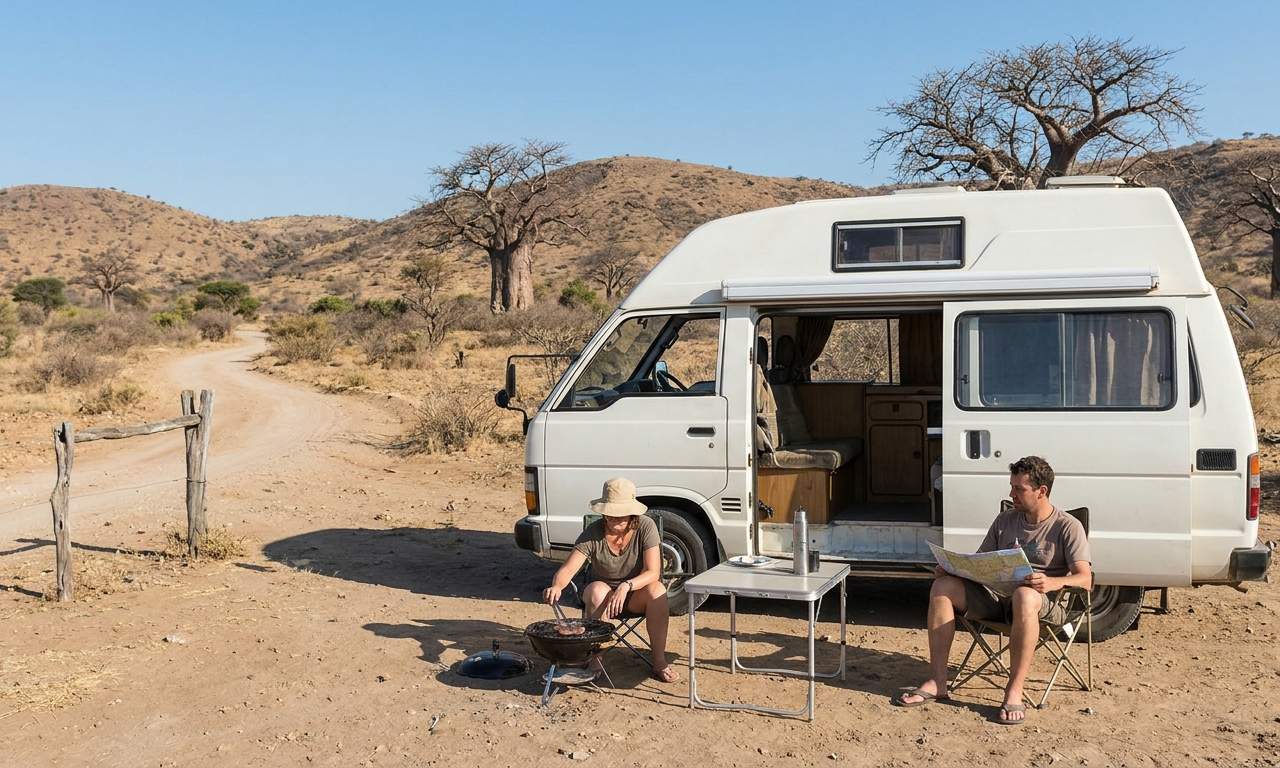
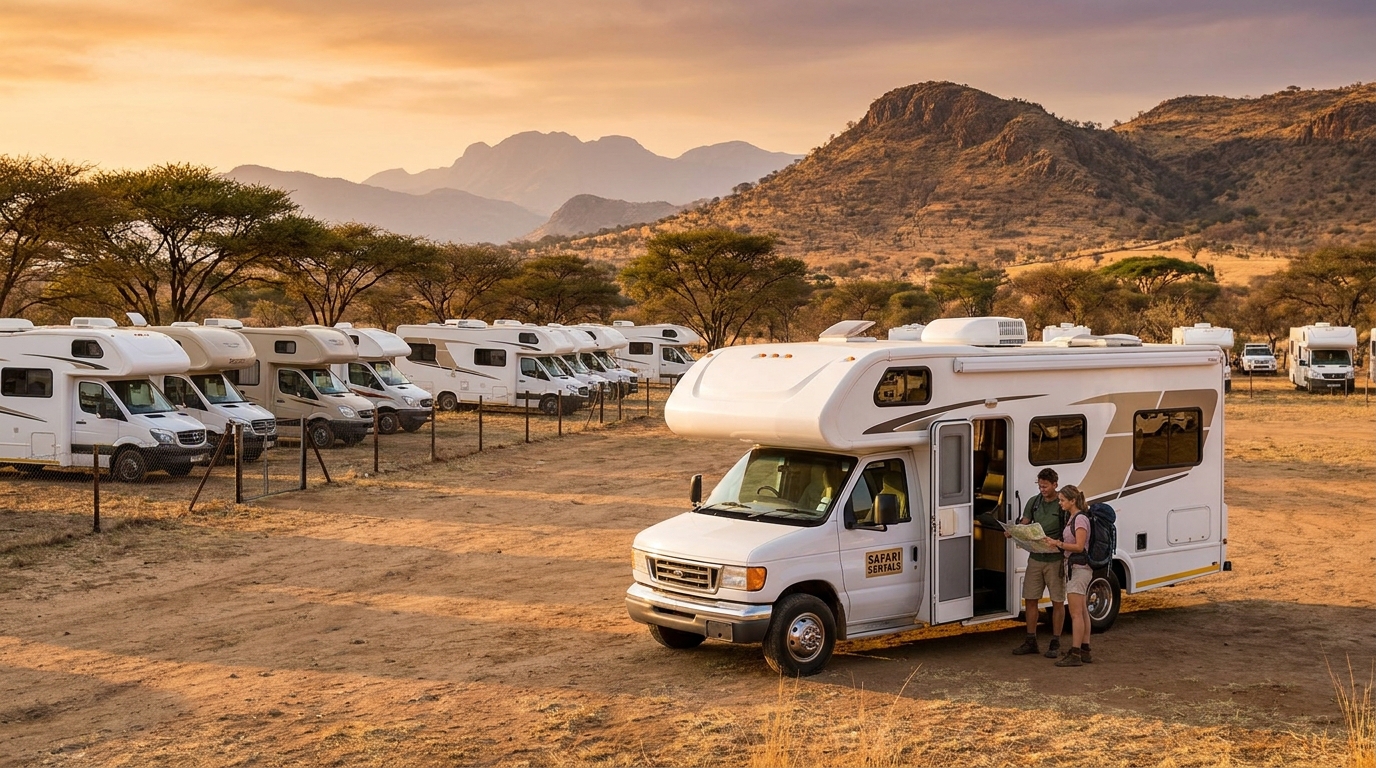
Africa offers a diverse range of RV camping experiences, with top options including well-equipped private resorts, national park campgrounds, and more adventurous bush camps. Southern Africa (South Africa, Namibia, Botswana) and East Africa (Kenya, Tanzania) are primary RV destinations due to their better-developed infrastructure for motorhome travel. Options abound, from game reserve camps like those found in Kruger National Park or Etosha National Park, to coastal sites and private lodges that offer dedicated camping facilities. Booking popular national park sites well in advance is essential, especially during peak seasons for specific regions, which often correspond to the dry winter months for optimal wildlife viewing. Understanding the seasonality for different regions is crucial, as each area has distinct best times to visit for both weather and wildlife encounters. For live availability and current prices, start with our RV Rental Africa - Complete Guide 2026 guide.
Campground Types in Africa (National, Private, Wild)
RV camping in Africa primarily falls into three categories: structured national park campgrounds, amenity-rich private campsites, and regulated, limited wild camping opportunities, particularly in Southern Africa. National Park Campgrounds offer unparalleled wildlife access, often with basic facilities, but require park fees and adherence to wildlife safety protocols. Private Campgrounds and Resorts vary widely from rustic to luxurious, providing amenities like pools and restaurants at a higher price point. Wild Camping or Bush Camping is generally restricted and often requires special permits, especially within protected areas. Outside of designated zones, it is largely tolerated in very remote areas but poses significant safety and ethical challenges. Understanding the legal distinctions for camping and local cultural nuances is crucial for respectful and safe travel throughout your rented RV adventure.
Featured RV Park or Campground in Africa
While specific locations vary, an ideal RV park in Africa offers a balance of safety, essential amenities, and proximity to natural attractions, often including electrified sites and ablution blocks. Look for facilities providing secure fencing, 24-hour security, and clean ablution blocks with showers and toilets. Some parks also offer convenient small shops or restaurants. Prioritize parks that are well-regarded for their access to wildlife viewing areas or offer guided activities. Always assess the condition of access roads to ensure they are suitable for your specific RV type, as terrain can vary greatly across the continent. For finding campsites and campgrounds during your trip, check out RV PLANET (rvplan.net) — a great resource for locating available spots along your route.
Hookups & Amenities - What to Expect
Most established RV campgrounds in Africa provide essential hookups such as electricity and water, along with shared ablution facilities, though specific amenities can vary significantly between private resorts and national park sites. Electricity is typically 220-240V, requiring Type M plugs in South Africa or Type G/D adapters in other regions for 15A or 30A connections. Potable water taps are usually available, but confirming potability and considering a water filter is advisable. Grey and black water dump stations are standard at most full-service campgrounds for waste disposal. Wi-Fi is often limited to reception areas or offered as a paid service. Laundry facilities and hot showers are common in private campgrounds but less so in basic national park camps. When traveling outside designated areas, self-sufficiency for water, power, and waste disposal is paramount, requiring careful logistical planning. On the routes offered through RV PLANET routes, you can itemize and track every expense along the way for easy budgeting.
Booking Windows & Reservations in Africa
RV travelers planning a trip to Africa should book popular national park campgrounds and private resorts several months in advance, especially for peak seasons, though spontaneous travelers can often find availability in less frequented areas or by calling ahead. For those who prefer to plan, booking at least 6-12 months ahead is essential for iconic parks like Kruger or Etosha and during peak safari seasons (dry winter months). Spontaneous travelers will find flexibility key; less popular parks or smaller private sites might have same-day or next-day availability, but always call ahead before driving to a site. A key point for national parks is that many typically release only 25-30% of their spots for advance reservations, leaving the majority for first-come, first-served arrivals, which offers a chance for those without advance bookings. While your first campground choice might be full, rest assured that you will almost certainly find a place – if not the first campground, then the next one within a reasonable distance. With a rented RV, pre-booking provides peace of mind, especially when navigating unfamiliar routes and managing an unfamiliar vehicle.
Nearby Supermarkets & Resupply Points
Resupplying an RV in Africa requires planning, with major towns and cities offering well-stocked supermarkets, while smaller towns may have basic shops. It's advisable to stock up whenever possible. Look for large supermarket chains such as Shoprite, Pick n Pay, and Spar in Southern Africa, or Carrefour in East Africa, which are typically found in major urban centers and offer comprehensive supplies. Always ensure your fuel, water, and essential groceries are fully stocked in larger towns before venturing into remote areas. Carrying extra provisions for several days is recommended, especially when planning longer stretches between towns, to effectively manage your supplies. Farmers' markets can offer fresh produce, but typically have more limited selections for a full resupply.
Best RV Class for Camping in Africa
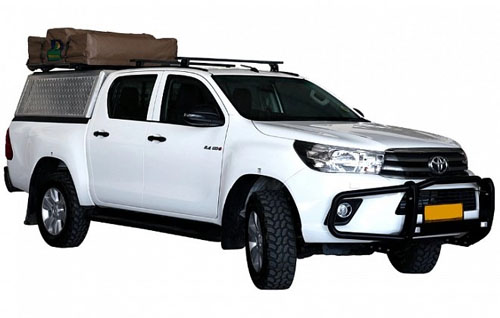
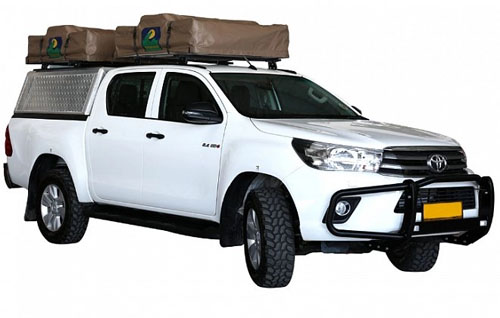
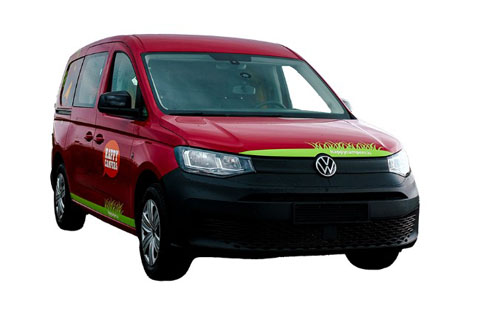
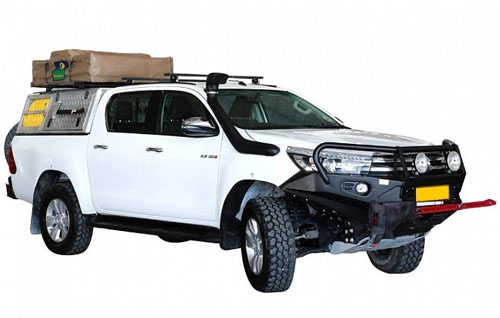
For RV camping in Africa, the Class B - Camper Van or Class TC - Truck Camper often proves most versatile due to their maneuverability and suitability for diverse terrains, effectively balancing comfort with accessibility. Bandana's fleet averages Camper Van lengths of 5.8 meters, sleeping 3.2 people, ideal for 2.7 adults, making them excellent for navigating varied road conditions, including gravel tracks, and offering good fuel economy (around 8-10 Liters/100 Km), perfect for couples or small families prioritizing flexibility and boondocking. Truck Campers, averaging 5.5 meters, sleeping 2.4 people, ideal for 2.1 adults, are often mounted on 4x4 vehicles, making them superior for challenging off-road conditions and accessing remote campsites, with fuel consumption around 12-17 Liters/100 km. Larger motorhomes like the Semi-integrated (avg. 6.9m length) and Class C - Alcove (avg. 7.5m length) offer more space and comfort, suitable for established campgrounds and well-maintained tar roads, but might struggle on rougher tracks. Consider the terrain you plan to cover; specific modifications like reinforced suspension or higher ground clearance can be crucial for rough African roads, and knowing where to find parts and repairs is vital for a smooth journey.
How to Save on Campgrounds in Africa
Saving on RV campgrounds in Africa involves strategic booking, utilizing loyalty programs, choosing off-peak seasons, and opting for more budget-friendly municipal or regional sites. Remember that Bandana often offers exclusive campground discount cards that can provide significant savings on daily rates at participating campgrounds across various regions, including some in Africa. Visiting during shoulder seasons (e.g., April-May or September-October) often yields lower rates and fewer crowds compared to peak safari months. Municipal or regional campgrounds generally offer basic facilities at a fraction of the cost of private resorts, making them ideal for budget-conscious travelers. Many campgrounds also offer discounted weekly or monthly rates, encouraging longer stays. Beyond campsite fees, be sure to budget for fuel, food, specific activity permits, insurance, and potential unexpected vehicle maintenance for a comprehensive cost breakdown of your trip.
Can you camp in Africa national parks?
Yes, RV camping is permitted in many national parks across Africa, particularly in countries with established tourism infrastructure like South Africa, Namibia, Botswana, Kenya, and Tanzania, offering an immersive wildlife experience. These national parks provide designated campsites, often unfenced or lightly fenced, affording incredible proximity to wildlife. However, this proximity requires strict adherence to wildlife encounter safety protocols. Permits and park fees are mandatory and must be obtained in advance or at entry gates; specific cross-border regulations also apply for multi-country trips. Vehicle restrictions may apply, with some roads requiring 4x4 vehicles, impacting the suitability of certain RV classes for specific park areas. Adherence to park rules, including speed limits and staying within designated areas, is crucial for safety, conservation, and respectful interaction with sensitive ecosystems.
Which national parks allow RV camping?
Key national parks allowing RV camping include Kruger National Park (South Africa), Etosha National Park (Namibia), and Chobe National Park (Botswana), alongside various parks within Kenya and Tanzania, each offering unique landscapes and wildlife viewing opportunities. Kruger National Park in South Africa features numerous well-equipped rest camps with RV sites, often providing power and ablution blocks; self-drive permits are required, along with careful attention to vehicle restrictions on certain routes. Etosha National Park in Namibia offers popular camps like Okaukuejo and Halali, complete with floodlit waterholes for night viewing and RV facilities. Chobe National Park in Botswana is known for more adventurous, wilderness-focused camping within its major game reserves, often requiring 4x4 RVs and featuring limited, highly sought-after campsites with specific booking requirements. While East Africa (Kenya and Tanzania) is developing its RV camping scene, opportunities exist for intrepid travelers, though it is less prevalent than in other regions. Always check specific park regulations, permit requirements, and current road conditions before planning your trip, as restrictions on vehicle size or type may apply to certain areas.
Is wild camping legal in South Africa?
True 'wild camping' or freedom camping is generally illegal in South Africa, especially in urban areas and national parks. Designated campsites are the only legal option, although it may be tolerated in truly remote, undesignated areas with explicit landowner permission. South Africa emphasizes designated camping areas for safety, environmental protection, and to consider local community needs. Illegal wild camping can result in fines, eviction, and significant personal safety risks, including potential encounters with wildlife or criminal activity. If considering remote, undesignated areas, always seek explicit permission from landowners to avoid legal issues and ensure respectful interaction with local communities. 'Bush camping' within private reserves or designated wilderness areas offers a similar rustic experience but is regulated and provides a safer alternative.
Is it safe to wild camp in South Africa?
Wild camping in South Africa carries significant safety risks due to potential encounters with wildlife, criminal activity, and the lack of immediate assistance, making designated, secure campsites a far safer option. Wildlife concerns are paramount; unfenced areas mean direct exposure to dangerous animals, and campers must understand and adhere to strict wildlife encounter safety protocols, possessing plans for medical preparedness. Personal security in remote, unmonitored locations can make campers vulnerable to theft or other criminal acts, requiring detailed safety protocols beyond general advice. Emergency preparedness is also crucial, as a lack of cellular signal, access to emergency services, and medical facilities is common in remote areas; carrying satellite phones or trackers and having an emergency procedure plan are vital. Challenging road conditions on many remote access roads increase the risk of getting stuck or vehicle damage without immediate help, highlighting the need for robust vehicle types and maintenance knowledge. Always inform someone of your itinerary and expected return, and be aware of common scams when interacting in towns for resupply.
Where is the best place to park an RV for free?
Parking an RV for free in Africa is extremely limited and generally not recommended due to safety concerns and legal restrictions; designated campsites, rather than ad-hoc free parking, are the safest and most reliable options. Official restrictions in most African countries, like South Africa, do not permit overnight parking or 'freedom camping' outside of designated areas, especially near towns or national parks. Safety is paramount; unsupervised free parking areas pose significant security risks, from petty theft to more serious incidents, particularly in unfamiliar or remote regions, necessitating detailed safety protocols. Alternative approaches might include prior arrangements with private landowners or small rural businesses for overnight parking, but this is rare and must always be confirmed. Logistically, free parking typically means no access to water, electricity, or waste disposal, requiring full self-sufficiency and careful planning for water/electricity access and waste management. Ethical considerations also arise, as parking in unauthorized spots can negatively impact local communities or sensitive ecosystems, urging travelers to consider these implications for their RV travel.
Which country has the best campsites?
While 'best' is subjective and depends on individual preferences, South Africa and Namibia are widely regarded as having the most developed and diverse RV camping infrastructure in Africa, offering a spectrum from luxurious private resorts to rustic national park sites. South Africa boasts a vast network of well-maintained campsites within its national parks (e.g., Kruger, Garden Route), private game reserves, and coastal areas, catering to all levels of comfort. Namibia, renowned for its stunning desert landscapes, offers excellent campsites within its national parks (e.g., Etosha, Sossusvlei), often providing breathtaking views and good facilities, though generally more remote than South African options. Botswana is known for more adventurous, wilderness-focused camping within its major game reserves, ideal for 4x4 RVs seeking a true 'bush' experience, often requiring essential vehicle modifications. While RV camping is growing in East Africa, it is less prevalent than in Southern Africa, with a focus on guided lodge safaris, though opportunities do exist for intrepid travelers. Ultimately, the 'best' often depends on your desired experience—luxury, wildlife immersion, or off-grid adventure—and the suitability of the location to different RV types and seasonality for optimal travel.
How much is an RV campsite per night?
The cost of an RV campsite per night in Africa varies significantly, typically ranging from approximately $10-$30 USD for basic national park sites to $40-$80+ USD for private resorts offering extensive amenities, depending on the country, specific location, and season. National Park Campsites are generally the most affordable, with prices often falling between $10-$30 USD per night, plus separate park entry fees which can be substantial (e.g., $20-$40+ per person per day). Private Resorts and Caravan Parks offer more comfort and amenities like pools and restaurants, and typically range from $40-$80+ USD per night. Some high-end private game reserves or exclusive eco-camps might charge upwards of $100-$150+ USD per night for premium RV sites. Always factor in additional charges for electricity, extra occupants, or specific activities, ensuring a comprehensive cost breakdown for your trip. Be aware that prices can increase significantly during peak tourist seasons, such as the dry winter months favored for safari viewing, impacting your overall budget.
Is RV camping popular in other countries?
RV camping is highly popular in many countries worldwide, particularly in North America, Europe, Australia, and New Zealand, and its growing appeal in Africa reflects a global trend towards experiential and self-sufficient travel. Countries like the USA, Canada, Germany, France, and Australia have deeply entrenched RV cultures, supported by extensive infrastructure and a wide range of rental options. While less common than in these established markets, RV camping in Africa offers a unique opportunity for independent exploration and a closer connection to nature and wildlife, setting it apart from traditional guided safari tours. The increasing availability of RV rentals and improving road networks in certain regions, particularly Southern Africa, are contributing to its rising popularity among both international and domestic tourists. As RV tourism grows across the continent, travelers are encouraged to practice responsible tourism, respecting local environments, wildlife, and communities to ensure sustainable and ethical RV travel in these sensitive ecosystems.
What You Shouldn't Miss
- Embark on a self-drive safari in Kruger National Park, South Africa, experiencing incredible wildlife encounters directly from your rented RV.
- Witness the unique desert-adapted elephants of Namibia, a truly special wildlife sighting, especially when encountered on remote desert roads.
- Explore the salt pans of Etosha National Park, Namibia, renowned for its abundance of wildlife congregating at waterholes, offering fantastic RV viewing opportunities.
- Navigate the diverse landscapes of Botswana's Chobe National Park, particularly if you opt for a 4x4 RV, for an authentic bush camping adventure.
- Experience the thrill of the Sani Pass in Lesotho (requiring a 4x4 RV), a truly challenging but rewarding overland adventure showcasing extreme African road conditions.
- Discover the vast and varied terrains of Africa, from the deserts of Namibia to the savannas of East Africa, all from the comfort and convenience of your rented motorhome.
Final Thoughts
Embarking on an RV adventure in Africa is an experience unlike any other, offering unparalleled freedom to explore its vast and diverse landscapes. From the iconic wildlife of its national parks to the rugged beauty of its remote regions, Africa promises an unforgettable journey. Remember to plan ahead, choose the right RV for your adventure, and embrace the spirit of exploration. With Bandana Caravan, you have a partner committed to making your dream African RV trip a reality, offering transparency, support, and expertise every step of the way.
So, pack your bags, fuel up your rented motorhome, and get ready to discover the magic of Africa at your own pace. The continent awaits, ready to offer experiences that will stay with you long after you return home. Let the adventure begin!