For live availability and current prices, start with our RV Rental South America - Complete Guide 2026 guide.
In This Guide
- Where to Camp in South America — Top Options
- Campground Types in South America (National, Private, Wild)
- Featured RV Park or Campground in South America
- Hookups & Amenities — What to Expect
- Booking Windows & Reservations in South America
- Nearby Supermarkets & Resupply Points
- Best RV Class for Camping in South America
- How to Save on Campgrounds in South America
- What is the 3-3-3 rule for RVs?
- Can you RV in South America?
- What is the 333 rule for campervan?
- Where can I park my RV without paying?
- What is the 3 3 3 rule for RV camping?
- What is the 10 year RV rule?
- Are there RV parks in the country of Panama?
- Is there such a thing as a one-way RV rental?
- Where can you sleep in a campervan for free?
- What is the 3-3-3 rule for RV camping?
Where to Camp in South America — Top Options
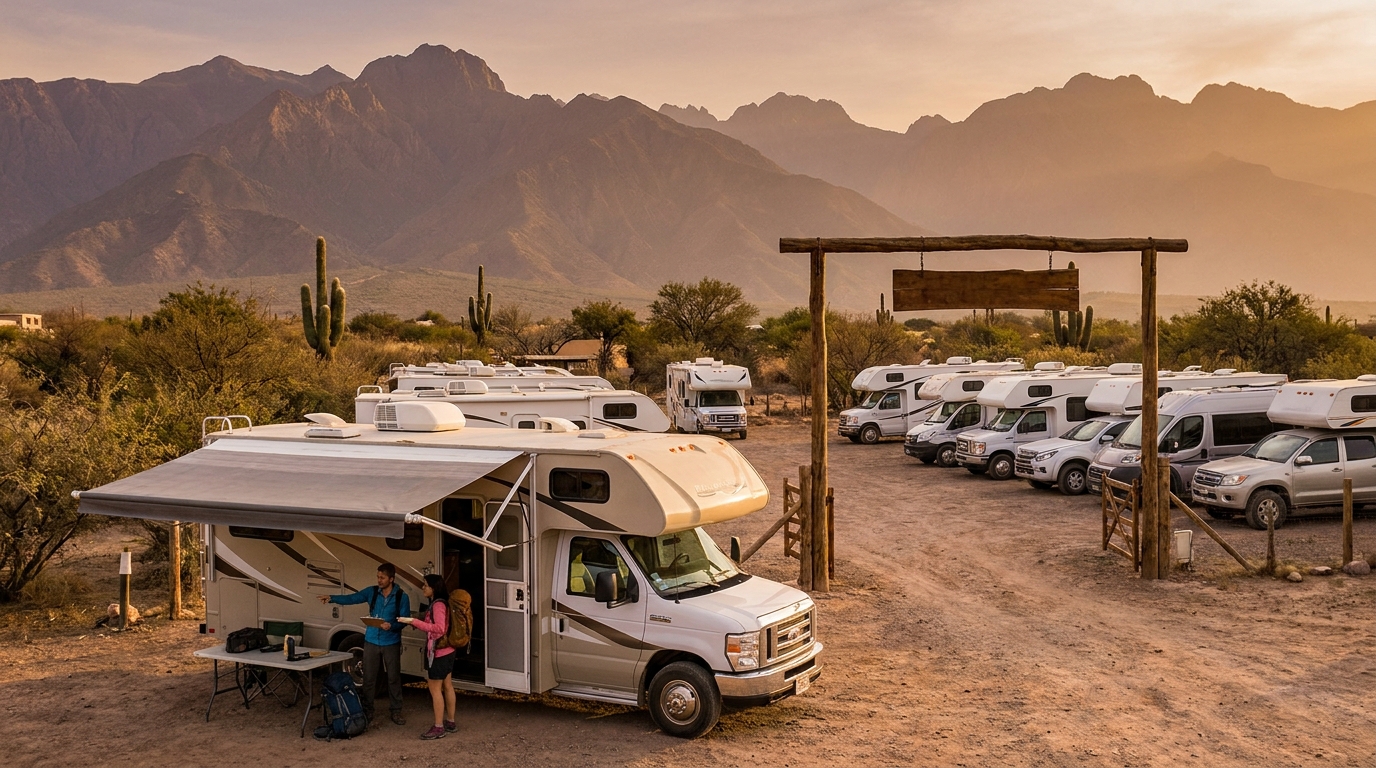
South America offers a breathtaking diversity of camping experiences for your one-way RV rental, ranging from rugged national park sites to more developed private campgrounds. Patagonia, spanning parts of Argentina and Chile, is a jewel for RV travelers, boasting stunning landscapes in places like Torres del Paine and Los Glaciares National Parks, which provide well-established campsites. The Andean regions, particularly in Peru and Ecuador, offer unique high-altitude camping opportunities close to ancient cultural sites and dramatic mountain vistas. For those who prefer a coastal vibe, Brazil and Chile offer beachfront camping, though some spots may require permits or are on private property. Many larger cities across Argentina and Chile have private campgrounds, often referred to as 'campings,' that provide essential amenities and a more secure base for exploring urban areas.
Campground Types in South America (National, Private, Wild)
When planning your South American RV adventure, you'll encounter a variety of camping options. National park campgrounds typically offer more basic facilities, focusing on immersion in nature, and may require separate entrance and camping fees. Private campgrounds, often found near towns and cities, provide a wider range of amenities like hot showers, electrical hookups, and Wi-Fi, generally offering enhanced security. Wild camping, or boondocking, is often tolerated in many remote, undeveloped public areas outside of national parks, though it's not always explicitly legal. Always seek permission from landowners if you plan to camp on private property, and prioritize safety, respecting local customs and always practicing 'Leave No Trace' principles.
Featured RV Park or Campground in South America
When selecting an RV park or campground in South America, it's crucial to prioritize facilities that cater to diverse needs and ensure a secure environment for your vehicle. Look for secure parking, especially if you plan to explore nearby towns, and always confirm the accessibility for your specific RV size, as some roads can be narrow. Check for essential amenities such as potable water, waste disposal stations, and clean restrooms. Travelers often find that campgrounds with positive reviews highlighting safety, friendly staff, and helpful local information significantly enhance their trip experience. Given the varied infrastructure across the continent, choosing a reliable and well-maintained campground can make a substantial positive difference to your South American journey.
Hookups & Amenities — What to Expect
Expect a range of hookup and amenity availability across South American campgrounds, from fully serviced sites to very basic, nature-focused locations. Electricity is commonly 220V/50Hz; ensure you bring appropriate adapters (types C, F, or L are prevalent) or voltage converters for any appliances from countries with different standards, like North America. Potable water is usually available at private campgrounds, but it's always wise to carry purification methods for wild camping to ensure safety. Dump stations are less common than in North America, so it's advisable to check with private campgrounds or larger gas stations in advance. Wi-Fi and mobile connectivity can be inconsistent; purchasing a local SIM card is highly recommended for reliable mobile data and navigation. Laundry facilities and showers are often available at private and some national park campgrounds, though hot water availability can sometimes be limited. On the routes offered through RV PLANET routes, you can itemize and track every expense along the way for easy budgeting.
Booking Windows & Reservations in South America
Booking windows for RV camping in South America offer a mix of flexibility and necessity; while many private campgrounds are accommodating for spontaneous travelers, popular destinations, especially national parks, demand advance reservations. If you're a planner aiming for specific spots during the peak season (generally December to February), booking months ahead for parks like Torres del Paine in Patagonia is essential. It's important to note that many national park campgrounds release only 25%–30% of their spots for reservations, with the remaining sites available on a first-come, first-served basis. Spontaneous travelers can often find availability on the same or next day for most private campgrounds and less-visited parks. However, calling ahead before driving long distances to confirm availability and current road conditions is always a prudent step. Remember, flexibility is key; you'll almost certainly find a place to camp, even if it's not your absolute first choice.
Nearby Supermarkets & Resupply Points
Reliable resupply points are absolutely crucial for a smooth RV journey through South America, with supermarkets and local markets serving as your primary hubs. Major supermarket chains like Jumbo, Tottus, Carrefour, and Éxito are readily found in larger cities, offering a wide selection of groceries and household items. Local markets, known as 'mercados,' are excellent places to source fresh produce, meats, and engage in cultural experiences, often at more affordable prices. In smaller towns and villages, you'll find 'minimarcados' or 'almacenes' (corner stores) that provide basic necessities. Always ensure you stock up sufficiently before venturing into remote areas, as the distances between full-service towns can be extensive. Practicing good food safety, especially in warmer climates, and washing all produce thoroughly is highly recommended.
Best RV Class for Camping in South America
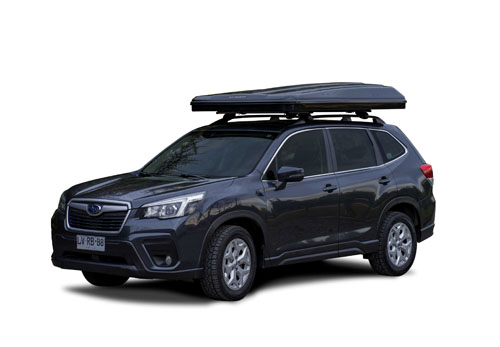
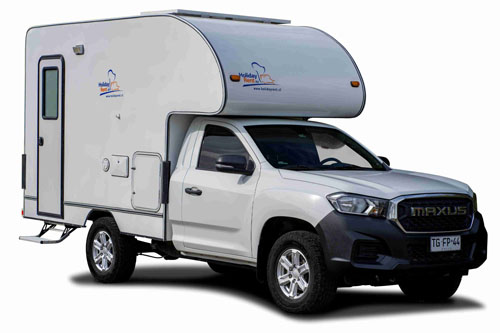
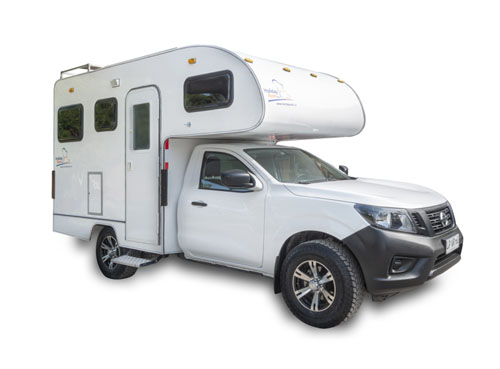
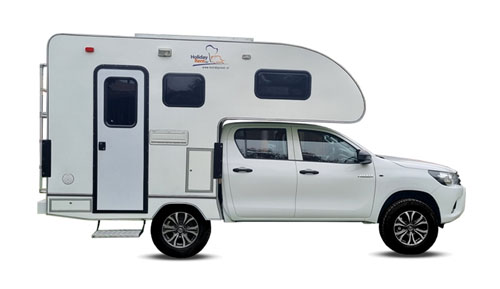
The best RV class for South American camping generally favors smaller, more agile vehicles due to the varied and often challenging road conditions. Camper Vans, such as the 'Patagonia Camper 4x4 double cab', are highly recommended for their maneuverability on narrow roads and excellent fuel efficiency. Truck Campers, like the 'Patagonia Camper 4x4 double cab', are also excellent choices for off-road exploration due to their robust nature and often available 4x4 capabilities. Larger RVs, like Class A or Class C motorhomes, might face more significant challenges on unpaved roads or when navigating dense urban areas. When choosing your rented RV, prioritize vehicles with good ground clearance, robust tires (all-terrain is ideal), and a reliable suspension system; carrying essential spare parts is also advisable for tackling the diverse South American terrain.
How to Save on Campgrounds in South America
Strategic planning and leveraging discounts can significantly reduce your campground costs throughout South America. When booking your one-way RV rental, inquire with your provider about any potential campground discount cards or partnerships they might offer. Traveling during the shoulder seasons (e.g., September to November, and March to May) often brings lower fees and fewer crowds, alongside pleasant weather. Opting for municipal or regional campgrounds, which are typically more affordable than private resorts, can be a smart budgeting move. Consider planning extended stays of three or more nights, as many campgrounds offer weekly or monthly rates that reduce the nightly cost. Safely and responsibly utilizing legal or tolerated wild camping spots can eliminate accommodation costs entirely. Additionally, if traveling with another RV, confirm if sharing a single hookup to split costs is an option.
What is the 3-3-3 rule for RVs?
The '3-3-3 rule' is a popular North American RV guideline suggesting travelers drive no more than 300 miles per day, arrive at their destination by 3 PM, and stay for a minimum of 3 days. This rule is designed to promote a relaxed travel pace, reduce driver fatigue, allow ample time for campsite setup, and encourage local exploration. While the principle of slow, safe travel is highly valuable for RVing anywhere, including South America, the strict '3-3-3 rule' isn't universally recognized or always practical due to the region's unique road conditions, vast distances, and varying infrastructure. RV travelers should adapt their pace to local conditions, prioritize safety, and be prepared for potential delays that are characteristic of South American overland travel.
Can you RV in South America?
Absolutely! RV travel and overlanding in South America is not only possible but also offers an incredible adventure, allowing for deep immersion into the continent's diverse landscapes and rich cultures. Navigating border crossings requires specific paperwork: passports, vehicle title, registration, a Temporary Import Permit (TIP), and potentially a Carnet de Passage, depending on your vehicle's origin and planned route. Road safety varies significantly; expect diverse road quality, distinct driving styles, and potential hazards like stray livestock. To enhance personal and vehicle security, it's highly advisable to avoid night driving. Ensure your vehicle is suitable for the varied terrain; smaller, robust vehicles like Class B campervans or Truck Campers are generally preferred, with 4x4 options being ideal for true off-road adventures. Securing international RV insurance is critical, as home policies may not be valid. An International Driving Permit (IDP) is also highly recommended to supplement your local license. Embrace the cultural immersion, learn basic local phrases, and budget for varying fuel costs, tolls, national park fees, and the possibility of unexpected repairs.
What is the 333 rule for campervan?
The '3-3-3 rule' for campervans is essentially the same guideline as for RVs: drive no more than 300 miles, arrive by 3 PM, and stay for 3 days. This North American recommendation is designed to ensure a more enjoyable, less rushed travel experience and prevent driver burnout. When campervan traveling in South America, it's essential to recognize that while the core principle of mindful, unhurried travel is beneficial, the strict application of this rule may require adaptation due to the continent's unique geographic, infrastructural, and cultural differences compared to North America. Flexibility and embracing spontaneous opportunities are key to a rewarding South American road trip.
Where can I park my RV without paying?
Finding free RV parking in South America primarily involves utilizing wild camping (boondocking) on public lands, in certain municipal areas, or by securing permission from private landowners. Wild camping is the most common method; look for remote spots in national forests or undeveloped public areas, always adhering to 'Leave No Trace' principles. A culturally sensitive and often successful strategy is politely asking local businesses, such as gas stations or restaurants, or private landowners for overnight parking permission. Some towns may offer designated overnight parking areas near plazas or waterfronts, though these are less common and may offer less security than official campgrounds. Always prioritize personal and vehicle security by selecting well-visible areas and avoiding deserted or poorly lit urban locations.
What is the 3 3 3 rule for RV camping?
The '3-3-3 rule' for RV camping is a common North American strategy that advocates for driving no more than 300 miles daily, arriving by 3 PM, and staying for a minimum of 3 nights. This approach aims to reduce travel stress, avoid difficult late-night arrivals, and provide ample time for exploration and relaxation at each destination. When RV camping in South America, it's essential to recognize that this specific rule, while offering sound principles for a more relaxed journey, may require adaptation due to the unique geographic, infrastructural, and cultural differences encountered across the continent compared to North America.
What is the 10 year RV rule?
The '10-year RV rule' is a policy primarily enforced by some private RV parks, particularly in North America, that restricts entry to RVs older than 10 years to maintain aesthetic standards. This specific age-based restriction is largely irrelevant for RV travel in South America, as most campgrounds and private 'campings' do not enforce such age limitations for vehicles. For South American travel, the primary concern regarding RVs is their mechanical reliability and suitability for the varied terrain, rather than their age.
Are there RV parks in the country of Panama?
Yes, RV parks and designated camping areas, though fewer and typically more basic than what you might find in North America, do exist in Panama and cater to overlanders. Panama serves as a crucial transit country for RVers traveling between Central and South America, so you'll find some facilities. Expect essential amenities like water, electricity, and sometimes dump stations, rather than extensive resort-style facilities. Popular spots can often be found near the Panama Canal, along the Pan-American Highway, or close to specific tourist destinations. Travelers often rely on online forums and overlanding apps for the most up-to-date information on RV-friendly locations in Panama.
Is there such a thing as a one-way RV rental?
Yes, one-way RV rentals certainly exist, but they are significantly more challenging and often more expensive to arrange for international routes, especially within or to/from South America, compared to domestic options. Availability is limited for cross-border or long-distance international routes in South America due to complex logistics, varying import/export regulations, and high vehicle repositioning costs. You can expect substantially higher rental rates, significant one-way fees, and potentially larger deposits for such specialized rentals. As an alternative, some travelers opt to purchase a vehicle in one country and sell it in another, or they choose to focus on local round-trip rentals within a specific region, which can often be more cost-effective and flexible.
Where can you sleep in a campervan for free?
Sleeping for free in a campervan in South America is primarily achieved through wild camping in remote, undeveloped areas or by seeking permission from private landowners or businesses. Public lands and remote roadsides, where 'no overnight parking' signs are absent, are common spots for wild camping; always remember to practice 'Leave No Trace' principles. Politely asking local communities, businesses, or landowners for permission to park overnight is a culturally sensitive and often successful strategy, fostering positive local interactions. Some larger, well-lit service stations on major highways might permit overnight parking if you patronize their services, but always ask first. When choosing free overnight spots, prioritize personal and vehicle security, selecting well-visible areas and avoiding deserted or poorly lit urban locations.
What is the 3-3-3 rule for RV camping?
The '3-3-3 rule' for RV camping is a common North American strategy advocating for driving no more than 300 miles daily, arriving by 3 PM, and staying a minimum of 3 nights. This approach aims to reduce travel stress, avoid difficult late-night arrivals, and ensure you have ample time to explore and enjoy each location. When RV camping in South America, it's essential to recognize that this specific rule, while offering good principles for a more relaxed trip, may require adaptation due to the unique geographic, infrastructural, and cultural differences compared to North America.
What You Shouldn't Miss
- Drive through the dramatic landscapes of Patagonia, visiting iconic sites like Torres del Paine National Park in Chile or Los Glaciares National Park in Argentina.
- Explore the ancient ruins of Machu Picchu in Peru, accessible via a scenic journey that often incorporates RV travel to Aguas Calientes.
- Experience the otherworldly terrain of the Atacama Desert in Chile, perfect for stargazing and exploring unique geological formations.
- Witness the incredible wildlife, from penguins in Patagonia to diverse birdlife and marine mammals along the coasts.
- Traverse the Andes mountains, experiencing the culture and breathtaking high-altitude scenery of countries like Ecuador and Bolivia.
- Conquer the unpaved roads and remote tracks of regions like the Carretera Austral in Chile or the Ruta 40 in Argentina for a true overlanding adventure.
Final Thoughts
Embarking on a one-way RV rental in South America is an unparalleled way to experience the continent's vast and varied landscapes. From the rugged beauty of Patagonia to the high-altitude wonders of the Andes, a rented RV offers the freedom and flexibility to truly connect with your surroundings. Remember that planning is key, especially for popular routes and seasons, but with Bandana Caravan and resources like RV PLANET (rvplan.net), you can navigate the booking process with confidence.
Embrace the adventure, travel at your own pace, and savor the unforgettable memories you'll create. The open road in South America awaits, promising a journey filled with discovery, culture, and breathtaking scenery. Get inspired for your next trip and start planning your South American RV escapade today!
Discover top destinations, planning tips, and the best one-way RV rental options all in one place. Plan a trip itinerary in advance with minimal effort and maximum enjoyment, and get ready for an adventure of a lifetime!
For ideas you can prep on the road, watch our RV-friendly recipes playlist on YouTube.