In This Guide
- Is Portugal good for RV travel?
- How much does a one way RV rental in Portugal cost?
- What is the best time of year to RV in Portugal?
- Where to Camp in Portugal - Top Options
- Campground Types in Portugal (National, Private, Wild)
- Featured RV Park or Campground in Portugal
- Hookups & Amenities - What to Expect
- Booking Windows & Reservations in Portugal
- Nearby Supermarkets & Resupply Points
- Best RV Class for Camping in Portugal
- How to Save on Campgrounds in Portugal
- Can you wild camp in Portugal with an RV?
- Can you park an RV anywhere in Portugal?
- What are the rules for driving an RV in Portugal?
- How long does it take to drive across Portugal in an RV?
- What are the common challenges when RVing in Portugal?
- What should I pack for an RV trip to Portugal?
- Are there specific rules for pets in Portuguese RV parks?
- How do I deal with tolls and fuel in Portugal?
- What cultural etiquette should RVers be aware of in Portugal?
- Are there any environmental guidelines for RV camping in Portugal?
- What unique regional experiences can I access by RV in Portugal?
- Considerations for Extended RV Trips in Portugal
- Top Cities for One Way RV Rental in Portugal
- What You Shouldn't Miss
- Why Book with Bandana Caravan
- Final Thoughts
- Frequently Asked Questions
Imagine yourself winding along Portugal's sun-drenched coastline, discovering ancient castles, or savoring fresh seafood by the sea. A one-way RV rental in Portugal offers an unparalleled sense of freedom and flexibility, allowing you to immerse yourself deeply in the country's diverse landscapes and rich culture without the hassle of backtracking. For live availability and current prices, start with our RV Rental Portugal - Complete Guide 2026.
Is Portugal good for RV travel?
Portugal is exceptionally good for RV travel, offering a diverse landscape from stunning coastlines to historic cities and serene countryside, all accessible via a well-maintained road network. The country boasts numerous RV-friendly campsites and designated service areas, making it convenient to explore its unique regional experiences, such as the wine regions of the Douro, the historic routes of the Alentejo, or the surfing spots along the west coast. With a mild climate, delicious cuisine, and a rich cultural heritage, a rented RV provides the flexibility to immerse oneself in Portuguese life beyond typical tourist routes. Bandana Caravan has been helping tens of thousands of travelers explore the world by RV since 2001, making us true RV specialists who genuinely understand what makes a destination RV-friendly.
How much does a one way RV rental in Portugal cost?
The cost of a one-way RV rental in Portugal varies significantly, typically from €80 per day in low season for a compact campervan to €200+ per day in peak season for a larger, newer motorhome, based on RV class, rental duration, season, and the specific one-way fee charged for different pick-up and drop-off locations. Beyond the base rental price, an in-depth budget for an RV trip in Portugal must account for fuel, as Bandana's fleet typically consumes 10-12 Liters/100 km for common classes like Semi-integrated and Alcove, adding approximately €0.18-€0.22 per kilometer at current diesel prices. Tolls can be substantial on motorways, potentially adding €20-€50 per day depending on your route, while daily campsite fees range from €15-€40+ for a serviced pitch. Other essential expenses include groceries, propane, dump fees, and activity expenses, which should all be factored into your total trip cost. For easy budgeting and detailed expense tracking along your planned itinerary, consider using RV PLANET routes. Hidden costs can include cleaning fees, insurance add-ons, extra mileage charges if not purchased in an unlimited package, and potential charges for exceeding load capacity (e.g., Bandana's Class C Alcove averages only 42.4 kg load capacity), making detailed planning crucial to avoid surprises. On the routes offered through RV PLANET routes, you can itemize and track every expense along the way for easy budgeting.
For more specific pricing insights, including tips on securing the best rates, consult our "One-Way RV Rental in Portugal - Price Guide 2026". We compare final prices across 50+ suppliers, ensuring full transparency with no hidden fees or conversion commissions, just what you see is what you get.
What is the best time of year to RV in Portugal?
The best time of year to RV in Portugal is during the shoulder seasons-spring (April-May) and autumn (September-October)-when the weather is pleasant with average temperatures of 18-25°C, and crowds are thinner. These periods offer comfortable conditions for exploring without the intense heat and high prices of summer. Seasonal specificities beyond just weather include avoiding peak summer (July-August) for lower prices (often 15-30% less than July rates) and easier access to popular sites, as well as experiencing regional harvests like grape picking in the Douro Valley in late September. Winter (November-March) offers mild temperatures, particularly in the south with average lows of 10°C, making it an excellent option for extended stays without the summer heat or crowds, and for experiencing local festivals outside the main tourist season. Many campsites remain open year-round, especially in the Algarve.
Where to Camp in Portugal - Top Options
Portugal offers diverse camping experiences across regions like the sunny Algarve, the tranquil Alentejo, and the scenic national parks in the north, providing over 400 RV-friendly campsites. Popular regions include the Algarve coast, known for its golden beaches and average of 300 days of sunshine per year, offering numerous coastal resorts. The tranquil Alentejo plains provide wide-open spaces and quiet rural sites, often with historical towns nearby. For nature lovers, the scenic national parks in the north, such as Peneda-Gerês, offer stunning landscapes and opportunities for hiking. Whether you prefer a lively beachfront resort or a serene countryside escape, Portugal has a wealth of camping opportunities for your rented motorhome adventure.
Campground Types in Portugal (National, Private, Wild)
Portugal features national park campgrounds, private campgrounds, and regulated areas for wild camping, each offering a distinct experience. National park sites often provide basic facilities in natural settings, sometimes requiring advance booking, and are ideal for those seeking proximity to nature; the Peneda-Gerês National Park, for example, has several such sites with minimal amenities but stunning views. Private campgrounds are the most common and legally sound option, providing extensive amenities like pools, restaurants, and full hookups (electricity, water, grey/black water disposal), with over 200 such sites across the country. Wild camping (or 'freedom camping') for RVs is generally restricted to designated areas or requires explicit permission from landowners, with strict rules against overnight parking in undesignated public spaces, especially along the coast and in protected natural areas. However, Portugal's 'Aires de Serviço para Autocaravanas' system offers dedicated motorhome service areas for legal overnight stays.
Featured RV Park or Campground in Portugal
When choosing an RV park in Portugal, look for sites that offer a balance of essential amenities and convenient access to local attractions. An excellent example is Orbitur Camping Valverde in the Algarve, which provides pitches with full hookups (220-240V electricity, fresh water, and grey/black water disposal), clean shower and toilet facilities, and Wi-Fi access. This campground is ideally located, offering easy access to the stunning beaches of Praia da Luz and Burgau (within 5-10 km) and the charming historic town of Lagos, enhancing your one-way RV rental experience. These types of well-equipped private campsites ensure a comfortable stay while serving as a perfect base for exploring the surrounding beauty and culture.
Hookups & Amenities - What to Expect
Most Portuguese campgrounds provide essential hookups including 220-240V electricity (Type F/E plug commonly used throughout Europe), fresh water, and grey/black water dump stations. It's always a good idea to bring your own European power adaptor and a sufficiently long extension cord (at least 25 meters) to ensure you can connect easily. Common amenities across RV parks and campgrounds include clean showers, laundry facilities, and often Wi-Fi, though Wi-Fi quality and speed can vary significantly between sites. Higher-end private campgrounds may offer additional luxuries like swimming pools, restaurants, playgrounds, and entertainment programs, catering to families and groups seeking more resort-like amenities. Many RVs also include a well-equipped kitchen with a stove and refrigerator, perfect for preparing meals on the go. For ideas on what to cook in your rented RV, check out our RV-friendly recipes playlist.
Booking Windows & Reservations in Portugal
For a one-way RV rental trip in Portugal, pre-planners should book popular campgrounds, especially coastal or national park sites in the Algarve or Douro Valley, several months in advance, particularly during peak season (June-August) when spots can fill up quickly and prices may be 10-20% higher. Many national and state parks, including Peneda-Gerês, only release 25-30% of their spots for reservations, with the remaining 70-75% available on a first-come, first-served basis, meaning you will almost certainly find a place-if not at the first campground, then at the next one. Spontaneous travelers, however, can often find same-day or next-day availability at many campgrounds, especially outside of peak season (e.g., March-May or September-November) or in less touristed areas; calling ahead before driving is highly recommended to confirm availability and avoid disappointment. Booking a motorhome or campervan itself also benefits from early planning; checking "RV Rental Deals in Portugal - Latest Offers 2026" usually reveals better rates for reservations made 3-6 months out.
Nearby Supermarkets & Resupply Points
RVers in Portugal can easily resupply at major supermarket chains such as Pingo Doce, Continente, Lidl, and Aldi, which are prevalent across the country, even in smaller towns. These supermarkets offer a wide range of groceries, fresh produce, and essential RV supplies, often with convenient parking for larger vehicles like a 7-meter Class C motorhome. Look for signs indicating "parque de estacionamento" for parking. For fresh local produce, artisanal cheeses, and unique regional items, seek out municipal markets (mercados municipais) or smaller local shops in towns and villages; these not only offer a taste of authentic Portugal but also provide an opportunity for cultural immersion. Many towns also have service stations that sell basic necessities, propane (gás), and offer dump stations for grey and black water.
Best RV Class for Camping in Portugal
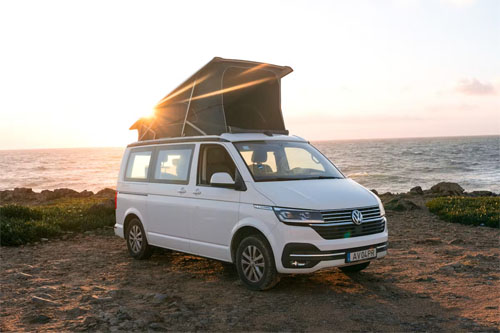
For diverse camping in Portugal, including navigating charming villages and coastal roads, a Class B Camper Van or a Class SI Semi-integrated RV is often ideal due to their maneuverability. Bandana's fleet typically shows Class B Camper Vans with an average length of 5.8 meters and sleeping 3.2 people, offering excellent agility for exploring various campsites, including those with tighter access. These vehicles, like the "Active Pop Top" or "Juliette 2-3", are perfect for couples or small families, consuming approximately 11-13 Liters/100 km of fuel. Class SI Semi-integrated RVs, averaging 6.9 meters in length and sleeping 3.8 people, provide more comfort and space (e.g., "K3" or "EcoLine 4") while still being manageable on Portuguese roads. A standard car driver's license is sufficient for all motorhome classes, regardless of size, in Portugal. While a large Class C Alcove motorhome (up to 7.5 meters) offers ample space for a big family / group of friends, its size might limit access to some historic town centers or very secluded campsites.
How to Save on Campgrounds in Portugal
To save on Portuguese campgrounds, leverage campground discount cards, such as ACSI or Camping Card International (CCI), which can offer significant savings (up to 30-50% off) particularly for extended stays or during off-peak seasons (October-March). Booking during the shoulder season (spring or autumn) rather than peak summer can significantly reduce nightly rates, which average €30-€40 in July/August but can drop to €15-€25 in May or September, and help avoid crowds. Choosing municipal or regional campgrounds over private resorts often results in lower prices. Staying for three or more nights can qualify you for weekly rates, and traveling with another RV in a group might allow for sharing hookups where permissible, further reducing costs. Look for "Cheap RV Rental in Portugal - Budget Guide 2026" for more cost-saving strategies.
Can you wild camp in Portugal with an RV?
Wild camping with an RV in Portugal, defined as overnight parking outside designated campsites, is generally prohibited by law in most areas, particularly along the coast and in natural parks, with fines ranging from €120-€600. While strict regulations are in place, certain municipalities may tolerate discreet overnight parking in non-sensitive areas, or designated 'Áreas de Serviço para Autocaravanas' (ASAs) which provide basic services like fresh water and dump stations, often for free or a nominal fee. Always seek explicit permission from landowners if considering private land and strictly adhere to 'Leave No Trace' principles to avoid fines, environmental damage, and maintain positive relationships with local communities. This means taking all trash with you, properly disposing of grey and black water at designated dump stations, and not disturbing local flora or fauna. Bandana Caravan emphasizes responsible and sustainable RV travel to preserve the beauty of destinations like Portugal.
Can you park an RV anywhere in Portugal?
No, you cannot park an RV anywhere in Portugal; parking regulations are distinct from those for cars, and overnight parking/camping is largely restricted to designated areas. While temporary parking during the day for sightseeing might be tolerated in some public car parks, especially for smaller campervans (under 6 meters), overnight stays outside official campgrounds or specifically marked 'Áreas de Serviço para Autocaravanas' (ASAs) are generally illegal and can result in fines. It's crucial to respect local signage and regulations, especially in natural parks, protected areas, and coastal zones where enforcement against unauthorized camping is strict. Drive slowly and carefully, and you can drive almost anywhere without issues. No need to stress - just use common sense and pay attention to parking signs and local recommendations. For finding legal parking and camping spots during your trip, we recommend using RV PLANET (rvplan.net) - a great resource for locating available spots along your route.
What are the rules for driving an RV in Portugal?
Driving a rented RV in Portugal requires adherence to standard European road rules, including driving on the right-hand side of the road, wearing seatbelts (for all passengers), and carrying essential safety equipment such as a reflective vest and warning triangle in the vehicle. The minimum driver age is 21, and a standard car driver's license is sufficient for all motorhome classes; an International Driving Permit (IDP) is recommended for non-EU visitors. Practical advice for dealing with specific challenges includes being mindful of narrow roads, especially in historic centers and smaller villages where larger RVs (like Bandana's Class C Alcove at 7.5 meters) may struggle, and planning routes to avoid these areas if uncomfortable. Always be aware of speed limits, which differ for RVs (usually 90 km/h on motorways and 80 km/h on national roads, compared to 120 km/h for cars on motorways), and ensure your vehicle's weight and dimensions comply with local signage, particularly regarding bridge clearances and tunnel heights. Emergency services can be reached by dialing 112.
How long does it take to drive across Portugal in an RV?
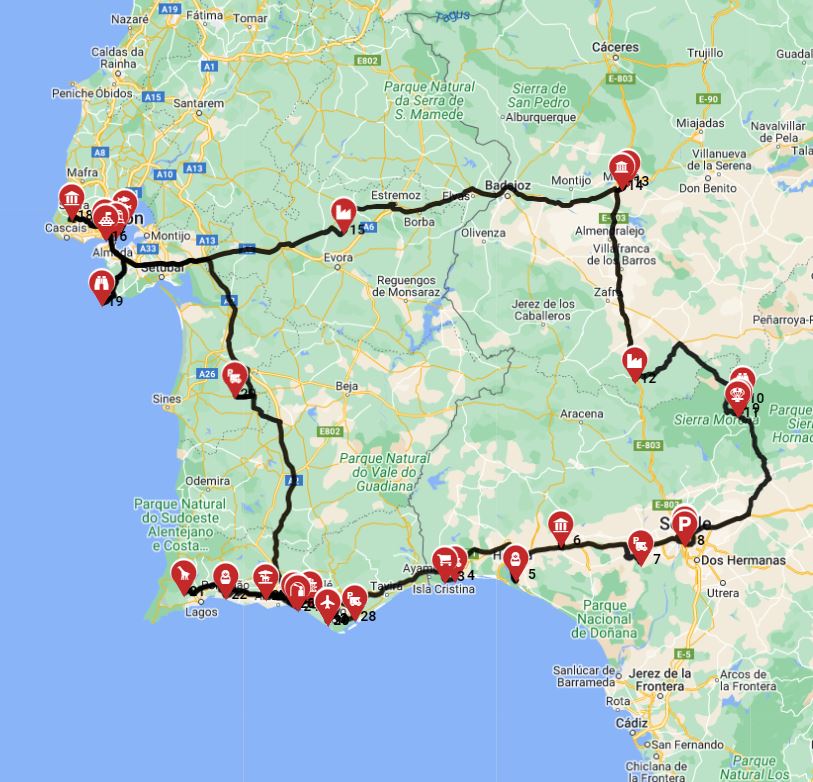
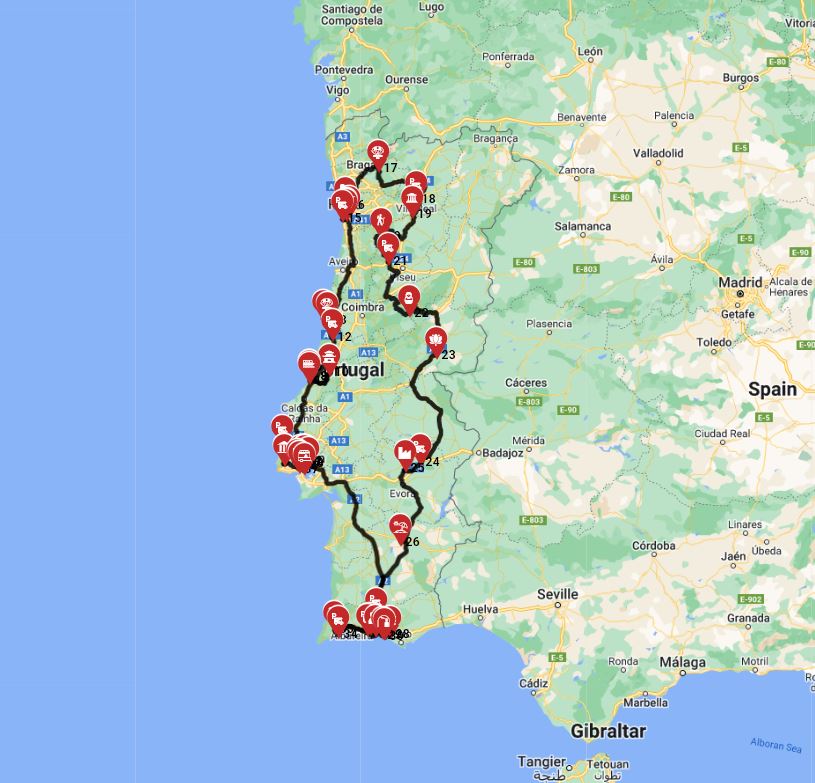
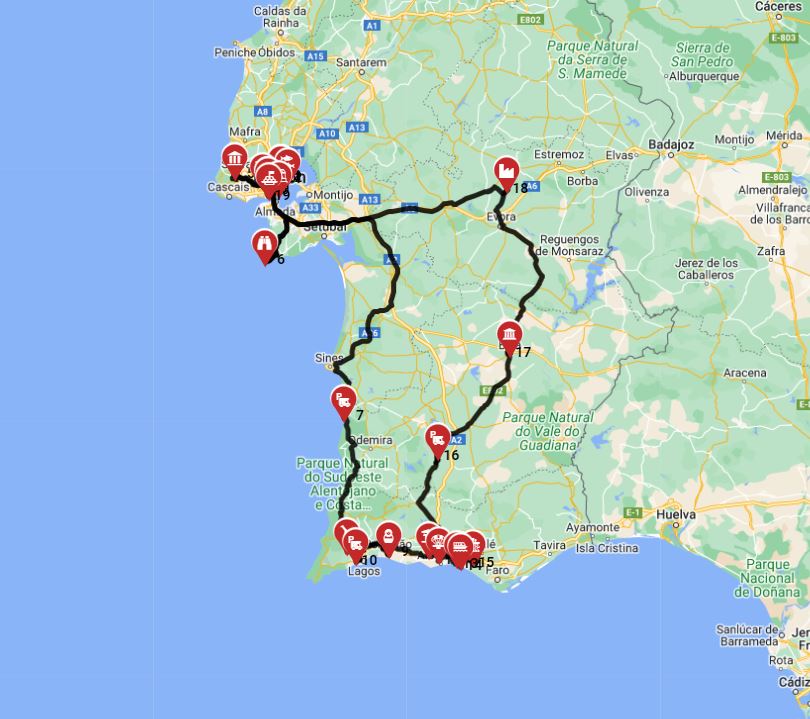
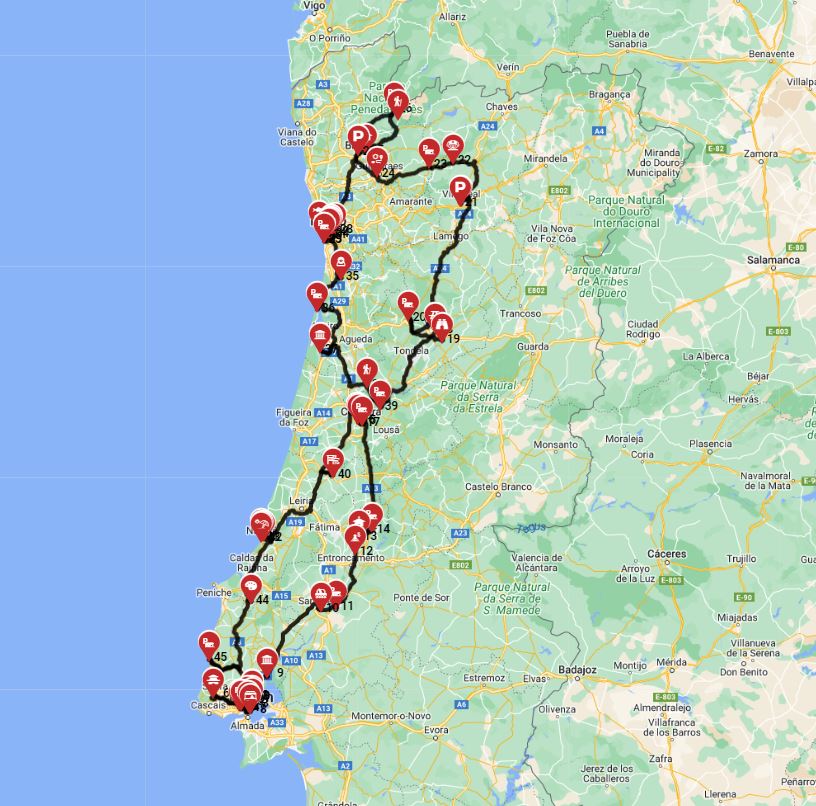
Driving across Portugal from north to south (e.g., from Porto to Faro) in a rented RV typically takes around 6-8 hours of continuous driving, covering approximately 550-600 kilometers via major highways like the A1 and A2. However, for a one-way RV trip, allowing 7-14 days provides ample time to experience diverse regions and sights without rushing, enabling travelers to adhere to the slow travel philosophy of averaging a maximum of 100-150 km per day. This allows time for scenic detours, comfortable campsite stays, and exploring attractions like the Douro Valley wine region or the castles of the Alentejo. Factor in potential traffic in urban areas (e.g., Lisbon or Porto), slower speeds on smaller national roads in rural areas, and necessary breaks for fuel, meals, and rest stops, especially with larger RVs.
What are the common challenges when RVing in Portugal?
Common challenges for RVers in Portugal include navigating narrow roads in historic centers and small villages, which can be difficult for larger RVs (e.g., Bandana's Class C Alcove at 7.5 meters long and 2.78 meters wide). Our advice: drive slowly and carefully, and you can drive almost anywhere without issues. No need to stress - just use common sense and pay attention to road signs and vehicle dimensions. Finding gas stations in very remote areas, especially for specific fuel types like petrol (gasolina), can sometimes be an issue, necessitating careful route planning and monitoring fuel levels; most rental RVs use diesel (gasóleo). Other challenges include occasional language barriers beyond basic phrases in less touristy regions (a translation app helps!), managing electronic toll payments (covered in a later section), and being aware of safety concerns like theft prevention tips for RVs, particularly for valuables, and ensuring secure parking overnight. Always use common sense and secure your belongings, as you would in any travel destination. Our 24/7 support means real people are behind you before, during, and after your booking, ready to assist with any questions you might have.
What should I pack for an RV trip to Portugal?
For an RV trip to Portugal, essential packing includes personal clothing suitable for varied weather (layers are key, with coastal regions mild and inland areas hotter in summer), comfortable walking shoes, and swimsuits for coastal areas and campground pools. Beyond personal items, consider practical RV essentials like European power adaptors (Type F/E), a long extension cord (25m), water hoses, a reflective vest, and a warning triangle for road safety. Don't forget navigation tools (GPS or offline maps), a basic first-aid kit, insect repellent, sun protection (sunscreen, hat, sunglasses), and a phrasebook or translation app to help with language barriers beyond basic phrases. Many rental motorhomes come equipped with basic kitchenware, bedding, and towels, but it's always wise to confirm with your supplier. Since Bandana offers full transparency, all inclusions and optional add-ons are clearly listed before you book.
Are there specific rules for pets in Portuguese RV parks?
Most Portuguese RV parks and campgrounds are pet-friendly, but they typically have specific rules regarding leashing, designated walking areas, and cleaning up after pets; always keep your pet on a leash within the campground and dispose of waste properly. Regulations for pets in Portugal also include requirements for microchipping, up-to-date vaccinations (especially rabies), and a pet passport (for EU citizens) or relevant veterinary certificates for international travel. When planning activities, verify pet access for attractions, beaches, and restaurants, as rules can vary; for example, many beaches have restrictions on dogs, especially during peak season, but some, like Praia do Monte Clérigo in the Algarve, are more accommodating. Checking ahead ensures a family-friendly and pet-friendly travel experience for everyone. Always confirm pet policies with individual campgrounds before booking.
How do I deal with tolls and fuel in Portugal?
Dealing with tolls in Portugal often involves a mix of electronic tolls (Via Verde) and traditional toll booths, with most motorways utilizing a fully electronic system that requires a transponder or post-payment. For a one-way RV rental, inquire about a pre-paid transponder (dispositivo eletrónico) from your rental company or register your license plate for post-payment online via specific services, as many tolls are camera-based without physical booths, making cash payment impossible. Failure to pay electronic tolls can result in significant fines. Fuel is readily available across Portugal, primarily diesel (gasóleo) for most RVs, and petrol (gasolina 95/98); monitor gas availability in remote areas and be prepared for higher prices on motorways compared to local stations. Most rental motorhomes, like the "Cruise America Example Explorer" with a 75 Liter fuel tank, use diesel, which is usually cheaper than petrol.
What cultural etiquette should RVers be aware of in Portugal?
RVers in Portugal should observe specific local etiquette to enhance cultural immersion, such as greeting locals with 'Olá' (hello), 'Bom dia' (good morning), or 'Boa tarde' (good afternoon) and showing respect in religious sites by dressing modestly. When parking your rented RV in villages, be mindful of local norms, avoiding residential streets or blocking access, and always seek permission from a local if unsure about parking on private land. Slow travel, averaging 100-150 km per day, allows for deeper engagement with local communities. Dining experiences beyond tourist traps can be found in local tascas (taverns) or restaurants; try to order in Portuguese (even basic phrases like 'por favor' and 'obrigado' go a long way), and remember that tipping is appreciated but not mandatory, usually rounding up or leaving a few Euros for good service (5-10% is common for excellent service). Embracing these small details helps you connect to the culture, the food, and the scenery.
Are there any environmental guidelines for RV camping in Portugal?
Environmental guidelines for RV camping in Portugal emphasize adhering to 'Leave No Trace' principles, particularly given the country's delicate ecosystems, including coastal dunes, forests, and natural parks. This includes proper waste management, utilizing designated dump stations for grey and black water (found at most official campgrounds and 'Aires'), disposing of trash responsibly (use public bins or take it with you), and avoiding open fires outside of specified areas. Respect natural habitats, avoid disturbing wildlife, and stay on marked trails when hiking to minimize your environmental impact and preserve Portugal's natural beauty for future visitors. Over 50 countries are covered by Bandana's network, all promoting responsible travel, and Portugal is no exception. By choosing designated RV parks and service areas, you contribute positively to local conservation efforts.
What unique regional experiences can I access by RV in Portugal?
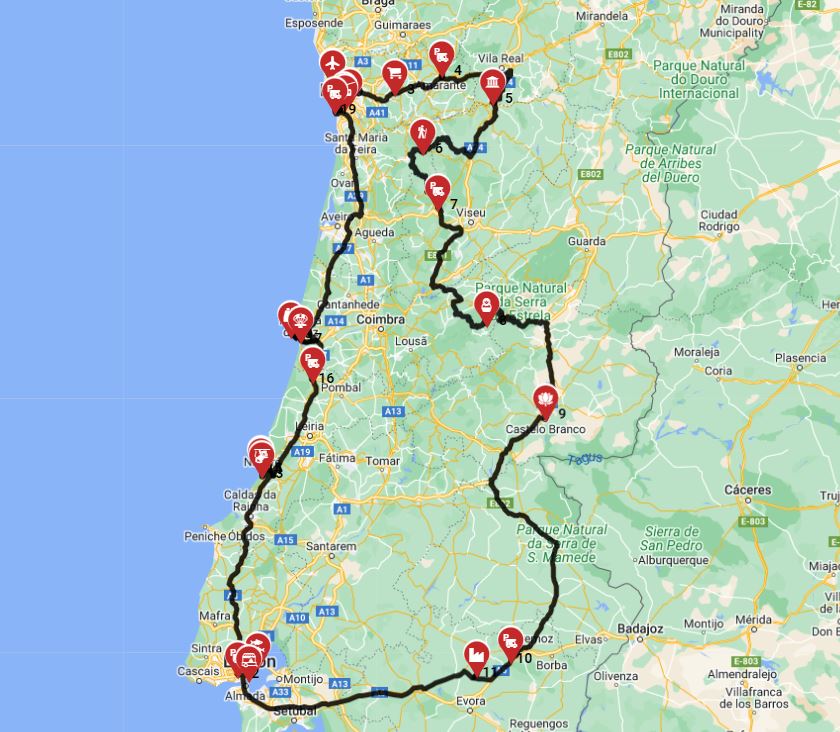
A one-way RV rental in Portugal unlocks a comprehensive guide to unique regional experiences, from exploring the historic wine regions of the Douro Valley, a UNESCO World Heritage site known for its terraced vineyards and Port wine, to discovering the ancient Megalithic routes in the Alentejo, boasting thousands of dolmens and menhirs. RV access allows for easy travel to world-class surfing spots along the Costa Vicentina in the Southwest Alentejo and Vicentine Coast Natural Park, and rugged hiking trails in national parks like Peneda-Gerês. You can also delve into the rich culinary traditions of different regions, from fresh seafood in the Algarve to rich stews in the North, visit hidden medieval villages such as Monsaraz, and discover secluded beaches that are often inaccessible by public transport. This flexibility makes a rented motorhome the ultimate way to experience authentic Portugal. We offer 1,300+ pre-planned routes across 5 continents via RV PLANET (rvplan.net), our sister company, allowing you to discover top destinations and planning tips.
Considerations for Extended RV Trips in Portugal
For extended RV trips or "snowbird" considerations in Portugal, individuals from non-EU countries will need to research visa and residency requirements for stays exceeding 90 days (e.g., a D7 visa). Extended stays will require careful planning for services, including consistent access to reliable internet (consider a local SIM card with a data plan), healthcare (potentially requiring private insurance or an EHIC card for EU citizens), and mail forwarding. Many campgrounds, particularly in the Algarve, offer attractive monthly rates during the off-peak season (November-March), sometimes as low as €300-€500 per month for a full-service pitch. Connecting with expat RV communities or online forums can provide valuable insights into local regulations, social integration, and available long-term support services, making your longer journey more seamless. Remember, we are true RV specialists, not a travel agency side department, and our expertise extends to advising on how to get the most out of your extended RV rental in Portugal.
Top Cities for One Way RV Rental in Portugal
Portugal offers several excellent cities for starting or ending a one-way RV rental adventure, providing flexibility for your itinerary. Lisbon and Faro (often via Faro Airport) are the most popular choices due to their international airports and wide selection of rental motorhomes and campervans. Lisbon, the vibrant capital, is a great starting point for exploring Central and Northern Portugal, while Faro provides direct access to the stunning Algarve coastline. Other noteworthy cities for RV pickup or drop-off include Porto (perfect for exploring the Douro Valley), Braga (rich in history and culture), and Coimbra (home to one of Europe's oldest universities). Smaller locations like Leiria and Fernão Ferro also offer rental options, often with competitive prices, allowing for diverse one-way routes. Remember, a 25% planning discount is available for using rvplan.net to plan your route, encouraging you to map out your one-way journey efficiently between these fantastic Portuguese destinations.
What You Shouldn't Miss
- Explore the Algarve Coastline: Drive a rented campervan along the iconic N125 or coastal roads to discover hidden coves, dramatic cliffs, and picturesque fishing villages like Alvor and Carvoeiro.
- Visit Sintra's Fairy-tale Palaces: Park your motorhome on the outskirts of Sintra and take public transport to explore the vibrant Pena Palace, the mysterious Quinta da Regaleira, and the ancient Moorish Castle.
- Experience the Douro Valley Wine Region: Journey through the terraced vineyards of the Douro Valley, stopping at Quintas for wine tastings and enjoying breathtaking views of the Douro River, perhaps even on a scenic boat trip.
- Wander through Lisbon's Historic Alfama District: Park your RV outside the city center and use Lisbon's excellent public transport to explore the narrow, winding streets of Alfama, listen to Fado music, and visit São Jorge Castle.
- Discover the Megalithic Landscape of Alentejo: Drive your RV through the vast plains of Alentejo to uncover ancient dolmens and menhirs, such as the Almendres Cromlech near Évora, offering a profound sense of history.
- Relax at Praia da Marinha: Frequently ranked among Europe's most beautiful beaches, this Algarve gem is easily accessible by a short walk from a nearby parking area, offering golden sands and stunning rock formations.
Looking for expert insights from Avi Bandana? Top 5 Adventures - recommendations from Avi Bandana
Final Thoughts
A one-way RV rental in Portugal truly offers an unforgettable adventure, giving you the freedom to explore at your own pace and discover both its famous landmarks and hidden gems. From the sun-drenched beaches of the Algarve to the historic vineyards of the Douro, Portugal invites you to travel slowly, savoring every moment and connecting deeply with its vibrant culture and stunning scenery. We take care of the small details, ensuring your booking experience is seamless and transparent, so you can focus on the big picture: your incredible journey.
With Bandana Caravan, you're choosing a partner that stands by you before, during, and after your booking, providing the support and expertise only true RV specialists can offer. So, are you ready to chart your course from Lisbon's bustling streets to Faro's serene coast? Get inspired for your next trip! Plan a trip itinerary in advance with minimal effort and maximum enjoyment.
🎬 Video coming soon