In This Guide
- Where to Camp in Greece - Top Options
- Campground Types in Greece (National, Private, Wild)
- Featured RV Park or Campground in Greece
- Hookups & Amenities - What to Expect
- Booking Windows & Reservations in Greece
- Nearby Supermarkets & Resupply Points
- Best RV Class for Camping in Greece
- How to Save on Campgrounds in Greece
- What are the best routes for a one-way RV rental in Greece?
- What is the best time of year for RV camping in Greece?
- How much does a one-way RV rental in Greece cost?
- Can I take an RV on ferries to Greek islands?
- Is wild camping allowed in Greece with an RV?
- What are the legal requirements for RV driving in Greece?
- Are there specific RV-friendly apps or resources for Greece?
- How do I find water and dump stations for my RV in Greece?
- What are the road conditions like for RVs in Greece?
- Tips for interacting with locals and experiencing Greek culture in an RV?
- What You Shouldn't Miss
- Why Book with Bandana Caravan
- Final Thoughts
- Frequently Asked Questions
Embarking on a one-way RV rental in Greece offers an unparalleled journey through ancient history, stunning coastlines, and vibrant culture. Imagine the freedom of waking up to the Aegean Sea on one day and the majestic peaks of the Peloponnese the next, all from the comfort of your rented motorhome. Greece, a land steeped in myth and natural beauty, is perfectly suited for exploration by RV, allowing you to craft an itinerary that truly speaks to your wanderlust. For live availability and current prices, start with our RV Rental Greece - Complete Guide 2026 guide, which provides comprehensive information to kickstart your adventure.
Where to Camp in Greece - Top Options
Greece offers diverse camping experiences, from organized coastal campgrounds to mountainous retreats and the allure of wild camping, providing varied settings for your one-way RV adventure. Popular regions for RV camping include the Peloponnese, Halkidiki, and the Ionian Islands, each presenting unique landscapes and amenities. In the Peloponnese, consider areas like Kalamata for its picturesque coastal access and proximity to olive groves, or explore the regions around Mount Olympus for stunning natural beauty and hiking opportunities. Whether you prefer the buzz of a well-equipped site or the quiet solitude of a more remote spot, Greece has a corner for every RV traveler.
Campground Types in Greece (National, Private, Wild)
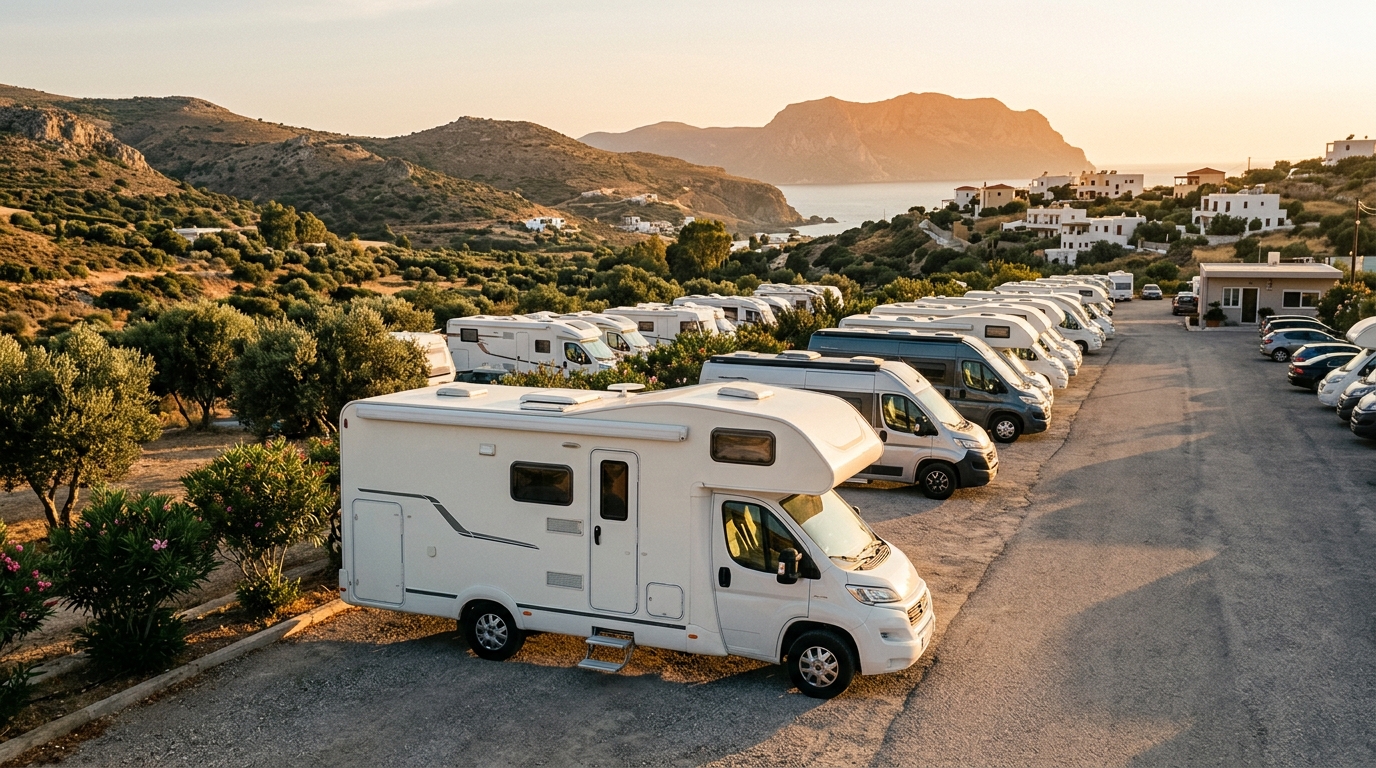
Greece features a mix of private campgrounds, fewer national park sites, and a complex approach to wild camping for RV travelers. Private campgrounds, such as Camping Kastraki near Meteora, offer comprehensive facilities including 220-240V electricity, fresh water, sanitation, and often amenities like pools or restaurants, providing a secure and comfortable base with daily rates typically ranging from €20-€40. Wild camping, while generally prohibited by law (Article 10 of Law 392/1976), is often tolerated in discreet, non-touristy areas, especially off-season, provided campers adhere to strict Leave No Trace principles and are respectful of local communities. It is crucial to understand that 'mostly permitted but be discreet' for wild camping means avoiding designated tourist zones, private land, and areas with clear 'no camping' signs, focusing instead on remote, unpopulated spots to avoid legal issues and potential fines of €300.
Featured RV Park or Campground in Greece
When selecting an RV park in Greece, prioritize locations that offer a blend of essential amenities and convenient access to local attractions to enhance your one-way trip. Look for campgrounds that provide full hookups (electricity, water, waste disposal), clean shower and toilet facilities, and often laundry services, which are crucial for extended RV trips lasting a week or more. Ideal featured parks, like Camping Finikoudes in Gytheio or Agiannis Camping in Halkidiki, are strategically located near major historical sites, beautiful beaches, or charming villages, enhancing the cultural immersion aspect of your trip. These facilities typically offer spacious pitches and reliable services, ensuring a comfortable base for your adventures.
Hookups & Amenities - What to Expect
In Greece, RV campgrounds typically provide 220-240V electricity with a standard European two-pin plug (Type F or E) for power hookups, along with fresh water connections and grey/black water dump stations. Most organized campgrounds offer essential amenities such as hot showers, flush toilets, and often laundry facilities, ensuring a comfortable stay. Wi-Fi availability varies; while many private campgrounds offer it, reliability and speed can differ, making a personal hotspot or local SIM card a useful backup for connectivity. For propane/LPG refills, look for gas stations specifically marked with 'Autogas' or 'LPG' signs, and it is advisable to carry an adapter kit as connection types can vary locally. Always verify specific amenities and connection types with your chosen campground in advance. On the routes offered through RV PLANET routes, you can itemize and track every expense along the way for easy budgeting.
Booking Windows & Reservations in Greece
For one-way RV rentals in Greece, pre-planners should ideally book campground spots several months in advance, especially for peak season (July-August) and popular coastal areas like Halkidiki or the Ionian Islands, to ensure availability and potentially save up to 25% on rates. Spontaneous travelers, however, generally have good luck finding same-day or next-day availability outside of peak season, particularly at larger private campgrounds which often have more capacity. Many national or municipal campgrounds may only release a limited percentage (e.g., 25%-30%) of spots for advanced reservations, leaving the majority available on a first-come, first-served basis, meaning you will almost certainly find a place-if not at the first campground, then the next one. Always call ahead to your chosen campground before driving there, especially during shoulder seasons (April-May, September-October), to confirm availability and avoid unnecessary detours.
Nearby Supermarkets & Resupply Points
When traveling by RV in Greece, major supermarket chains like Sklavenitis, AB Vassilopoulos, and Lidl are reliable resupply points found in most towns and cities, offering a wide range of groceries and essentials. For authentic local produce, fresh goods, and a truly immersive experience, frequenting local markets (laiki agora) offers not only cost savings but also a rich cultural connection. These markets, typically held once a week in various neighborhoods, are excellent for stocking your RV kitchen. Smaller villages will have mini-markets, but for a wider selection and better prices, plan stops at larger supermarkets in regional centers, ensuring your refrigerator (like the 90-liter unit in a cruise america rv rental example Explorer) is always full for your RV-friendly recipes playlist. This strategic planning contributes to a smoother, more enjoyable trip.
Best RV Class for Camping in Greece
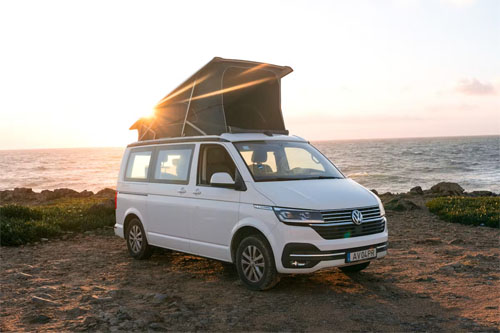
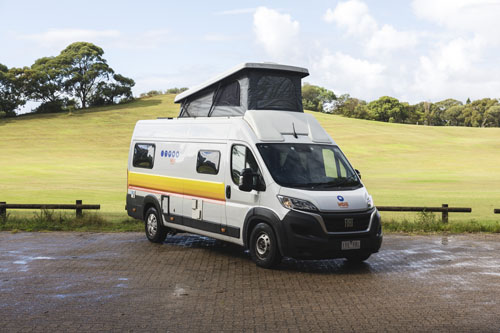
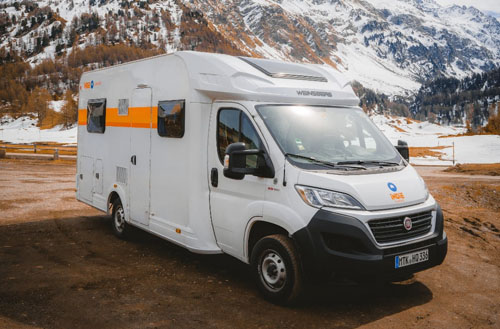
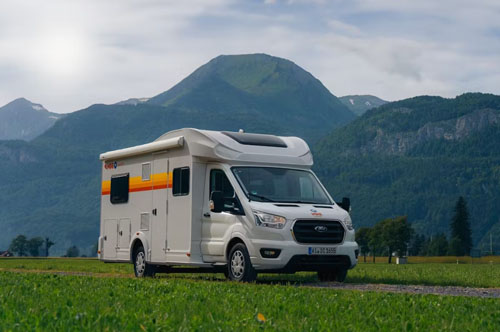
The Class B - Camper Van is often considered ideal for camping in Greece due to its compact size, with Bandana's fleet typically averaging 5.8 meters in length, making it agile enough for narrow roads, easier parking in towns, and efficient navigation on winding coastal routes. Class SI - Semi-integrated RVs, averaging 6.9 meters in length, offer a good balance of comfort and maneuverability, suitable for couples or small families, with typical fuel consumption around 10-11 Liters/100 km. For example, a "2 Berth Rover" or "Active Standard Select" (both Class SI) offer a comfortable interior while maintaining decent agility. For larger groups or those seeking more amenities, Class C - Alcove RVs, averaging 7.5 meters and sleeping around 5-6 people (like the "camper for rent example Alcove" or "MHC24" sleeping up to 6), provide ample space but require more careful navigation on winding Greek roads and during ferry crossings. Drive slowly and carefully, and you can drive almost anywhere without issues. No need to stress - just use common sense and pay attention.
How to Save on Campgrounds in Greece
Utilizing campground discount cards, such as those offered through Bandana's partnerships like ACSI or ADAC, can provide significant savings on site fees at participating Greek campgrounds, often reducing nightly rates by 10-20%. Traveling during the shoulder seasons (April-May, September-October) not only offers better weather and fewer crowds but also generally lower camping rates compared to peak summer prices, which can be 30-50% higher. Opting for municipal or regional campgrounds over private resorts can substantially reduce costs, as they often provide basic facilities at a more budget-friendly price point, with some municipal sites offering pitches for as low as €15 per night. Additionally, many campgrounds offer weekly rates that are more economical than daily fees; consider staying 3+ nights at one location to take advantage of these longer-stay discounts, contributing to a more affordable RV rental in Greece. For a comprehensive budgeting tool that allows you to itemize and track every expense, explore RV PLANET routes.
What are the best routes for a one-way RV rental in Greece?
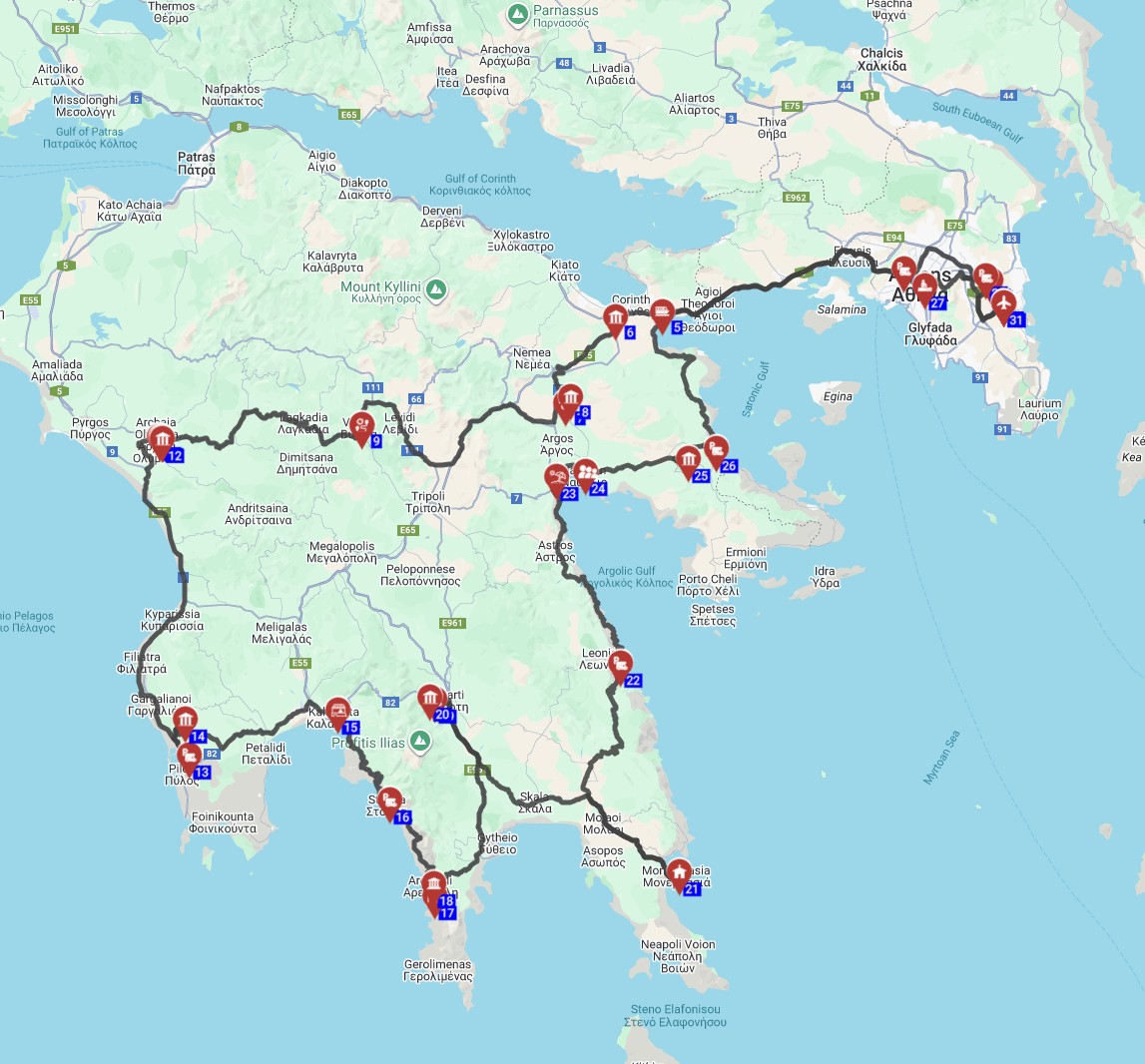
For a one-way RV rental in Greece, popular routes often include a journey from Athens through the Peloponnese (e.g., Olympia, Monemvasia, Nafplio) to the Ionian coast, spanning approximately 1,000-1,500 km over 7-10 days, or northwards towards Meteora and the scenic Halkidiki region, a route of about 600-800 km. These itineraries offer a rich blend of historical sites and stunning natural landscapes. Consider routes that incorporate lesser-known mainland regions, such as the Zagori villages in Epirus, for authentic cultural experiences away from typical tourist crowds, although these roads can be more challenging. When planning your route, research road conditions, as Greece's topography includes narrow, winding mountain passes and some poorly maintained surfaces, necessitating careful navigation, especially for larger Class C motorhomes. For parking, utilize apps like Park4Night to find suitable spots in villages and near historical sites, as urban centers like Thessaloniki can be particularly challenging for RV parking.
What is the best time of year for RV camping in Greece?
The best time for RV camping in Greece is typically during the shoulder seasons, specifically April-May and September-October, when the weather is pleasantly mild (average temperatures 18-25°C), crowds are thinner, and temperatures are ideal for outdoor activities like hiking and exploring ancient ruins. Spring (April-May) offers lush green landscapes and blooming wildflowers, while autumn (September-October) provides warm sea temperatures perfect for swimming and a quieter atmosphere with fewer tourists. Summer (June-August) is peak season, characterized by high temperatures (often exceeding 30°C) and crowded sites, particularly along the coast and popular islands, though it is suitable for those who enjoy lively atmospheres and guaranteed sunshine. Winter (November-March) sees many coastal campgrounds and island services shut down, with temperatures dropping to 5-15°C, making it less ideal for general RV travel, though mountainous regions offer unique, albeit more challenging, experiences for well-equipped RVers.
How much does a one-way RV rental in Greece cost?
The cost of a one-way RV rental in Greece can vary significantly based on RV class, rental duration, season, and the specific one-way fee charged by the provider, which typically ranges from €150-€500. A 1-week one-way RV trip in Greece for a couple in a Class B campervan might range from €700-€1200 in the shoulder season, including basic rental fees and an estimated one-way drop-off charge. For a 2-week one-way adventure for a family of 4 in a Class C motorhome, expect costs between €1800-€3500, with prices higher in peak summer. A month-long trip could easily cost €3500-€7000 or more, depending on the luxury of the vehicle and exact route. Prices are dynamic, similar to flight tickets, changing daily based on availability and seasonality. Last-minute one-way RV rental deals in Greece are possible, especially outside peak season or for unpopular routes, but flexibility with dates and vehicle type is key to finding the cheapest options. Beyond the rental fee, budgeting for an RV lifestyle in Greece should account for fuel (Bandana's fleet typically consumes 10-12 Liters/100 km for Class SI and C motorhomes), ferry costs (covered below), campground fees (if not wild camping), and daily expenses like groceries. Hidden costs can include tolls (e.g., €5-€15 for major highway segments), specific insurance surcharges for one-way rentals, and potentially different tax rates depending on pick-up/drop-off locations. Strategies for a budget-friendly trip include cooking your own meals from local markets, utilizing free or low-cost wild camping where tolerated, and taking advantage of shoulder season rental rates. Looking for the easiest, safest, and most affordable way to rent an RV? We compare final prices across 50+ suppliers so you don't have to. You can compare RV Rental Deals in Greece - Latest Offers 2026 or explore a Cheap RV Rental in Greece - Budget Guide 2026. For an itemized budget tracking for all these costs, check out RV PLANET routes.
Can I take an RV on ferries to Greek islands?
Yes, you can take an RV on ferries to many Greek islands, but it requires careful planning regarding logistics, costs, and island accessibility. Detailed breakdowns by RV size are crucial; ferry companies like Anek Superfast and Minoan Lines have specific length and height restrictions, with vehicles over 6 meters often incurring higher fees, starting from €80 for a small campervan to €200+ for larger motorhomes per one-way journey, plus passenger tickets. Booking strategies involve reserving well in advance, especially for popular routes to islands like Crete or Rhodes during peak season, as RV spots are limited and can be expensive. Not all islands are equally RV-friendly; some have excellent infrastructure and wide roads (e.g., Crete, Rhodes, Corfu), while others have very narrow, winding roads unsuitable for larger RVs (e.g., Santorini, Mykonos). On-board amenities for RVs typically include power hookups at designated spots on the car deck, often referred to as 'camping on board,' but these are not always guaranteed or available to all RVs, so confirm when booking.
Is wild camping allowed in Greece with an RV?
While wild camping is technically prohibited by law in Greece (Article 10 of Law 392/1976), it is often tolerated in discreet, non-touristy areas, particularly in remote mainland regions and during off-peak seasons (November-March), if you maintain a low profile. A deeper dive into local regulations reveals that authorities generally turn a blind eye if campers are respectful, quiet, and leave no trace of their presence, but active enforcement can occur in highly protected or heavily touristed areas like national parks or popular beaches, where fines can reach €300. Best practices for safety include parking in well-lit, visible spots, informing someone of your location via a local SIM card, and avoiding isolated areas at night. Legal alternatives include organized campgrounds and designated informal spots (often found via apps like Park4Night), which offer security and amenities. Ethical guidelines demand strict adherence to 'Leave No Trace' principles: pack out all trash, dispose of grey and black water responsibly at designated dump stations, respect wildlife, and minimize your impact on the environment and local communities to ensure continued tolerance.
What are the legal requirements for RV driving in Greece?
To legally drive an RV in Greece, EU citizens require a valid national driving license, while non-EU citizens typically need an International Driving Permit (IDP) in addition to their national license, though it is not strictly mandatory in all cases, it is strongly recommended for ease of communication and avoiding potential misunderstandings with local authorities. A standard car driver's license is sufficient for all motorhome classes (Class A, Class B, and Class C) rented through Bandana. Mandatory items to carry include your driver's license, vehicle registration, insurance documents (a green card is required for international visitors), and often a reflective vest and warning triangle in the vehicle. Traffic laws in Greece are similar to other European countries, driving on the right with specific speed limits: 50 km/h in urban areas, 90 km/h on open roads, and 110-130 km/h on motorways, with lower limits (typically 80-100 km/h) for larger RVs. Be aware of local nuances, such as aggressive driving in urban areas and the prevalence of scooters; always maintain vigilance and defensive driving practices, especially on narrow streets or in city centers like Athens.
Are there specific RV-friendly apps or resources for Greece?
Yes, several RV-friendly apps and online resources are highly beneficial for navigating Greece, with Park4Night being a premier tool for finding campsites, wild camping spots, and service areas, often with user reviews and photos. Apps like Campercontact and iOverlander also provide extensive databases of RV-specific infrastructure, including water fill-up points, dump stations, and overnight parking locations, which are regularly updated by the RV community. These platforms are invaluable for identifying specific locations for propane/LPG refills, especially for locating 'Autogas' stations that serve RVs, as dedicated RV service centers are less common in Greece than in some other European countries. Online forums and social media groups dedicated to RV travel in Greece offer up-to-date information on road conditions, local tips, and community recommendations for authentic experiences, such as where to find the best local tavernas. RV PLANET (rvplan.net), our sister company, offers 1,300+ pre-planned routes across 5 continents, including Greece, crafted by professionals to minimize your planning efforts and maximize enjoyment.
🎬 Video coming soon
How do I find water and dump stations for my RV in Greece?
Finding water and dump stations for your RV in Greece is primarily facilitated by specialized RV apps like Park4Night and iOverlander, which offer user-generated maps of service points, including precise GPS coordinates and user reviews. Organized campgrounds are the most reliable source for both potable water refills and grey/black water disposal, often included in your site fee or available for a small charge (typically €5-€10 for non-guests). Regarding water potability, tap water in major cities and most developed areas in Greece is generally safe to drink, but in rural or very remote areas or on some islands, it is advisable to use bottled water or filter your tank water as a precaution. Public service areas or larger gas stations along major highways occasionally provide water and dump services, though these are less common and typically less equipped than dedicated RV sites. Always carry extra fresh water and plan your dump station stops in advance, especially when exploring remote areas of Crete or the Peloponnese.
What are the road conditions like for RVs in Greece?
Road conditions for RVs in Greece vary significantly; while major highways (e.g., A1, E65) are generally well-maintained and offer smooth travel, rural roads, particularly in mountainous regions like the Pindus or parts of the Peloponnese, can be narrow, winding, and sometimes poorly paved, posing challenges for larger vehicles. Drive slowly and carefully, and you can drive almost anywhere without issues. No need to stress - just use common sense and pay attention. Specific advice for handling Greece's often narrow and winding roads includes opting for smaller RV classes like Class B Camper Vans (averaging 5.8m in length) which offer greater maneuverability, making navigation through ancient villages like Monemvasia much easier. Practical strategies for parking in villages and historical sites involve arriving early in the morning, utilizing designated RV parking if available on the outskirts, or parking on the outskirts and walking in, as street parking can be very limited. Managing city traffic, especially in Athens and Thessaloniki, requires patience, defensive driving, and being aware of aggressive local drivers and scooter traffic. Be prepared for steep inclines and declines, particularly in mountainous regions, and always allow ample braking distance.
Tips for interacting with locals and experiencing Greek culture in an RV?
To uniquely facilitate interaction with Greek locals during your RV journey, prioritize staying at smaller, family-run campgrounds or in quieter villages where you are more likely to meet residents and immerse yourself in daily life. Tips for engaging include learning a few basic Greek phrases ('Kalimera' - Good morning, 'Efharisto' - Thank you, 'Yassas' - Hello), which are always appreciated and can open doors to friendly conversations and gestures of hospitality. Participate in local markets (laiki agora) not just for groceries but as a vibrant social hub, engaging vendors and observing daily life, perhaps discovering unique ingredients for your RV kitchen. Understanding local customs, such as the importance of hospitality (philoxenia), the afternoon siesta (typically 2-5 PM when many shops close), and the relaxed pace of life, will enhance your interactions and demonstrate respect. Seek out authentic experiences beyond typical tourist routes by asking locals for recommendations on tavernas, festivals, or hidden gems, allowing your RV mobility to explore off-the-beaten-path destinations like the remote villages of Mani or the pristine beaches of the Cyclades. Remember, slow travel, averaging max 100-150 km per day, allows you to truly feel the place, connect to the culture, the food, and the scenery.
What You Shouldn't Miss
- Explore the ancient ruins of Olympia, the birthplace of the Olympic Games, and park your motorhome nearby to enjoy the tranquil countryside.
- Drive the scenic coastal roads of the Peloponnese, discovering hidden coves and charming fishing villages like Gytheio.
- Marvel at the suspended monasteries of Meteora, an extraordinary geological phenomenon and UNESCO World Heritage site.
- Take a ferry with your RV to the island of Crete, exploring its diverse landscapes from the Samaria Gorge to the Venetian harbor of Chania.
- Indulge in local culinary delights at a traditional taverna in a non-touristy village, savoring authentic Greek flavors and hospitality.
- Visit Thessaloniki, Greece's vibrant second city, enjoying its Byzantine monuments and bustling markets after parking your campervan on its outskirts.
Looking for expert insights from Avi Bandana? Top 5 Adventures - recommendations from Avi Bandana
Final Thoughts
A one-way RV rental in Greece opens up a world of discovery, offering the flexibility to explore ancient wonders, stunning coastlines, and vibrant local cultures at your own pace. Whether you choose a nimble campervan for navigating charming villages or a spacious motorhome for a family adventure, Greece provides an unforgettable backdrop for your road trip dreams. Remember to embrace slow travel, allowing yourself the time to truly connect with the country's rich history and warm hospitality.
With Bandana Caravan, you’re choosing a partner dedicated to transparency, support, and expert knowledge, ensuring your planning and booking experience is as smooth as the open road. Don't just dream of a Greek adventure; make it a reality. Discover top destinations and planning tips, all in one place!
Ready to hit the road? Compare One Way RV Rental Prices for Greece today and begin planning your epic Hellenic journey!