In This Guide
- Where to Camp in England — Top Options
- Campground Types in England (National, Private, Wild)
- Featured RV Park or Campground in England
- Hookups & Amenities — What to Expect
- Booking Windows & Reservations in England
- Nearby Supermarkets & Resupply Points
- Best RV Class for Camping in England
- How to Save on Campgrounds in England
- Is Wild Camping Legal and Practical for RVs in England?
- How Much Does a One-Way RV Rental Trip in England Cost?
- What are the Challenges of Driving a Large RV in England?
- When is the Best Time to RV in England?
- How to Visit English Cities with an RV?
- Why Choose England for a One-Way RV Rental Trip?
Where to Camp in England — Top Options
England offers diverse RV camping experiences across its varied landscapes, from coastal regions to national parks. Popular destinations include the Lake District for natural beauty, the Cotswolds for picturesque villages, and Cornwall for stunning coastlines. Many well-equipped campsites serve as excellent bases for exploring cultural sites, historic towns, and scenic hiking trails. Consider areas like the New Forest for woodland adventures or the Yorkshire Dales for a taste of traditional English countryside.
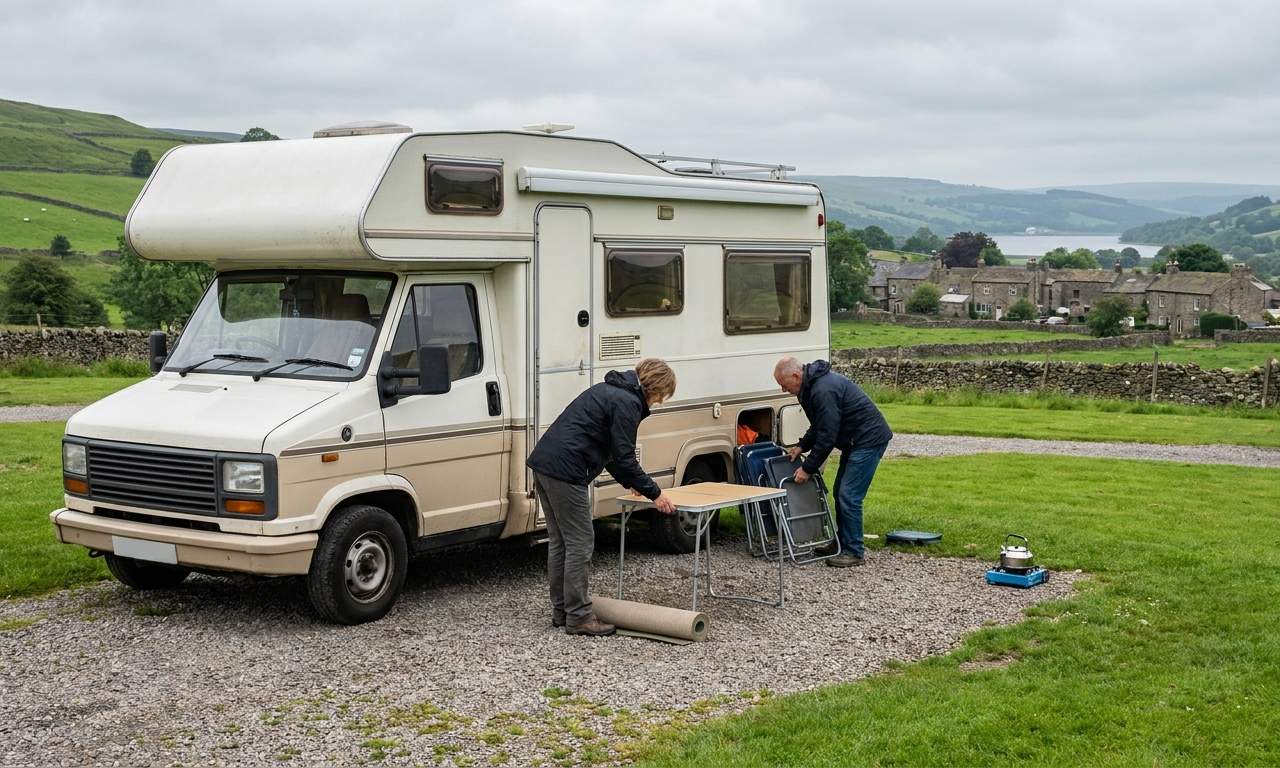
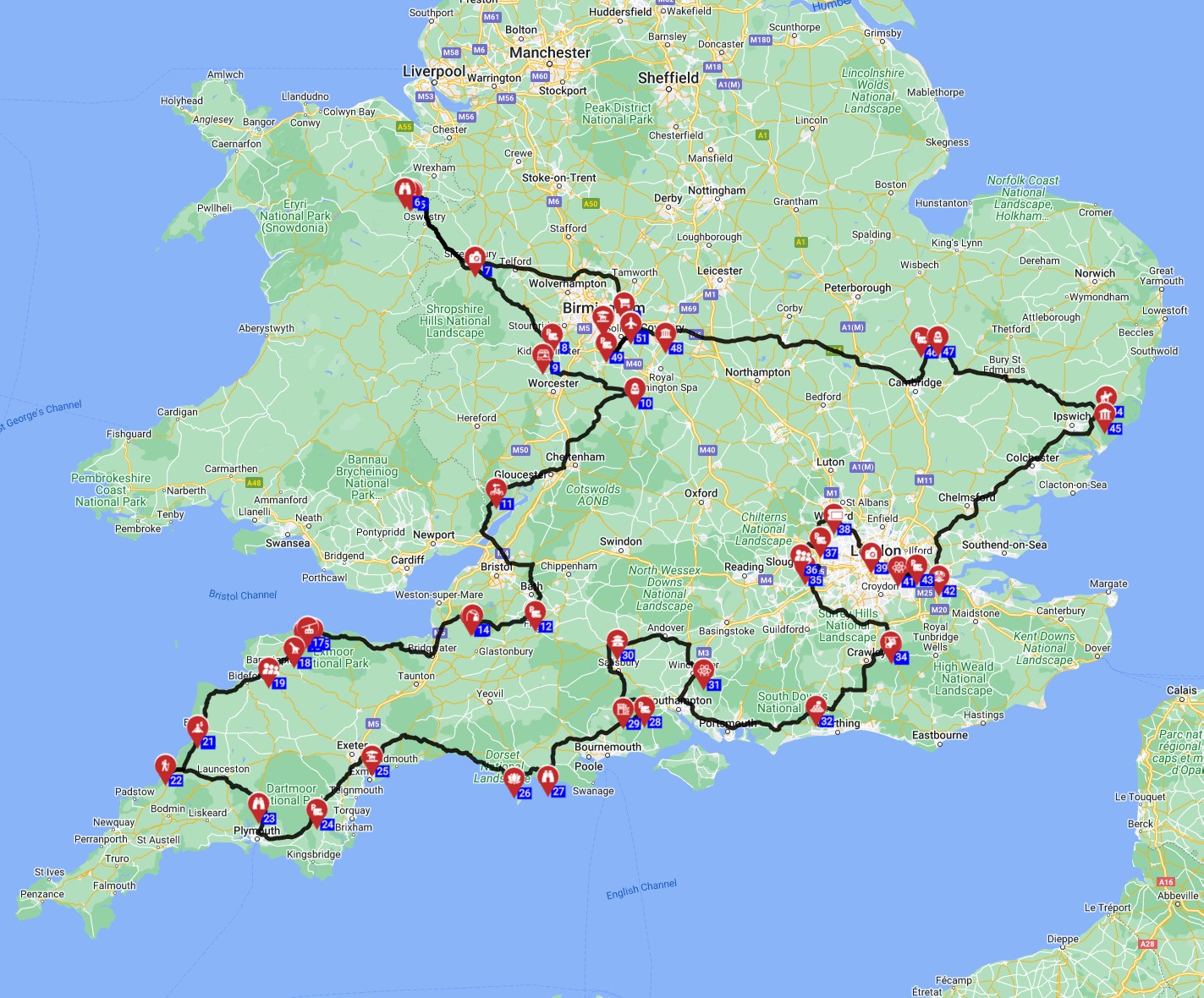
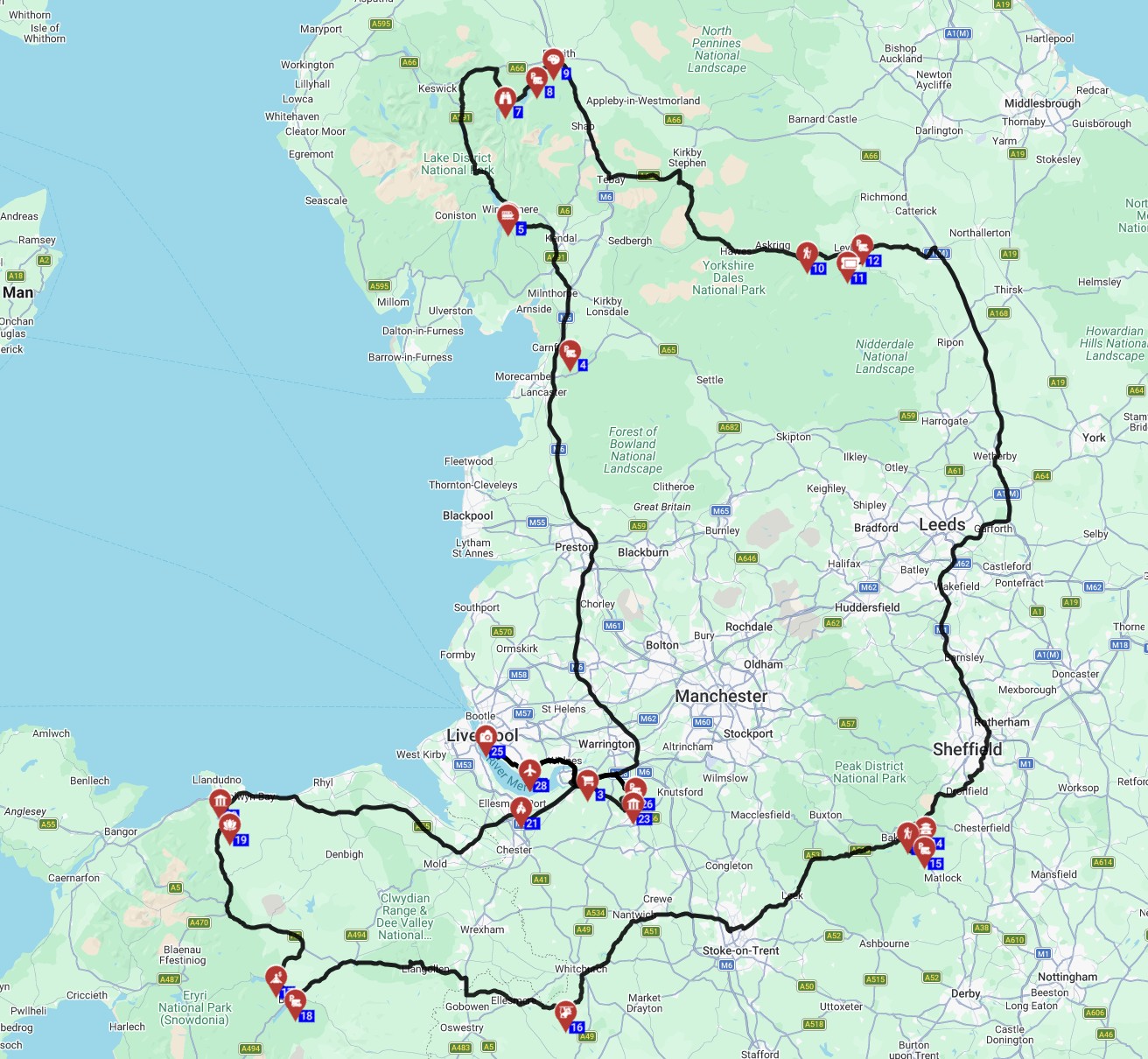
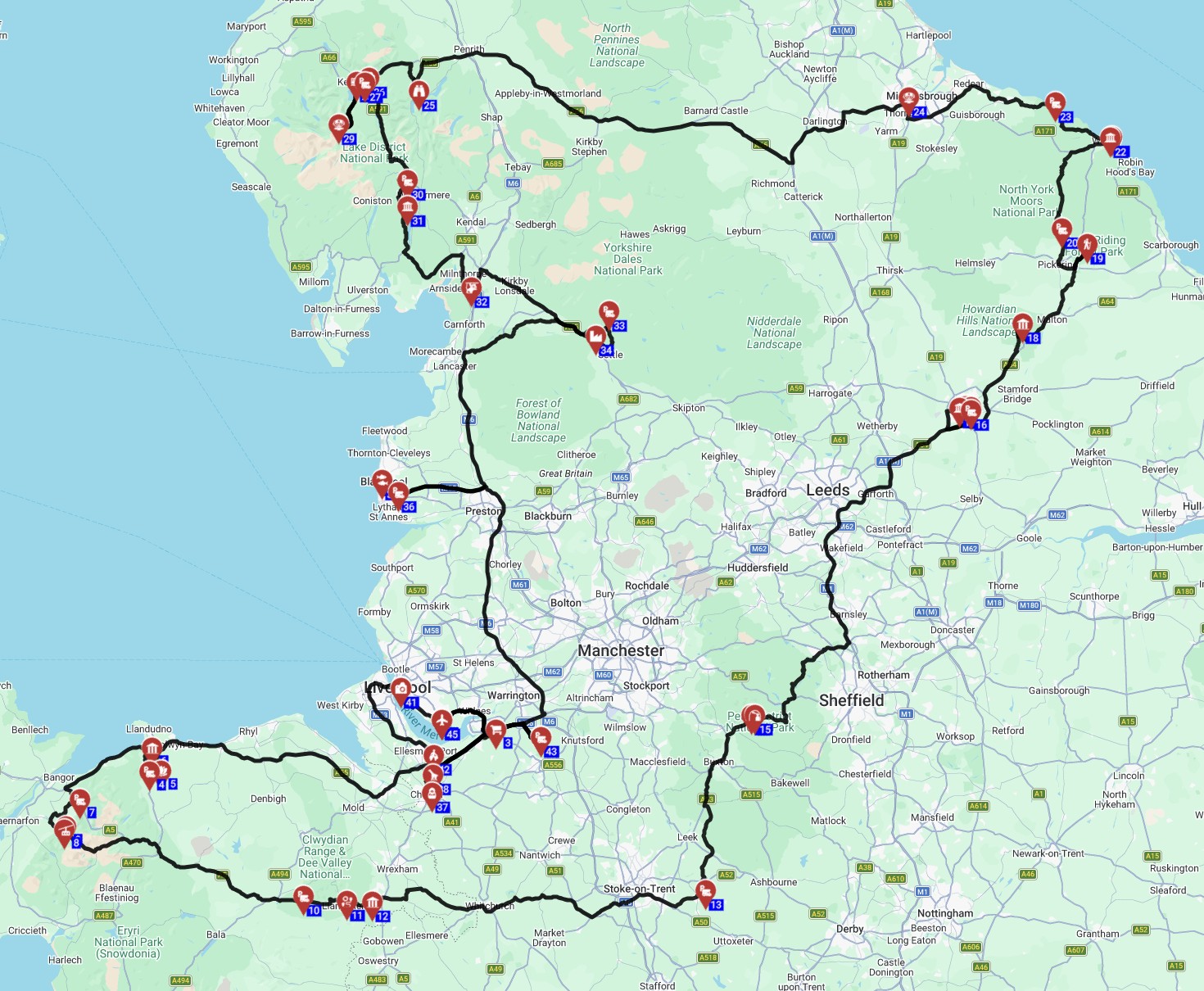
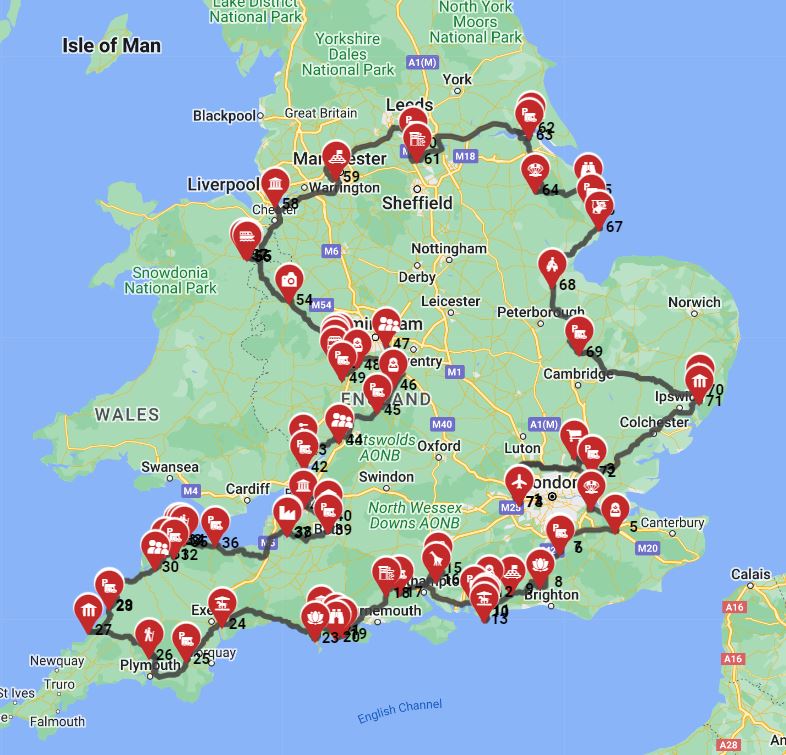
For those planning a grand tour, our "RV Rental England - Complete Guide 2026" offers a fantastic starting point for structuring your journey. Within England, you'll find a wealth of scenic beauty and cultural richness perfectly suited for RV exploration. The Lake District, with its dramatic fells and tranquil lakes, is a must-visit for nature lovers. Journey south to the Cotswolds, where rolling hills are dotted with honey-coloured stone villages that seem plucked from a fairy tale. Further west, the rugged coastline of Cornwall beckons with its dramatic cliffs and sandy beaches.
Beyond these popular spots, venture into the New Forest for enchanting woodland drives and encounters with its famous free-roaming ponies, or head north to the Yorkshire Dales for a quintessential slice of the English countryside. Many campsites are strategically located to provide easy access to these regions, often offering a peaceful retreat after a day of sightseeing or hiking. These sites are frequently equipped with essential amenities, ensuring a comfortable base for your adventures.
Campground Types in England (National, Private, Wild)
England's RV camping landscape includes fully serviced private campgrounds, more rustic national park sites, and highly restricted wild camping opportunities. Private campgrounds offer extensive amenities such as electric hookups, hot showers, laundry facilities, and sometimes shops or entertainment, available throughout the country. National park campsites often focus on natural settings within areas like the Peak District or Northumberland and typically require advance booking during peak seasons. Wild camping or overnight parking for RVs is generally illegal in England without explicit landowner permission, with exceptions being very rare; the closest alternatives are designated overnight parking areas or specific pub stopovers with landlord consent.
For those seeking the ease of fully serviced facilities, England has a vast network of private campgrounds, often referred to as 'caravan sites' or 'holiday parks'. These typically provide hardstanding pitches with electric hookups, access to clean shower blocks, waste disposal points, and can even feature amenities like on-site restaurants, swimming pools, or laundrettes. These are your go-to for comfort and convenience.
National Park campsites, such as those found within the Lake District or the Yorkshire Dales, often offer a more natural and sometimes more basic experience. While they may still provide essential hookups and facilities, the emphasis is on immersion in the natural environment. Booking in advance is crucial here, especially during school holidays and bank holiday weekends, as these sites are highly sought after.
When it comes to wild camping, it's important to understand that it is largely prohibited for motorhomes and RVs across England. Unlike some other European countries, there isn't a widespread network of 'free camping' spots. Strict adherence to local bylaws and seeking landowner permission is paramount. For those prioritizing spontaneous overnight stays, researching designated overnight parking areas or checking with local pubs that offer motorhome stopovers with permission can be viable alternatives.
Featured RV Park or Campground in England
When selecting an RV park in England, prioritize locations that balance easy access to major attractions with peaceful surroundings and essential services. Look for well-regarded parks offering full hookups, clean shower blocks, waste disposal points, and often Wi-Fi access. Ensure the chosen site has good reviews for cleanliness, staff helpfulness, and proximity to public transport if you plan to explore locally without moving your RV daily.
While specific featured parks can change with seasons and availability, many excellent options are scattered throughout the country. Consider campgrounds near iconic regions like the Jurassic Coast for its geological wonders or within convenient reach of historic cities such as Bath or York. Many parks in areas like the Lake District or the Peak District offer stunning natural backdrops and direct access to hiking trails, making them ideal bases for an active holiday. Always check recent reviews and book ahead, especially for popular locations.
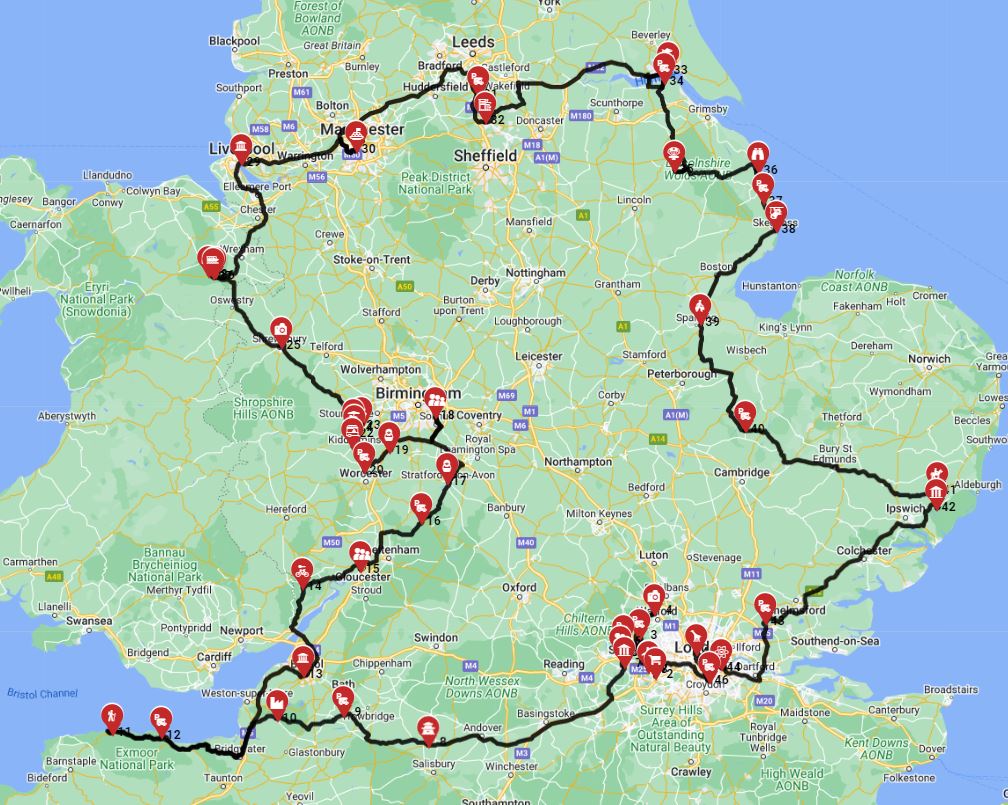
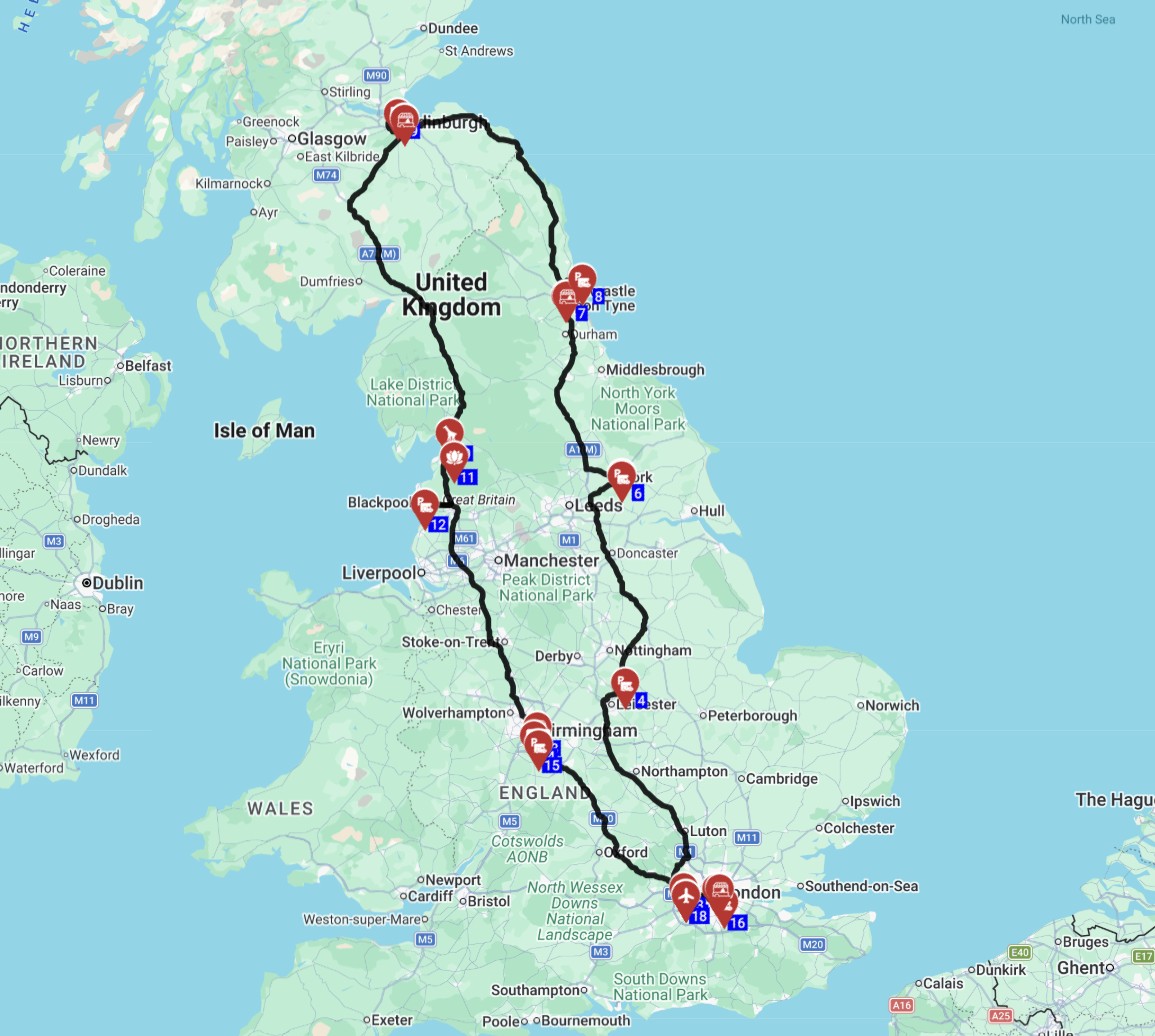
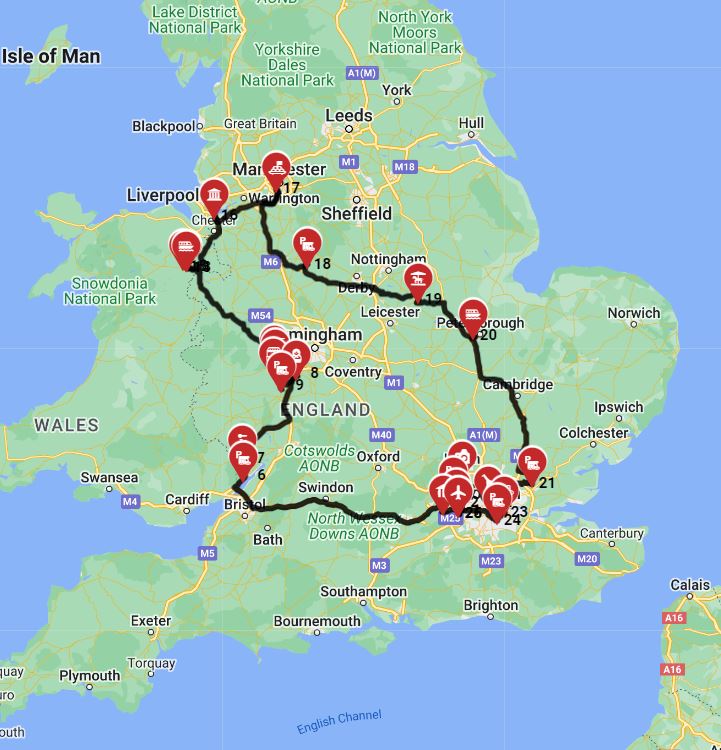
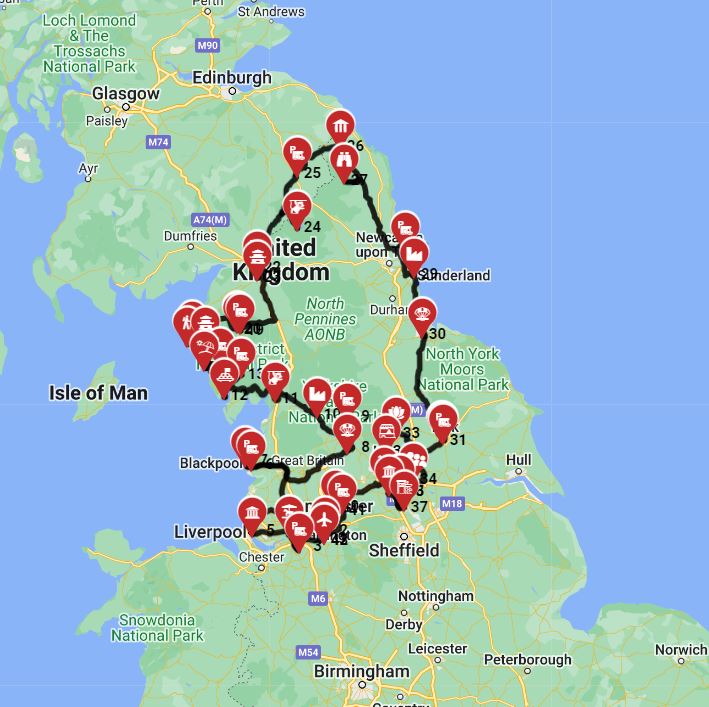
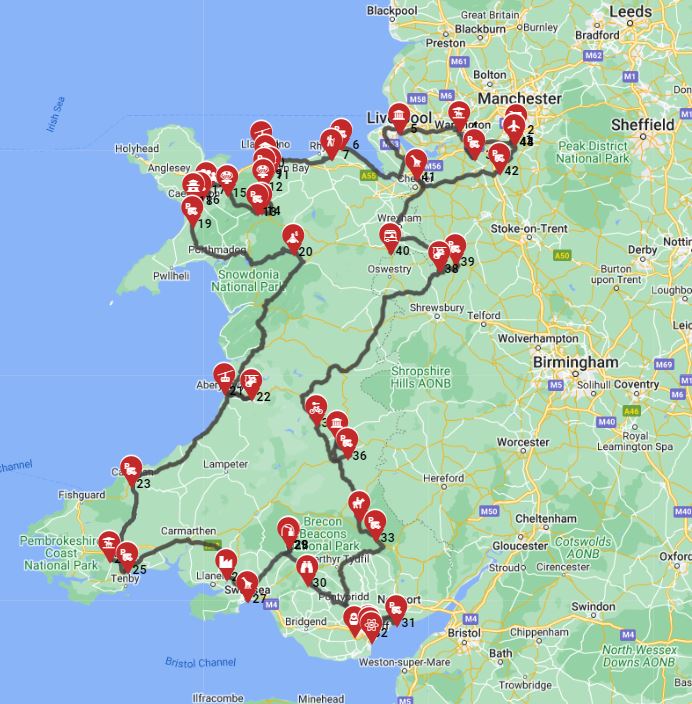
For those charting a course, the RV PLANET routes can offer inspiration and help pinpoint convenient, well-regarded campgrounds along your chosen path. These pre-planned itineraries often highlight sites that are particularly suited for motorhomes, taking into account amenities and accessibility.
Hookups & Amenities — What to Expect
Most established campgrounds in England are well-equipped, providing the necessary hookups and amenities for a comfortable RV stay. Electric hookups (EHU) are standard, typically offering 230-240V AC with a blue CEE form plug (16A) as the common connector; non-European RVs may require an adapter. Water and dump facilities are widely available, with fresh water taps and chemical disposal points (CDP) for grey and black water being standard features at most sites. Wi-Fi is often offered, though sometimes for a fee, and signal strength can vary considerably, especially in more remote or rural locations. Laundry facilities and hot showers are common, with some sites using tokens for showers; checking specific campground details upon arrival is always advisable.
The standard for electrical hookups is a 230-240V AC supply, commonly using a blue CEE form plug, which is an internationally recognized standard. If your rented RV is equipped with a different type of plug, you will likely need an adapter, which is usually available at the rental depot or RV accessory shops. This ensures you can reliably power your onboard systems and appliances.
Access to fresh water is generally straightforward, with dedicated taps available on most pitches or centrally located. Similarly, waste disposal points (CDP) for both grey water (from sinks and showers) and black water (from toilets) are standard at all reputable campgrounds. These facilities are crucial for maintaining hygiene and environmental responsibility during your travels.
Connectivity is a common amenity, with Wi-Fi frequently available at campgrounds, though often at an additional cost. Be prepared for variable signal strength, particularly in more rural or mountainous regions like the Scottish Highlands or parts of the Lake District. For laundry and personal hygiene, most sites offer coin-operated washing machines and dryers, while showers typically require tokens or a small fee. This setup is designed to provide essential comforts while keeping site fees manageable. On the routes offered through RV PLANET routes, you can itemize and track every expense along the way for easy budgeting.
Booking Windows & Reservations in England
Securing campground reservations for a one-way RV rental in England is highly recommended, particularly if you plan to travel during peak seasons or visit popular destinations. For planners, booking several months in advance is advisable for highly sought-after locations, especially during summer holidays (July-August) and bank holiday weekends. Spontaneous travelers will find flexibility is key, as you can often find same-day or next-day availability in less crowded areas or during the shoulder seasons (spring and autumn). Many national park and independent campgrounds release only a portion (e.g., 25%–30%) of their pitches for advance booking, with the remainder available on a first-come, first-served basis. Always call ahead to confirm availability before driving to an unbooked site, especially with a one-way itinerary, to save time and avoid disappointment; you will almost certainly find a place — if not the first campground, then the next.
The popularity of RV travel in England means that securing your preferred campsites well in advance is a smart strategy, especially for iconic locations or during peak travel times like summer holidays and public bank holiday weekends. This allows you to lock in your spots and travel with greater peace of mind.
For those who prefer a more spontaneous approach, don't be discouraged. Many campgrounds, particularly those in less frequented areas or during the shoulder seasons (late spring and early autumn), often have availability on shorter notice. The key is flexibility with your itinerary and a willingness to explore a slightly different route if your first choice is booked.
A helpful tip is to remember that many sites strategically hold back a portion of their pitches for on-the-day arrivals. This is where calling ahead can be invaluable. A quick phone call to a campground a day or two before your intended arrival can confirm availability and save you a potentially long detour.
Nearby Supermarkets & Resupply Points
Resupplying your RV with groceries and essentials is convenient across England, with major supermarket chains widely accessible near most towns and cities. Look for large stores from chains such as Tesco, Sainsbury's, Asda, and Morrisons, which typically offer extensive parking suitable for RVs. Budget-friendly options like Aldi and Lidl are also prevalent, though their car parks may sometimes be smaller; planning your visits during off-peak hours for easier maneuvering is advisable. In rural areas, smaller convenience stores (often branded Co-op) and local farm shops provide fresh produce and necessities, though RV parking can be more challenging.
The prevalence of major supermarket chains means you'll rarely be far from a resupply point. Tesco, Sainsbury's, Asda, and Morrisons are ubiquitous and generally have spacious car parks that can accommodate RVs comfortably. These larger stores offer a comprehensive range of groceries, camping essentials, and even onboard supplies.
For budget-conscious travelers, Aldi and Lidl are excellent choices. While they offer great value, their car parks can sometimes be tighter, so visiting during off-peak hours is recommended for easier navigation with a larger vehicle. Smaller local chains like Co-op are also common, especially in villages, providing essential items when you need them.
Don't overlook local farm shops, particularly in rural areas. They are fantastic places to source fresh, locally grown produce, artisanal cheeses, and unique regional treats, adding a special flavor to your RV dining experience. Parking can sometimes be more limited at these locations, so a brief call ahead or planning your visit during quieter times is wise.
Best RV Class for Camping in England
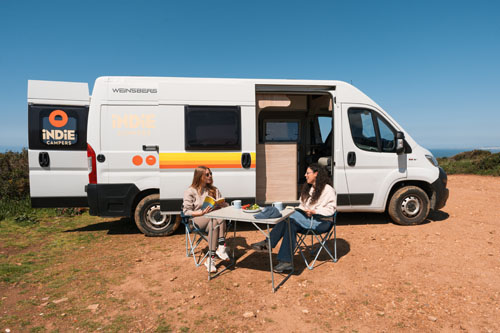
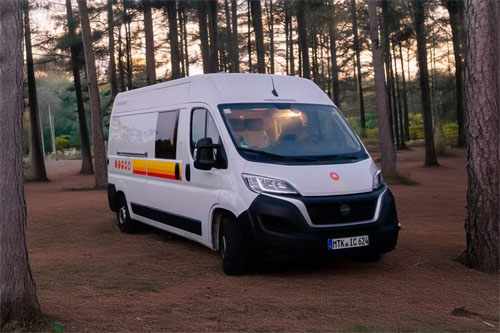
The ideal RV class for camping in England balances living comfort with the practicality of navigating the country’s often narrow roads and historic towns. Class B camper vans, such as Bandana's fleet averaging 5.8m in length, are highly recommended due to their superior maneuverability on tight country lanes and ease of parking, making them versatile for both boondocking and full-hookup sites. Class SI - Semi-integrated motorhomes, averaging 6.9m in length, offer a good compromise, providing more living space than a camper van while remaining manageable on England's road network, suitable for most camping styles. Larger Class A - Integrated RVs, averaging 7.5m in length, can face significant challenges with height/width restrictions, tight turns, and parking in many English locations.
For many travelers exploring England, the Class B camper van is an excellent choice. These compact and nimble vehicles, like the VW California Ocean, are roughly 5.8 meters long and much easier to maneuver on England's famed narrow country lanes and through charming medieval villages. Their size also makes finding parking spots in towns and cities significantly less stressful.
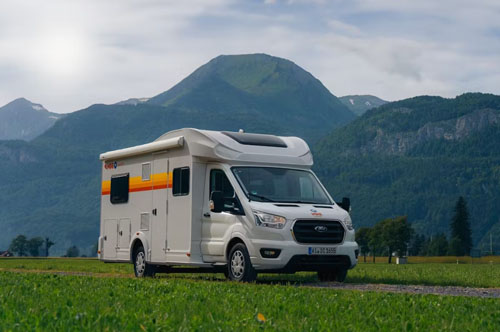
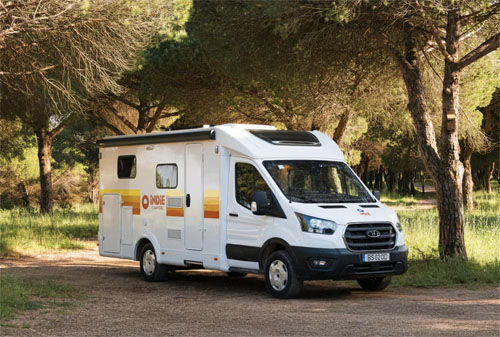
If you desire more living space without sacrificing too much maneuverability, consider a Class SI - Semi-integrated motorhome. These vehicles, typically around 6.9 meters long, offer a great balance. Models like the 2 Berth Rover or the Active Standard Auto provide comfortable living quarters, including dedicated sleeping areas and more spacious common areas, while still being manageable on most roads.
Larger Class A - Integrated motorhomes, which can be upwards of 7.5 meters long (similar to many US RVs), might present challenges. While they offer maximum living space and amenities, drivers will need to be particularly mindful of narrow roads, low bridges, and restricted access in many historic towns. For a one-way RV rental trip in England, choosing a vehicle size that aligns with your comfort level for driving on the left and navigating potentially tight spots is key to a relaxing journey.
How to Save on Campgrounds in England
Reducing campground costs for your one-way RV rental in England can significantly contribute to a more budget-friendly trip. Investing in discount cards like ACSI or Camping Card International can offer substantial off-peak savings at participating campsites across the UK. Traveling during the shoulder seasons (spring: April-May or autumn: September-October) typically means lower rental and campsite fees, along with fewer crowds. Choosing municipal or regional campgrounds often provides basic yet clean facilities at a lower price point compared to larger private resorts. Many sites offer discounted weekly rates, making it more cost-effective per night if you plan to stay 3+ nights in one location. If traveling with another RV, some larger pitches may allow sharing electric hookups, potentially splitting the cost.
To make your RV trip in England more affordable, consider utilizing discount camping cards. Cards like ACSI or the Camping and Caravanning Club's membership can offer significant savings, especially during the off-peak season at thousands of participating sites across the UK.
Timing your travel to coincide with the shoulder seasons – spring (April to May) and autumn (September to October) – can yield considerable savings on both RV rental rates and campsite fees. You'll also benefit from fewer crowds, allowing for a more relaxed exploration of England's attractions.
Exploring options beyond the large private holiday parks can also save money. Municipal, county, or regional council-run campgrounds often offer more basic facilities but at a substantially lower nightly rate, providing a cost-effective base for your adventures.
If you plan to stay in one location for more than a few nights, look for campgrounds that offer discounted weekly rates. This can often make longer stays more economical per night, encouraging you to slow travel and truly immerse yourself in a location. Additionally, some larger pitches might allow two RVs to share an electric hookup, providing an opportunity to split costs if traveling with friends or family.
Is Wild Camping Legal and Practical for RVs in England?
Wild camping for RVs in England is generally illegal without explicit landowner permission, making widespread practical application difficult for spontaneous stays. Unlike some other European countries, England does not have a comprehensive network of 'aires' or designated free overnight parking areas for motorhomes. The primary legal exception for wild camping typically applies to backpackers in specific, limited areas of Dartmoor National Park, but not generally for vehicles. For RVs, the closest alternatives include seeking permission to stay overnight in pub car parks, utilizing designated 'certified locations' or 'certified sites' for Camping and Caravanning Club members, or booking commercial campsites. Always verify local bylaws and landowner permissions, and adhere strictly to 'leave no trace' principles to help maintain access where it is tolerated.
It's crucial to understand that the concept of widespread, legal wild camping for motorhomes and RVs simply doesn't exist in England. While landowners might occasionally grant permission, and a few very specific exceptions exist in remote areas (primarily for walkers in parts of Dartmoor National Park), RVs are generally excluded from these allowances.
The closest you'll get to 'wild camping' legally is by seeking explicit permission for overnight parking from landowners, which can be challenging to arrange spontaneously. Some pubs in rural areas welcome motorhome stopovers if you patronize their establishment, but it's vital to ask permission first and respect their rules.
Another option for members of the Camping and Caravanning Club is access to 'certified locations' or 'certified sites'. These are typically smaller, more basic sites, often on private land, offering a legal and more secluded overnight stay. Always check membership requirements and booking procedures.
Ultimately, for the vast majority of RV travelers in England, booking a pitch at a designated commercial campsite is the most practical and legal solution. This ensures you have access to essential amenities and avoid potential issues with local authorities or landowners.
How Much Does a One-Way RV Rental Trip in England Cost?
The total cost for a one-way RV rental trip in England typically ranges from £1,500 to £4,000+ for a week, influenced by rental duration, RV class, season, and one-way fees. Rental fees can be expected to be £100-£250 per day for a mid-sized RV, with one-way surcharges adding £200-£500 or more depending on the distance between pick-up and drop-off locations. Fuel costs should be budgeted at approximately 10-12 Liters per 100 km for most RVs (e.g., Bandana's Class SI and Class C fleets), with diesel prices generally higher than in North America. Campsite fees average £20-£50 per night for a pitch with hookups, increasing for premium locations or peak season. Insurance costs vary by coverage level, driver age, and excess, with comprehensive coverage being crucial. Additional costs include food, attraction entry fees, potential road tolls (e.g., M6 toll, Dartford Crossing), and unexpected expenses. For detailed expense tracking on your chosen routes, the RV PLANET routes platform can help itemize and manage your budget.
A week-long one-way RV trip in England can generally be estimated between £1,500 and £4,000+, depending heavily on several factors. The base rental cost for a mid-sized motorhome typically falls between £100 and £250 per day. This figure will fluctuate based on the season, with summer being the most expensive and winter the least, though services can be more limited in winter.
A significant factor in one-way rentals is the relocation or drop-off fee. This can range from £200 to over £500, depending on the distance between your pick-up and drop-off points. Suppliers often offer discounts on these fees if the vehicle is needed at the destination city for their fleet.
Fuel is another considerable expense. Most RVs in England run on diesel and consume around 10-12 liters per 100 km. Given that UK fuel prices are often higher than in other regions, budgeting accurately for fuel is essential.
Campsite fees can range from £20 to £50 per night for a pitch with full hookups, with prices escalating during peak season and in highly desirable locations. Don't forget to factor in the cost of insurance, which varies based on the coverage level, the driver's age, and the chosen vehicle. For comprehensive trip cost management, using RV PLANET routes can provide a clear breakdown of all anticipated expenses.
What are the Challenges of Driving a Large RV in England?
Driving a large RV in England, especially models similar to American RVs or Bandana's Class A fleet (averaging 7.5m in length), presents significant challenges due to the country's infrastructure. Narrow rural lanes, village streets, and even some main roads are considerably narrower than those found elsewhere, requiring constant vigilance and careful maneuvering. Height and width restrictions are common in historic towns and villages, often featuring low bridges or narrow arches that can limit access for larger vehicles. Adjusting to driving on the left-hand side of the road, typically with a right-hand drive rental, requires concentration and practice for visitors from right-hand drive countries. Parking for large RVs can be difficult, particularly in popular tourist areas, town centers, and even smaller village car parks. Ensure you select the correct fuel type, as most RVs in England run on diesel (labeled 'diesel' or 'DERV'), and petrol pumps are also prevalent.
The quaintness of England's roads can be a double-edged sword for large RVs. Many country lanes are single-track or barely wider than the vehicle itself, necessitating careful navigation and frequent use of passing places. This is particularly true in regions like the Cotswolds, the Yorkshire Dales, or the narrow lanes of Cornwall.
Height and width restrictions are a constant consideration for larger vehicles. You'll encounter signs indicating 'Unsuitable for HGVs' or specific dimension limits, especially near historic bridges, railway arches, and within narrow town centers. Always be aware of your vehicle's height and width, and plan routes accordingly. For larger RVs, having a reliable navigation system or app that accounts for these restrictions is invaluable.
For drivers accustomed to right-hand traffic, adapting to driving on the left requires focus and practice. Renting a right-hand drive RV is standard, and drivers should allocate extra time for this adjustment. Parking can be a significant challenge, particularly in popular destinations and urban areas. Look for designated motorhome parking areas or be prepared to utilize Park & Ride facilities when visiting cities.
Finally, ensuring you select the correct fuel is vital. The vast majority of RVs in the UK run on diesel. Be sure to identify the correct pump ('diesel' or 'DERV') at fuel stations, as petrol pumps are also common and clearly marked.
When is the Best Time to RV in England?
The best time to RV in England largely depends on traveler preferences for weather, crowds, and cost. Summer (June-August) offers the warmest weather and longest daylight hours, ideal for outdoor activities, but it's peak season with higher prices, maximum crowds, and requires early campsite bookings. Shoulder seasons (April-May & September-October) are often considered optimal, providing milder temperatures, fewer tourists, lower prices for rentals and campsites, and still ample daylight for exploration. Spring features blooming landscapes and festivals, while autumn showcases stunning foliage, particularly in areas like the Lake District or the New Forest. Winter (November-March) presents challenges with colder, wetter weather and shorter daylight, leading to some campsite closures; however, it can offer dramatic scenery, cozy pub experiences, and significantly fewer crowds for those prepared for the conditions.
For the best balance of pleasant weather, manageable crowds, and competitive pricing, the shoulder seasons of spring (April-May) and autumn (September-October) are often ideal for an RV adventure in England.
Spring is a time of renewal, with landscapes coming alive with blooming flowers and a generally mild climate. Many regions, like the Cotswolds or the Peak District, are particularly beautiful during this time. The longer daylight hours of summer (June-August) are perfect for maximizing your sightseeing, but be prepared for peak season prices and crowds. Early booking of campsites is essential during these months.
Autumn offers a different kind of beauty, with vibrant foliage dressing the countryside, especially in areas like the Lake District or the woodlands of the New Forest. The temperatures are still generally mild, and the tourist numbers begin to decrease, making it a more relaxed travel experience.
Winter (November-March) presents the most challenging conditions with colder, wetter weather and significantly shorter daylight hours. However, for the intrepid traveler seeking dramatic landscapes, cozy pub stops, and very few crowds, winter can offer a unique perspective on England's beauty. Be aware that some campsites may have reduced services or be closed during these months.
How to Visit English Cities with an RV?
Visiting English cities with an RV requires strategic planning due to common challenges like narrow streets, parking restrictions, and congestion charges. The most effective method is to park your RV at designated Park & Ride facilities located on the outskirts of major cities (e.g., Bath, Oxford, York) and use public transport into the city center. Alternatively, book an RV pitch at a campsite conveniently located just outside the city, then use local buses, trains, or taxis for city exploration. Many cities operate Clean Air Zones (CAZ), Low Emission Zones (LEZ), or Congestion Charges (e.g., London), where older or larger vehicles may incur daily fees, making direct RV access costly and complicated. Factor in using bicycles, local bus services, or trains for urban excursions after your RV is securely parked away from the central hustle and bustle.
Navigating English cities in an RV demands a strategic approach, as many urban centers were not designed for larger vehicles. Parking is often the primary challenge, with narrow streets, height restrictions, and resident-only zones being common.
The most practical solution for exploring cities like London, Bath, or York is to utilize designated Park & Ride facilities located on the city's outskirts. These car parks are usually accessible to larger vehicles and offer convenient public transport links (buses or trains) into the city center, allowing you to leave your RV in a secure location while you explore on foot or via local transport.
Another excellent option is to base your RV at a campsite located just outside the city. Many well-equipped sites are situated within easy reach of public transport networks, providing a comfortable and secure base from which to undertake your urban explorations without the stress of city driving and parking.
Be aware of specific city access restrictions. Many major cities, including London, have implemented Clean Air Zones (CAZ) or Low Emission Zones (LEZ), and some charge Congestion Charges. These can add significant daily costs for larger or older vehicles, making it even more important to plan your city visits carefully and use alternative transport methods.
Why Choose England for a One-Way RV Rental Trip?
Choosing England for a one-way RV rental trip offers an exceptional blend of historical depth, diverse landscapes, and the freedom to craft a truly immersive itinerary at your own pace. Explore ancient castles, Roman ruins, charming medieval villages, and vibrant historic cities, all easily accessible from your mobile base. Traverse from the dramatic coastal cliffs of the Jurassic Coast to the serene beauty of the Lake District, the rolling hills of the Cotswolds, and the rugged moorlands of national parks. A one-way rental allows you to cover more ground and experience different regions without backtracking, making the most of your travel time. Despite some narrow roads, England boasts a good network of well-maintained roads and numerous high-quality campsites with essential amenities. RVing enables you to stay in unique, often picturesque locations, engage with local communities, and discover hidden gems far from typical tourist routes, fostering a deeper cultural connection.
England presents a compelling destination for a one-way RV rental adventure, offering a rich tapestry of history, culture, and breathtaking natural landscapes that are best explored at your own pace.
The country's historical significance is palpable, with ancient castles like Warwick Castle, Roman ruins such as Hadrian's Wall, and countless medieval villages and towns easily accessible. Your rented RV becomes your mobile basecamp, allowing you to delve into centuries of history from the comfort of your own vehicle.
The geographical diversity is equally impressive. From the dramatic coastal paths of the Jurassic Coast in Dorset to the serene beauty of the Lake District's mountains and lakes, and the gentle, rolling hills of the Cotswolds, England offers a stunning variety of scenery. RV travel allows you to seamlessly transition between these diverse landscapes.
The flexibility of a one-way rental is a major draw. It enables you to cover significant ground, starting in one part of England and finishing in another, maximizing your exploration without the need to retrace your steps. This freedom enhances the sense of discovery and adventure.
Furthermore, the infrastructure in England is well-suited for RV travel, with a good network of roads and a plentiful supply of well-equipped campsites. This ensures a comfortable and convenient journey, allowing you to focus on the experience rather than logistical challenges. Engaging with local communities and discovering hidden gems off the beaten path is one of the unique joys of RVing.
What You Shouldn't Miss
- Discover the Cotswolds: Wander through picturesque villages like Bourton-on-the-Water and Stow-on-the-Wold, enjoying tea rooms and ancient pubs. Park your RV in a nearby designated area and explore on foot.
- Explore the Lake District National Park: Drive scenic routes like Kirkstone Pass (check RV suitability) and hike around renowned lakes such as Windermere or Derwentwater. Campgrounds here offer stunning natural vistas.
- Journey along the Jurassic Coast: Experience the dramatic coastal scenery of Dorset and East Devon, famous for its fossils and geological formations. Look for coastal campgrounds with sea views.
- Visit historic cities: Base your RV near cities like Bath (Roman Baths), York (Minster and Shambles), or Oxford (colleges), using Park & Ride facilities for city exploration.
- Experience the New Forest National Park: Enjoy gentle drives through ancient woodlands, keeping an eye out for the free-roaming ponies and donkeys. Numerous campsites are available within the forest's peaceful surroundings.
- Immerse yourself in history at Hadrian's Wall: Trace the remains of the ancient Roman frontier in northern England, with campsites located conveniently near key historical sites for easy exploration.
Final Thoughts
Renting an RV for a one-way trip in England offers an unparalleled way to explore the country's diverse beauty and rich history. The freedom to set your own pace, wake up to stunning landscapes, and discover hidden gems makes RV travel truly special.
From the rolling hills of the Cotswolds to the dramatic coastlines of Cornwall, England provides a picturesque backdrop for your adventure. With careful planning, choosing the right vehicle, and embracing the slower pace of RV life, your one-way journey through England promises to be an unforgettable experience.
Ready to start planning your English RV adventure? Explore your options and compare rental prices with confidence, knowing you're getting the best value and support. Get inspired for your next trip and discover top destinations, planning tips, all in one place!