In This Guide
- Where to Camp in Africa — Top Options
- Campground Types in Africa (National, Private, Wild)
- Featured RV Park or Campground in Africa
- Hookups & Amenities — What to Expect
- Booking Windows & Reservations in Africa
- Nearby Supermarkets & Resupply Points
- Best RV Class for Camping in Africa
- Class SI - Semi-integrated
- Class C - Alcove
- Class B - Camper Van
- Class A - Integrated
- Class TC - Truck Camper
- How to Save on Campgrounds in Africa
- What is the 3-3-3 rule for RVs?
- Where can I park and live in my RV for free?
- Where can I rent a camper van at Kruger National Park?
- Can I park my RV overnight in a Walmart parking lot?
- What does it cost to camp in the Kruger National Park?
- Can you camp in Africa national parks?
- How much are campsites in Namibia?
- Is wild camping legal in South Africa?
- What is the 3-3-3 rule for RV camping?
- Can I rent an RV one-way?
An unforgettable one-way RV rental in Africa offers unparalleled freedom to explore diverse landscapes, from vast deserts to teeming national parks. Imagine yourself waking up to the sounds of the wilderness, brewing your coffee in your rented motorhome, and stepping outside to breathtaking sunrises over iconic African vistas. Bandana RV makes this dream a reality, providing you with transparent booking, genuine expertise, and dedicated support every step of the way. For live availability and current prices, start with our RV Rental Africa - Complete Guide 2026 guide.
Where to Camp in Africa — Top Options
Africa offers diverse RV camping experiences, from bustling national park campgrounds to secluded private reserves, especially in Southern Africa where infrastructure is more developed. Popular regions for RV camping include South Africa's renowned Kruger National Park and its scenic Garden Route, Namibia's vast desert landscapes encompassing Etosha National Park and Damaraland, and the wildlife-rich Okavango Delta in Botswana. For a smoother one-way rental journey, consider areas with established RV infrastructure, such as Southern Africa, which provides easier access to well-equipped campgrounds and resupply points. Other excellent destinations for a one-way motorhome adventure include Morocco’s Atlas Mountains and Atlantic Coast, as well as Zambia and Zimbabwe, offering unique opportunities near Victoria Falls and South Luangwa National Park.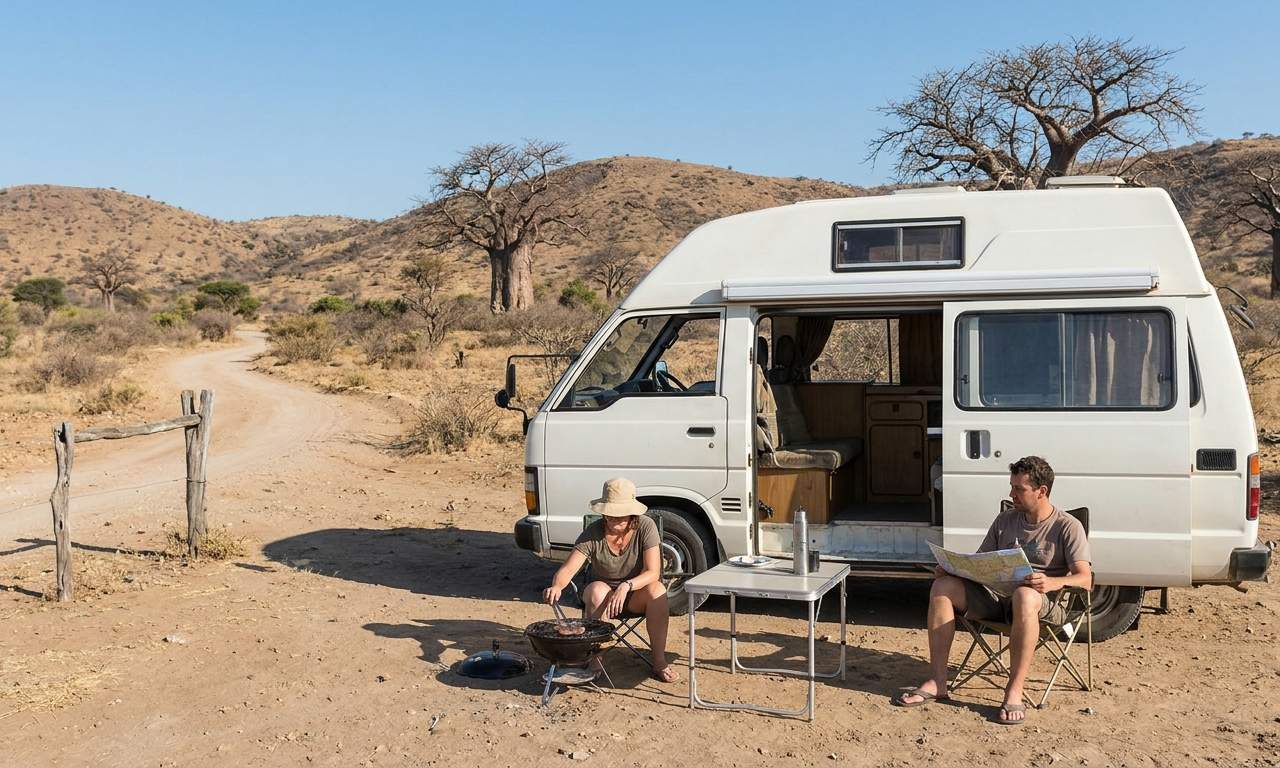
Campground Types in Africa (National, Private, Wild)
RV travelers in Africa will primarily encounter National Park campgrounds, private campgrounds, and varying regulations around wild or freedom camping. National Park sites, such as those in Kruger National Park, provide an immersive nature experience with facilities ranging from basic to moderate; advance booking is often crucial, especially during peak season, to secure a spot. Private campgrounds generally offer more amenities like electricity, hot showers, and enhanced security, catering to travelers seeking comfort and convenience. Wild camping, or freedom camping, is generally illegal or requires explicit permission from landowners in most African countries, particularly South Africa, due to safety concerns and the need for environmental protection. Always prioritize official, secure campsites for your overnight stays in Africa.Featured RV Park or Campground in Africa
An ideal featured RV park in Africa seamlessly integrates stunning natural surroundings with essential amenities and a strong focus on guest safety and comfort. While specific featured parks vary by region and travel style, look for establishments offering secure parking, clean ablution blocks with hot showers, and often a water point and braai (barbecue) area. Many top-rated sites, such as Skilpad Rest Camp in Namaqua National Park or certain private conservancies near Etosha National Park, are strategically located near national parks or key attractions, providing a convenient and safe base for exploration. These sites ensure you have everything you need to relax after a day of adventure, embodying the best of RV camping in Africa.Hookups & Amenities — What to Expect
When RV camping in Africa, you can expect a range of hookup availability, from full-service sites at private resorts to very basic or no hookups in remote national park camps, requiring a degree of self-sufficiency. Electricity is typically 220-240V, using Type M plugs in South Africa and often Type C/F plugs in other regions, so carrying universal adapters is essential. Water hookups are common in established campgrounds, but always confirm potability and consider packing a water filter or purification tablets for more remote areas where water quality can vary. Dump stations for grey and black water are available at most formal campgrounds, while amenities like Wi-Fi and laundry facilities are more frequently found in private resorts or larger towns, less so in national park camps.Booking Windows & Reservations in Africa
RV travelers planning a one-way trip in Africa should book national park campsites well in advance, especially during peak seasons (June-August and December-January), as popular sites can be fully reserved months ahead. Many national park campgrounds, including those in Kruger National Park, only release 25-30% of spots for advance reservations, leaving the remainder for first-come, first-served arrivals. This system favors spontaneous travelers but requires a flexible itinerary. For one-way RV rentals, it is highly recommended to book both the vehicle and initial campsites ahead to secure your preferred itinerary. If traveling spontaneously, always call ahead to inquire about availability before driving long distances to a campground; you will almost certainly find a place, even if it is the next campground down the road. Our guide Last-Minute RV Rental in Africa - What to Expect 2026 offers more flexibility tips.Nearby Supermarkets & Resupply Points
RV travelers in Africa should plan resupply stops strategically, as supermarket availability varies significantly between major cities and remote areas. Look for major grocery chains like Shoprite, Pick n Pay, Spar, and Checkers in larger towns and cities across Southern Africa for comprehensive provisions. In more remote regions, smaller convenience stores or general dealers will offer basic necessities, but fresh produce and specialty items may be limited. Always stock up sufficiently on food, water, and fuel before heading into national parks or off-the-beaten-path destinations, as distances between services can be considerable. For cooking delicious meals in your rented motorhome, don't forget to check out our RV-friendly recipes playlist. To budget effectively for these ancillary costs like groceries and fuel, RV PLANET routes allow travelers to itemize and track every expense along the way.Best RV Class for Camping in Africa
Choosing the best RV class for camping in Africa depends heavily on your itinerary, group size, and desired level of comfort and off-road capability. Smaller, more agile campervans (Class B) or truck campers (Class TC) are often preferred for navigating challenging road conditions or accessing more adventurous, less developed campsites. Larger Class C or semi-integrated motorhomes offer more living space and amenities for family travel but are generally better suited for well-maintained tarred roads and established campgrounds. Class A integrated motorhomes provide luxurious comfort but are primarily recommended for itineraries that stick to major paved routes and well-equipped private resorts. When considering a one-way RV rental in Africa, selecting the right vehicle ensures your comfort and safety.Class SI - Semi-integrated
Semi-integrated RVs offer a superb balance of comfort and maneuverability, making them a popular choice for many African travel itineraries. An example, like the "2 Berth Rover", typically measures around 6.2 meters in length and is ideal for a couple, featuring automatic transmission, front and roof air conditioning, and a full shower and toilet. These medium-sized motorhomes generally consume approximately 10-11 liters per 100 km, offering good fuel efficiency for longer journeys. With features like a TV and winter-ready insulation, these vehicles are well-suited for established routes and national park campgrounds, providing comfortable living spaces without being excessively large for African roads.Class C - Alcove
Class C Alcove RVs are an excellent choice for families or small groups seeking more space and amenities on their African adventure. For instance, a "24' Class C Motorhome" sleeps up to 5 people with 6 seatbelts and measures around 7.46 meters in length, offering a distinctive over-cab sleeping area that maximizes interior space. These mid-to-large sized motorhomes are robustly built and typically include automatic transmission, front air conditioning, a generator, shower, toilet, and TV. They usually consume 10-12 liters per 100 km and are ideal for longer trips on tarred roads and well-maintained gravel tracks, providing a comfortable and secure traveling home base.Class B - Camper Van
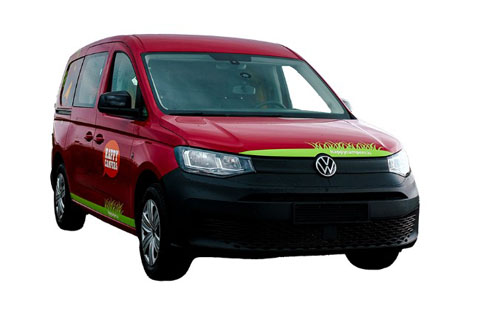
Camper vans (Class B) are the most compact and agile option for RV travel in Africa, perfect for couples or solo adventurers who prioritize flexibility and economy. The "2 Berth Hi Top" campervan, for example, averages around 4.8 meters in length, sleeping 2 people comfortably. These vehicles are economical, typically consuming about 10 liters per 100 km, and are highly maneuverable, making them excellent for navigating tighter roads, exploring urban areas, and accessing more remote or less developed campsites. Featuring automatic transmission, front and roof air conditioning, and a TV, they offer essential living amenities while appealing to the adventurous spirit of African exploration.Class A - Integrated
Class A Integrated motorhomes provide the ultimate in luxury and space for RV travelers in Africa, offering a true 'home-away-from-home' experience. A model like the "Active First" offers a comfortable setup for 2-4 people and measures around 5.99 meters in length, featuring an integrated design that merges the cab and living area. These larger RVs, while providing extensive amenities like a shower, toilet, and TV, are generally best suited for itineraries that primarily stick to major paved roads and well-equipped private campgrounds in Africa. They typically consume 11-12 liters per 100 km, ensuring a premium travel experience for those who prioritize comfort and don't plan on extensive off-road exploration. For more on premium options, see Luxury RV Rental in Africa - Premium Prices 2026.Class TC - Truck Camper
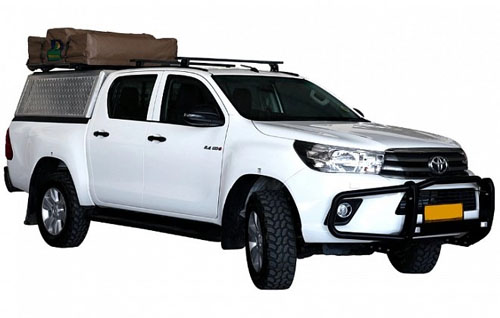
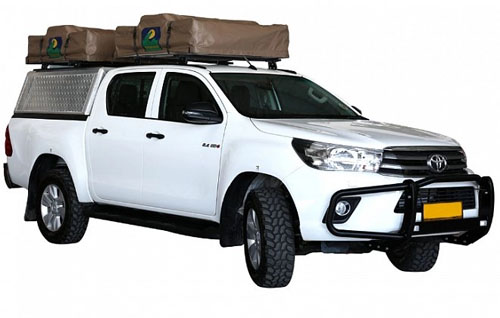
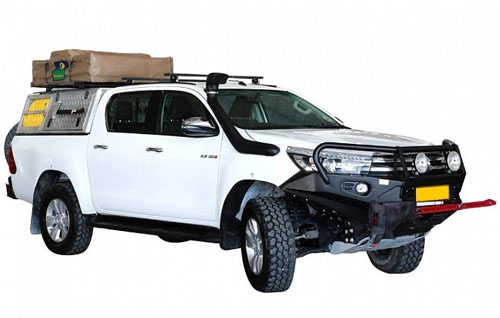
Truck campers (Class TC) are excellent choices for adventurers seeking to explore remote areas of Africa, offering the flexibility and capability of a 4x4 vehicle combined with essential living amenities. The "4x4 Truck Camper Gold" is a compact unit, averaging around 5 meters in length and ideal for a couple. These robust vehicles typically consume 12-17 liters per 100 km, reflecting their powerful build designed to tackle challenging terrain. With features like automatic transmission and front air conditioning, they provide a comfortable base for off-road adventures. An International Driving Permit (IDP) is recommended for visitors from non-English speaking countries when driving these specialized vehicles, though it's not strictly mandatory in all cases.How to Save on Campgrounds in Africa
To save on campground costs in Africa, leverage membership discount cards often offered by rental companies or local touring associations, which can provide significant savings at participating parks and resorts. Opt for shoulder season travel (e.g., April-May or September-October) when prices are generally lower, and crowds are thinner, compared to peak holiday periods. Choosing municipal or regional campgrounds over private resorts often results in lower fees, though amenities might be more basic. Many campgrounds offer weekly rates, so staying 3+ nights at a single location can be more cost-effective than frequent one-night stops, allowing you to travel slowly and truly savor each destination. For more budgeting tips, read Cheap RV Rental in Africa - Budget Guide 2026.What is the 3-3-3 rule for RVs?
The 3-3-3 rule for RVs recommends traveling no more than 300 miles (approximately 480 km) a day, arriving at your destination by 3 PM, and staying at least 3 nights to ensure a relaxed and safe travel pace. Adhering to this guideline helps prevent driver fatigue, allows ample time for setting up camp before dark, and provides sufficient opportunity to explore each location without rush. This principle is particularly valuable in Africa, where road conditions can be unpredictable, wildlife encounters common, and timely arrival at secure campsites before nightfall is crucial for safety. It encourages a slow travel philosophy, enabling deeper engagement with the unique cultures and breathtaking scenery Africa offers.Where can I park and live in my RV for free?
Free overnight RV parking in Africa is generally limited and requires careful consideration of local laws and safety, unlike some North American practices where store parking lots are common. While specific designated free spots are rare, some informal arrangements may exist with prior permission from landowners or local communities, though this should not be relied upon for extended trips. For safety and legality, it is highly recommended to utilize designated campgrounds, caravan parks, or lodge campsites, even if they incur a fee, rather than attempting unauthorized free camping in Africa. Always prioritize your safety and respect local regulations and private property.Where can I rent a camper van at Kruger National Park?
While you cannot typically rent a camper van directly *at* Kruger National Park, numerous reputable rental agencies operate in major South African cities like Johannesburg and Cape Town, offering vehicles suitable for a Kruger trip. These cities serve as common pick-up points for one-way rentals, allowing travelers to collect their camper van and drive to the park, which is several hours away. Booking your camper van well in advance is advisable, especially during peak safari season, to ensure availability for your Kruger adventure. Remember, a standard car driver's license is sufficient for all motorhome classes, with a minimum age of 21.Can I park my RV overnight in a Walmart parking lot?
No, parking an RV overnight in a Walmart parking lot is not a practice applicable to Africa, as Walmart stores do not operate on the continent and such informal overnight parking is generally not safe or permitted. The concept of overnight parking in big-box store lots is a North American phenomenon that does not translate to African travel. For secure overnight stays, RV travelers in Africa should always opt for official campgrounds, caravan parks, or established lodge campsites to ensure safety and comply with local regulations.What does it cost to camp in the Kruger National Park?
Camping costs in Kruger National Park vary by campsite type, season, and whether you are a local or international visitor, typically ranging from ZAR 250 to ZAR 500 per night for a basic site. In addition to the nightly camping fee, all visitors must pay a daily conservation fee, which is significantly higher for international guests (e.g., approximately ZAR 460 per adult per day as of 2026). Higher-end campsites or those with specific amenities might cost more, and booking well in advance is essential due to high demand, especially from May to September. For detailed pricing, consult their official website.Can you camp in Africa national parks?
Yes, camping is a popular and integral part of experiencing many national parks across Africa, offering an immersive way to connect with wildlife and nature. National parks like Kruger in South Africa, Etosha in Namibia, and Chobe in Botswana offer well-maintained campgrounds with varying facilities, from basic sites to more equipped options. Camping within national parks often requires advance reservations, particularly for peak seasons, and strict adherence to park rules regarding noise, fires, and wildlife interaction is mandatory for safety and conservation. You'll find a spot; if not at the first campground, then the next one. Call ahead before driving.How much are campsites in Namibia?
Campsite prices in Namibia typically range from NAD 150 to NAD 450 per night for a standard site, varying based on location, facilities, and the season. Popular national park campsites, such as those in Etosha National Park, and private concessions can be at the higher end of this spectrum, offering amenities like ablution blocks, braai (barbecue) areas, and sometimes swimming pools. More remote or community campsites might offer lower rates but with fewer facilities, while luxury tented camps, not typically for RVs, can cost significantly more per night.Is wild camping legal in South Africa?
Wild camping in South Africa is generally illegal or requires explicit permission from landowners, with designated campsites and formal caravan parks being the only legal and recommended options for overnight stays. Attempting to wild camp carries significant risks, including personal safety concerns, potential conflict with landowners, and environmental impact fines. For a safe and compliant RV trip, always plan to stay in established campgrounds, which are widely available across the country and offer security and necessary facilities. Drive slowly and carefully, and you can drive almost anywhere without issues. No need to stress - just use common sense and pay attention.What is the 3-3-3 rule for RV camping?
The 3-3-3 rule for RV camping, an extension of the general RV travel guideline, specifically emphasizes staying at least three nights at each campsite to fully experience the location and minimize setup/takedown stress. This recommendation allows campers to truly relax, explore local attractions, and engage with the environment rather than constantly being on the move. For African RV trips, spending multiple nights at a campsite can enhance wildlife viewing opportunities, provide time for activities, and reduce the frequency of navigating potentially challenging roads, allowing for a more profound connection to the destination.Can I rent an RV one-way?
Yes, one-way RV rentals are possible in Africa, particularly between major cities like Johannesburg, Cape Town (South Africa), and Windhoek (Namibia), offering flexibility for diverse itineraries. One-way rentals typically incur a relocation or one-way fee, which covers the cost of transporting the vehicle back to its original depot, and this cost can vary significantly by route and rental company. Booking one-way rentals well in advance is advisable, especially for popular routes or during peak season, to ensure vehicle availability and potentially secure better rates. Bandana Caravan specializes in comparing these options, providing full transparency on all fees. For specific costs, see One-Way RV Rental in Africa - Price Guide 2026 and RV Rental in Africa - Prices and Best Deals 2026.What You Shouldn't Miss
- Safari in Kruger National Park: Embark on a self-drive safari in your rented motorhome, spotting the "Big Five" and myriad other wildlife. Book a campsite within the park for an immersive overnight experience.
- Coastal Road Trip on South Africa's Garden Route: Drive the scenic N2, stopping at charming towns like Knysna and Plettenberg Bay, exploring forests, lagoons, and beautiful beaches with your mobile home.
- Explore Namibia's Desert Landscapes: Traverse the iconic Sossusvlei dunes and the rugged Damaraland region, keeping an eye out for desert-adapted wildlife and spending nights under vast, star-filled skies.
- Visit Victoria Falls: Park your motorhome in Zambia or Zimbabwe and experience the awe-inspiring Mosi-oa-Tunya, "The Smoke That Thunders," along with thrilling adventure activities.
- Experience the Okavango Delta, Botswana: While you'll need to leave your RV for a mokoro (traditional dugout canoe) safari, a visit to this unique wetland ecosystem is an essential African experience, with many RV-friendly bases nearby.
- Discover Moroccan Imperial Cities and Sahara: Start a one-way RV adventure from Casablanca, exploring Marrakech, Fes, and venturing towards the edge of the Sahara Desert for an unforgettable cultural journey.
Final Thoughts
Africa truly is a continent of unparalleled beauty and adventure, and exploring it with a one-way RV rental gives you the ultimate freedom to discover its wonders at your own pace. From the iconic wildlife of the national parks to the stunning coastlines and vibrant cultures, every mile is an opportunity for discovery. We hope this guide has inspired you and provided valuable insights for planning your incredible journey. At Bandana Caravan, we are true RV specialists, passionate about helping you create unforgettable memories. We're here to support you with our expertise, transparency, and top-notch service from the moment you start dreaming until you return your rental. So, pack your bags, prepare for adventure, and get ready to experience the magic of Africa.🎬 Video coming soon
Ready to embark on your African adventure? Discover top destinations, planning tips, all in one place!
Plan a trip itinerary in advance with minimal effort and maximum enjoyment with a rented motorhome, allowing you to explore this incredible continent. Compare One Way RV Rental Prices for Africa now and let your journey begin!
On the routes offered through RV PLANET routes, you can itemize and track every expense along the way for easy budgeting.