
In This Guide
- Where to Camp in Zimbabwe - Top Options
- Campground Types in Zimbabwe (National, Private, Wild)
- Featured RV Park or Campground in Zimbabwe
- Hookups & Amenities - What to Expect in Zimbabwe
- Booking Windows & Reservations in Zimbabwe
- Nearby Supermarkets & Resupply Points for RVers in Zimbabwe
- Best RV Class for Camping in Zimbabwe
- How to Save on Campgrounds in Zimbabwe
- How much does it cost to rent an RV in Zimbabwe?
- What are the requirements for RV travel in Zimbabwe?
- Where can I find cheap RV rentals in Zimbabwe?
- Is it safe to drive an RV in Zimbabwe?
- Can you rent a campervan in Zimbabwe?
- How much does a campervan cost in Zimbabwe?
- What is the best way to travel around Zimbabwe?
- Are there RV parks in Zimbabwe?
- Top Cities for RV Rental in Zimbabwe
- Practical Information for RV Travel in Zimbabwe
- What You Shouldn't Miss
🎬 Video coming soon
Where to Camp in Zimbabwe - Top Options
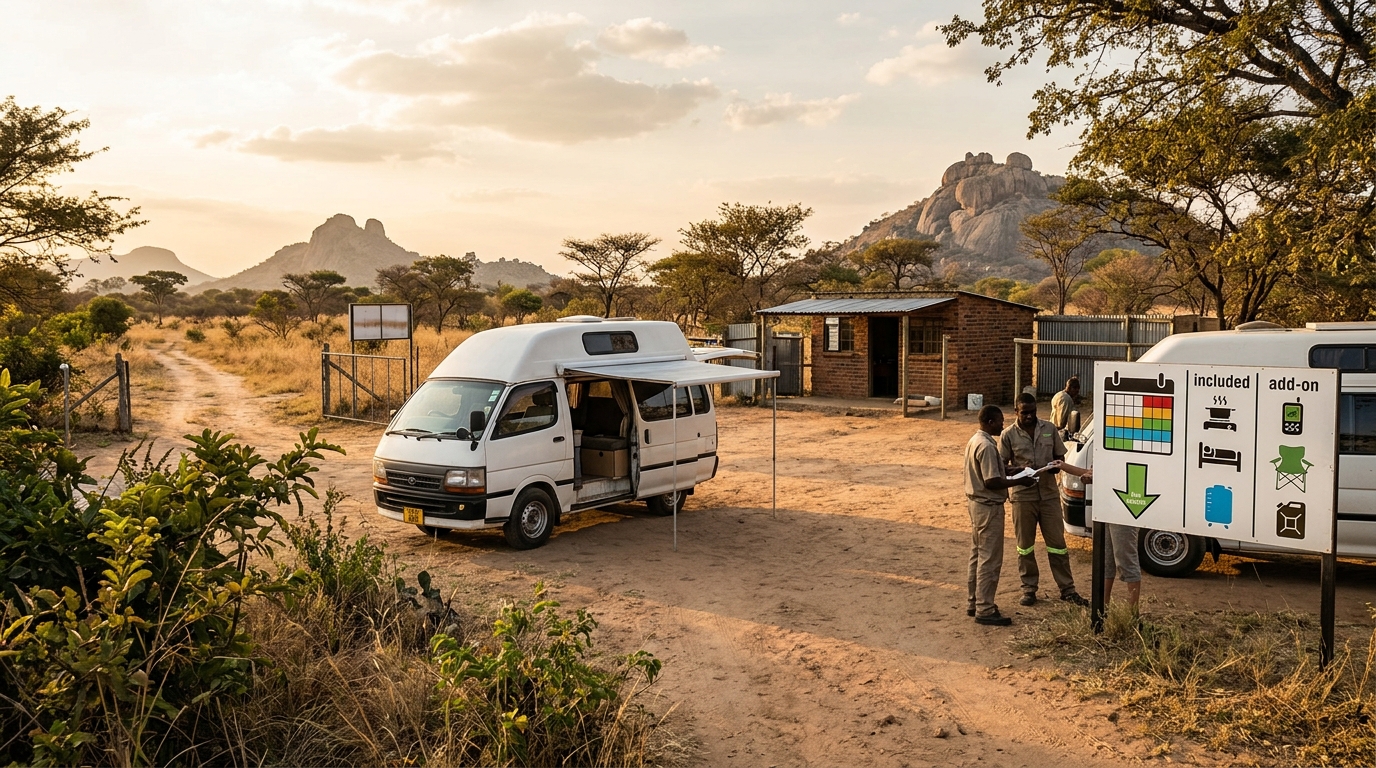
Zimbabwe offers diverse RV camping experiences, from the untamed wilderness of national parks to beautifully maintained private sites. Top regions for RV adventures include the area around Victoria Falls, the vast plains of Hwange National Park, and the lush Eastern Highlands, providing varied landscapes and non-safari activities. When exploring beyond the famed wildlife, consider historical sites like the Great Zimbabwe Ruins for unique RV-friendly exploration. These top destinations provide well-situated campgrounds that serve as perfect bases for daily excursions, allowing you to easily return to your comfortable campervan or motorhome each evening. You can find many excellent options through RV PLANET routes, which can help you itemize and track every expense, making budgeting effortless.Campground Types in Zimbabwe (National, Private, Wild)
RV camping in Zimbabwe primarily offers choices between national park sites and private campgrounds, with wild camping generally not advised due to safety and wildlife concerns. National park campgrounds, such as those found in Hwange or Mana Pools, often provide basic facilities like ablution blocks with cold showers and pit toilets, prioritizing natural immersion over luxury. Private campgrounds, typically located near major tourist hubs or along primary routes, usually offer more comprehensive amenities, including electricity hookups, hot showers, better security, and sometimes even pools or restaurants. Wild camping, or "bush camping," is largely prohibited in protected areas without special permits and guided supervision, and elsewhere requires extreme caution due to unpredictable wildlife and security risks; it is not recommended for independent RV travelers.Featured RV Park or Campground in Zimbabwe
While specific RV park details can vary, travelers seeking the best RV camping experience in Zimbabwe should look for well-maintained sites that offer a harmonious balance of natural beauty and essential services. Key features to prioritize include secure parking facilities, reliable ablution blocks with hot showers, and convenient proximity to major attractions or necessary resupply points. For example, Victoria Falls Rest Camp, located within walking distance of the Falls and town center, offers shaded sites, hot showers, and good security, making it a highly recommended spot for many RVers. Many popular locations, such as those near Victoria Falls or within larger national parks like Matobo National Park, feature dedicated camping areas suitable for various motorhomes and campervans.Hookups & Amenities - What to Expect in Zimbabwe
RV camping in Zimbabwe typically provides varying levels of hookups and amenities, ranging from very basic facilities in national parks to more comprehensive services at private establishments. Electricity (220-240V, often requiring Type G, D, or N plugs) is commonly found in private parks and city campgrounds but is scarce in remote national park sites, where travelers should be prepared with solar power or a generator for essential needs. Water sources are generally available, though confirming potability is crucial, and carrying a personal filtration system is always a wise precaution; waste disposal points for grey and black water are less common outside of major towns or dedicated private resorts. Reliable internet and cellular coverage remain inconsistent, particularly in remote areas, making it essential to download offline maps and plan for communication contingencies. Specialized RV repair facilities are limited to major cities like Harare and Bulawayo, so basic roadside repair knowledge and a well-stocked toolkit are highly advisable for extended trips.Booking Windows & Reservations in Zimbabwe
For popular destinations and peak season RV travel in Zimbabwe, booking campsites well in advance - sometimes 3-6 months - is highly recommended to secure preferred spots, especially at prime locations like those near Victoria Falls or within Hwange National Park. Many national park campgrounds, in fact, only release a limited percentage (e.g., 25%-30%) of their spots for pre-booking, with the remaining majority often available on a first-come, first-served basis, which can be advantageous for spontaneous travelers. Even if you prefer a day-to-day planning style, it is always advisable to call ahead to your intended campground before driving long distances to confirm availability, as the situation can change rapidly. While you will almost certainly find a spot, if not at your first choice, then at a nearby alternative, advanced planning minimizes stress and ensures access to prime locations and experiences. For comprehensive route plans and to find available campsites during your trip, we recommend using RV PLANET (rvplan.net), which also offers a 25% planning discount for using their services.Nearby Supermarkets & Resupply Points for RVers in Zimbabwe
RV travelers in Zimbabwe should meticulously plan resupply stops in larger towns and cities, as options for groceries and essentials diminish significantly in remote and rural areas. Look for well-known supermarket chains such as OK Zimbabwe, Pick n Pay, or Spar in major urban centers like Harare, Bulawayo, or Victoria Falls for comprehensive grocery and essential item purchases. It is absolutely crucial to stock up adequately on fuel, potable water, and non-perishable food items before venturing into national parks or less-developed regions, where reliable fuel stations and waste disposal facilities become sparse or non-existent. Due to inconsistent internet and cellular coverage in many remote parts of the country, downloading offline maps and planning your resupply routes ahead of time is highly recommended to avoid any unexpected inconveniences. For delicious meal ideas to prepare in your RV's kitchen, check out our RV-friendly recipes playlist.Best RV Class for Camping in Zimbabwe
Selecting the optimal RV class for camping in Zimbabwe largely depends on your specific itinerary, the size of your travel group, and your desired level of comfort, with smaller, more agile vehicles often being preferred for navigating diverse terrain. Class B Camper Vans, like Bandana's fleet averaging 5.8m in length with 3.2 sleeping places and a fuel efficiency of typically 8-10 Liters/100 Km, are highly recommended for their maneuverability, access to less-maintained roads, and suitability for couples or small families. Class SI Semi-integrated RVs, with an average length of 6.9m and 3.8 sleeping places, offer a good balance of comfort and agility (10-11 Liters/100 Km), catering to travelers who desire more amenities without sacrificing too much accessibility. For more serious off-road adventures and remote bush camping, Class TC Truck Campers, averaging 5.5m in length and 2.4 sleeping places, are often the best choice due to their 4x4 capabilities, although they come with higher fuel consumption (12-17 Liters/100 km) and fewer onboard amenities. Larger Class C Alcove (averaging 7.5m length, 5.8 sleeping places) or Class A Integrated (averaging 7.5m length, 4.4 sleeping places) motorhomes are generally less suitable for Zimbabwe's more challenging rural roads and require more careful route planning.How to Save on Campgrounds in Zimbabwe
RV travelers can significantly reduce their accommodation costs in Zimbabwe by employing several savvy strategies, making their extended road trip more budget-friendly. One effective method is to utilize campground discount cards, which Bandana sometimes offers or partners with, potentially providing substantial savings on nightly rates at participating parks. Booking your rented RV trip during the shoulder or low season (typically November to April, excluding major holidays like Christmas or Easter) can lead to significantly lower campsite fees and fewer crowds, enhancing your experience. Opting for municipal or regional campgrounds over private resorts often provides more basic facilities at a fraction of the cost, making them an excellent choice for budget-conscious travelers. Furthermore, considering longer stays (3+ nights) at a single campground can often unlock weekly rates, which are typically more economical than booking on a per-night basis. If traveling in a group, sharing hookup costs or splitting expenses for larger, amenity-rich sites can also lead to collective savings. For more insights on affordable travel, check our "Cheap RV Rental in Zimbabwe - Budget Guide 2026".How much does it cost to rent an RV in Zimbabwe?
The cost to rent an RV in Zimbabwe varies significantly based on factors such as the vehicle type, rental duration, season of travel, and included features, typically ranging from $100-$350 USD per day. For instance, a basic campervan might start at $80-$150 USD per day, while a larger, 4x4-equipped motorhome could cost $200-$350 USD per day. It's crucial to understand that prices are dynamic, much like flight tickets, changing daily based on availability, seasonality, and supplier marketing decisions; the final price is always set at the actual booking time. When estimating your total trip budget, detailed breakdowns should account for the base rental rate, comprehensive insurance (you can upgrade to a top-level deductible for extra peace of mind), potential mileage limits, one-way fees (which can range from $150-$500 USD for a relocation from Harare to Victoria Falls), and additional equipment like camping gear or recovery tools. A Class B Camper Van, for example, typically consumes 8-10 Liters/100 Km, directly impacting overall fuel costs, which are a major component of any RV travel budget in Zimbabwe. Beyond the rental itself, remember to factor in national park entrance fees (which vary per person and vehicle), campsite fees, groceries, and a contingency fund for unexpected repairs or emergencies. Our RV PLANET routes allow travelers to itemize and track every expense along the way for easy budgeting. For more detailed insights, consider exploring our "Weekly RV Rental in Zimbabwe - Pricing 2026" guide.What are the requirements for RV travel in Zimbabwe?
RV travel in Zimbabwe requires specific documentation, adherence to local driving laws, and preparedness for varying road and infrastructural conditions to ensure a smooth and safe journey. Essential documentation includes a valid passport, a visa (if required based on your nationality), your national driver's license, and an International Driving Permit (IDP) for visitors from non-English-speaking countries, although it's highly recommended for all international drivers. For the rented RV itself, you'll need its registration, a temporary import permit (which reputable rental companies typically handle), and valid third-party insurance; you can upgrade to a top-level deductible for extra peace of mind. For border crossings, particularly from neighboring countries like South Africa, be prepared for thorough vehicle inspections, potential customs duties for temporary imports, and varying wait times, so ensure all vehicle documents are readily accessible. RV-specific road condition analysis is crucial: major highways are generally paved but may have potholes, while national park roads and many rural routes are often gravel or dirt, necessitating 4x4 capability for certain areas and careful consideration of seasonal impacts (e.g., roads can become impassable during the rainy season). Comprehensive infrastructure planning involves identifying reliable fuel stations (especially for diesel, which can be less common in remote areas), water sources, and waste disposal points in advance, as these are not universally available across the country.Where can I find cheap RV rentals in Zimbabwe?
To find cheap RV rentals in Zimbabwe, focus on booking well in advance, traveling during the shoulder or low season, and diligently comparing offers from multiple rental platforms and local operators. Early bird discounts are often available for bookings made 3-6 months ahead, and opting for longer rental periods, such as a two-week adventure, typically yields a lower daily rate compared to shorter trips. Selecting smaller, more fuel-efficient models like Class B campervans (averaging 8-10 Liters/100 Km) can significantly reduce both rental costs and fuel expenses. Always look for transparent pricing and all-inclusive packages that bundle insurance and basic equipment, but scrutinize the terms carefully for any hidden fees, such as mileage caps, one-way rental charges (which can be $150-$500 USD), or additional driver costs. Bandana RV works with 50+ leading RV suppliers worldwide, ensuring full transparency with no hidden fees, so what you see is what you pay, with no surprise fees at pickup. Flexibility with your travel dates is key, as shifting your trip by even a few days can sometimes reveal more affordable options. For more specialized deals, look for "RV Rental Deals in Zimbabwe - Latest Offers 2026".Is it safe to drive an RV in Zimbabwe?
Driving a rented RV in Zimbabwe can be safe with careful planning, adherence to local advice, and a keen awareness of specific challenges such as wildlife, varied road conditions, and general security considerations. Wildlife encounters are common, particularly in national parks and unfenced rural areas; always drive slowly, be vigilant for animals on roads (especially elephants that might use tarred roads as highways), and avoid driving at dusk, dawn, or night to minimize risks. When camping, securing your vehicle at designated campsites is paramount; choose reputable sites, lock all doors and windows, and keep valuables out of sight to deter petty theft. Emergency protocols should be firmly in place, including carrying a fully charged local SIM card (Econet, NetOne, or Telecel) or a satellite phone for remote areas, having breakdown assistance contacts readily available, and understanding basic medical emergency procedures (local numbers are Police 995, Ambulance 994, Fire 993). Navigating local security nuances involves being aware of potential roadblocks (usually for official checks), avoiding displaying excessive wealth, and exercising caution in urban areas, particularly after dark; always trust your instincts and err on the side of caution. Drive slowly and carefully, and you can drive almost anywhere without issues. No need to stress - just use common sense and pay attention.Can you rent a campervan in Zimbabwe?
Yes, campervans are readily available for rent in Zimbabwe and are indeed a very popular choice for their exceptional maneuverability, fuel efficiency (typically 8-10 Liters/100 Km), and inherent suitability for navigating the country's diverse terrains. Class B Camper Vans, part of Bandana's global fleet with an average length of 5.8m and 3.2 sleeping places, are particularly well-suited for Zimbabwean adventures, offering a compact footprint that handles both paved and gravel roads more adeptly than much larger motorhomes. These versatile vehicles provide a comfortable balance of living space and driving ease, making them an ideal option for couples or small families eager to explore national parks, historical sites, and vibrant cultural destinations. Campervans are often preferred by those seeking a more immersive and flexible travel experience, as their smaller size enables access to more rustic campsites and less-traveled routes, fostering a deeper connection with the stunning Zimbabwean landscape. For more information on your options, refer to our "RV Rental Zimbabwe - Complete Guide 2026".How much does a campervan cost in Zimbabwe?
Campervan rental costs in Zimbabwe are generally more affordable than larger motorhomes, typically ranging from $80-$200 USD per day, depending on the model's age, features, and the specific duration and season of the rental period. For example, a modern Class B Camper Van could cost around $120-$180 USD/day during peak season (June-October), while an older model during the low season might be closer to $80-$100 USD/day. Factors significantly influencing the price include the campervan's specific amenities (e.g., shower, toilet), whether it's 2WD or 4x4 capable, the inclusion of comprehensive insurance, and any additional equipment requested. Class B Camper Vans, with their lower fuel consumption (averaging 8-10 Liters/100 Km), also contribute to overall savings on ancillary costs compared to larger RV categories. As with all rentals, peak season will command higher prices due to increased demand, while booking during the shoulder or low season can yield significant savings, sometimes up to 25% or 30%. Our "Weekly RV Rental in Zimbabwe - Pricing 2026" guide provides more in-depth pricing details for various rental durations.What is the best way to travel around Zimbabwe?
The best way to travel around Zimbabwe, particularly for deeply exploring its unparalleled natural beauty and rich cultural heritage, is often by rented RV due to the unparalleled flexibility, direct access to nature, and freedom to explore beyond typical tourist routes. RV travel facilitates a deeper engagement with local communities and opportunities for authentic cultural immersion, such as visiting non-touristy markets or participating in local events, which scheduled tours often miss. For diverse terrain, a 4x4 capable RV or a robust Class B Camper Van (like one of Bandana's, averaging 5.8m in length) is ideal, allowing access to remote national parks like Mana Pools and lesser-known natural wonders or historical sites like the Great Zimbabwe Ruins and the misty Eastern Highlands. While self-driving a rented motorhome offers incredible independence, comprehensive infrastructure planning for fuel, water, and communication is vital; consider the varied road conditions and choose a vehicle (refer to 'Best RV Class for Camping in Zimbabwe' section for detailed recommendations) suitable for your intended journey. For broader African adventures, our "RV Rental Africa - Complete Guide 2026" offers extensive information.Are there RV parks in Zimbabwe?
Yes, Zimbabwe offers a range of RV parks and campsites, primarily situated within national parks, private reserves, and near major tourist hubs like Victoria Falls, catering to various preferences from basic bush camps to more amenity-rich private facilities. These designated camping areas provide varying levels of facilities, from simple ablution blocks to sites with electricity and water hookups, as detailed in the 'Hookups & Amenities - What to Expect in Zimbabwe' section. While some major cities may have municipal camping grounds, the most scenic and well-equipped RV facilities are often found in proximity to natural attractions, offering stunning views and direct access to wildlife viewing. Many RV parks provide a mix of electrified and non-electrified sites, often with shared ablution blocks; always confirm available amenities when booking to ensure they meet your specific needs.Top Cities for RV Rental in Zimbabwe
Zimbabwe offers several key cities and regions that serve as excellent starting points or destinations for your RV rental adventure. Each offers a unique flavor of the country, from bustling urban centers to gateways to natural wonders.- **Harare:** As the capital city, Harare provides the most comprehensive range of RV rental services and resupply options, making it a practical starting point for many trips. It's a vibrant city with markets, botanical gardens, and art galleries.
- **Harare - Airport:** Renting directly from Harare's international airport offers convenience for travelers flying in, allowing for a seamless transition into your RV vacation.
- **Victoria Falls:** Home to one of the world's most spectacular waterfalls, Victoria Falls is a must-visit. Its surrounding area offers excellent campsites and a base for adventure activities like bungee jumping and whitewater rafting.
- **Victoria Falls - Airport:** Similar to Harare, picking up your camper or motorhome directly from Victoria Falls Airport is ideal for those focused on the falls and nearby wildlife.
- **Bulawayo:** Zimbabwe's second-largest city, Bulawayo, is rich in history and serves as a gateway to the stunning Matobo Hills National Park, renowned for its granite formations and ancient rock art.
- **Hwange National Park:** While not a city, the areas surrounding Hwange, Zimbabwe's largest national park, offer entry points and private camps specifically catering to RV travelers eager for world-class wildlife viewing.
- **Mutare:** Located in the Eastern Highlands, Mutare offers a cooler climate and access to lush mountains, forests, and tea plantations, a refreshing contrast to the savanna landscapes.
- **Kariba:** The town of Kariba sits on the shores of Lake Kariba, offering opportunities for houseboating, fishing, and exploring the Matusadona National Park by boat or RV.
Practical Information for RV Travel in Zimbabwe
Embarking on an RV adventure in Zimbabwe requires familiarity with local regulations and practical tips to ensure a smooth journey. Zimbabwe drives on the left side of the road, a critical detail for international visitors. Speed limits are generally 120 km/h on national highways, reducing to 80-100 km/h in rural areas, and 60 km/h within urban centers; always adhere to posted signs. Drive slowly and carefully, and you can drive almost anywhere without issues. No need to stress - just use common sense and pay attention. Toll roads are present on major highways, so be prepared with local currency (USD is widely accepted) for these small fees. For emergencies, key numbers include Police (995), Ambulance (994), and Fire (993), though cell service can be spotty in remote areas, making satellite communication a good backup. Regarding connectivity, purchasing a local SIM card from providers like Econet, NetOne, or Telecel upon arrival in major cities is highly recommended for navigation and staying in touch, though coverage drops significantly in national parks and rural regions. National park permits and camping fees are required and vary by park, vehicle, and person; check Zimbabwe Parks and Wildlife Management Authority's official website for current rates. Fuel, primarily petrol and diesel, is generally available in major towns but can be unreliable in rural stretches, so always fill up when you have the opportunity, especially for longer legs of your journey.What You Shouldn't Miss
Looking for expert insights from Avi Bandana? Top 5 Adventures - recommendations from Avi Bandana:- **Victoria Falls Immersion:** Don't just view the falls from afar; walk the rainforest paths to feel the spray, and for the adventurous, consider a helicopter flight for a truly epic perspective.
- **Hwange National Park Safari by RV:** Experience a self-drive safari. The freedom of having your own rented motorhome means you can spend as long as you like watching a herd of elephants at a watering hole.
- **Great Zimbabwe Ruins Exploration:** Delve into ancient history by RV. Camp nearby and explore the magnificent stone city at dawn or dusk, imagining the vibrant civilization that once thrived there.
- **Eastern Highlands Scenic Drive:** Escape the heat and discover Zimbabwe's cooler, misty mountains. Drive through the Vumba Mountains and Nyanga, stopping at waterfalls, botanical gardens, and serene viewpoints.
- **Lake Kariba Sunset Cruise:** Park your RV at a lakeside camp and take a sunset cruise on Lake Kariba, witnessing incredible wildlife coming to drink at the shores as the sky explodes in color. Enjoying meals prepared in your RV kitchen with these views is simply unbeatable.
