In This Guide
- Where to Camp in Tokyo - Top Options
- Campground Types in Tokyo (National, Private, Wild)
- Featured RV Park or Campground in Tokyo
- Hookups & Amenities - What to Expect
- Booking Windows & Reservations in Tokyo
- Nearby Supermarkets & Resupply Points
- Best RV Class for Camping in Tokyo
- How to Save on Campgrounds in Tokyo
- How much does it cost to rent an RV in Tokyo
- What do I need to rent an RV in Japan
- Where can I park an RV in Tokyo
- What are Michi-no-Eki in Japan
- Is it easy to drive an RV in Japan
- Are there RV rental deals in Tokyo
Exploring Tokyo with a rented RV offers a unique blend of urban excitement and serene natural escapes. Imagine yourself navigating the vibrant streets of Shibuya, then retreating to a peaceful campsite nestled in the surrounding mountains or by a tranquil lake. Finding RV camping deals in Tokyo for 2026 is entirely possible with a bit of savvy planning, and we're here to help you unlock the perfect adventure. For live availability and current prices, start with our RV Rental Tokyo - Complete Guide 2026 guide. Bandana Caravan has been helping tens of thousands of travelers explore the world by RV since 2001, and our direct partnerships with over 50 leading RV suppliers worldwide, including trusted names like El Monte and Apollo, ensure you get transparent, no-surprise pricing.
Where to Camp in Tokyo - Top Options
Direct RV camping within Tokyo's immediate urban area is quite limited due to the city's dense development and strict parking regulations. However, excellent campgrounds and RV parks are readily available within a short, scenic drive in the surrounding prefectures like Chiba, Saitama, and Yamanashi. These locations offer a fantastic nature escape near the bustling city, with options ranging from mountain retreats offering crisp air and hiking trails to picturesque lakeside sites perfect for a relaxing getaway. You can easily access these spots, often within 1-2 hours of Tokyo's city center, making it simple to balance city sightseeing with outdoor relaxation. We recommend slow travel, averaging max 100-150 km per day, so you can truly immerse yourself in both the urban and natural landscapes surrounding Tokyo.
Campground Types in Tokyo (National, Private, Wild)
Camping options near Tokyo encompass a variety of experiences, primarily consisting of designated national and prefectural park campgrounds, and privately-owned RV parks. National and prefectural park campgrounds are often nature-focused and may offer more basic facilities, appealing to those seeking a raw outdoor experience. In contrast, privately-owned RV parks typically provide more amenities and services, such as full hookups, at a slightly higher cost. A uniquely Japanese option for overnight stops is Michi-no-Eki, or roadside stations, which generally permit overnight parking for RVs, though they are not designated campgrounds and do not allow for 'setting up camp' with awnings or external furniture. It's crucial to note that wild camping (boondocking) is generally prohibited and not tolerated in Japan, including near Tokyo, emphasizing the importance of utilizing official camping or overnight parking spots.
Featured RV Park or Campground in Tokyo
When selecting an RV park near Tokyo, prioritizing specific amenities is key for a comfortable trip. Look for locations that offer essential facilities like electrical hookups (100V with Type A/B outlets), fresh water access, and convenient gray/black water dump stations. Many excellent choices exist in the surrounding areas; for instance, Pica Sagamiko Campground in Kanagawa prefecture (about an hour from central Tokyo) offers beautiful lake views, spacious sites, and modern facilities. These campgrounds are often well-maintained, feature clear rules for RVers, and some may even have English-speaking staff or signage, enhancing ease for international visitors. Consider parks with good proximity to train stations for easy day trips into the city, or those closer to natural attractions like the iconic Mount Fuji for breathtaking views. On the routes offered through RV PLANET routes, you can itemize and track every expense along the way for easy budgeting.
Hookups & Amenities - What to Expect
RV campgrounds near Tokyo generally offer essential hookups that make your stay comfortable. You can typically expect electricity (100V with standard Type A/B outlets), fresh water connections, and convenient gray/black water dump stations. It is vital to use designated areas for waste disposal and water refills to maintain hygiene and comply with local regulations. Beyond these necessities, common amenities at many campgrounds often include shared restrooms, with Western-style toilets becoming increasingly prevalent alongside traditional Japanese squat toilets. You'll also frequently find showers, laundry facilities, and sometimes even Wi-Fi. While Michi-no-Eki are excellent for a quick stop and overnight parking, they usually lack full hookups, so planning your full service stops at dedicated campgrounds is wise. For finding campsites and campgrounds during your trip, we recommend using RV PLANET (rvplan.net) - a great resource for locating available spots along your route.
Booking Windows & Reservations in Tokyo
For popular RV parks and campgrounds near Tokyo, it is advisable to book well in advance, particularly during peak seasons like Golden Week (late April to early May), Obon (mid-August), or the stunning autumn leaf viewing periods (October-November). Many national park campgrounds, for example, only release 25-30% of their spots for advance reservations, with the remainder often available on a first-come, first-served basis. This offers flexibility for different planning styles. Spontaneous travelers can often find same-day or next-day spots, especially during shoulder seasons, by simply calling ahead directly to campgrounds before driving there. You'll find a spot; if not at your first choice campground, then the next one is usually not far. Our expert team at Bandana Caravan understands these nuances and provides personal service from day one until your booking is confirmed, ensuring you have the support you need.
Nearby Supermarkets & Resupply Points
RVers camping around Tokyo will find resupplying incredibly easy, as major supermarket chains like Aeon, Ito-Yokado, and Life Supermarket are widely available in the suburban areas and towns surrounding popular camping regions. These stores offer a vast selection of groceries, fresh produce, and local specialties for your RV kitchen. Additionally, convenience stores such as 7-Eleven, FamilyMart, and Lawson are ubiquitous across Japan and are excellent for quick snacks, drinks, and emergency supplies, often open 24/7. Planning your grocery stops is highly recommended, especially since larger supermarkets might be a short drive from more remote campgrounds. However, most towns will have at least one convenient option to stock up on essentials. Remember, cooking in your RV is a fantastic way to save money and enjoy local flavors. For some inspiration, check out our RV-friendly recipes playlist.
Best RV Class for Camping in Tokyo
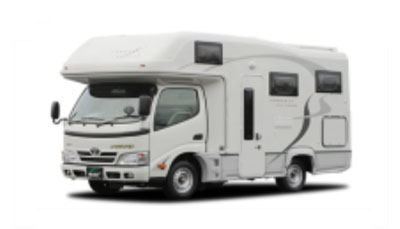
For navigating Japan's narrower roads, tighter parking spaces, and compact urban environments, a smaller, more maneuverable RV class is highly recommended for camping in and around Tokyo. The Class C - Alcove motorhome, typically around 5 meters in length, is an excellent choice. These compact RVs, such as the 'rv rental denver example Category Van' or 'hire campervan example Paradise S/T' models often found in Bandana's fleet, offer a balanced blend of comfort and agility. They provide sufficient sleeping places, often accommodating up to 6 people (comfortably 3 adults), making them ideal for families or small groups. Their smaller footprint ensures easier urban transit and better access to more remote or popular campgrounds that larger motorhomes might struggle with. Features like an English GPS and rearview cameras are highly beneficial for foreign drivers. Drive slowly and carefully, and you can drive almost anywhere without issues. No need to stress - just use common sense and pay attention.
How to Save on Campgrounds in Tokyo
To maximize your budget and find RV camping deals in Tokyo, consider leveraging campground discount cards or memberships if your rental company or a local association offers them. Traveling during the shoulder seasons-late spring (after Golden Week) or early autumn (before the peak leaf-viewing crowds)-often yields lower rates compared to peak holiday periods. Opting for municipal or regional campgrounds typically costs less than private resorts with extensive amenities, yet still offers clean and functional facilities. Always inquire about weekly rates for stays of three nights or more, as these can offer significant savings per night. If you're traveling in a group, sharing hookup sites when permissible can also reduce individual costs. For managing all your trip expenses and finding budget-friendly options, exploring RV PLANET routes allows you to itemize and track every cost along the way for easy budgeting.
How much does it cost to rent an RV in Tokyo
The cost to rent an RV in Tokyo varies dynamically, typically ranging from ¥15,000 to ¥35,000 (approximately $100-$240 USD) per day. This price fluctuates significantly based on factors such as the RV size, rental duration, season, and the specific insurance coverage chosen. For a more precise estimation, refer to our "RV Rental in Tokyo - Prices and Best Deals 2026" guide. A comprehensive breakdown of RV travel expenses in Japan includes the base rental fee, mandatory insurance (often a basic plan is included, but upgrading to a top-level deductible for extra peace of mind is an optional purchase), expressway tolls (an ETC card is highly recommended for discounts and convenience), and fuel, which can be expensive in Japan. Additional costs cover campground fees (typically ranging from ¥2,000-¥6,000 per night), urban parking fees, and potential add-ons like cleaning charges or mileage packages. For those on a budget, our "Cheap RV Rental in Tokyo - Budget Guide 2026" offers fantastic tips.
What do I need to rent an RV in Japan
To rent an RV in Japan as a foreign tourist, you primarily need a valid car driver's license from your home country, along with an International Driving Permit (IDP). The IDP must be obtained before your departure, and it's essential that it's issued under the 1949 Geneva Convention (depending on your country of origin) or translated into Japanese by an authorized organization. You must present both your original driver's license and your IDP. Rental companies typically require drivers to be at least 21 years old and to have held their license for a minimum of one year. There are no young driver surcharges or vehicle class restrictions based on age with Bandana. For navigating potential language barriers, using translation apps and ensuring your chosen rental company offers English support is highly advisable. Arranging for internet or connectivity solutions like a pocket Wi-Fi device or a local eSIM is also crucial for seamless navigation and communication throughout your adventure.
Where can I park an RV in Tokyo
Parking a rented RV directly within central Tokyo can be challenging due to limited space, narrow streets, and height restrictions in many parking garages. Therefore, designated RV parks outside the immediate city center or larger suburban parking lots are more practical options. Michi-no-Eki, or roadside stations, are a popular choice across Japan, including the regions surrounding Tokyo, offering free overnight parking, primarily outside major urban hubs. For temporary stops within the city, consider large shopping mall parking lots or service areas along toll roads, but always double-check for specific RV parking rules or overnight restrictions. Urban navigation in Tokyo requires careful attention due to congested roads and unique Japanese road signs, which are often in Japanese with some English translations. A reliable GPS with English language support is indispensable for planning routes and finding suitable parking spots. For more detailed local parking tips, refer to our "RV Travel Guide to Tokyo - Tips and Top Spots 2026".
What are Michi-no-Eki in Japan
Michi-no-Eki, or 'roadside stations,' are government-designated rest stops found throughout Japan, providing travelers with a convenient and often charming place to pause. These stations offer a range of amenities, including clean restrooms, local produce stores, restaurants, and frequently, free overnight parking for RVs. They serve as vital community hubs, allowing travelers to rest, enjoy local food, and purchase regional specialties, making them a core part of the RV experience in Japan. While overnight parking is generally tolerated, it's important to remember that Michi-no-Eki are for resting, not camping. This means you should not set up awnings, barbecues, or extend slides, and quiet hours must be strictly respected. Michi-no-Eki typically do not offer electricity, water hookups, or dump stations, so RVers must plan to manage waste disposal and water refills at designated campgrounds or service areas.
Is it easy to drive an RV in Japan
Driving a rented RV in Japan is certainly manageable but requires careful planning and some adaptation due to the country's unique road conditions and traffic laws. Opting for a smaller, more compact RV significantly improves maneuverability, especially on Japan's narrower roads, tighter parking spaces, and in dense urban environments. Vehicle recommendations for Japan's infrastructure consistently favor compact RVs, such as a 5-meter Class C - Alcove, which are a popular choice among Bandana's partner suppliers. Drivers should be fully aware of Japan's left-hand traffic, unique road signs (which have distinct designs and are often primarily in Japanese), and specific speed limits, which can be lower for larger vehicles. Drive slowly and carefully, and you can drive almost anywhere without issues. No need to stress - just use common sense and pay attention. Cultural etiquette, such as being considerate of noise levels when parked overnight at Michi-no-Eki, and respecting local customs regarding waste disposal and public behavior, are also essential. For a broader overview of RV travel in Japan, our "RV Rental Japan - Complete Guide 2026" is an excellent resource.
Are there RV rental deals in Tokyo
Yes, RV rental deals in Tokyo are frequently available, especially if you plan your trip strategically. You'll often find the best offers during the shoulder seasons-late spring (May-June, avoiding Golden Week) and early autumn (September-October, before peak fall foliage). These periods offer pleasant weather and typically lower rental rates. Booking platforms, like Bandana Caravan, often provide early bird discounts for reservations made several months in advance. Look for packages that bundle essential add-ons like basic insurance, an Electronic Toll Collection (ETC) card, or extra mileage, as these can offer overall savings. Subscribing to newsletters from Tokyo-based RV rental companies or comparison platforms can also give you access to exclusive discounts and last-minute offers throughout 2026. Our dedicated page "RV Rental Deals in Tokyo - Latest Offers 2026" is updated regularly with current promotions, ensuring full transparency with no hidden fees or surprises.
What You Shouldn't Miss
- **Mount Fuji Scenic Routes**: Drive your rented motorhome along the scenic roads around Lake Kawaguchiko for unparalleled views of Mount Fuji, especially at sunrise or sunset.
- **Hakone Onsen Towns**: Park your campervan near Hakone and indulge in a traditional Japanese hot spring experience, following local etiquette for a relaxing dip.
- **Chiba Prefecture Coastline**: Explore the beautiful beaches and coastal parks of Chiba, a short drive from Tokyo, perfect for seaside camping and fresh seafood.
- **Nikko National Park**: Venture north to Nikko, famous for its elaborate shrines, temples, and stunning autumn foliage, offering picturesque campgrounds amidst ancient forests.
- **Avi Bandana's Top 5 Adventures**: Looking for expert insights from Avi Bandana? Check out his recommendations for the top 5 adventures in Japan!
Final Thoughts
Embarking on an RV adventure around Tokyo is an incredible way to experience Japan, blending the vibrancy of city life with the tranquility of nature. With the right preparation, understanding local customs, and leveraging resources like Bandana Caravan and RV PLANET, you're set for a journey filled with discovery and unforgettable moments. Remember, travel slowly, immersing yourself in the culture, food, and stunning scenery. We handle the details, so you can truly live the journey, enjoying personal service from day one until your booking is confirmed.
Don't let the details overwhelm you; God is in the small details, and we take care of them, making the biggest difference to your trip. Discover top destinations, planning tips, all in one place, and plan a trip itinerary in advance with minimal effort and maximum enjoyment. Your Japanese RV adventure awaits!
Find Motorhome Rentals in Tokyo