In This Guide
- Where to Camp in Scotland — Top Options
- Campground Types in Scotland (National, Private, Wild)
- Featured RV Park or Campground in Scotland
- Hookups & Amenities — What to Expect
- Booking Windows & Reservations in Scotland
- Nearby Supermarkets & Resupply Points
- Best RV Class for Camping in Scotland
- How to Save on Campgrounds in Scotland
- How much does it cost to rent an RV in Scotland?
- What is the best month to RV in Scotland?
- Can you RV in Scotland in winter?
- How long do you need to RV in Scotland?
- Is it worth renting a campervan in Scotland?
- Where can I rent an RV in Scotland?
- Do I need a special license to drive an RV in Scotland?
- Is it easy to drive an RV in Scotland?
- Can you wild camp in Scotland with a campervan?
- What is the best campervan route in Scotland?
Where to Camp in Scotland — Top Options
Scotland offers a diverse range of camping options for RVs, from picturesque coastal sites to tranquil lochside pitches and stunning national park locations, providing the perfect base for your Scottish adventure. Popular regions for RV camping include the dramatic Scottish Highlands, the scenic Cairngorms National Park, and the rugged beauty of the West Coast, each offering unique vistas and experiences.
When selecting your campsite, look for locations that offer convenient access to popular attractions like historic castles and renowned whisky distilleries, allowing you to immerse yourself in Scotland's rich culture and history. Alternatively, if you prefer a more serene escape, choose more remote spots for truly immersive nature experiences, where you can wake up to breathtaking landscapes right outside your RV window.
Campground Types in Scotland (National, Private, Wild)
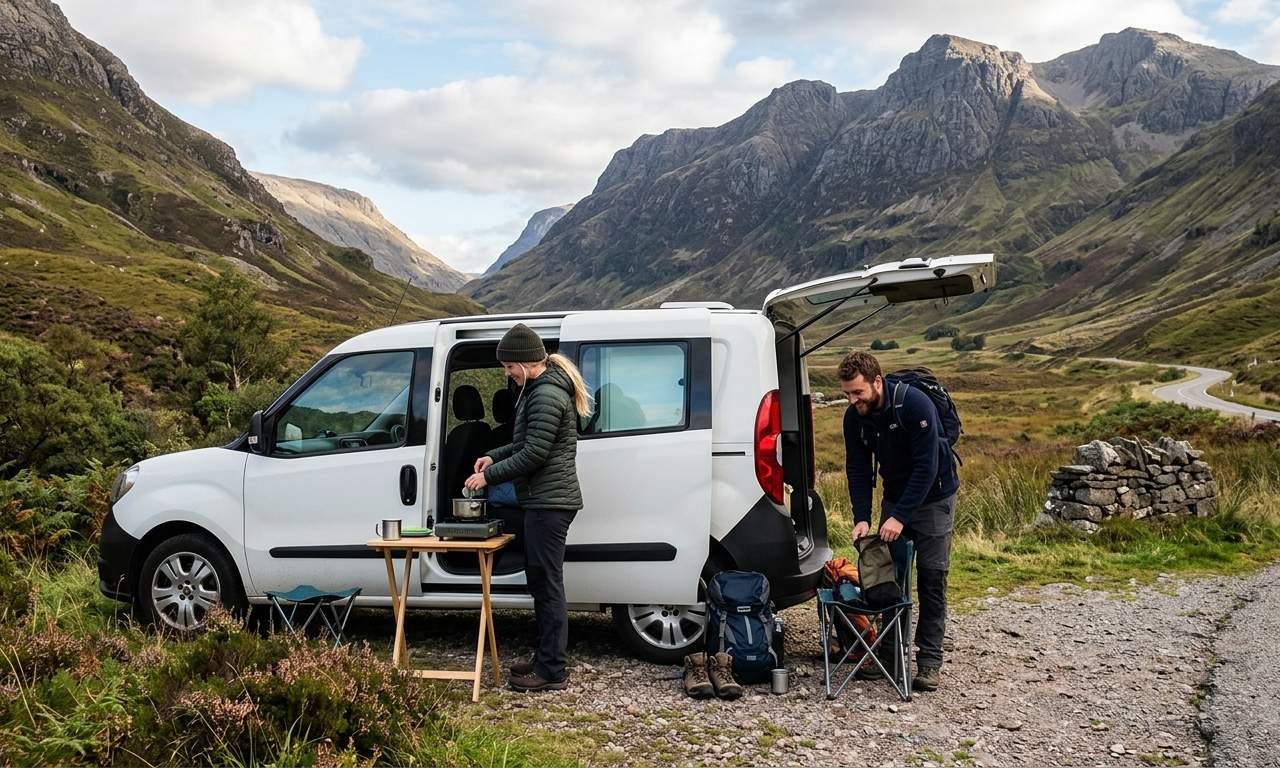
RVers in Scotland have a varied selection of accommodation, including organized sites managed by the National Trust for Scotland or Forestry and Land Scotland, privately owned commercial campgrounds boasting extensive amenities, and permitted 'wild camping' locations, each with distinct legalities and experiences to understand.
National/Forestry Sites: Often situated in the most scenic areas, these sites typically offer basic amenities such as fresh water and waste disposal facilities, focusing on a natural, less commercialized experience that allows you to connect more deeply with the environment. They are ideal for those seeking a peaceful retreat amidst Scotland's renowned natural beauty.
Private Campsites: These commercial operations provide a comprehensive range of facilities, including full hookups (electric, water, grey/black waste disposal), modern shower blocks, laundry services, and often on-site shops or cafes. They cater to a wide spectrum of comfort preferences, ensuring a convenient and amenity-rich stay.
Wild Camping (RVs): While Scotland's 'Right to Roam' permits wild camping for tents, it does not legally extend to motorhomes or campervans. RVers must either seek landowner permission for overnight stays on private land or utilize designated informal overnight parking spots or paid campsites, always adhering strictly to 'Leave No Trace' principles to preserve the pristine Scottish landscape.
Featured RV Park or Campground in Scotland
When planning your Scottish RV adventure, prioritize campgrounds that artfully balance stunning natural beauty with essential facilities, often strategically positioned near key tourist routes or nestled within breathtaking natural landscapes. Look for sites that are known for their scenic pitches, frequently overlooking a majestic loch, a dramatic glen, or a captivating coastline, offering an authentic Scottish experience.
Consider campgrounds that offer amenities such as accessible walking trails right from your doorstep, proximity to charming local towns for convenient provisioning, and positive reviews highlighting cleanliness and helpful staff. Desirable features to seek out include hardstanding pitches specifically designed for RVs, immaculately maintained toilet and shower facilities, and easy access to convenient waste disposal points, ensuring a comfortable and hassle-free stay.
Hookups & Amenities — What to Expect
Most organized Scottish RV parks provide essential hookups, including 240V electricity (which will require a European adapter for your vehicle), readily available fresh water, and waste disposal points for both grey and black water. Many also enhance your stay with complimentary Wi-Fi, laundry facilities, and modern shower blocks, ensuring all your needs are met.
Electric Hookups: Expect standard European 240V electricity with a CEEform blue plug, so ensure your RV is equipped with the correct adapter for seamless power connection. This is standard across most of the continent, making hookups straightforward.
Water & Waste: Potable water hookups are commonly found at pitches, and dedicated chemical waste (Elsan) points and grey water drains are standard facilities at most organized campsites, facilitating easy and responsible disposal.
Other Amenities: While Wi-Fi quality can vary, especially in more remote areas, most established sites offer clean toilet blocks, hot showers, and often coin-operated laundry facilities, adding to the convenience of your stay.
Booking Windows & Reservations in Scotland
For peak season RV travel in Scotland, particularly between June and August, or for popular routes such as the iconic North Coast 500, booking your campgrounds several months in advance is highly recommended. Conversely, off-peak seasons offer greater flexibility for spontaneous travelers, often presenting more opportunities for last-minute availability.
Planning Ahead: If your itinerary includes popular destinations or specific, highly sought-after sites, it's advisable to secure your reservations between 3 to 6 months prior, especially if you are traveling with a larger RV, as pitch availability for bigger vehicles is often more limited.
Spontaneous Travel: During the shoulder seasons (May, September, and October), it's frequently possible to find same-day or next-day availability by calling campgrounds directly before you arrive, offering a great option for flexible itineraries.
National Park Sites: Be aware that many national park campgrounds release only a portion of their spots, around 25-30%, for advance reservations, with the remainder available on a first-come, first-served basis. Rest assured, you will almost certainly find a place; if not at your first choice, then at a nearby alternative, so remain flexible and explore your options.
Nearby Supermarkets & Resupply Points
Resupplying your RV in Scotland is generally a straightforward and convenient process, with major supermarket chains readily available in towns and cities across the country, ensuring you can easily keep your kitchen stocked with all the necessary provisions. For ideas you can prep on the road, watch our RV-friendly recipes playlist on YouTube.
Major Chains: You'll find large branches of Tesco, Sainsbury's, Asda, and Morrisons in most urban centers, offering a comprehensive selection of groceries and household items. These are your go-to for bulk shopping and a wide variety of choices. On the routes offered through RV PLANET routes, you can itemize and track every expense along the way for easy budgeting.
Smaller Towns: The Co-op is a ubiquitous presence in smaller towns and villages, providing essential groceries and often featuring fresh, local produce. You'll also find independent local stores that can offer regional specialties and a more personal shopping experience.
Planning: It is advisable to stock up on major supplies in larger towns before venturing into more remote areas, as options in smaller villages may be limited to smaller, less comprehensive stores. This ensures you have everything you need for your journey through Scotland's beautiful but sometimes sparse landscapes.
Best RV Class for Camping in Scotland
The ideal RV class for camping in Scotland truly depends on your group size, desired comfort level, and critically, your comfort navigating Scotland's often narrow and winding roads. For these reasons, Class B Camper Vans and Class SI Semi-integrated models are frequently favored for their superior maneuverability.
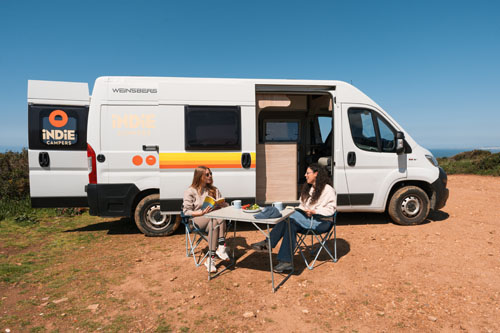
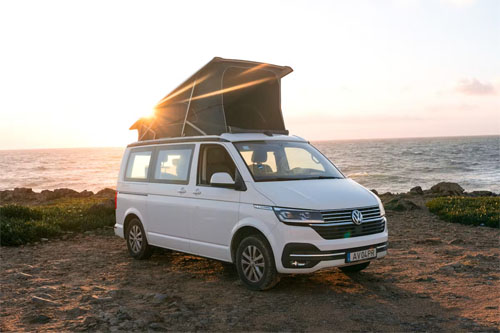
Class B - Camper Van: With an average length of about 5.8 meters and sleeping capacity for approximately 3.2 people (based on Bandana's global fleet average), camper vans are highly agile. They are easier to park and ideal for couples or small families prioritizing flexibility and access to more remote spots. Their typical fuel consumption is around 8-10 Liters/100 Km (global fleet average).
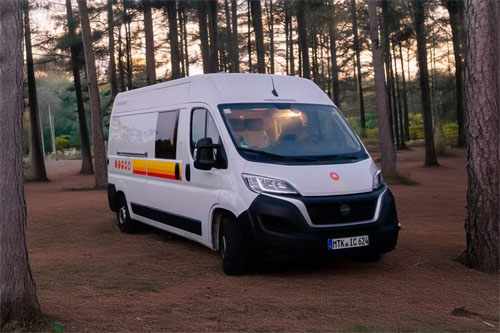
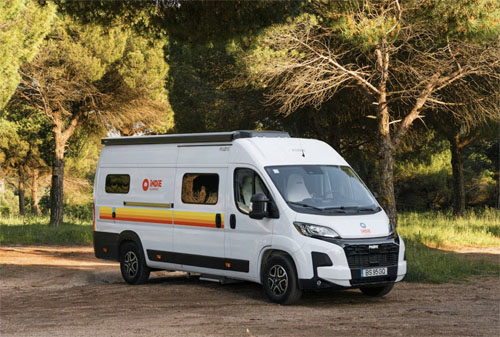
Class SI - Semi-integrated: Averaging approximately 6.9 meters in length and sleeping around 3.8 people (Bandana's global fleet average), these offer more interior space and amenities than a camper van while remaining relatively manageable for Scottish roads, making them a popular choice for families. Fuel consumption is typically 10-11 Liters/100 km (global fleet average).
Class C - Alcove: Averaging about 7.5 meters in length and sleeping approximately 5.8 people (Bandana's global fleet average), these 'alcove' RVs provide substantial living and sleeping space, making them suitable for larger families. However, their larger size can present challenges on very narrow or historic routes. They typically consume 10-12 Liters/100 km (global fleet average).
Class A - Integrated: These larger, luxury motorhomes, averaging around 7.5 meters in length and sleeping about 4.4 people (Bandana's global fleet average), offer the most amenities but are generally less suited for Scotland's smaller roads and often limited parking. Fuel consumption is still efficient, ranging from 8-11 Liters/100 Km (global fleet average).
Class TC - Truck Camper: Averaging about 5.5 meters in length and sleeping around 2.4 people (Bandana's global fleet average), truck campers are compact and rugged, excellent for venturing off the beaten path. They offer less interior space but significant capability. Fuel consumption is typically 12-17 Liters/100 km (global fleet average).
How to Save on Campgrounds in Scotland
Saving money on Scottish campground fees can be achieved significantly by leveraging discount cards, strategically planning trips during the shoulder seasons, opting for municipal or regional sites over private resorts, and booking extended stays to qualify for weekly rates. These tactics can make your RV adventure more budget-friendly.
Discount Cards: Inquire about specific campground discount cards that might be offered by your rental provider, such as affiliated programs that can provide substantial savings on nightly rates. Even a small discount per night can add up over a longer trip.
Shoulder Season Travel: Visiting Scotland in May, June, September, or October often results in lower campsite prices compared to the peak summer months. Beyond savings, you'll also benefit from fewer crowds and generally pleasant weather, enhancing your overall experience.
Choose Municipal/Regional Sites: These campgrounds, often run by local authorities or community trusts, are generally more budget-friendly than larger, privately-owned holiday parks. They typically offer essential services and a more authentic local experience.
Longer Stays: Many campsites offer discounted weekly rates for stays of three nights or more, so consider extending your visit at a single location if your itinerary allows. This can be a great way to settle in and explore an area more deeply while saving money.
Group Travel: If you're traveling with multiple RVs, some sites may offer options to share hookups or provide group discounts, further reducing per-vehicle costs and adding a social element to your trip.
How much does it cost to rent an RV in Scotland?
The cost to rent an RV in Scotland typically ranges from approximately £70-£150 per day for smaller campervans during the off-peak season to £200+ for larger, luxury motorhomes booked during the peak summer months. These prices vary significantly based on vehicle class, rental duration, and the seasonality of your travel.
Rental Rates: Expect daily rates to be at their highest in July and August, while prices can drop considerably from November to March, making winter or early spring a more budget-friendly time to travel.
Comprehensive Budget Breakdown: To help with your planning, consider these additional costs:
- Fuel: Diesel is the most common fuel for RVs in Scotland. Budget for fuel consumption, noting that larger RVs like Class C motorhomes typically consume 10-12 Liters/100 km (based on Bandana's global fleet average).
- Campsite Fees: Budget approximately £15-£40 per night for a serviced pitch, with variations based on campsite location and the amenities provided.
- Grocery Costs: Self-catering in your RV can significantly save money, with grocery prices generally comparable to other parts of the UK. Budget weekly for your provisions.
- Ferry Fares: Essential for island hopping, especially to popular destinations like Skye or the Outer Hebrides, ferry costs can be a significant expense. Check Caledonian MacBrayne (CalMac) prices and book well in advance, as vehicle spaces can be limited.
- Attraction Entry: Factor in the costs for visiting popular sites such as historic castles, renowned distilleries, or national park visitor centers.
- Insurance and Extras: Account for rental insurance, potential excess reduction waivers, and additional fees for services like extra drivers, bedding hire, or one-way rental options.
For a more precise estimation and to track every expense along your journey for easy budgeting, we recommend using RV PLANET routes, which allows you to itemize and manage all your trip costs.
What is the best month to RV in Scotland?
The best months to RV in Scotland are generally May, June, and September, as these periods offer the most favorable balance of pleasant weather, extended daylight hours, and the full availability of visitor attractions, all with fewer crowds than the peak summer months.
Shoulder Seasons (May, June, September): These months provide a sweet spot for RV travel, characterized by mild temperatures, often dry conditions, and the beauty of blooming landscapes in spring or vibrant foliage in autumn. They offer a perfect blend of good weather and manageable visitor numbers.
Peak Season (July, August): While these months offer the warmest weather and the longest daylight hours, they also coincide with the largest crowds, higher rental and campground prices, and critically, the peak of 'midge season'. If you choose to travel during this time, be prepared for these small biting insects, especially near standing water and during dawn/dusk.
Midge Mitigation: If you plan to travel in the summer months, it's essential to carry effective insect repellent (like Smidge), consider midge nets for your RV's ventilation, and try to avoid dawn and dusk near bodies of water to minimize encounters with these annoying biting insects.
Can you RV in Scotland in winter?
Yes, RVing in Scotland during the winter months (typically November to April) is entirely possible and offers a uniquely serene experience of dramatic, snow-dusted landscapes with significantly fewer tourists. However, it requires thorough preparation for colder conditions and potential logistical challenges.
In-depth Seasonal Challenges & Mitigation:
- Road Conditions: Be prepared for potentially adverse weather, including snow and ice, particularly in the Highlands. Regularly check local weather forecasts and Traffic Scotland updates for any road closures or warnings.
- Campsite Availability: Many campsites reduce their operating hours or close entirely during winter. Pre-booking is essential for any sites that remain open, and always confirm their winter operating hours and available amenities before setting off.
- Ferry Schedule Changes: Winter ferry schedules are typically reduced and more susceptible to cancellations due to strong winds or rough seas. Always check Caledonian MacBrayne (CalMac) updates before planning any island excursions.
- Vehicle Preparation: Ensure your RV is properly winterized with adequate heating, insulation, and antifreeze. Consider equipping your vehicle with winter tires or snow chains if you plan to venture into mountainous regions.
The advantages of winter RVing include deserted lochs, cozy evenings by a pub fire, and stunning photographic opportunities of frosty landscapes, alongside potentially lower rental rates, making it an appealing option for the adventurous.
How long do you need to RV in Scotland?
To comfortably experience a significant region of Scotland by RV, a minimum of 7-10 days is recommended. However, a more comprehensive exploration, including island hopping and experiencing diverse landscapes, will typically require 2-3 weeks.
7 Days: This duration is sufficient for a focused trip on one major route, such as a condensed tour of the North Coast 500 or an in-depth exploration of the Isle of Skye and its surrounding West Coast areas.
10-14 Days: This timeframe allows for a more relaxed pace, enabling you to combine two distinct regions (e.g., the Highlands and Loch Lomond & The Trossachs National Park) or dedicate more time to exploring a single area thoroughly.
3 Weeks or More: For those seeking complete immersion, this extended period is ideal for covering multiple iconic routes, visiting several islands, and allowing ample flexibility for spontaneous detours or extended stays in your favorite discovered spots. Remember to factor in slower driving times on single-track roads and potential weather delays.
Pacing: It's crucial to avoid over-scheduling your trip. Factor in realistic travel times between destinations, allow for slower driving on Scotland's often narrow roads, and leave room for unexpected discoveries and spontaneous stops.
Is it worth renting a campervan in Scotland?
Renting a campervan in Scotland is highly worthwhile for travelers seeking unparalleled flexibility, access to remote and stunning scenic areas, and the freedom to craft a personalized itinerary that often cannot be matched by traditional travel methods. Furthermore, it can often be a more affordable option.
Freedom and Flexibility: A campervan grants you the ultimate liberty to change your plans on a whim, chase favorable weather, or linger longer in a beloved spot, allowing you to wake up to new, spectacular views each day.
Access to Remote Beauty: RVs provide access to Scotland's most breathtaking and off-the-beaten-path locations that are not easily reachable by public transport or constrained by fixed accommodation bookings, opening up a world of secluded beauty.
Cost-Effectiveness: For groups or families, a campervan can be more economical than combining separate car rental and hotel expenses. It conveniently includes both transport and accommodation, along with cooking facilities to save on dining out costs, making it a smart choice for budget-conscious travelers.
Immersive Experience: Renting a campervan offers a deeper connection to Scotland's natural landscapes and local communities, fostering a powerful sense of adventure and independence as you navigate the country at your own pace.
Where can I rent an RV in Scotland?
RV rentals in Scotland are primarily available from various reputable providers conveniently located near major international airports and cities such as Edinburgh and Glasgow. These locations serve as key pick-up points for incoming travelers, offering excellent accessibility.
Major Cities: The largest selection of rental companies, including both well-known international brands and local Scottish operators, can be found around Edinburgh and Glasgow airports. These cities act as primary hubs for RV rentals.
Regional Options: Some operators also maintain depots in more northern locations like Inverness, providing closer access to the stunning Highlands for those starting their journey in the north.
Online Platforms: Utilizing online booking platforms like Bandana is highly recommended. These sites allow you to efficiently compare a wide range of available vehicles, prices, and features from multiple providers across Scotland, ensuring you find the best fit for your trip.
Early Booking: Especially for peak season travel or specific RV classes, it is strongly advisable to book your RV well in advance to secure the best rates and ensure availability for your desired dates.
Do I need a special license to drive an RV in Scotland?
For most standard RVs available for hire in Scotland, a regular UK Category B (car) driving license is sufficient, provided the vehicle's Maximum Authorised Mass (MAM) does not exceed 3,500 kg. Overseas visitors will need a valid international driving license equivalent to a Category B license.
Standard License (Category B): This covers the vast majority of rental campervans and motorhomes. Always verify the specific vehicle's MAM and ensure your license endorsements are appropriate before you book.
Heavier Vehicles (over 3.5t): If you plan to rent a larger RV exceeding 3,500 kg MAM, you might require a Category C1 license (if you passed your test before 1997) or a full Category C license. Always confirm the vehicle's MAM and your license endorsements with the rental company.
International Driving Permit (IDP): While not strictly mandatory for all non-UK license holders (depending on your country of origin's agreements with the UK), an IDP is strongly recommended. It provides a certified translation of your license, which can be helpful for rental companies and local authorities, potentially avoiding any communication issues.
Age Restrictions: Rental companies typically impose age restrictions, often requiring drivers to be 25 years or older with at least two years of driving experience. Some may also have an upper age limit, so it's crucial to check these requirements when booking.
Is it easy to drive an RV in Scotland?
Driving an RV in Scotland can be a uniquely rewarding experience, but it certainly requires careful attention and adaptation to the country's diverse road conditions. You'll encounter everything from modern motorways to challenging, narrow single-track routes, particularly in the rural and highland areas.
Specific RV Maneuvering & Parking Strategies:
- Single-Track Roads: Expect many roads in scenic and remote areas to be single-track with frequent passing places. Drivers must be vigilant, anticipate oncoming traffic, and be prepared to use these designated places to pull over and allow others to pass, which often involves reversing.
- Towns and Villages: Navigating and parking a larger RV in Scotland's historic towns and bustling city centers can be difficult due to narrow streets and limited parking spaces. Utilize designated RV parking areas on the outskirts of towns or consider using public transport once you've parked your vehicle.
- Road Conditions: While main roads are generally well-maintained, be prepared for winding, hilly terrain and potentially variable surfaces, especially on minor routes. Always adjust your speed accordingly to ensure safety and control.
- Practice and Patience: It's highly recommended to gain confidence with your RV's dimensions and handling before venturing onto the most challenging routes. Patience and courtesy are paramount on Scotland's roads, both for your own stress levels and for smooth interactions with other road users.
- Navigation: A reliable GPS device is helpful, but it's also wise to keep a physical map for broader context. Remain aware of local signage, which often provides crucial information, including suitability for larger vehicles.
Can you wild camp in Scotland with a campervan?
While Scotland's renowned 'Right to Roam' legally permits responsible wild camping for tents, it does not extend to motorhomes or campervans. This means RVers must generally seek explicit permission from landowners for overnight stays on private land or utilize designated informal overnight parking spots or paid campsites.
Detailed Wild Camping Realities:
- Legal Distinction: It is crucial to understand that the Land Reform (Scotland) Act 2003, which enshrines the right to roam, explicitly differentiates between lightweight tent camping and vehicle overnighting.
- Permission is Key: For any overnight stop outside of official campsites, particularly on private land, you must seek and obtain explicit permission from the landowner. Always be respectful and prepared for a 'no'.
- Informal Overnight Spots: Many lay-bys, specific car parks, or remote areas may tolerate respectful overnight stays for RVs, provided no 'no overnight parking' signs are present. Resources like the Park4Night app can help identify community-sourced locations, but always check local guidance.
- Strict 'Leave No Trace': This principle is absolutely paramount for any form of overnight parking or wild camping. It includes taking all waste with you, disposing of grey and black water only at designated chemical waste points (Elsan points), avoiding fires, and leaving no visible trace of your stay.
- Respect Local Communities: Park discreetly, do not block access points, spoil views, or cause any disturbance to residents or businesses. Over-tourism and irresponsible parking have unfortunately led to increased restrictions in some popular and sensitive areas.
What is the best campervan route in Scotland?
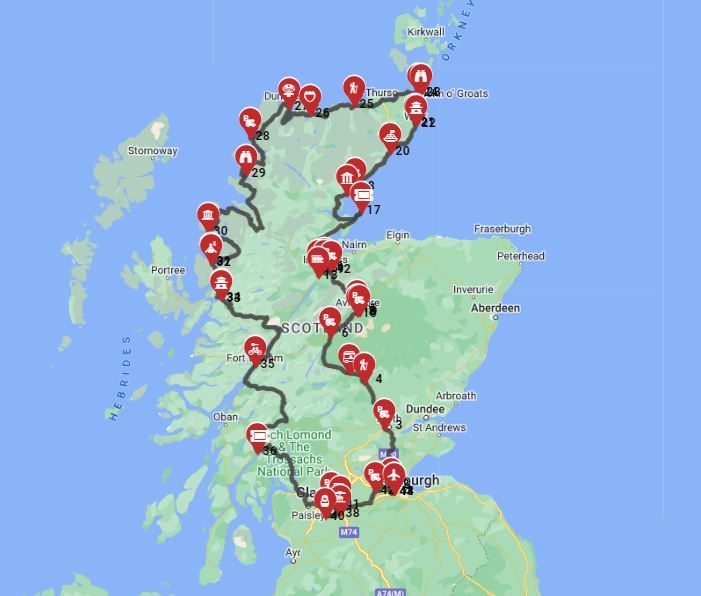
The North Coast 500 (NC500) is widely considered Scotland's premier campervan route, offering a spectacular 516-mile journey through the northern Scottish Highlands. However, other fantastic routes include exploring the rugged West Coast and the dramatic Isle of Skye, the scenic Argyll Coastal Route, and extensive island explorations, each providing unique landscapes and experiences.
North Coast 500 (NC500): This iconic circular route showcases stunning coastal scenery, dramatic mountains, and charming villages, but it requires diligent planning, especially for larger RVs on its narrower sections, particularly during peak season.
West Coast & Skye: Explore the raw beauty of the west coast, including the iconic Isle of Skye, which can be reached via a bridge or a scenic ferry journey. This area is renowned for its dramatic lochs, glens, and pristine beaches.
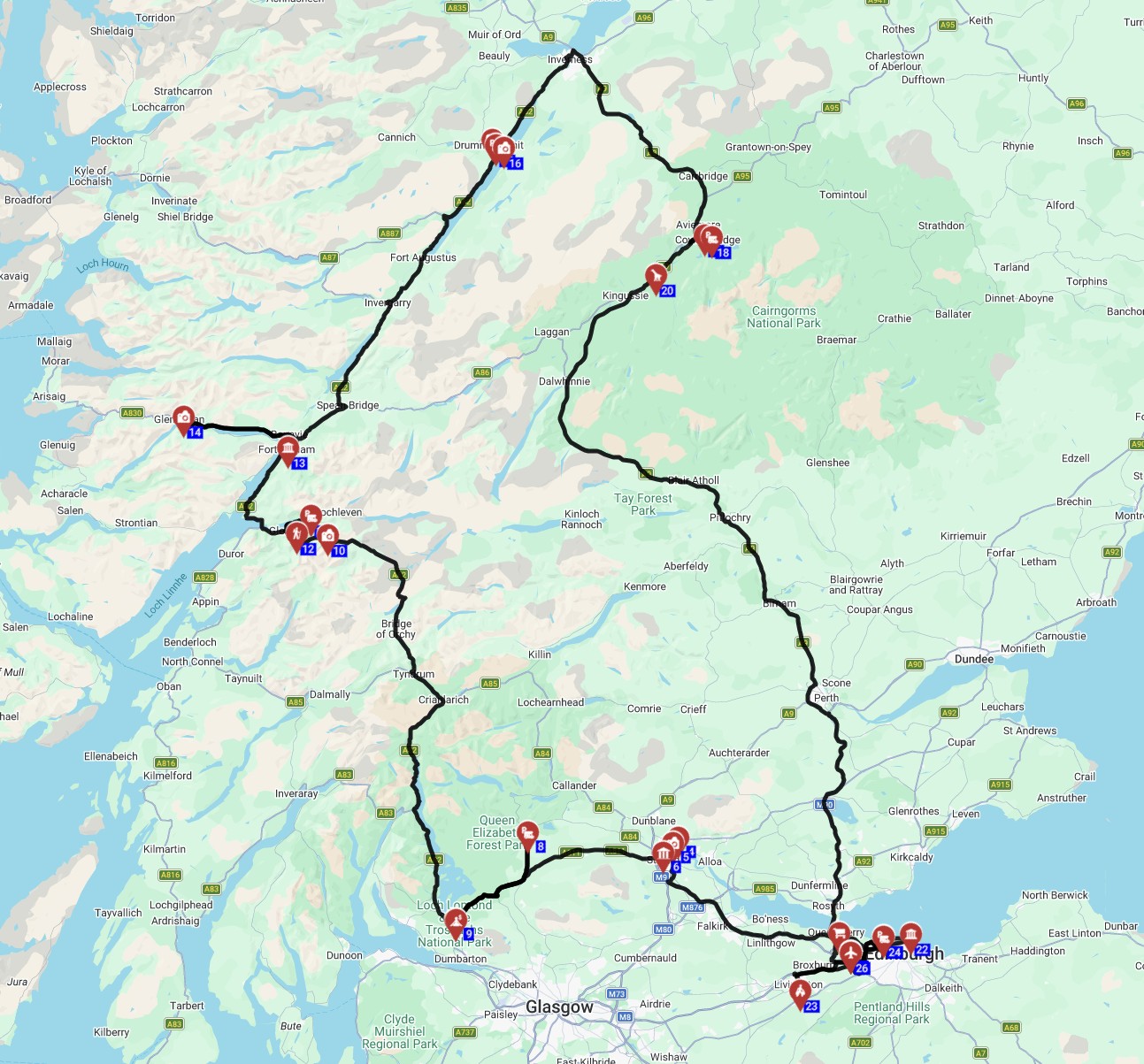
Argyll Coastal Route: A less-traveled but equally beautiful route through the southern Highlands, this journey offers a captivating mix of ancient forests, tranquil lochs, and historic sites, providing a more peaceful exploration.
Ferry Travel with an RV:
- CalMac Ferries: These are essential for reaching many of Scotland's stunning islands, including Mull, Islay, and the Outer Hebrides. The ferry journeys themselves are often an experience, offering breathtaking coastal views.
- Booking Ferries: Always book your vehicle spaces on CalMac ferries well in advance, especially for popular routes and during peak season, as capacity is limited and can sell out quickly.
- Costs: Remember to factor ferry fares into your overall budget, as they can add a significant amount, particularly for larger RVs traveling on longer routes.
Sustainable & Responsible RV Travel:
- Drive Responsibly: Adhere to speed limits, drive slowly and cautiously on single-track roads, and always be courteous to other road users and local residents.
- Support Local: Patronize local shops, cafes, and attractions to contribute positively to the communities you visit, enhancing your experience and supporting the local economy.
- Waste Management: Utilize designated waste and recycling points, especially for RV waste (grey and black water), and always follow 'Leave No Trace' principles to preserve Scotland's natural beauty.
- Consider Alternatives: Explore quieter, less-visited routes or consider traveling during the shoulder seasons to help manage the impact of tourism in more popular and sensitive areas.
What You Shouldn't Miss
- Drive the iconic North Coast 500 for unparalleled Highland scenery.
- Explore the mystical landscapes of the Isle of Skye, including the Old Man of Storr and the Quiraing.
- Visit a traditional Scottish whisky distillery for a taste of local heritage.
- Discover historic castles like Eilean Donan or Urquhart Castle, many offering stunning RV-accessible grounds.
- Experience the tranquility of Loch Ness, keeping an eye out for its famous resident.
- Hike in one of Scotland's stunning national parks, such as Cairngorms or Loch Lomond & The Trossachs.
- Take a scenic ferry journey to the Inner or Outer Hebrides for a true island adventure.
Final Thoughts
Renting an RV and exploring Scotland offers an unparalleled sense of freedom and connection with the breathtaking landscapes. From the rugged coastlines to the serene lochs and majestic mountains, Scotland provides an unforgettable backdrop for your motorhome adventure.
By planning ahead, understanding the nuances of RV travel in Scotland, and embracing the spirit of adventure, you're set for an incredible journey. Remember to travel slowly, savor the moments, and let the magic of Scotland unfold around you.
Ready to start planning your Scottish RV escape? Get inspired for your next trip and discover top destinations and planning tips all in one place!