In This Guide
- Where to Camp in Iceland - Top Options
- Campground Types in Iceland (National, Private, Wild)
- Featured RV Park or Campground in Iceland
- Hookups & Amenities - What to Expect
- Booking Windows & Reservations in Iceland
- Nearby Supermarkets & Resupply Points
- Best RV Class for Camping in Iceland
- How to Save on Campgrounds in Iceland
- What are the true costs of RV rental and camping in Iceland?
- What are the rules for RV camping and F-roads in Iceland?
- What is the best time of year for an RV trip to Iceland?
- How do I stay safe and prepared for Iceland's unique RV driving conditions?
- What RV features and packing essentials are critical for Iceland?
- What You Shouldn't Miss
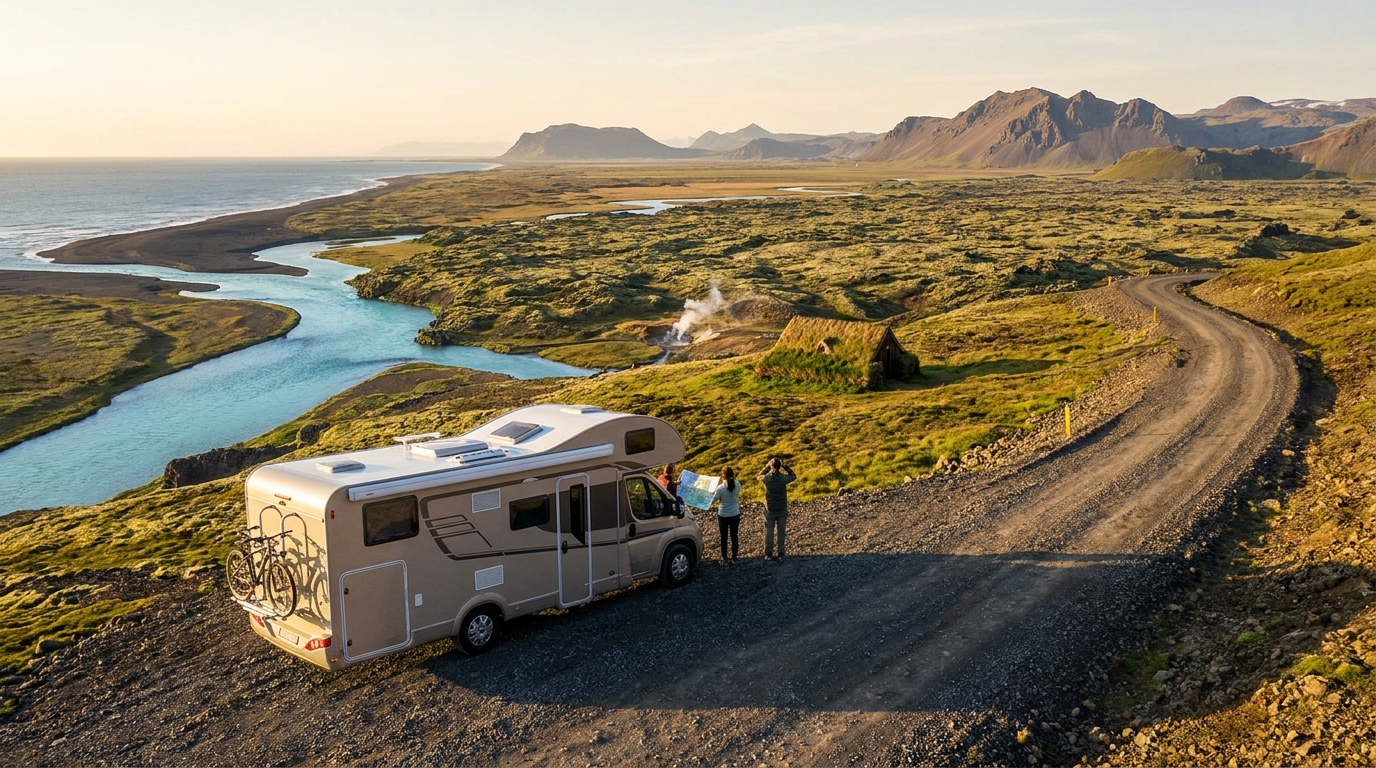
Embarking on a motorhome adventure in Iceland is an incredible way to experience the island's dramatic landscapes, from its volcanic terrains to its stunning glaciers and waterfalls. With an RV, your journey becomes a flexible exploration, allowing you to chase the northern lights or bask in the midnight sun at your own pace. Finding great RV Camping Deals in Iceland - Discounted Sites 2026 means optimizing your trip for both unforgettable experiences and smart budgeting. For live availability and current prices, start with our RV Rental Iceland - Complete Guide 2026 guide. On the routes offered through RV PLANET routes, you can itemize and track every expense along the way for easy budgeting.
Where to Camp in Iceland - Top Options
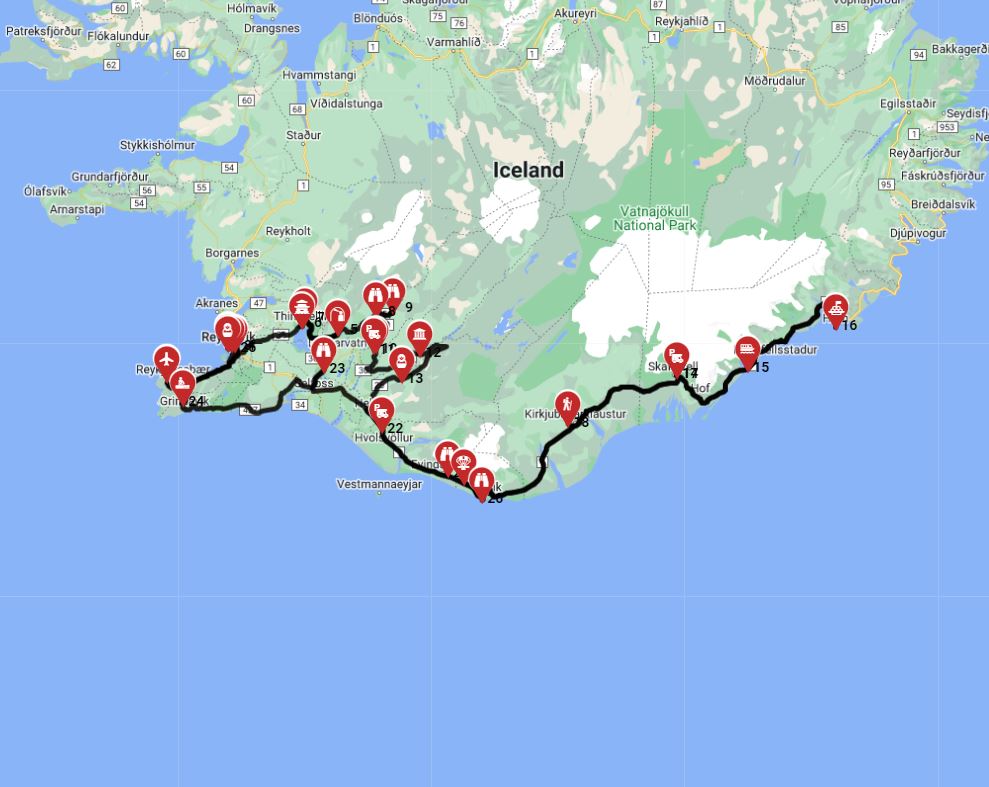
Iceland offers diverse camping experiences, from well-equipped sites near the Golden Circle to more rustic options in remote regions, providing ample opportunities for travelers with a rented motorhome. Popular camping areas include sites around Vik, known for its black sand beaches, by the Skaftafell Nature Reserve, offering access to glacier hikes, and near Reykjavík, which provides convenient access to major attractions and services. For those seeking tranquility and a deeper connection with nature, consider campgrounds in the Westfjords or Eastfjords, though amenities there might be more basic. Always plan your overnight stays in designated areas, which ensures you respect Iceland's fragile environment and local regulations.
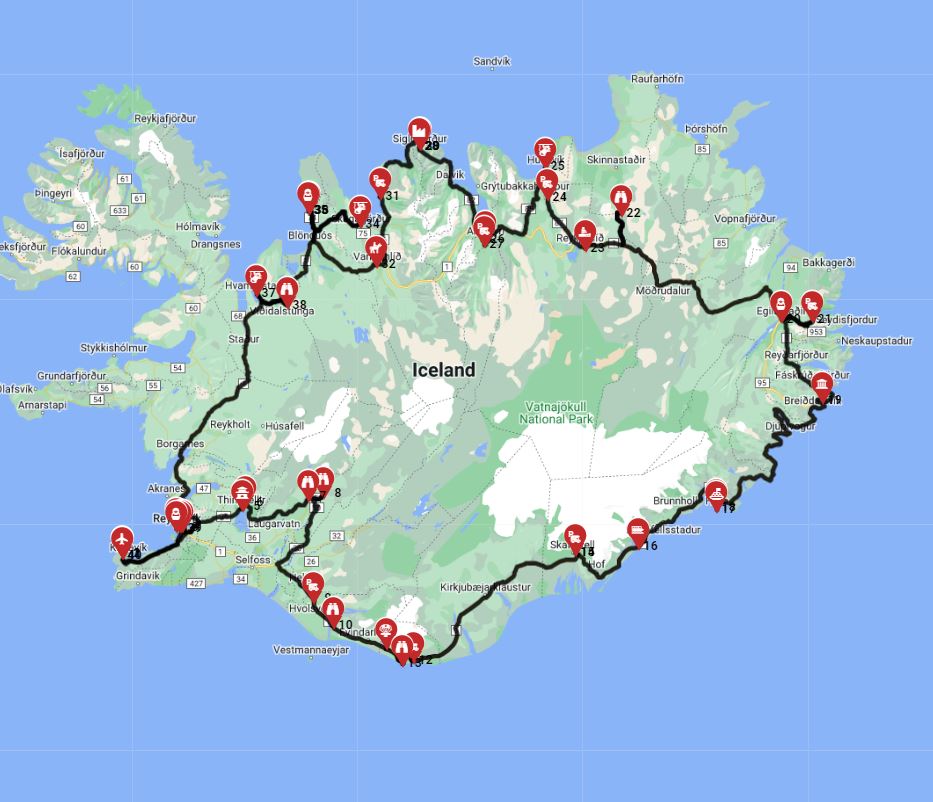
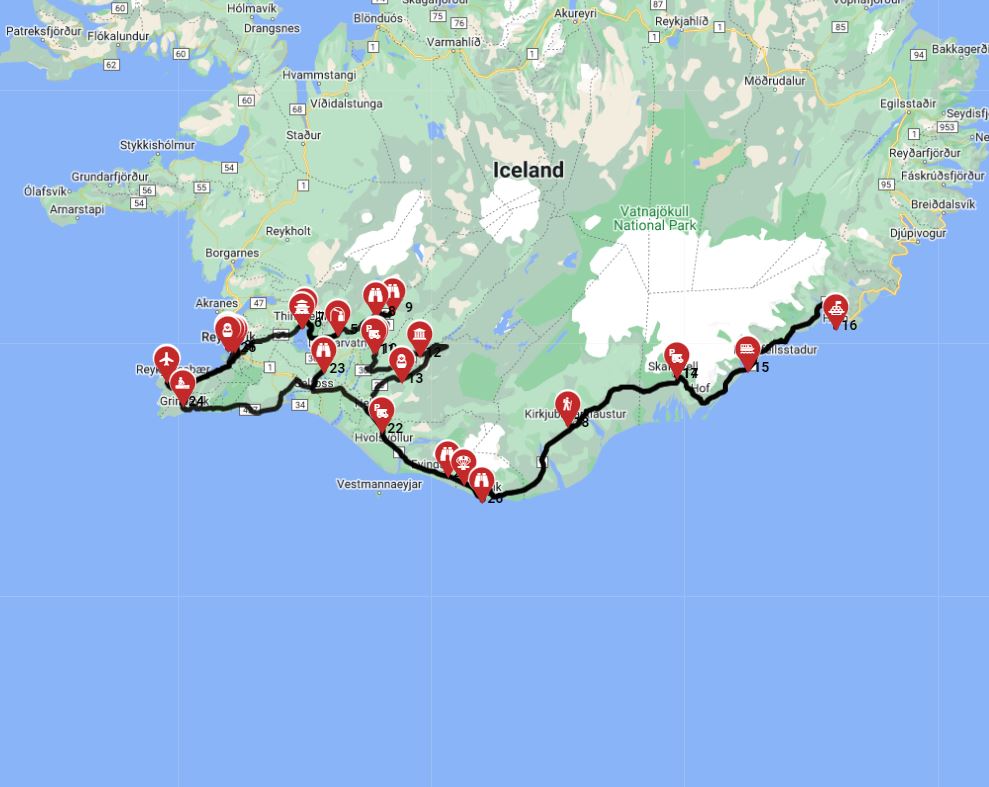
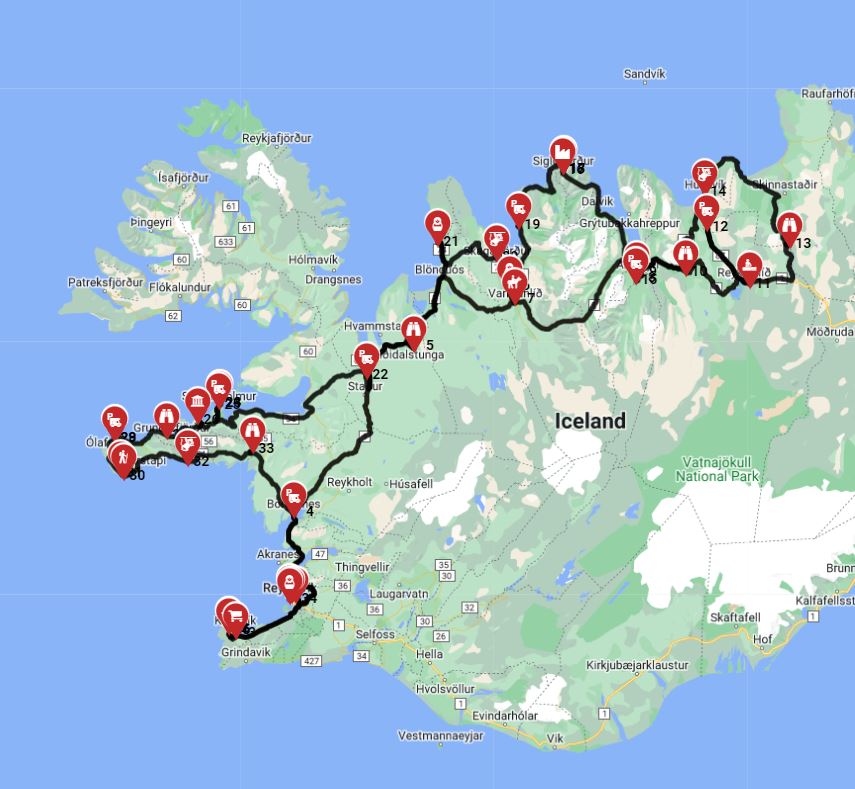
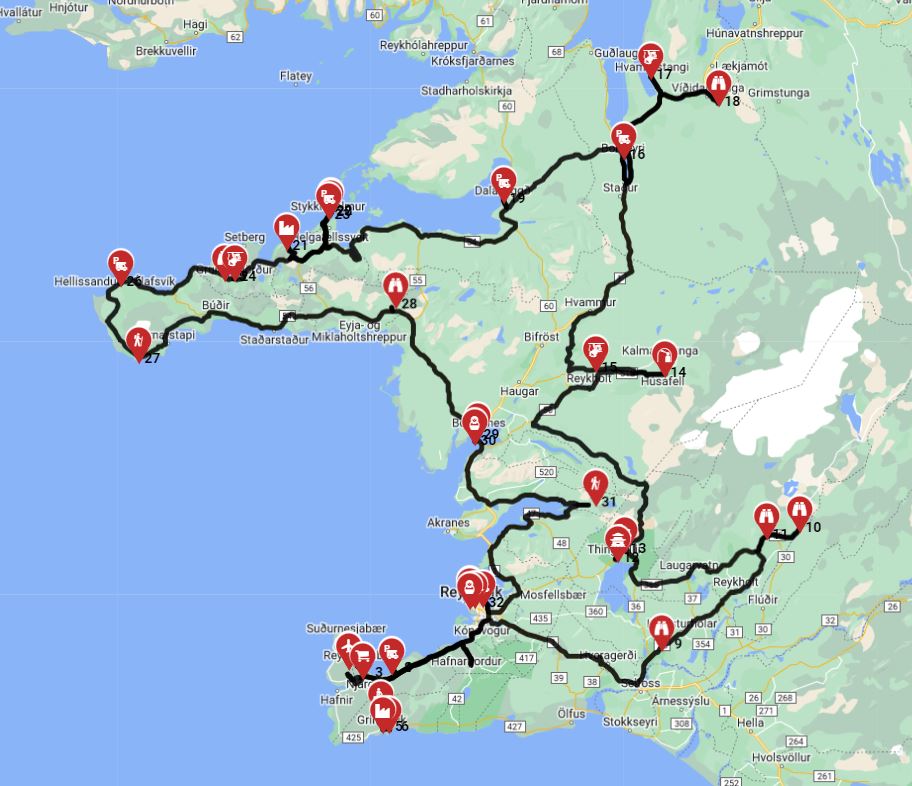
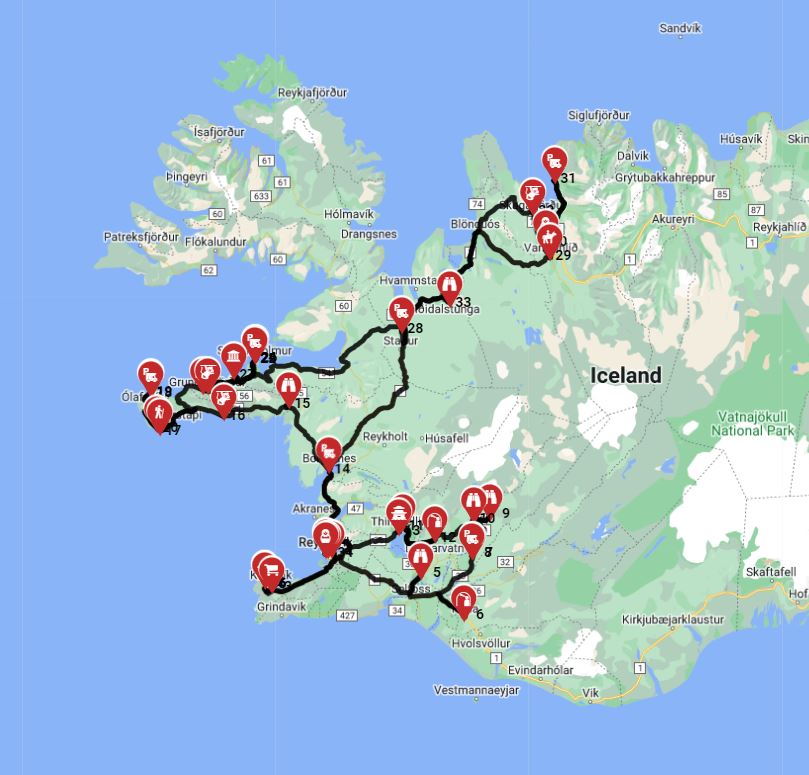
To help visualize your journey, consider a pre-planned route like the 9-day "
Campground Types in Iceland (National, Private, Wild)
Iceland's campgrounds are predominantly municipal or privately owned, offering varying levels of amenities and services, and it's essential to understand the distinctions for RV travelers. Wild camping with an RV is generally illegal and strongly discouraged across Iceland to protect the fragile environment and respect private property laws. This is a critical point for a 'Responsible RVer's Guide to Iceland,' as fines for unauthorized overnight parking can be substantial. Always plan to stay at designated campgrounds; even in national park areas, camping is restricted to marked sites, which helps preserve the delicate ecosystem. Many national parks have dedicated campgrounds that are well-maintained and offer basic facilities, ensuring a comfortable and compliant stay in your rented campervan.
For finding campsites and campgrounds during your trip, we recommend using RV PLANET (rvplan.net) - a great resource for locating available spots along your route, ensuring you always have a legal and convenient place to stay.
Featured RV Park or Campground in Iceland
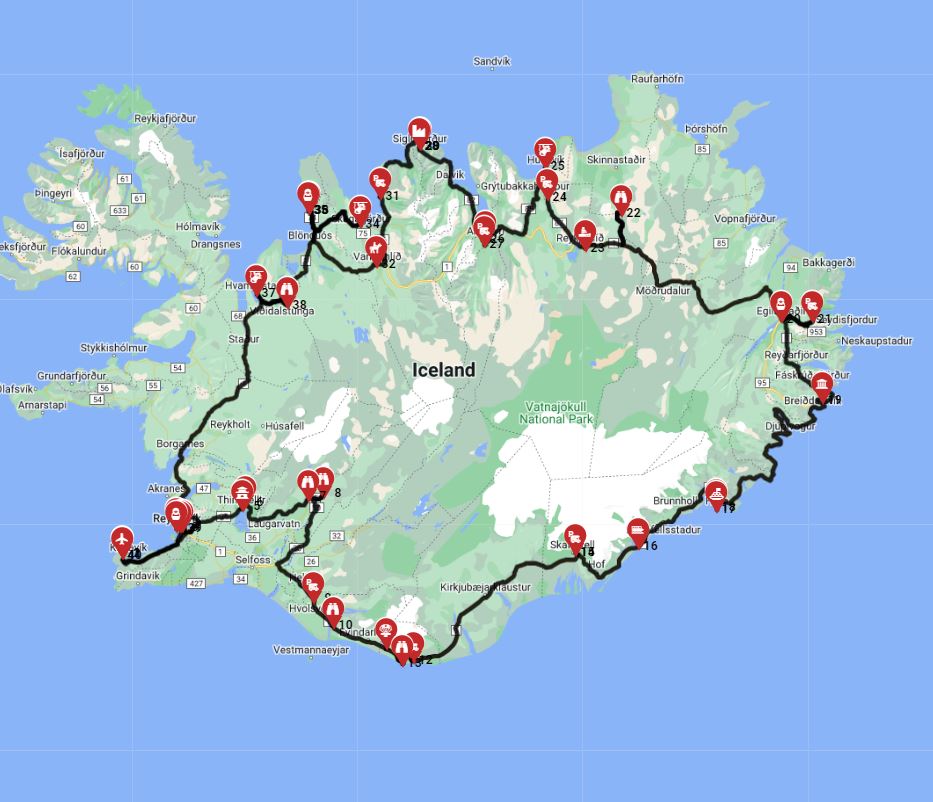
When selecting an RV park in Iceland, look for those offering essential services such as electricity, fresh water, and waste disposal to ensure a comfortable stay. Many larger campgrounds, particularly along the Ring Road, provide excellent facilities, often including communal cooking areas and hot showers, some even geothermally heated. Prioritize locations that serve as a strategic base for exploring specific regions or attractions on your itinerary, like the popular Reykjavík Campsite or facilities near the Skaftafell Nature Reserve. For instance, the 15-day "
Hookups & Amenities - What to Expect
Most Icelandic campgrounds provide basic hookups, typically including 220-240V electricity, requiring a European-standard CEE 7/4 or CEE 7/7 plug adapter, and easy access to fresh water and waste dump stations. Standard amenities often include shared toilet and shower facilities, and many also offer laundry services, though availability and quality can vary significantly between larger urban campgrounds and smaller, more remote sites in regions like the Eastfjords. While Wi-Fi is increasingly common, it may be limited to common areas or incur an extra charge, making offline maps and entertainment crucial for uninterrupted travel with your rented mobile home. Given Iceland's often cool climate, you can generally expect efficient heating systems in most modern rental motorhomes.
Booking Windows & Reservations in Iceland
For peak season (June-August) RV travel in Iceland, it is highly advisable to book popular campgrounds several months in advance to secure your preferred spots, potentially saving up to 25% on rates. Many national and state parks reserve only 25-30% of spots for online booking, with the rest available on a first-come-first-serve basis, offering options for spontaneous travelers. Spontaneous travelers can often find availability at less-visited or municipal campgrounds, especially during shoulder seasons (May or September), but calling ahead before driving is always recommended. You'll find a spot; if not at the first campground, then the next one. This flexibility means you're never stranded. Remember that prices for RV rental deals in Iceland, much like flight tickets, are dynamic and change daily based on availability, seasonality, and supplier marketing decisions, so booking early usually offers the best value.
Nearby Supermarkets & Resupply Points
Stocking up on groceries is crucial for any extended RV trip in Iceland, with major supermarket chains like Bónus, Krónan, and Nettó found in larger towns and cities, offering competitive prices. Reykjavík, Akureyri, and Selfoss are excellent resupply points, providing a wide selection of food, fresh produce, and essential camping supplies for your rented camper. Smaller towns will often have a local convenience store (e.g., Samkaup Úrval), but selections may be limited and prices generally higher, so planning ahead is key. For comprehensive budgeting, including tracking grocery expenses, explore RV PLANET routes where you can itemize every cost along your journey, ensuring full transparency with no hidden fees.
Best RV Class for Camping in Iceland
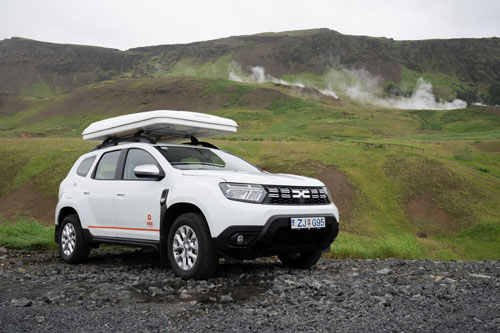
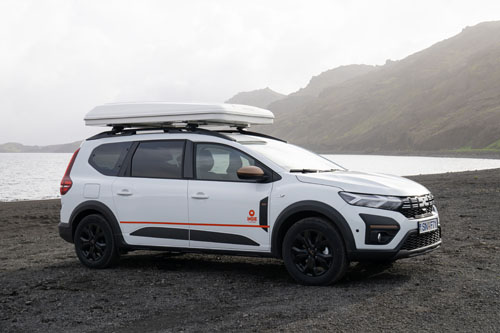
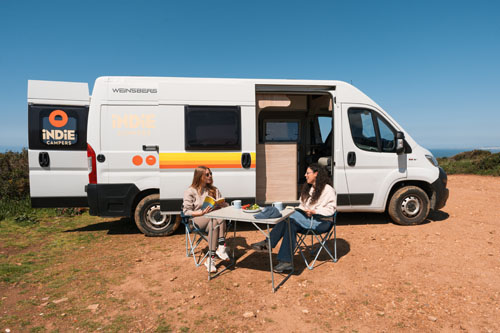
Choosing the best RV class for camping in Iceland depends heavily on your group size, budget, and desired level of adventure, especially regarding F-road access. Class B Camper Vans, like the "rv rental denver example Category Van" are ideal for up to three people, offering excellent maneuverability, an average length of 5.8m, and impressive fuel efficiency of around 10 Liters/100 km. For couples or small families, these compact motorhomes provide comfort without being cumbersome on smaller roads. Class SI (Semi-integrated) RVs, such as the "2 Berth Rover" or "2 Berth Tamar", averaging 6.9m in length and typically sleeping four, strike a great balance between comfort and ease of driving, consuming about 10-11 Liters/100 km. These are perfect for enjoying the Ring Road. For accessing F-roads, which lead to Iceland's remote highlands, a Class TC (Truck Camper) like the "Patagonia Camper 4x4 double cab" is essential. These vehicles average 5.5m and often feature 4x4 capabilities, though they typically have higher fuel consumption (12-17 Liters/100 km) and specific driving requirements due to unbridged rivers and rough terrain. Remember that a standard car driver's license is sufficient for all motorhome classes, making any of these options accessible.
Deciding on a 4x4 campervan for F-road access is a deep dive decision in Iceland; it unlocks incredible, remote experiences but comes with higher costs and more challenging driving. Our platform, Bandana RV, specializes in helping you compare motorhome types and find the perfect match for your Icelandic adventure, ensuring you rent a motorhome that perfectly suits your travel style.
How to Save on Campgrounds in Iceland
Saving on campgrounds in Iceland is achievable with a few smart strategies, making your RV trip more budget-friendly without sacrificing comfort. Purchasing a Camping Card can offer significant savings, providing access to many participating campgrounds across Iceland for a fixed price over a specific period, often covering stays for up to two adults and two children. Travel during the shoulder seasons (May, early June, September) to benefit from lower campground fees and fewer crowds compared to peak summer. Opt for municipal or regional campgrounds, which are often more budget-friendly than larger private resorts, while still providing necessary amenities like fresh water and waste disposal. Comparing options for your RV Rental Deals in Iceland - Latest Offers 2026 on a platform like Bandana RV can also reveal cost-effective choices for your campervan rental, helping you manage overall trip expenses. Additionally, planning your route in advance with RV PLANET can help identify campgrounds along your desired RV PLANET routes that align with your budget.
What are the true costs of RV rental and camping in Iceland?
The true cost of an RV trip to Iceland encompasses several key components beyond the initial rental fee, requiring careful budgeting for a transparent adventure. Fuel is a major budget item; for instance, Bandana's Class SI RVs typically consume 10-11 Liters/100 km, while 4x4 Class TC vehicles can use 12-17 Liters/100 km, with prices for gasoline and diesel often higher than many other European countries. Expect to budget 1,500-3,000 ISK per person per night for campgrounds, plus potential extra charges for electricity (around 1,000-1,500 ISK), showers, or waste dump fees, meaning a couple could spend 3,000-6,000 ISK per night. A week-long motorhome rental in Iceland could range from $1,050 to $2,100 for a compact campervan in shoulder season to $3,500-$7,000+ for a larger, luxury motorhome during peak summer, excluding fuel and other expenses. For a two-week adventure, double these estimates, and for a month-long journey, multiply by four. Comprehensive insurance is also critical, and we highly recommend upgrading to a top-level deductible reimbursement for extra peace of mind, covering potential damages like gravel protection or ash/sand insurance which are vital in Iceland's unique conditions.
To help travelers estimate their total trip costs, our sister company, RV PLANET, offers detailed RV PLANET routes that allow you to itemize and track every expense along the way for easy budgeting. Bandana RV was founded in 2001 and has over 20 years of experience helping tens of thousands of travelers explore the world by RV, ensuring full transparency with no hidden fees, so what you see is what you pay. Whether you're looking for Cheap RV Rental in Iceland - Budget Guide 2026 or a Luxury RV Rental in Iceland - Premium Prices 2026, we handle the details, so you can live the journey.
🎬 Video coming soon
What are the rules for RV camping and F-roads in Iceland?
Wild camping with an RV is strictly prohibited in Iceland; all motorhomes and campervans must park overnight in designated campgrounds to protect the fragile environment and abide by private land ownership laws. Violations can result in substantial fines, emphasizing the importance of planning your stays. F-roads, which lead into Iceland's rugged highlands, are only accessible by 4x4 vehicles, generally from late June/early July to mid-September, and require careful driving due to unbridged rivers, steep ascents, and extremely rough, unpaved terrain. It is crucial to practice 'Leave No Trace' principles across Iceland, ensuring all trash is removed and natural sites remain undisturbed, with strict rules often applying to drone usage in protected areas. Always check road.is for current F-road conditions before attempting to travel on them, as they can close suddenly due to weather. For those planning to utilize these roads, our "One-Way RV Rental in Iceland - Price Guide 2026" or "RV Rental Europe - Complete Guide 2026" may offer helpful insights into vehicle types and options.
What is the best time of year for an RV trip to Iceland?
The best time for an RV trip to Iceland is typically from late May through early September, offering the mildest weather, longest daylight hours (including the famous Midnight Sun), and full accessibility with F-roads open for adventurous 4x4 campervan explorations. Peak summer months (July-August) provide full access to all areas and activities, but also mean higher rental and campground prices and more tourist crowds. Shoulder seasons (May-early June and September) offer a good balance of fewer tourists and potentially lower costs, with September providing excellent opportunities to see the Northern Lights. However, weather can be more unpredictable during shoulder seasons, and some remote services or attractions might be reduced. Iceland’s Ring Road can offer you 'four seasons in one day,' so regardless of when you travel, be prepared for sudden changes in conditions. Planning a trip in the shoulder seasons can often lead to more attractive RV Camping Deals in Iceland - Discounted Sites 2026.
How do I stay safe and prepared for Iceland's unique RV driving conditions?
Staying safe and prepared for Iceland's unique RV driving conditions requires diligent planning and constant awareness, as weather can change dramatically. Always check Iceland's official weather and road conditions websites (vedur.is and road.is) frequently, as sudden and extreme winds (often exceeding 20 m/s), sandstorms, or blizzards can occur even in summer. Drive slowly and carefully, and you can drive almost anywhere without issues. No need to stress - just use common sense and pay attention. Reduce speed and maintain a safe distance from other vehicles on gravel roads to prevent stone damage, and yield carefully on single-lane bridges, which are common in rural areas. Be prepared for remote areas by carrying extra fuel, water, and emergency supplies, informing someone of your itinerary, and being mindful of free-roaming sheep (Iceland has roughly 800,000 sheep) and unbridged rivers on F-roads. A standard car driver's license is sufficient, but an International Driving Permit (IDP) is recommended for non-English speakers for ease of identification. For specific guidance on winter travel, consult our "Winter RV Driving in Iceland - Safety Guide 2026" to ensure optimal preparation for colder conditions.
What RV features and packing essentials are critical for Iceland?
Critical RV features for an Icelandic adventure include robust heating and excellent insulation, even for summer travel, to cope with fluctuating temperatures and strong winds. A reliable water tank (many Class SI motorhomes have 100+ liter fresh water tanks) and efficient waste disposal systems are also key for self-sufficiency between campgrounds. Essential packing includes versatile layering clothing (thermal base layers, fleece, waterproof and windproof outer shells), sturdy hiking boots for exploring, and a warm hat and gloves, even in summer. Additionally, bring a universal power adapter for European outlets, a portable power bank for devices, and consider specific cooking equipment if you plan extensive self-catering. Having a well-equipped kitchen in your rented caravan allows you to prepare delicious meals, which can also help you save on dining out. Discover exciting meal ideas with our RV-friendly recipes playlist, making your journey even more enjoyable.
What You Shouldn't Miss
Looking for expert insights from Avi Bandana? Top 5 Adventures - recommendations from Avi Bandana:
- The Golden Circle: Drive a rented motorhome to see Thingvellir National Park, Geysir geothermal area, and Gullfoss waterfall. This iconic route offers a condensed view of Iceland's geological wonders and historical significance.
- Jökulsárlón Glacier Lagoon: Witness the breathtaking sight of icebergs floating in a glacial lagoon, often with seals swimming among them. Consider a zodiac boat tour for an up-close experience.
- Black Sand Beaches of Reynisfjara: Visit the dramatic black sand beach near Vík, famous for its basalt columns and powerful waves. Remember to respect safety warnings and keep a distance from the surf.
- Westfjords Exploration: Venture beyond the Ring Road with a capable rented RV to explore the remote and spectacular Westfjords, home to Látrabjarg bird cliffs and Dynjandi waterfall. This area is less crowded and offers profound natural beauty.
- Soak in a Geothermal Spa: Indulge in Iceland's natural hot springs. While the Blue Lagoon is famous, explore other local options like the Secret Lagoon or Myvatn Nature Baths for a more authentic and often less crowded experience, a perfect way to relax after a day of driving.
Final Thoughts
Exploring Iceland by a rented motorhome is an unparalleled adventure, offering freedom and immersion in one of the world's most spectacular natural environments. From navigating the famous Ring Road to venturing onto challenging F-roads with a 4x4 campervan, every day brings new wonders. Remember to plan slowly, aiming for a maximum of 100-150 km per day on average, allowing you to truly feel the place and connect with the culture, the food, and the scenery.
With Bandana Caravan, you benefit from our full transparency, 24/7 support for your booking process, and the peace of mind that comes from dealing with true RV specialists. We're here to help you compare prices, understand all costs, and select the perfect motorhome for your journey, from planning in Reykjavik to your return from Keflavík.
So, take the first step towards your Icelandic dream. Get inspired for your next trip and discover top destinations and planning tips, all in one place with us. Plan a trip itinerary in advance with minimal effort and maximum enjoyment. Your extraordinary Icelandic RV adventure awaits!
Compare Motorhome Prices for Iceland and discover your perfect vehicle today!